Check out these great free and paid options for backing up your iPhone photos and videos to ensure your memories are always safe and accessible.
7 ways to safely back up your iPhone photos and videos

Check out these great free and paid options for backing up your iPhone photos and videos to ensure your memories are always safe and accessible.

Learn how to access, view, and download your photos and videos saved on iCloud using your iPhone, iPad, Mac, or a web browser.
Apple bills iCloud as a safe place to store a user's digital footprint, from documents to files to just about everything else that can be stored in the cloud. However, some folks out there in the wild will do just about anything to find personal, revealing photos of others. Like one man who has apparently broken into thousands of iCloud accounts on the hunt for explicit photos.
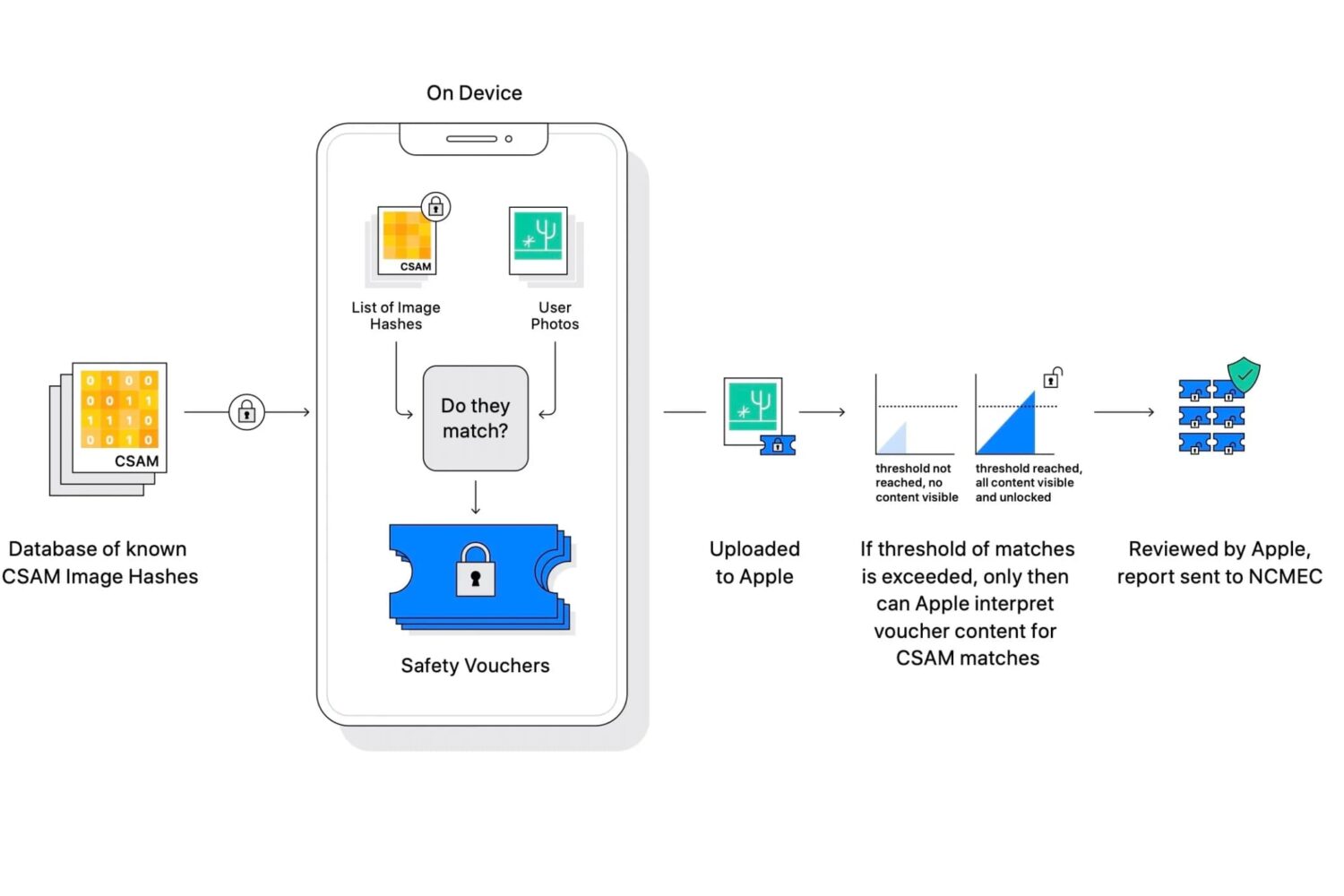
Apple this week revealed a new initiative that's meant to help protect children. The Expanded Protections for Children effort is three-fold, each feature baked into Apple's major platforms. Two of the new additions appear to be going over well enough, but it's the other one, the photo scanning one, that's ruffled a lot of feathers.

In this full step-by-step tutorial, we show you how to transfer iCloud photos and videos to Google Photos, along with requirements, limitations, and more.

Learn how to hide photos and videos on your iPhone, iPad, and Mac if you’d like to keep them private or simply want to declutter your camera roll.
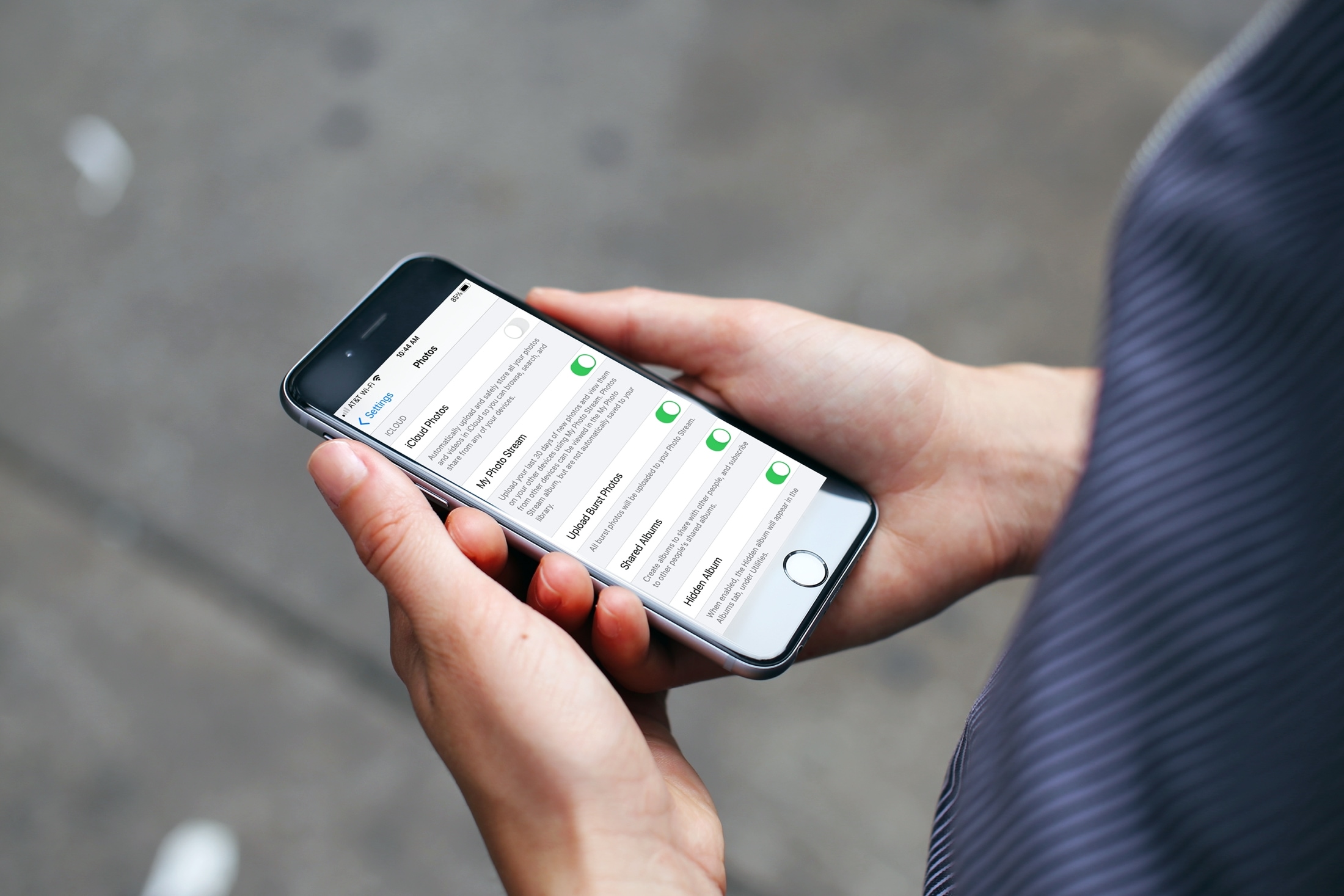
If you’re one who uses the My Photo Stream feature in Photos rather than iCloud, there’s a small setting you might not know about. The setting is to automatically upload burst photos to My Photo Stream and can be quite handy.
Burst photos are terrific for making sure you capture the perfect shot. So instead of just one photo, you can take several with a tap. You then review and keep those you want from the burst. And since you can see and save the images on any device with My Photo Stream, you may want the photos from the bursts there by default.
Here we’ll show you how to automatically upload burst photos to My Photo Stream so you can work with them on iPhone, iPad, or Mac.
Finding photos of people, places, or things can become increasingly difficult as you snap more pictures. And if you don’t take the time to add keywords or descriptions, it can be even harder. In this tutorial, we’ll share some tips to help you find what you need inside the macOS Photos app.
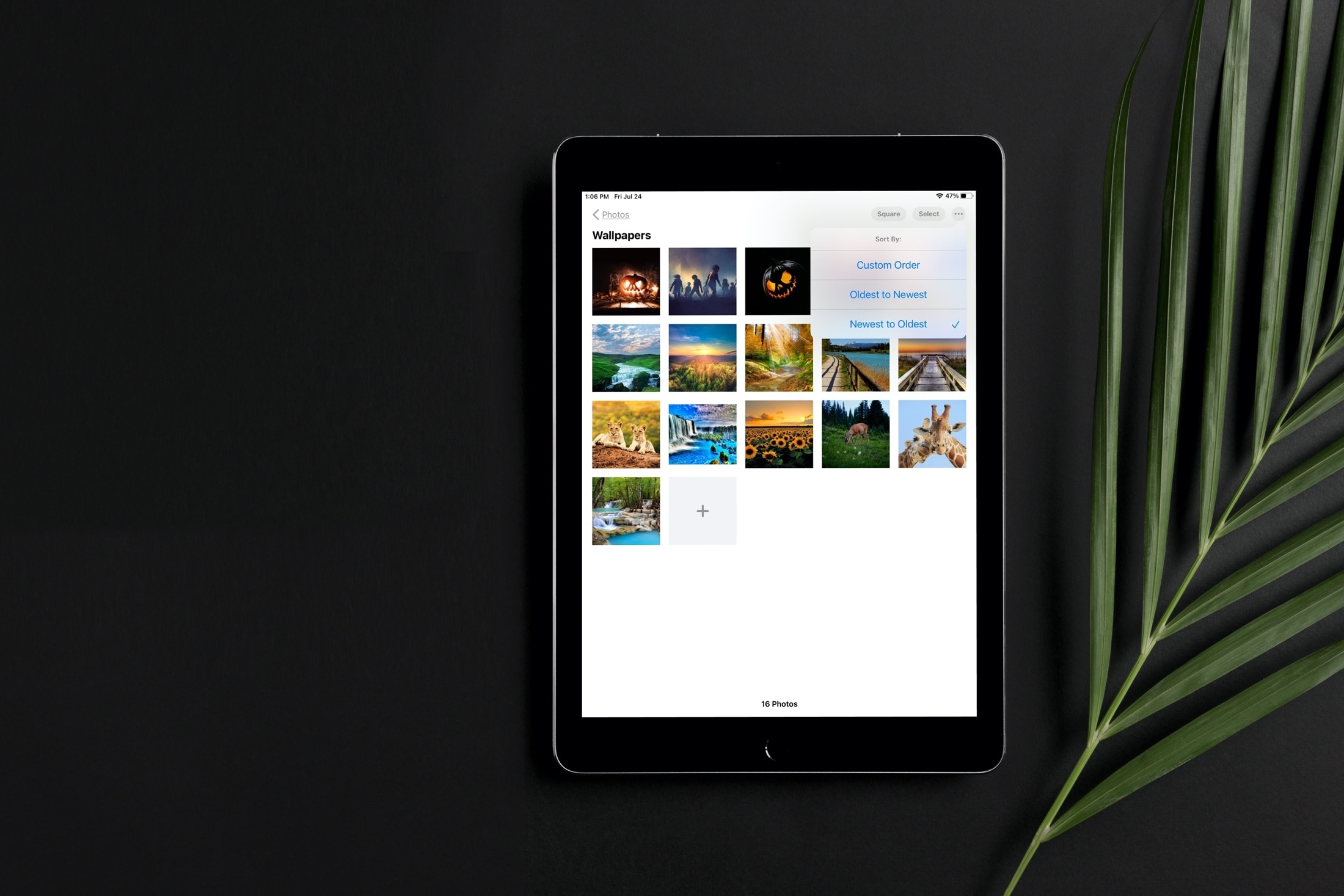
Learn how to sort images and videos in the built-in Photos app on your iPhone or iPad by date or custom order to organize your library.

Learn how to manually add titles and captions to images and videos in the Apple Photos app on your iPhone, iPad, and Mac to make it easy to search for them later.
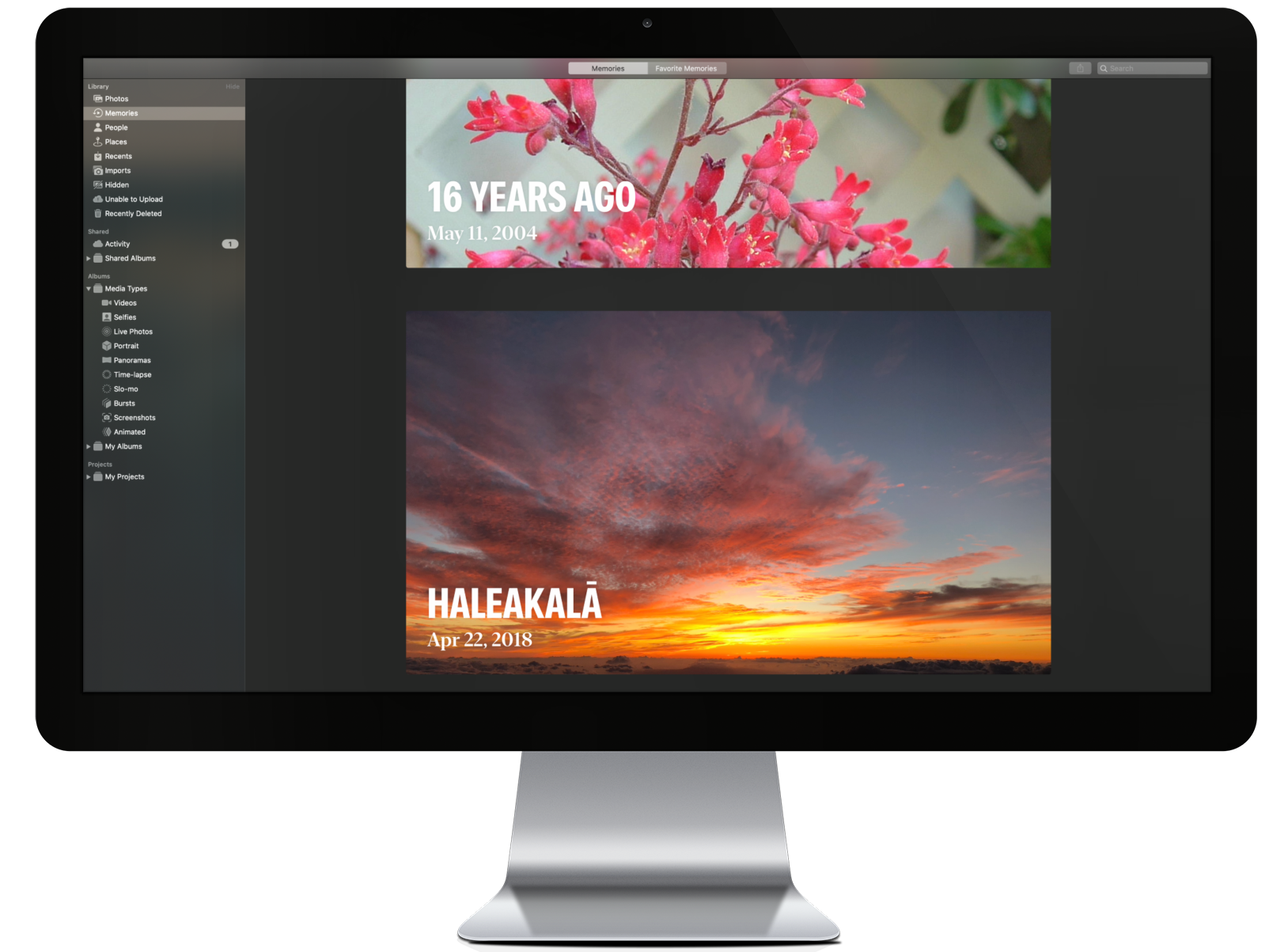
Since the dawn of iCloud Photo Library and the ability to store an entire set of photos in the cloud, I avoided giving up local control of my images. I think this fear spawned from a switch to Apple Music, when my local music library got mashed up with cloud music and ultimately led to essentially losing track of my actual song files in a series of computer hardware upgrades. With some encouraging, I stepped into iCloud Photos and I'm quickly loving it, but it was a little daunting.
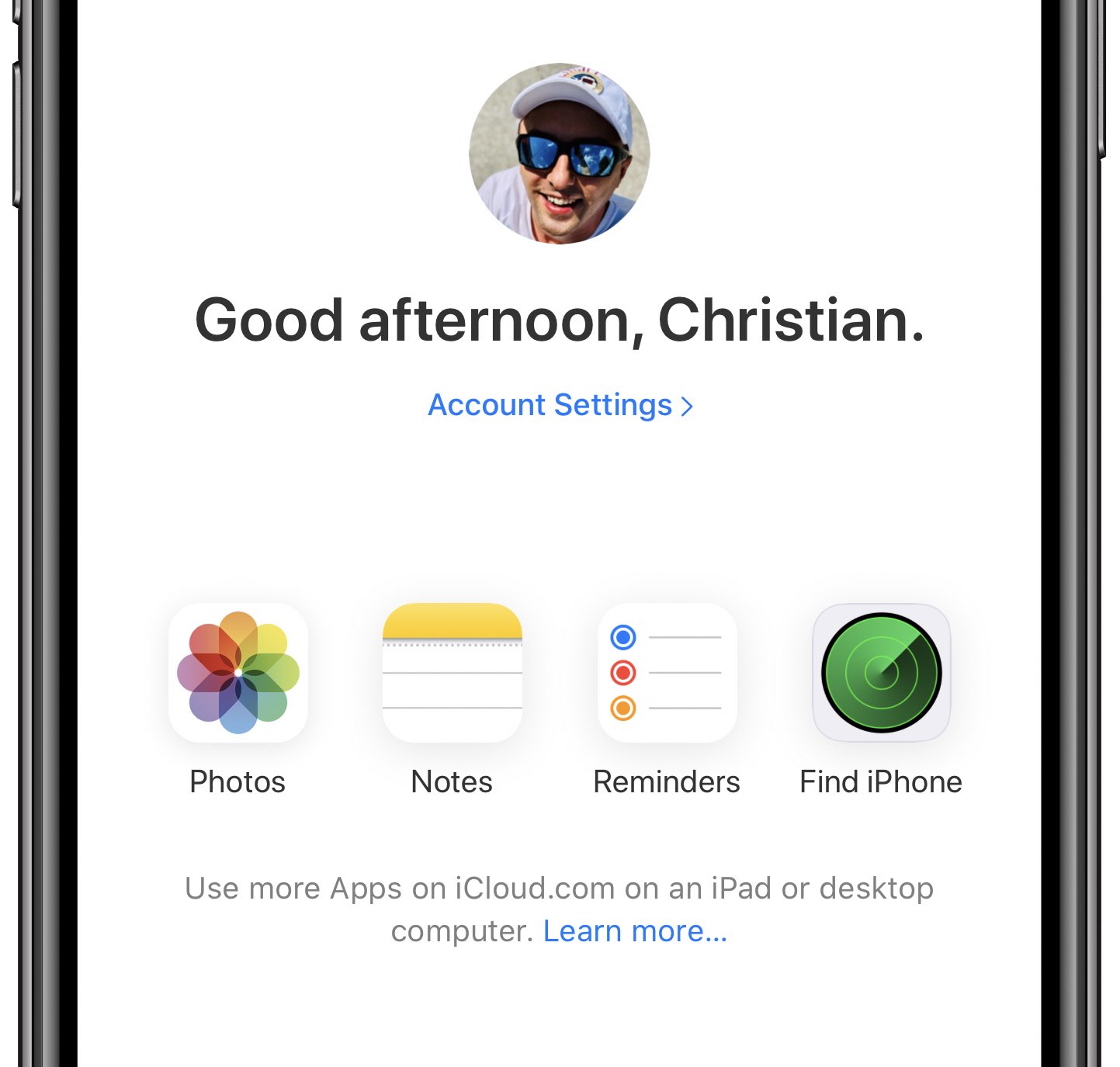
The iCloud.com website is now available with a new landing page on mobile devices which finally brings support for some of its web apps such as Photos, Notes and Reminders. Previously, accessing the website from an iPhone or Android used to bring up a landing page informing you that you couldn't get to the web apps whilst using a mobile browser.