Apple's new A16 chip could be reserved for the iPhone 14 Pro and iPhone 14 Pro Max, with the non-Pro models predicted to retain the company's current A15 chipset.
Why only the iPhone 14 Pro models might get Apple’s upcoming A16 Bionic chipset

Apple's new A16 chip could be reserved for the iPhone 14 Pro and iPhone 14 Pro Max, with the non-Pro models predicted to retain the company's current A15 chipset.

Some apps and background processes are more CPU-intensive than others. Consequently, those apps and background processes will pound your battery the hardest, resulting in reduced battery life.
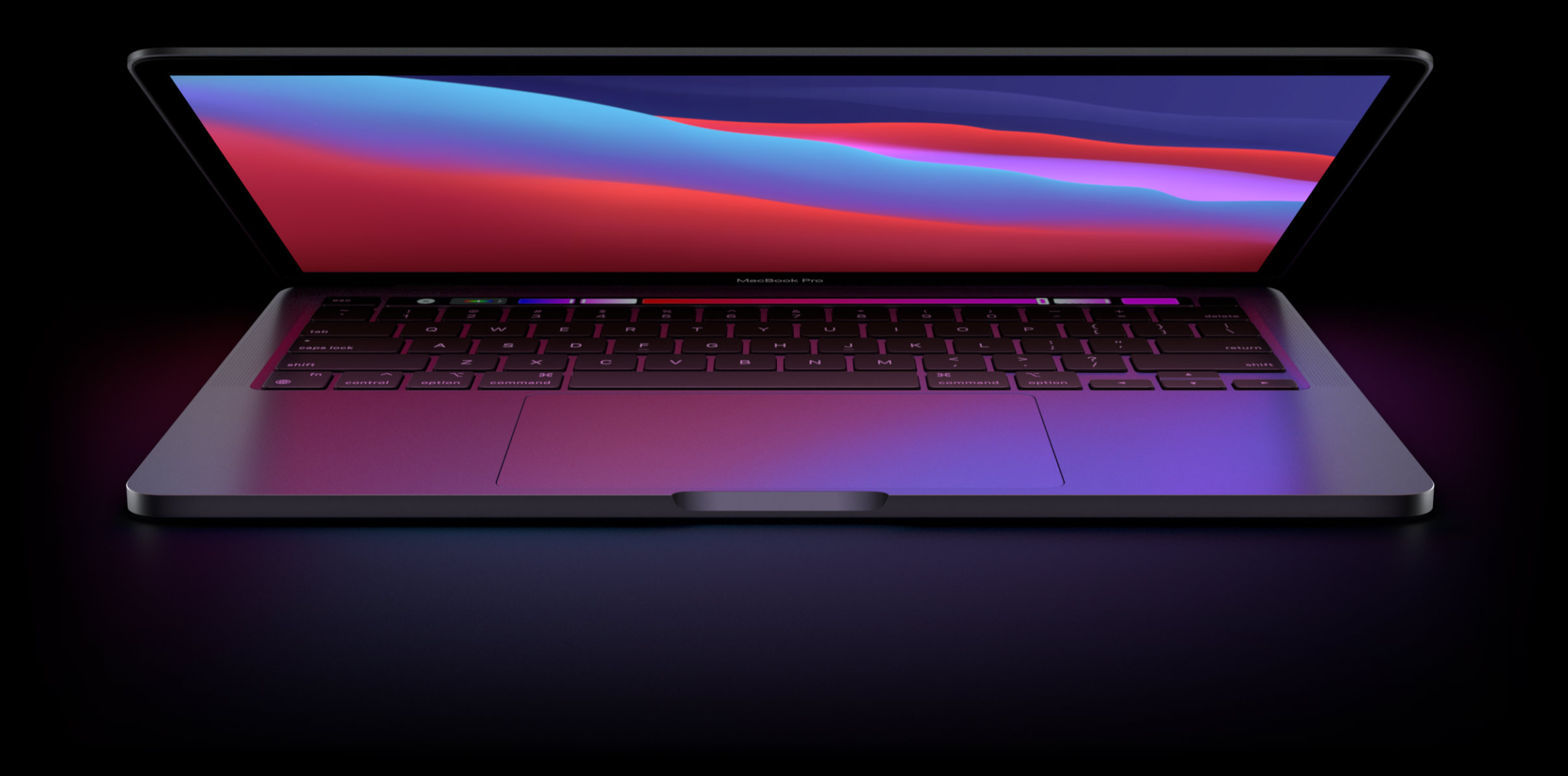
As soon as this summer Apple may launch redesigned MacBook Pro notebooks with new Apple silicon chips featuring eight high-performance processing cores and two high-efficiency ones.
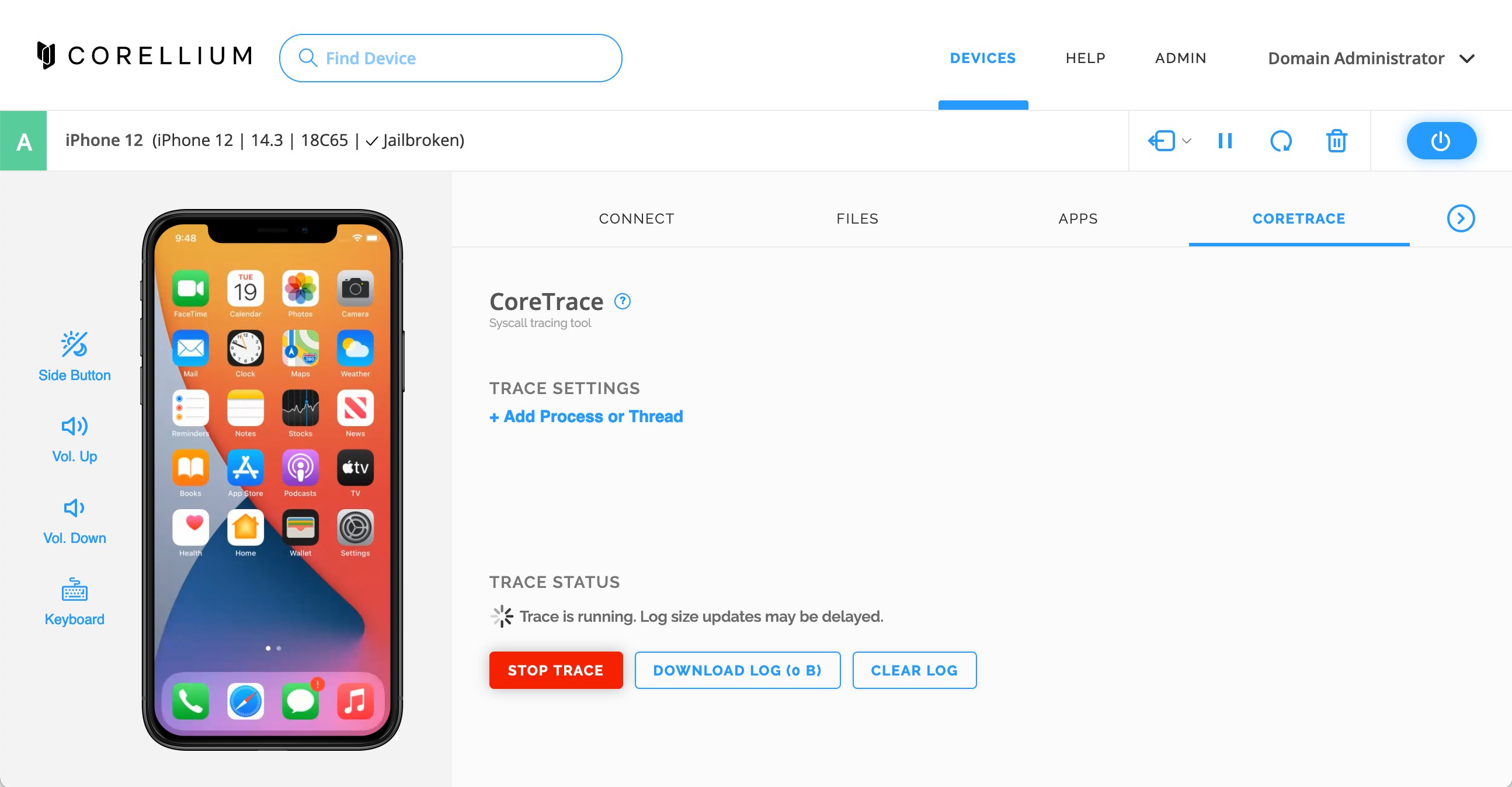
Virtualization software maker Corellium says individual accounts can now also take advantage of its iOS virtualization services, with prices starting at $99 per month for two CPU cores.
Most gadget lovers know that thermal throttling is a fact of life. Even the new M1 chip from Apple throttles CPU performance. For instance, the new M1 MacBook Air is capable of running for up to 18 hours on a single charge, but that doesn't mean peak power all the time.
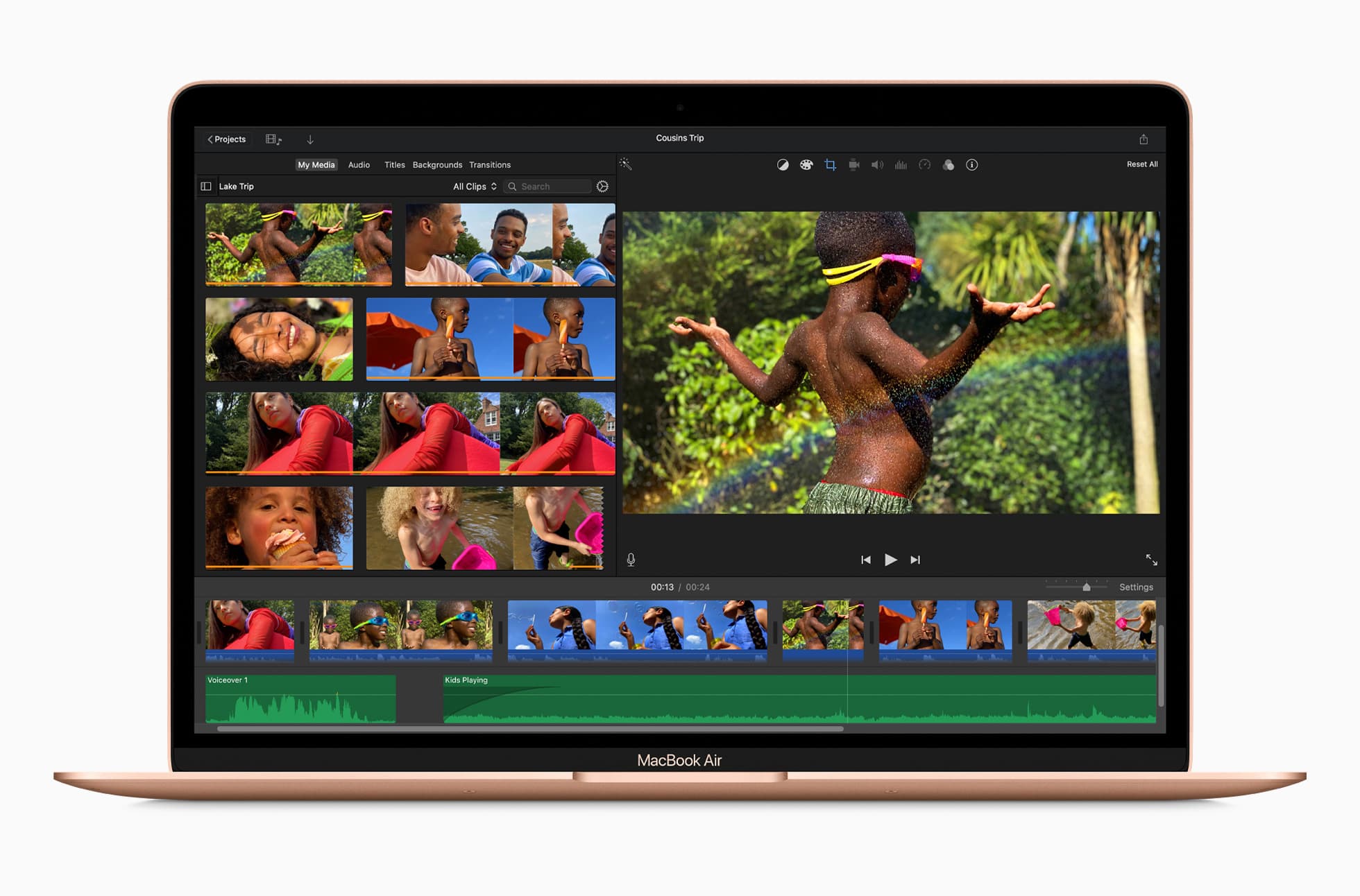
Just how much faster Apple's new M1 chip is when pitted against its Intel silicon counterparts? Well, someone with access to Apple's new M1-powered Macs submitted alleged Geekbench 5 scores showing the chip outperforming every Mac ever made in single-core performance.
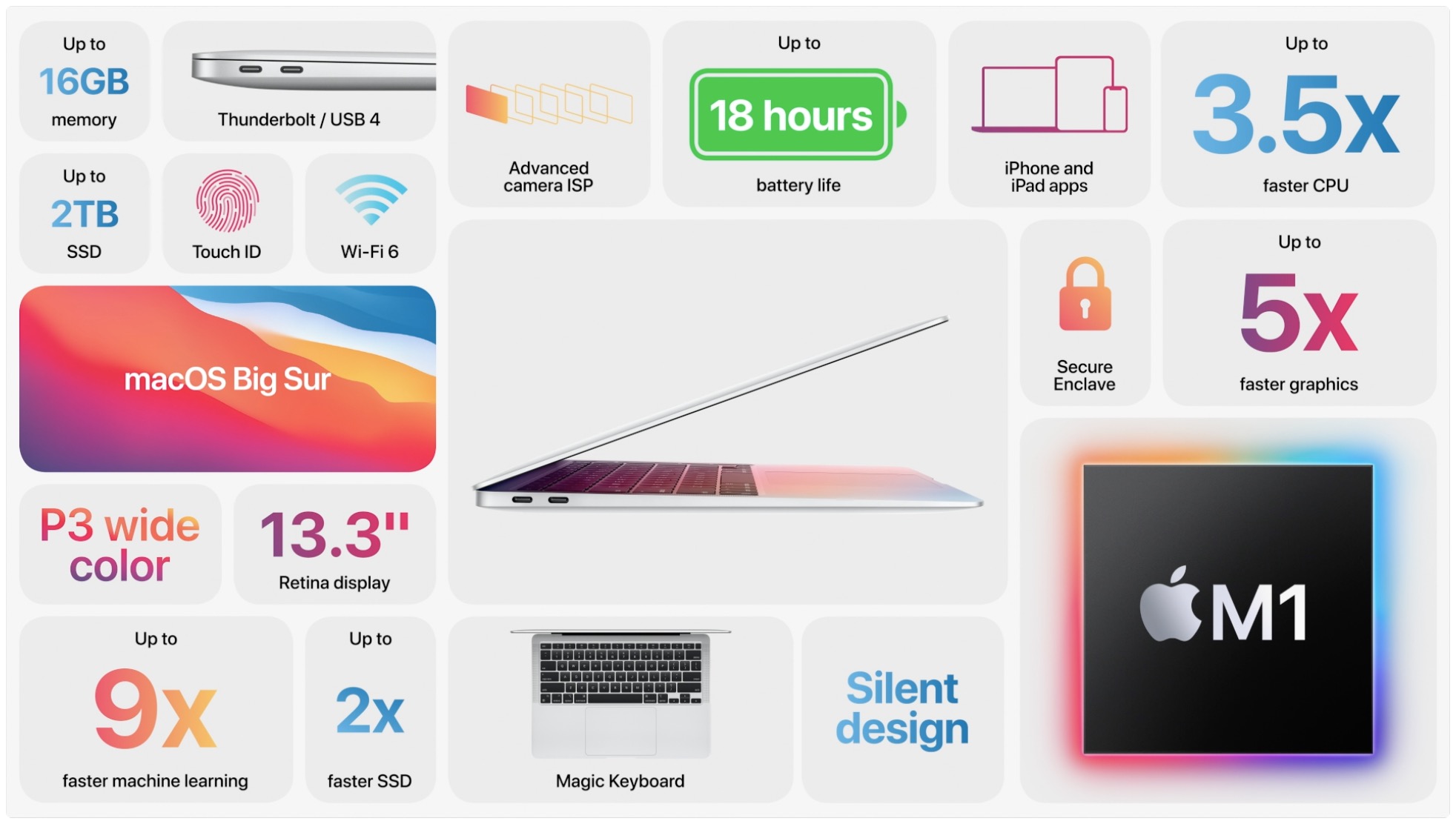
With its new M1 laptop chip and related hardware updates to the MacBook Air, MacBook Pro and Mac mini, Apple has now stopped selling MacBook Air configurations with Intel processors in order to focus exclusively on the new models that are powered by the M1 chip. As for the Mac mini and MacBook Pro, some Intel-based configurations continue to be offered by Apple.
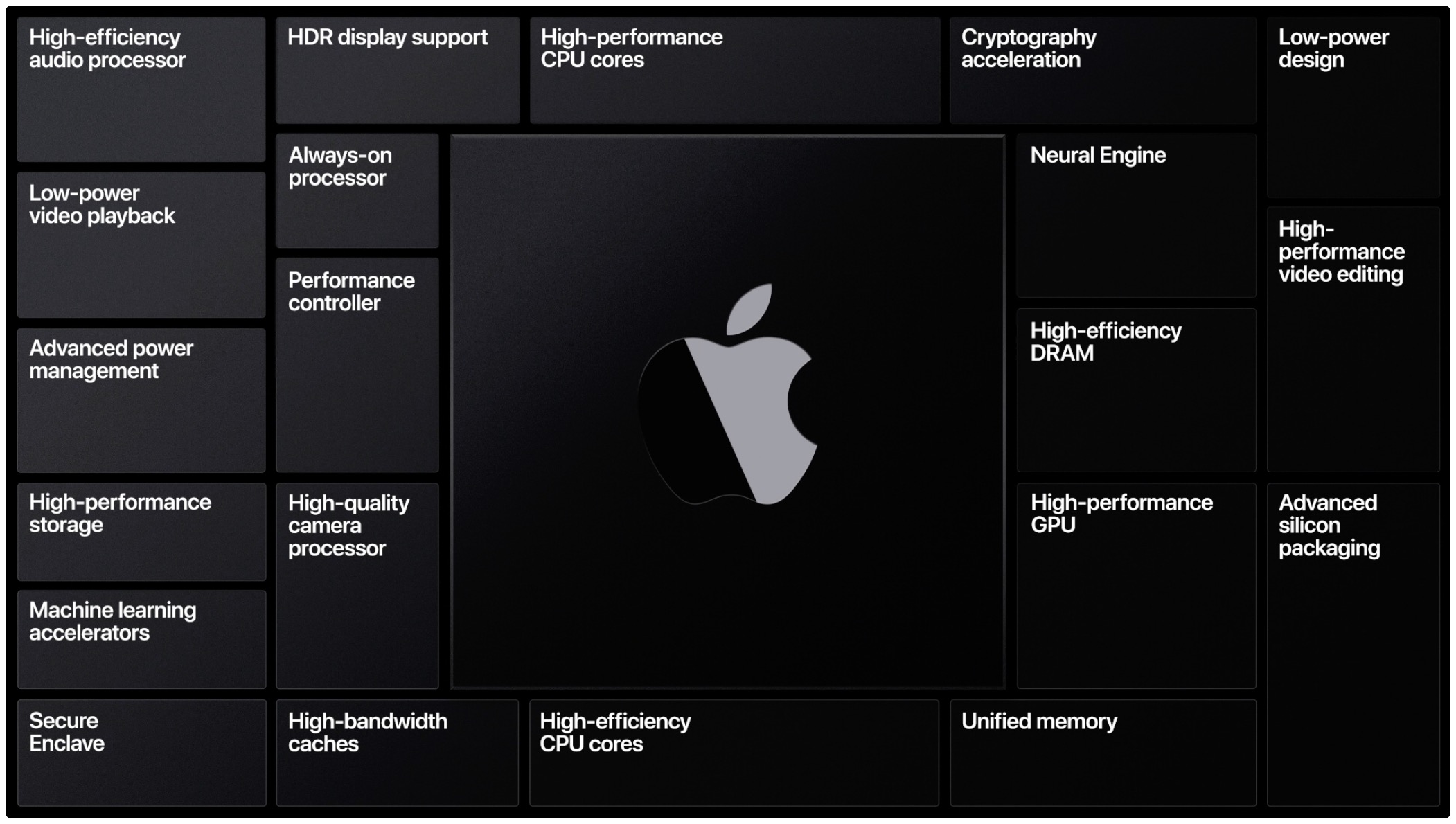
The Mac is transitioning to Apple's own silicon, CEO Tim Cook announced at the WWDC 2020.
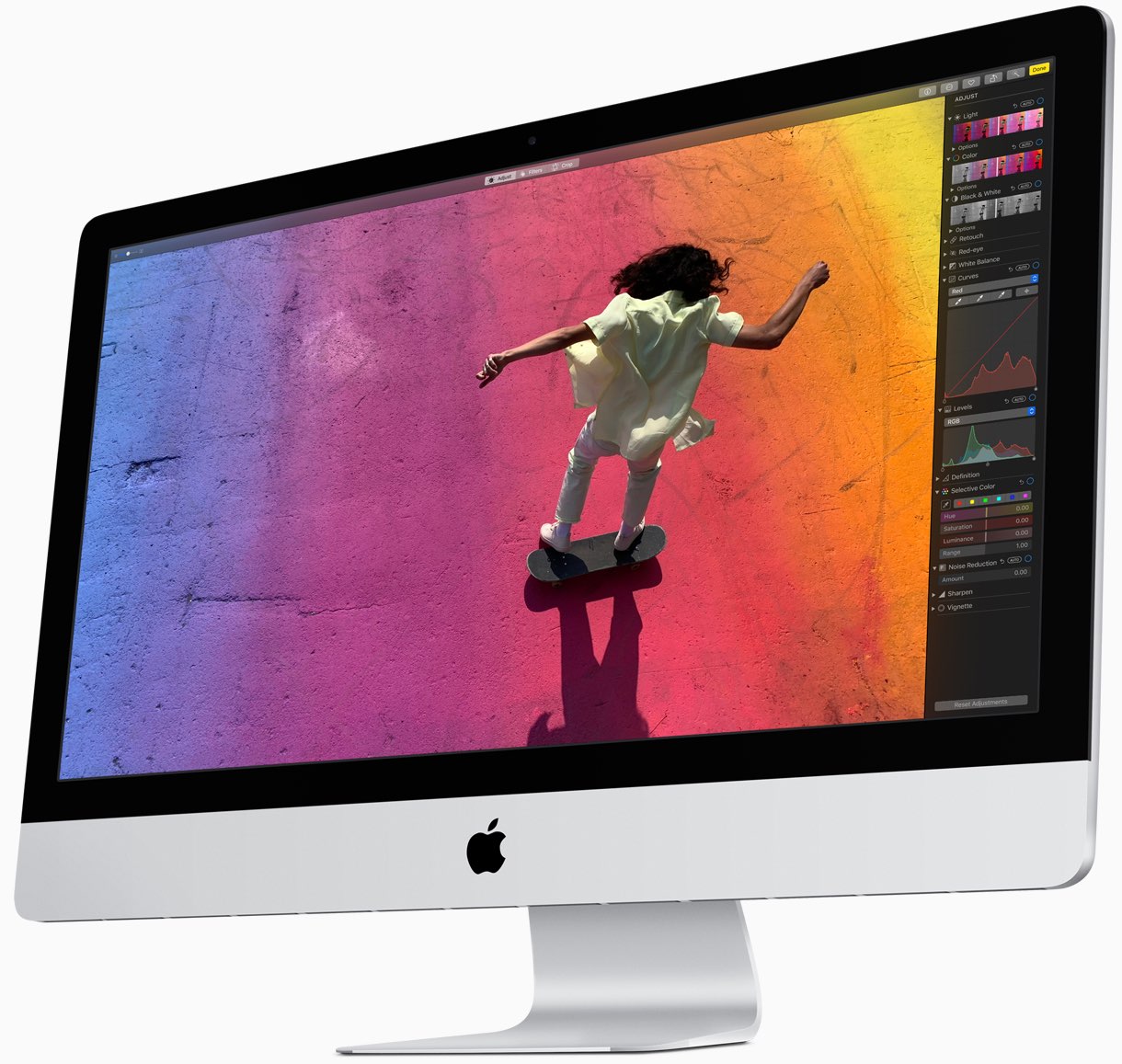
Apple's first Mac models powered by in-house designed processors based on the same ARM CPU technology that's utilized in the company's mobile chips should be a new iMac all-in-one desktop featuring an all-new form factor and a 13.3-inch MacBook Pro notebook.

Apple's for years been rumored to have been secretly developing its own desktop chips, based on iPhone and iPad processors, to ditch Intel from Macs. Bloomberg in a new report this morning claims that the tech giant is going to announce the first in-house designed main processors for Macs at the upcoming virtual WWDC event, which kicks off June 22.

Most people are supremely familiar with the iPhone’s native Low Power Mode setting, which can be toggled from Control Center or Settings to reduce the handset’s power draw and extend its battery life in specific situations. But what if you could do more to extend your battery life further?
Famed iOS developer Ryan Petrich was doing a bit of digging into iOS 13 when he happened upon some peculiar settings buried deep within the mobile operating system’s resources. According to Petrich, these settings can benefit the end user by reducing power draw on the handset’s battery, and so he released a new and free jailbreak tweak called Powercuff to bring these options into the light for anyone with a pwned handset:
Bloomberg is reporting that Apple will release first Mac models powered by in-hose designed chips featuring eight CPU cores next year. The chip is believed to be fabricated by the independent semiconductor maker TSMC on its five-nanometer process technology.