Digging deeper into the HomePod firmware code, Steven Troughton-Smith has seemingly confirmed that iPhone 8 will boast a three-times resolution screen at 2,436 by 1,125 pixels.
iPhone 8’s 5.15-inch app canvas allegedly has 2,436 by 1,125 pixels
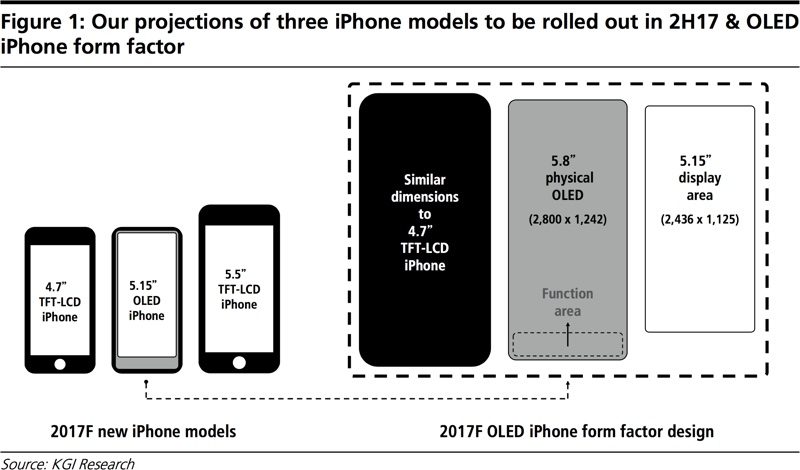
Digging deeper into the HomePod firmware code, Steven Troughton-Smith has seemingly confirmed that iPhone 8 will boast a three-times resolution screen at 2,436 by 1,125 pixels.

Sometimes the best iPhone leaks come from Apple itself.
In an early release of the upcoming HomePod firmware, Apple has left behind a few clues that seem to reveal the existence of the next iPhone’s face detection unlocking feature, as well as the overall form factor of the device.
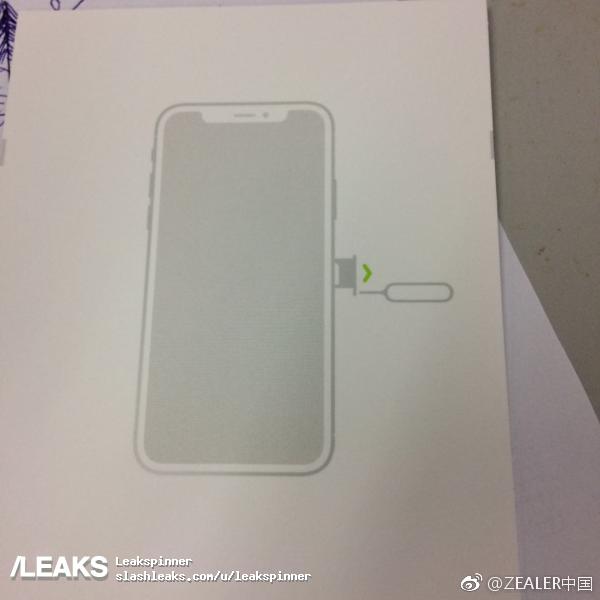
Leak aggregator SlashLeaks today published a claimed photograph of the purported iPhone 8 user manual that seemingly “confirms” the device's rumored bezel-less design with a physical slit at the top of its 5.8-inch OLED display for the earpiece, the camera and sensors.
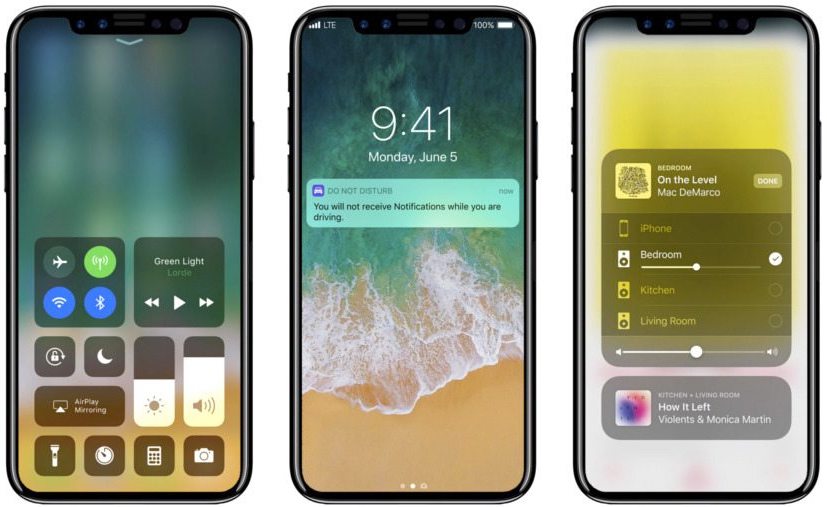
While market watchers are still unsure if Apple could manage to ramp up iPhone 8 production in time for a September launch, a report Friday from Taiwan's TechNews, quoted by DigiTimes, alleges that Taiwan Semiconductor Manufacturing Company (TSMC) has now kicked off volume production of the device's in-house designed A11 chip.
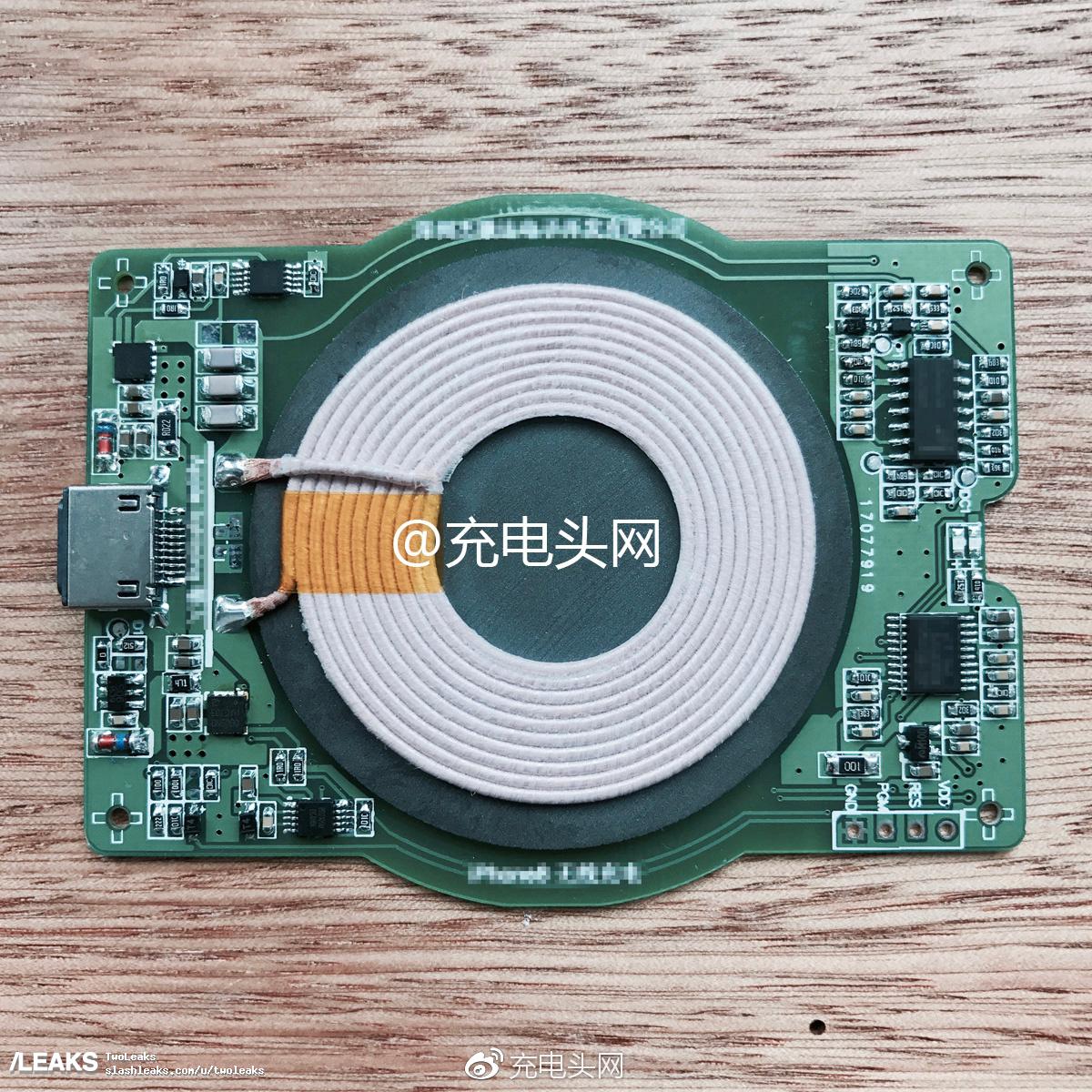
In what could be our first real iPhone part leak, a pair of images showing a wireless charging component of some sort were published earlier this week on leak aggregator SlashLeaks.
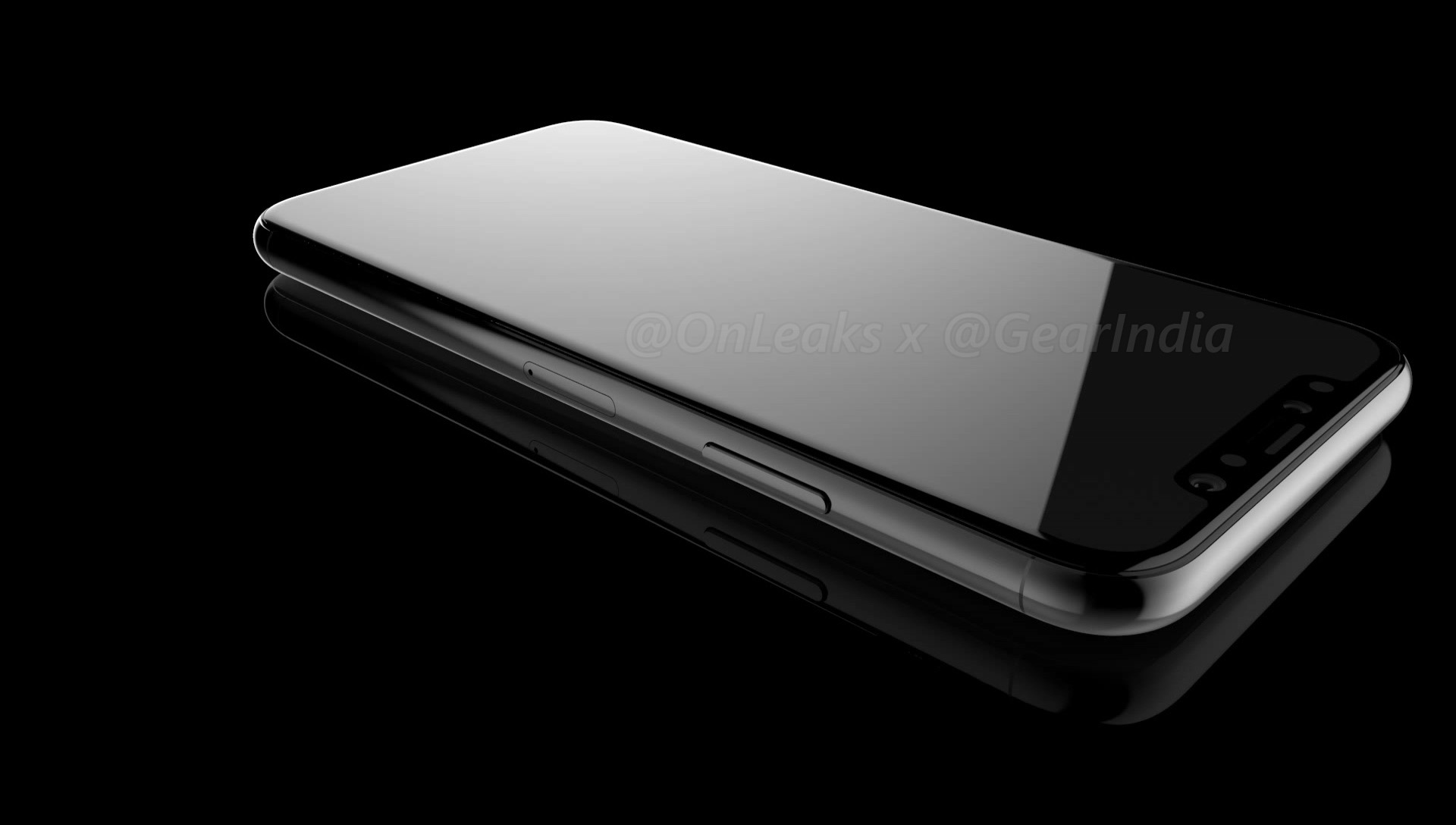
Apple's upcoming OLED-based iPhone 8 won't start shipping out to buyers until October or early November, sources said, adding that its much larger Power button that appears on leaked CAD drawings won't integrate Touch ID functions as some have suspected.
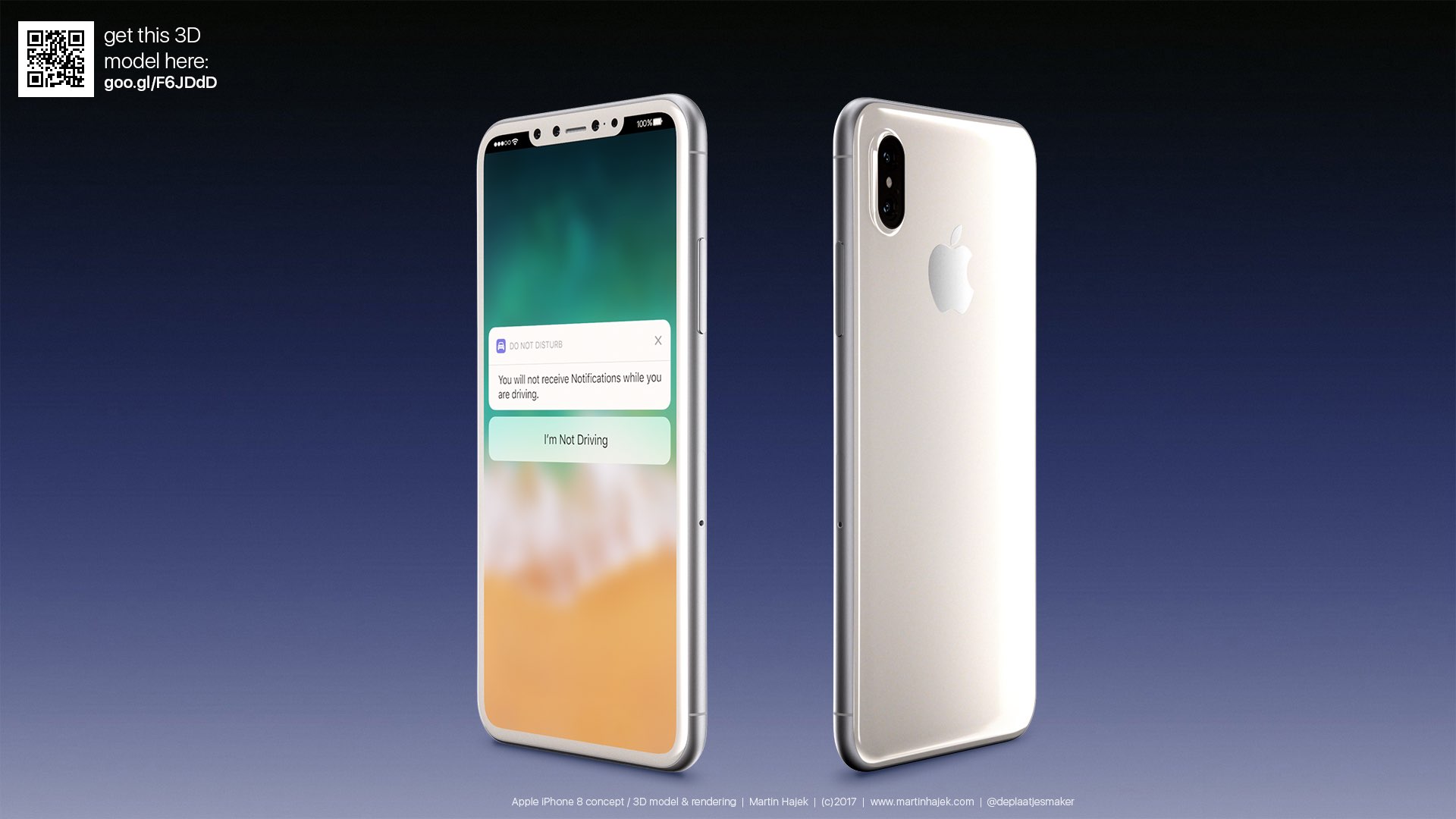
When Apple reports its June quarter financial results on August 1, we'll have a pretty good idea of when its “revolutionary” (competitors' words, not mine) OLED-based iPhone 8 might launch.
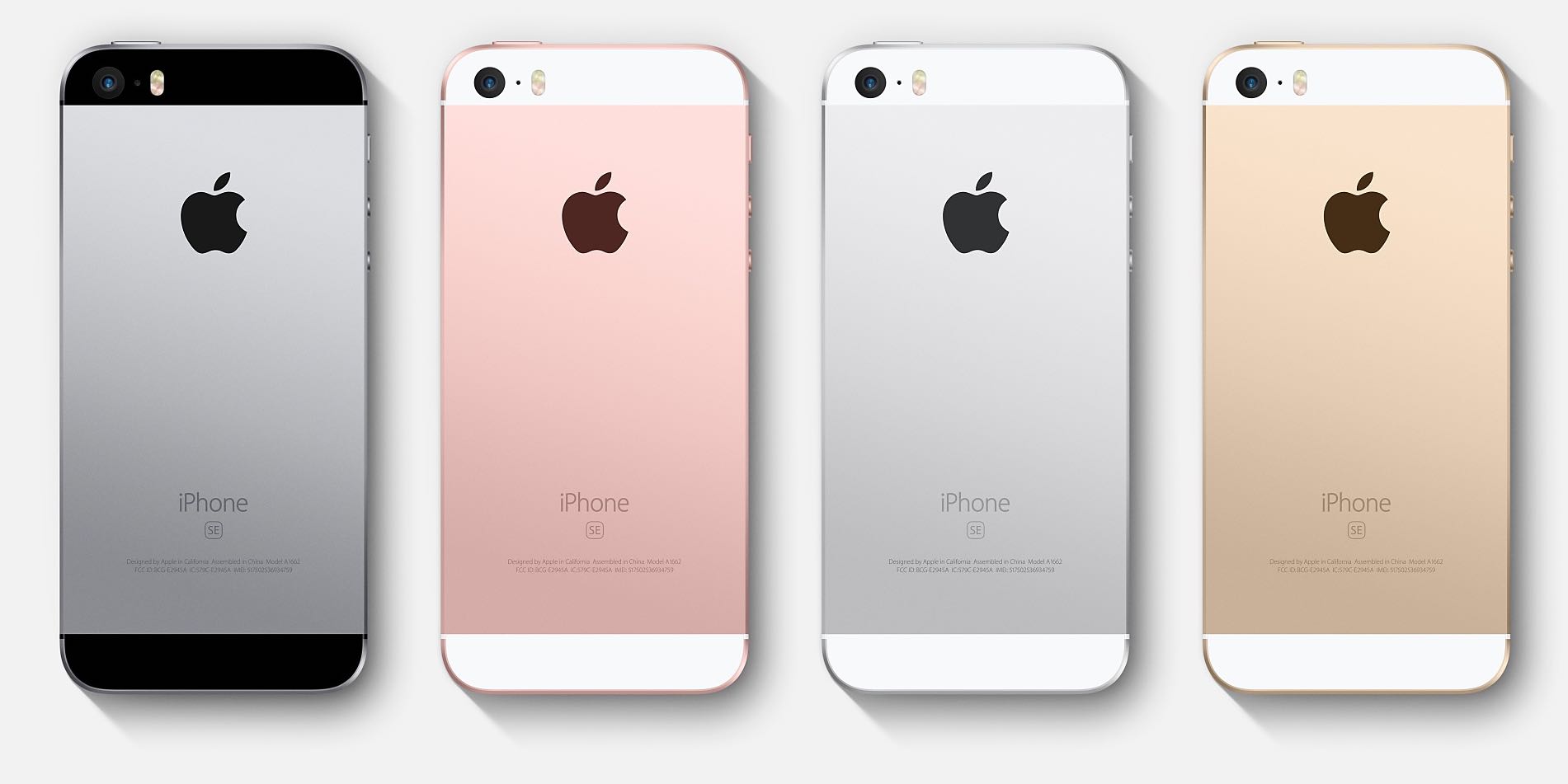
According to a rumor published by French outlet iGeneration (Google Translate) citing its own sources, Apple could unveil a second-generation iPhone SE model at a media event in August.
The next iPhone SE could be priced at €399 instead of €489 currently, the outlet said. For comparison's sake, in the United States the current iPhone SE lineup starts at $399.
Additionally, the rumor claims that the Cupertino technology giant will debut the highly-anticipated iPhone 8 model with an OLED display around October.
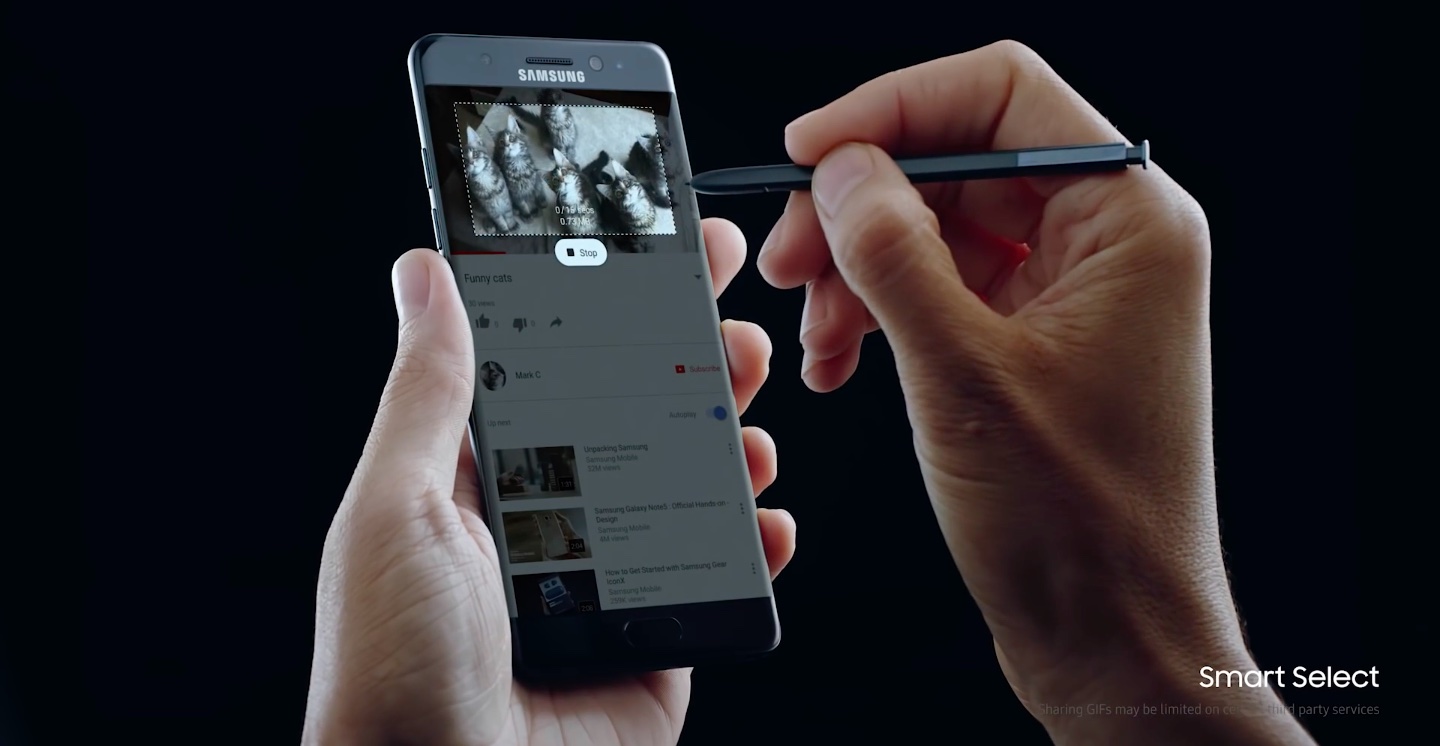
Samsung's decision last year to launch its super-sized though ill-fated Note 7 smartphone earlier than usual backfired big time, but this time around the South Korean chaebol is betting that launching a next-generation Note ahead of iPhone 8 will steal Apple's thunder.
The head of Samsung's mobile division, Koh Dong-jin, confirmed to partners last Friday that a Note 8 event in New York has been scheduled for August 23, The Bell reported.
The executive apparently told local news outlets that the next Note will hit shelves overseas, including the US and UK in September, followed by an October release in other nations.
A recent report said iPhone 8 supply may not ramp up until November, with the iterative iPhone 7s/Plus models possibly facing production delays of their own.
On the other hand, The Investor said a Samsung executive would only confirm the month of August, not a concrete date. According to DigiTimes, Koh refuted market speculation of Galaxy S8 sales falling short of those for its predecessor since launch.
Cumulative Galaxy S8 sales, he said, are 15 percent higher than those of Galaxy S7 compared on the same number of selling days thus far. As for the Note family, shipments of these products totaled 2.3 million units in South Korea since their debut in 2011, he revealed.
Smartphone leakster Evan Blass speculated that Note 8 should feature the same edge-to-edge 6.2-inch OLED screen with an 18.5:9 aspect ratio as Galaxy S8 Plus.
Other rumored features should include Samsung's signature S Pen stylus, virtual assistant Bixby, a rear dual-camera system positioned horizontally and comprised of two 12-megapixel sensors, a rear-mounted fingerprint sensor and more.
It should cost slightly over $900 in the US and be offered in in black, blue and gold.
Reuters was first to report a month ago that the Note brand would continue with an eighth-generation device due for an announcement in August.
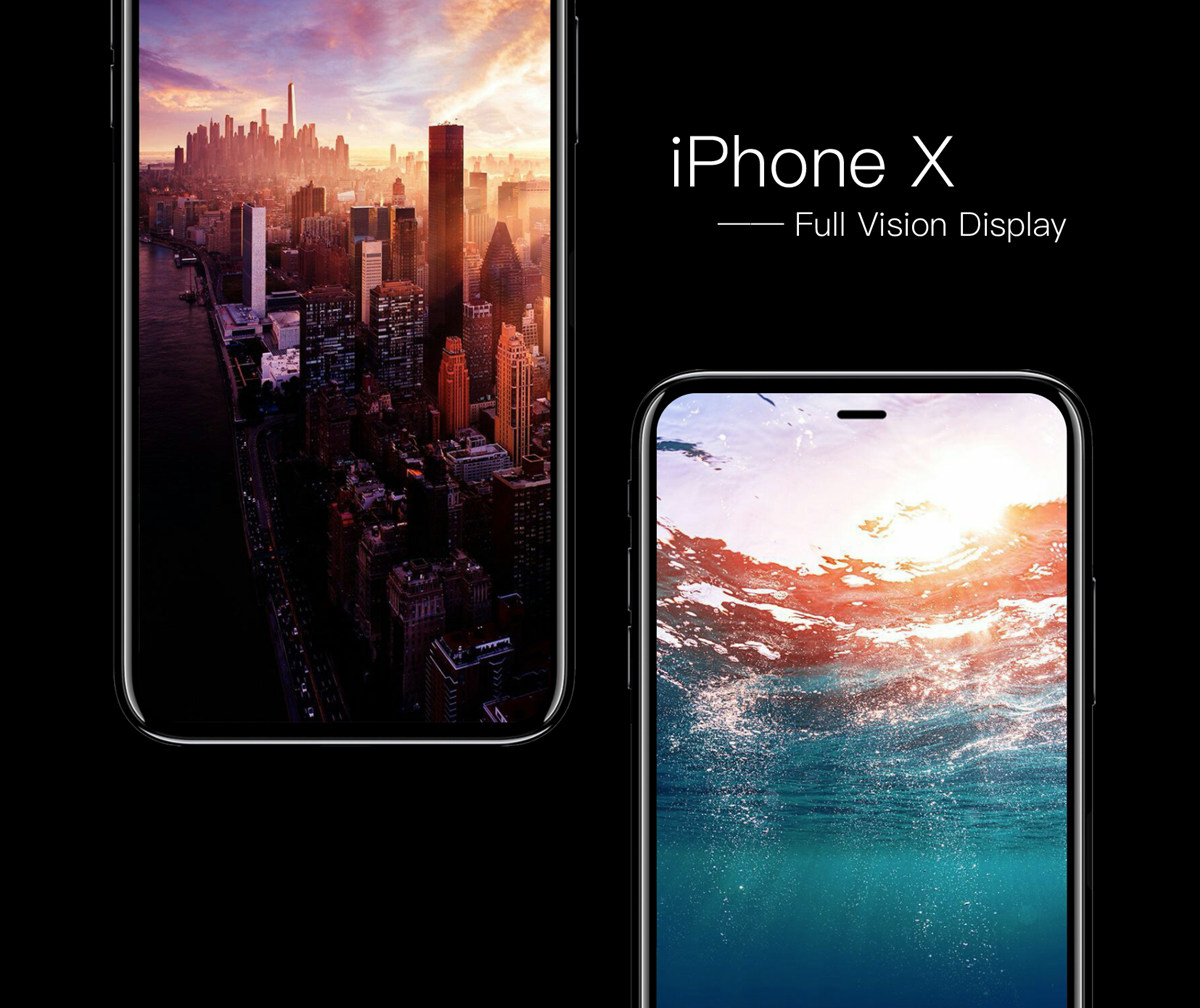
A report Monday in Chinese-language Economic Daily News, cited by DigiTimes, alleged that all three new iPhones are yet to start mass production, with production of the highly anticipated OLED-based iPhone 8 model scheduled to kick off between November and December.
The flagship phone would apparently be shipping only in small volumes initially.
As for the iterative LCD-based 4.7-inch iPhone 7s and 5.5-inch iPhone 7s Plus updates, both these models should enter volume production in August, or between one and two months later than the normal mass production schedules of new iPhone devices in previous years.
The upcoming phones are facing production delays because yield rates at Apple's contract manufacturers Foxconn and Pegatron have not yet reached levels that warrant mass production. Foxconn has reportedly secured about 95 percent of orders for the OLED iPhone model and small orders for the iPhone 7s series.
PEgatron will produce 65 percent of the 4.7-inch iPhone 7s models and “a small portion” of the OLED-based iPhone while Wistron will produce mainly the 5.5-inch iPhone 7s Plus model.
Photo: iPhone 8 concept via iFanr.
Apple has puzzled industry watchers by investing tens of millions of dollars in production equipment for iPhone 8's rigid flexible printed circuit board, which connects chips with parts such as the display, camera and so forth, ET News reported Friday.
The company will use this component for iPhone 8's touch screen panel.
The reason the move has raised questions is because Apple lacks its own production plant to install the equipment and the fact that it contracted three different suppliers to build this crucial iPhone 8 component, including Interflex and Youngpoong Electronics.
According to a source, one of the three suppliers recently decided to back out for reasons unknown, prompting Apple to take matters into its own hands. The Cupertino technology giant is now leasing the equipment it bought to suppliers to ensure it gets the parts it needs.
Additionally, the company is seeking to find a new supplier in Taiwan.
Sources speculate the supplier likely backed out due to low profitability and Apple's exacting standards when it comes to production quality. The iPhone maker is expected to order a hundred million units of the rigid flexible printed circuit board for iPhone 8.
“To fill the loss, Apple is supporting the other two suppliers to beef up production,” said the source. Rigid flexible printed circuit boards are much more difficult to build than the conventional ones.
iPhone 8 mockup via iDropNews
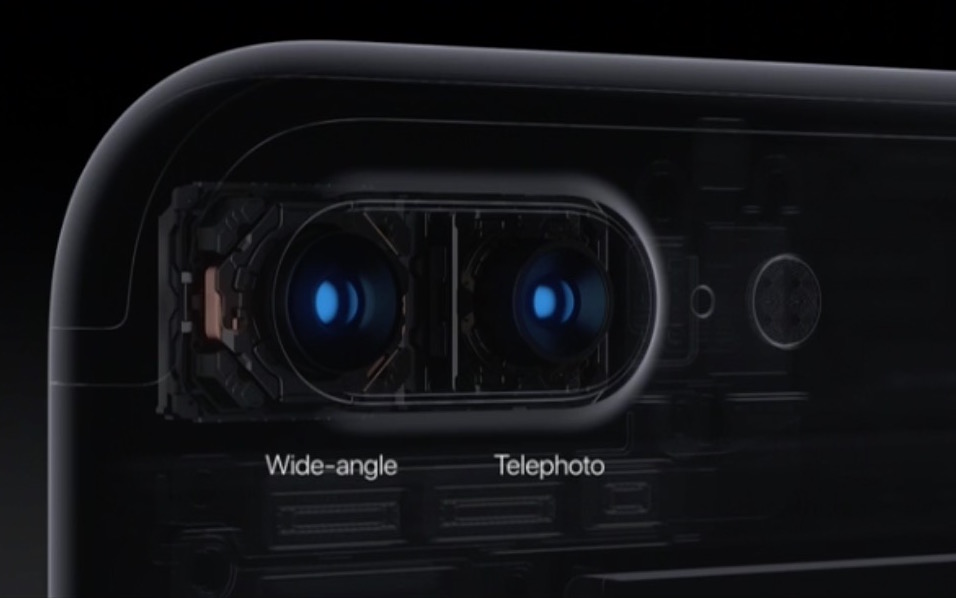
Fast Company is out with a new report that basically reiterates what Barclays and KGI Securities said before: that Apple's OLED iPhone will actually feature two 3D sensors, one on the front and the other out the back. In addition, the device could feature completely waterproof buttons on its side that respond with haptic feedback.
According to the publication's sources, the rear 3D sensor will help iPhone 8 provide improved camera autofocus and enhanced augmented reality features, likely stemming from even more accurate object tracking and better depth detection in ARKit-powered apps.
Like the front-facing 3D sensor, the rear one is said to use a vertical-cavity surface-emitting (VSCEL) laser system that also includes a lens, a detector sensor and a dedicated chip. The VCSEL system would map objects in 3D by calculating the distance the light travels from the laser to the target and back to the sensor, using so-called time-of-flight measurement.
Suppliers Lumentum, Finisar and II-VI will reportedly be providing the VCSEL lasers for the device. STMicro, Infineon or AMS should provide the time-of-flight sensor. Apple could buy the whole modular system from either LG Innotek, STMicro, AMS or Foxconn, added the source.
The system costs about $2 per phone, as per the publication.
The laser-based sensor will also enable a faster and more accurate autofocus than the phase detection autofocus used on current iPhones. That's because the dedicated rear 3D sensor will determine precise object depth by measuring the time it takes the laser light beams to bounce off objects and return to the sensor.
This will let iPhone 8 focus the camera lens on the desired object in milliseconds. Laser autofocus systems are already used in phones from Google, Huawei, OnePlus and Asus.