Learn how to change where Safari saves downloaded files on your iPhone, iPad, or Mac.
How to change Safari downloads location on iPhone, iPad, Mac
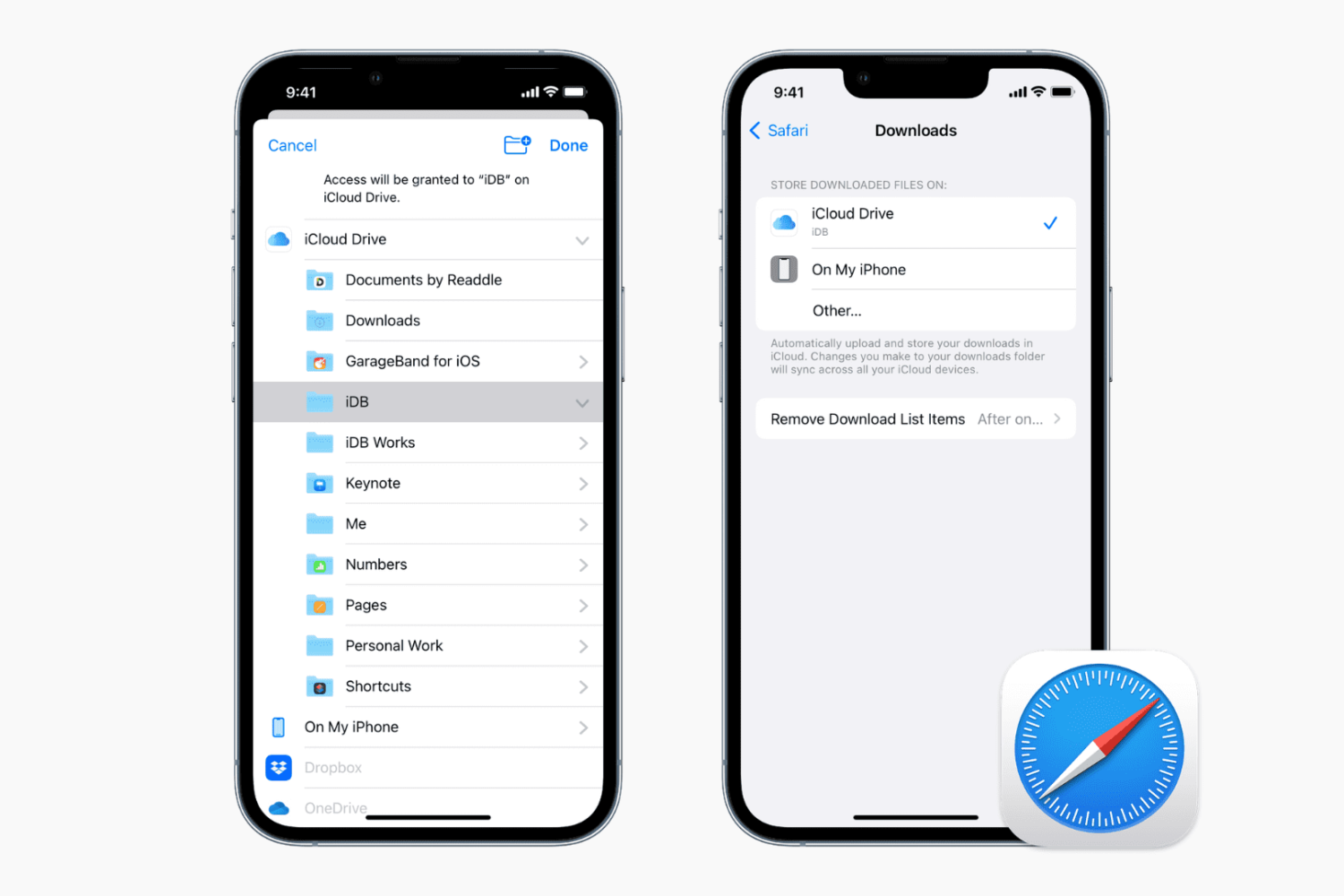
Learn how to change where Safari saves downloaded files on your iPhone, iPad, or Mac.
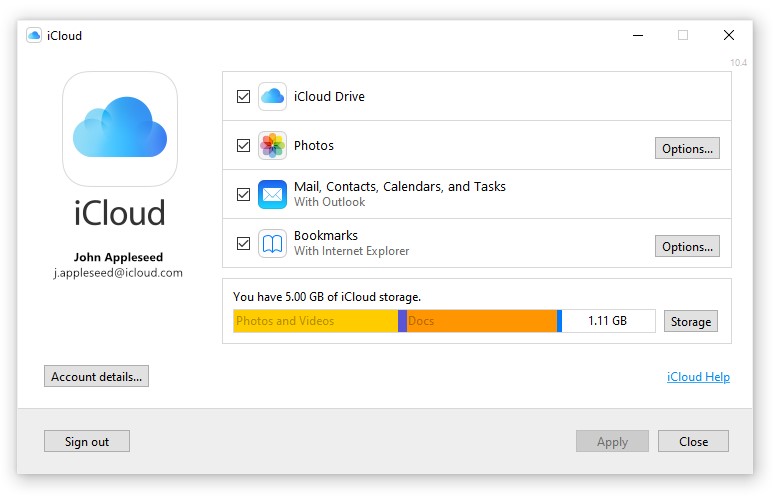
Apple has been working on a new iCloud app for Windows for a bit of time now. Today, that app is finally available to download for Windows users.
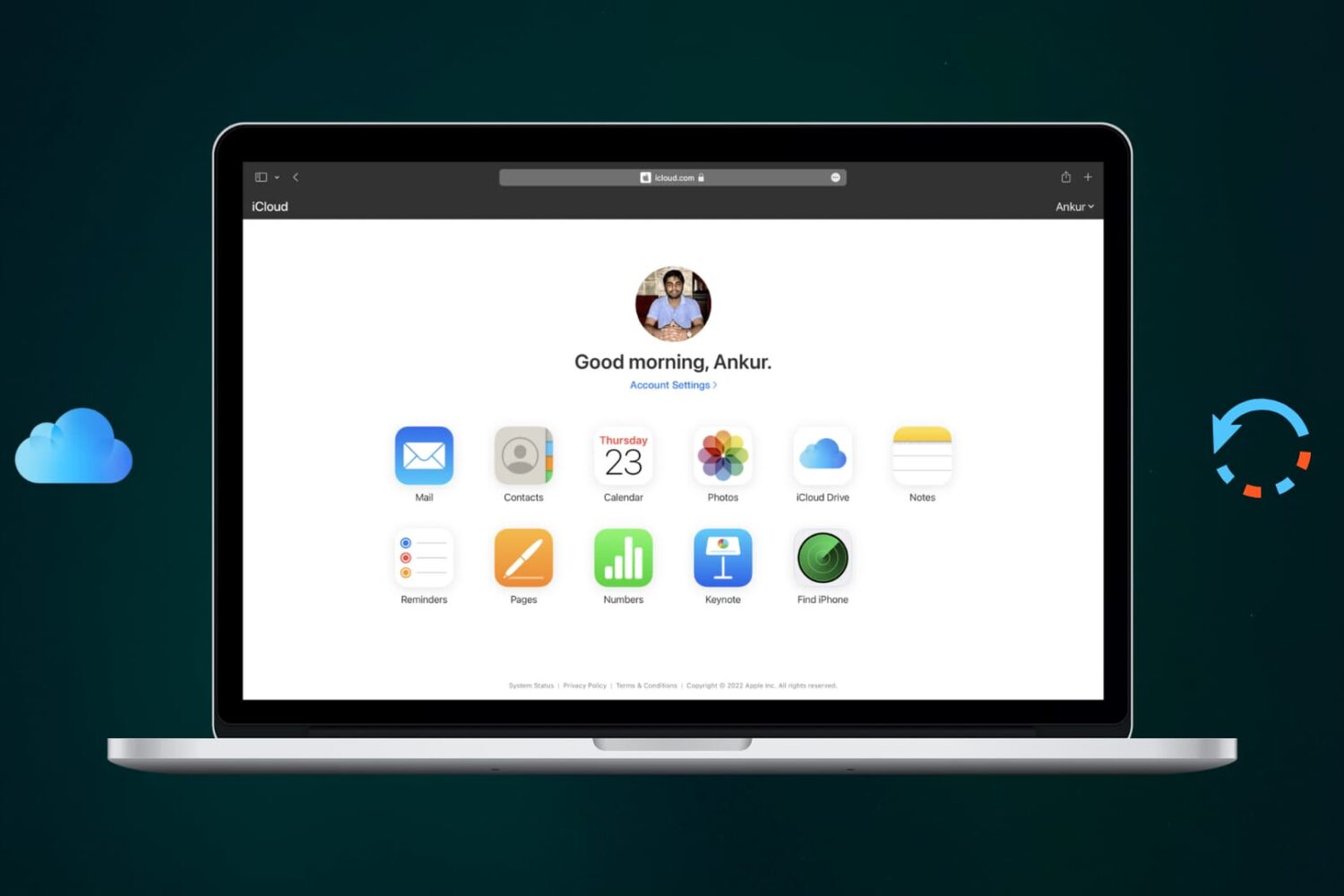
Learn how to recover recently deleted files from iCloud Drive that you may have trashed accidentally or still need.

Find out how to add an iCloud Drive shortcut to your Mac desktop and Dock for faster access to your online files, folders, and documents.
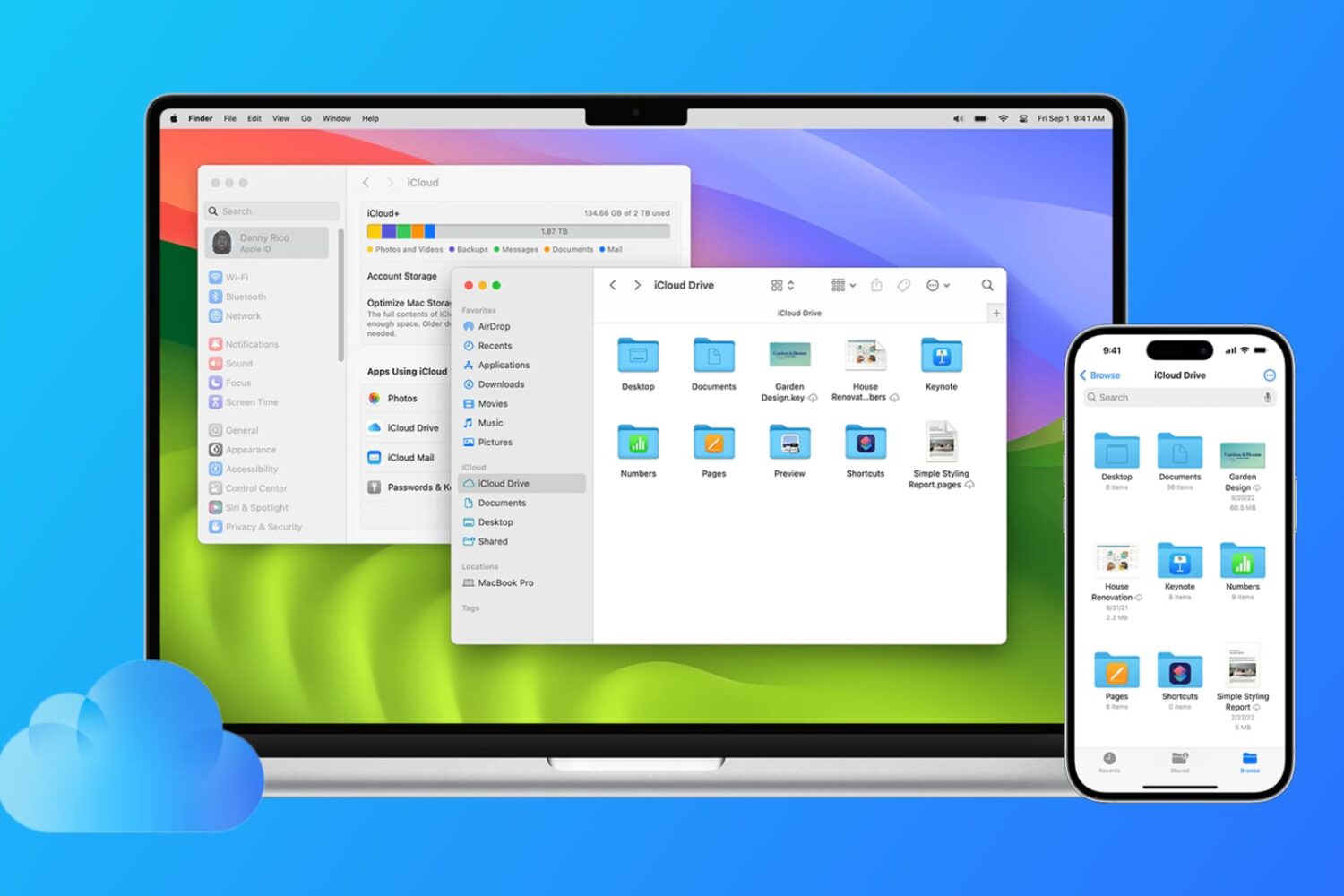
Find out how to sync files from the Desktop and Documents folders of your Mac to all your other devices, including other Mac, iPhone, iPad, iCloud Web, and even Windows PC.
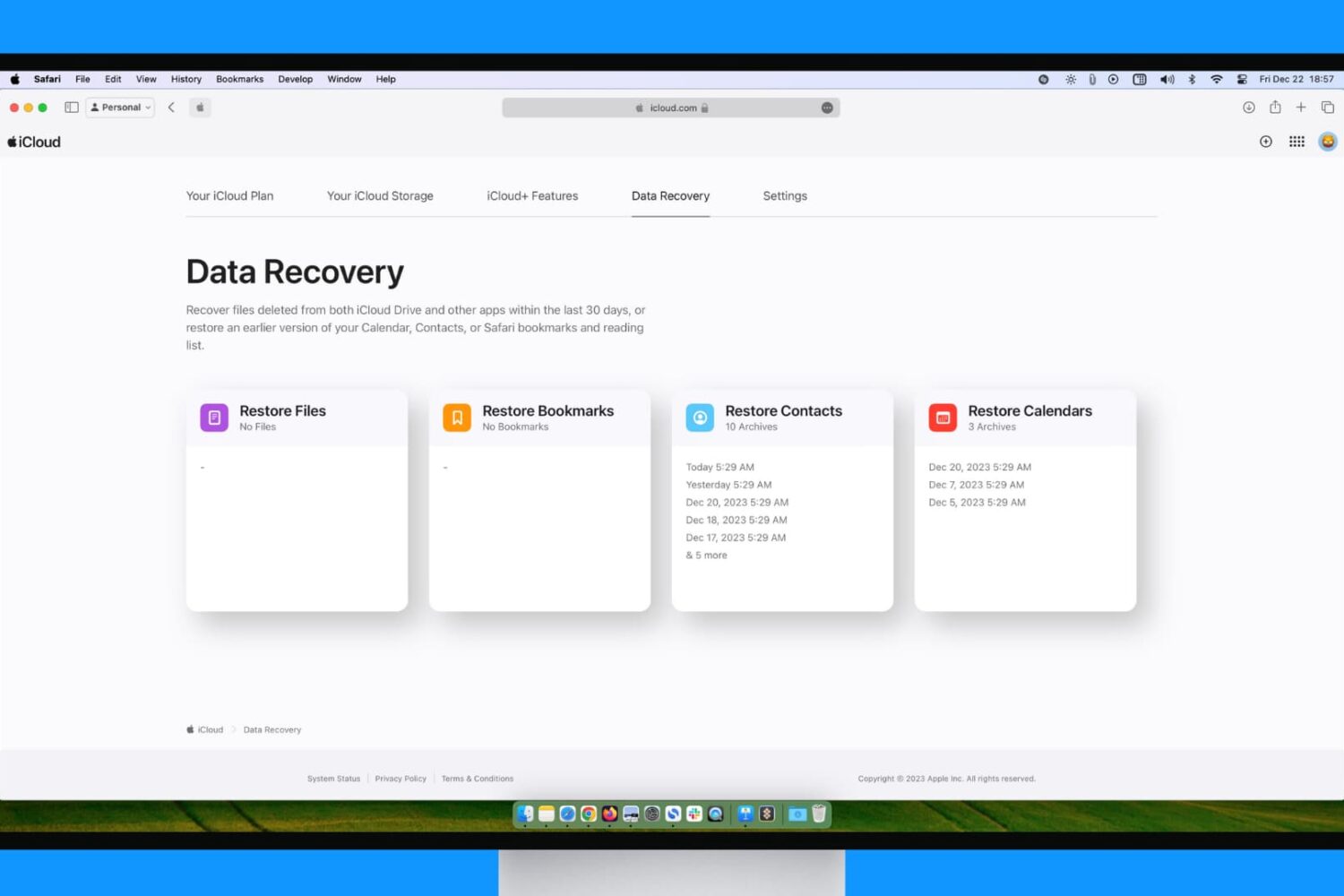
You may have inadvertently deleted data from your iPhone, iPad, and Mac, or even your iCloud account. Fortunately, Apple offers you a way to restore previously lost data, and this tutorial guides you through the process.
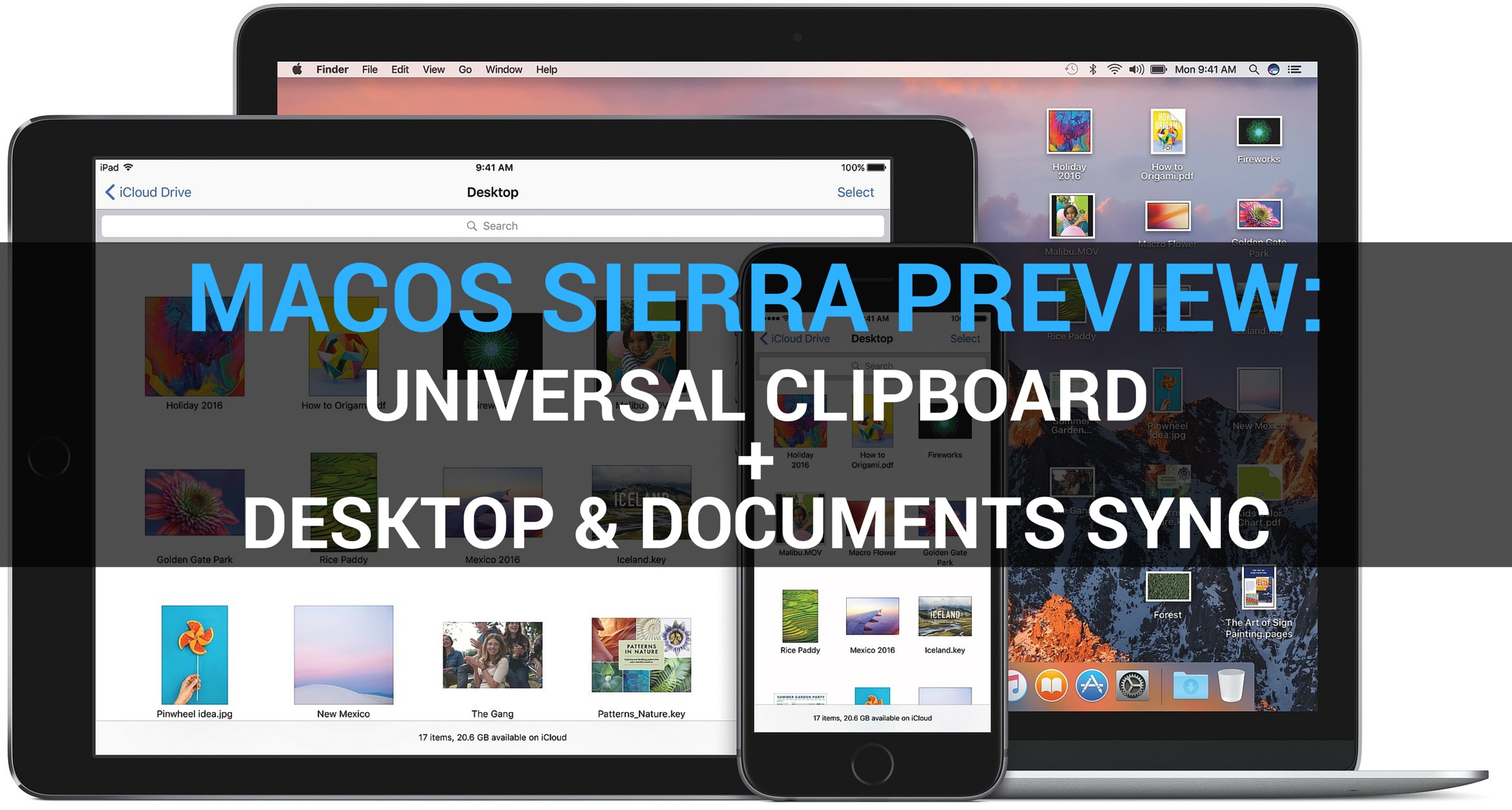
Our ongoing macOS Sierra previews continue unabated as Andrew and I take a closer look at two new useful features in Sierra: Universal Clipboard and shared Desktop. You're definitely going to use Universal Clipboard quite a bit: in addition to being a great time-saver, it “just works”.
Universal Clipboard lets you copy and paste items across your iPhone, iPad, iPod touch devices and Mac computers like a boss. Sierra also puts your iCloud storage to good use by keeping any Desktop items along with the files within the Documents folder synchronized across your other devices.
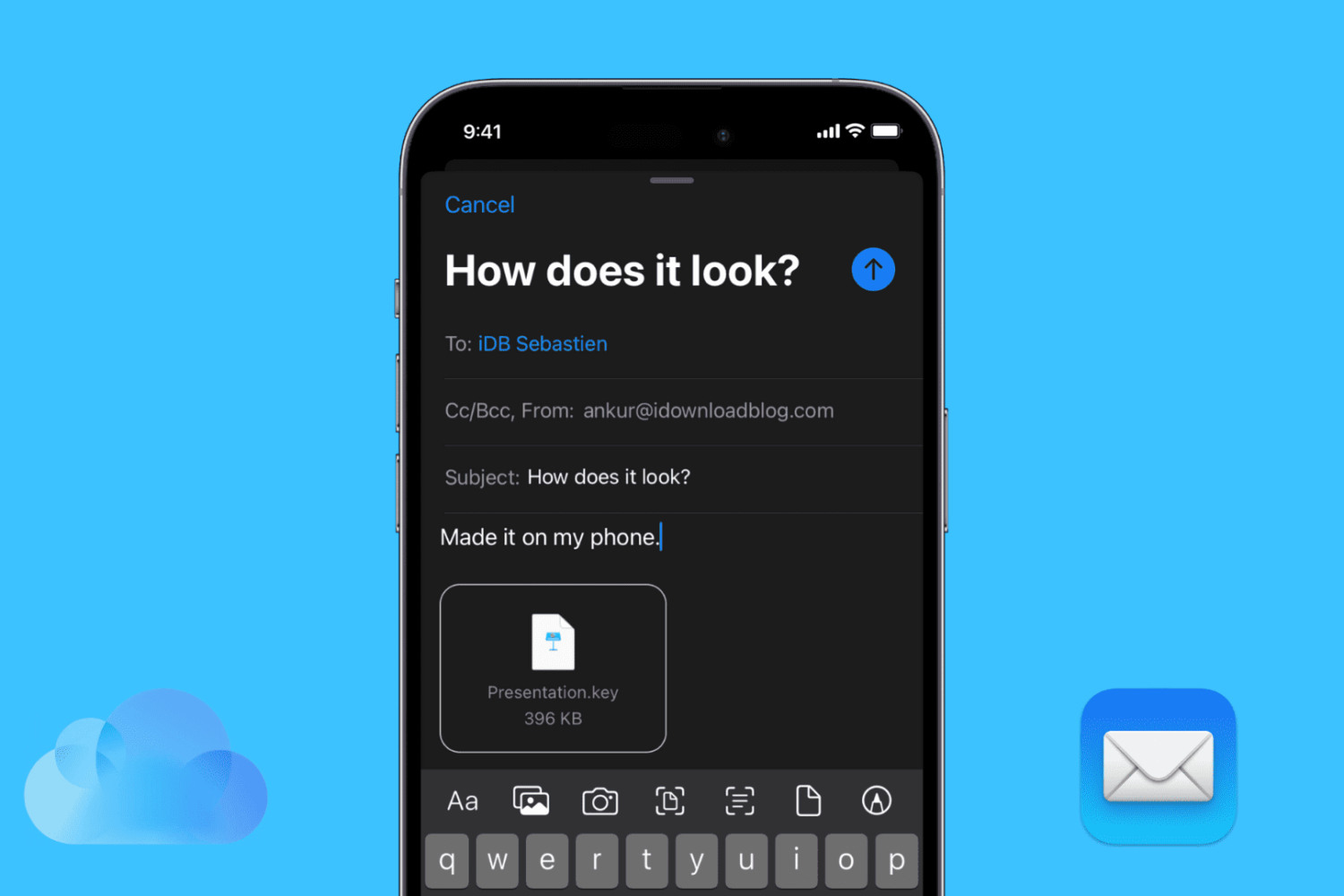
Find out how to attach a PDF, Word file, Keynote presentation, spreadsheet, image, video, or other media and document saved in the Photos app, Files app, or iCloud Drive to an email in the Apple Mail app on your iPhone or iPad.
iCloud Drive is a feature that comes with iOS 9 and allows you to view and edit files in iCloud that have been saved there via your apps, whether they're native apps or third-party App Store apps.
In this tutorial, we'll show you how to hide or show the iCloud Drive app from your iOS device's Home screen.
Since Apple's WWDC keynote ended a few hours ago, we've installed the iOS 9 beta and begun digging for new stuff. Apple previewed a handful of the software's features at the event, but as usual, there are a number of additions and improvements it didn't talk about.
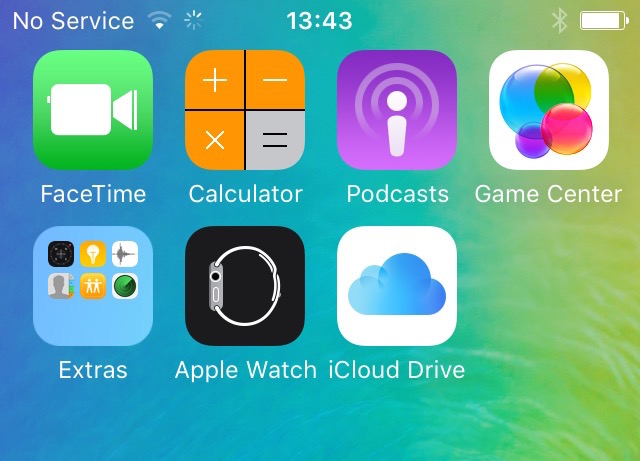
One of those features is a standalone iCloud Drive app. It's not immediately apparent, but while launching an app we received a pop-up asking us if we wanted to install it. We were also able to access it via the Settings app iCloud > iCloud Drive > Show on Home Screen.
Despite all the talk of a problematic decline in software quality, Apple is feeling your pain and isn't standing still.
Currently in testing, a second update to OS X Yosemite is due later this week. First of all, Mac OS X 10.10.2 apparently squashes that annoying bug which manifests itself annoyingly as intermittent Wi-Fi issues.
Another one resolves a bug preventing your Mac from reconnecting to a Wi-Fi network after waking from sleep, causing you to manually disable and re-enable Wi-Fi, which gets old fast.
Next, iCloud Drive should be now accessible directly in Time Machine, including the ability to track changes to files and documents.
Moreover, 10.10.2 prevents the so-called ‘Thunderstrike’ hardware exploit which targets Macs equipped with high-bandwidth Thunderbolt ports and also includes other important fixes.