Security

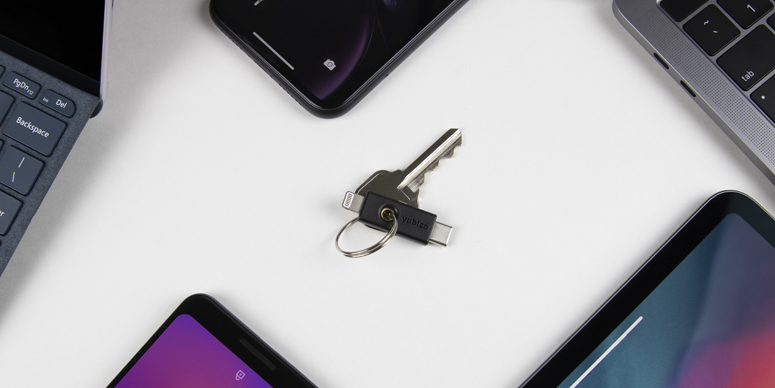
How to set up Twitter two-factor authentication

Twitter two-factor authentication

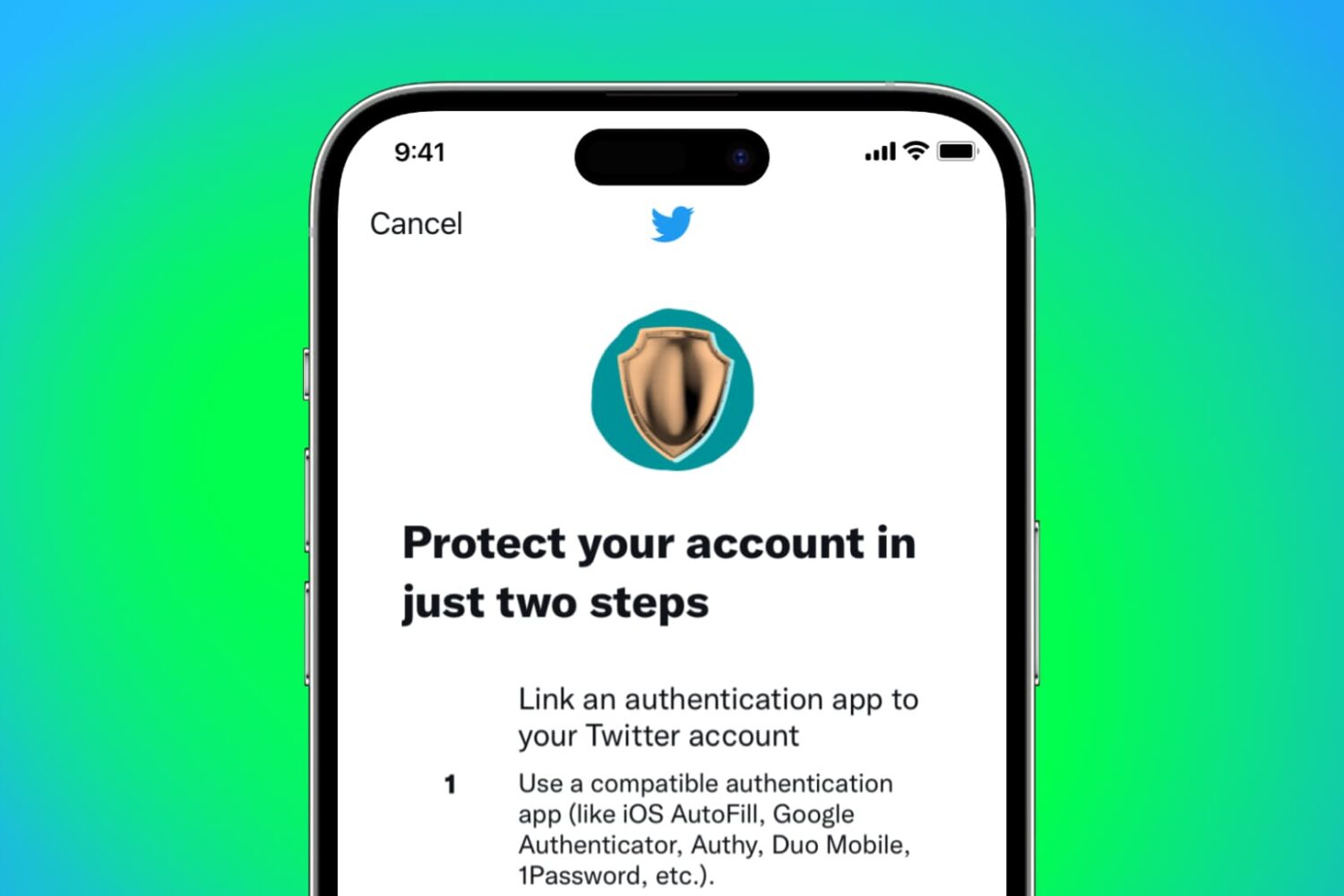
It is highly recommended you enable two-factor authentication (2FA) to secure your Twitter account and prevent anyone from getting access to it. This extra level of protection will ensure any intruder can't log in to your Twitter account even if they happen to know your password!

2FA requires you to enter your correct password (which is something you know) and then verify using a secondary means of proving your identity with something you have, like a changing code from the authenticator app.

Follow along as we show you how to set up Twitter two-factor authentication without using your phone number.
Abode Iota DIY security system adds HomeKit support

abode Iota HomeKit

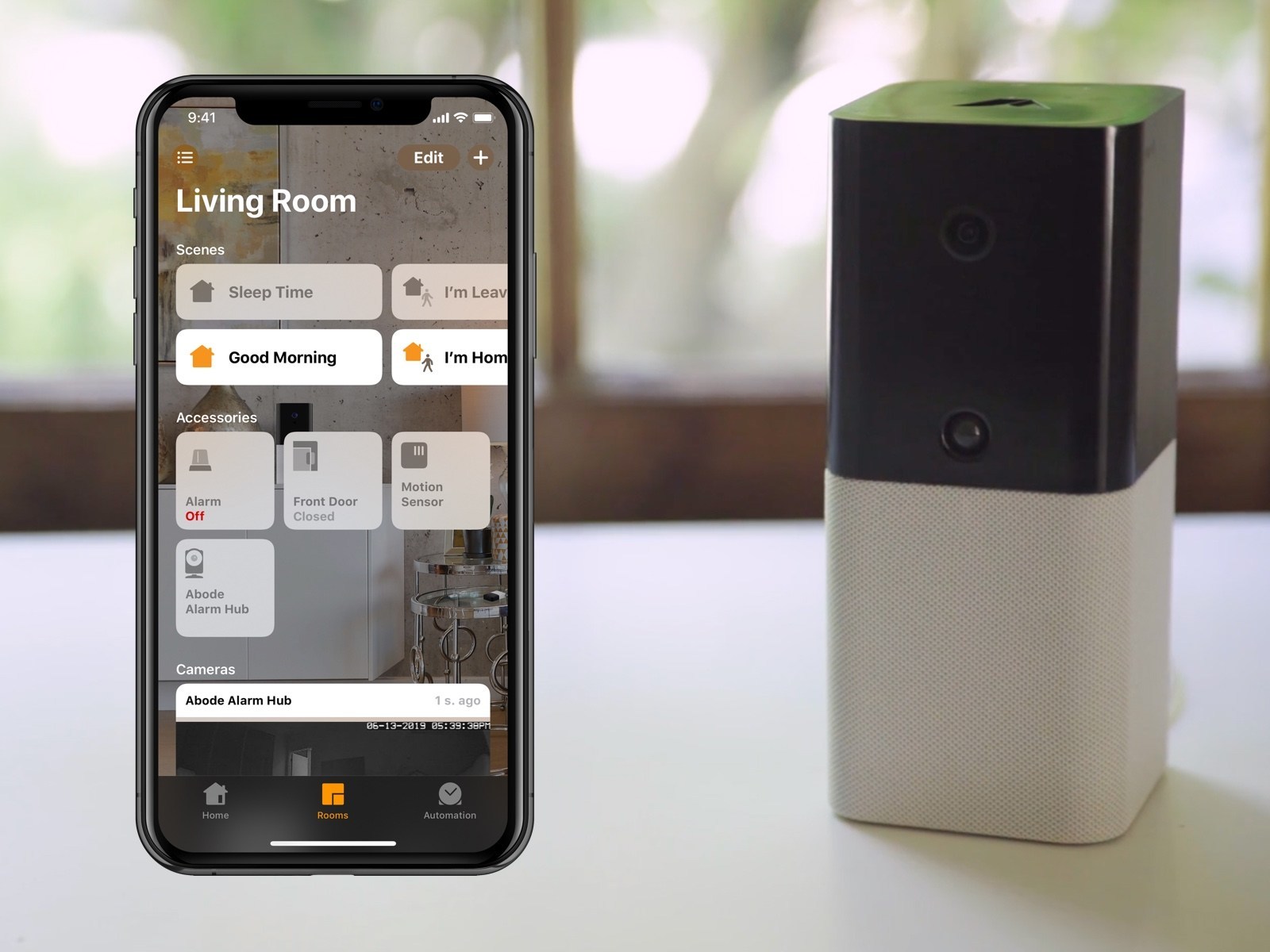
Abode announced Thursday that its Iota DIY smart security system is finally HomeKit compatible. HomeKit is available as an update to the Iota system, enabling Iota users to control the system using the Apple Home app on the iPhone, and Siri on the iPhone, iPad, Mac, Apple Watch and HomePod.

Luca Todesco talks at POC2019, reveals checkra1n team identities and plans

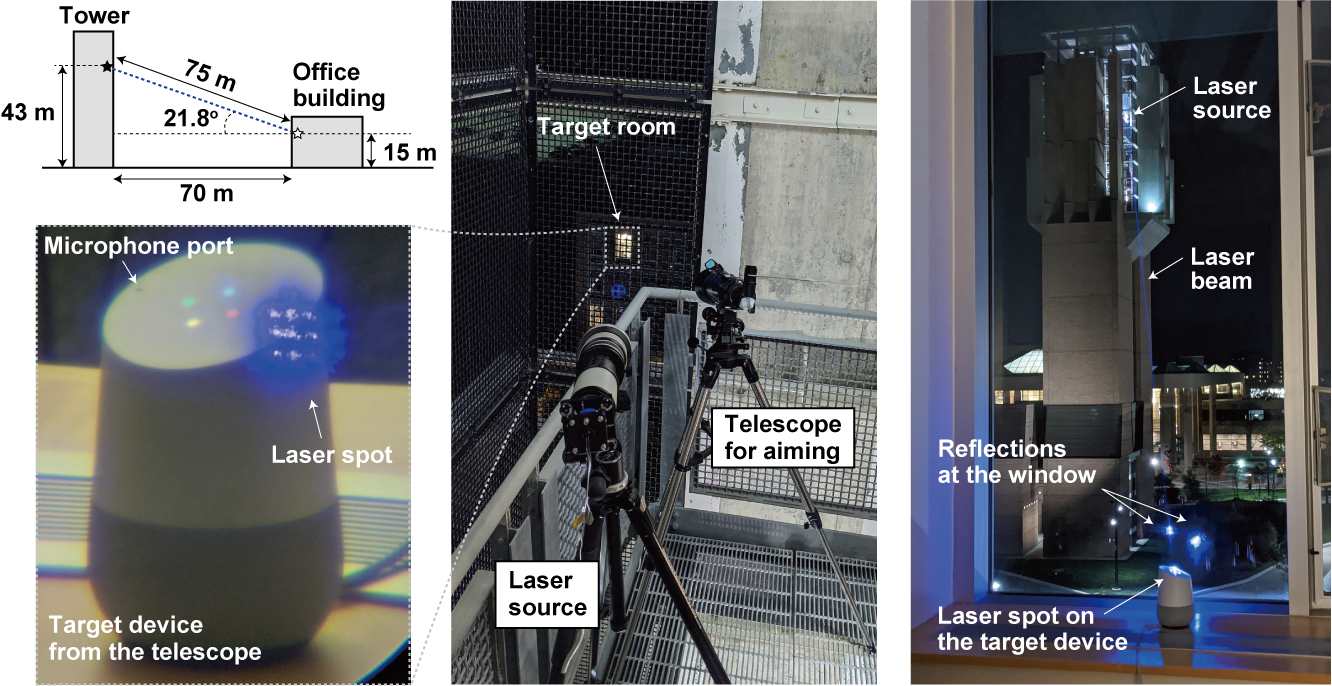
If you’ve been following the development of the checkm8-based checkra1n jailbreak all this time, then you’ll be excited to hear that one of the project’s most vocal developers, Luca Todesco, took the stage at POC2019 in Seoul, South Korea to discuss the jailbreak and reveal particularly captivating details about the checkra1n team’s members, long-term plans, and more.

Todesco entitled his Keynote presentation “The One Weird Trick SecureROM Hates,” and from what we can gather, the checkra1n team is comprised of the following members, many of which might be familiar to veteran jailbreakers:

Adobe Creative Cloud leak left millions exposed: Report

Adobe Creative cloud

Adobe left the personal information of almost 7.5 million customers of its Creative Cloud service exposed, according to a new report on The Next Web.

Security firm Comparitech says Adobe left an Elastisearch server accessible without any password or authentication required. Adobe corrected the problem as soon as it was alerted on October 19th. Exposed information included email addresses, Creative Cloud subscription information and other details, though financial information and passwords were not exposed.

Comparitech's concern is that the information which was exposed may make those Adobe customers more liable to phishing attacks in the future.

Adobe acknowledged the issue in a blog post:

The environment contained Creative Cloud customer information, including e-mail addresses, but did not include any passwords or financial information. This issue was not connected to, nor did it affect, the operation of any Adobe core products or services.

Do incidents like this make you wary to share your details with companies like Adobe? Sound off in the comments.