News

Interactive HomeKit demos hit Apple Stores

If you don't own HomeKit accessories or haven't had a chance to try them in someone’s home or apartment, Apple has you covered. As TechCrunch reported Wednesday, Apple has unveiled cool HomeKit experiences in 46 of its retail stores worldwide.

For customers in the United States, these demos are currently available at Apple's Union Square store in San Francisco, the World Trade Center and Williamsburg outlets in New York and 28 other stores throughout the country.

Globally, as many as fifteen stores are currently hosting the new experience, including select outlets in the United Kingdom, United Arab Emirates, Germany, Mexico, Singapore and Taiwan.

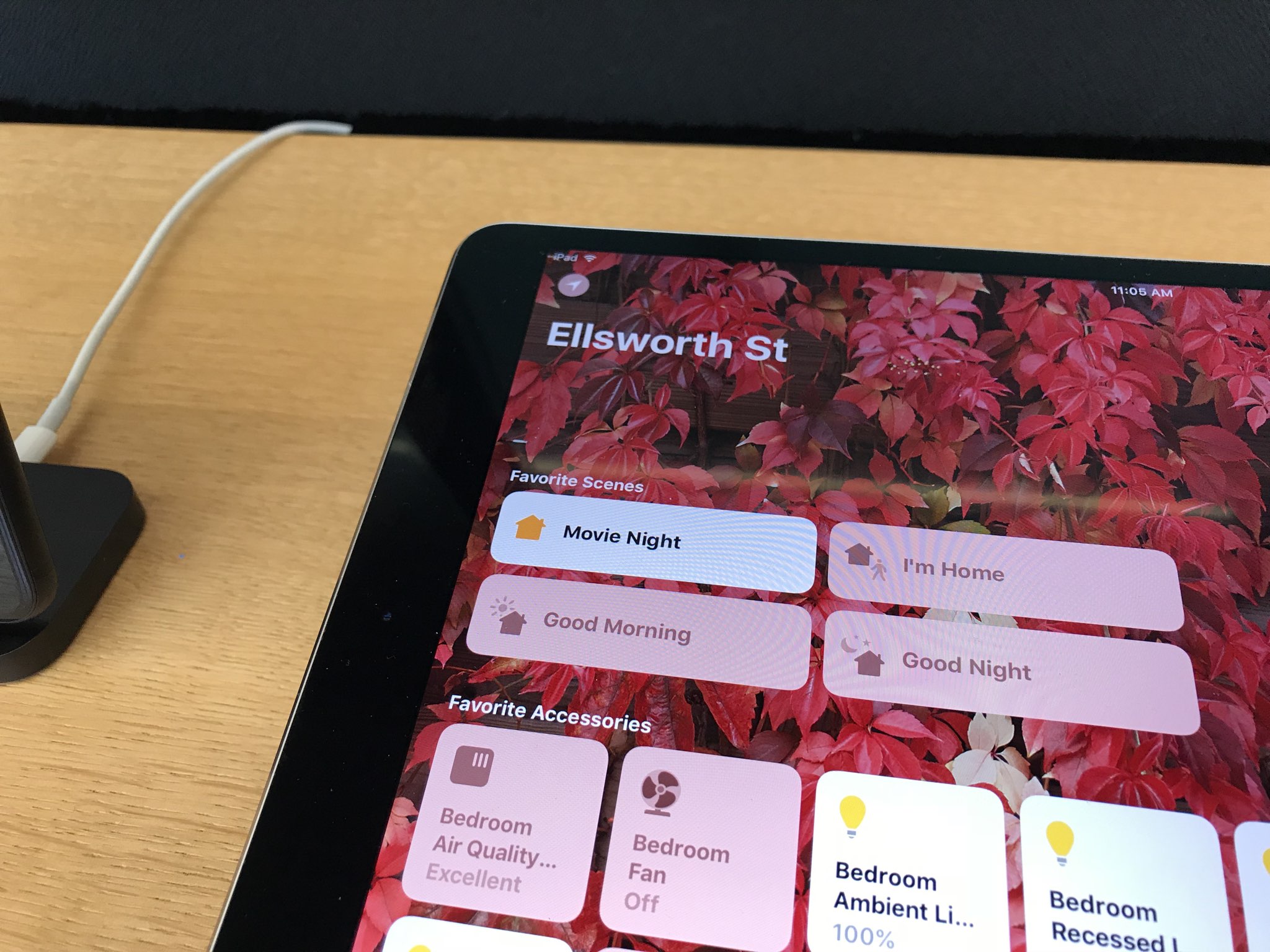
The interactive demos feature the Home app which can be used from either an Apple Watch, iPhone or iPad to control devices like the Phillips Hue light bulb and the Hunter ceiling fan.

This isn't a full show room. For instance, if you tell the Home app to lower the shades in the living room, you'll see simulated results of your action in the house shown on the huge screen.

The demos include HomeKit scenes which the user can set up to their liking in order to activate and control multiple devices with a single tap or Siri command. Apple last November invited select members of the press to a house in Alameda that it decked out with HomeKit gear.

Apple's renewed push for the living room and these interactive demos will play a bigger role later this year, when the company hopefully takes the wraps off a next-generation Apple TV with 4K resolution and releases the Siri-enabled HomePod smart speaker.

“Apple doesn’t have a clear timeline for how long this will be available inside retail stores, but it seems that it will be relatively constant, at least through December when the HomePod comes out,” according to writer Megan Rose Dickey.

iPhone 8 could launch without software support for wireless charging and 3D sensor

Apple is reportedly in panic mode due to persistent software problems with wireless charging and an all-new 3D sensor, which are increasingly threatening to spoil iPhone 8's launch party.

“June was a tense month for the engineers and designers on Apple’s iPhone team with 'a sense of panic in the air',” a source with knowledge of the situation told Fast Company.

Should engineers fail to fix software hiccups, the Cupertino technology giant may be left with no other choice but to enable these features later on via an iOS 11.1 software update.

“Apple's been working feverishly to fix software problems in its hotly anticipated iPhone 8 that could ultimately cause production and delivery delays,” sources said.

“If the software problems aren’t resolved quickly, the new flagship iPhone could even launch with major features disabled.”

iPhone 8 will use inductive charging similar to Apple Watch, where the phone sits directly on a separate charging device. The wireless charging components provided by Broadcom are not the key issue, claims the publication, it’s the software that’s not ready for prime time.

The company faces similar problems with the new front-facing 3D sensor which will be used for facial unlocking, 3D mapping, augmented reality and other features.

Fast Company's source claims Apple's been struggling to get the sensor to work reliably.

“The sensor hardware is not the problem, but rather the accompanying software,” said the source, speculating Apple should be able to have the 3D software working in time.

“If not, the company could include the sensor in the phone anyway, and turn it on later on with a software update,” reads the article. As for the Touch ID situation, the source says that the fingerprint sensor will be embedded under the display after all.

It wouldn't be the first time Apple shipped an iPhone with inoperable hardware.

Look no further than last year's iPhone 7 launch—the 5.5-inch Plus model shipped with the necessary chips and sensors to support its depth-of-field photography mode, but that key feature was activated only a few weeks later via a software update.

Is Apple running the risk of launching the hotly anticipated OLED iPhone with wireless charging and 3D-sensing functionality disabled at launch, do you think?

Tell us in comments!

Apple could export “Made in India” iPhone SE models

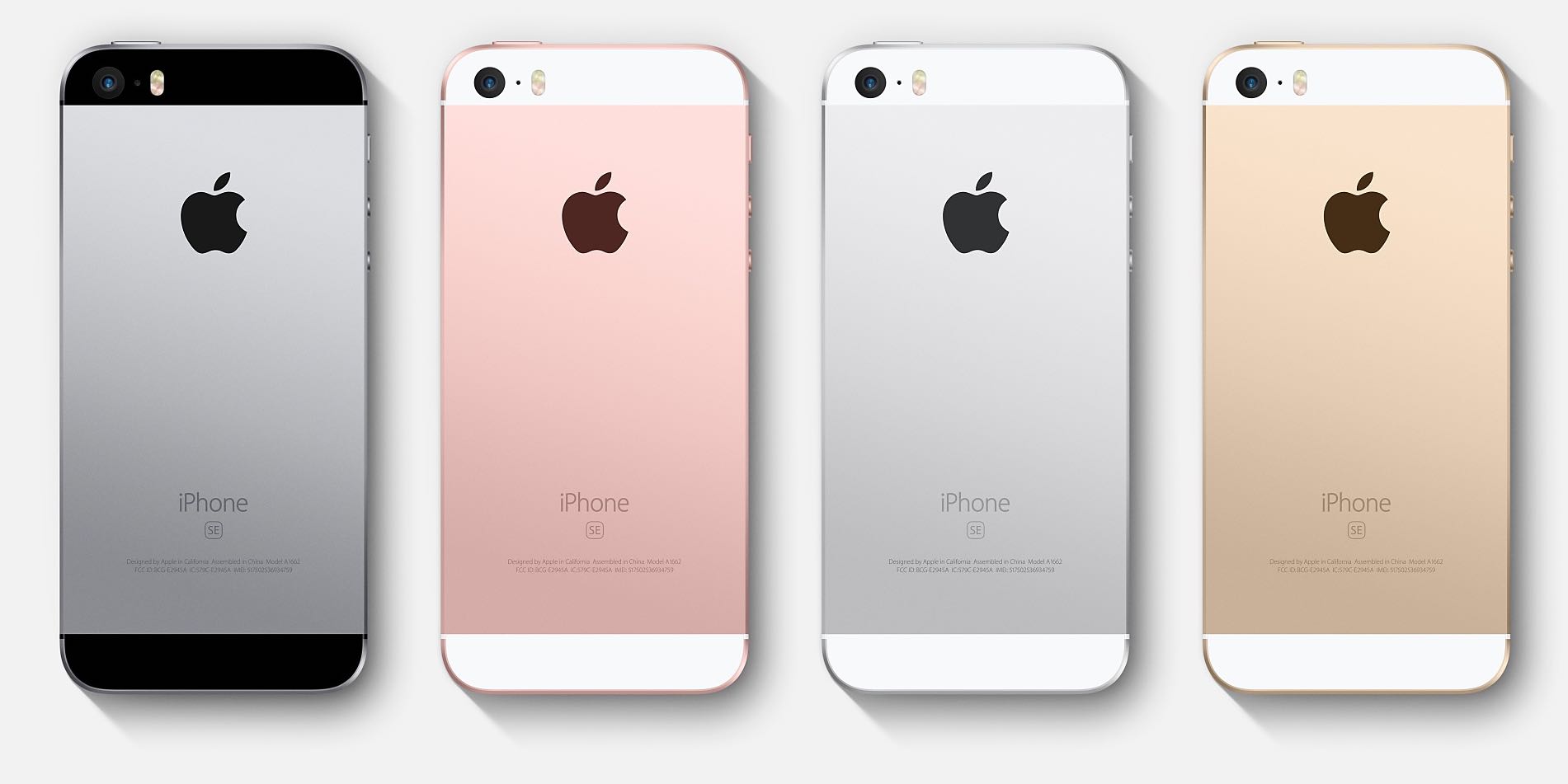
The Economic Times of India reported today that although Apple is in no hurry to assemble additional models in India beyond iPhone SE, it is allegedly planning to eventually expand production capacity and bring “Made in India” devices to overseas markets.

“Apple will focus on iPhone SE model both for India and overseas markets,” a government official said. “It is looking to start exports from India,” the person added.

Apple's manufacturer Wistron has been assembling a limited run of “Made in India” iPhone SE models for two months now in a facility set up at Peenya on the outskirts of Bengaluru.

Those phones currently don't ship overseas and don't carry a lower price tag even though they're made locally. Government officials aware of the matter say Wistron has not made any fresh request for approval.

“Apple will stick to making iPhone SE model at its Bengaluru plant for some more time and has no immediate plan to assemble its flagships iPhone 7 and iPhone 7 Plus in the country, according to the government source quoted earlier.

Just yesterday, the same publication reported of Apple's alleged plans to expand local production. According to that article, Apple could manufacture other iPhone models in India at a later stage and even set up a full-fledged manufacturing plant.

Apple is also planning to open its largest global store to date in India by 2020.

It's reportedly looking at 4-5 flagship outlets limited to metros over 5-10 years. The stores will be located at prime locations and should have enough class to make them tourist attractions.

Lastly, the Cupertino giant could launch a dedicated online store in India by October.

Apple planning to build its largest store ever for India

After kicking off local iPhone SE production in Wistron's manufacturing facility on the outskirts of Bengaluru, Apple is now planning to build its largest global retail store ever for India.

When finished, the outlet will be massive: 7-10 times larger than that of rival Samsung, covering between 10,000 and 15,000 square feet of retail space, or roughly double the size of its other global stores, The Economic Times of India reported yesterday.

In terms of raw footage, it's going to be Apple's largest global store to date. By comparison, the average global Apple Store size is about 8,500 square feet.

While the store may not open before 2020 because Apple is yet to receive approval from the government for its retail foreign direct investment plans, two industry executives said the firm would open other stores at prime locations either in a mall or high street, some of which could resemble the flagship Fifth Avenue store in New York City.

An excerpt from the article:

Apple Stores in India will be limited in number, the executives said. The company is looking at 4-5 flagship outlets limited to metros over 5-10 years. This is due to the fact that each store requires huge space to suit its architectural design, which makes them a retail destination in itself attracting even tourists.

Discussing the upcoming flagship store, one of the sources said:

Apple wants to initially set up two stores, one in New Delhi and second one in Mumbai, said one of the executives. They want the stores to be truly iconic right from the design to the location. However, getting desired space will take time since 10,000-15,000 square feet of prime location is not readily available.

At this size, It will be the biggest single-brand electronic stores in India.

The article states that Apple's retail team visited India last month to meet realtors and mall managers, understand the retail market, see potential sites and lay down specifications to the India team and real estate consultants. They reportedly signed non-disclosure agreement with various stakeholders regarding the store plans for 2020-2021.

The development marks a major change for the Cupertino tech giant given it currently sells iPhones through franchisee-run exclusive brand stores, multi-branded and neighbourhood stores and ecommerce marketplaces.

The same publication had earlier reported that the iPhone maker may initially start an online-only store in India by this year, which won't require an approval since the government allows companies to directly sell online locally manufactured goods.

Recently, Apple committed to running its Indian operations 100 percent from renewable energy by the end of this year.

Facebook rolling out Messenger ads globally

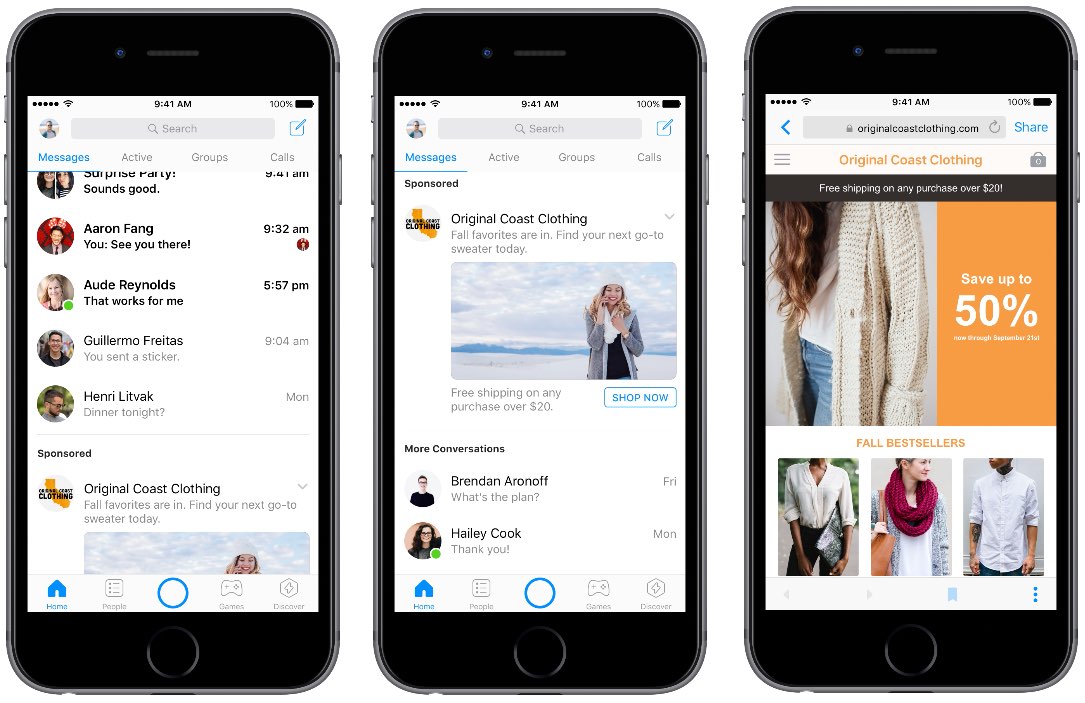
Ads on Facebook's popular mobile chatting app, Messenger, are now available to advertisers globally, the company said today. Advertisers and brands will be able to add Messenger to their campaigns using existing tools and targeting options.

“A small percentage of people will begin to see ads in their Messenger Home tab towards the end of this month as we build ads inventory,” said Facebook. The social network will gradually extend Messenger ads to more people over the coming months.

Facebook company began injecting ads into people’s conversations on Messenger in the second quarter of 2016. Messenger lets brands send ads as messages to those who previously interacted with that company using the Messenger app.

Only folks who have voluntarily chatted with a business can be sent ads, for now.

https://messenger.fb.com/wp-content/uploads/2017/07/video-1499474456-1.mp4

When you tap an ad in Messenger's Home tab, you'll be sent to the destination the advertiser chose during the ad's creation, which can be either their official website or a Messenger chat.

The suite of Messenger ads also include sponsored messages and click-to-Messenger ads.

Sponsored messages let business re-engage with people who have started a conversation with them while click-to-Messenger ads drive users to a conversation after they interact with the ad in Facebook, Instagram or Messenger.

Every Mac wallpaper since OS X Cheetah 10.0

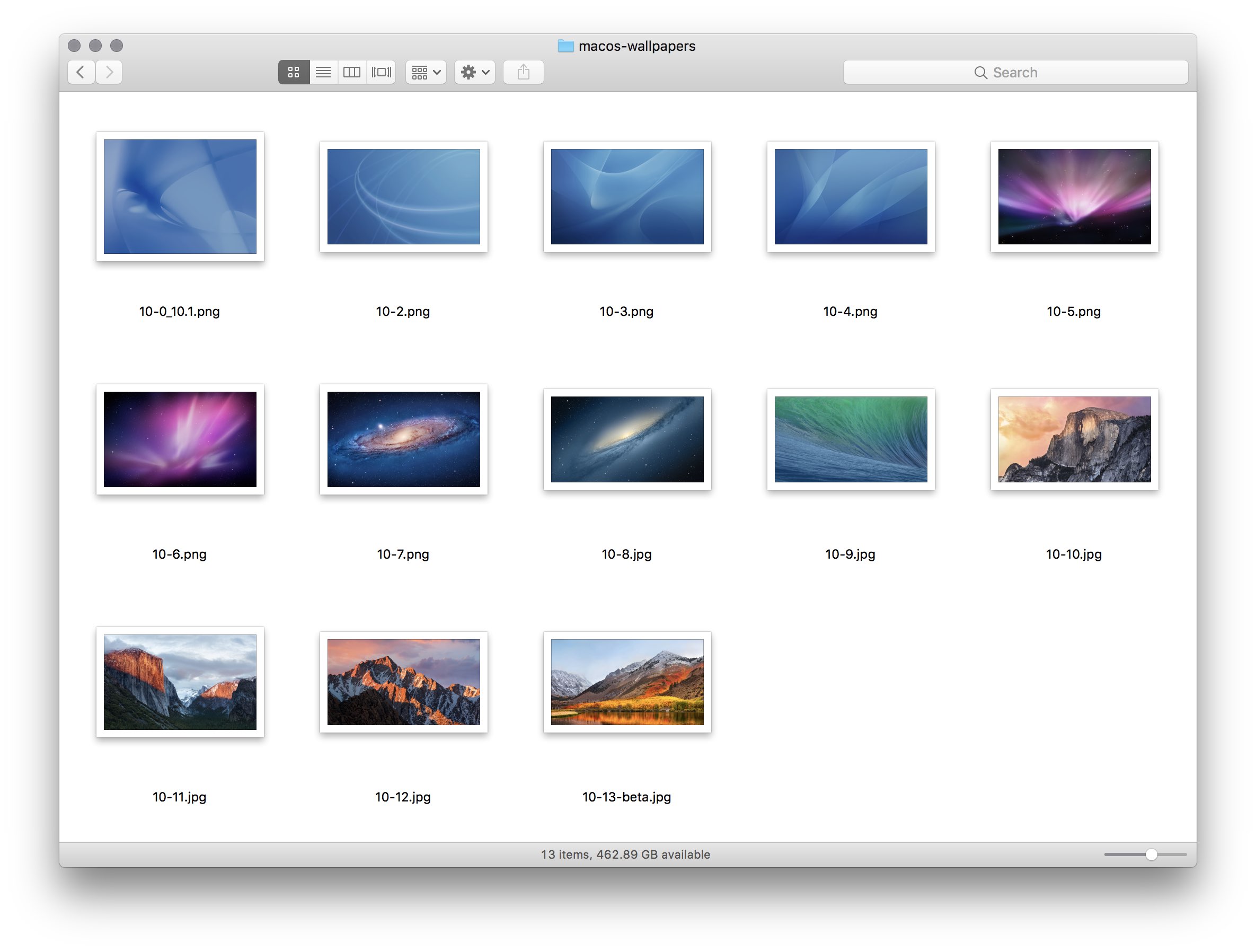
Journalist Stephen Hackett and French designer @forgottentowel have created an awesome compilation of every new wallpaper that appeared in macOS editions since OS X Cheetah 10.0, the first major version of Apple's desktop operating system released sixteen years ago in 2001.

Older ones back from the day when computers didn't have Retina screens were upscaled for the glorious 5K resolution. You can view and download them individually from the 512 Pixels website, as well as learn a little bit of history behind each wallpaper.

The first two releases of Mac OS X shared the same wallpaper: the sweeping blue arcs and curves, which helped set the tone of the new Aqua interface.

It wasn't until OS X Leopard 10.5 that Apple changed the theme of the default OS X wallpaper from the blue-themed trails streaking across the screen to various space nebulas.

“It ushered in the 'space era' of OS X wallpapers, which was used heavily in the new Time Machine interface as well,” Hackett wrote. The space theme for Mac wallpapers had continued for a few years until OS X Mavericks 10.9, which marked the beginning of Apple’s naming scheme for Mac releases based on California locations.

With OS X Yosemite 10.10 and its flattened user interface, Apple began shipping new default wallpapers based on images of mountains. Subsequent OS X releases, including the latest macOS High Sierra, each shipped with their own mountain-themed wallpapers.

What's your favorite macOS wallpaper of all time?

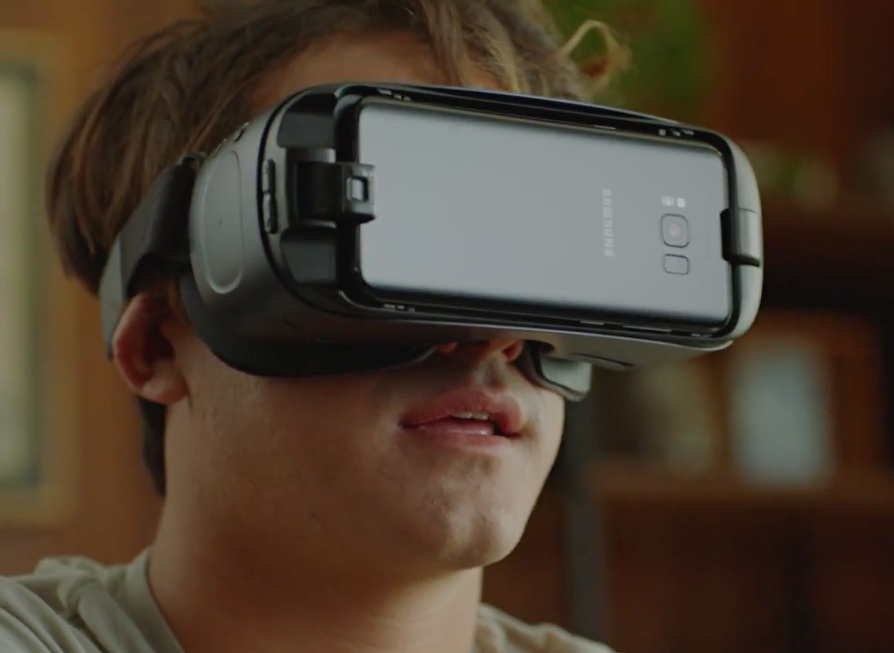
First two months of Galaxy S8 sales 20 percent lower versus Galaxy S7

Citing brokerage analysts, The Korea Herald reported Tuesday that Samsung's latest Galaxy S8 flagship smartphone has moved fewer units than the previous-generation Galaxy S7 model.

Samsung sold an estimated 9.8 million units in Galaxy S8's first two months of availability, or about 20 percent less than Galaxy S7’s twelve million sales in the same period last year.

It should be taken into account that Galaxy S8 started selling in three key markets while its predecessor sold globally immediately.

The report attributed the sales decline largely to the saturated smartphone market and, in part, to fiercer competition from Chinese rivals. Samsung apparently reduced supply orders for some parts, an unnamed industry source said.

That Samsung hasn't' bragged recently about Galaxy S8's sales is another indication of the potentially slowing sales. “We estimate Galaxy S8’s sales volume to be similar to that of Galaxy S7 for now,” is all a Samsung official had to say about the matter.

The only data point Samsung shared was on May 16, when it said global shipments of its latest flagship smartphone exceeded ten million units in its first three weeks of availability.

Galaxy S8 debuted on March 30 and started selling globally on April 21.

“Since the 10 million shipment, Samsung is not revealing sales figures possibly due to slowing sales,” said a local analyst. “We assume Galaxy S8 is selling less than Galaxy S7.”

Hands-on video shows iPhone 8’s supposed industry-highest screen to body ratio

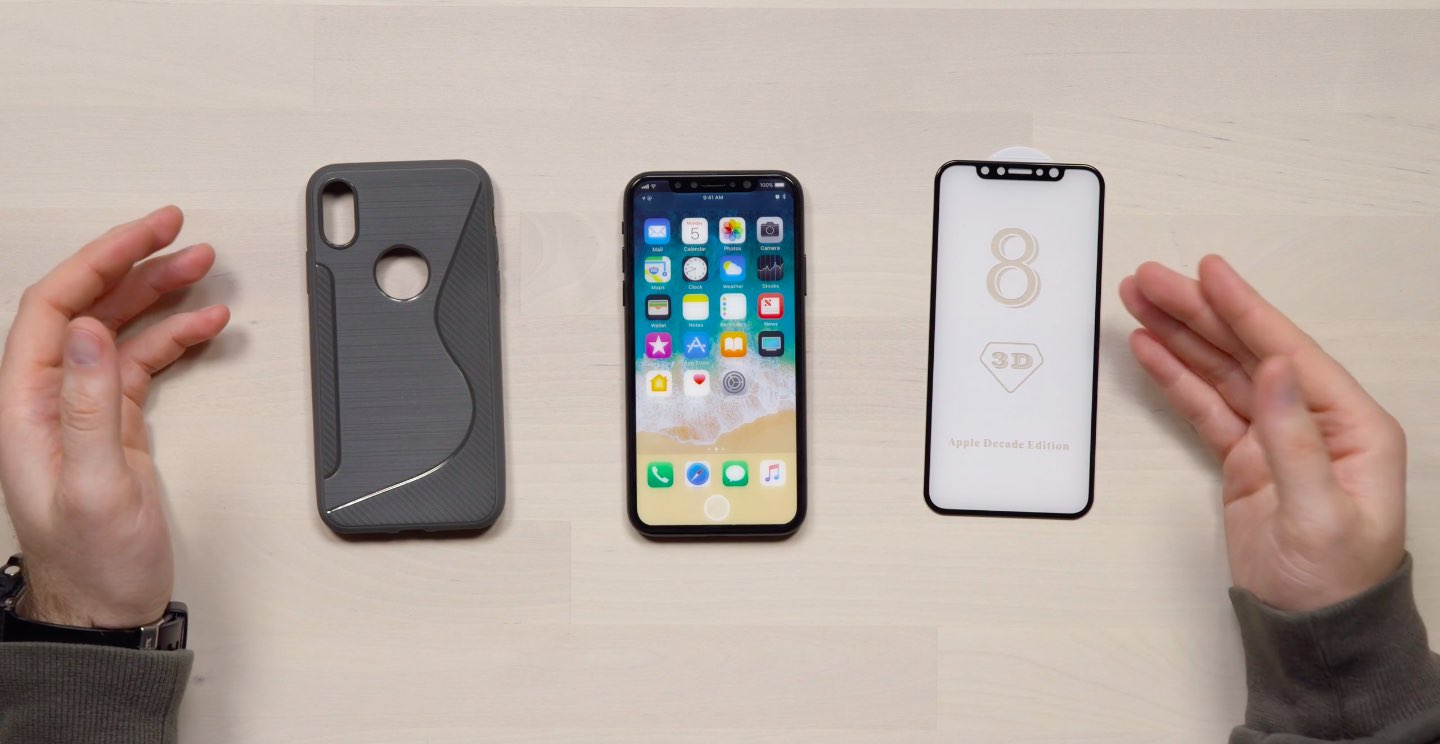
YouTuber Unbox Therapy got his hands on the most comprehensive CNC-machined iPhone casing “I've ever seen”, offering a look at the handset's screen to body ratio and other features.

According to trusted Apple analyst Ming-Chi Kuo of KGI Securities, Apple's flagship 5.8-inch OLED iPhone will have the highest screen-to-body ratio of any smartphone currently available.

According to the YouTuber:

iPhone 8 represents a very important device for Apple. In a market where smartphone prices are dropping rapidly companies like Apple and Samsung have to work much harder to convince customers that their products are worth the cost premium.

Some will say that Apple has copied Samsung in the design of the iPhone but I think the race for maximum screen to body ratio was inevitable for smartphone vendors. Current speculation puts this iPhone 8 design at the top in those terms.

There's no other phone currently available that has this much screen in a body this size.

Prior rumors alleged that iPhone 8 would switch from a 16:9 to an 18:9 display, resulting in a 2:1 aspect ratio that would make the screen appear taller and perhaps slightly narrower than the screens on existing iPhone models.

The 18:9 aspect ratio has been popularized by the latest phones from Samsung and LG with displays that are taller than the 16:9 ratio used by the majority of smartphones.

And here's his hands-on video, posted last week.

https://www.youtube.com/watch?v=4WHMgBs_C3s&t

Current speculation—supported by the CNC-machined iPhone 8 model in the video and analysts—appears to indicate the lack of a Touch ID fingerprint scanner.

It' remains unclear, however, if Apple might decide to opt for an advanced facial recognition unlock system similar to Samsung’s Galaxy S8 as a Touch ID replacement.

According to KeyBanc Capital Markets analyst Andy Hargreaves, iPhone 8 could launch without Apple Pay support unless the Touch ID situation is resolved in a timely manner.

“We do not believe facial recognition would be initially qualified as an acceptable verification method for Apple Pay,” said Hargreaves.

He explained that the solution wouldn’t work without clear line of sight to your face and, which could pose problems for customers using their iPhone 8 to pay with Apple Pay at stores.

Analyst: Apple has until August to solve iPhone 8’s Touch ID situation

Highly unlikely claims by KeyBanc Capital Markets analyst Andy Hargreaves were cited in today's report by the investment publication Barrons, alleging that Apple has “just weeks” to decide whether to put a Touch ID fingerprint sensor under the cover glass of iPhone 8 or completely replace the popular feature with an advanced facial recognition system.

Apple's struggles with the workaround for the fingerprint sensor increases the potential that the OLED iPhone could be delayed or even ship without a fingerprint sensor at all, he speculates.

Hargreaves went as far as to suggest the flagship device could launch without Apple Pay support unless the Touch ID situation is resolved in a timely manner.

“We do not believe facial recognition would be initially qualified as an acceptable verification method for Apple Pay,” he wrote. “While Apple could achieve this over time, the likelihood for an initial lack of Apple Pay could adversely affect demand.”

It would typically take at least three months from ordering Touch ID chips to full iPhone volume production. If Apple does place orders for the chips before August, the company would likely be able to reach volume production in late October or early November, the analyst speculates.

“We believe this remains Apple's preferred path, and expect it would be acceptable to both consumers and investors,” he said, adding it is “entirely unclear” if Apple will be able to fix the problem in this time frame.

He doesn't think that an advanced facial recognition system would provide strong security required for Apple Pay, even if Apple designed this feature to work from many angles and in low-light environments, as suspected.

That's because scanning your face wouldn't work without clear line of sight to your face, which could be  especially problematic when paying with Apple Pay at stores.

Here's an excerpt from the report:

Even if this encompassed just five percent of login scenarios, it would mean that several times a day the new iPhone would perform worse at an elemental feature than older iPhones, which would risk pushback from consumers.

Further, we do not believe facial recognition would be initially qualified as an acceptable verification method for Apple Pay. While Apple could achieve this over time, the likelihood for an initial lack of Apple Pay could adversely affect demand.

Hargreaves says a delay in the retail availability of iPhone 8 is “very unlikely, but possible,” especially if Apple decides that facial recognition isn't suitable for Apple Pay.

Take the report with a grain of salt.

I don't think Apple would launch its highly anticipated premium smartphone without Touch ID and Apple Pay support, although anything is possible.

How about you?

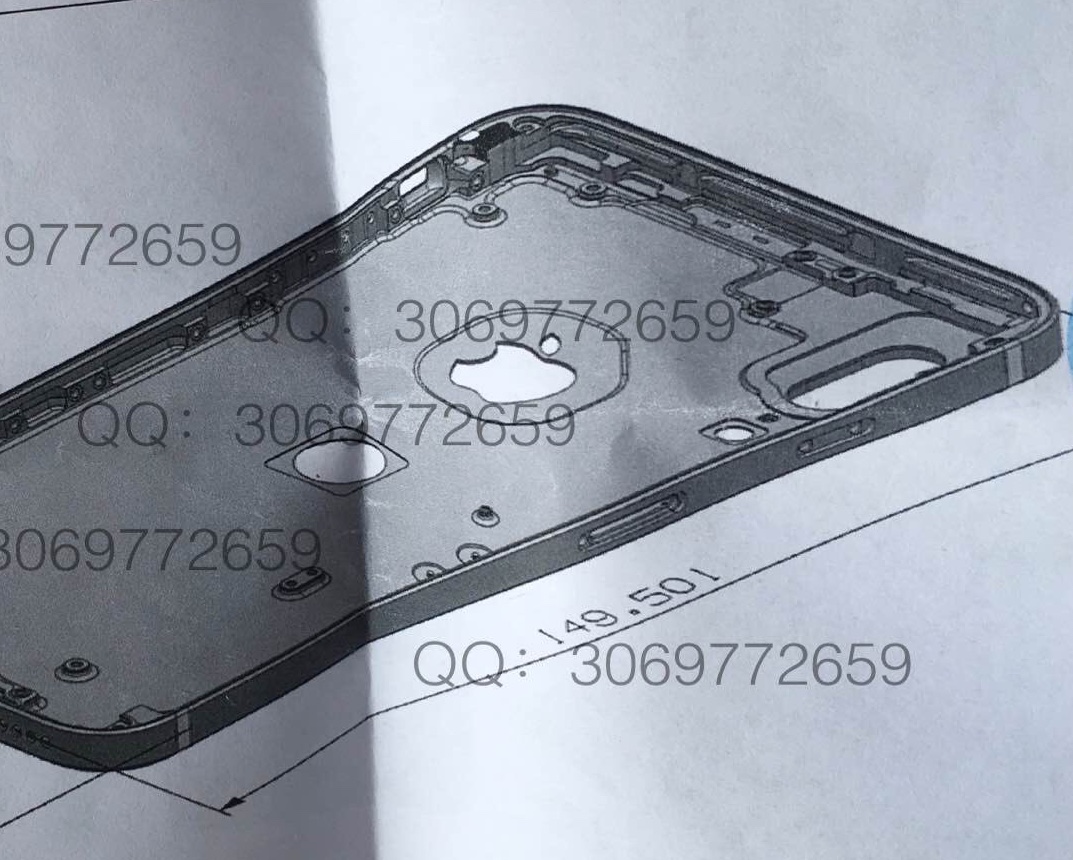
Claimed iPhone 8 schematics top of post via Sonny Dickson.

Everything new in iOS 11 beta 3

A third beta of iOS 11 for the compatible iPhone, iPad and iPod touch devices was released earlier today to Apple's registered developers and members of the paid Apple Developer Program.

The accompanying second public beta of iOS 11, which would have the same features as third developer-only beta, should be released through Apple's Beta Software Program later this week, probably tomorrow, allowing non-developers to take the latest beta for a spin on their iOS devices.

Here's everything new in iOS 11 beta 3, based on Apple's official release notes and community findings (which you can contribute to in the comments section).

https://www.youtube.com/watch?v=bixdLWqPIvA

Subscribe to iDownloadBlog on YouTube

New features in iOS 11 beta 3

iOS 11 beta 3 takes advantage of a brand new syncing system for Safari's Bookmarks and Reading List features, which should increase performance and elevate your security. Migration to the new sync system occurs silently after all the devices signed in to your iCloud account are running iOS 11.

Safari content blockers are working again in beta 3. A new API allows native apps who will implement it to log in the user automatically by re-using a previously saved Safari password for the app's web-based version.

Siri in iOS 11 can translate text for you and the third beta adds support for translation requests from English US to Chinese, Spanish, German, French and Italian. New Siri voices for both genders of Brazilian Portuguese, Canadian French, Dutch and Swedish are available in beta 3, as well as new female voices for English and Mexican Spanish.

Plus, the Siri voice for both genders of Japanese and Chinese has been upgraded.

iOS 11's built-in screen recording feature now comes with a new Start Broadcasting option, which seems to do nothing in beta 3 beyond saving the screen recording to the Photos app. We expect subsequent betas will fully implement this feature.

https://twitter.com/iamgroot11/status/884476382129999872

Siri can now get directions when Do Not Disturb While Driving is active.

Elapsed time is now updated when using the system media player's play and stop controls , or when seeking during video content playback. Notifications in the Music app are now working and song metadata now syncs correctly with iTunes.

Messages on iCloud should now be available after a device has been offline.

Safari's view controller, a feature that lets you browse the web within apps complete with Safari features like Reader Mode, now sports an improved interface for 3D Touch previews and default preview actions.

When you open a link in an app that supports Safari's controller, like Tweetbot, you'll notice that Safari's toolbars have been collapse to show just the domain.

iOS 11 beta 3 implements SFAuthenticationSession, Apple's new API for authenticating a user with a web service. For what it's worth, some of my colleagues are experiencing issues using Google services with iOS 11, but this problem does not seem to be replicable for everybody 100 percent of the time.

Top fixes in iOS 11 beta 3

Aside from these outward-facing new features and improvements, iOS 11 beta 3 includes a fair share of bug fixes, under-the-hood improvements and other changes. We'll only mention the most important fixes.

For starters, third-party keyboards should now work if not allowed full access. Audio should no longer drop during Skype calls. The Phone app should no longer crash when a voicemail message is deleted and carrier services like voicemail, messaging, call wait, call forwarding and others on Wi-Fi calling-enabled devices may now work for specific carriers/markets.

Pulling down the notifications shade when the device is unlocked now displays both your current and older alerts without the need for scrolling. An upward swipe for force-quitting apps is back on iPad, replacing the “x” button which appeared in prior betas when an app was held down in the app switcher.

Apps over 100 megabytes should no longer download over your iPhone's cellular connection after acknowledging the warning prompt. Speaking of which, connecting to a cellular network after restarting or powering on your device should now work correctly, as does activating a Sprint cellular data plan on your iPad.

Buttons for Day, Week, Month and Year in the Calendar app now trigger on the first tap.

The Offload App feature now works for apps that are shipped with iOS 11. The Settings app no longer crashes when you delete the Podcasts app or add/delete keyboards, while storage graph and size information now updates correctly.

You can now create a new Photos or Kaleidoscope face for your Apple Watch from the share sheet in the Photos app, as well as share Live Photos via AirDrop. Photographs captured on iOS 11 now show the correct orientation on versions of macOS earlier than 10.13.

In the Watch app, changes to Mail → Include Mail are now saved and watchOS email alerts now use your configured settings.

Tapping Learn More from the prompt that appears when you attempt to launch a 32-bit app now opens the App Compatibility section within the Settings app, as it should.

Apple says 32-bit apps will not run on future betas of iOS 11.

Migrating from your Android phone using Android Migration should work correctly while restoring a device from an iTunes backup will no longer yield white app icons on your Home screen. After restoring from an iTunes backup, you can now authenticate iCloud credentials during the iOS 11 setup process.

When restoring from iCloud Backup in Setup Assistant, you'll see the correct list of backups. Apple says that “certain services” should sync correctly on initial iCloud login.

Using 3D Touch with phone numbers, addresses and so on now works correctly throughout the system. AirPlay has been fixed to work as expected in apps. The SlingTV app now plays back audio and video normally and Kindle books sync as you'd expect.

Facebook Messenger now launches when the Facebook app is not installed. In Amazon Video, the video playback controls now work correctly and navigation bars should look correct.

Last but not least, iOS 11 beta 3 fixes the most annoying thing about the new Control Center where the Wi-Fi toggle would not work properly. Now if you hit the Wi-Fi icon in Control Center, your device disconnects from the current network and temporarily disables Wi-Fi networking (the same goes for the Bluetooth control).

And if your press the Wi-Fi control in Control Center to expand it, it now updates the network name when transitioning between networks. The 3D Touch shortcuts menu for the Camera app in Control Center has been improved as well.

In Apple's new File app, you can now use the QuickLook feature to preview iWork documents while file thumbnails should now display properly.

If you use HomeKit, Siri will finally recognize your smart home setup on devices upgraded to iOS 11 beta. You can now drop PDFs and books into iBooks and audiobooks now appear in your library after purchasing or re-downloading.

Say hello to new bugs

There are still many known issues to be resolved before the iOS 11 software update releases publicly.

For example, syncing 32-bit apps via iTunes may leave a placeholder for the app. In a similar vein, you many be unable to log in to the Pinterest app using your email address.

In Tweetbot, you may not be able to post tweets containing recently taken photos. The excellent VSCO camera app may throw an error when importing photos that have been recently taken.

Under some circumstances, rotating an iOS device may cause Apple Pencil to become unusable.

Restoring from an iTunes backup containing an offloaded app which is also present in the iTunes library on your computer installs the offloaded app and then re-installs it from App Store, which can result in the restored backup taking more space on your device than the size of the backup.

As a workaround, offload the app after the restore process completes.

Submit your own discoveries

If you have managed to detect other user-focused changes or improvements in the new beta not mentioned in the article, post your findings in the comments below and we'll update the write-up as new information becomes available.

You can also submit them via tips@iDownloadBlog.com.
tvOS 11 beta 3 seeded to developers

Aside from releasing third betas of iOS 11 and macOS High Sierra, Apple today also seeded tvOS 11 beta 3 (build number 15J5324f) for the fourth-generation Apple TV to its registered developers and members of the paid Apple Developer Program.

No new outward-facing user features have been added in beta 3.

Non-developers can test tvOS 11 betas by signing up for Apple's Beta Software Program at beta.apple.com. Be sure to sign up through your computer using the same Apple ID you use for iCloud services on your devices, then go to Settings → System → Software Updates on your Apple TV and enable the feature labeled Get Beta Updates.

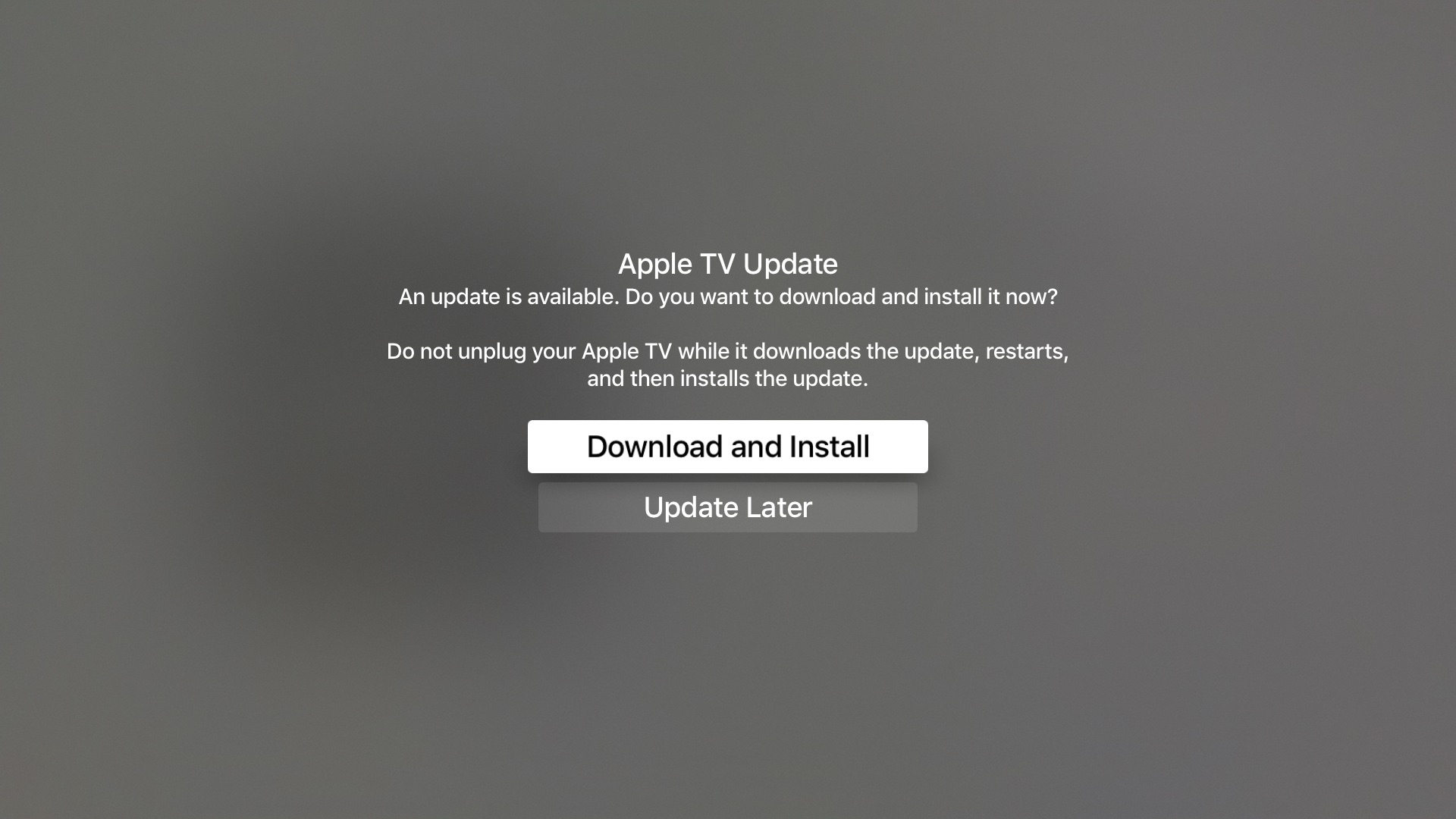
The Software Update mechanism on your Apple TV will now put up a prompt when a new tvOS 11 beta is available for download.

tvOS 11 includes minor features like the ability to synchronize your Home screen layout across multiple Apple TVs via iCloud, automatic switching between Light and Dark mode based on local time, new background multitasking modes, notification support, custom sound support, layered image improvements, right-to-left language support and other tidbits.

macOS High Sierra 10.13 developer beta 3 rolling out on Mac App Store

Apple today released a third beta of macOS High Sierra 10.13 for Mac systems. macOS High Sierra 10.13 beta 3 (build number 17A306f) is now available to Apple's registered developers and members of the Apple Developer Program on any supported Mac via the Mac App Store's Updates tab.

The full macOS High Sierra 10.13 beta 3 installer can be downloaded from Apple's Dev Center portal. Once installed, subsequent betas will be available through the Software Update mechanism in Mac App Store.

A developer-only preview of High Sierra was released at WWDC in June, followed by a second beta on June 21 and the public beta on June 29. The first public beta of High Sierra has the same features as developer-only macOS High Sierra beta 2.

macOS High Sierra includes Apple's File System, official support for High Efficiency Video Codec (HEVC), also known as H.265, an updated version of Metal with support for VR applications and external GPU enclosures, Safari 11 with new anti-tracking features, support for flight status information in Spotlight, more natural voices for Siri and more.

Stock apps including FaceTime, Messages and Notes have received a few refinements, too.

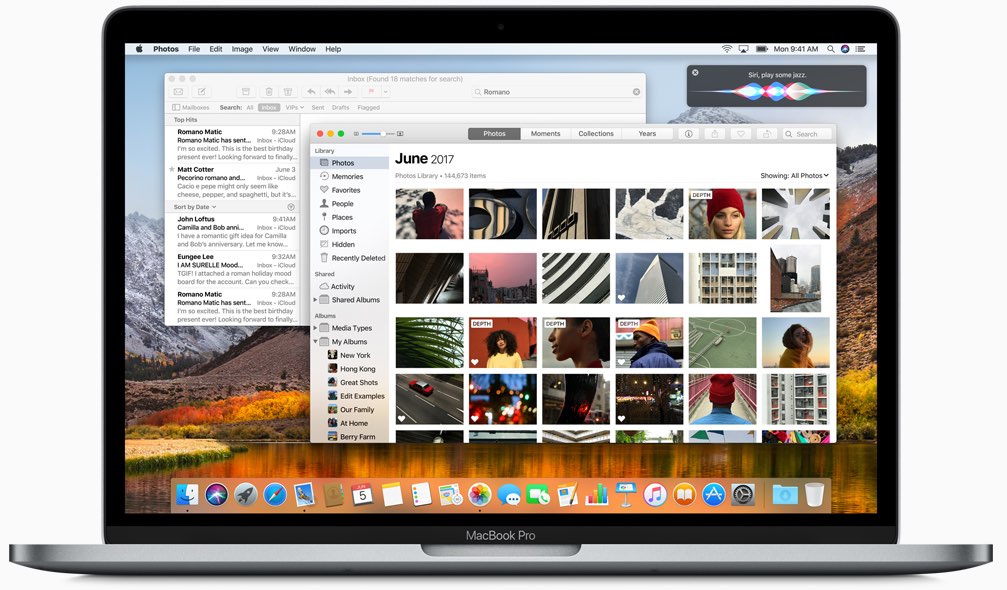
High Sierra also introduces new core storage, video, and graphics technology, as well as an enhanced Photos app with a new sidebar, curve-based editing and support for third-party apps like Pixelmator and Photoshop.

TUTORIAL: How to unenroll from Apple's Beta Software Program

macOS High Sierra will release for public consumption this fall across supported Mac models.

If you have managed to spot new user features in macOS High Sierra beta 3, tell us on Twitter or via email at tips@iDownloadBlog.com. You can also post your findings in the comments section and we’ll make sure to update the article with new information as it becomes available.