News

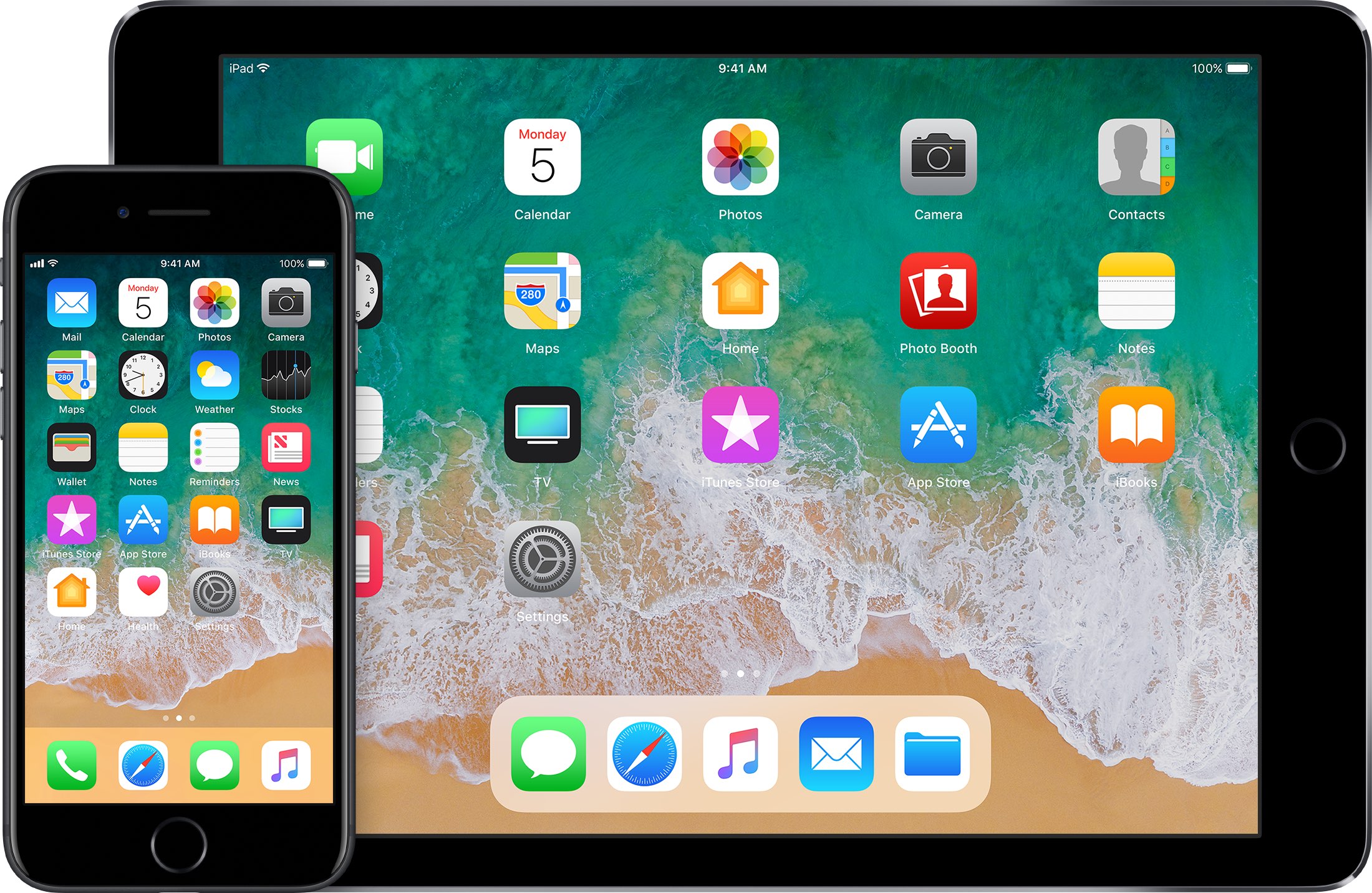
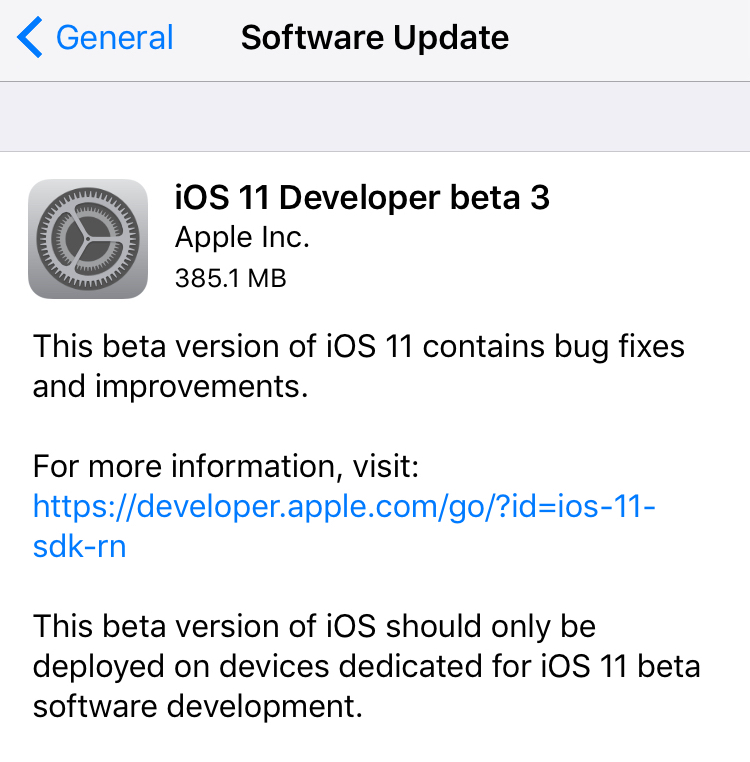
iOS 11 beta 3 seeded to developers

Apple today seeded a third beta of iOS 11 for iPhone, iPad and iPod touch to its registered developers and members of the Apple Developer Program. To deploy iOS 11 beta 3 (build number 15A5318g), use the Software Update mechanism in the Settings app on your device with an appropriate configuration profile installed, which can be obtained from Dev Center.

iOS 11 was originally released as a developer-only preview at WWDC in June, followed by iOS 11 beta 2 on June 21 and the iOS 11 public beta on June 26. The first public beta of iOS 11 has the same features as developer-only iOS 11 beta 2.

Here's Andrew's hands-on walkthrough of the changes in the previous beta.

https://www.youtube.com/watch?v=TZ5pwZMPRxI

Subscribe to iDownloadBlog on YouTube.

iOS 11 sports a redesigned App Store, new iPad multitasking features with the Dock and drag and drop, a Files app, AirPlay 2 with multi-room audio, new Siri capabilities, visual refinements, a customizable Control Center, a redesigned app drawer in Messages and much, much more.

TUTORIAL: How to switch from iOS 11 beta to official iOS release

iOS 11 will release for public consumption this fall across supported iOS device models.

If you have identified new outward-facing user features in iOS 11 beta 3, ping us on Twitter, shoot us an email at tips@iDownloadBlog.com or post your findings in the comments section and we’ll make sure to update the article with new information as it becomes available.

Apple opens UK office dedicated to developing proprietary graphics technology

Apple has reportedly opened a 22,500 square feet office in St Albans in the United Kingdom, right in the neighborhood of its former mobile GPU provider Imagination Technologies which has its headquarters in the adjacent Hertfordshire village of Kings Langley.

It reportedly plans to use the new office to develop its own graphics technology.

According to The Telegraph newspaper this weekend, this could be interpreted as a rather aggressive move aimed at poaching Imagination's most talented engineers. Indeed, Apple has more than a dozen listings for experts in graphics hardware in South Hertfordshire.

Apple's already poached several Imagination engineers, including its COO John Metcalfe.

As The Guardian's James Titcomb wrote:

The development is set to heighten tensions between the companies, exacerbating fears that Apple is seeking a quasi-takeover of its supplier by hiring its employees and weakening the company’s hand as the two tussle over Apple’s plans to ditch the company.

Apple and Imagination have been at odds since April, when the former told the British fabless chip designer it'd stop using its GPU blueprints for its in-house designed mobile processors.

Imagination put itself up for sale last month.

Apple informed Imagination that it has a been working on its own GPU design and told them it would be reducing its future reliance on Imagination’s technology.

Just last week, Apple clarified it actually stopped accepting new intellectual property from Imagination back in 2015, rather than in 2016 as Imagination said to its shareholders.

“We valued our past relationship and wanted to give them as much notice as possible to adapt their future plans,” said an Apple spokesman. “We’re disappointed in their response, which has been inaccurate and misleading”.

New GPU designs from Apple could debut in next year's iOS devices.

iPhone 8 could include “mirror-like” color option

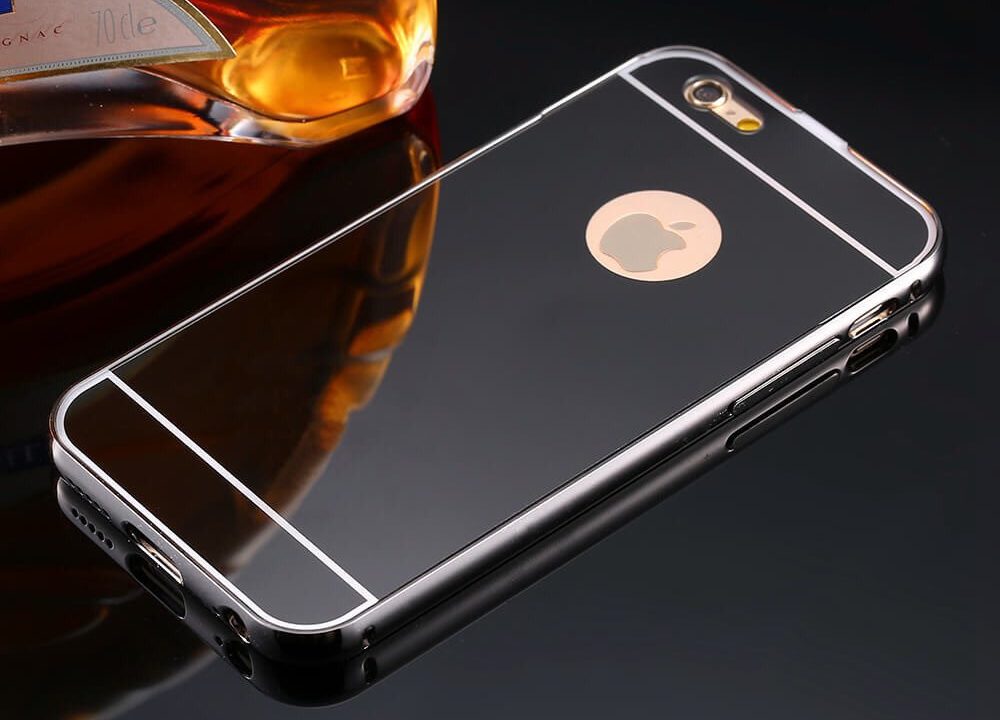
Apple's OLED-based iPhone 8 could be offered in four color finishes when it launches later this year, including a mirror-like reflective version which hasn't been used for iPhones before, prolific smartphone leaker Benjamin Geskin said on Twitter this weekend.

He learned this interesting tidbit from one of his sources. By comparison, iPhone 7 is offered in six distinct colorways: Silver, Gold, Rose Gold, Black, Jet Black and (PRODUCT)RED.

Geskin has been leaking information about Apple's 2017 iPhones for moths, but his track record in the Apple rumor business has yet to be established so treat his latest claim with skepticism. He shared an image of an iPhone 6s in a third-party reflective case, seen top of post, to illustrate what the new color option for iPhone 8 might look like.

iPhone in Canada asked veteran leaker Steve Hemmerstoffer, who has a reliable track record, to comment on Geskins' tweet. He said that this particular rumor could have originated from widely available Chinese clones.

https://twitter.com/VenyaGeskin1/status/883598357658316800

Hemmerstoffer also called out Geskin publicly, saying he shouldn't be taking credit for so-called “leaks” discovered publicly on Chinese social media. In fact, Hemmerstoffer, who runs the OnLeaks account on Twitter, told the publication that Geskin lifted one of his first iPhone 8 dimensions leaks and passed it on as his own with a watermark.

https://twitter.com/OnLeaks/status/881551922599251970

At any rate, iPhone 8 wouldn't be the first phone to include a reflective finish.

That crown belongs to Sony, which made two phones with a mirror-like finish: Xperia Z5 Premium and Xperia XZ Premium. The Xiaomi 6 phone also includes a mirror-like color option..

Four distinct colors for Apple's flagship phone seems a lot if you consider a recent report from trusted Apple analyst Ming-Chi Kuo of KGI Securities, who predicted iPhone 8 would offer fewer casing colors than the iPhone 7s/Plus models to “maintain its boutique image”.

Thoughts?

Amazon and other competitors are hurting iTunes movie sales and rentals

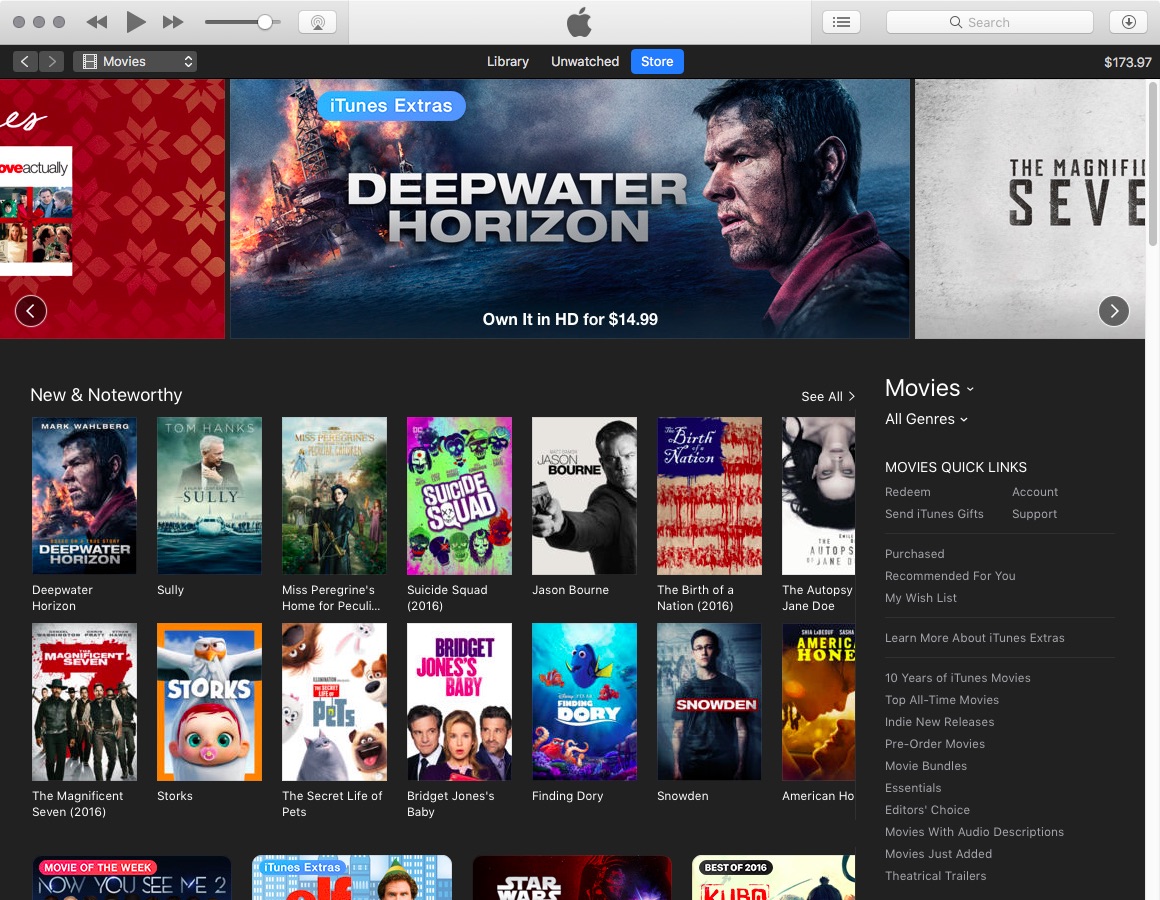
Strong competition from the likes of Amazon and Comcast has halved Apple's market share when it comes to movie sales and rentals, The Wall Street Journal reported yesterday.

The numbers should be taken with a grain of salt because, as the article states, no third parties track market share in the digital-movie business. While that makes exact figures impossible to obtain, Hollywood majors do different amounts of business with Apple and several of them have confirmed “a marked decline in iTunes’ leadership position.”

Sources said iTunes' market share for renting and selling movies has been falling for years, tumbling to between 20 percent and 35 percent from well over 50 percent as recently as 2012.

By comparison, Amazon's market share in that business has recently climbed to around 20 percent, studio executives said. As for Comcast, it now claims about 15 percent of the combined market for movie sales and purchases in the US.

Bernstein Research estimates that iTunes video, music, book and magazine sales in 2016 accounted for an estimated $4.1 billion in revenue, making it the second-largest services business behind App Store sales.

Apple says it's focused on providing users with premium entertainment via video apps on App Store. The company takes a fifteen percent cut on subscriptions sold via App Store.

An excerpt from the article:

An Apple spokeswoman, who didn’t dispute the market-share estimates, said Apple is focused on providing customers with video content across subscription services such as Netflix and HBO, as well as iTunes, where she said movie purchases and rentals have increased over the past year and hit their highest level in more than a decade.

It is no secret that video-subscription services are growing in popularity at the expense of on-demand rentals and movie purchases. Why pay five bucks or more to stream a single movie via iTunes in high definition if you can get a full Netflix or HBO NOW subscription for the price of a single movie download (new movie downloads are priced at $19.99 on iTunes)?

Movies, like music, are meant to be streamed no matter what Apple says about it.

Just like iTunes' market share for digital music purchases has been decreasing as part of the overall industry decline due to the rise of streaming services like Spotify, the same thing is now happening in the digital movie industry.

Apple has offered movies and TV shows on iTunes since 2003.

Apple has been trying for years to persuade Hollywood studios to let it build a so-called skinny bundle of the best channels from the likes of Disney, ESPN and others, to no avail.

Last year, total digital-movie sales and rentals rose a combined twelve percent to $5.3 billion in the US, according to PricewaterhouseCoopers.

Apple will build another data center in Denmark

Apple will build another iCloud data center in the Danish city Aabenraa near the German border, its second in the country, Apple's Nordic director Erik Stannow told Reuters today.

The Cupertino company will spend 6 billion Danish crowns, which works out to approximately $921 million, on the facility which will be powered entirely by renewable energy.

It will power App Store, Siri, iMessage, Maps and other iCloud services. Construction is expected to start before the end of 2017.

Stannow told Reuters in an email:

We're thrilled to be expanding our data center operations in Denmark, and investing in new sources of clean power. The planned facility in Aabenraa, like all of our data centers, will run on 100 percent renewable energy from day one, thanks to new clean energy sources we're adding.

He added that the reliability of the Danish grid is one of the main reasons Apple will operate two data centers in Denmark, a leader in wind power which also has abundant supplies of biomass energy.

If all goes as planned, the facility should go online in the second quarter of 2019.

The iPhone maker is also building a $1 billion data center in Denmark's Foulum, a small town located just outside of Viborg, a city in central Jutland that is home to Aarhus University and agricultural research facilities.

That facility should go online later this year, barring any unforeseen circumstances.

Apple is also building a data centre in Ireland but it's been struggling to get it off the ground because local residents asked the High Court for a judicial review on environmental grounds.

"The proposed data center is currently under judicial review," a spokeswoman said.

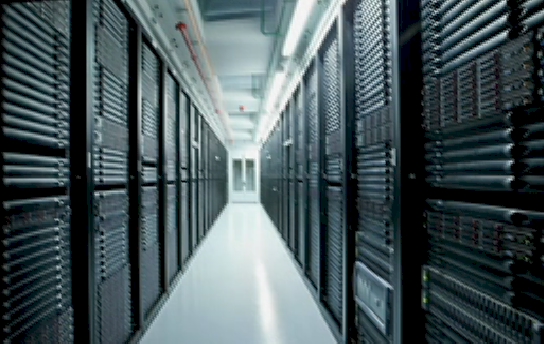
Image: Apple's data center in Maiden, North Carolina

Differential Privacy sees wider adoption since Apple first embraced it

Differential Privacy technology is about a decade old, but major tech players had shied away from embracing it until Apple rolled it out across iOS, macOS, watchOS and tvOS in September of last year. Today, major Silicon Valley giants like Microsoft, Uber and Google are readily experimenting with the technology, reports The Wall Street Journal.

Uber uses it to improve services without being overexposed to user data. Microsoft uses it in a pilot project to make smart-meter data available to researchers and government agencies for analysis, while making sure “any data set cannot be tied back to our customers”. Even Google, one of the Differential Privacy's earliest adopters, uses it to a certain extent.

Apple has now expanded its use of Differential Privacy to cover its collection and analysis of web browsing and Health-related data, as first announced at the Worldwide Developers Conference in June. According to the report, the Cupertino technology giant is currently receiving millions of pieces of information on a daily basis from iPhones, iPads and Macs.

All those items are protected by Differential Privacy, which blurs the data being analyzed by adding a measurable amount of statistical noise. This allows Apple to analyze sensitive data like your Health-related information without being able to tie the data back to specific people.

Plus, data-analysis apps are unable to find usable links between large data sets protected with Differential Privacy, making it virtually impossible to de-anonymize such data.

Differential Privacy is key to Apple’s artificial intelligence efforts for it lets the firm advance Siri and other products by analyzing user data without learning too much about users.

According to some people, Differential Privacy can be a double-edged sword and many folks were quick to point out that Apple's refusal to collect huge amounts of data on users, like Google is doing, is hurting its ability to compete in the AI space.

To that extend, a company spokesman told the Wall Street Journal via email that “Apple believes that great features and privacy go hand in hand.”

So, what's this stuff about blurring the data and statistical noise?

Differential Privacy is best explained with real-world examples.

In one particular example, Differential Privacy techniques swap out the answer to one question (“Have you ever committed a violent crime?”) with a question that has a statistically known response rate (“Were you born in February?”).

“Someone trying to find links in the data would never be sure which question a particular person was asked,” the article explains. “That lets researchers analyze sensitive data such as medical records without being able to tie the data back to specific people.”

To learn more about how Differential Privacy works and why it's important and key to Apple's mission of protecting the privacy of its users, check out our previous write-up on the topic.

Keep in mind there's isn't an explicit setting that would let you turn differentially private data collection on or off on your iPhone, iPad, Mac, Apple Watch or Apple TV.

Instead, your device automatically uses Differential Privacy when you opt-in to sending diagnostics and usage data to Apple or app developers. In other words, you must specifically elect to share analytics data with Apple (or developers) before Differential Privacy is used.

According to the descriptions in the “About Diagnostics & Privacy”, “About App Analytics & Privacy” and “About iCloud Analytics & Privacy” links found in Settings → Privacy → Analytics, your personal data is either not logged at all, is subject to privacy preserving techniques such as Differential Privacy or is removed from any reports before they’re sent to Apple.

“Analysis of data is undertaken only after the data has undergone privacy preserving techniques such as Differential Privacy,” notes Apple. “Analysis of such data will allow Apple to improve intelligent features and services such as Siri and other similar or related services.”

You can review diagnostics/analytics data and other information being sent to Apple at any time by going to Settings → Privacy → Analytics and looking under Analytics Data.
Apple’s iCloud trademark now covers smart glasses and headset accessory

Apple has updated its figurative trademark for “iCloud”, filed with the Hong Kong Trademark Office, to include smart glasses and even a headset peripheral device. As you know, the Cupertino company is rumored to be working on a dedicated augmented reality headset or a smart glasses product with Carl Zeiss optics.

As first noted by PatentlyApple, since April of this year Apple has begun to include specific types of products to its trademarks covering the Mac Pro/iMac Pro computers and the ARKit framework for building augmented reality apps, including devices like smart glasses, head mounted displays, virtual and augmented reality displays and the like.

The iCloud trademark's international class 09 verbiage defines the headsets as falling under the context of “wearable digital electronic devices capable of providing access to the Internet” or “computer software for setting up, configuring, operating and controlling” these systems.

Likewise, the trademark meticulously lists the real-world applications for “smart glasses,” also covering things like “virtual and augmented reality displays, goggles, controllers, and headsets, 3D spectacles, eyeglasses, sunglasses, spectacle lenses, optical glass and optical goods”.

Apple calls shenanigans on former GPU supplier’s “inaccurate and misleading” statements

Apple has hit hard at the accusations that its former mobile GPU supplier Imagination Technologies leveled at the Cupertino tech giant. According to the iPhone maker, Imagination's “unsubstantiated allegations” made recently in their annual report to investors are “inaccurate and misleading,” Bloomberg reported Friday.

Apple is adamant that Imagination had known for much longer that their business relationship was ending, explaining it started working with the British firm since the first iPhone was released in 2007 and stopped accepting new intellectual property from them in 2015.

An excerpt from the article:

By 2016, Apple said it told Imagination it was further diminishing the relationship by initiating a clause in its contact that allows Apple to pay a lower royalty rate for using a smaller amount of intellectual property.

By February of this year, Apple said it told Imagination it was ending the relationship altogether and would no longer be making any royalty payments as early as 2018.

Basically, Imagination'd known for two years of Apple's plans to drop its GPU blueprints.

The statement contradicts Imagination CEO Andrew Heath who told investors on a conference call this week that Apple had informed Imagination at the end of March “that they were certain” that iOS devices released in 2018 or early 2019 would no longer use Imagination's GPU designs.

He added that “we don’t accept Apple’s position” that it could build its own system and called Apple’s decision to stop making royalty payments to Imagination “unsubstantiated.”

Apple said in a statement to Bloomberg:

We began working with Imagination in 2007 and stopped accepting new IP from them in 2015. After lengthy discussions we advised them on February 9 that we expected to wind down our licensing agreement since we need unique and differentiating IP for our products. We valued our past relationship and wanted to give them as much notice as possible to adapt their future plans.

At the heart of the dispute: Apple's April 2017 decision to drop Imagination's proprietary GPU blueprints in favor of in-house designed GPUs for iPhones and iPads. The announcement shocked Imagination's investors and caused its stock to collapse more than sixty percent.

Imagination eventually put itself up for sale.

Apple, which owns a stake in Imagination, is unlikely to make an offer, according to Bloomberg.

Imagination has been arguing ever since that it would be impossible for the Cupertino firm to design its own mobile GPUs without infringing Imagination's proprietary technology.

The Cupertino firm is said to have already cut payments for licensed Imagination GPU designs from 30 cents to just 10 cents per iPhone. Analyst think Imagination will struggle to stay in business as an independent company without Apple as its key customer.

Apple isn’t paying bug hunters nearly enough for iPhone exploits

According to a report from Motherboard, iPhone, iPad and Mac bugs are too valuable to report to Apple, which leads to sky-high prices for iOS and macOS exploits on the grey market.

“For now, security researchers who have been invited by Apple to submit high-value bugs through the program prefer to keep the bugs for themselves,” reads the article. All of the eight bug hunters that the publication interviewed said they have yet to report a bug to Apple.

According to Nikias Bassen, a security researcher for the company Zimperium, and who joined Apple's program last year:

People can get more cash if they sell their bugs to others. If you're just doing it for the money, you're not going to give bugs to Apple directly.

Apple's bug-bounty initiative debuted at the Black Hat conference in August 2016.

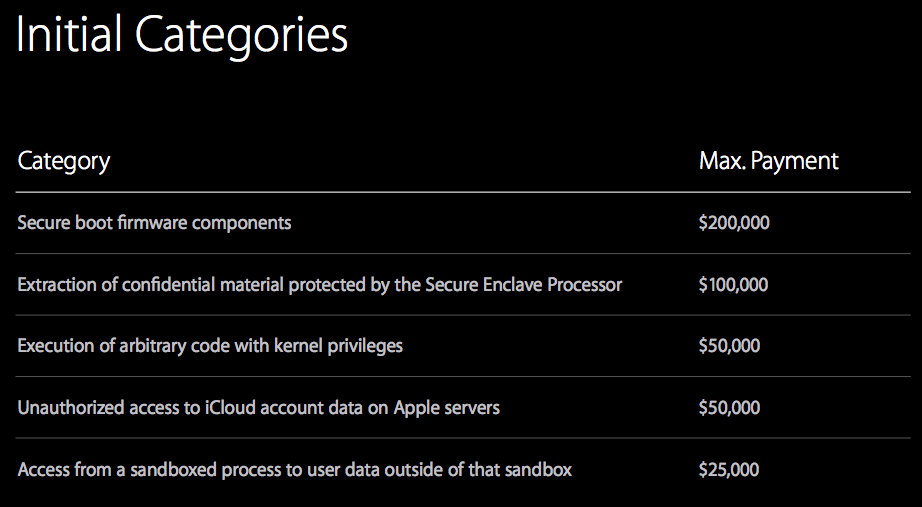
The program offers between $25,000 and $200,000 for an iOS or macOS exploit, depending on where it is and what it does. For now, the initiative is invite-only.

As The Loop's Dave Mark put it, the question here is, are the bugs valuable enough for Apple to raise their bounties to compete with the grey market?

Samsung delays Bixby’s English rollout over lack of big data

Samsung's personal digital assistant Bixby is currently available in Korean, but its English version won't launch by the end of this month as company executives originally promised.

As The Korea Herald reported Thursday (via The Loop), Bixby's English version has been delayed because Samsung lacks big data needed to train Bixby to speak English fluently.

“Developing Bixby in other languages is taking more time than we expected mainly because of the lack of the accumulation of big data,” said a Samsung spokesperson.

Samsung’s mobile chief, Koh Dong-jin, promised in April that Bixby’s English and Chinese versions would be unveiled in May and in June of this year, respectively.

Even though Samsung launched a beta of Bixby for some US consumers last month, it was met with mixed responses due to what Samsung described as “unsatisfactory results in terms of responding to requests and questions”.

Difficult communication between the engineers located at Samsung Research America in California and the headquarters in Korea is also blamed for Bixby's English delay.

According to a source cited in the report:

Many engineers in the United States are making full efforts to develop the English version of Bixby. But, due to geographical and language barriers their frequent reports to and communication with the management located in Korea makes the progress much slower than developing the Korean version here.

This can't be good news for Samsung, which debuted its latest Galaxy S8 lineup in March with Bixby as one of its headlining features. The new handsets feature a dedicated button on the side for quickly summoning Bixby. The South Korean company even issued a software update to stop third-party apps from changing the button's function.

Although Samsung last year snapped up Viv Labs, the developer behind Apple’s Siri, their AI technology won't be used in Bixby before the personal assistant becomes more complete.

The Wall Street Journal reported two days ago that Samsung is building a Bixby-powered smart speaker, joining a proliferating arms race in tabletop devices against the likes of Amazon, Google, Apple and Microsoft.

Xiaomi acquires swathe of patents from Nokia

Chinese consumer electronics and smartphone maker Xiaomi has acquired a swathe of patents from Nokia. According to an announcement yesterday, the multi-year patent agreement includes a cross license to each company's cellular standard essential patents.

Xiaomi also acquired patent assets from Nokia for an undisclosed sum as part of the transaction. Since its inception seven years ago, the Chinese firm has applied for over 16,000 patents, of which about 4,000 have been granted to them.

“Our win-win patent agreement with Nokia after months of negotiations is a significant milestone for Xiaomi,” Wang Xian, Xiaomi's Senior Vice President, wrote on Twitter.

The two firms will also co-operate on a wide range of strategic projects, including network infrastructure, optical transport solutions for datacenter interconnect, IP routing based on Nokia's newly announced FP4 network processor and a data center fabric solution.

The companies will join forces to “explore” VR and AI technologies, too.

The latest move gives the Chinese startup access to some cool Nokia technologies while providing legal shelter from possible lawsuits as Xiaomi looks to expand internationally.

The company's smartphone shipments declined 15.6 percent to 61 million units in 2016, down from a peak of 70 million units in 2015. Xiaomi has pledged to build a thousand retail stores in China by 2019 to ramp up sales.

In May, Nokia signed a similar deal with Apple following licensing disputes in the US and Europe which eventually led to the removal of Nokia's Withings-branded products from Apple Stores. Putting an end to all litigation, the Apple-Nokia multi-year patent license also entails providing “certain network infrastructure products and services" to Apple.