iOS

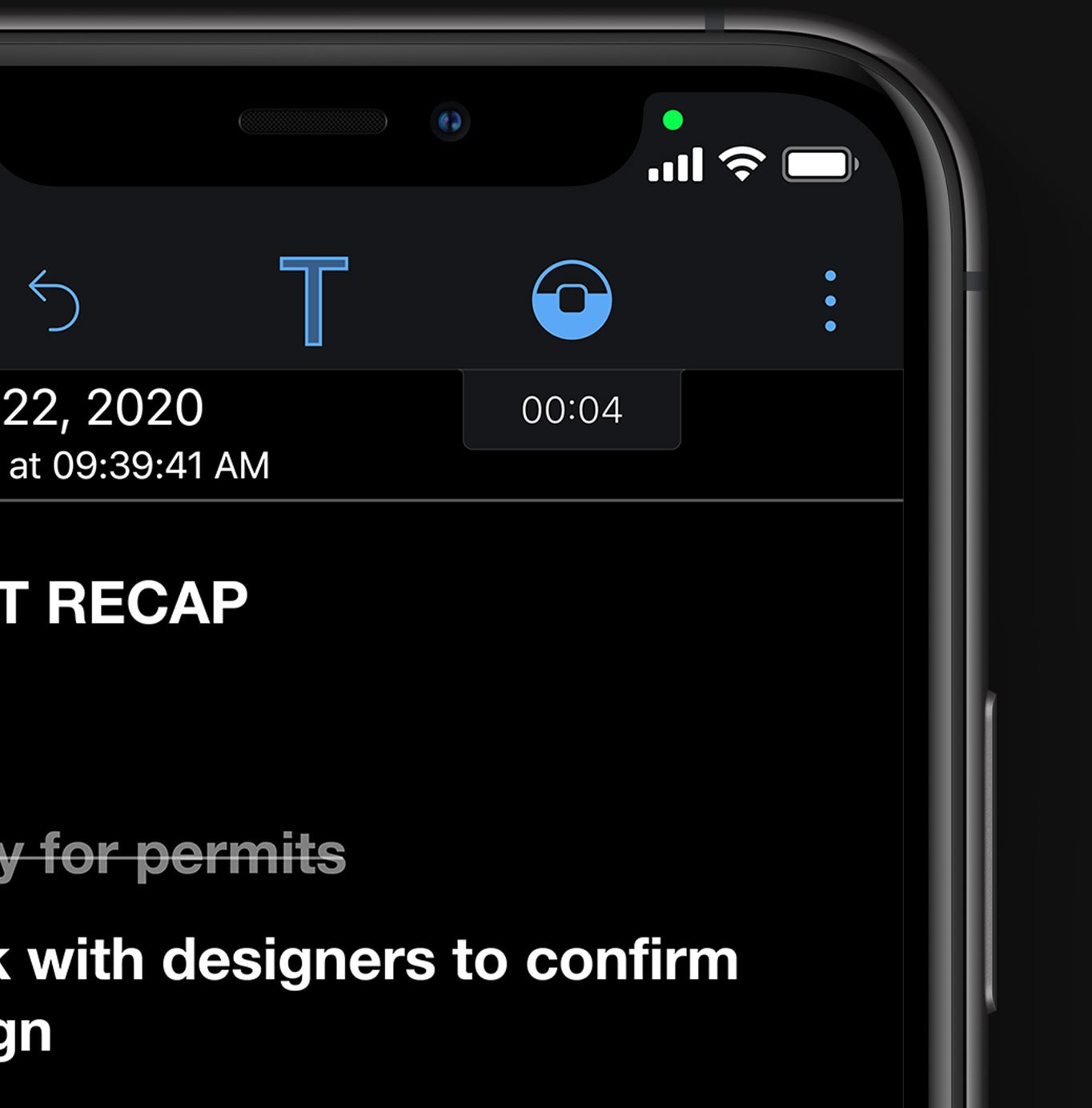
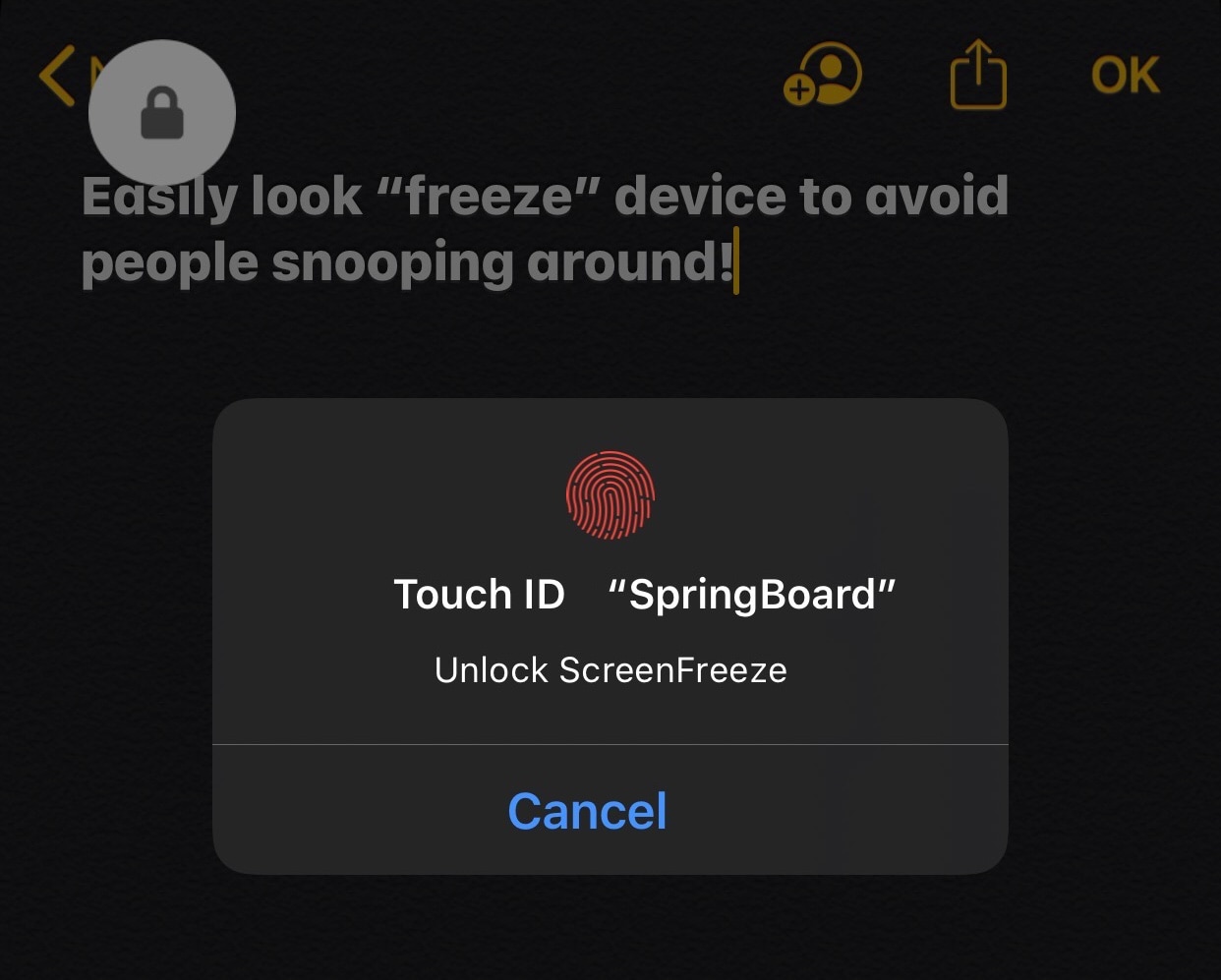
ScreenFreeze thwarts snooping when handing your iPhone to someone to share a photo

It’s not uncommon at all for someone to hand their iPhone to another person. Albeit a temporary action, this happens when someone wants another person to view a photo or video, try an app or game, or assist them with a troubleshooting matter. As common as this act is, a legitimate concern is what the person will do with your iPhone after you hand it to them.

If you’re among the group of people who get paranoid about someone rifling through your personal data upon handing them your iPhone, and you're certainly not alone, then you’ll probably come to appreciate the likes of a newly released and free jailbreak tweak dubbed ScreenFreeze by iOS developer Greg0109.
New tfp0 exploit supports Apple’s brand-new iOS & iPadOS 13.6 releases

Matrix code hacked iPhone.

When you’re an avid jailbreaker and you hear news about a new exploit that could potentially be used to jailbreak the latest version of iOS, then you tend to get excited about it. This response is only natural, especially given Apple’s rather conspicuous practice of rapidly releasing software updates to patch the very exploits hackers release in order to jailbreak iPhones and iPads alike.

With that in mind, jailbreakers might be particularly thrilled to learn that a new tfp0 exploit has been cooked up for Apple’s brand-new iOS & iPadOS 13.6 release, which was dropped to the public only yesterday afternoon. The news was first shared via Twitter user and security researcher @_Simo36 Thursday morning:

Control iOS clipboard access on a per-app basis with NoClipboardForYou

I have a hard time trusting apps with my privacy as it is, but my worries run deeper when they’re realized by app makers that seemingly have zero interest in conserving user privacy, but rather harvesting user data for the sake of profit or surveillance.

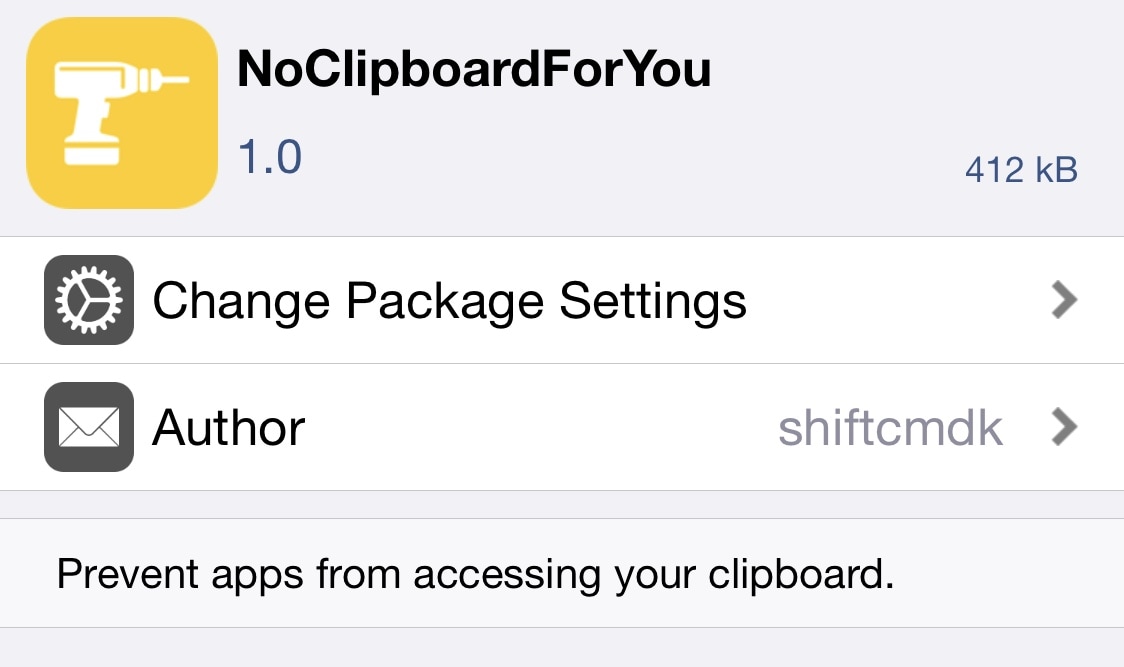
Examples that struck irritating chords with me included learning that popular apps like LinkedIn and TikTok snooped on users’ clipboards without their permission. Apple’s upcoming iOS 14 update makes users more aware of app-centric clipboard access, but if you don’t plan to update because you’re jailbroken, then you can use a newly released and free jailbreak tweak called NoClipboardForYou by iOS developer shiftcmdk instead.

Handcuff helps you catch iPhone thieves by sending selfies of the perpetrator

It’s a common worry that someone might try to unlock your iPhone without your consent if you leave it somewhere unattended, and since iOS allows several passcode attempts before it initiates a passcode lockout timer, it’s possible for someone to continue guessing your passcode time and time again. Unfortunately, iOS doesn’t provide any way to letting you know when someone does this, leaving the user completely oblivious to such attacks.

Enter Handcuff (iOS 13), a newly released jailbreak tweak by iOS developer Ahmed that alerts users to attacks of the aforementioned variety. If or when a passcode is entered incorrectly or a power down is attempted, Handcuff alerts the user to this activity via email and via text message and includes a selfie image of the offender trying to conduct said mischief.

App Firewall open beta lets jailbreakers seize control of their apps’ connections

Veteran jailbreakers may remember a time in the distant past when you could install literal software firewalls in the form of jailbreak tweaks. Fast-forward to today when these tweaks a lot less common, and innumerable privacy concerns relating to camera snooping, location tracking, microphone eavesdropping, and the likes have sparked new interest in blocking outbound data communications on our handsets.

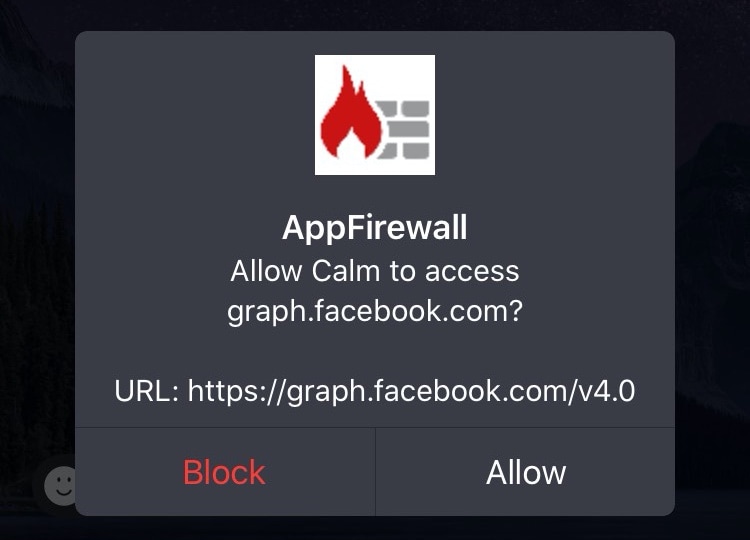
If you’re in the market for an increased say in the data that leaks out of your handset to the world wide web, then you’ll probably want to know about a newly released and free jailbreak tweak called App Firewall (iOS 10-13) by iOS developer Brayden Traas, as it can purportedly help you take control of your apps’ network access.

This tweak lets you configure iOS’ Auto Lock on a per-app basis

All iPhones come with a feature out of the box called Auto Lock that can extend the handset’s battery life by automatically putting it to sleep after extended periods of inactivity. Auto Lock can be useful, but usage varies from one person to the next based on the apps they use and how they use them. Fortunately, you can configure certain parameters of Auto Lock such as the timeout period or disabling it in its entirety.

As nice as the aforementioned configurations can be, one thing that appears to be missing is a way to configure iOS’ Auto Lock on a per-app basis. It’s a simple concept that I think would solve one of the most substantial deal-breakers for a bevy of iPhone users, and that’s one reason why I like the concept behind a free jailbreak tweak called DoNotAutoLock13 by iOS developer moyashi.

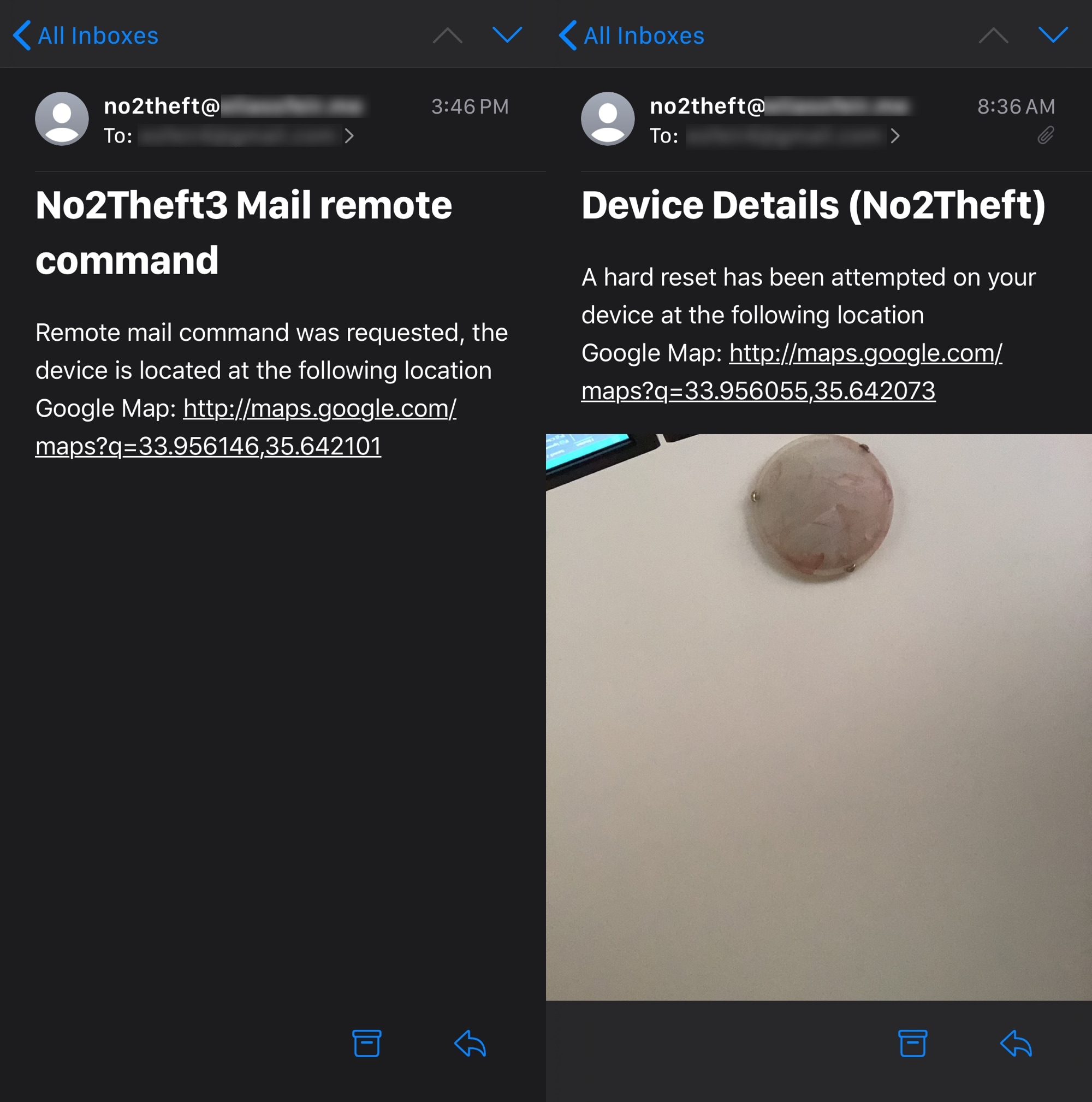
No2Theft3 brings anti-theft features to jailbroken installations of iOS 13

Just over a year ago, we showcased a sleek anti-theft jailbreak tweak for iPhones dubbed No2Theft2 by iOS developer Elias Sfeir that could sound alarms when someone began tinkering with your handset without your permission. Just this weekend, however, Sfeir released the third iteration of his popular extension dubbed No2Theft3.

Just as you’d come to expect, No2Theft3 introduces native iOS 13 support to the popular anti-theft extension. But if that wasn’t enough, it also introduces a slew of new features that will help make catching your suspected thief or prankster even easier for you.

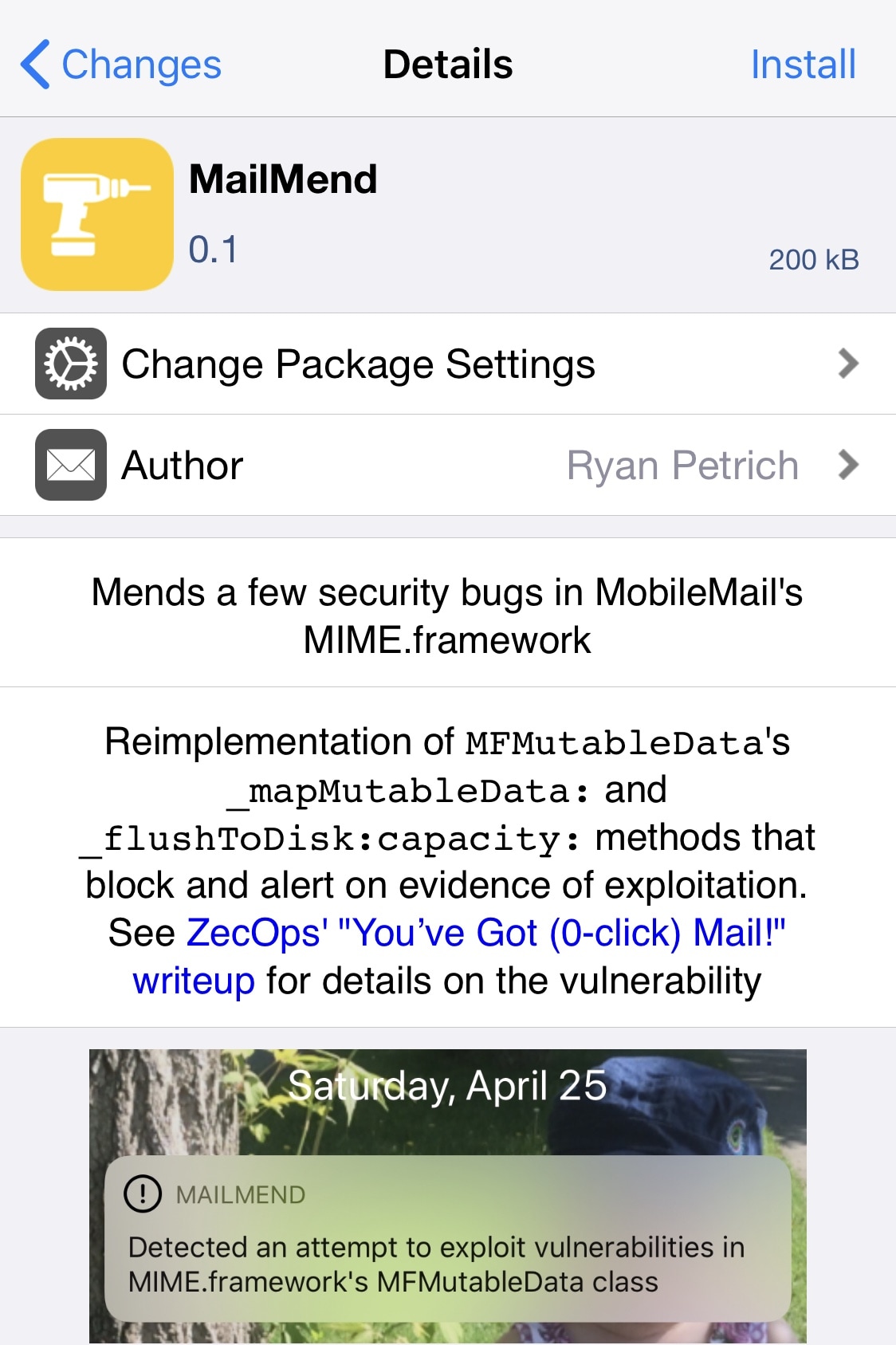
Ryan Petrich’s MailMend jailbreak tweak fixes a vulnerability in iOS’ Mail app

Earlier today, we showed you a new jailbreak tweak called CaptureTheFlag that could be installed to patch a rather tedious text message-centric bug in which someone could send you a string of text from the Sindhi language to ‘freeze’ or ‘crash’ your iPhone. A great add-on to have if you’re jailbroken, but perhaps not the only one…

Yet another new jailbreak tweak release dubbed MailMend by iOS developer Ryan Petrich claims to patch a vulnerability that was only just recently discovered and disclosed in iOS’ native emailing app (Mail) by cybersecurity company ZecOps.