Security

Apple reiterates it can’t read your iMessages even if it wanted to

Yesterday's report by Quarkslab, a penetration testing company, has caused quite a stir among privacy watchers as iOS hacker Pod2g and Quarkslab's team of researchers claimed at the Hack the Box conference in Kuala Lumpur they had successfully intercepted iMessage exchanges, indicating Apple has access to the public keys used to encrypt communication.

Given the ongoing NSA scare, Apple was quick to go on the record to dispute the claim, arguing end-to-end encryption employed to protect eavesdropping on iMessages communication is so secure that even the company itself cannot decrypt it...

Researchers claim Apple has the ability to access encrypted iMessages

Following the June report claiming that several tech companies were actively participating in the NSA's PRISM data mining program, Apple issued a statement regarding government information requests and user privacy.

In the statement, the company suggested it was unable to access or decrypt iMessage messages, alleviating fears that Apple could monitor those conversations. But according to a team of researchers, that may not be the case...

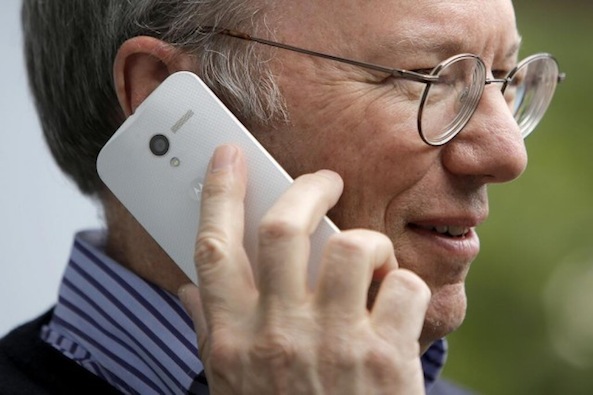
Google’s Eric Schmidt says Android is more secure than the iPhone

Back in August, an unclassified US government report on mobile security surfaced with data showing the various malware threats discovered on different platforms. And Android took the top spot, accounting for nearly 80% of all threats.

With that in mind, it's not surprising that Eric Schmidt garnered some laughs yesterday during a question-and-answer session at the Gartner Symposium, when he said that the Android platform was more secure than Apple's iPhone...

Security researchers detail new Touch ID and iOS 7 workarounds

Security Research Labs, a group of Berlin-based security researchers, have uncovered a bug in the new iPhone that it claims will enable hackers to overcome a safeguard allowing users to remotely wipe stolen or lost phones.

More specifically, the team has discovered a method for bypassing the handset's security features. It starts with activating Airplane mode, which gives potential criminals time to create fake fingerprints and reset passwords....

LA school security gets an ‘F’ as teens quickly bypass iPad restrictions

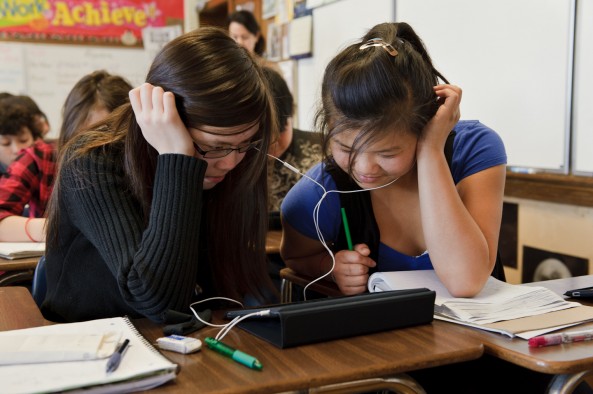
You just had to see this coming. Los Angeles is temporarily pulling the plug on plans to let students take home iPads issued by the school district. In a surprise move, tech-savvy teens cut through district security like a hot knife through butter, allowing them to check out websites, chat on Twitter or stream music, rather than stick to just school work.

In a memo to L.A. Unified School District officials, the police chief suggests delaying further home distribution of the Apple tablets. Earlier this year, the school district inked a $1 billion deal with Apple, providing as much as 31,000 iPads for all students...

Apple releases iOS 7.0.2 fixing Lock screen security vulnerability

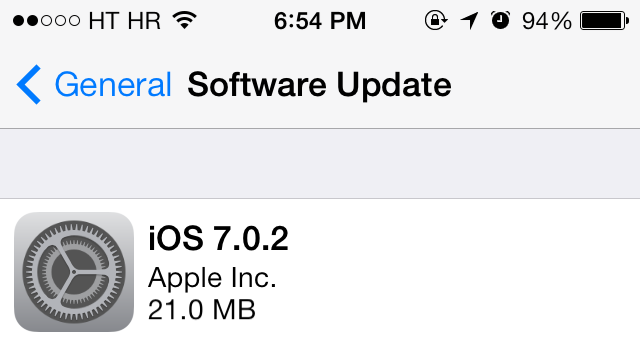
Apple has just released iOS 7.0.2 (build 11A501) as an over-the-air update for the supported iPhone, iPod touch and iPad devices.

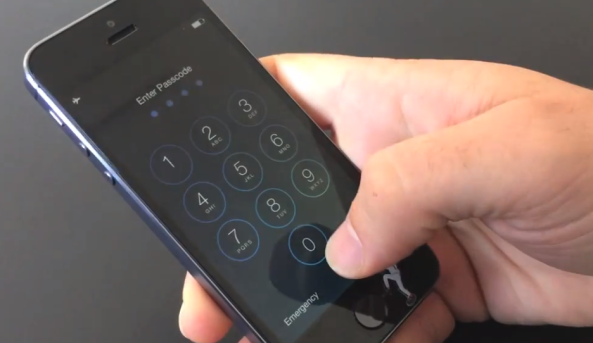
Release notes for the software indicate the firmware update fixed bugs that could let nefarious users bypass your Lock screen passcode.

As recently detailed by YouTube user Jose Rodriguez, the security vulnerability involves a series of complex taps on the iOS Lock screen to gain access to a bunch of stock apps containing personal data like photos, email, text messages, Facebook and Twitter accounts and much more...

NYPD encouraging iPhone and iPad users to update to iOS 7

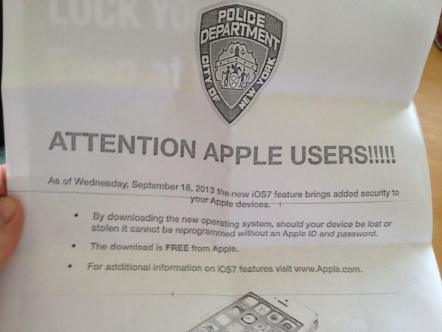
The above image was posted to Twitter yesterday by World Bank's Jim Rosenberg, with the caption: the New York Police Department has a message for you iPhone and iPad folks.

Apparently, the NYPD has been handing out fliers at subway exits and in front of Apple Stores, encouraging people to upgrade to iOS 7 for its new ‘Activation Lock’ security feature...

Review: Touch ID fingerprint sensor

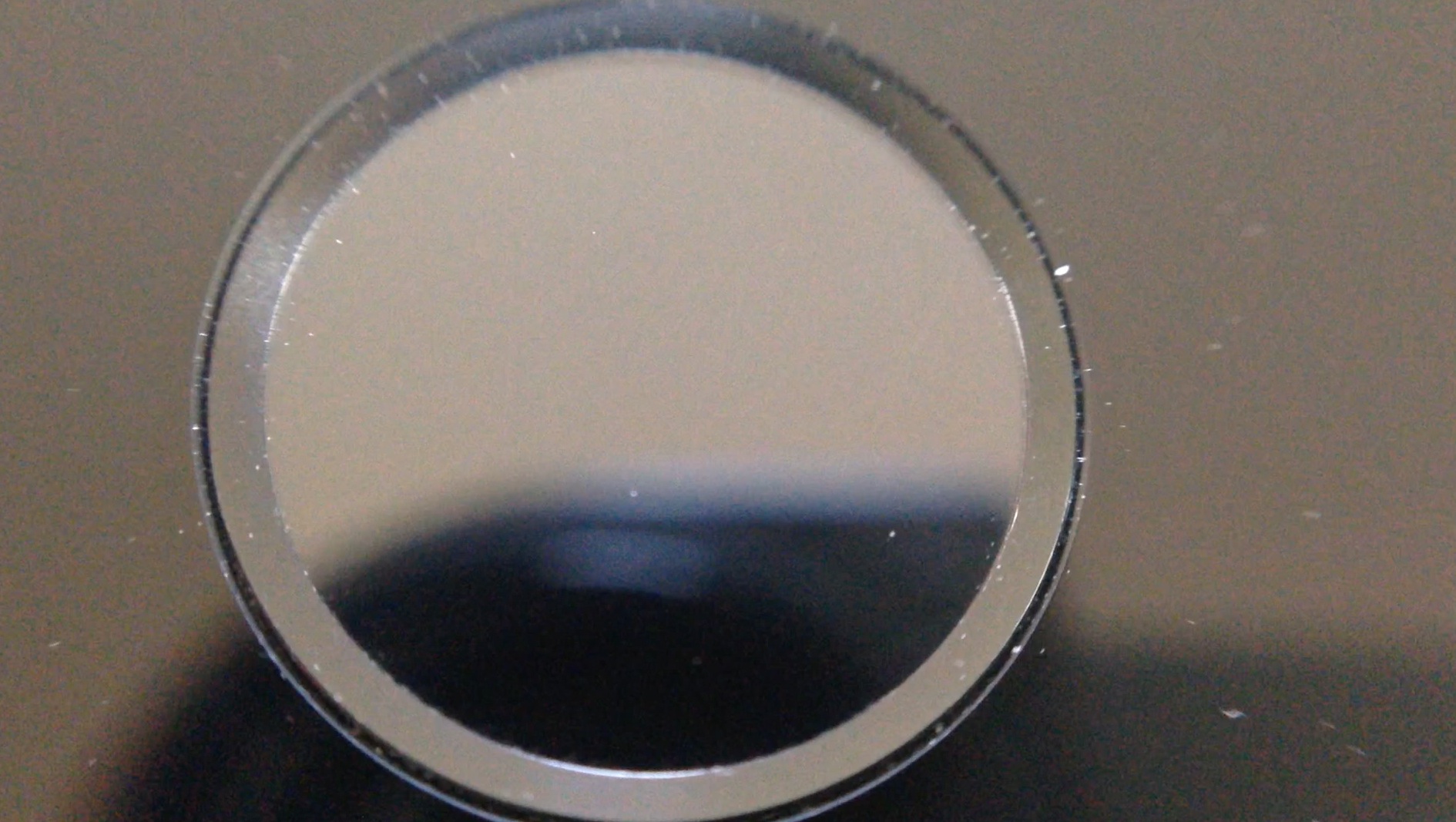
Far and away, the most compelling upgrade worthy feature on the new iPhone 5s is the new Touch ID fingerprint sensor. It was a feature that was rumored for many months, and today the general public can finally see what all of the fuss is about.

I've been putting the Touch ID sensor, which rests inside of the iPhone 5s' redesigned Home button, through its paces all morning. I've come away extremely impressed — not only with its ease of setup, but with its uncompromising accuracy.

After using it for a while, it's readily apparent that this is not something that Apple hastily put into the iPhone 5s. This isn't your father's fingerprint sensor. Touch ID is a feature that Apple has meticulously meshed into the iPhone to make one transparent and cohesive experience. And it just works.

iOS 7 vulnerability allows anyone to bypass Lock screen

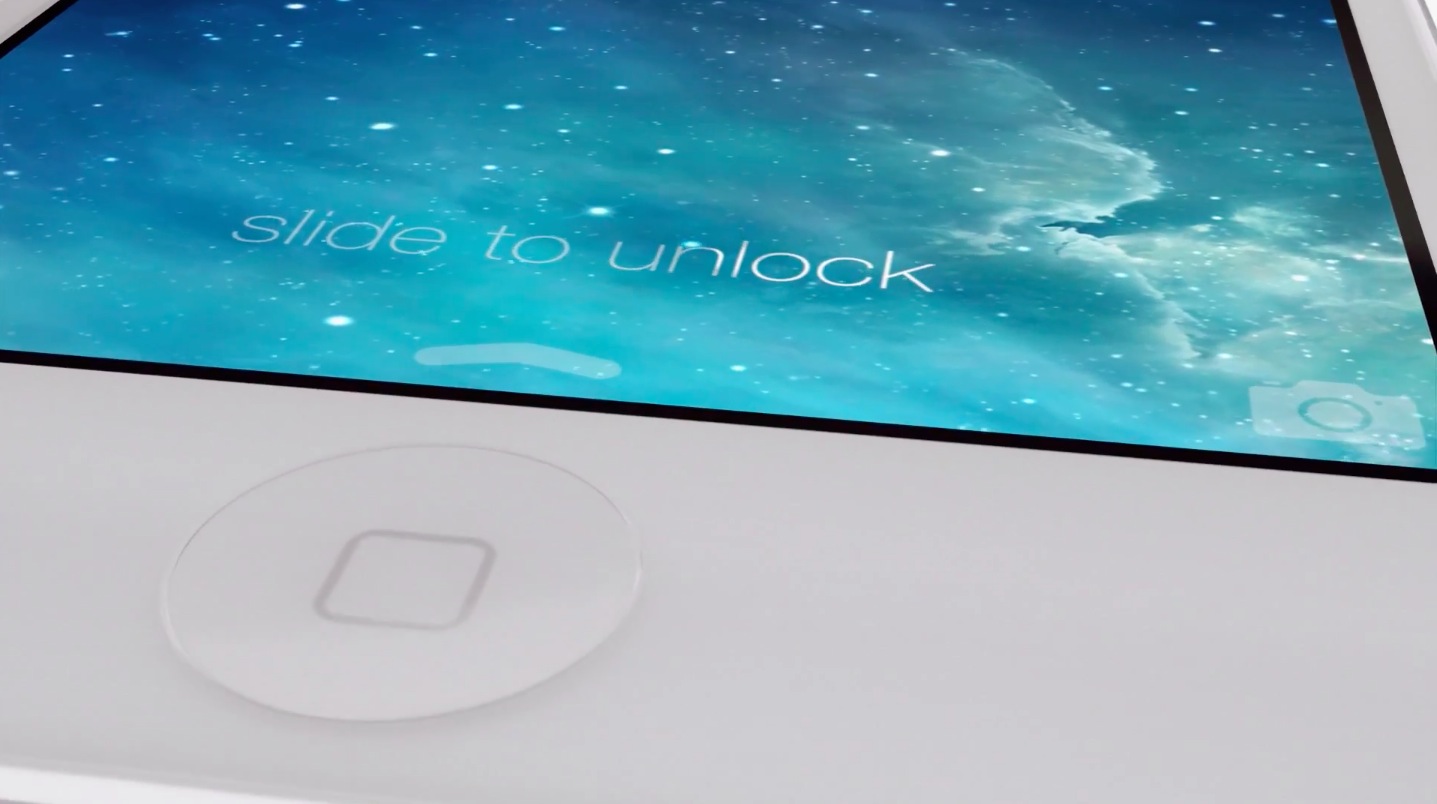
The highly-anticipated iOS 7 update just started hitting iPhones and iPads yesterday, and already a major vulnerability has been discovered. Just like iOS 6.1 before it, the exploit involves a sequence of touches that allows a user to bypass a device's Lock screen.

The bug isn't easy to reproduce, but I was able to replicate it on my iPhone 4s. And despite having a passcode, it gave me access to a number of apps that contain personal data like photos, email, text messages, and both my Facebook and Twitter accounts...

Apple removes iCloud Keychain from iOS 7 GM, here’s why

Yesterday, Apple seeded its registered iOS developers with a so-called Gold Master version of iOS 7, which is essentially the same version owners of iPhone, iPod touch and iPad devices will be getting come September 18.

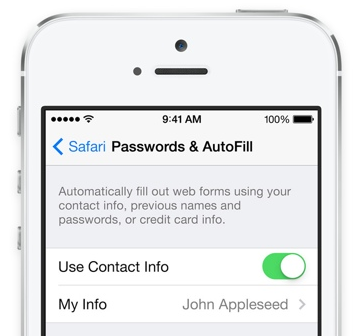
Unfortunately, it seems the company has quietly pulled the useful iCloud Keychain feature from the GM build. The company did not provide an explanation as to why exactly the feature got yanked.

For what it's worth, it's entirely possible the company leadership didn't feel confident enough to declare iCloud Keychain ready for prime time. We have another theory...

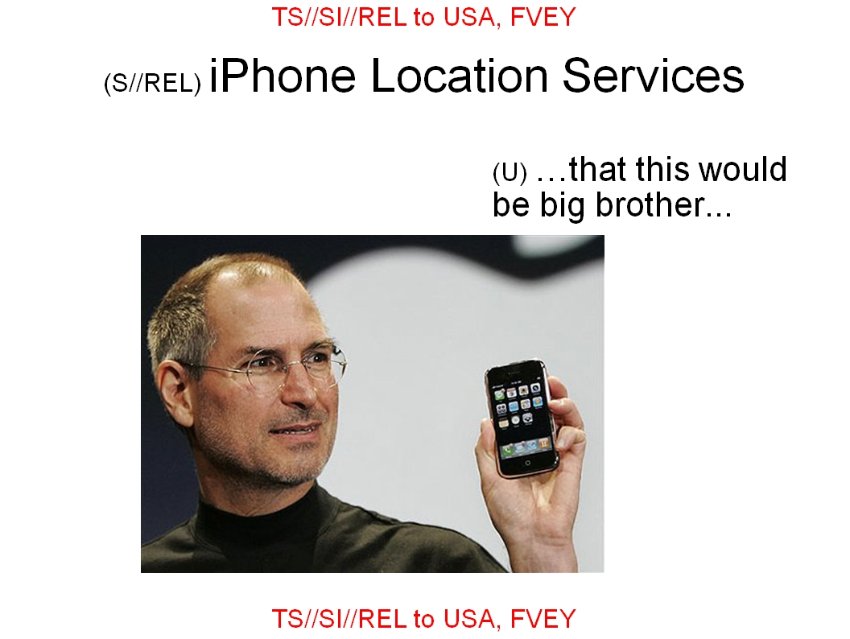
NSA slides: Steve Jobs is Big Brother, Apple users are ‘zombies’

In case you missed our Sunday coverage of the newly exposed NSA tactics, the snooping agency - thanks to its secret 10-year initiative code-named Bullrun which runs at $250 million a year - has been able to successfully crack much of the Internet's widely-used encryption technologies to compromise everyone's online communications, banking transactions and other sensitive data.

And now, internal NSA slides from a 2010 report titled 'Exploring Current Trends, Targets and Techniques' and leaked by the NSA whistleblower Edward Snowden shamefully depict iPhone customers as 'zombies'. As if that weren't enough, in a reference to the George Orwell book '1984' Steve Jobs himself is being portrayed as Big Brother...

NSA can hijack ‘most sensitive data’ on your iPhone, top secret files reveal

The U.S. National Security Agency (NSA) has pretty much compromised every online user's security through a previously unknown ten-year program against encryption technologies that made "vast amounts" of collected data "exploitable."

After these shocking revelations came to light Thursday, a new report Sunday in German news weekly Der Spiegel has given the privacy scare a whole new meaning.

See, owners of iPhone, BlackBerry and Android devices are at risk of their "most sensitive data" being fully exploitable because the NSA is able to crack protective measures of these systems, previously believed to be highly secure...