Opinion

Apple’s iPad strategy is finally stupendously watertight

Rome was famously not built in a day. And we know now that at Apple, the iPad line-up was not intuitively streamlined until WWDC 2017. Factoring out the formative years of iPad shortly after its birth in 2010, too many incremental releases (e.g. iPad 3 to iPad 4 in the same year of 2012, also iPad Mini) and too much tinkering with suffixes in the name (Air, Pro, Mini, blank) had diluted and complicated the iPad brand, so much so that large numbers of customers must have struggled to stay on top of what’s the latest tablet product on Apple’s shelves.

By the same token, even if some customers were in the know about what the factual successor to their beloved iPad Air 2 is, most would understandably be hard pressed to remember which of Apple’s iPads is the most or least powerful in the mix, or how they all compare to each other in terms of pricing. That is of course besides all the other important product specifications (camera, Apple Pencil compatibility, etc.) every informed customer should be able to easily grasp for each iPad available, before ultimately pouncing for the most suitable choice. And regrettably up until mid 2017, Apple has not made any of that easy for us.

I would in fact go further and lament that it's been a sticky mess, lacking direction and - more reprehensibly - common sense.

Inconsistencies left right and center

I’m not going to bore you for long with the most questionable decisions of the past, such as the counterintuitive marketing language used between the ‘new iPad’ (iPad 3), the 'iPad with Retina Display' (iPad 4) and the subsequent iPad Air, or instances where iPad Minis eclipsed their bigger brothers in specs or numbers.

However what these examples do underscore is that the most recent case of Apple not being able to draw clear, differentiating lines between their different iPad categories is on no account unprecedented. Just consider this: not long ago, in March to be exact, Apple released their ‘new’ 9.7-inch iPad (no suffix) to a market until then sporting the 9.7-inch iPad Air 2 and the 9.7” iPad Pro. With that, prospects were asked to make sense of three (to the naked eye) identically looking iPads, all of which had a unique marketing slant and story to tell.

Add the iPad Mini 4 and the super sized 12.9” iPad Pro to the equation and it’s easy to see how Apple could have really dropped the ball at WWDC ’17 by adding insult to injury and introducing yet another brand new iPad, the smashing 10.5” iPad Pro. Thankfully, they did just about the opposite.

When all of a sudden everything stacks up

Instead of presenting a historically inflated iPad line up, the 10.5-inch reveal was preceded by some serious purging actions behind the scenes. The result is beautiful, not just because the 9.7” ambiguity has been completely eliminated.

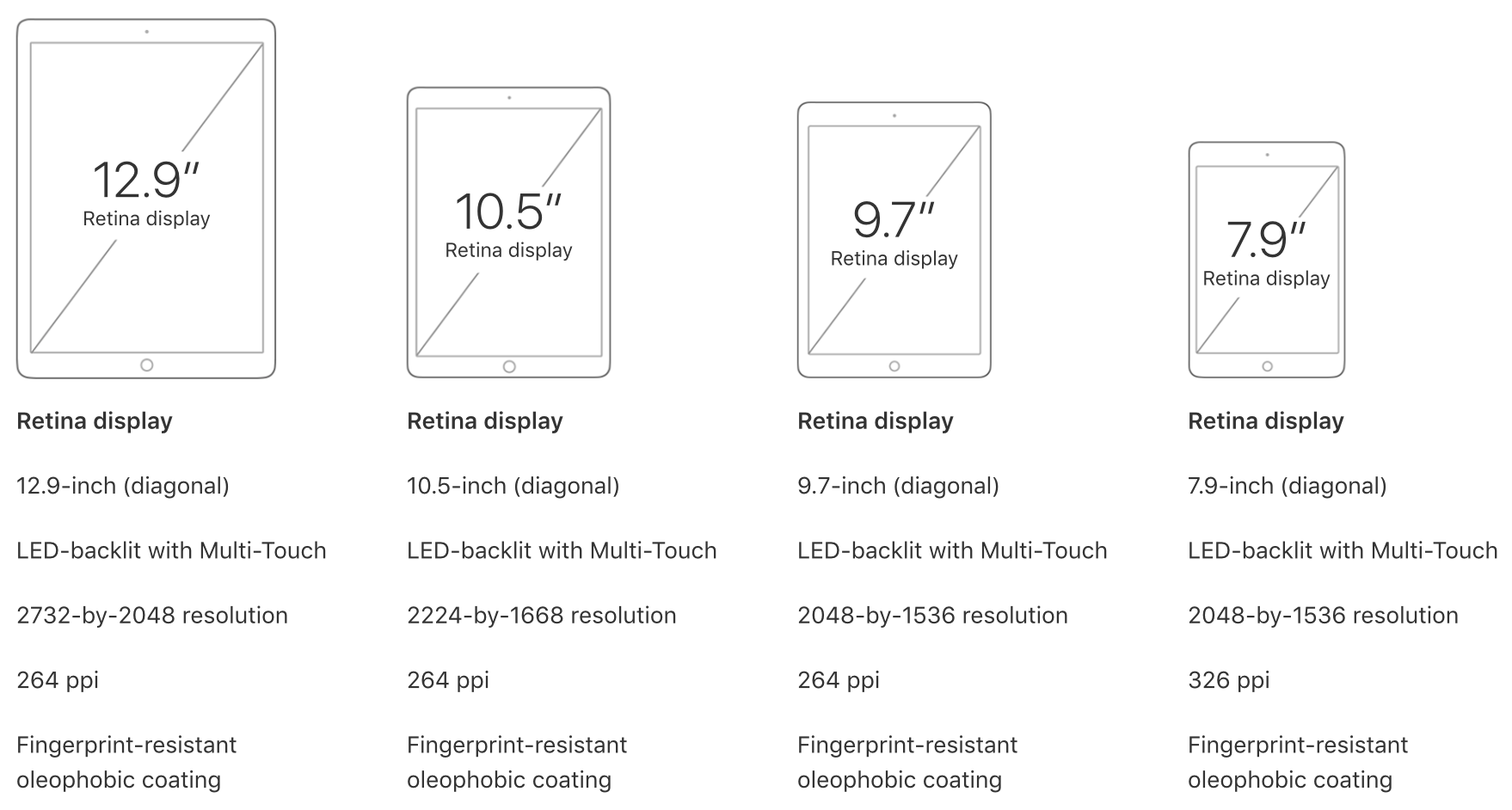
What’s more striking is that customers are now dealing with three iPad classes (Pro, Normal, Mini) and accordingly unique size offers for all three, unique prices for all three and even uniquely capable chips for all three. All criteria is arranged in an entirely intuitive order, namely descending from bigger to smaller, from more expensive to cheaper, from more powerful to more economic, in short: from Pro to Mini. It’s like Apple themselves got tired of the fuzzy product lines and decided to do a full one-eighty.

What you see is what you get now, meaning even the less techy customer is going to be able to remember that the big Pro iPads rock the most powerful chips (A10X) followed by the medium sized normal iPad (A9), which in turn has the lead over the physically smallest iPad Mini (A8). Gone are the days of an awkward A9X chip in the dead on arrival 9.7” iPad Pro, or other illogical decisions such as equipping one iPad Pro with a 12MP rear camera while the big brother has a sucky eight.

Today, the meaningful specs such as the chip or camera are aligned in descending order at 12 MP for all Pro iPads and 8 MP for the mid tier choice plus lower tier iPad Mini. It’s just disarmingly straightforward. Want the most storage? You’ll have to shoot for the physically biggest Pro category to get up to 512GB of storage. Want to try the least powerful iPad to test the water first? Grab the physically smallest iPad. Which iPads are Apple Pencil compatible? Only the ones bigger than the original iPad. Find the 9.7” size to be perfect? Good, you’re done, no need to choose between a 9.7-inch iPad Pro, iPad Air and iPad whatnot.

The logic behind this is painfully commonsensical, which begs the question why it took Apple so long to get there, but I am willing to forgive and forget. Water under the bridge, Apple, what matters is that we finally have clarity.

June 2017 has not only brought us spanking new iPads and a glimpse of an iPad-focussed iOS 11, but also finally clear product differentiation that will be easily replicable for experts and more importantly understandable to the average customer. In that vein, WWDC 17 could have been a watershed moment for the one product line Tim Cook has been so bullish about time and again. So please Apple, do not muck this up come November or at any other point in 2018, it took us long enough to get here.
Last chance to save blobs for, or restore to, iOS 10.3.1

The signing window for iOS 10.3.1 could close any moment now, with iOS 10.3.2 released and iOS 10.3.3 in beta already, so this is your last chance to save your blobs for iOS 10.3.1, to upgrade to it from a lower firmware, or to downgrade to it from iOS 10.3.2+.

iOS 10.3.1 isn't currently jailbroken, and being on that firmware is in no way a guarantee of a jailbreak. However, you never know what'll happen, and there have been some stirrings, so act now! Take necessary precautions before signing ends.

Is the rumored Siri speaker on cannibalization course with Apple TV?

It’s only two more weeks until WWDC '17, which means crunch time for experts and armchair analysts alike. A popular topic of gossip around this time of the year relates to one of Apple's less pompous devices, one that’s been marketed for years as our low-key living room hub, as Siri on the couch and more recently as the silent orchestrator of our smart home.

Fittingly, chatter of that kind is indeed coming to a head again, yet before you rub your eyes and wonder how you could have missed the news of a 5th generation Apple TV, this time the similar sounding rumors swirl around a brand new device, the alleged Siri speaker. My cheap attempt at having you mix up the two devices for a brief moment there admittedly wasn’t a real zinger, however it does typify a potentially sticky situation for Apple: at least on grounds of what we presume to know, we - the customers - would be forgiven for mistaking the two on the fly.

If we indulge in a sketchy juxtaposition of each devices’ (purported) capabilities, it quickly begs the question of what we have been overlooking so far. It is declaredly fishy to make inferences about a device that is all but fictitious to this date, nevertheless there are pieces of information we can glean from competitors' devices like Amazon’s Alexa, as well as telling interview snippets straight from the horse's mouth. Does that make a comparison of the Siri speaker and Apple TV less premature or ill-founded? Probably not, but jotting down what we (think to) know does become insightful when we try to ascertain the spaces the two products are likely going to occupy in the customers’ minds and households. What's the insight? Well, they could have a hell of a lot in common.

Always provided we don’t fail to understand the alleged Siri speaker correctly, the large overlap in features is on all accounts eye-catching. Both devices fundamentally vie for a central spot in your home, both offer to AirPlay (most of) your media, both boast Siri and HomeKit integration. The putative fork in the road is that unlike Apple TV’s focus on visual media, Siri speaker’s backbone will reportedly be advanced Siri capabilities and the simple fact that it will serve as a standalone speaker with formidable acoustic performance.

All these things considered though, is this going to be a unique enough selling proposition? It is clear that no product in Apple's line-up sits as brazenly in the spot of the new arrival as Apple TV does. If this was a game of musical chairs, and the music stopped playing on June 5, Apple TV would be defiantly hogging the one spot designated for the shiny new speaker. Naturally, this opens the door for product cannibalization in either direction, and that's where things get juicy. The implications for both products and their strategies mid to long term are plentiful. In my book, there's three possible outcomes to speak of: the two product lines (keep) selling like hot cakes, them selling like damp and cold cakes, or the two lines merging into one. The determinant? The speaker’s x-factor, or lack thereof.

Which cake are you going to sell, Apple? 

Option 1

The most lucrative (and arguably still most probable) outcome in this tale of two devices is for Apple to quietly have a Siri speaker killer feature up their sleeve. It goes without saying that we’re dealing with hypotheticals and it could plainly be the case that we don’t know jack. In order to establish and sustain strong sales for both Apple TV and the new assistant, the latter would have to come up with some seriously innovative ideas; ideas that make the device indispensable to your household, without raining on your Apple TV’s parade.

What could that look like? In one of our previous podcast episodes of Let's Talk iOS, we have speculated about built-in security features, but realistically your guess is as good as ours. Two distinct devices with two distinct purposes would entail little overlap, and in turn minimal cannibalization.

Option 2

The cold cake theory is that analysts have indeed pretty much figured out the device prior to release and there is no blind spot on our radar. In other words, the overlap is real. Such being the case, potential customers would in all likelihood wind up pitting the two devices against each other and ultimately picking the one that comes closest to fitting their needs.

This route would most definitely spell product cannibalization, since only the hardcore would entertain both devices at home, plus the mere existence of Apple TV could already hamper the launch success of the Siri speaker. By the same token, current Apple TV owners could be swayed towards a more mobile AirPlay station and the existing customer base would effectively be split in halves. Before they know it, both devices could be relegated back to the company’s ominous ‘hobby’ status.

Option 3

Lastly, the new Siri speaker could (organically or forcibly) usurp the role of Apple TV at some point down the line. Once launched, the people will vote with their wallets and it is not a stretch to imagine a smarter, more capable home hub by Apple outsell and eventually dwarf Apple TV. If a chunk of Apple TV owners in addition migrated to the Siri speaker, the product line itself would barely be feasible for much longer.

As a result, Apple could easily equip the more potent Siri speaker with streaming functionalities as soon as the tide has turned in the device’s favor. Customers would no longer have to weigh up two similar-but-different products, but rather purchase the same one and thereafter decide the role it will play in their household. Coffee table device or television box, whatever they see fit.

What's your take?

One way or another, the reported new arrival is going to make massive waves at and after WWDC 17. Are we witnessing the quiet axing of Apple TV or not? What's Apple's secret ingredient for the Siri speaker going to look like? Not much longer until we will know, so place your bet in the comments now!

Hey Apple, we need to talk about AirPods (again)!

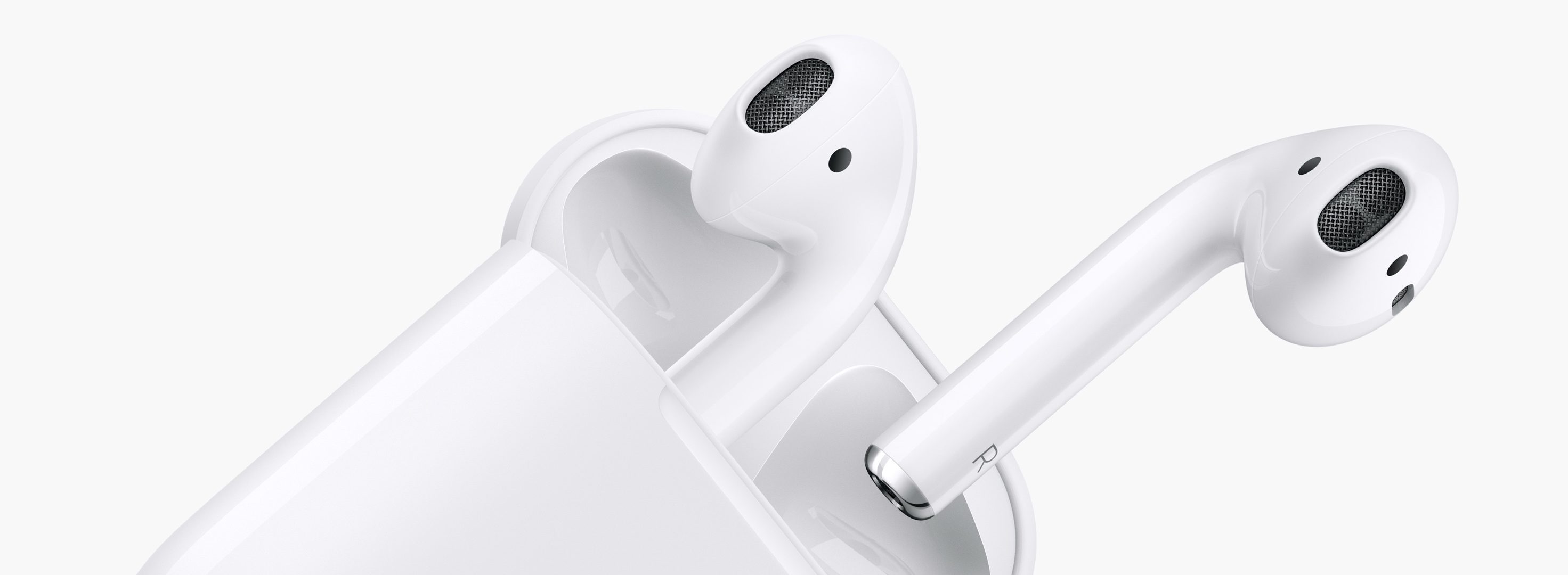
AirPods teaser

On the back of their latest earnings call, a fair bit of renewed attention has been paid to Apple’s prodigious AirPods. In it, we got confirmation of what owners of the cordless headphones likely already knew, and what analysts were anticipating: AirPods crush customer satisfaction surveys and the sales are, to quote Tim Cook, a runaway success. As such, surely the Cupertino head office must feel in a party mood with regard to their EarPods successor?

Put it this way, something tells me the sound and sight of popping bottles and Eddy Cue flailing his arms to the sound of Pharrell’s Happy will have to wait - because for all their success, almost half a year into their lifecycle AirPods remain a problem child. It only takes one metric and four words to back up that not so outlandish case: ships in six weeks.

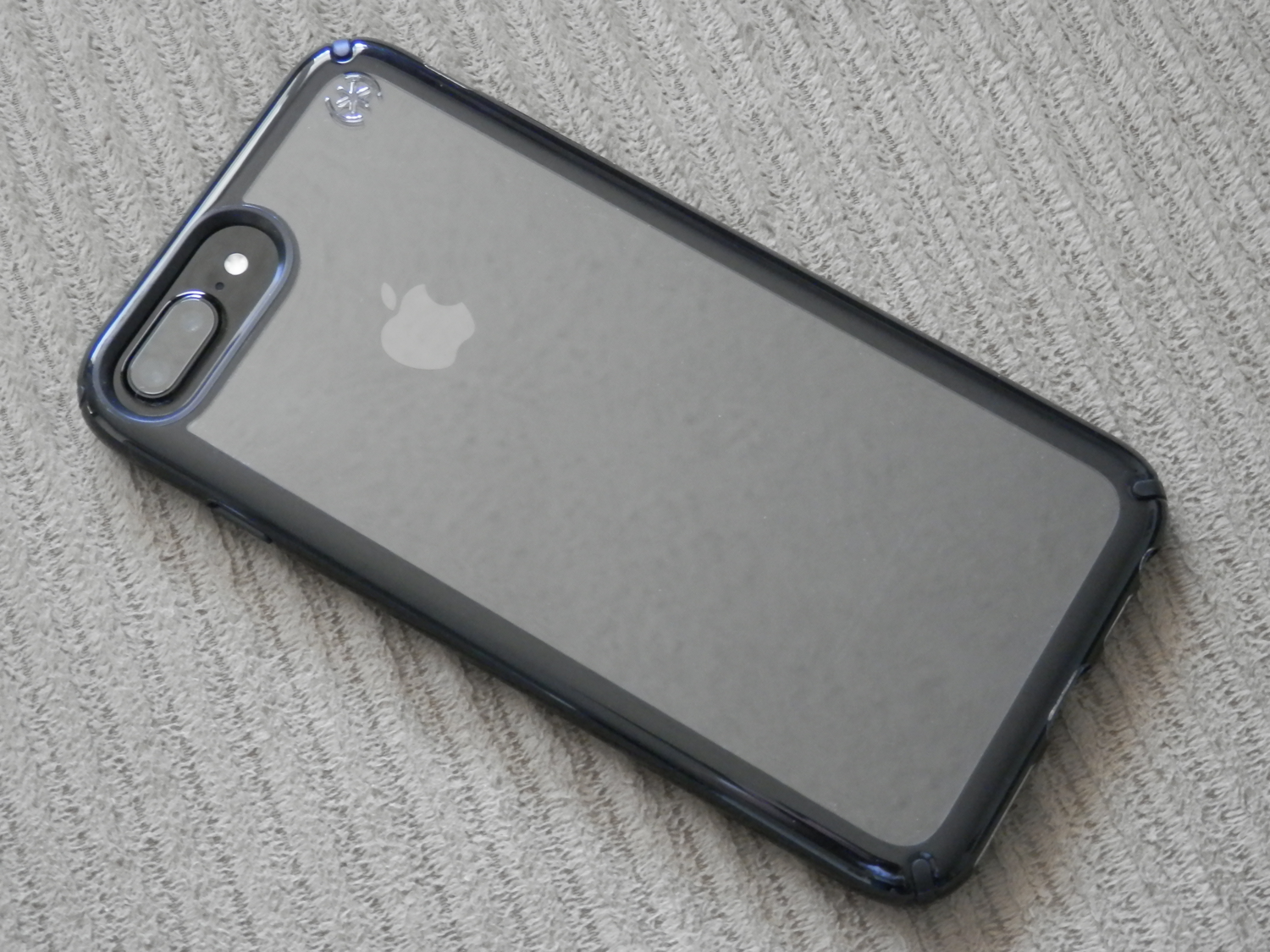
Speck’s Presidio Show reveals your iPhone’s finish through the back of the case

Speck unveiled the new Presidio Show case at CES 2017, introducing an effective way to protect your sleek new iPhone while still enabling you to get a good look at the incredible industrial design of your handset that would normally be hidden by the protective materials that make up most impact-resistant cases.

The Presidio Show's bezels are colored to match the iPhone finish of your choice, but the back plate of the case is fully transparent to act as a window to the other side. In this review, we’ll show you the version made to go with the Black or Jet Black finish of the iPhone 7/7 Plus.

Apple wants to zero in on ‘Pro’ segment, but what about the large majority?

In a statement warmly welcomed by us internet folk, Tim Cook recently proclaimed "you will see us do more in the pro area." In our circles, this is unquestionably good news, as we all foster an insatiable appetite for new innovations, be that on a hardware or software level. More pro is great, however I invariably had to spare a thought for the average, not-so techy Apple customer.

I’m talking about the type of customer that after owning their iPhone 6S for more than a year, still has little concept of what 3D Touch does. Or how about the one that loves their new MacBook, but will gaze at you with a stunned expression when you introduce them to Force Touch on their trackpad. This is by no means meant to sound snarky or patronizing, because as a matter of fact, I don’t blame them for not knowing - I blame Apple for failing to take everyone along for the ride due to poor communication.

Shifting up the ‘Pro’ a notch in the future sounds great, that said how do you straddle the line between pleasing us tech-warriors and not entirely overwhelming a large majority of users, a majority already only privity to roughly half of the juicy features on their devices? Apple needs to find some cogent answers to this issue, and rather than creating a two-tier system in their hardware sold (labelling only some products 'Pro'), I contend that software could be the key.

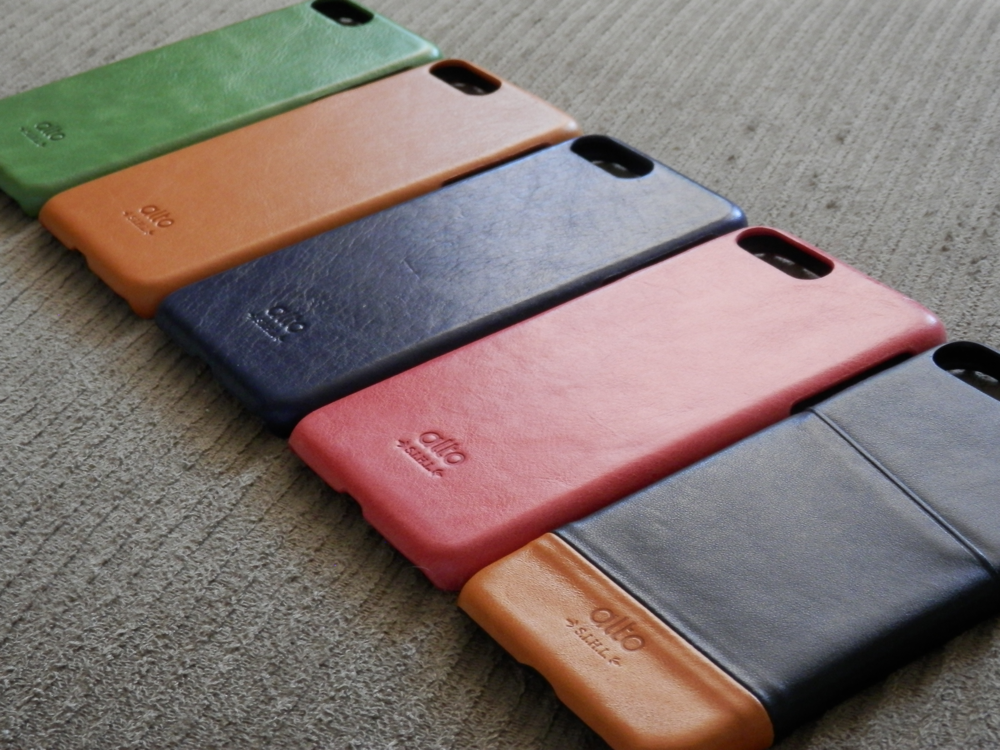
Alto makes a top-contending leather case for most iPhone models

Over the last few weeks, we have shown you a number of the top leather case brands for iPhones, but another that we feel deserves attention is Alto.

Hand-crafted with fine Italian leather, Alto cases are subtly formed out of what feels like surreal perfection. If you’re one to judge products closely, and every bit of quality matters to you, then Alto’s attention to detail is likely to impress.

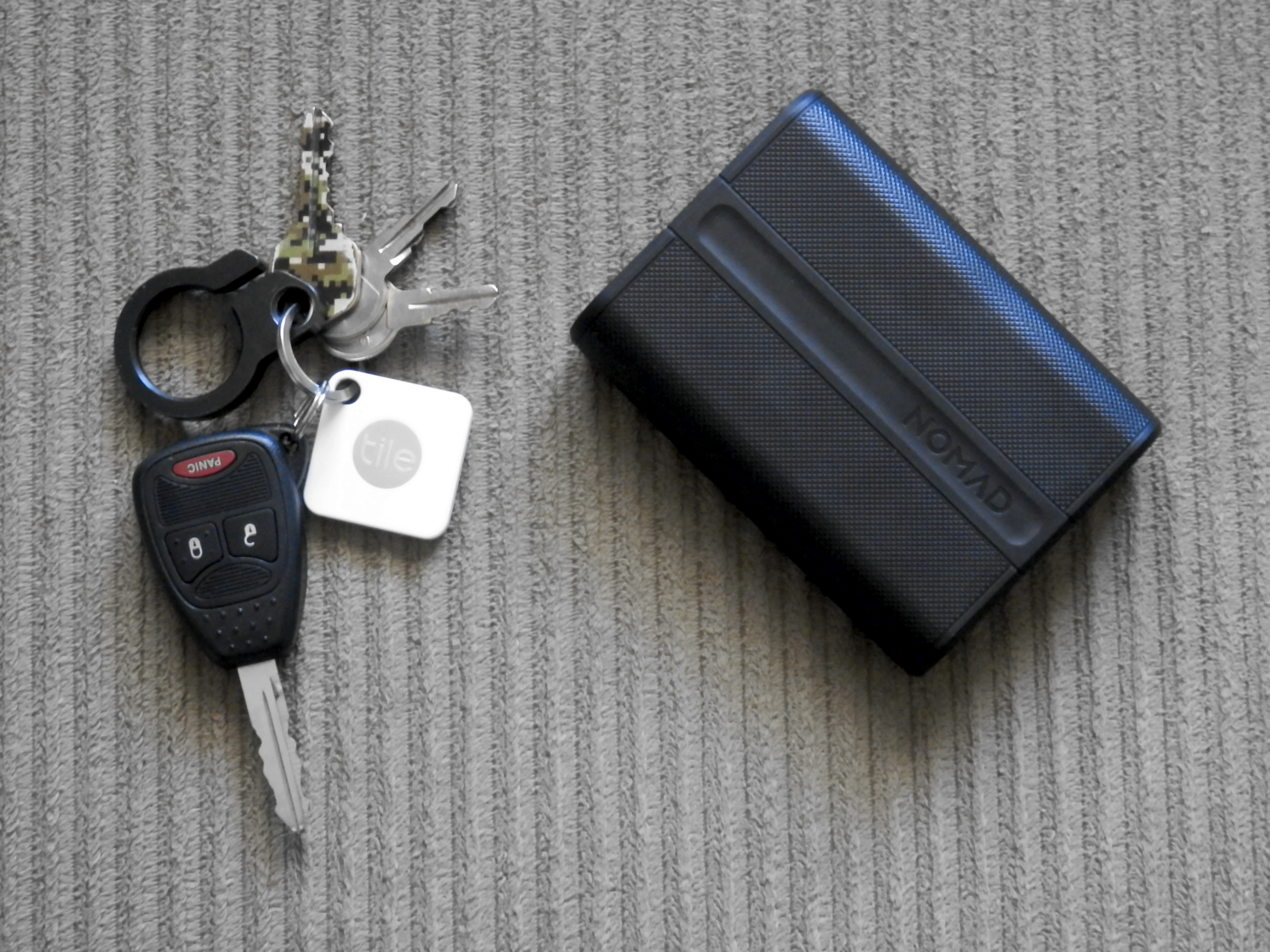
Nomad’s PowerPack is a rugged battery pack that you can track with Tile

Battery packs are a hot commodity these days because it seems like our mobile devices never want to last as long as we’d like them to. They bring us out of the dark ages, where we used to have to sit by a power outlet and wait for our handsets to charge, and are advantageous because they allow you to charge on the go, no matter how far away from civilization you might be.

On the other hand, people who are always on the go have a tendency of misplacing things, and sometimes that means losing their battery packs. That’s why Nomad came up with the PowerPack, a trackable battery pack you can keep tabs on with your mobile device, even when you’ve forgotten it somewhere or misplaced it.

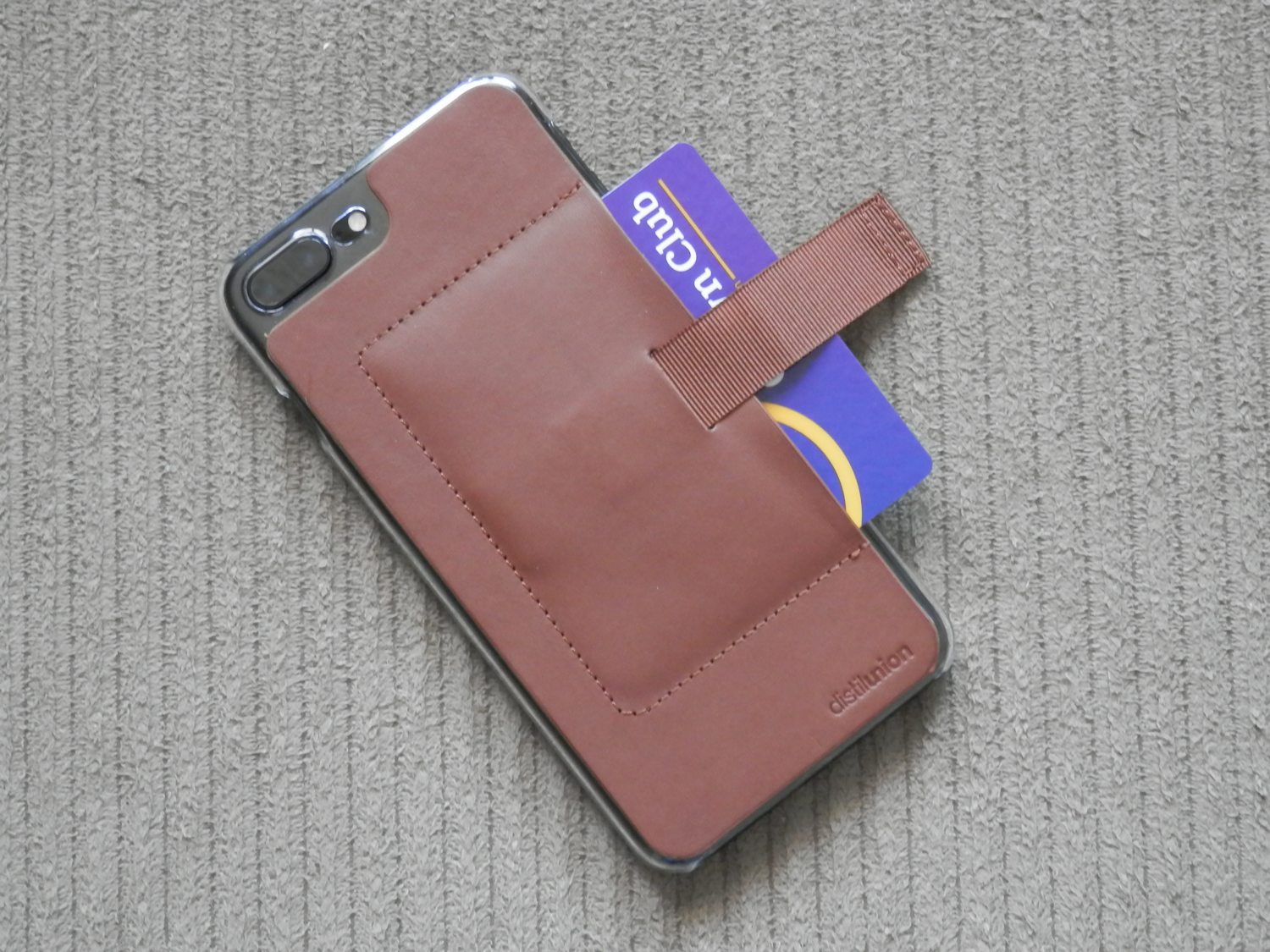
Distil Union’s Wally Ether wallet case provides credit card storage on a budget

With leather wallet iPhone cases being a hot commodity, we’ve recently shown you several from brand names. Another little-known contender in the market is Distil Union, a company that integrates their unique quick-release technology into the card slot of their cases.

In this review, we’ll be showing you the Distil Union Wally Ether for the iPhone 7 Plus. It's a wallet case alternative with stitched leather flavor that has been designed for minimalists who need to carry a card or two on them anywhere they go.

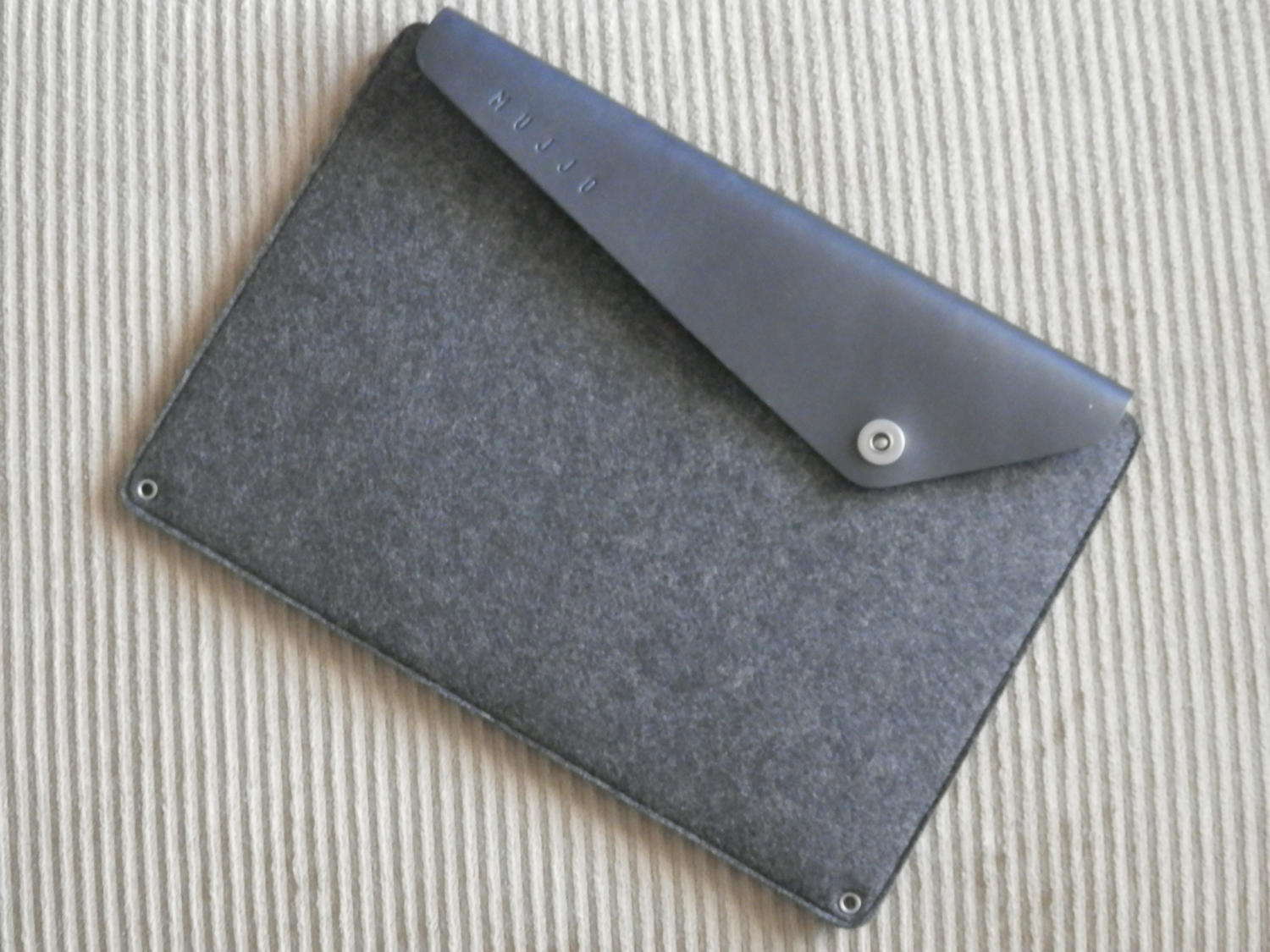
The Mujjo Sleeve looks classy and keeps your Mac notebook safe as you travel

If you bring your MacBook, MacBook Air, or MacBook Pro with you everywhere you go, then you should consider protecting your expensive investment with some kind of sleeve.

Because the outside world can be a lot rougher than the comfort and safety of your home computer desk, Mujjo makes classy protective sleeves that will fit every one of Apple’s notebooks. In this review, we’ll be showing you the Mujjo Sleeve for the 15” MacBook Pro.

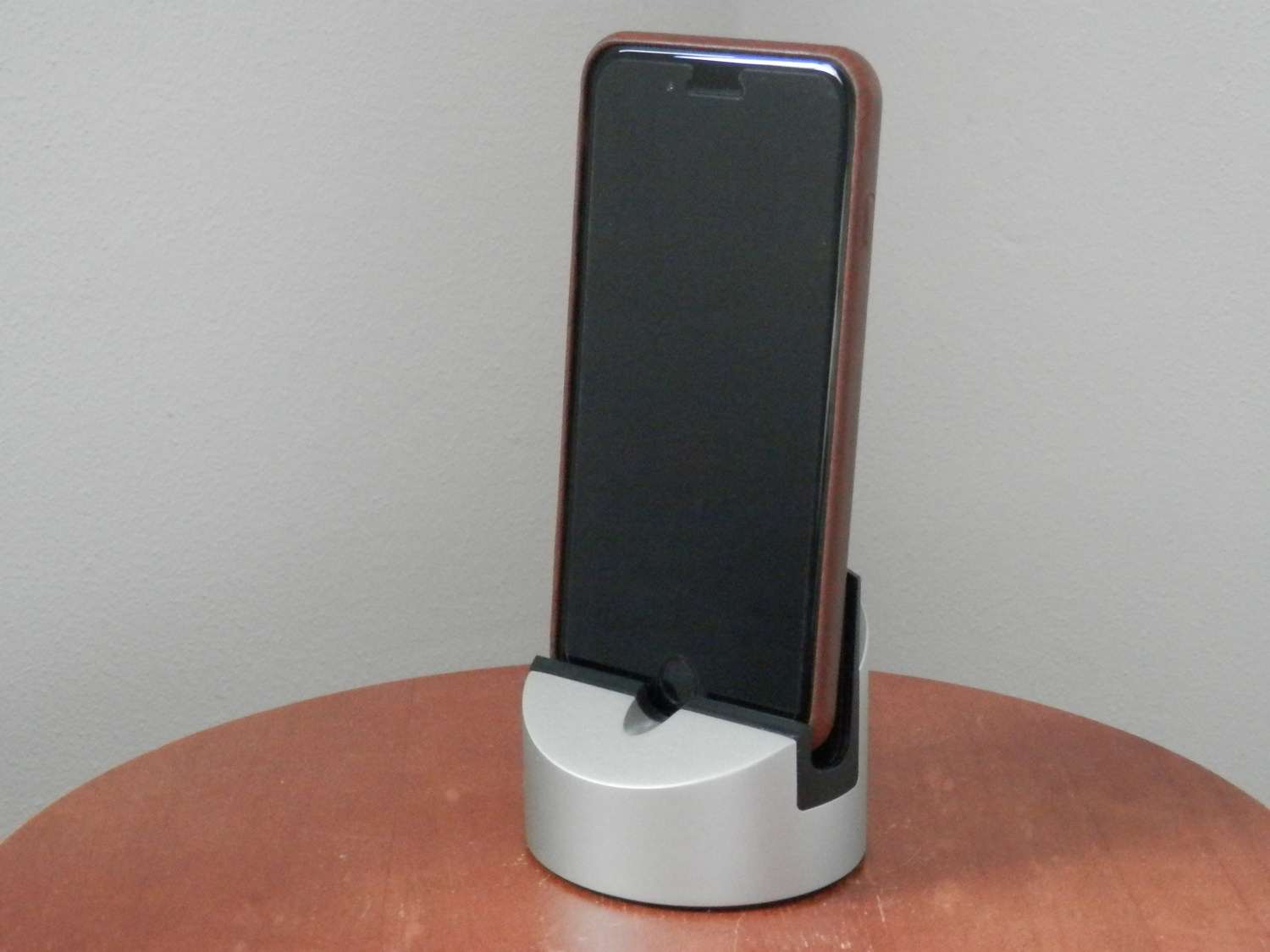
Gravitas iPhone dock by Henge Docks is both hefty and low key

I do a lot of work at my office desk at home, and for that reason alone, I have a love for things that help keep my work space uncluttered. One of the things I like to have that helps with that is a good quality dock that I can use to put my iPhone or iPad somewhere without it taking up much real estate where I’ll be putting my papers or elbows.

The Gravitas dock by Henge Docks is a good choice, and in this review, we’ll give you an up-close look at it.

Nomad’s Horween leather case for iPhone crosses luxury with protection

When it comes to choosing the right leather case for your iPhone, the market can be quite congested at times, making it a difficult choice in terms of what brand to go with. After all, you really don’t want to compromise on quality or features, but at the same time, you probably also don’t want to break the bank.

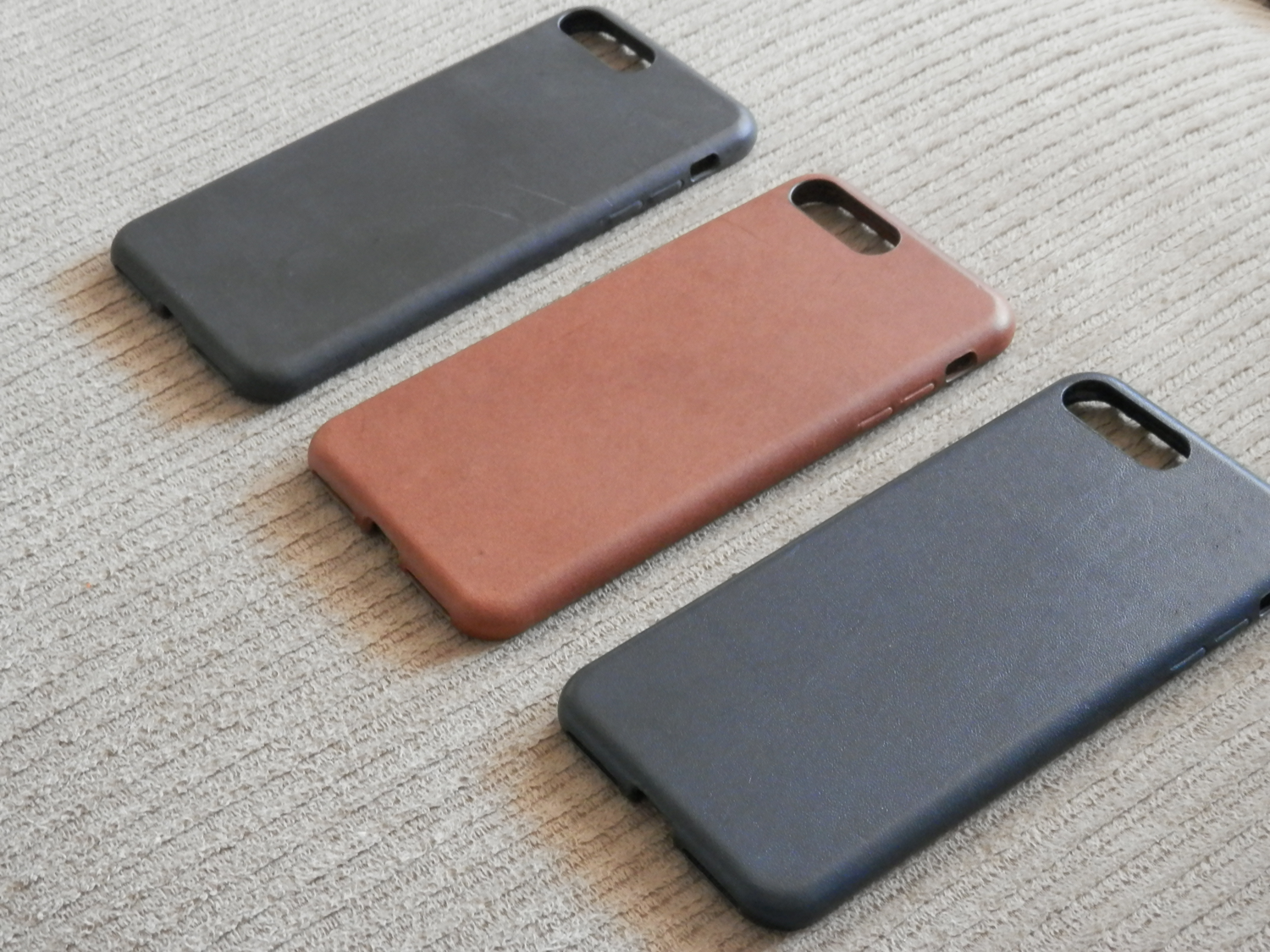
A great option to go with is that of the Nomad Horween leather collection. These cases are made to look and feel fancy, all while keeping your iPhone nice and protected from everyday life. In this review, we’ll be talking all about it and its many color options to pick from.