News

Former Android chief unveils edge-to-edge phone and Echo-like speaker

Andy Rubin, the guy who came up with Android, today announced his new smartphone post-Google, featuring an edge-to-edge display that one-ups Samsung's Galaxy S8, in addition to an Amazon Echo-like appliance with on-device intelligence.

Both products debuted from Rubin's new company, Essential.

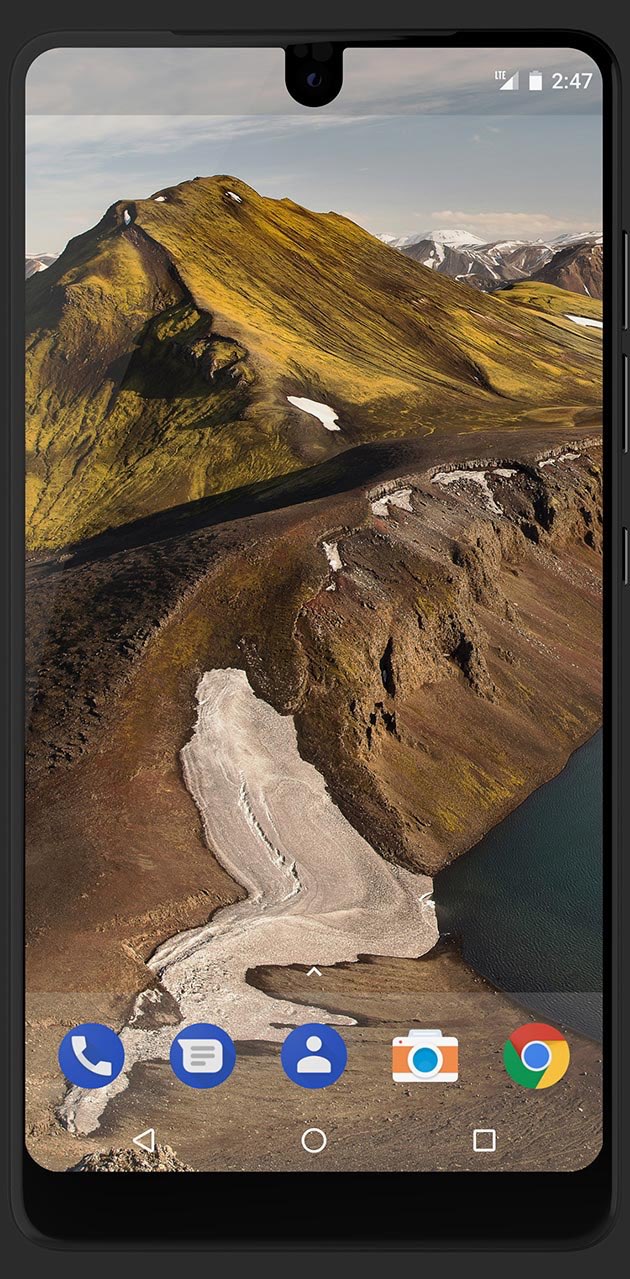
Essential Phone, as it's called, runs Android and has a 5.71-inch QHD edge-to-edge display with Gorilla Glass 5 protection. The display extends all the way to the the top of the device and wraps around the front-facing camera.

The Echo rival, called Essential Home, features compatibility with Apple's HomeKit framework and other software platforms for the connected home.

Both products can be pre-ordered today.

Essential Phone

Encased in a titanium body with a ceramic back, Essential Phone can survive a drop test “without blemish, unlike the aluminum competitor devices,” says the company. The premium smartphone with a high-resolution 5.71-inch, 2,560-by-1,312 pixel display is powered by Qualcomm's eight-core Snapdragon 835 processor with four gigabytes of RAM.

Essential Phone lacks the standard 3.5mm headphone jack and uses Bluetooth 5.0 and USB-C.

Customers will be able to use any Bluetooth or USB-C-based headset with the phone. The Verge has learned that Essential Phone will ship with a headphone dongle in the box.

Other features include a magnetic connector on the back side for connecting accessories like a new 360-degree camera, a 13-megapixel dual-lens camera with a second lens using a monochrome sensor for better low-light shots, an eight-megapixel selfie camera with 4K video capture, a rear-mounted fingerprint sensor and other perks.

According to the company, the magnetic connector was designed with modularity in mind, to help keep Essential Phone “cord-free, future-proof and always up-to-date".

Essential Home

Built on the open-source Ambient OS software which can automatically discover and use new devices on its network, Essential Home has a built-in round display at the top which can be turned on just by glancing at it (or by tapping or using your voice) to quickly see contextual information.

The accessory uses on-device artificial intelligence rather than offload AI features to the cloud. Like with Apple's AI implementation, such an approach helps preserve user privacy. Its proactive assistant will support notifications and reminders with contextual information displayed on the built-in screen.

Essential Home should support Nest and SmartThings devices for the connected home. According to Wired, it will feature hooks for Amazon Alexa and Google Assistant.

Availability

Essential Phone will be available in Black, Gray, White and Ocean Depths colors. At the time of this writing, only white models were able for pre-order. The contract-free phone costs $699.

Essential's 360-degree camera currently costs $50, but the price will eventually increase to $199. Pricing for Essential Home is yet to be announced, but we do know that the device will ship later this summer.

Andy Rubin is schedule to give a talk later today at Recode's Code Conference.
Apple hires Qualcomm Vice President to lead its wireless chip project

Apple has hired Esin Terzioglu, Qualcomm's Vice President of Engineering, to act as the project lead on its wireless system-on-a-chip project, suggesting the Cupertino company could be developing its own baseband modem for iPhone, iPad and iPod touch devices, reports AppleInsider.

Unlike Apple's in-house designed chips, Qualcomm's Snapdragon processors  and Samsung's own Exynos chips integrate the CPU, GPU and the LTE modem on the same chip package.

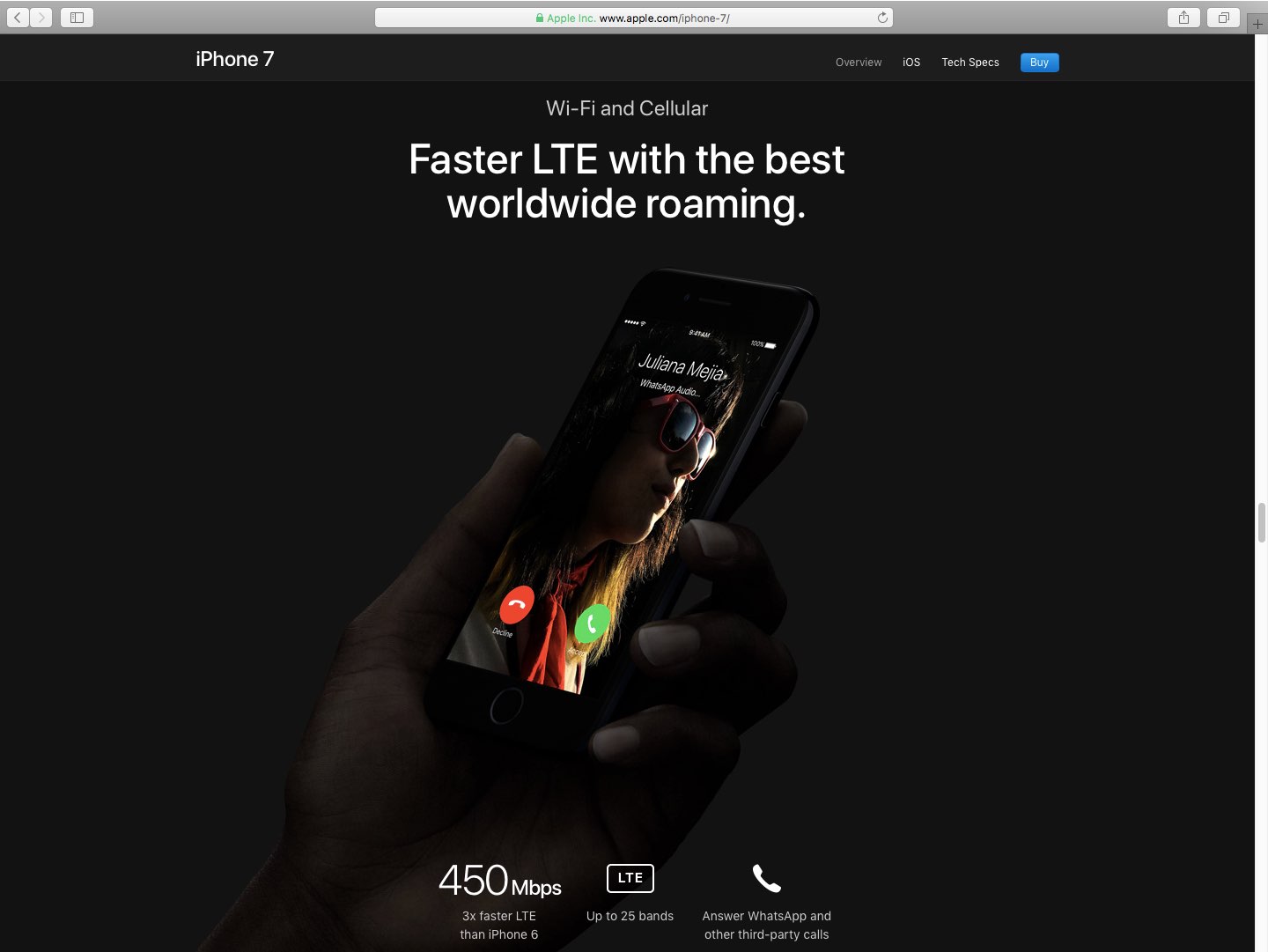
iPhone 7, for instance, uses dedicated LTE modems from both Intel and Qualcomm.

“After an amazing eight years at Qualcomm, it is time for me to move on to my next adventure,” Terzioglu shared the news via his LinkedIn account.

“I feel privileged for the opportunity to continue my career at Apple,” he added.

He is credit as an inventor of many Qualcomm patents.

After joining Qualcomm in August 2009, Terzioglu lead the Qualcomm CDMA Technologies Central Engineering organization. He has a Ph.D. in Electrical Engineering with a Ph.D. minor in Computer Science, both completed at Stanford University.

Apple and Qualcomm are currently embroiled in a $1 billion licensing dispute related to the royalty fees the iPhone maker and other companies pay to Qualcomm for its cellular chips.

According to Axios, the chip maker has asked a US court to force iPhone suppliers to keep paying it royalty fees, while it continues its legal battle with the Cupertino giant.

Nintendo slashes Switch console sales target as Apple gobbles up components

Apple's appetite for smartphone components, such as cameras, flash chips and more, has reportedly forced Nintendo to slash the Switch console sales target to ten million units versus the original plan to make nearly twenty million units in the year ending in March 2018.

The Wall Street Journal reports that Nintendo's biggest battle is against companies such as Apple that are gobbling up the same parts Nintendo needs to make the Switch console.

According to people in the industry, Nintendo originally told suppliers and assemblers it hopes to make nearly twenty million units of the Switch console in the year ending in March 2018.

https://www.youtube.com/watch?v=ripbdd_IZXk

The sales target has been revised internally to ten million Switch devices for the year.

“The problem is an industrywide capacity shortage for components used in smartphones, computer servers and other digital devices,” reads the article.

“These include the NAND flash-memory chips that store data, liquid-crystal displays and the tiny motors that enable the Switch’s hand-held controllers to imitate the feel of an ice cube shaking in a glass.”

“Demand for our NAND flash memory has been overwhelmingly greater than supply, and the situation is likely to stay for the rest of this year,” a spokesperson for supplier Toshiba says.

This is bad news for Nintendo.

Although strong demand suggests the Japanese gaming giant can sell many more of these things, its partners are unable to ramp up production because Apple and others are gobbling up the same parts used to make the home/portable console.

Intel unveils new Core X desktop processors, including flagship Core i9 chip

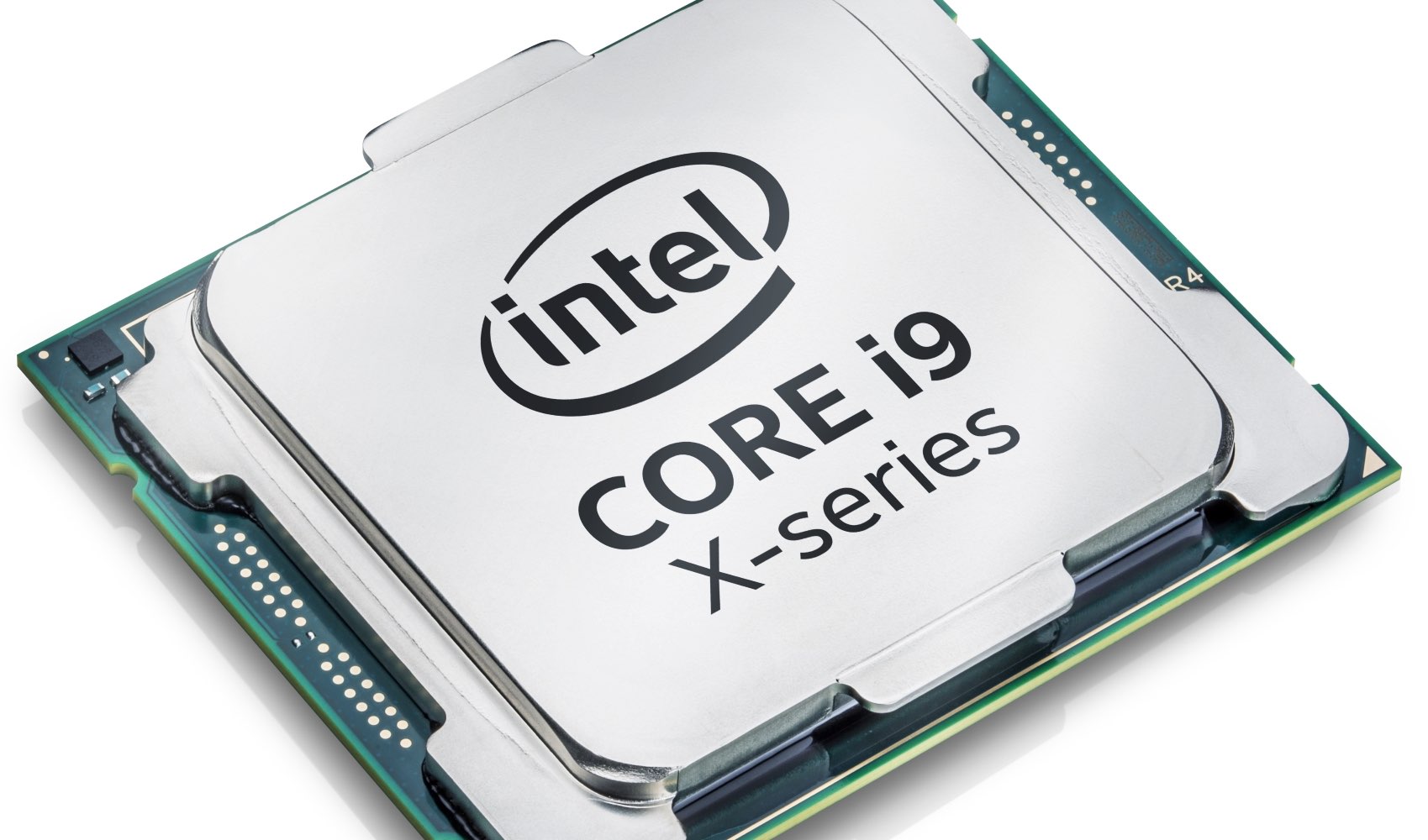
At Computex today, chip giant Intel unveiled a new Core X line of high-end processors for desktop computers. The new chips are mostly based on an updated version of Intel's sixth-generation Skylake platform, called Skylake X, with the exception of a pair of entry-level four-core models that are based on the Kaby Lake X platform.

Billed as Intel's most scalable, accessible and powerful desktop platform ever, the lineup includes a new Core i9 processor brand along with a Core i9 Extreme Edition processor—the first consumer desktop chip with a whopping 18 cores and 36 threads of power.

Intel's Turbo Boost technology has been updated with Turbo Boost Max 3.0 technology as well.

According to Intel, the new Core X family sports ten percent faster multithread performance over the previous generation, and a 15 percent boost in single thread performance.

The entry-level Core X i5-7640X chip with four cores and as many threads starts at $242.

The more powerful Core i7 X-Series starts at $339 for a four-core, eight-thread model and goes all the way up to a $599 eight-core, 16-thread chip.

The flagship Core i9 X-Series chip, which stars at ten processor cores and 16 threads, is priced at $999, with its 16-core, 32-thread variant going for $1,699.

The new desktop Core X chips are designed to work with Intel’s new X299 motherboard chipset which should be rolling out on partner products in the coming weeks, along with the new CPUs.

As you know, Apple is expected to update its iMac all-in-ones with server-grade Intel Xeon processors and discreet graphics later this year.

The chip giant says its upcoming eighth-generation Coffe Lake platform will see up to a thirty percent performance improvement over the current seventh-generation Kaby Lake.

It did not provide a timeframe for Coffe Lake chips. “We will have more to say about the eightht-generaiton Core processor in the future,” said Intel.

The Coffe Lake chips may power updated MacBook Pros, coming later this year.

Here’s how emojis are approved

Virtually every smartphone sold today includes an emoji keyboard. Indeed, the emoji has served us well thus far, having become a cultural phenomenon. But have you ever wondered what exactly goes into an emoji approval?

Why we still don’t have a redhead emoji and just how many dinosaurs is too many?

Jeremy Burge, founder of Emojipedia and member of the Unicode Emoji Subcommittee, sat down with The Next Web to discuss the process of approving new emoji characters and shares what challenges lie ahead in the future of emoji.

Watch the video now.

https://www.youtube.com/watch?v=qzXFlkDCzWs

“Behind the scenes of this simple-looking set of smileys is an array of meetings involving Apple, Google, Microsoft and other major tech companies,” reads the video's description.

The Unicode Consortium recently previewed an additional 69 new emoji characters that will be coming this summer as part of the Emoji 5.0 update, including the Tyrannosaurus Rex, a mermaid, fortune cookie, shush face and more.

Apple shares 3 new ‘Switch to iPhone’ ads

Apple on Monday shared a trio of geeky ads that are part of its new campaign aimed at persuading Android users to make the leap to the iconic smartphone. Published on Apple's official YouTube channel, the new mini-ads, running sixteen seconds each, promote the company's ability to roll out important security fixes fast via iOS software updates.

Apple is also praising the smartphone's smooth, stutter-free performance while highlighting easy contact transfer via the Move to iOS app for those who would gladly switch to an iPhone.

Smooth

https://www.youtube.com/watch?v=TQy2heNOhe8

“We design the hardware and the software so your iPhone just works,” says Apple.

Security

https://www.youtube.com/watch?v=AszkLviSLlg

“Access to the latest updates keeps your iPhone secure,” reads the description.

Contacts

https://www.youtube.com/watch?v=bUWLszbCBF8

“Switch to iPhone,” reads the video's description. “The Move to iOS app makes it simple to move your contacts, photos, and more to iPhone.”

The new ads use the tagline “Life’s easier when you switch to iPhone” and direct viewers to the recently revamped ”Switch to iPhone” webpage at apple.com/switch.

Apple's mini-website for switchers now includes useful new sections covering topics like in-house designed iPhone chips, powerful cameras, easy of use, customer support and more.

Do you like Apple's new ads? Do they manage to sell folks on the merits of iPhones, do you think? Let us know by leaving a comment below.

Patent applications suggest Apple may be preparing to bring Apple Pay to India

Despite low buying power, India with its population of 1.32 billion people represents a massive marketing opportunity for the increasingly popular smartphone payment services. Small wonder that the Cupertino company now appears to be preparing to bring its own mobile payments service to its customers in India, said a new report.

Apple Pay currently works in sixteen major markets.

According to a BusinessStandard article, the iPhone maker has submitted at least five applications with the Indian Patent office over the past year, all related to its digital payments system. The patent applications range from using biometrics to authenticate payments to securely transferring payment to a device such as a point of sale device.

While Indian law clearly states that software is intrinsically not patentable, exceptions exist for devices with software. If Apple's patents are granted, Apple Pay could hurt homegrown digital payments firms such as Paytm, Mobikwik, Freecharge and several others.

Samsung Pay launched in India in March 2017, while Google plans to bring Android Pay there later this year by anchoring the service to the government-backed Unified Payments Interface.

Last week, Facebook made a patent application of its own with the Indian Patent office. It outlines a digital wallet service that would presumably be integrated into its popular Messenger and WhatsApp messaging services.

Apple has been doubling down on the Services category as a way to boost sales of iPhones in India and elsewhere. Recently, the firm began assembling iPhone SE in Bangalore, in a facility run by its supplier Wistron, marking the first time the cupertino company has assembled any iPhone model in the country.

Apple could open app development facility in Indonesia

Apple could open an app development center in Jakarta, the capital and the most populous city of Indonesia and home to an upcoming Apple research and development center.

According to a source who spoke with Japanese outlet Nikkei, Apple's app development center will open in suburban Jakarta as early as October, allowing the company to start selling its newest phones in Indonesia.

The Cupertino technology giant currently relies on a network of resellers to push iPhones in the country as the devices are unavailable through its online store in Indonesia.

But what do apps have to do with hardware sales?

Nikkei explains that Indonesia in 2015 imposed regulatory rules requiring phones sold in the country to use at least 30 percent locally procured components by 2017. Apple did not set up local production in the country, but last year the government had a change of heart and now counts locally developed mobile apps as “locally produced” content for smartphones.

Sensing an opportunity, Apple is now set to open an app development facility in Jakarta.

However, the policy change has drawn the ire of Samsung, which in 2015 established a smartphone production line inside its existing manufacturing plant in suburban Jakarta.

“Had the rule on app development come earlier, the South Korean company could have saved a lot of money by using Apple's approach,” added Nikkei. “Policy shift means Apple can meet the quota with a smaller investment,” reads the article.

Similar sourcing requirements for foreign goods have prevented Apple from selling iPhones directly to customers in India. Recently, however, Apple and the Indian government have come to terms of doing business locally, paving the way for iPhone SE production in the country.

Video: Samsung’s stretchable AMOLED prototype display in action

Samsung showed off a prototype of its stretchable 4K AMOLED display with glasses-free 3D, measuring 9.1 inches diagonally, at last week's Display Week 2017 conference. Today, Samsung Display's official YouTube channel shared a video of the stretchable display in action.

Samsung has been making flexible AMOLED panels for its flagship Galaxy phones for a few years now, but this new display has the elasticity to bend in two directions. The video shows the prototype AMOLED panel as having up to 12mm of travel before returning to its original shape, without any image degradation when pressed.

Here's the video.

https://www.youtube.com/watch?v=_EMBTHbkXnE

Samsung says the next-generation tech might one day be used for wearable devices and more.

“Compared to conventional flexible OLEDs that can be formed in only one direction, such as bending, folding, or rolling a screen, the Samsung Display stretchable AMOLED panel can be flexed in two directions,” explains Samsung Display.

“When the screen is pressed from above, it depresses like a rubber balloon, then returns to its original flat shape. The screen when stretched up or down, even when pressed, has sufficient elasticity to recover.”

Apple is said to be making a major switch from the traditional LCD panels to the more energy-efficient AMOLED display technology with iPhone 8, but the move is said to be short-lived: the Cupertino giant has been researching even more power efficient micro-LED screens, based on its 2014 acquisition of micro-LED experts LexVue.

The iPhone maker could kick off trial production of its next-generation micro-LED display panels by the end of this year, according to supply chain reports, meaning this technology most likely won't debut before iPhone 9 in 2018 although Apple Watch Series 3 could debut this year with a micro-LED display.

In time for iPhone 9, TSMC’s 7nm tech moving to volume production in 2018

Chip foundry Taiwan Semiconductor Manufacturing Company (TSMC), which counts Apple as its biggest client, is ready to move its cutting-edge seven-nanometer process technology to volume production in 2018.

According to DigiTimes, an improved version of TSMC's seven-nanometer process using extreme ultraviolet technology will be ready for volume production in 2018, according to company co-CEO CC Wei.

The firm's five-nanometer node is slated to enter risk production in 2019, Wei added.

TSMC currently makes A10 chips for iPhone 7 and is said to be exclusively churning out the upcoming Apple-designed A11 processors for iPhone 8 and other 2017 iOS devices.

TSMC in April reportedly began stockpiling A11 chips for 2017 iPhones.

The firm should step up its pace of inventory building from June onward, said industry sources.

iPhone 8's A11 system-on-a-chip should be built on TSMC's ten-nanometer process technology, yielding faster performance and lower power consumption.

The A11 Fusion chip inside iPhone 7 is being manufactured on TSMC's 16-nanometer node.

Apple is building a brand new chip dedicated to artificial intelligence and machine learning, Bloomberg said recently, but it's unclear if the new chip will make its way into iPhone 8.

Latest iPhone 8 schematics show a lip at the top where 3D sensors/earpiece are located & more

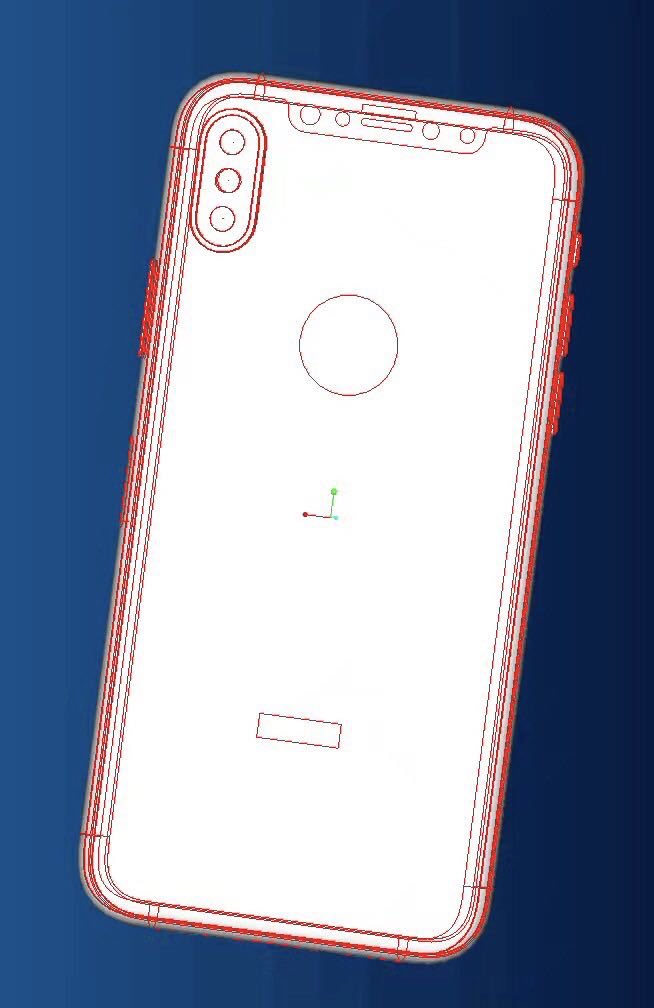
Prolific leakers Benjamin Geskin on Monday shared some fresh new images, allegedly showing off latest iPhone 8 schematics and a CAD rendering based on the technical drawings of the phone. The schematics depict a lip at the top of the handset's OLED display where 3D sensors for the front FaceTime camera along with the earpiece would presumably be located.

On the back, we can see a circle which indicates neither a rear Touch ID sensor nor wireless charging support. According to Geskin, the circle is simply a placeholder for the Apple logo.

And here's a CAD rendering of the device based on the schematics.

Other iPhone 8 features hinted at by this technical drawing include no physical Home button out the front, a vertically-stacked dual-lens camera out the back with an LED flash integrated directly in the bulge, an elongated Power button on the right side and more.

Today, Slashleaks shared a few images showcasing yet another iPhone 8 dummy wrapped in a protective case allegedly “confirming” the device would come with no physical Home button.

It also hints at a Touch ID sensor integrated directly into the display and a vertically-oriented cutout on the back for a redesigned dual-lens camera system, aside from other features.

Apple will preview iOS 11 at WWDC next month.

It'll be interesting seeing what user interface changes Apple has added to iOS to make room for the rumored function area at the bottom of the display and to possibly take advantage of the tiny regions at the top of the device.

Apple Maps enhances Apple Park coverage with 3D building models, walkways & more

Apple has updated a Maps backend with 3D buildings, campus walkways and other information pertaining to Apple Park, the company's massive new headquarters in Cupertino, California. As first noted by MacRumors, the enhanced coverage of Apple Park includes 3D building models in the standard 2D view, as well as access roads running in and out of the campus, traffic directions, pedestrian walkways and more.

Other relevant Apple Park points of interest that can now be found on Apple Maps include the Steve Jobs Theater, the research and development facilities, Apple's fitness center for employees, above-ground parking and a pond at the center of the main building.

Earlier this month, Google added three-dimensional imagery of the main ring-shaped office building that's a bit out of date. Apple Maps implemented 3D images of the site along with descriptions and searchable geolocation tags back in March 2017.