In years past, Apple used to hold two press events in autumn. But if a new report is accurate, this time around there may be an unprecedented two Apple events in September 2021.
There may be two Apple events in September

In years past, Apple used to hold two press events in autumn. But if a new report is accurate, this time around there may be an unprecedented two Apple events in September 2021.
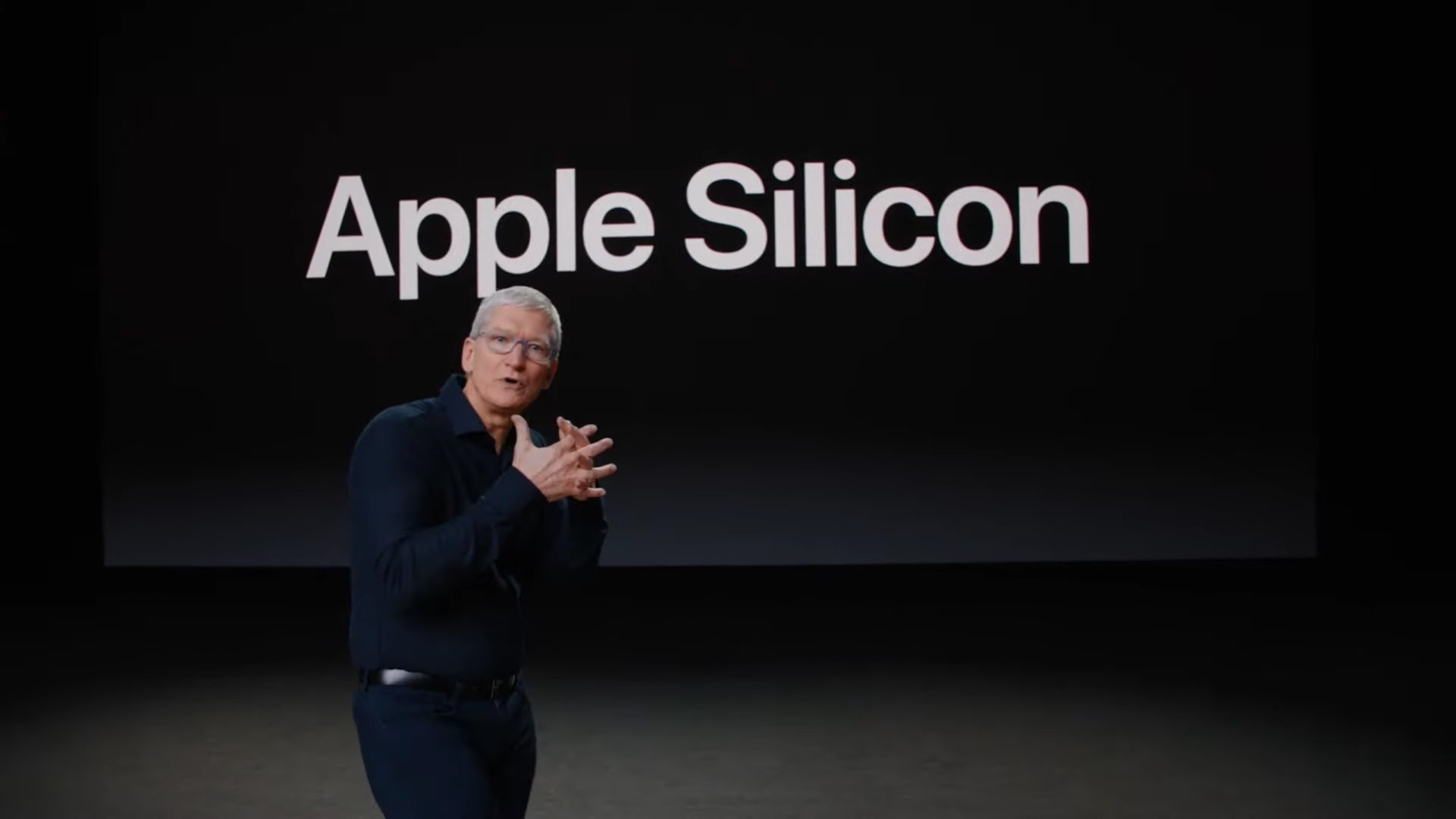
iPhones and Macs releasing in 2022 may make a jump from Apple's current five-nanometer chips to new ones built with TSMC's upcoming three-nanometer process technology.
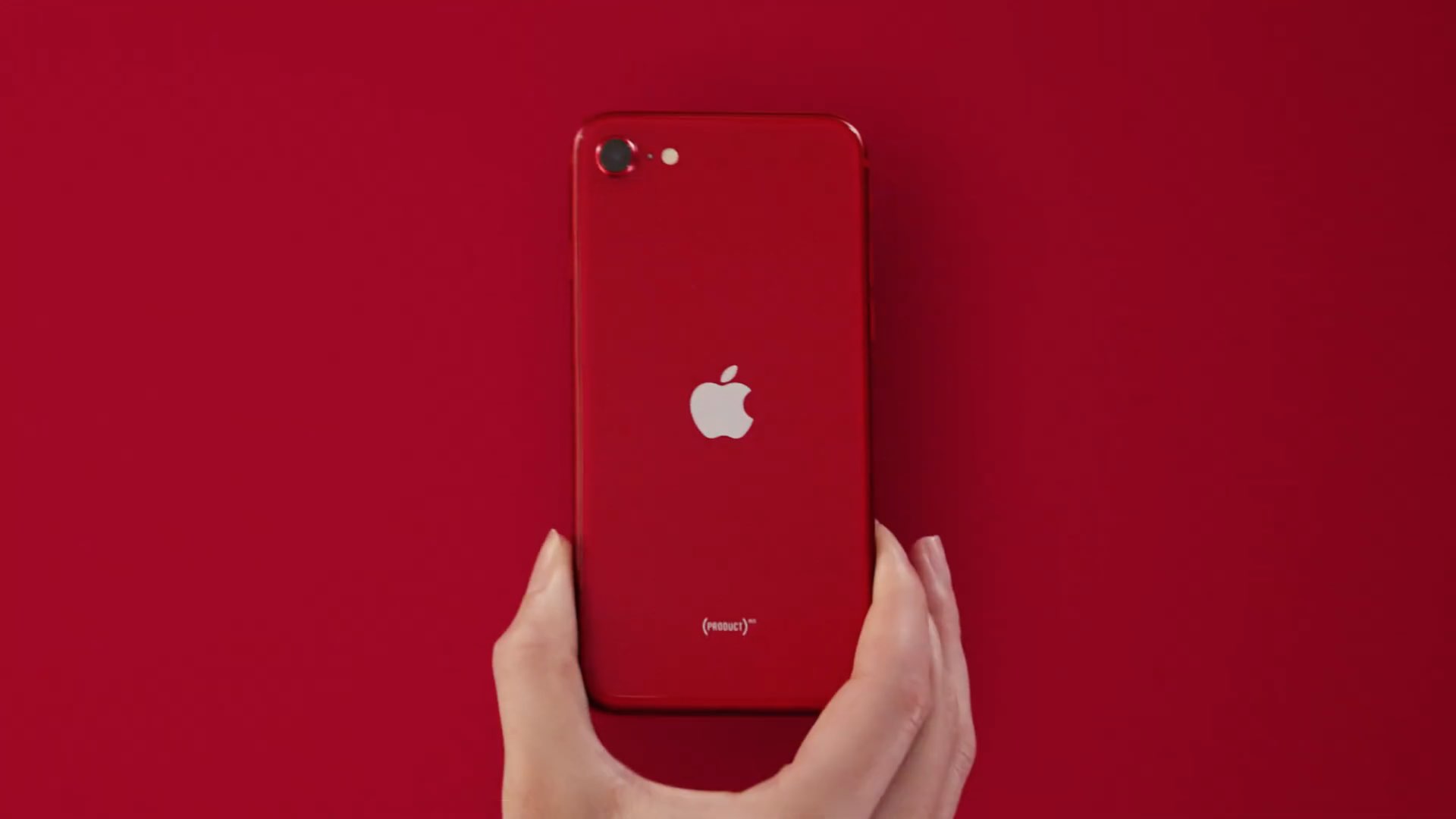
iPhone SE 3 is being readied for a commercial launch scheduled for the first half of 2022, featuring Apple's A14 chip from the current iPhone 12 series, according to a new report.
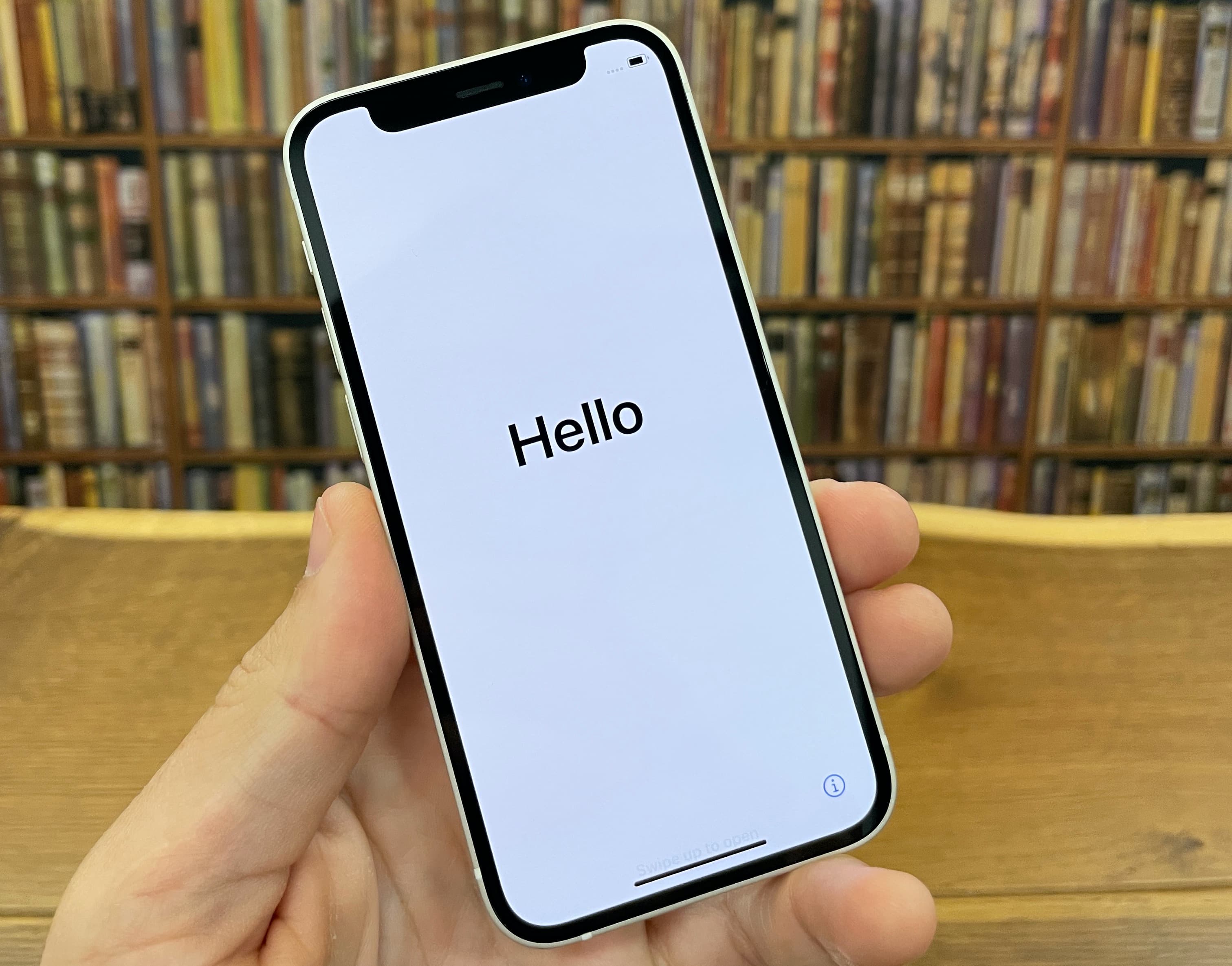
iPhone 13 may enable enhanced wireless networking via support for the upcoming Wi-Fi 6E protocol, operating on a 6GHz band and offering increased speed and range.
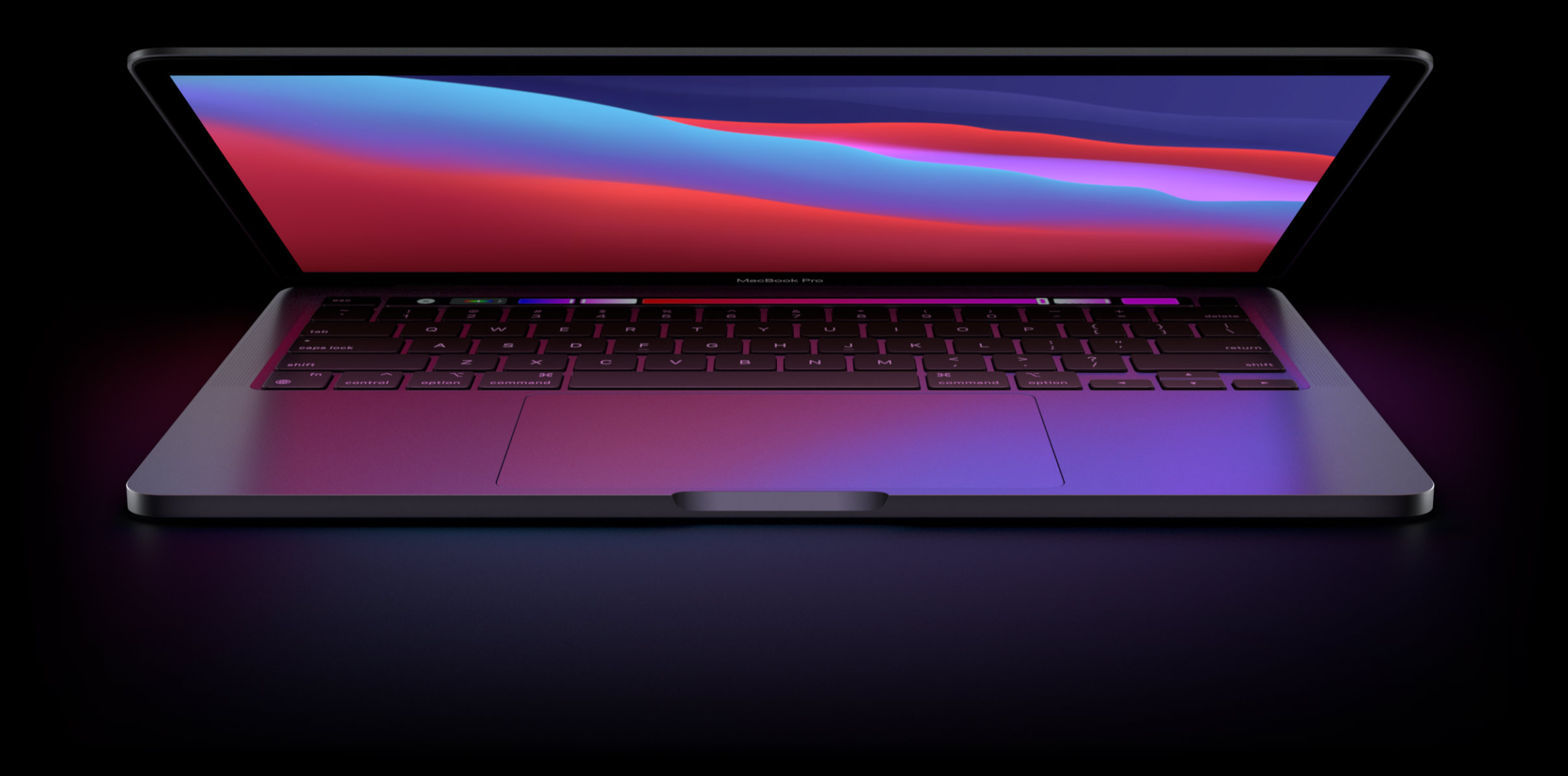
New 14 and 16-inch MacBook Pro models featuring mini-LED displays, Apple silicon chips and an overhauled appearance are coming in September 2021, according to a new report.
Apple's upcoming 2022 iPad Pro models will use chips built on TSMC's cutting-edge three-nanometer manufacturing process, resulting in a speed boost and lower power consumption.

The die size of Apple's vertical-cavity surface-emitting laser (VCSEL) chips used for Face ID in new iPhone and iPad models coming down the pike later this year should be cut in half.
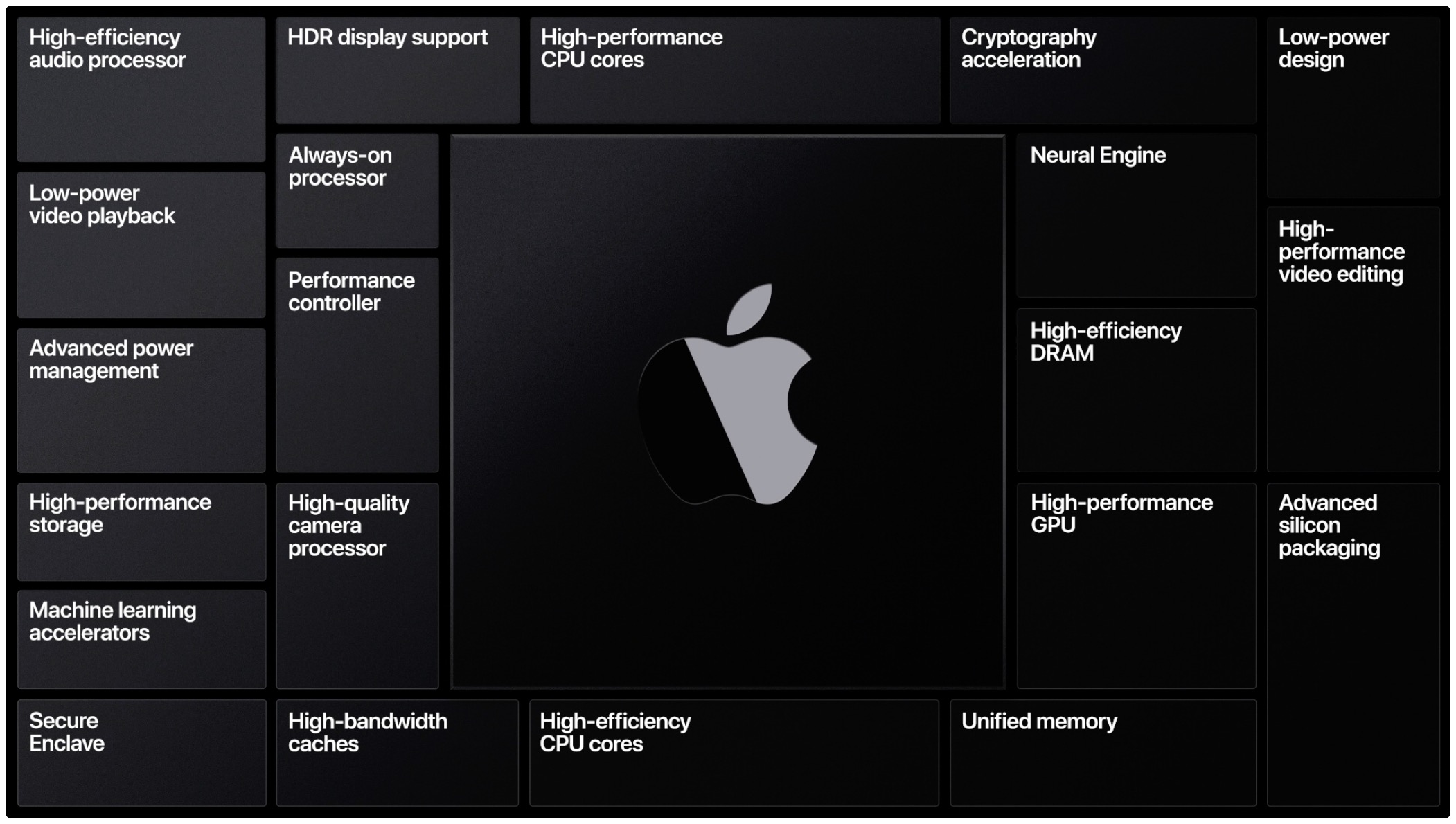
Apple's next-generation silicon for Macs, dubbed the M2, has reportedly entered mass production ahead of additional Apple silicon Mac hardware introductions expected in late 2021.

Despite rocking 120HZ displays, the iPhone 13 Pro and Pro Max should consume 15-20 percent less power than the iPhone 12 Pro, according to a new report.
STORY HIGHLIGHTS:
The Pro models will use low-power LTPO technology. LTPO uses a power-efficient backplane. Samsung and LG to supply LTPO panels to Apple. 2021 is the year the iPhone goes ProMotionTaiwanese trade publication DigiTimes corroborates earlier reports calling for a 120Hz iPhone.
Samsung Display and LG Display, now offering LTPS OLED displays for iPhones, are proceeding with capacity conversion to LTPO ones at their Apple-dedicated 6G OLED lines, with the conversion likely to be completed in the first half of 2021, the sources said, adding that production capacity will drop due to the added oxide step when LTPS is converted to LTPO.
The report states that the Pro models will consume 15-20 percent less battery power even with their 120Hz displays in use. Although not strictly mentioned in the DigiTimes report, that's almost certainly a result of switching to LTPO display technology and Apple's upcoming A15 chip which should consume less power than the current A14 processor.
→ How to turn off the Tap to Wake feature on your iPhone
All iPhone models to date refresh their screens sixty times per second. Doubling the refresh rate would bring smoother motion when navigating the iOS user interface, scrolling, playing games, watching high-frame-rate video and so forth.
Analysts and supply chain sources have been saying for months now that the next iPhone would adopt Apple's ProMotion display technology to double their screen refresh rate. The technology first debuted on Apple's 2018 iPad Pro tablet lineup.
https://www.youtube.com/watch?v=4KmWzQ0vVp8
Subscribe to iDB on YouTube
Drawing twice the images requires a faster GPU and memory, boosting power consumption. Apple is said to address that problem by switching to low-temperature polycrystalline oxide (LTPO) display technology that relies on a much more power-efficient backplane.
LTPO technology could also enable Apple to bring an always-on display to the next iPhone. Apple already uses LTPO technology in the Apple Watch Series 5 and Series 6.
Apple's contracted Taiwan Semiconductor Manufacturing Company (TSMC) to build next-generation chips for the upcoming iPhone 13 and its next Mac computers ahead of schedule.
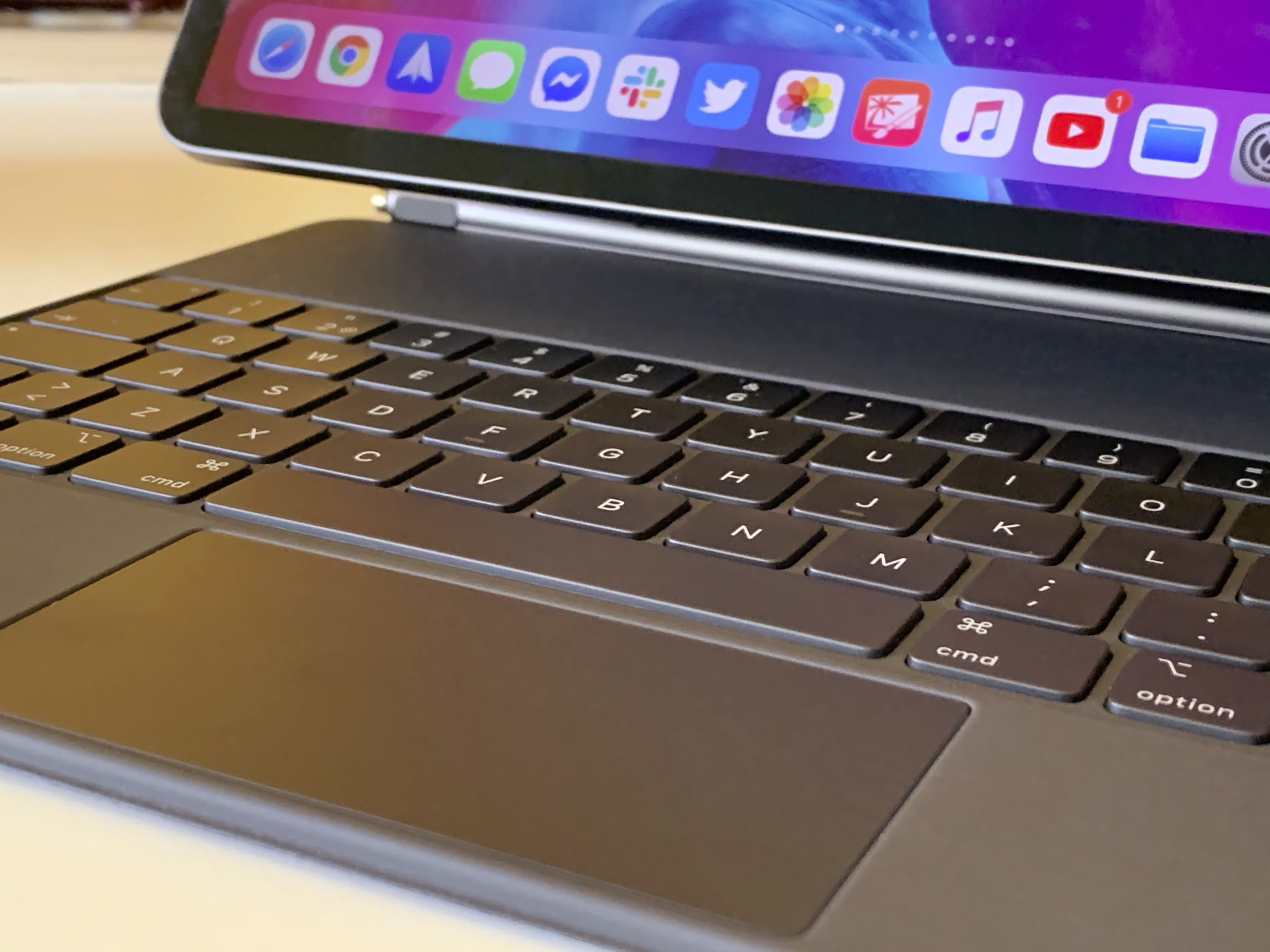
The rumor-mill should not be expecting a March release of Apple's next 12.9-inch iPad Pro with a mini-LED screen because the tablet won't enter mass production before April at the earliest.
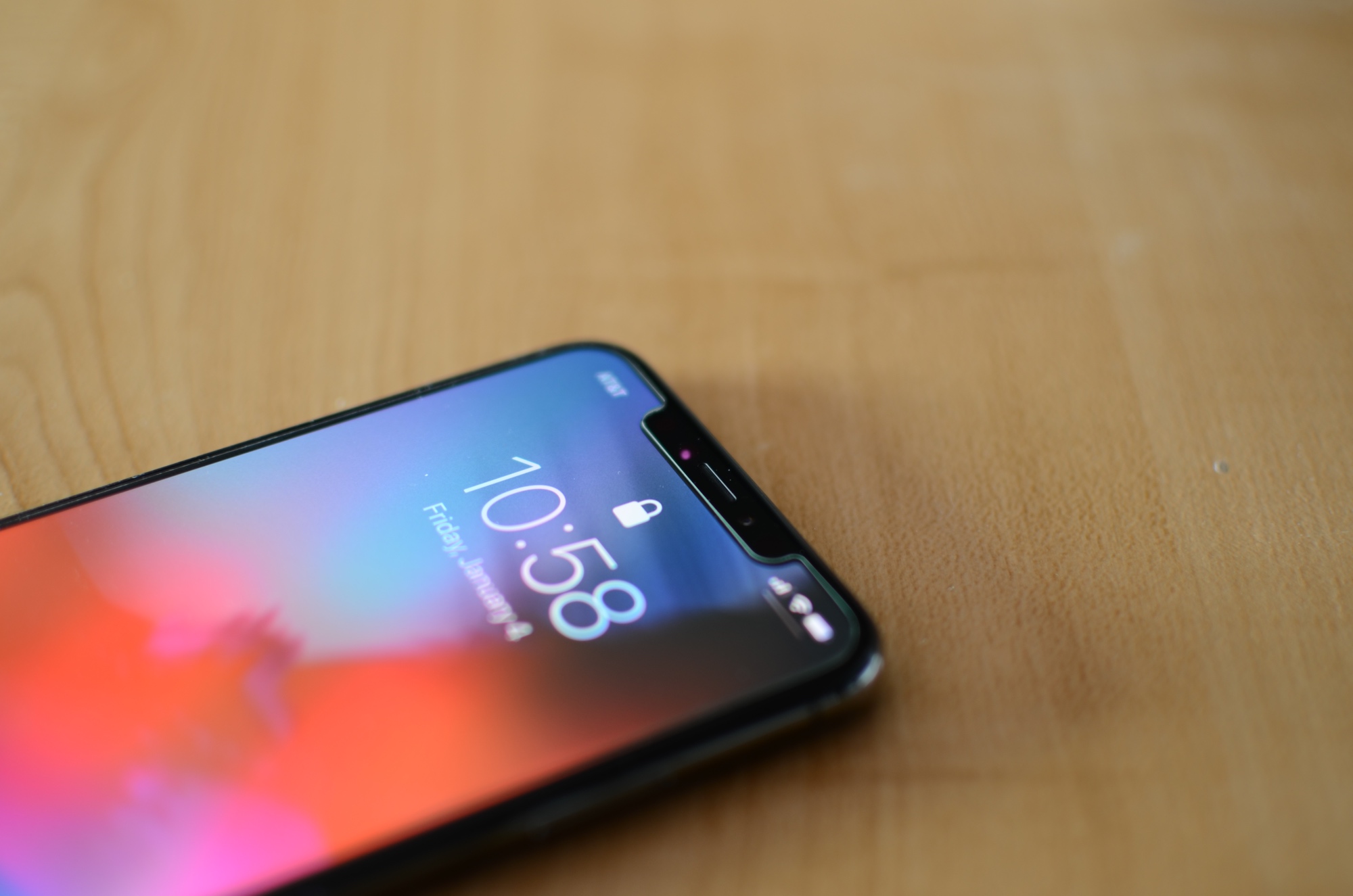
Have you had enough of the notch at a time when Android handsets with hole-punch displays proliferate? If so, this year's iPhone could finally bring us what we really want: a smaller notch.