Analyst

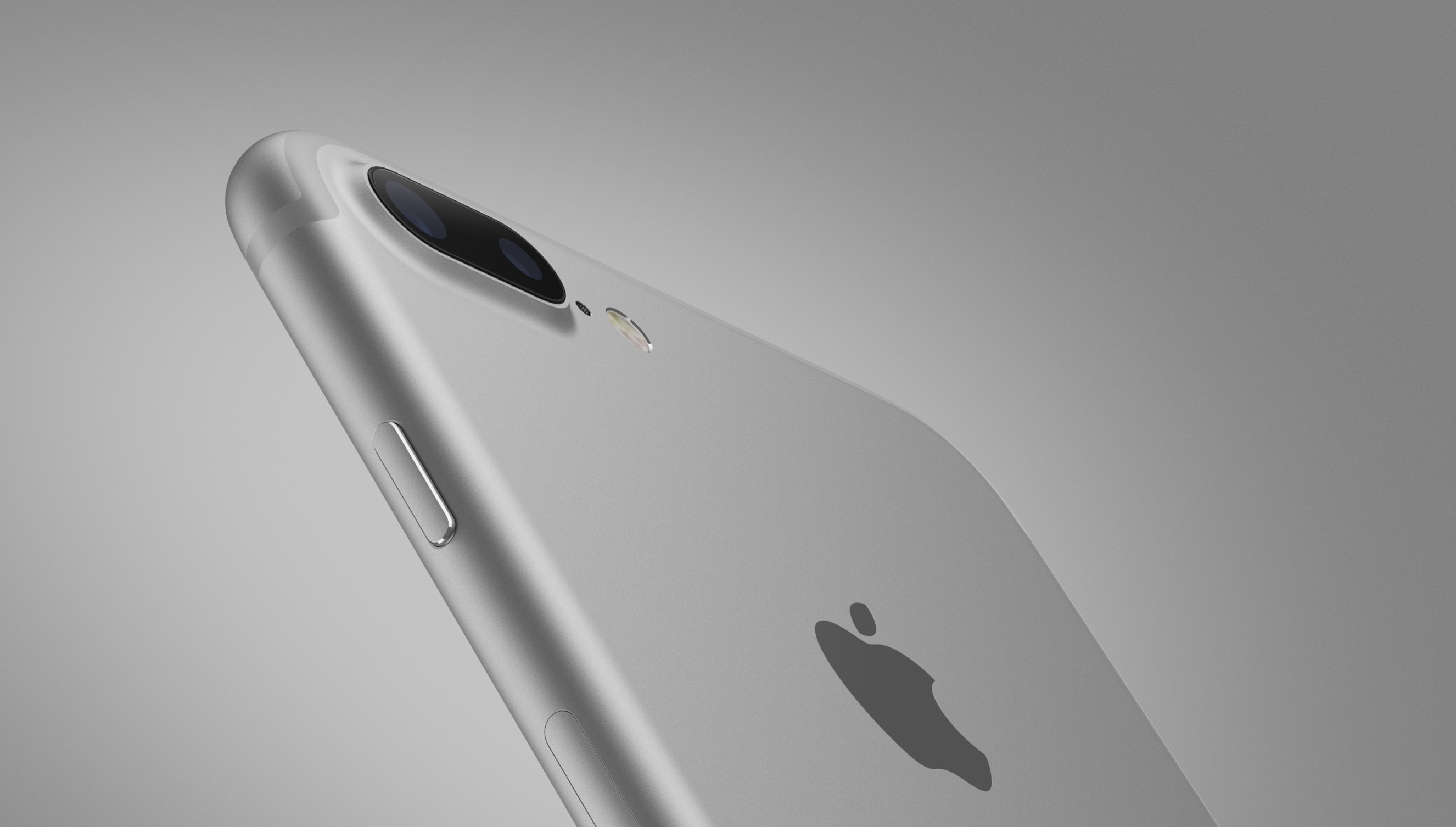
KGI: All 2017 iPhones to retain Lightning ports while supporting faster charging

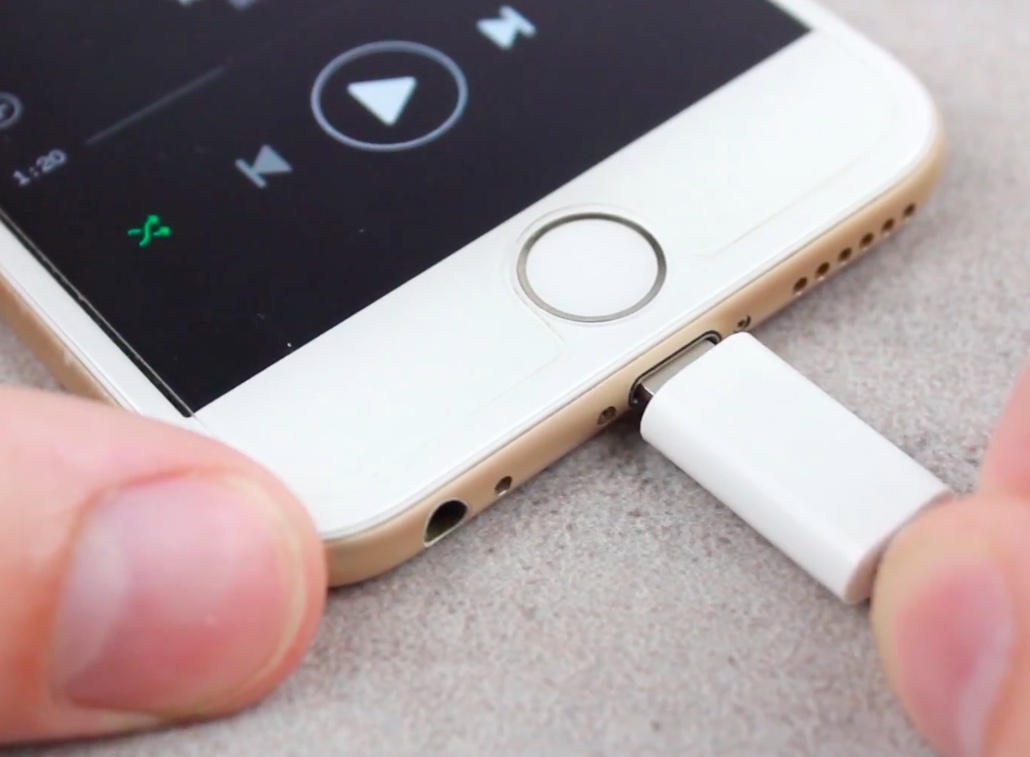
Contrary to controversial claims made in a recent Wall Street Journal piece alleging Apple would do the unthinkable—ditch the Lightning port on new iPhones in favor of USB-C—KGI Securities analyst Ming-Chi Kuo shared his thoughts on the topic in the latest notes to clients, obtained by MacRumors. According to Kuo, all three iPhone models released in 2017 will retain Lightning connectors.

This includes the expectedly iterative, LCD-based iPhone 7s and iPhone 7s Plus models, as well as a brand new, OLED-based iPhone 8 model with a radically changed industrial design. However, the underlying technology behind the charging may change with built-in support for USB Power Delivery that should enable a lot faster charging.
UBS: Apple has 1,000 engineers working on augmented reality, tech to debut in iPhone 8

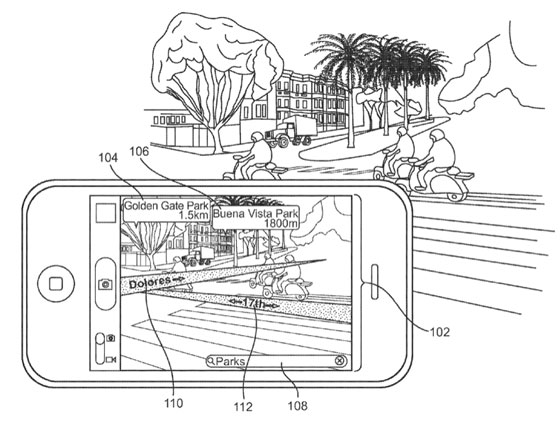
According to analyst Steven Milunovich and his team at UBS, augmented reality (AR) will likely be Apple's next major product innovation.

In a research note seen by Business Insider, Milunovich writes that the Cupertino firm may have well over a thousand engineers working on a project in Israel that could be related to augmented reality.

UBS expects Apple to implement augmented reality in iPhone 8, which could include “moderate 3D mapping using stereoscopic vision” based on a technology called Simultaneous Localization and Mapping (SLAM) as well as a software development kit for app makers to take advantage of the handset's rumored AR features.

10.5″ iPad Pro may sport 2,224×1,668 screen with same density as 9.7″ iPads

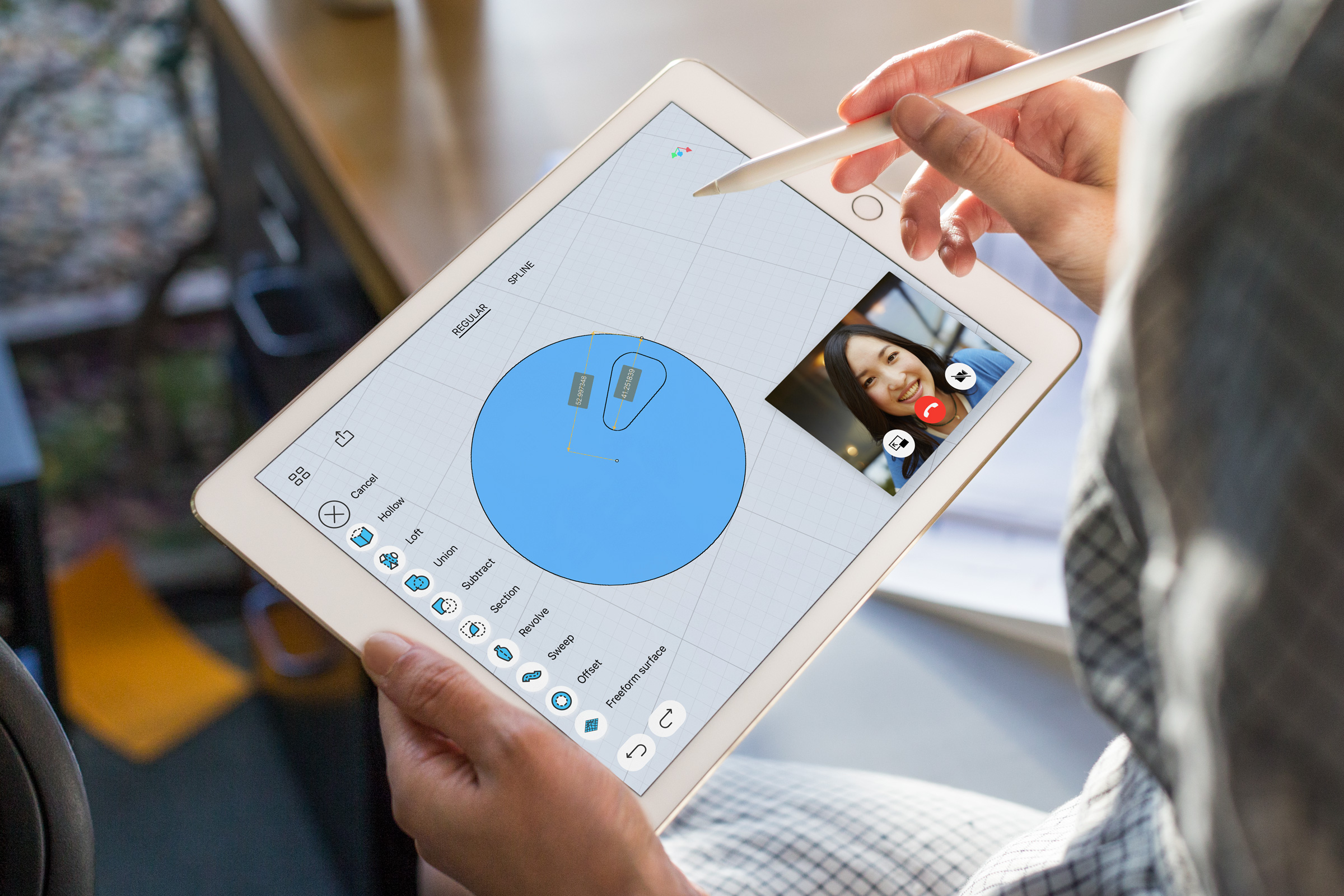
Rhoda Alexander, IHS Markit's director in charge of tablets and PCs, shared some interesting observations with Forbes over the weekend regarding Apple's rumored new bezel-less iPad Pro model which, according to other analysts, would house a display measuring 10.5 inches inside a body the same size as 9.7-inch iPads.

According to Rhoda, the new iPad Pro model should have a 2,224-by-1,668 display with the same pixel density as 9.7-inch iPads. For context, Apple's 12.9-inch iPad Pro has a 2,732-by-2,048 Retina display at 264 pixels per inch and its 9.7-inch counterpart has a 2,048-by-1,536 screen, also at 264 pixels per inch.

iPhone 8 predicted to have 3 GB RAM and come in 64GB and 256GB flavors

Apple's first OLED-based iPhone will have three gigabytes of RAM like the current iPhone 7 Plus models and come in two storage capacities—64GB and 256GB—eliminating the current 32GB SKU as an entry-level option when it comes to storage size. It won't feature a curved display due to production and drop test issues with 3D glass, as per Chinese research firm TrendForce.

KGI: iPhone 8’s FaceTime camera to support 3D sensing, AR, biometric authentication & more

We heard before that Apple might integrate augmented reality features into iPhone 8’s Camera app and now KGI Securities analyst Ming-Chi Kuo has provided fresh details about a “revolutionary” front-facing camera system that will “bring an innovative user experience” to Apple's first OLED iPhone.

In a note to clients, obtained by AppleInsider, the analyst writes that a pair of infrared transmitting and receiving sensors on the FaceTime camera will help the next iPhone provide features ranging from 3D sensing and modeling to advanced biometric authentication combining facial scanning and Touch ID fingerprint recognition.

iPhone 8 to boost Retina resolution to 2436×1125 at 521 PPI

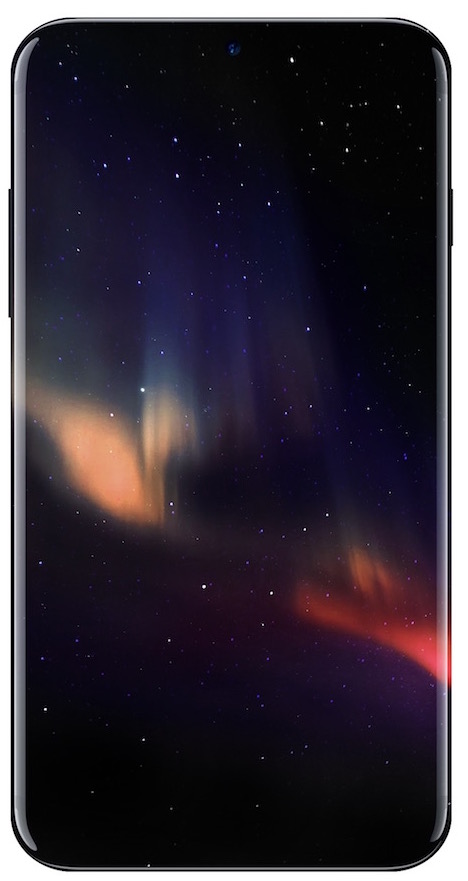
The next iPhone's OLED display should boost Retina resolution to a whopping 2,436-by-1,125 pixels, or almost twice that of the iPhone 6/6s/7 series, giving the upcoming phone a screen density of a crisp 521 pixels per inch (PPI). That's what KGI Securities analyst Ming-Chi Kuo wrote in a note issued to clients, a copy of which was obtained by 9to5Mac.

The numbers would give iPhone 8 a screen of 21:9 versus a 16:9 screen ration on current models. By contrast, the current 4.7-inch iPhone 7 has a screen resolution of 1,334-by-750 pixels at 326 PPI—enough to support 720p video content without rescaling.

JPMorgan predicts iPhone 8 would replace fingerprint scanning with facial recognition

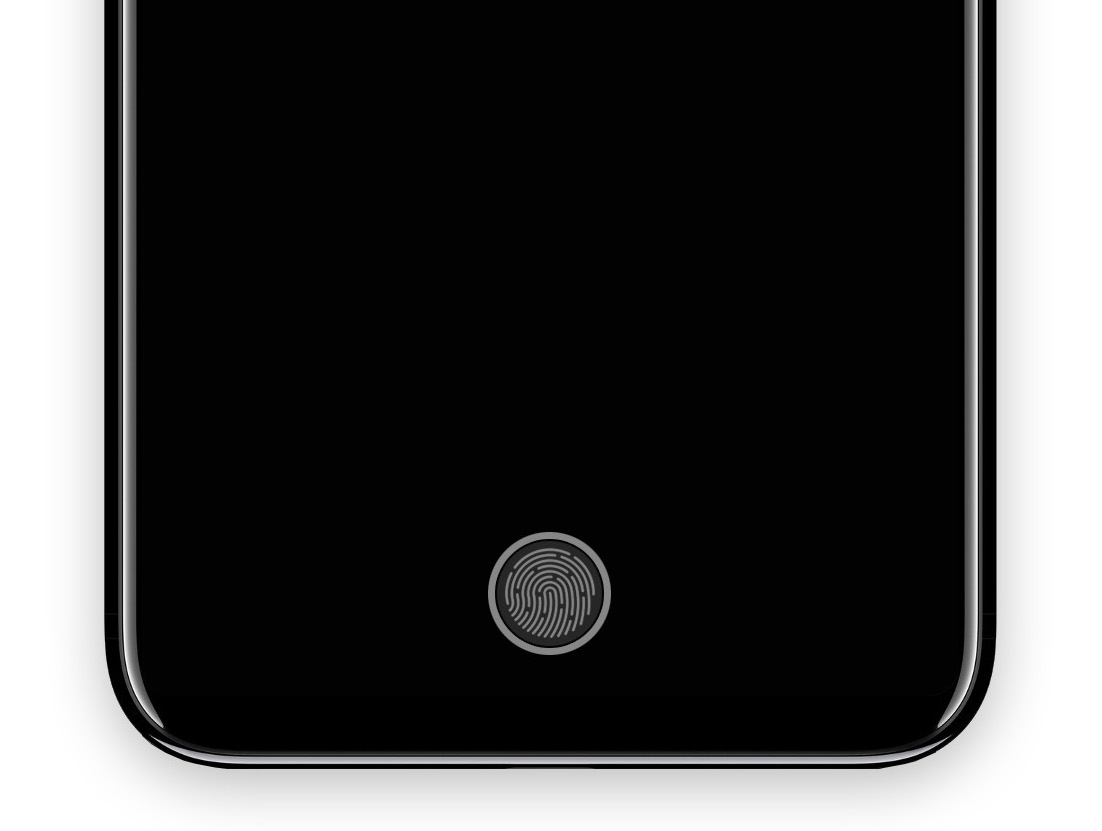
Touch ID is a core technology that supports a number of Apple services, including Apple Pay. If JPMorgan analyst Rod Hall is to be believed, the next iPhone might ditch Apple's fingerprint reader in favor of facial recognition, CNBC reports. iPhone 8 is thought to sport a front-facing 3D scanner sensor that could replace Apple's Touch ID-enabled Home button. Hall wrote in a research note this week that Touch ID could be phased out if Apple goes with a full-glass front for the next iPhone.

KGI: iPhone 8 will squeeze a Plus-sized battery into a smaller form factor

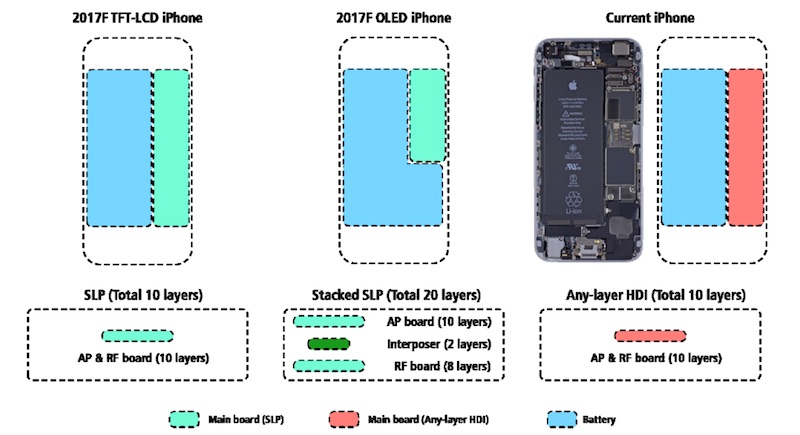
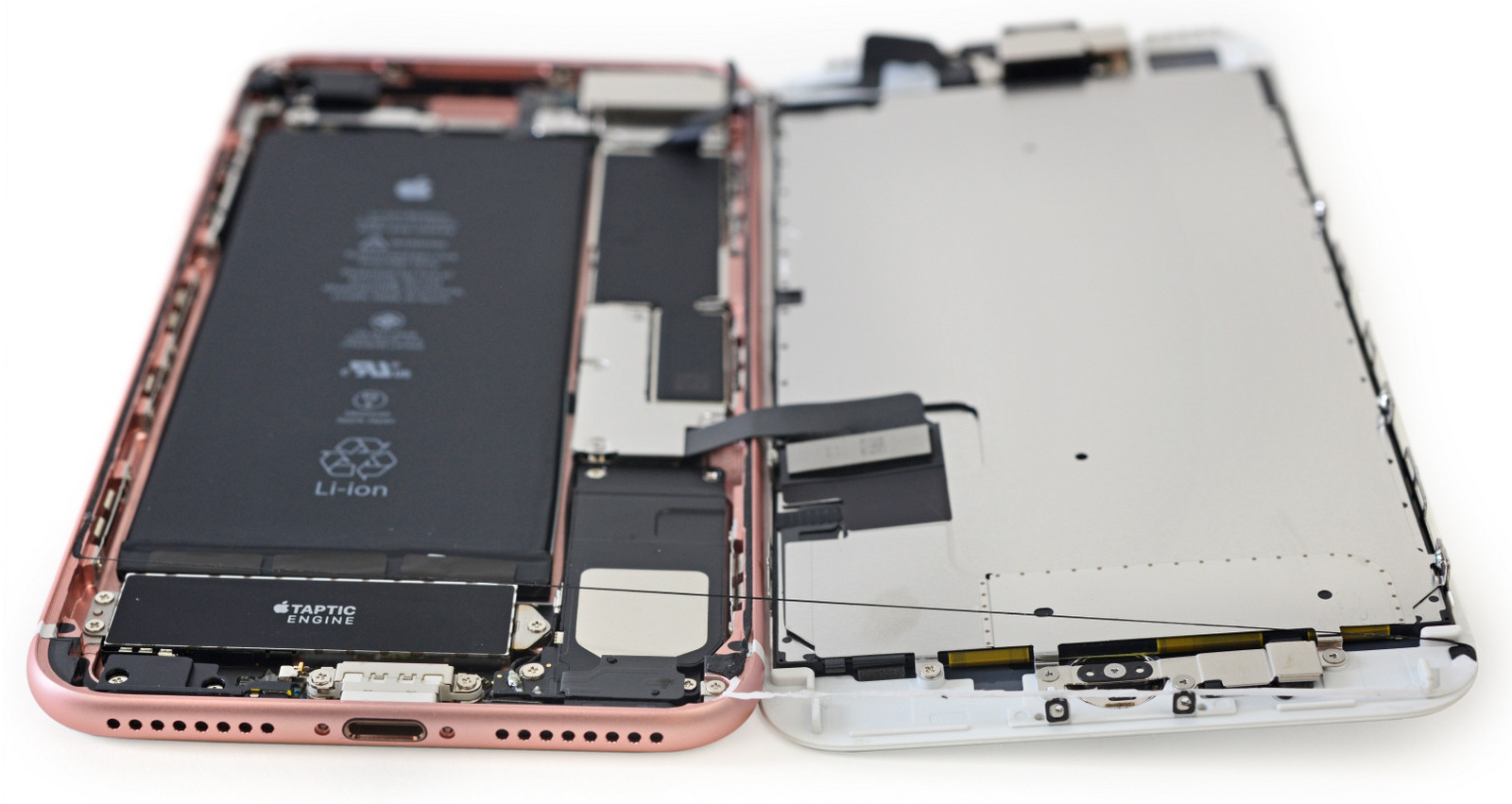
KGI Securities analyst Ming-Chi Kuo issued a note to clients this morning, obtained by MacRumors, in which he predicted that Apple's upcoming iPhone 8 would manage to squeeze a Plus-sized battery into a smaller 4.7-inch form factor, possibly having even better battery life than a 5.5-inch LCD iPhone.

This will be achieved by utilizing a pricier stacked logic board design—also known as a substrate-like PCB (SLP) mainboard—that would create additional space inside the device to accommodate a significantly larger battery.

KGI: all 2017 iPhones to have wireless charging, iPhone 8’s 3D Touch pricier to build

KGI Securities analyst Ming-Chi Kuo predicted in a new note to clients, obtained by MacRumors, that all new models of iPhone introduced this year would feature wireless charging. In addition, the report cautions that production costs of iPhone 8's enhanced 3D Touch module might rise between 30 and 50 percent.

A report yesterday by FastCo stated Apple would pass any increased production costs stemming from iPhone 8's OLED screen and other hardware advances onto the consumer, speculating that the final sale price of iPhone 8 could pass $1,000 in US.

OLED for iPhone 8 could add $50 million to Apple’s March quarter expenses

iPhone 8, or 10th Anniversary iPhone as affectionately dubbed by the media, is expected to adopt the unrivaled organic light-emitting diode (OLED) display technology as utilized on Apple Watch screens and the new MacBook Pro's Touch Bar.

OLEDs are more difficult and pricier to produce than the traditional LCD panels so the decision to outfit iPhone 8 with an OLED-based screen could cost Apple approximately $50 million in incremental costs in the March quarter, according to an investor memo from Cowen & Company's Timothy Arcuri obtained Monday by AppleInsider.

iPhone 7 Plus accounted for an estimated 40% of all iPhone 7 sales in the holiday quarter

People are way more interested in Apple's $769 iPhone 7 Plus than they were in the $649 iPhone 6s Plus, Cowen & Co. analysts told The Wall Street Journal. In other words, many buyers don't mind paying more for features like dual cameras and other extra hardware not available in standard iPhone 7.

Cowen estimated that iPhone 7 Plus accounted for about 40 percent of an estimated 58.5 million iPhone 7 devices Apple sold globally during the December quarter. Contrast that with iPhone 6s Plus, which accounted for an estimated 23 percent of all iPhone 6s sales during the same quarter the previous year.

iPhone 7 flash memory maker Toshiba could sell its NAND flash unit to Western Digital

DigiTimes estimated this week that flash memory chips for smartphones will remain in high demand throughout 2017 because supply shortages are reportedly “worse than expected” as chip makers are currently transitioning from older 2D NAND to newer 3D NAND technology.

According to a report Friday in The Korea Herald newspaper, citing Mirae Asset Daewoo Securities analysts, Toshiba may spin off of its lucrative NAND flash unit and sell the stake to Western Digital, narrowing the technology and market share gap with its bigger rival Samsung Electronics.