Analyst

KGI: 70% likelihood that Apple will unveil 10.5″ iPad Pro at WWDC next month

KGI Securities analyst Ming-Chi Kuo says there's over 70 percent likelihood that Apple's rumored 10.5-inch iPad Pro with a redesigned chassis is formally announced at the June 5 WWDC keynote as suppliers are gearing up for volume production in early June.

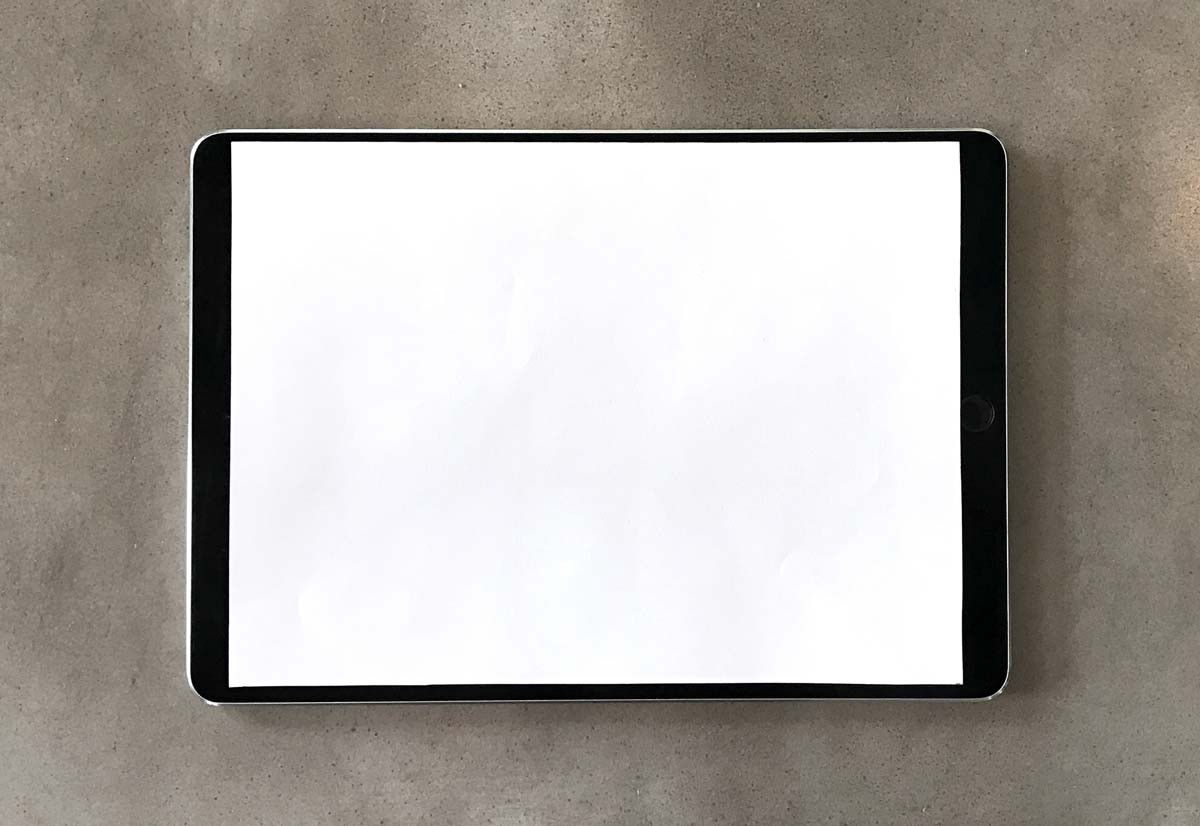
In his Saturday research note to clients, titled “2017 WWDC highlights” and seen by MacRumors, the analyst wrote that Apple's engineers were able to squeeze a 10.5-inch display into a similar form factor to the existing 9.7-inch iPads due to the narrower side bezels on the upcoming 10.5-inch iPad Pro model.

Here's an excerpt from the note:

The newly designed 10.5-inch iPad Pro will have a similar form factor to the 9.7-inch model, but will feature a larger display thanks to narrow bezels. The new design should improve the user experience and help gain traction in the corporate and commercial sectors.

He added that Foxconn will be assemble the new device, while GIS will be the sole supplier of touch panel modules. KGI forecast 10.5-inch iPad Pro shipments of five to six million units in fiscal 2017, accounting for fifteen percent of total fiscal 2017 iPad shipments.

The analyst did not specify if the upcoming device will have the traditional LCD screen or one based on AMOLED display technology like iPhone 8. For what it's worth, Kuo said in August 2016 that a “revolutionary” iPad model with flexible AMOLED panels and other “radical changes” in form factor design shouldn't be expected before 2018.

https://www.youtube.com/watch?v=knJNtkRyO9E

Subscribe to iDownloadBlog on YouTube

For the sake of completeness, we should mentioned that KGI speculated last October that the device would sport the same 2,7320-by-2,048 pixel resolution as the 12.9-inch iPad Pro, with the same pixel density as the iPad mini 4 at 326 pixels per inch.

At that resolution, the width of the 10.5-inch iPad model would be the same height as the current iPad mini models, meaning users could be able to run two full-sized windows side-by-side in iOS’s Split View multitasking mode.

Raymond Soneira, a display expert and president of DisplayMate Technologies, thinks that if the new 10.5-inch iPad shrinks the bezel and keeps the outside dimensions the same, then the display aspect ratio will increase from the current 1.33 to as high as 1.50.

“The screen area would then increase by up to 31 percent. However, with no bezel at all the screen diagonal would then be 11.2 inches for the same outside dimensions as the current 9.7-inch iPad model with the rounded corners,” he added.

WWDC kicks off with a keynote address at 10:00am Pacific Time on Monday, June 5.

Image: 9.7-inch iPad Pro with a 10.5-inch piece of paper overlaid via Dan Provost.
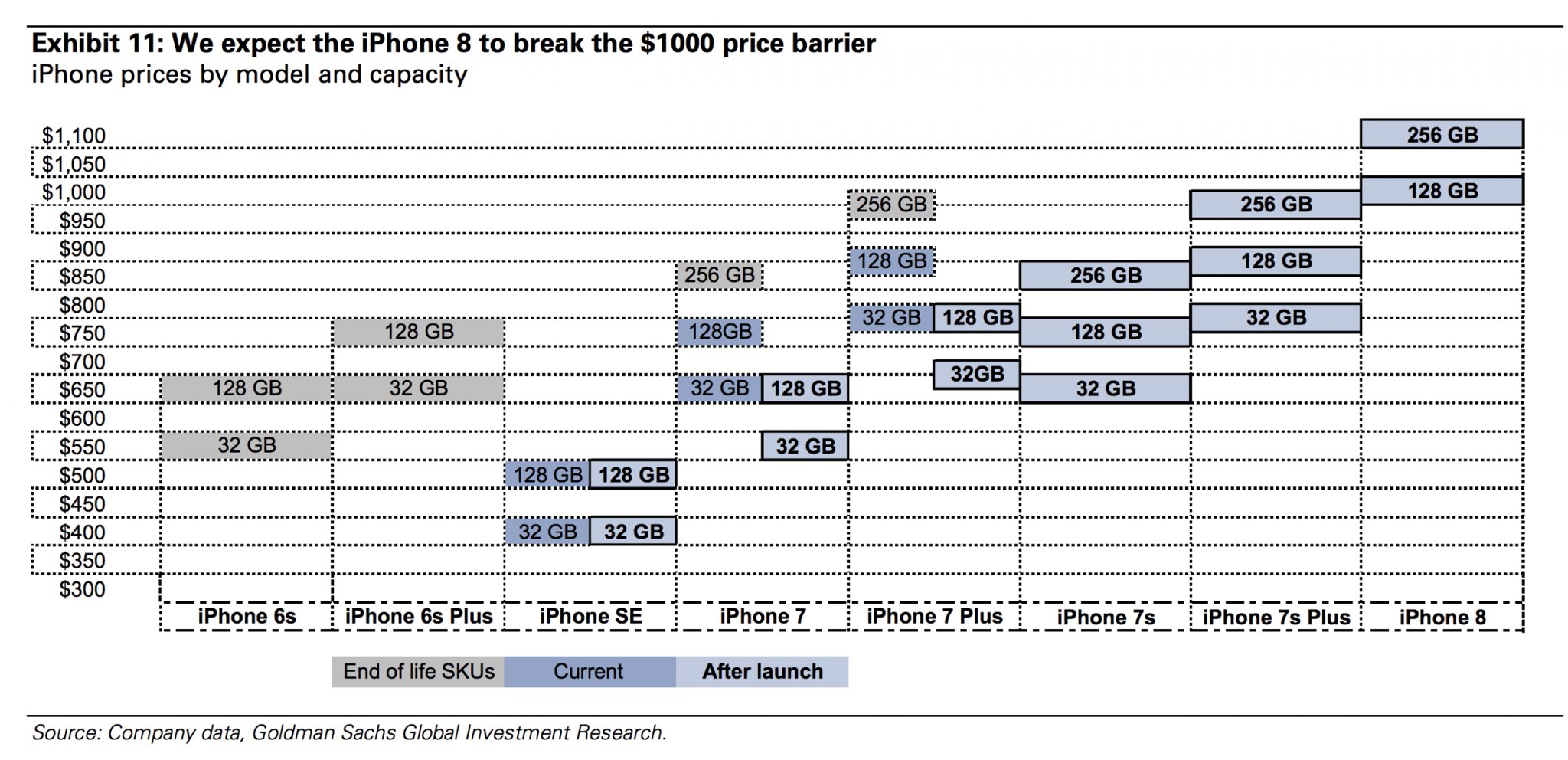
Analyst predicts possible prices of iPhone 8 & iPhone 7s/Plus models

Simona Jankowski, an analyst with the multinational finance company Goldman Sachs, predicted that Appe's OLED-based iPhone 8 could cost $999 for a 128-gigabyte model, or $1,099 for the top-of-the-line model with 256 gigabytes of storage.

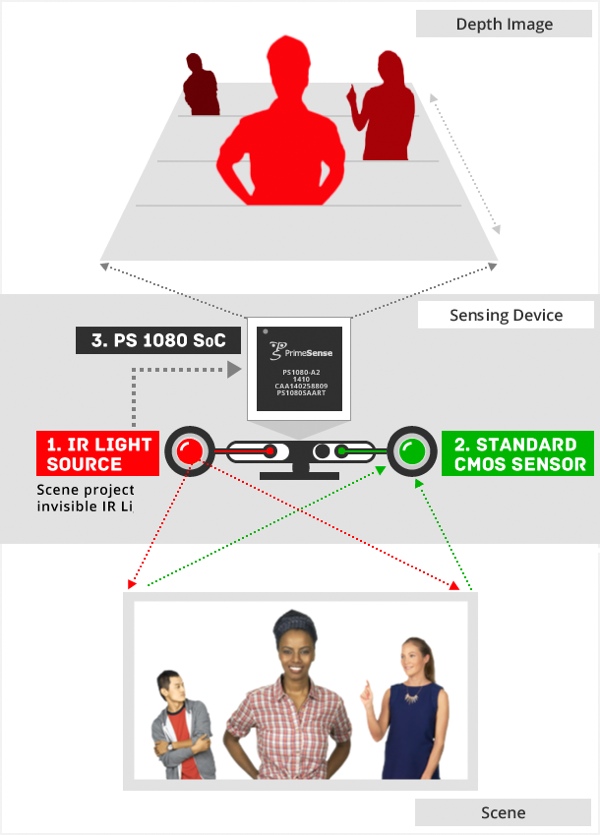
“We think the higher demand for the larger 5.8-inch form factor will be supported by the fact that iPhone 8 will have compelling new features not available in the smaller form factors,” like a 5.8-inch OLED display and 3D-sensing augmented reality technology, reads the note.

She told her clients in a note seen by Business Insider that the entry-level models of iPhone 7s and iPhone 7s Plus may be priced at $649 and $769, respectively, like the current iPhone 7 models. The flagship 256GB iPhone 7 Plus model currently retails for $969.

“We expect iPhone 8 to have 128 GB and 256 GB models priced at $999 and $1,099, respectively,” Jankowski and her team wrote in the note to clients. She doesn't think Apple will offer iPhone 8 with just 32 gigabytes of storage.

Here's an excerpt from the research note:

Relative to the 128GB iPhone 7 Plus, we estimate the new features and higher commodity prices to increase the bill of materials by over $70, which we expect Apple to offset via a $130 price increase, resulting in a starting price of $999 for the 128GB capacity and $1,099 for the 256GB capacity.

The first $1,000 iPhone can drive “meaningful upside,” reads the note.

Goldman Sachs expects these features and costs:

5.8-inch OLED screen (adds $35) No bezel & all screen 3D sensing capabilities (adds $20) Better & faster flash storage and DRAM memory (adds $16 to $29) Capacity starting at 128 gigabytes Apple-desgined A11 processor No Home button Biometric authentication

She believes Apple has now finalized iPhone 8's design.

“Apple usually explores multiple designs in parallel,” explains her note. “However, with only four months left until launch, we believe Apple has now locked down the design.”

She estimates fiscal 2018 iPhone average selling prices will rise sixteen percent annually to $763 versus the $675 Wall Street consensus.

Due to the expected higher-priced iPhone 8 models, Goldman Sachs has raised its estimates further above consensus, setting its Apple price target to $170 from $164, representing ten percent upside from Thursday's close, and raising its Apple fiscal 2018 earnings-per-share forecast to $11.50 from $11.00 versus the Wall Street average of $10.40.

Fast Company was first to report back in February that the flagship iPhone 8 model could cost north of $1,000 due to advanced technologies and premium parts.

KGI reiterates iPhone 8 production ramp up will be delayed to as late as October-November

KGI Securities analyst Ming-Chi Kuo has reiterated his previous stance that iPhone 8 production ramp-up will be delayed to as late as October-November versus the normal August-September timeframe due to “major hardware upgrades.”

In a note to clients Tuesday, obtained by MacRumors, the analyst cautioned that any delay is likely to cause severe supply constraints and impact overall shipments during the second half of 2017.

“We are seeing more evidence that the worst-case scenario forecasted in our April 19 report could materialize,” reads the note titled “Rising probability of worst-case scenario for iPhone shipments”.

Kuo goes on to predict that “severe supply shortages” could persist for “a while” following the introduction of new iPhones in September.

“Severe supply shortages may persist for a while after the new models are launched, capping total shipments of new iPhones in the second half of 2017,” reads the note. The revered Apple analyst has now revised his iPhone shipment estimates from 100 to 110 million units down to 80 to 90 million iPhone units for the second half of 2017.

https://www.youtube.com/watch?v=SKqCKdEGEPk

Subscribe to iDownloadBlog on YouTube

Kuo says it remains to be seen whether demand will fully shift to iPhone 8.

That's because, in Kuo's view, it's still unclear if a rumored 3D sensor will be useful. He also cited other factors such as the potential for Touch ID to be eliminated completely and intensifying smartphone competition.

Here's an excerpt from the note:

While we are positive on potential replacement demand triggered by OLED iPhone, it's too early to determine if demand will shift fully in that direction.

We recommend investors keep tabs on the following issues:

(1) whether the 3D sensor of OLED iPhone provides an innovative user experience;

(2) whether OLED iPhone cancels Touch ID (fingerprint recognition);

and (3) whether Apple's competitors launch more innovative products which could compete with OLED iPhone in 4Q17-2Q18.

If iPhone 8 is indeed facing a delayed launch as Kuo has suggested, Apple could still preview the handset alongside the iterative iPhone 7s and iPhone 7s Plus updates in September.

The company could then choose to launch the OLED iPhone in small quantities before its suppliers are able to fully ramp up production.

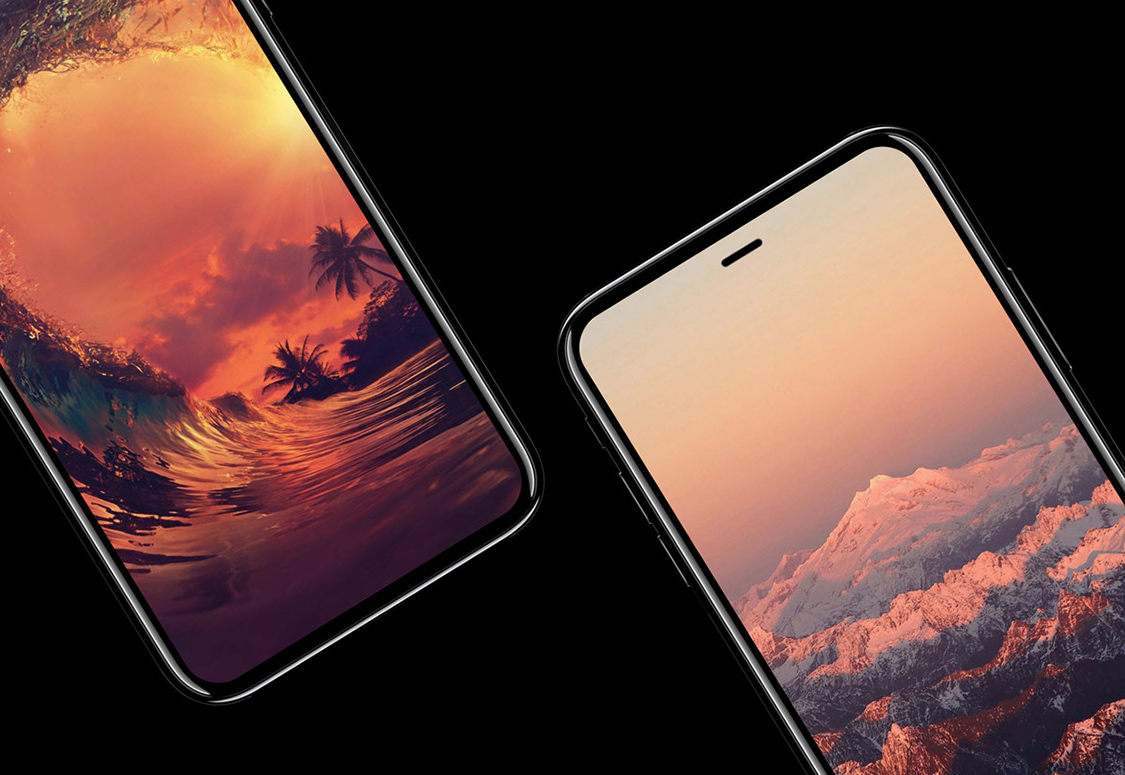
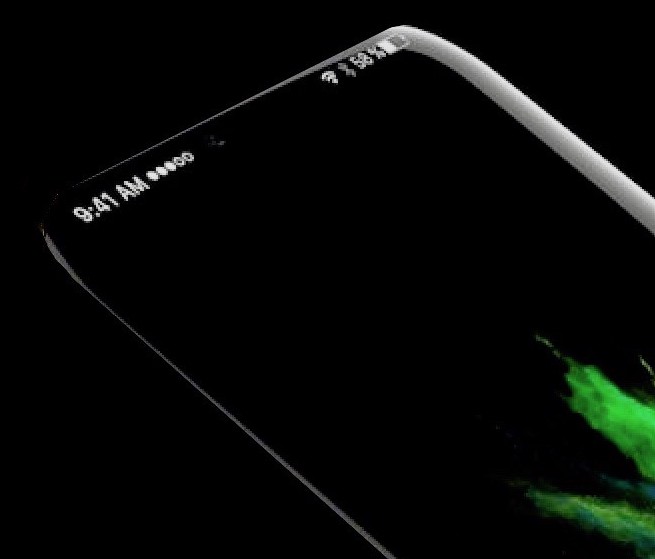
Image: CNC-machined iPhone 8 chassis based on leaks via Benjamin Geskin

JPMorgan—iPhone 8 announcement at WWDC; Deutsche Bank—no iPhone 8 until 2018

Multiple analyst reports and rumors have asserted that Apple's Tenth Anniversary iPhone, or iPhone 8, is going to be delayed because of manufacturing issues related to new components, but we still don't know by how long. A pair of conflicting reports from JPMorgan and Deutsche Bank offer very differing opinions regarding the handset's potential availability.

Basically, JPMorgan is telling clients that there is a “high likelihood” that Apple will announce iPhone 8 at its annual Worldwide Developers Conference next month. On the other hand, we have Deutsche Bank which on Sunday put out a research note, based on a questionable report from ValueWalk, saying iPhone 8 won't land until 2018.

“JP Morgan's Rod Hall first suggested iPhone 8 could be previewed at WWDC,” Business Insider's Kif Leswing wrote on Twitter this morning. The analyst is claiming that the Cupertino firm will preview its OLED-based iPhone in June ahead of its launch in the fall (in what KGI's Ming-Chi Kuo said would be extremely limited availability).

While Apple did announce the original iPhone, iPhone 3G, iPhone 3GS and iPhone 4 at WWDC, subsequent models were formally unveiled at fall events in September or October. Be that as it may, I don't think either of these reports is accurate to begin with.

Deutsche Bank's analysis in particular is based solely on a sketchy claim by ValueWalk.

Citing unnamed sources close to Foxconn, ValueWalk reported that Apple would delay iPhone 8 until 2018 over an apparent lack of orders for packaging materials. The iterative LCD-based iPhone 7s and iPhone 7s Plus would arrive on schedule in the fall, it said.

The story prompted Deutsche Bank to predict the following:

Report suggests no new iPhone 8 this calendar year. As we have written in previous research notes, several supply chain reports have suggested that key component shortages and technical challenges could delay the release of a high-end iPhone 8 device this fall.

We believe this report further underscores the uncertainty around the timing of Apple’s next- generation iPhone model.

As mentioned, the investment bank told clients that it thinks the OLED-based iPhone 8 model might not release in 2017 at all. The problem is, Deutsche Bank trusts ValueWalk which lacks any track record in breaking major Apple news.

Even if it did have one, we'd need at least one independent publication confirm the report before we could jump to any conclusions. Apple sources components from multiple suppliers so the fact that it's ordered packaging for the iPhone 7s series from one supplier doesn't mean that iPhone 8 packaging won't come from a separate supplier.

Given the rumored manufacturing problems with iPhone 8, it's more likely that Apple will choose to pre-announce iPhone 8 this fall alongside the iPhone 7s/Plus announcements and then launch the OLED-based device in late October or November.

And if that's how things are going to play out, there's no reason whatsoever for iPhone 8 packaging to arrive alongside iPhone 7s packaging in June and spoil Apple's surprise. Last but not least, delaying iPhone 8 until 2018 would be a huge blow to Apple's bottom line.

https://www.youtube.com/watch?v=SKqCKdEGEPk

Subscribe to iDownloadBlog on YouTube

Take it from Apple's Tim Cook, who said on yesterday's earnings call with analysts and investors that earlier-than-usual leaks and rumors are hurting sales of current iPhones.

Here's what Cook said:

We're seeing what we believe to be a pause in purchases on iPhone, which we believe are due to the earlier and much more frequent reports about future iPhones.

Considering that consumers usually hold off on buying a new iPhone until they see the new model, Cook's remarks have merit and the fact that he actually blamed the hype machine for “a pause” in iPhone sales is pretty remarkable, if you ask me.

Make sense?

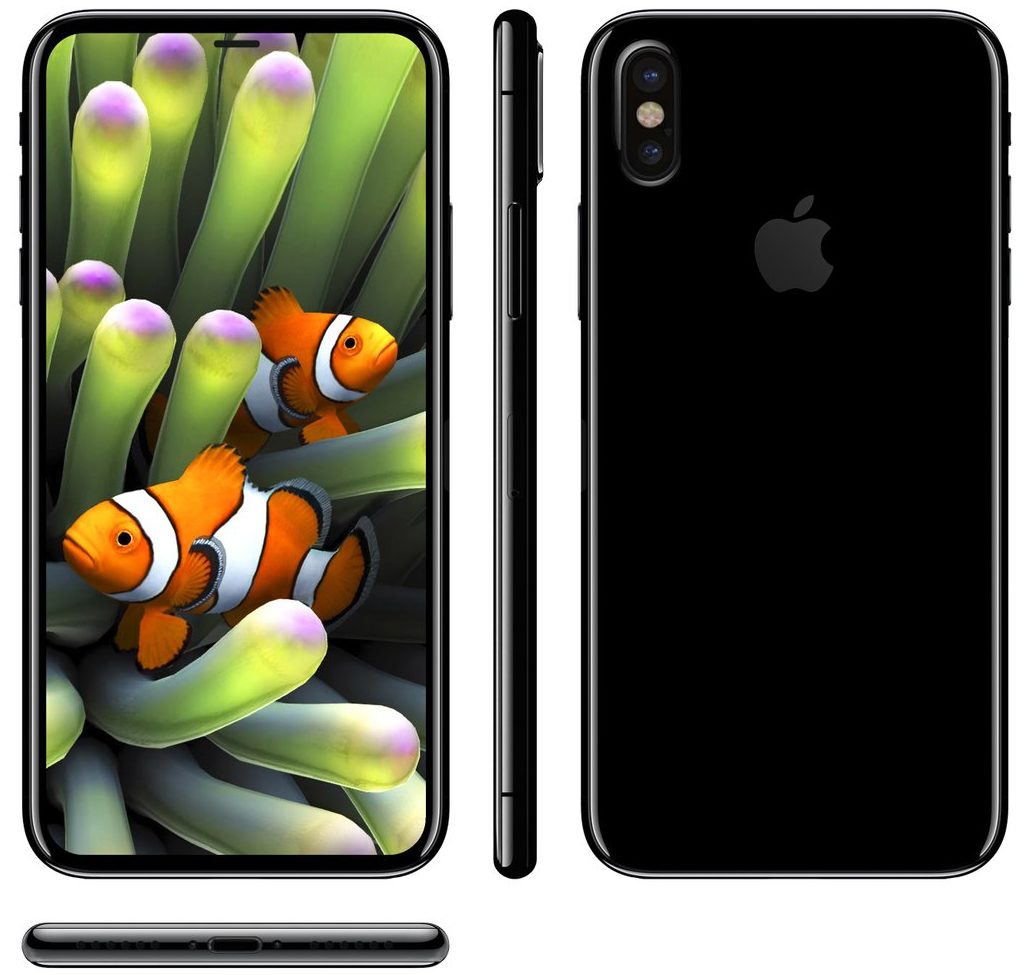
Mockups: all-glass iPhone 8 with stainless steel frame via Steel Drake

KGI: Apple’s first home AI product could debut at WWDC 2017

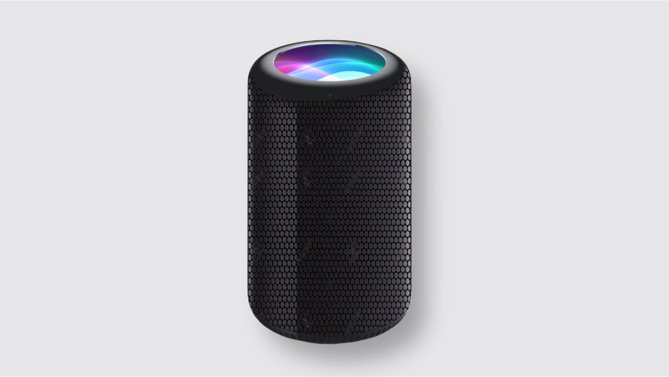
Apple's rumored smart home speaker with Siri, AirPlay and artificial intelligence (AI) features could be announced at the annual Worldwide Developers Conference, which kicks off with a keynote on June 5. KGI Securities analyst Ming-Chi Kuo estimated in a note to clients Monday that the rumored Siri-based smart speaker has “over 50 percent chance” of making its WWDC debut.

KGI: iPhone 8 could launch in extremely limited supply in September

According to the latest KGI Securities research note Monday, Apple's iPhone 8 could be in extremely limited supply to end 2017. The note, obtained by MacRumors, blames the delay on significant hardware upgrades like a custom edge-to-edge OLED display panel, a redesigned thin-film 3D Touch module, 3D sensing cameras, ten-nanometer A11 Fusion processors and substrate-like printed circuit board.

Analyst Ming-Chi Kuo writes in the note that Apple's suppliers are now expected to ramp up production of the handset as late as October or November versus the usual August-September timeframe for a new iPhone. As a result, Kuo believes that iPhone 8 will launch in September to face “severe supply shortages” for some time.

iPhone 8’s in-screen Touch ID apparently causing Apple the most trouble

We heard before that iPhone 8 could get delayed due to various technical issues stemming from a new augmented-reality 3D camera system, the lamination process of curved organic light-emitting diode (OLED) panels and a new thin-film 3D Touch system.

Analyst Timothy Arcuri of Cowen and Company, however, contends that iPhone 8's rumored in-screen Touch ID sensor remains its biggest bottleneck.

Analyst predicts Apple will build its own power management chips for iPhones by 2019

Apple's been designing mobile chips for iOS devices in-house since 2010 and could soon be making its own GPUs as well. But one analyst predicts that the California company is set to build its own iPhone power management chips, too, within two years.

Analyst Karsten Iltgen with German investment bank Bankhaus Lampe wrote in a note to clients Tuesday, a copy of which was obtained by Bloomberg, that there is “strong evidence” that Apple is developing its own power-management integrated circuits that should replace the chip made by Dialog Semiconductor “at least in part”.

Analyst: iPhone 8 to be priced relative to Galaxy S8+

Two months ago, Fast Company reported that iPhone 8 would start at above $1,000 due to costlier components and advanced technologies, such as wireless charging, VR capabilities, revamped industrial design, a curved AMOLED screen and more. UBS analyst Steven Milunovich begs to differ, telling CNBC that the device will come in for less than $1,000 as new models are expected to see a “bulge of buying”.

Barclays: iPhone 8 to sport 3D sensors on both front and back

KGI Securities analyst Ming-Chi Kuo, along with a few other sources, believes Apple will bet heavily on augmented reality with iPhone 8. He predicted the device's front-facing camera will use a bespoke 3D sensor to let users take 3D selfies, map their surroundings, scan nearly any real-world object in three dimensions and more.

Analysts Andrew Gardiner, Hiral Patel, Joseph Wolf, Blayne Curtis and Mark Moskowitz reported in a Friday research note, obtained by 9to5Mac, that iPhone 8 may use a second 3D sensor out the back for augmented reality features.

Barclays: 2017 iPhones will have True Tone display

According to research note from Barclays, obtained by MacRumors, all three iPhone models this year will adopt True Tone technology that's currently available only on the 9.7-inch iPad Pro.

The research notes states that both Apple's rumored all-new iPhone 8 model with an active-matrix organic light-emitting diode (AMOLED) display and the iterative LCD-based iPhone 7s and iPhone 7s Plus will each include a “full spectral sensing” ambient light sensor to support a “True Color” screen.