Screen

Nikkei: all iPhones released next year will use OLED screens

Apple will use advanced organic light-emitting diode (OLED) panels in all new iPhones launched from the second half of 2018, according to industry sources cited in a report Thursday by Japanese outlet Nikkei.

An industry source added that the Californian company is “tentatively looking” at releasing three new iPhones next year, adding Apple has already started to design the upcoming models.

Apple's plans are contingent upon suppliers' ability to churn out OLED panels in volume.

Because of that, the company could change its plans down the road. Sources in the OLED production equipment industry suggested that vendors may be unable to manufacture enough OLED panels to meet demand should Apple in fact go with OLEDs across 2018 iPhones.

An unnamed Sharp executive was quoted in the story as saying that “it was not likely” Apple will be using OLED screens for all new iPhones next year.

Here's a recent video of a CNC-machined iPhone 8 dummy based on the rumor-mill.

https://www.youtube.com/watch?v=pW1gx086ZxU

This year, as you know, Apple is widely expected to outfit iPhone 8 with an OLED-based screen.

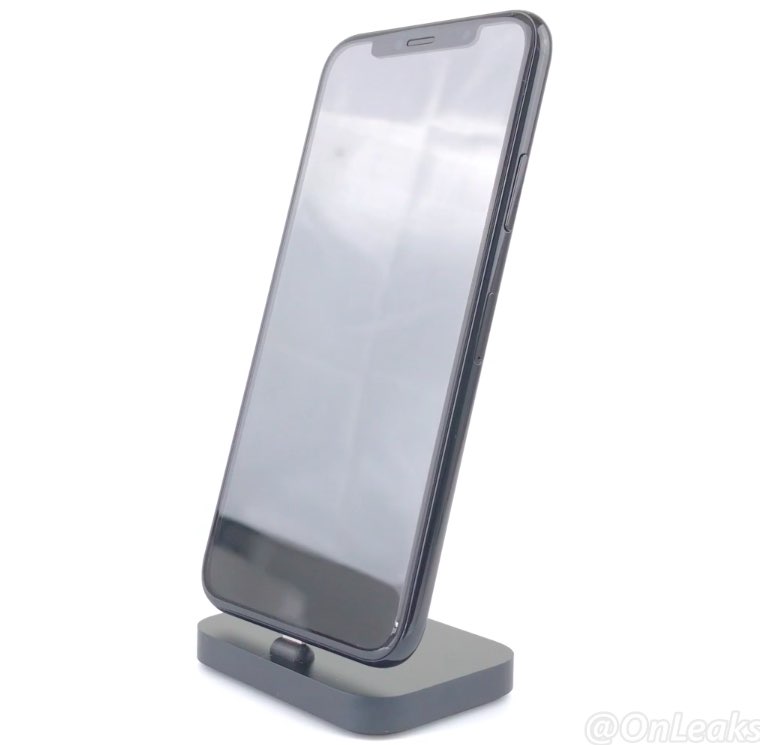
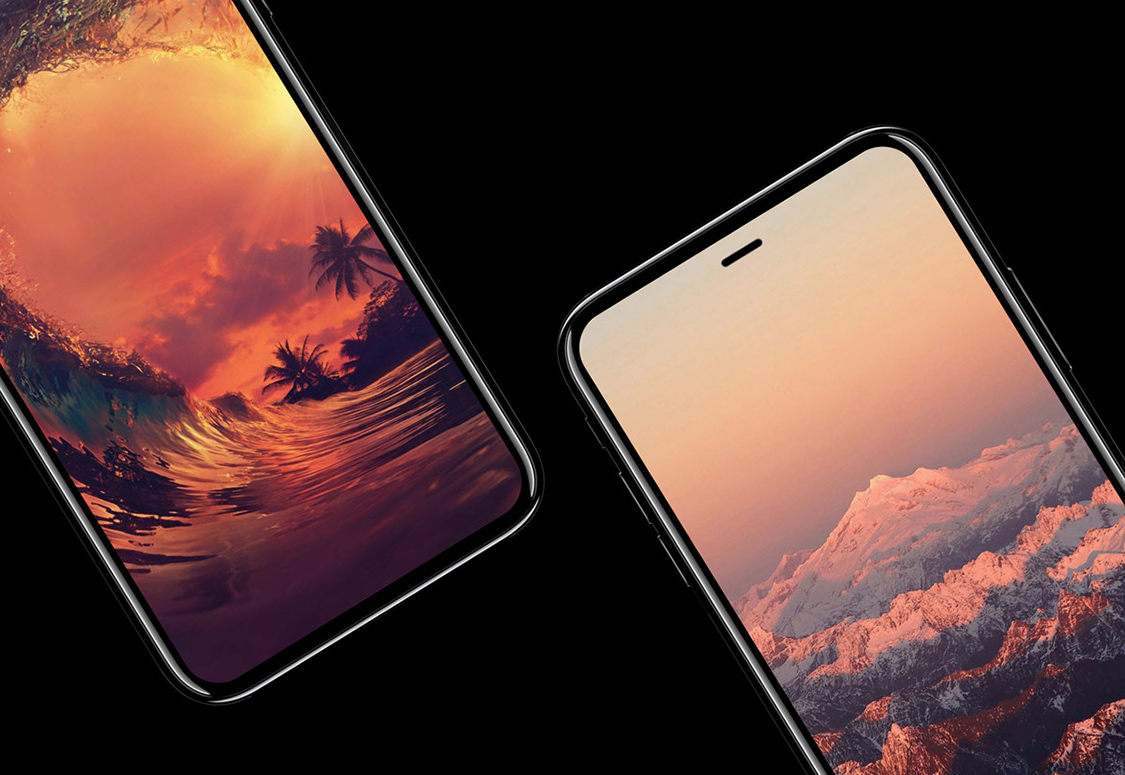
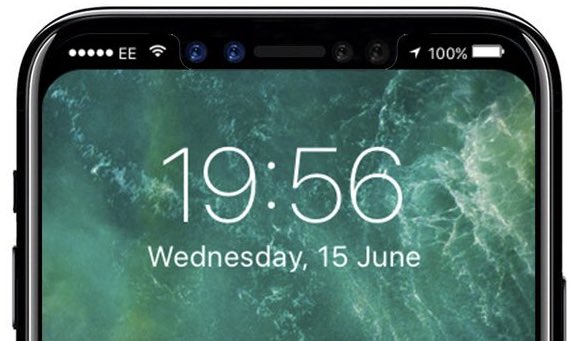
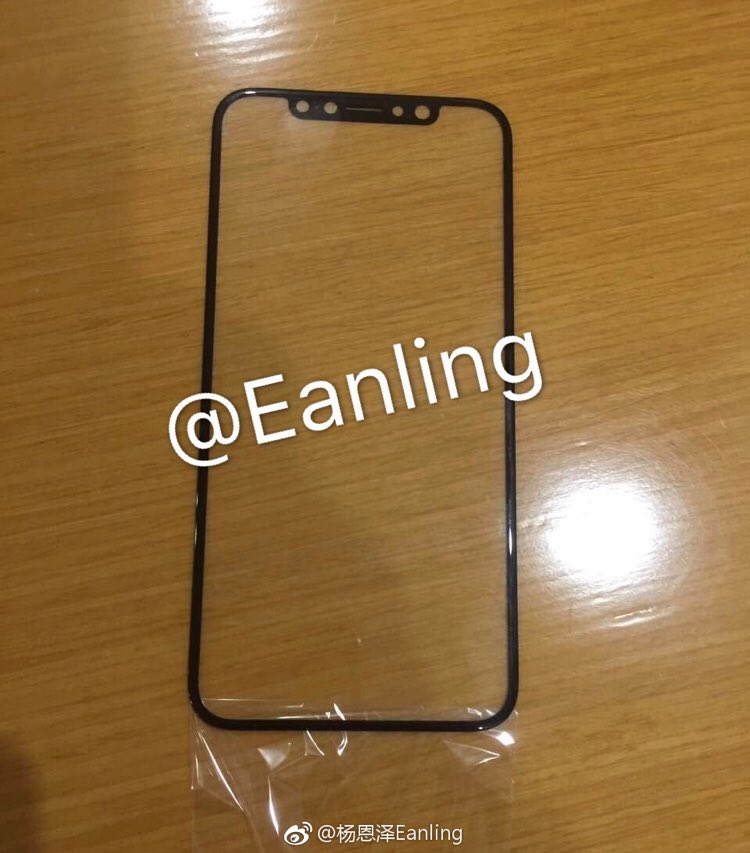
The flagship device is expected to sport the highest screen-to-body ratio, ditch the physical Home button and reduce or completely eliminate the top and bottom chin.

Yuanta Investment Consulting said shipments of 2017 iPhones will reach 90 million handsets, half of which will be OLED models.

As for the iterative iPhone 7s and iPhone 7s Plus updates coming down the pike this year, these devices will continue to sport LCD screens like prior iPhone models.

Nikkei added that the iPhone 7s and iPhone 7s Plus models will be sold into early 2019. In other words, panel vendors will still be able to supply LCDs for older Apple handsets next year and well into 2019.

How to adjust the intensity of bright colors on iPhone and iPad

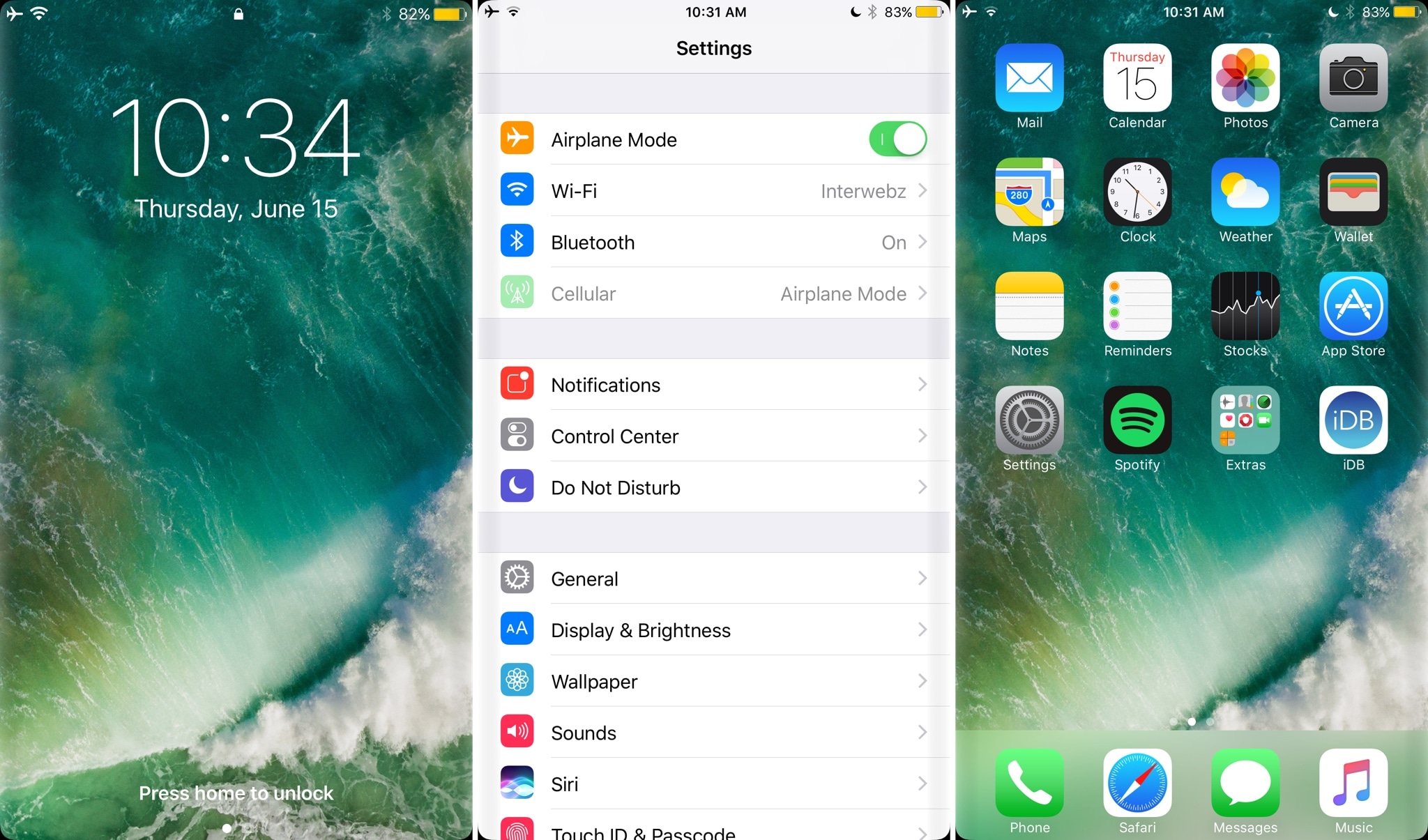
Since iOS 7.1, Apple's mobile operating system has included a feature that allows you to manually adjust the display's white point to your liking. A white point, also known as reference white or target white, defines the color white in reproduction.

Lowering the white point makes bright colors on your iPhone, iPad or iPod touch's screen more intense. Conversely, increasing the white point reduces the intensity of bright colors, thereby helping extend the run time of your iPhone or iPad.

The ability to manually adjust the white point so that it matches a white surface in your room is particularly handy for owners of devices that lack Apple's True Tone display technology.

How to adjust the intensity of bright colors on iPhone and iPad

1) Launch the Settings app on your device.

2) Tap Accessibility.

3) Tap Display & Text Size underneath the Vision heading.

4) Slide the button labeled Reduce White Point to the ON position.

5) Now drag the slider underneath the button to the right to make bright colors less intense or move it to the left to lower the white point, which will make bright colors more intense.

Reducing the intensity of the screen's battery-hogging backlight by increasing the white point is one of the nearly dozen proven ways to save battery life on iPhone and iPad.

TIP: To get to this feature faster, set it as a triple-click Home button action in Settings → General → Accessibility → Accessibility Shortcut.

Again, don't confuse Reduce White Point with the True Tone feature.

True Tone ≠ Reduce White Point

What exactly is the difference between True Tone and Reduce White Point?

True Tone is Apple's display technology currently found on iPad Pro models which changes the white point of the display on the fly while simultaneously adjusting brightness in order to compensate for the lighting in the environment

The Reduce White Point option does not take advantage of the ambient light sensors in your device like True Tone does. As a result, you cannot tell your device to adjust the white point of its display dynamically to match the current lighting conditions in a room.

Put simply, should lighting conditions change you'll need to repeat these steps to manually recalibrate the intensity of bright colors for the current ambient lighting.

Have you ever wanted to set the screen brightness on your iOS device below the normal threshold? If so, the Low Light filter in your Zoom accessibility settings is your friend.

Need help? Ask iDB!

If you like this how-to, pass it along to your support folks and leave a comment below.

Got stuck? Not sure how to do certain things on your Apple device? Let us know via help@iDownloadBlog.com and a future tutorial might provide a solution.

Submit your how-to suggestions via tips@iDownloadBlog.com.
Supposed iPhone 8 screen frame leaks

Last night, prolific smartphone leakster Benjamin Geskin published an image on his Twitter, reportedly obtained from a Foxconn source, which he claims represents a screen frame holding the iPhone 8's OLED display and rumored glass sandwich design together.

The leaked screen bracket lacks any Home button placement because iPhone 8 is widely expected to adopt a virtual Home button in a so-called function area at the screen bottom.

The presumed iPhone 8 part has a large circular cutout at the top.

The cutout could house additional ambient light sensors to make the OLED display of iPhone 8 True Tone-capable or it could be for a rumored 3D sensor for advanced facial recognition, improved selfie quality, 3D mapping and other features.

According to KGI Securities analyst Ming-Chi Kuo, iPhone 8 will feature “the highest screen-to-body ratio of any smartphone currently available worldwide” and no in-screen Touch ID.

Corners just don't look right to me—they're too rounded and radius is too small, looking more like Samsung than Apple design. I think this is a Note 8 bracket, but that's just me.

Feel free to share your own observations in the comments section below.

Samsung to build world’s biggest OLED display manufacturing plant

Samsung is planning to build the world's biggest OLED display manufacturing plant that could kick off volume production in 2019, with a peak yield of between 180,000 and 270,000 OLED display panels per month, according to industry sources.

By comparison, the company's existing “A2” factory currently produces 180,000 units of rigid and flexible OLEDs per month.

Samsung Display, the South Korean conglomerate's display-making arm, will invest more than $1.75 billion just to construct the new plant. The report is relevant to our readers because Samsung Display is believed to be an exclusive provider of OLED panels for iPhone 8.

When operational, the company's new OLED factory, tentatively named “A5”, should have 30 percent higher production capacity than Samsung current biggest factory called “A3”, according to Korean outlet ETNews.

The site added that Samsung began expanding capacity of its upcoming “A3” factory during the second half of 2015 in order to meet Apple's order for a large amount of OLED panels.

According to the report, Samsung Display has secured production capacity of 135,000 OLED panels per month over the next two years, primarily to serve the needs of its two biggest clients: Apple and Samsung Electronics.

iPhone 8 Full Vision Display concept courtesy of iFanr.

Limited OLED availability could hold back iPhone 8 launch sales

iPhone 8 production has allegedly hit another roadblock, with a sketchy report Tuesday by Taiwanese outlet DigiTimes suggesting the supposedly limited availability of 5.8-inch OLED display panels could hold back the phone's launch sales.

Citing industry sources, the trade publication says it'll be difficult for Apple to ship up to 60 million OLED-based iPhones in 2017.

“Only 3-4 million OLED-based new iPhone devices will be ready for shipping before the new smartphones are unveiled at a product event slated for September,” reads the article.

The publication did not give the reason for the allegedly limited OLED screen availability beyond stating that yield rates at assembly plants and the supply of OLED panels are “likely to become issues” for the Cupertino firm.

Take the report with a few grains of salt because Samsung Display recently negotiated a lucrative supply deal with Apple to build at least 80 million OLED panels for iPhone 8 in 2017.

In fact, the South Korean conglomerate is said to be supplying OLED screens for both iPhone 9 in 2018 and a yet-to-be-disclosed Apple device with a screen measuring 6.5 inches diagonally, as per The Korea Herald.

Besides, iPhone assemblers Foxconn, Pegatron and Wistron have been stepping up efforts to recruit more workers for their assembly lines in China, indicating that volume production of iPhone 8 is about to kick off.

On top of that, Apple's key chip supplier Taiwan Semiconductor Manufacturing Company saw its revenues surge twenty percent sequentially in May, partly driven by shipments of iPhone 8's A11 processors to Apple.

iPhone 8 mockup top of post via Benjamin Geskin

This iPhone 8 screen protector has noticeably thin bezels

Smartphone leakster Benjamin Geskin today tweeted out a few images and a video of an alleged tempered glass screen protector for Apple's OLED-based 5.8-inch iPhone 8.

First posted on Chinese social network Weibo and originally re-posted on SlashLeaks, it has noticeably thin bezels and a minor cutout at the top for the camera and the sensors.

As evidenced by the images, the accessory matches up the rumored dimensions and design schematics of iPhone 8 perfectly. It should be said that vendors often design accessories for unreleased Apple products based on rumors, so take this one with a grain of salt.

The screen protector is made by Olixar and can be purchased via MobileFun for $32.

https://www.youtube.com/watch?v=khCLSSpTpto

According to the product's listing, the accessory features edge-to-edge design with a 2.5D rounded edge and includes support for Apple's 3D Touch pressure-sensing technology.

S8Edge simulates the aesthetics of Samsung’s S8 Infinity display on iPhone

Whether you're coming to the iPhone from the Samsung world or you just like the look and feel of Samsung’s latest smartphone displays, a new free jailbreak tweak called S8Edge by iOS developer Bruno Andrade helps you feel right at home by simulating the Samsung S8 Infinity display on your flat-screened iPhone.

The tweak accomplishes its task by rounding the corners of everything displayed on your screen and adding a darkened gradient to both side edges of your screen that help reproduce the look and feel of the Samsung S8 Infinity display when looking at it head-on.

10.5″ iPad Pro screen protector surfaces ahead of rumored WWDC announcement

A screen protector for the rumored 10.5-inch iPad Pro has surfaced on Amazon ahead of Apple's WWDC keynote on Monday. It's made by popular accessory manufacturer Anker and is available for overnight delivery.

It's not unusual for accessories like this to pop up ahead of expected device announcements, but for a company as large as Anker to feel confident enough in pre-lease info to advertise and ship them is far less common.

Apple is widely believed to introduce a new 10.5-inch iPad on stage during its keynote next week. The tablet is said to have a footprint the same size as the 9.7-inch iPad, with slimmer bezels, and various other upgrades.

There are two customer reviews here: 1 5-star review where the user said they purchased this for the new iPad, and 1 1-star review where the user apparently tried to cut it to fit a smaller tablet. It's glass, so it...shattered. Weird.

Noted Apple analyst Ming-Chi Kuo gives the rumored iPad a 70% of being unveiled next week, and multiple reports claim Apple has ramped up production on the device. We've also seen alleged cases for the 10.5" tablet.

Join us Monday for full coverage of Apple's WWDC keynote and all subsequent announcements.

Source: Amazon via 9to5Mac