Safari

macOS Mojave 10.14.4 enables automatic Dark Mode on websites with black themes

Safari on the macOS Mojave 10.14.4 beta, which was released last week, permits websites to automatically adapt their styling to complement Mojave's dramatic new Dark Mode.

Apple in October put out Safari Technology Preview 68 with support for the prefers-color-scheme media query for styling dark mode content. This experimental feature's now made its way into the Safari browser that ships in the macOS Mojave 10.14.4 developer beta.

Websites that support dark themes still appear white in the current macOS Mojave 10.14.3...

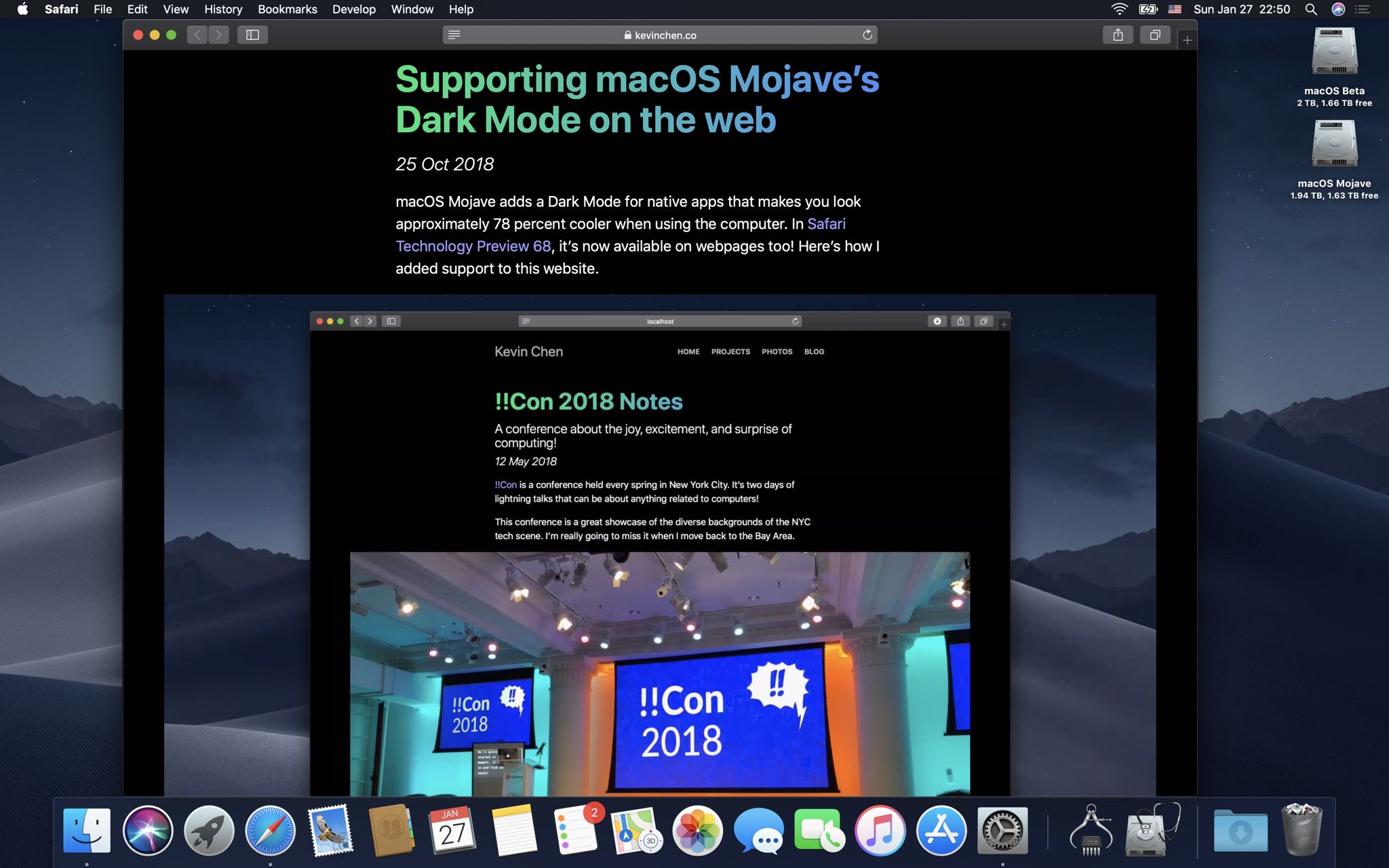
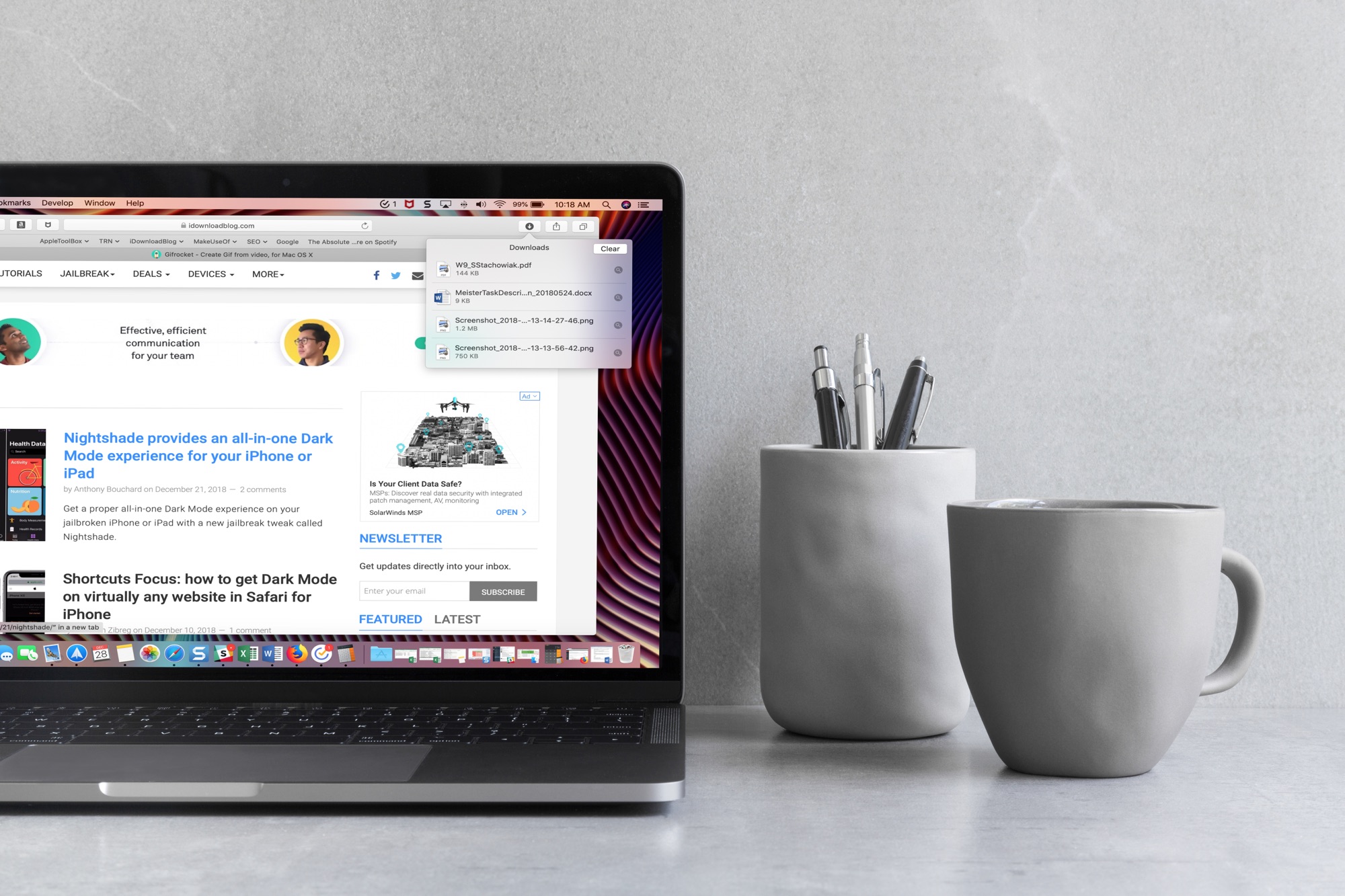
This super-useful feature can be manually enabled or disabled in Safari's Develop menu under Experimental Features → Dark Mode CSS Support, as shown top of post. However, That option is nowhere to be seen in the current macOS Mojave 10.14.3 software.

...but on MacOS Mojave 10.14.4 they automatically adapt to OS appearance.

When macOS Mojave 10.14.4 releases, turning on Mojave's Dark Mode in System Preferences will now change the styling on websites you visit accordingly. This will, of course, require web developers to implement black themes and adopt the new media query.

If you have the macOS Mojave 10.14.4 beta installed, you can try this out yourself by visiting Kevin Chain's example webpage, then switch between Light and Dark mode in System Preferences to see the website automatically apply an appropriate theme.

Again, this does not work in Safari on macOS Mojave 10.14.3 and earlier.

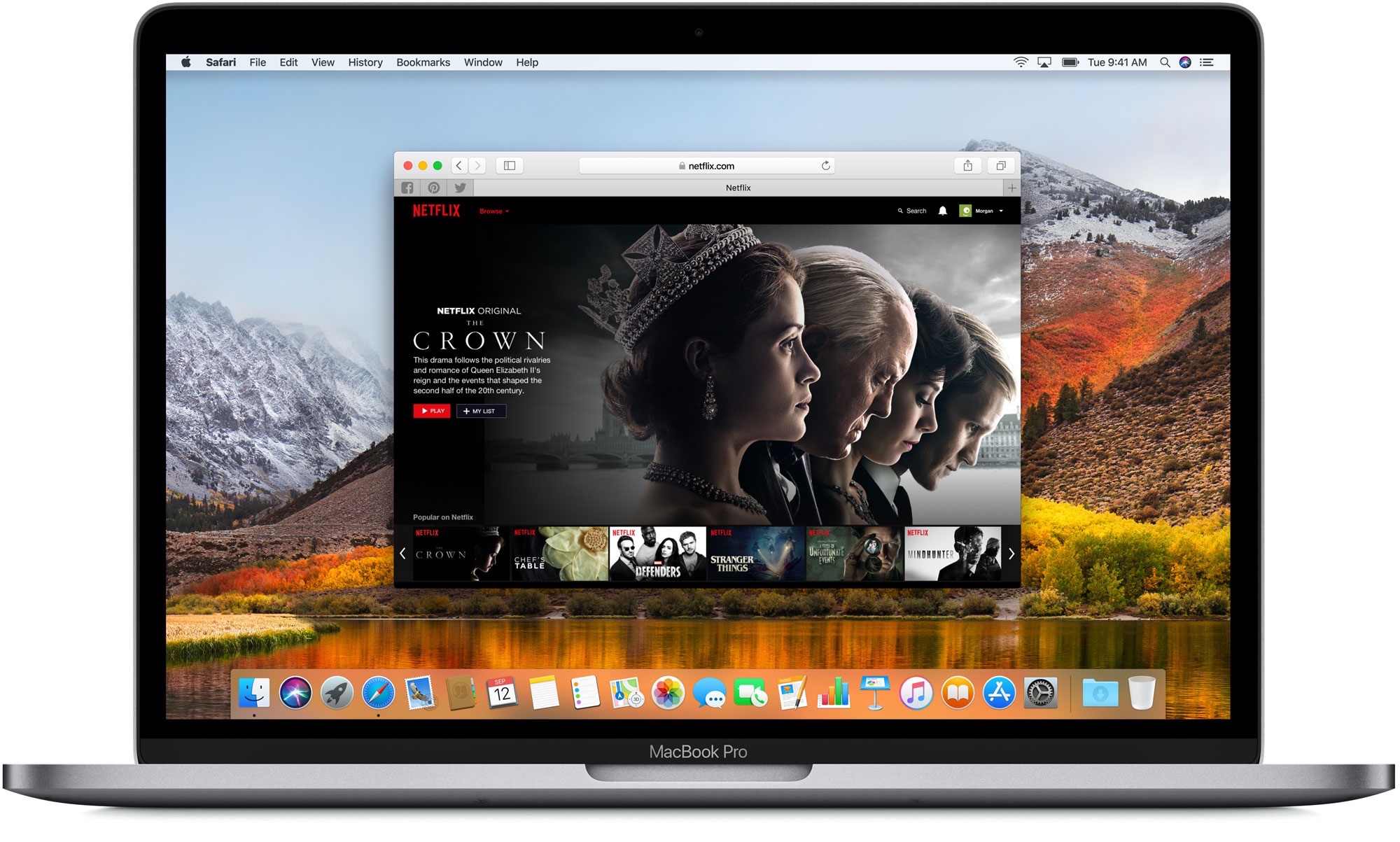
A white webpage looks out of place when Dark Mode in the current Mojave version is on.

Safari Technology Preview gives you an early look at upcoming web technologies in macOS and iOS. Anyone can install it alongside the regular Safari and use them interchangeably.

This looks more like it, however. Courtesy of Safari on macOS Mojave 10.14.4.

The biggest annoyance with Mojave's Dark Mode currently is Safari's lack of support for the new media query. With macOS Mojave 10.14.4, Apple's web browser will finally be able to allow websites to automatically cycle their styling for Light and Dark system appearances.

TUTORIAL: How to get Dark Mode on any website with Siri Shortcuts

Dark Mode in Mojave transform your desktop into a darkened color scheme that puts the focus on your content. It changes the look of built-in apps like Mail, Messages, Calendar and more. An official API permits developers to do the same for their own apps.

What you'll find embedded below is a very cool comparison between automatic theme switching on websites when cycling between Dark and Light Mode in MacOS Mojave 10.14.4.

Just drag the vertical slider to see it in action.

Since macOS Mojave was released to the public in September, numerous apps have added support for the system-wide Dark Mode, including 1Password, HazeOver, Spark and more.

Dark Mode is officially unsupported on iOS, but a number of popular apps have adopted dark themes internally. Because there's no OS-level support for Dark Mode in iOS 12, users must manually turn on a darker interface in their favorite app, provided it supports it.

Dark Mode in Bear Notes for Mac.

Be sure to check out Apple’s list of the top apps that feature darkened or pure black interfaces. A fan-made website over at Darkmodelist.com highlights more than 70 iPhone and iPad apps with custom dark themes along with screenshots.

Apple's App Store list of apps with black themes.

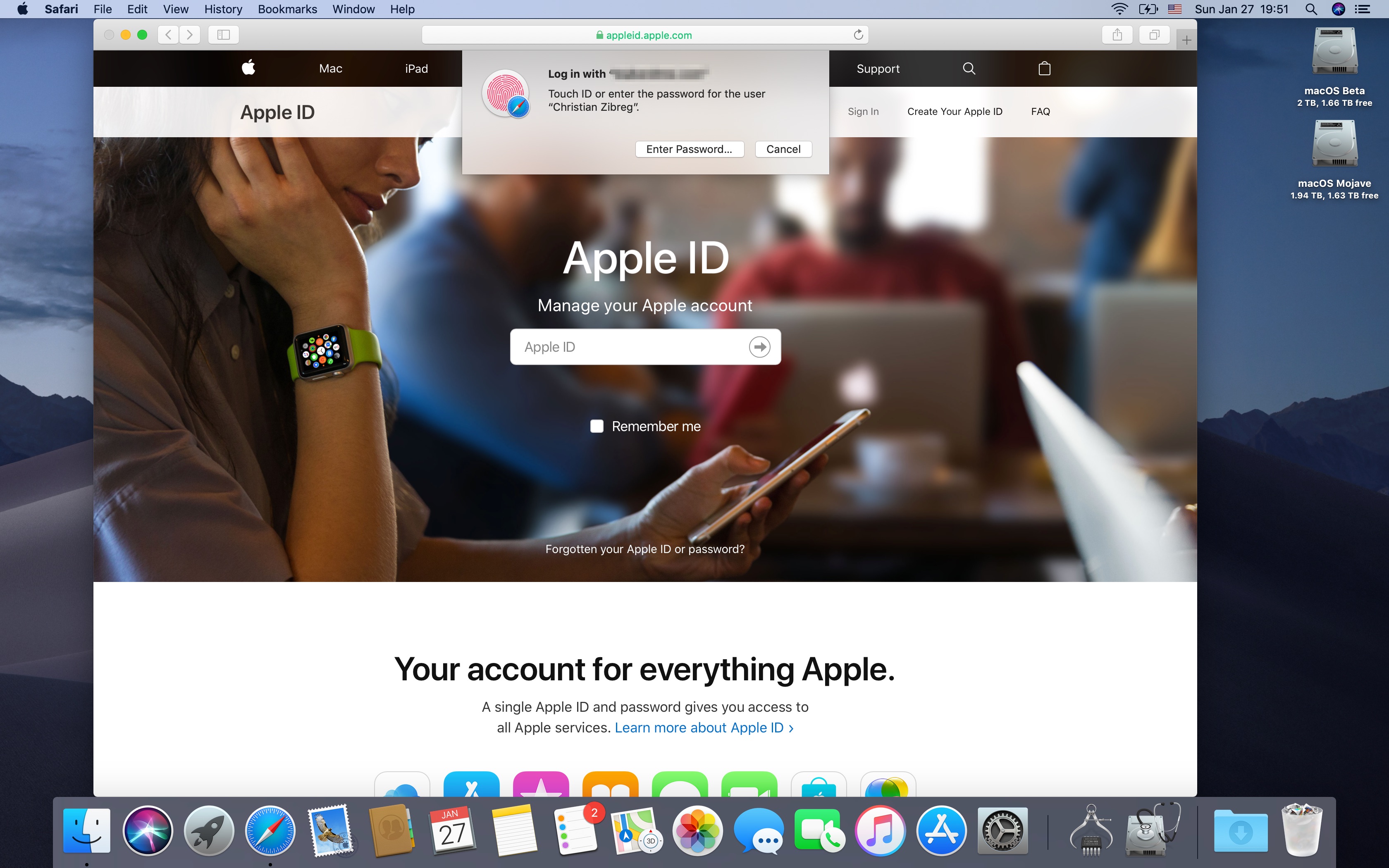
macOS Mojave 10.14.4 will also bring support for Apple News in Canada and the ability for Safari to automatically fill in your saved passwords with a touch of the Touch ID button.

The software update should releases to all users in a few weeks.

Are you looking forward to Safari's support for Dark Mode styling on website?

Let us know by leaving a comment down below!
Umbreon: A customizable Dark Mode for web pages in iOS

While most Dark Mode-oriented jailbreak tweaks support iOS’ native app interfaces, the vast majority lack support for the various web pages you might visit while surfing the web.

Two tweaks launched in September, dubbed Deluminator and Nebula, were some of the first to bring a full-featured Dark Mode experience to web pages in particular. But now, a new release called Umbreon by iOS developer Soh Satoh accomplishes this same goal while providing some additional customizations.

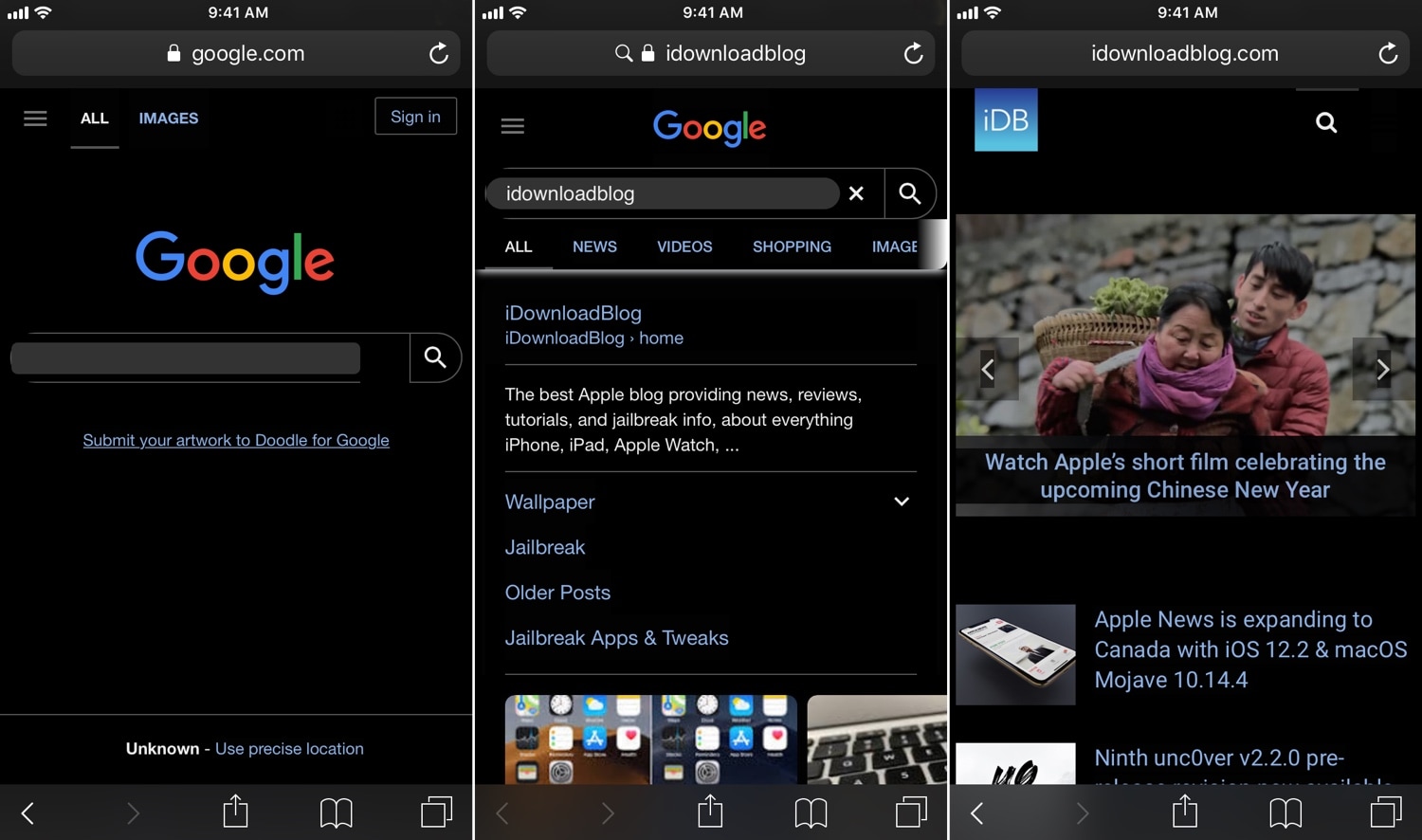
In the screenshot examples above, you can see how white backgrounds on most web pages are darkened to reduce the eye-searing effect that’s typically endured while browsing the internet in a dark environment. Umbreon should play nicely with most standard web pages, but there are some instances where a web page won’t be fully compatible.

After you install Umbreon, you’ll find an extensive preference pane in the Settings app where you can configure the tweak to your liking:

Here, you can:

Toggle the tweak on or off on demand Enable Dark Mode for web pages Combine custom CSS formatting with Dark Mode CSS Select different apps to disable features in Configure a CSS injection delay Toggle gray background instead of black for Dark Mode Enable web image brightness adjustments Use a slider to set a custom image brightness level Enter custom Dark Mode CSS styling if you don’t want to use the default Toggle website filtering Choose whether filter is a black list or a white list Choose whether filter should exactly match URLs or guess websites based on name Inject custom JavaScript Toggle filtering for JavaScript injection

The developer includes a respring button at the top right of the preference pane that you can use to save your changes. You should use it any time you adjust the settings in this pane.

Compared to Deluminator and Nebula, it seems like Umbreon intends to offer more features to the end user, but its aesthetics aren’t as streamlined. As you can probably discern from our screenshot examples above, some website elements don’t render as expected, such as the Google search bar text field and the filtering tabs just above the Google search results.

Finally, we should mention that Umbreon looks best when paired with a core Dark Mode tweak, such as Eclipse or Nightshade; otherwise, you'd only be theming web pages and not the apps you use on a regular basis.

If you’re interested in trying Umbreon, then you can download it for $1.00 from Cydia’s Packix repository. The tweak is compatible with jailbroken iOS 10 and 11 devices. Any bugs should be reported directly to the developer such that they can be fixed promptly.

What are your thoughts about the versatility that Umbreon presents? Let us know in the comments section below.

Nightshade provides an all-in-one Dark Mode experience for your iPhone or iPad

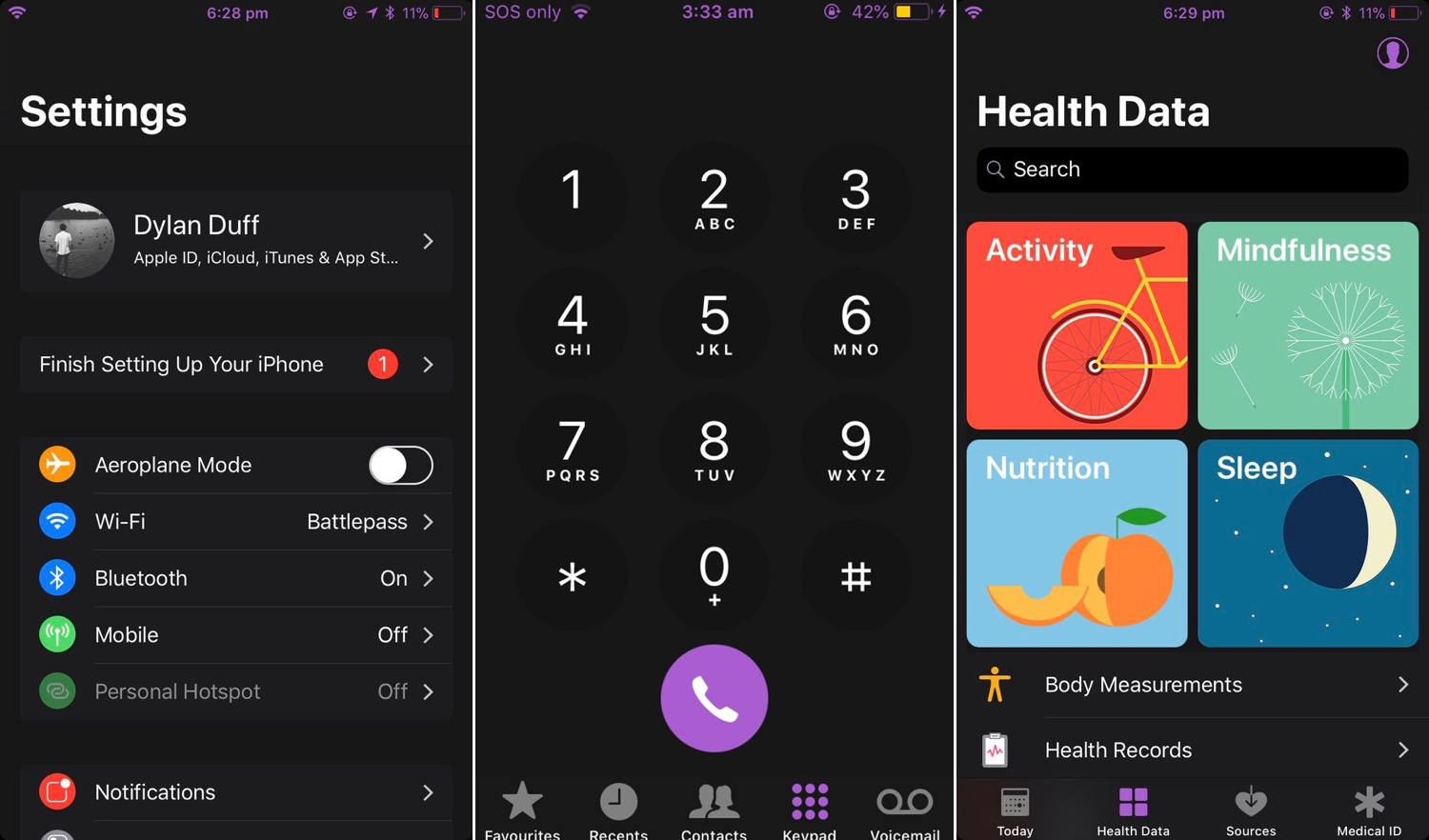
Dark Mode jailbreak tweaks have become quite the hot commodity among iPhone and iPad users, especially considering how Apple officially supports the feature on macOS. But wouldn’t it be nice to have a reliable all-in-one solution for all your apps and user interfaces rather than installing several jailbreak tweaks to achieve the same result?

If you answered ‘yes’ to that question, then you’re in luck; a new jailbreak tweak called Nightshade by iOS developer Dylan Duff promises ‘an all-in-one iOS Dark Mode’ that promises to ‘theme almost every aspect of the UI.’

Shortcuts Focus: getting Dark Mode on virtually any website

Darkened interfaces look good in apps, not so much on websites. The problem is, web content remains a major source of visual inconsistency as far as the popular Dark Mode feature is concerned. Thankfully, you can get a Dark Mode-alike environment on almost any website thanks to a handy Dark Mode V2 shortcut for your iPhone and iPad.

Linus Henze releases Safari-centric exploit targeting iOS 12.1 and earlier

Matrix code hacked iPhone.

It was only a few days ago that we learned about a sandbox escape PoC for iOS 12.0-12.0.1, and while it was just a proof of concept, there’s always the potential that a talented hacker could make use of it for future endeavors; perhaps even jailbreak development.

Fortunately, that’s not the only iOS 12-centric vulnerability floating around in the wild these days. As it would seem, a Safari-based exploit targeting iOS 12.1 and below (and macOS 10.14.1 and below) was also released this week by iOS tinkerer Linus Henze.

Powerful sandbox escape PoC for iOS 12.0-12.0.1 released

Matrix code hacked iPhone.

While there’s no official confirmation of any individual or team of people working on a public iOS 12 jailbreak, it seems that we could be one step closer as of Tuesday.

Citing a post published on /r/jailbreak, it appears that a powerful sandbox escape proof of concept for iOS 12.0-12.0.1 has been released, fueling speculation that a public jailbreak tool could be crafted in the future with support for Apple’s latest and greatest mobile operating system. Notably, the exploit is patched in iOS 12.1.