Rumors

Is the rumored Siri speaker on cannibalization course with Apple TV?

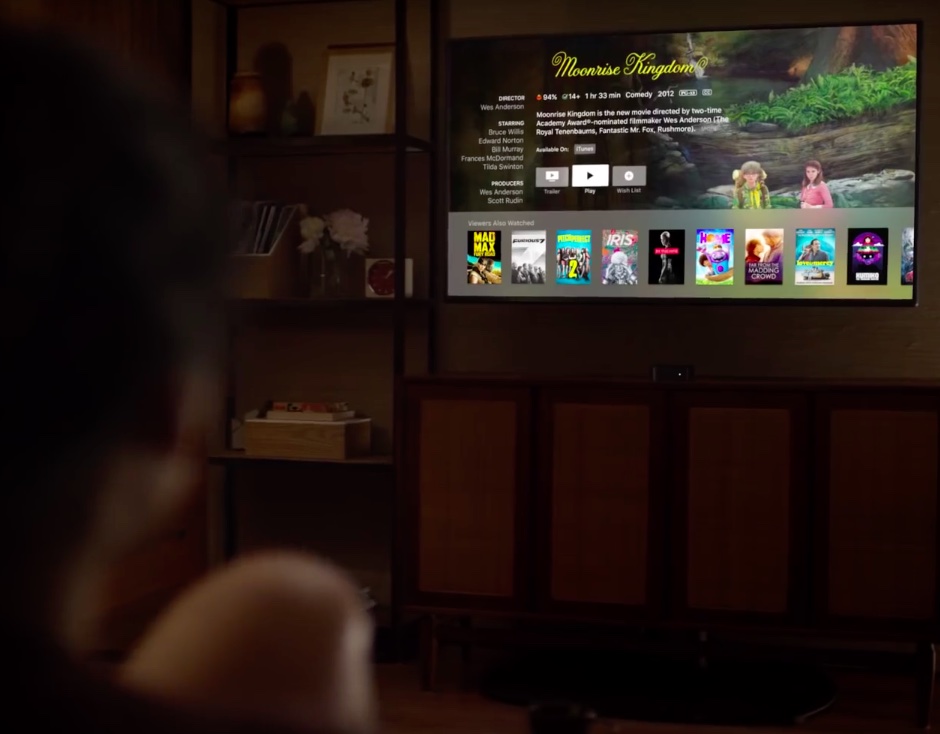
It’s only two more weeks until WWDC '17, which means crunch time for experts and armchair analysts alike. A popular topic of gossip around this time of the year relates to one of Apple's less pompous devices, one that’s been marketed for years as our low-key living room hub, as Siri on the couch and more recently as the silent orchestrator of our smart home.

Fittingly, chatter of that kind is indeed coming to a head again, yet before you rub your eyes and wonder how you could have missed the news of a 5th generation Apple TV, this time the similar sounding rumors swirl around a brand new device, the alleged Siri speaker. My cheap attempt at having you mix up the two devices for a brief moment there admittedly wasn’t a real zinger, however it does typify a potentially sticky situation for Apple: at least on grounds of what we presume to know, we - the customers - would be forgiven for mistaking the two on the fly.

If we indulge in a sketchy juxtaposition of each devices’ (purported) capabilities, it quickly begs the question of what we have been overlooking so far. It is declaredly fishy to make inferences about a device that is all but fictitious to this date, nevertheless there are pieces of information we can glean from competitors' devices like Amazon’s Alexa, as well as telling interview snippets straight from the horse's mouth. Does that make a comparison of the Siri speaker and Apple TV less premature or ill-founded? Probably not, but jotting down what we (think to) know does become insightful when we try to ascertain the spaces the two products are likely going to occupy in the customers’ minds and households. What's the insight? Well, they could have a hell of a lot in common.

Always provided we don’t fail to understand the alleged Siri speaker correctly, the large overlap in features is on all accounts eye-catching. Both devices fundamentally vie for a central spot in your home, both offer to AirPlay (most of) your media, both boast Siri and HomeKit integration. The putative fork in the road is that unlike Apple TV’s focus on visual media, Siri speaker’s backbone will reportedly be advanced Siri capabilities and the simple fact that it will serve as a standalone speaker with formidable acoustic performance.

All these things considered though, is this going to be a unique enough selling proposition? It is clear that no product in Apple's line-up sits as brazenly in the spot of the new arrival as Apple TV does. If this was a game of musical chairs, and the music stopped playing on June 5, Apple TV would be defiantly hogging the one spot designated for the shiny new speaker. Naturally, this opens the door for product cannibalization in either direction, and that's where things get juicy. The implications for both products and their strategies mid to long term are plentiful. In my book, there's three possible outcomes to speak of: the two product lines (keep) selling like hot cakes, them selling like damp and cold cakes, or the two lines merging into one. The determinant? The speaker’s x-factor, or lack thereof.

Which cake are you going to sell, Apple? 

Option 1

The most lucrative (and arguably still most probable) outcome in this tale of two devices is for Apple to quietly have a Siri speaker killer feature up their sleeve. It goes without saying that we’re dealing with hypotheticals and it could plainly be the case that we don’t know jack. In order to establish and sustain strong sales for both Apple TV and the new assistant, the latter would have to come up with some seriously innovative ideas; ideas that make the device indispensable to your household, without raining on your Apple TV’s parade.

What could that look like? In one of our previous podcast episodes of Let's Talk iOS, we have speculated about built-in security features, but realistically your guess is as good as ours. Two distinct devices with two distinct purposes would entail little overlap, and in turn minimal cannibalization.

Option 2

The cold cake theory is that analysts have indeed pretty much figured out the device prior to release and there is no blind spot on our radar. In other words, the overlap is real. Such being the case, potential customers would in all likelihood wind up pitting the two devices against each other and ultimately picking the one that comes closest to fitting their needs.

This route would most definitely spell product cannibalization, since only the hardcore would entertain both devices at home, plus the mere existence of Apple TV could already hamper the launch success of the Siri speaker. By the same token, current Apple TV owners could be swayed towards a more mobile AirPlay station and the existing customer base would effectively be split in halves. Before they know it, both devices could be relegated back to the company’s ominous ‘hobby’ status.

Option 3

Lastly, the new Siri speaker could (organically or forcibly) usurp the role of Apple TV at some point down the line. Once launched, the people will vote with their wallets and it is not a stretch to imagine a smarter, more capable home hub by Apple outsell and eventually dwarf Apple TV. If a chunk of Apple TV owners in addition migrated to the Siri speaker, the product line itself would barely be feasible for much longer.

As a result, Apple could easily equip the more potent Siri speaker with streaming functionalities as soon as the tide has turned in the device’s favor. Customers would no longer have to weigh up two similar-but-different products, but rather purchase the same one and thereafter decide the role it will play in their household. Coffee table device or television box, whatever they see fit.

What's your take?

One way or another, the reported new arrival is going to make massive waves at and after WWDC 17. Are we witnessing the quiet axing of Apple TV or not? What's Apple's secret ingredient for the Siri speaker going to look like? Not much longer until we will know, so place your bet in the comments now!

Bloomberg: upgraded MacBook lineup coming at WWDC next month

Upgraded MacBook Pro models along with a second-generation twelve-inch MacBook Air with a faster Intel chip and possibly a refreshed MacBook Air are all reportedly coming at Apple's annual conference for app developers next month.

Bloomberg claimed Tuesday that MacBook Pro will get a faster Intel Kaby Lake processor. A new version of the current twelve-inch MacBook would pack in a faster Intel chip, too.

It should be noted that the Mac maker hasn’t announced new hardware at WWDC since 2013, when it launched Mac Pro and updated MacBook Air.

Apple and Intel declined to comment.

Here's a brief overview of the rumored MacBook upgrades:

MacBook Pro—The same looks as the latest model, but with Intel's faster Kaby Lake chips and updated internal architecture. It's unclear if Apple's rumored internally designed ARM-based chip for managing low-power mode is part of the new models. 12-inch MacBook—Last updated in spring 2016 with a rose gold color option, the ultra-thin machine will get a faster Intel chip. MacBook Air—Apple's cheapest laptop has not received a speed boost since 2015, but its sales remain “surprisingly strong”. The company “has considered updating” the MacBook Air notebook with a new processor.

Fun fact: it's been almost seven years since Apple last redesigned the popular Air.

In the March quarter, Apple sold 4.2 million Mac desktops and notebooks, generating fourteen percent more revenue on these systems than in the year-ago quarter.

Previously, it pledged to release a modular Mac Pro system, all-new pro displays, refreshed Mac mini models and major upgrades to its all-in-one iMac desktop with better specifications.

As mentioned, the upgraded Mac notebook lineup may be announced during Apple's WWDC keynote, which takes place on Monday, June 5, at 10am Pacific Time.

Asides from previews of the next major versions of iOS, watchOS, tvOS and macOS, Tim Cook & Co. may provide other updates during the keynote address, including announcements related to the company's rumored AI-driven Siri smart speaker, 10.5-inch iPad Pro model, 4K-capable Apple TV and the discontinuation of the iPad mini lineup.

Apple rumored to discontinue iPad mini

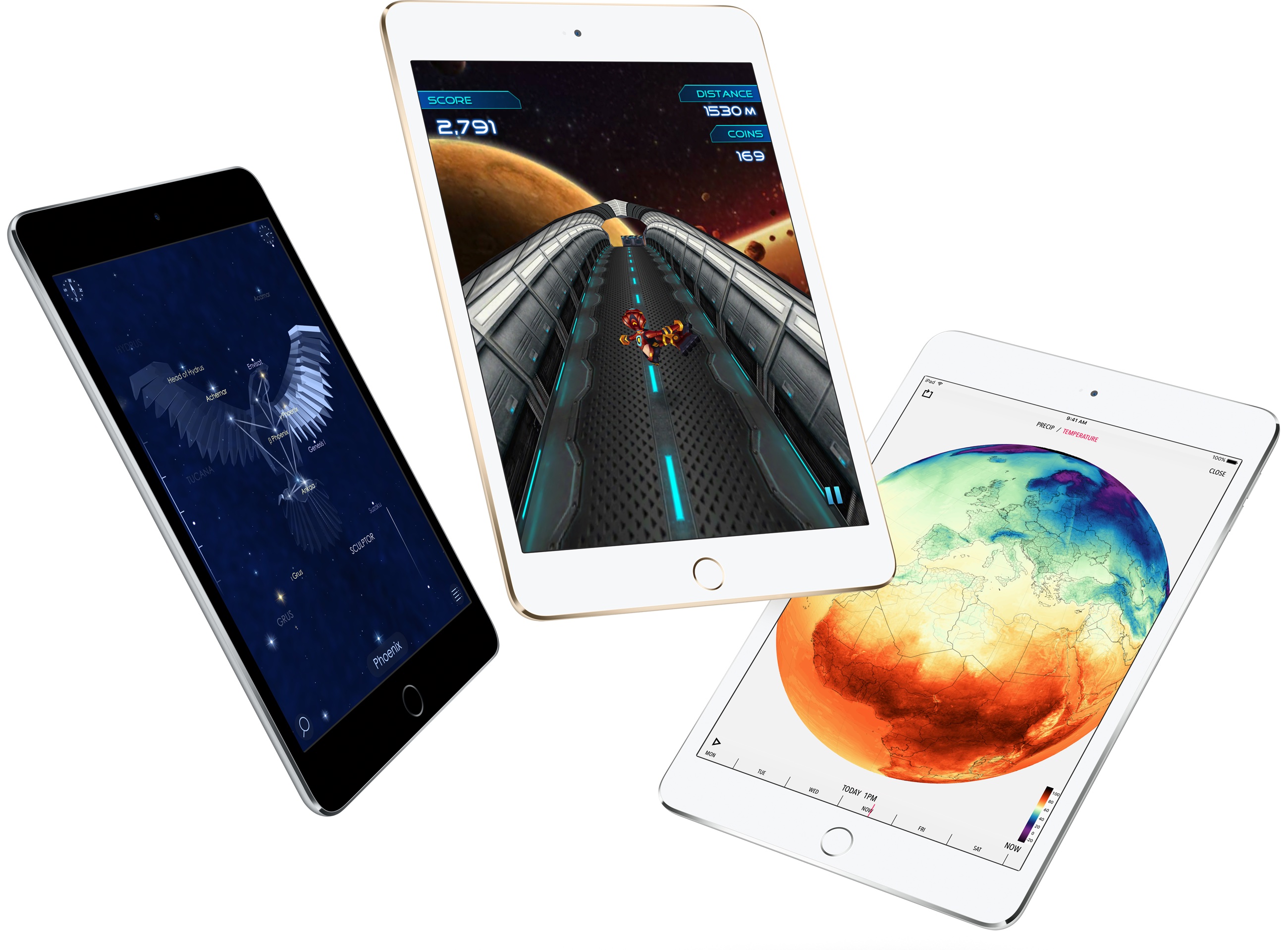
First introduced in 2012, Apple’s 7.9-inch iPad mini won't be updated going forward because the company is phasing out the device due to decreasing sales. A source close to the iPhone maker told BGR there’s “fierce cannibalism of Apple's own products” and that the iPad mini lineup has just been “sized out of its own category.”

The report does not detail when the device might be discontinued.

“We’re also told that the numbers are 'very clear' as far as sales are concerned, which is most likely the biggest reason the company plans to eliminate the littlest iPad,” reads the article.

Following the introduction of the new 9.7-inch iPad model in March 2017, Apple phased out both the original iPad mini and iPad Air 2 models.

Apple could unveil a new 10.5-inch iPad Pro at its annual developers conference next month. It's perfectly plausible that iPad mini won't be featured on Tim Cook's “2017 iPad lineup” slide.

The Cupertino company currently offers iPad mini 4 with Wi-Fi and 128 gigabytes of storage for $399. An LTE-enabled model goes for $529. Apple killed the 32-gigabyte iPad mini 4 edition after debuting the new 9.7-inch iPad model.

Japanese blog Mac Otakara claimed last October that Apple could release a fifth-generation iPad mini and market it as the 7.9-inch “iPad mini Pro.”

At any rate, iPad mini made a great choice for budget shoppers.

But with the September 2014 introduction of larger-screened iPhones, iPad mini has slowly but surely been losing its allure as a device that's perfectly suited for light tasks such as reading, checking email, browsing the web, gaming, messaging and so forth.

Should Apple discontinue iPad mini?

Post a comment below to let us know!

Instagram rolls out selfie filters, rewind option for videos, hashtag sticker & eraser brush

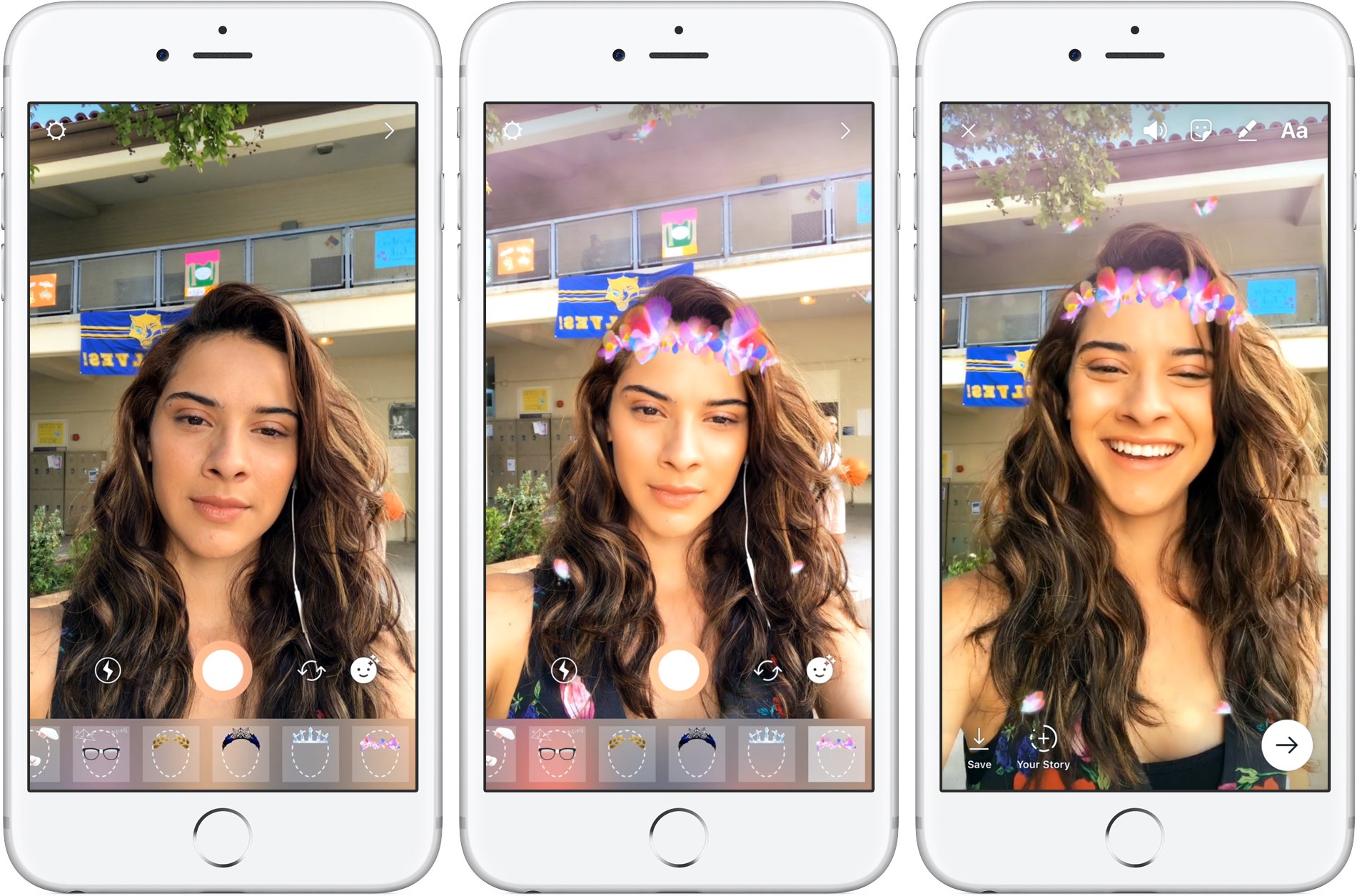
Instagram today announced several new capabilities for its mobile app, including selfie filters via the front-facing camera in what appears to be yet another effort to copy the last big Snapchat feature. Aside from face filters, Instagram 10.21 also includes a rewind playback option for videos, a new hashtag sticker an an eraser brush tool.

Face filters

With all-new face filters in the Instagram camera, you can turn an ordinary selfie into something fun and entertaining. A total of eight different face filters are included at launch, with more to be added at a later stage via future updates. To get started with this feature, tap the new face icon in the bottom-right corner of the Instagram camera.

Simply tap a filter to try it on.

The filters include effects ranging from math equations swirling around your head to furry koala ears that move and twitch. “Whether you're sitting on the couch at home or out and about, face filters help you express yourself and have playful conversations with friends,” noted the Facebook-owned company.

https://vimeo.com/217551217

Some of the filters work with a friend.

Moreover, all the face filters included in this edition of Instagram work with Boomerang, meaning you can now add an unexpected twist to the videos you share.

Rewind option for videos

Instagram also provides a new Rewind playback option for videos.

A new camera format next to “Boomerang” and “Hands-Free”, “Rewind” lets you share a rewind of your video. This mode captures your video normally, then makes it play in reverse.

Hashtag stickers

A new hashtag sticker joins Instagram's existing stickers and geofilters. To get started with it, tap the sticker icon in the top-right corner, then choose and customize the new hashtag sticker before adding it to your own Story.

Like with mentions, you can add hashtags using regular text as well.

Hashtag stickers are interactive: folks watching your Story can tap the hashtag sticker or text to visit the hashtag page and explore related posts.

Eraser tool

With the new eraser brush, you can remove parts of drawings or color.

Instagram advises selecting the fill tool after you’ve taken a photo or video to fill the entire screen with color. Then, using the new Eraser tool, you can easily and quite creatively reveal parts of your photo or video underneath.

These new features are available as part of Instagram 10.21 for iOS.

To learn more about these updates, check out Instagram's Help Center.

Instagram is available at no charge from App Store.

Apple is looking for a programming chief

Highlighting Apple's ongoing initiatives in terms of producing original shows, The Information reported yesterday that Apple has been looking for a programming chief to lead its video efforts across the company.

“HBO’s former programming head Michael Lombardo met with Apple executives earlier this year to discuss Apple’s video programming strategy,” a person familiar with the talks told author Tom Dotan.

While the iPhone maker has been looking to fill that particular role, it's unclear if Lombardo could be a candidate to run the company's video efforts. Lombardo left his role as HBO president and programming lead in early 2016 to become a producer.

He is currently producing a 10-episode scripted series for HBO, based on true events, because the executive now has a production deal with the network he departed just earlier this year.

The publication speculates that having a programming chief would signal to the entertainment community that Apple was serious about making its own shows and movies. The Cupertino company is working on several video projects for Apple Music members, including reality competition show “Planet of the Apps” and the “Carpool Karaoke” spinoff.

BGR: Next Apple Watch to use smart bands for game-changing diabetes treatment tech

Apple is reportedly working on a “game-changing” diabetes treatment technology for Apple Watch Series 3 which will allegedly use interchangeable “smart watch bands” said to contain specialized built-in sensors.

That's according to a source familiar with Apple’s plans who spoke with BGR. The iPhone maker has reportedly “identified the right part of the body and there’s so much more they can and intend to do with the watch,” said the source.

Jonathan Geller, who runs BGR, speculates that the glucose monitoring feature could use Apple's smart band system rather than being built into the watch hardware.

“Apple also plans to introduce interchangeable smart watch bands that add various functionality to Apple Watch without added complexity, and without increasing the price of the watch itself,” the author wrote.

30 million people suffer from diabetes in the US, as per the American Diabetes Association.

Currently, the only way to properly measure blood sugar levels is by using a blood sample or a device that penetrates the skin. That could change soon, if these reports are anything to go by.

Last week, CNBC learned that the Cupertino company has been developing non-invasive sensors that would continuously monitor blood sugar levels.

The super secret initiative is allegedly focused on developing optical sensors that would shine a light through the skin in order to measure indications of glucose.

Apple is even conducting feasibility trials at clinical sites across the Bay Area.

CNBC says Apple hired consultants to deal with regulatory approvals, yet another indication that these smart Apple Watch bands with built-in sensors could in fact see the light of day.

Apple is expected to preview a major new version of watchOS at WWDC next month.

Google could launch Assistant for iOS soon as a standalone app

After unveiling Assistant at Google I/O a year ago, the search giant is now expected to bring its AI conversational helper to iPhone and iPad in the form of a standalone app, AndroidPolice reported Monday. The app should be announced at Google's annual developers conference, which kicks off on Wednesday, May 17, at Shoreline Amphitheatre Mountain View in California.

Assistant for iOS will only be available in the US at launch, said a trusted source cited in the report. Assistant's SDK  was just made available to developers so bringing the app to Apple's mobile platform could encourage more developers to integrate with its functionality.

Here's an excerpt from the article:

The app would likely feature a blend of the "chat" style functionality in the Google Allo version of Assistant and the voice-controlled version found on Android, but again, details are scant.

Rather than roll out Assistant as a standalone app, Google could fold its functionality into the existing search app for iOS, which supports Google Now cards but not Assistant.

https://www.youtube.com/watch?v=Wsic12MXlsc

A company executive hinted two months ago that Google's general philosophy is that “we would like to have the Assistant available to as many people as possible.”

After debuting exclusively on Google's Pixel line of smartphones in October of last year, Google Assistant soon after made its way into into Google’s voice-activated speaker, called Home, the latest version of Android Wear and a few devices from third-party vendors.

It powers AI features in Google's messaging app Allo and will be at the heart of the new Android operating system for touchscreen car consoles and in-car infotainment systems.

You can expect the feature to become integrated over time into virtually every major device Google makes, as well as into its most important consumer-facing services and mobile apps.

Fully functional original iPad prototype shown on leaked photos

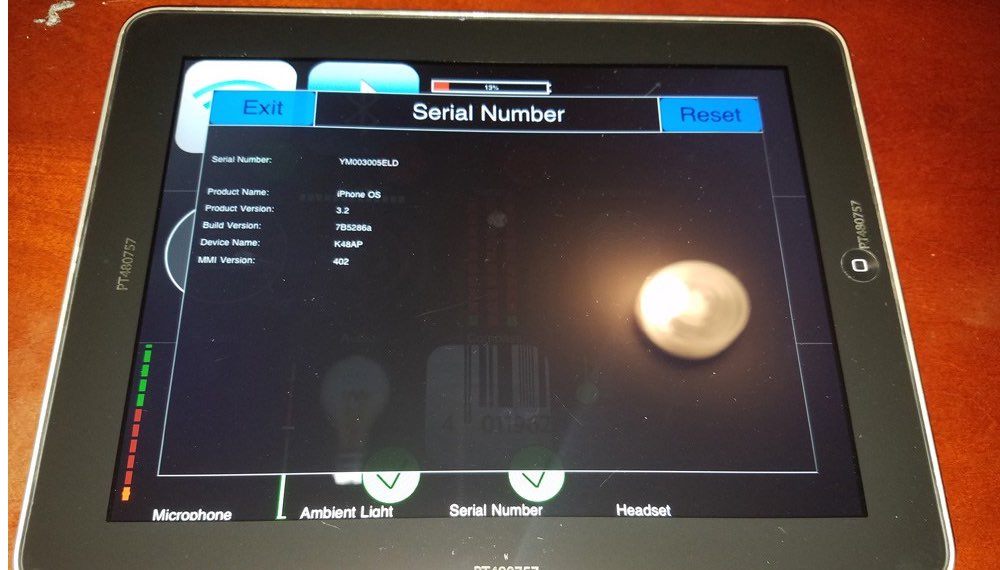
Australian leakster Sonny Dickson today shared claimed photographs that allegedly show a fully functional engineering prototype of Apple's original iPad model. You may remember Dickson as he was behind other leaks and in the past provided us with photographs of an early iPhone prototype with a click-wheel.

Dating back to six months before launch, the prototype unit shown on the images runs Apple's internal diagnostics software, called SwitchBoard. It was allegedly manufactured in January 2010, approximately six months prior to the launch of the device, Dickson told 9to5Mac.

“According to the owner, the unit was discovered several years ago in the Bay Area, enclosed in a thick metal case to disguise its appearance,” he said.

As you can see for yourself, the Apple logo on the prototype's rear side features some sort of etching.

Other things we can glean from the images include the prototype serial numbers, Apple Development Team prototype identification stickers, engineering asset tags identifying the manufacturer of each part, cutouts revealing the Wi-Fi antenna connections and more.

https://www.youtube.com/watch?v=knJNtkRyO9E

Subscribe to iDownloadBlog on YouTube

“On the front side of the iPad, the corresponding Development Team ID number is laser engraved into the glass in three places,” Dickson noted.

Seven years since debuting the original iPad, Apple is poised to launch a brand new 10.5-inch model at its upcoming annual developers conference in June. The device is expected to have a similar form factor to the 9.7-inch iPad model, but with a larger 10.5-inch display thanks to the narrower side bezels.

KGI: Siri home speaker to sport physical controls via dedicated touch panel

KGI Securities analyst Ming-Chi Kuo has predicted that Apple's rumored Siri home speaker will support physical control via a dedicated touch panel. He expects the device to debut at WWDC next month alongside the “announcement of software development details for home AI”.

In his report to clients Saturday, seen by MacRumors, Kuo did not specify if the AI-driven speaker might feature a built-in touchscreen display or use a set of capacitive physical buttons for things like volume and playback control.

Here's an excerpt from Kuo's note:

In our April 28 Insight report (“Apple’s first home AI product to see cyclical shipments of over ten million units; main competitor is Amazon Echo”), we offered estimates for the new home AI/Siri speaker line. We also believe this new product will come with a touch panel.

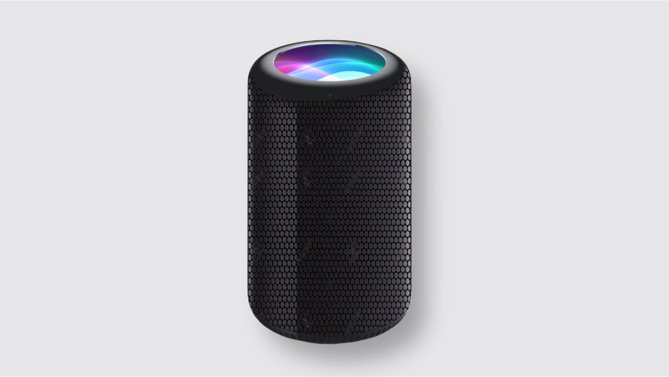
For what it's worth, Australian leakster Sonny Dickson claimed in April to have learned from insiders that the smart home accessory will be fat, featuring a Mac Pro-like concave top with built-in controls and a speaker mesh portion covering it all.

Phil Schiller, Apple's Senior Vice President of Worldwide Marketing, recently speculated that voice-activated home accessories could benefit from the inclusion of a screen.

“There are many moments where a voice assistant is really beneficial, but that doesn't mean you'd never want a screen,” Schiller said.

“So the idea of not having a screen, I don't think it suits many situations.”

Last year, Bloomberg listed some of the device's potential features:

Control home appliances, locks, lights, curtains and other HomeKit devices More advanced always-on mic and speaker than Amazon Echo or Google Home Facial recognition to see folks in the room and determine their emotional state Built-in speaker for wireless music playback Built-in Siri would process many of the commands available on iPhone

If you ask CNET, it may include built-in cameras as well:

For example, users may be able to ask the device to read e-mails, send text messages and tweets, and stream content from Apple Music. Apple has also considered integrating mapping information into the speaker, potentially allowing the device to notify a user when it’s time to leave the house for an appointment.

Apple reportedly started work on the project in 2014, right after debuting HomeKit.

Previously, Kuo predicted that the accessory would provide “excellent acoustics performance” with a subwoofer, seven tweeters, always-on microphone and computing power similar to the iPhone 6 and iPhone 6s application processors. Australian leakster Sonny Dickson claimed the Siri speaker should use Beats audio technology and run a variant of iOS.

https://www.youtube.com/watch?v=Io8NU6iTto0

Subscribe to iDownloadBlog on YouTube

The rumored device should be built by AirPods manufacturer Inventec.

Given his prediction that the market for smart home devices might outsell the iPad market next year, Kuo forecast Siri device shipments of around twelve million units in its first year of availability. Apple’s W1 chip, which debuted in AirPods, could play a key role in the product.

Apple is likely to launch additional models of the Siri speaker in the future, he added.

Kuo has given Apple's rumored Amazon Echo competitor 50-50 odds and the rumored 10.5-inch iPad Pro model more than 70-30 odds of being announced at the Cupertino company's annual Worldwide Developers Conference next month.

WWDC 2017 kicks off with a keynote address at 10:00am Pacific Time on Monday, June 5.

Mockup via iFunnyVlogger on Twitter

KGI: 70% likelihood that Apple will unveil 10.5″ iPad Pro at WWDC next month

KGI Securities analyst Ming-Chi Kuo says there's over 70 percent likelihood that Apple's rumored 10.5-inch iPad Pro with a redesigned chassis is formally announced at the June 5 WWDC keynote as suppliers are gearing up for volume production in early June.

In his Saturday research note to clients, titled “2017 WWDC highlights” and seen by MacRumors, the analyst wrote that Apple's engineers were able to squeeze a 10.5-inch display into a similar form factor to the existing 9.7-inch iPads due to the narrower side bezels on the upcoming 10.5-inch iPad Pro model.

Here's an excerpt from the note:

The newly designed 10.5-inch iPad Pro will have a similar form factor to the 9.7-inch model, but will feature a larger display thanks to narrow bezels. The new design should improve the user experience and help gain traction in the corporate and commercial sectors.

He added that Foxconn will be assemble the new device, while GIS will be the sole supplier of touch panel modules. KGI forecast 10.5-inch iPad Pro shipments of five to six million units in fiscal 2017, accounting for fifteen percent of total fiscal 2017 iPad shipments.

The analyst did not specify if the upcoming device will have the traditional LCD screen or one based on AMOLED display technology like iPhone 8. For what it's worth, Kuo said in August 2016 that a “revolutionary” iPad model with flexible AMOLED panels and other “radical changes” in form factor design shouldn't be expected before 2018.

https://www.youtube.com/watch?v=knJNtkRyO9E

Subscribe to iDownloadBlog on YouTube

For the sake of completeness, we should mentioned that KGI speculated last October that the device would sport the same 2,7320-by-2,048 pixel resolution as the 12.9-inch iPad Pro, with the same pixel density as the iPad mini 4 at 326 pixels per inch.

At that resolution, the width of the 10.5-inch iPad model would be the same height as the current iPad mini models, meaning users could be able to run two full-sized windows side-by-side in iOS’s Split View multitasking mode.

Raymond Soneira, a display expert and president of DisplayMate Technologies, thinks that if the new 10.5-inch iPad shrinks the bezel and keeps the outside dimensions the same, then the display aspect ratio will increase from the current 1.33 to as high as 1.50.

“The screen area would then increase by up to 31 percent. However, with no bezel at all the screen diagonal would then be 11.2 inches for the same outside dimensions as the current 9.7-inch iPad model with the rounded corners,” he added.

WWDC kicks off with a keynote address at 10:00am Pacific Time on Monday, June 5.

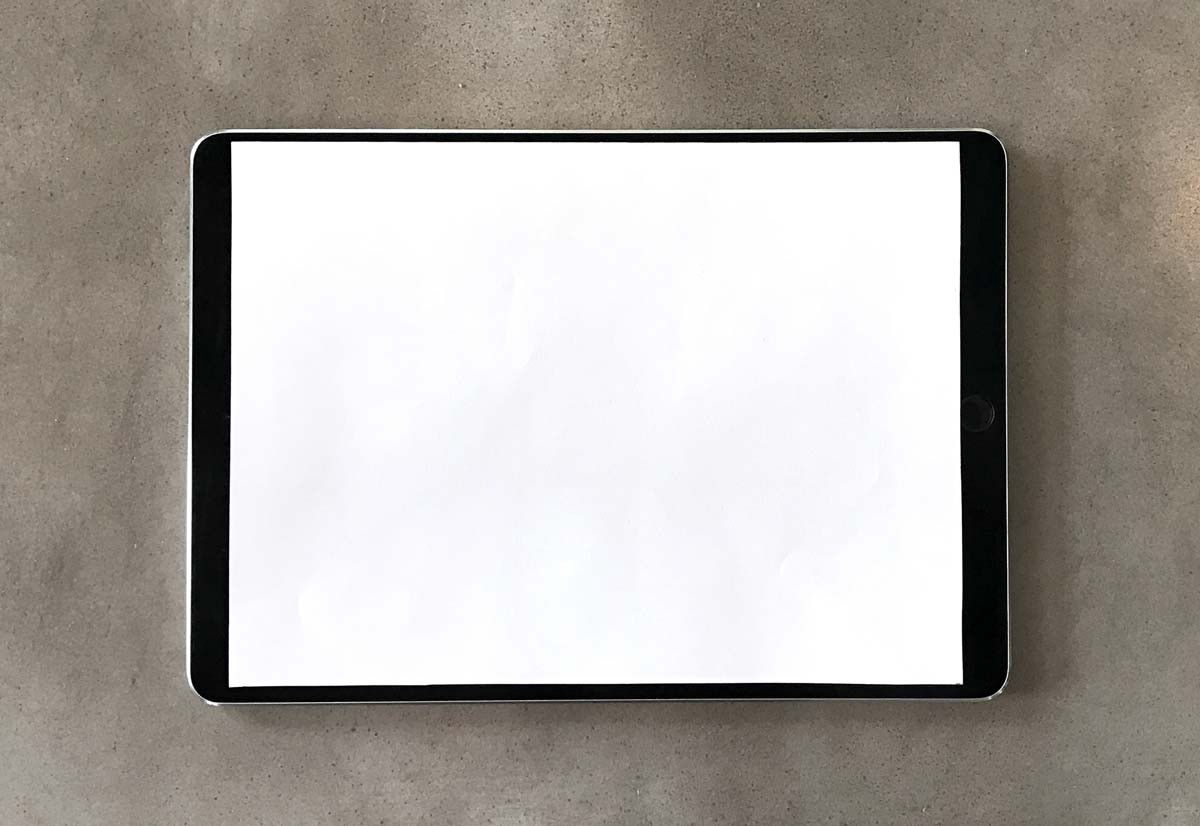
Image: 9.7-inch iPad Pro with a 10.5-inch piece of paper overlaid via Dan Provost.

Analyst predicts possible prices of iPhone 8 & iPhone 7s/Plus models

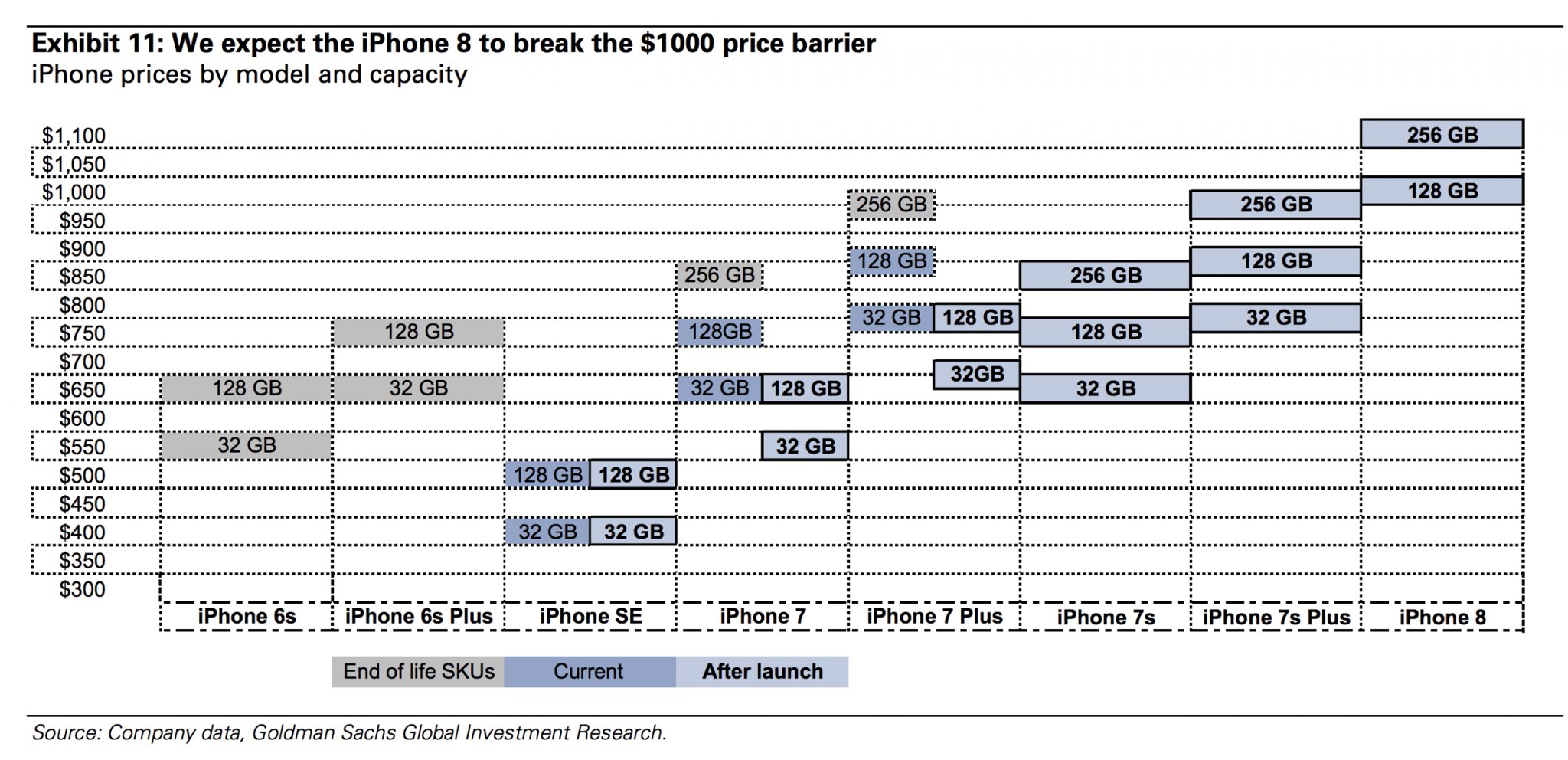
Simona Jankowski, an analyst with the multinational finance company Goldman Sachs, predicted that Appe's OLED-based iPhone 8 could cost $999 for a 128-gigabyte model, or $1,099 for the top-of-the-line model with 256 gigabytes of storage.

“We think the higher demand for the larger 5.8-inch form factor will be supported by the fact that iPhone 8 will have compelling new features not available in the smaller form factors,” like a 5.8-inch OLED display and 3D-sensing augmented reality technology, reads the note.

She told her clients in a note seen by Business Insider that the entry-level models of iPhone 7s and iPhone 7s Plus may be priced at $649 and $769, respectively, like the current iPhone 7 models. The flagship 256GB iPhone 7 Plus model currently retails for $969.

“We expect iPhone 8 to have 128 GB and 256 GB models priced at $999 and $1,099, respectively,” Jankowski and her team wrote in the note to clients. She doesn't think Apple will offer iPhone 8 with just 32 gigabytes of storage.

Here's an excerpt from the research note:

Relative to the 128GB iPhone 7 Plus, we estimate the new features and higher commodity prices to increase the bill of materials by over $70, which we expect Apple to offset via a $130 price increase, resulting in a starting price of $999 for the 128GB capacity and $1,099 for the 256GB capacity.

The first $1,000 iPhone can drive “meaningful upside,” reads the note.

Goldman Sachs expects these features and costs:

5.8-inch OLED screen (adds $35) No bezel & all screen 3D sensing capabilities (adds $20) Better & faster flash storage and DRAM memory (adds $16 to $29) Capacity starting at 128 gigabytes Apple-desgined A11 processor No Home button Biometric authentication

She believes Apple has now finalized iPhone 8's design.

“Apple usually explores multiple designs in parallel,” explains her note. “However, with only four months left until launch, we believe Apple has now locked down the design.”

She estimates fiscal 2018 iPhone average selling prices will rise sixteen percent annually to $763 versus the $675 Wall Street consensus.

Due to the expected higher-priced iPhone 8 models, Goldman Sachs has raised its estimates further above consensus, setting its Apple price target to $170 from $164, representing ten percent upside from Thursday's close, and raising its Apple fiscal 2018 earnings-per-share forecast to $11.50 from $11.00 versus the Wall Street average of $10.40.

Fast Company was first to report back in February that the flagship iPhone 8 model could cost north of $1,000 due to advanced technologies and premium parts.

LG Innotek to supply facial recognition camera for iPhone 8

LG Innotek has been commissioned to build facial recognition camera modules for iPhone 8, Korea Economic Daily reported on Thursday. The Korean company has invested 269.7 billion won, or about $238.50 million, in a new manufacturing plant that will be dedicated to Apple’s orders, The Investor reported Thursday.

An all-new plant is required for the production of the camera component because, according to The Investor, iPhone 8's facial recognition module will be really small and capable of advanced 3D facial recognition in order to achieve better accuracy that the front-facing camera on Samsung's Galaxy S8, which uses 2D images for the facial recognition function.

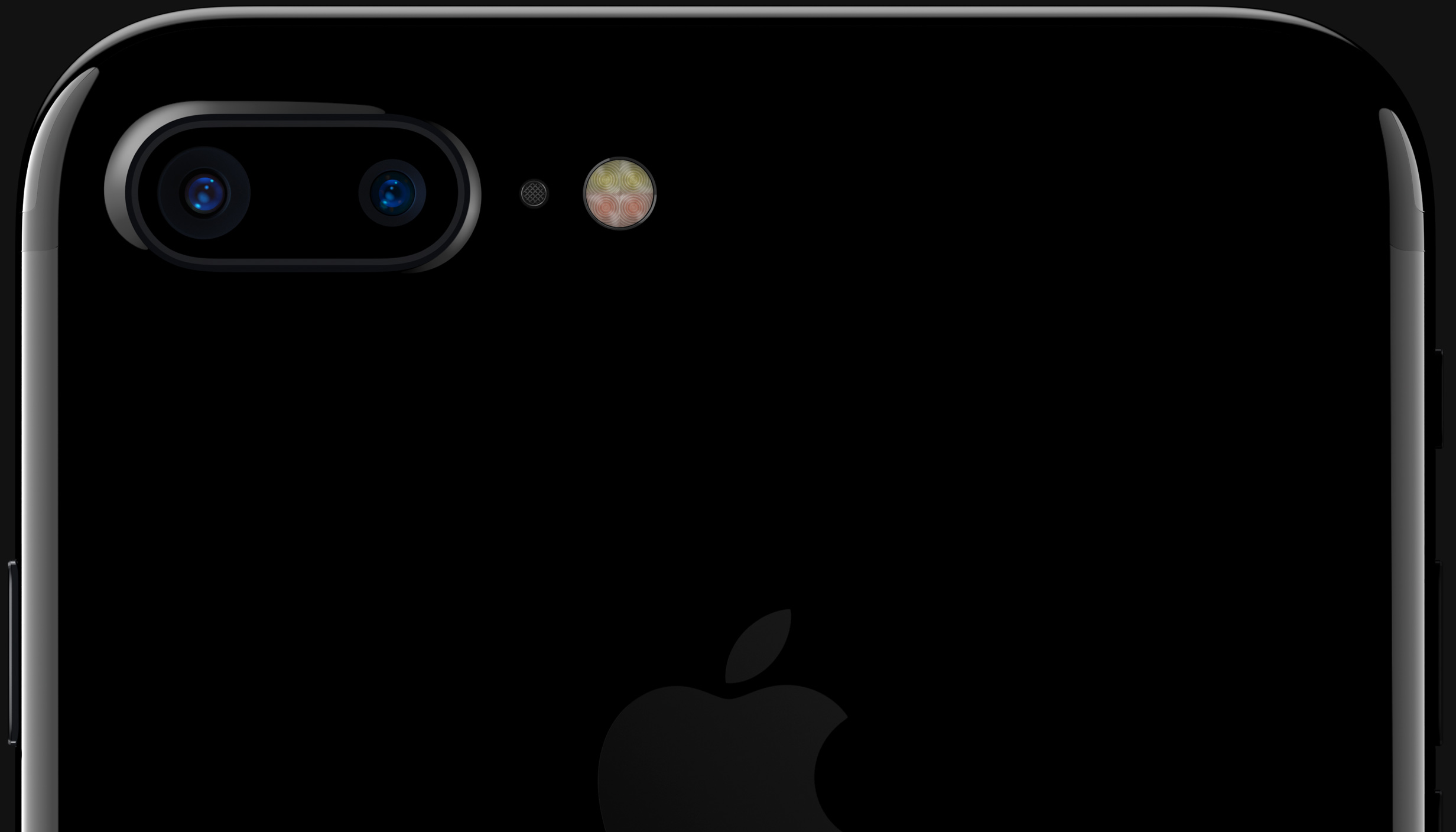
LG Innotek is the parts unit of LG Group and the supplier of dual-lens iPhone 7 Plus cameras.

“Apple and LG Innotek, the market leader in the smartphone camera module market, teamed up last year to develop the world’s first 3D facial recognition camera system that can be used for a variety of applications from biometric authentication to games,” reads the article.

The initial deal size is estimated at about 200 billion won, or about $177 million.

KGI Securities was first to predict that iPhone 8 would come outfitted with a 3D sensor allowing users to capture 3D selfies, map their surroundings in 3D, scan objects in 3D, use augmented reality features  and more.

Barclays thinks that both front and back cameras on iPhone 8 will support these 3D and augmented reality features. Barron's said in March that Apple had contracted a company called Himax Technologies to build 3D sensors for the OLED iPhone.