Patent

Apple pushing interactive flexible displays

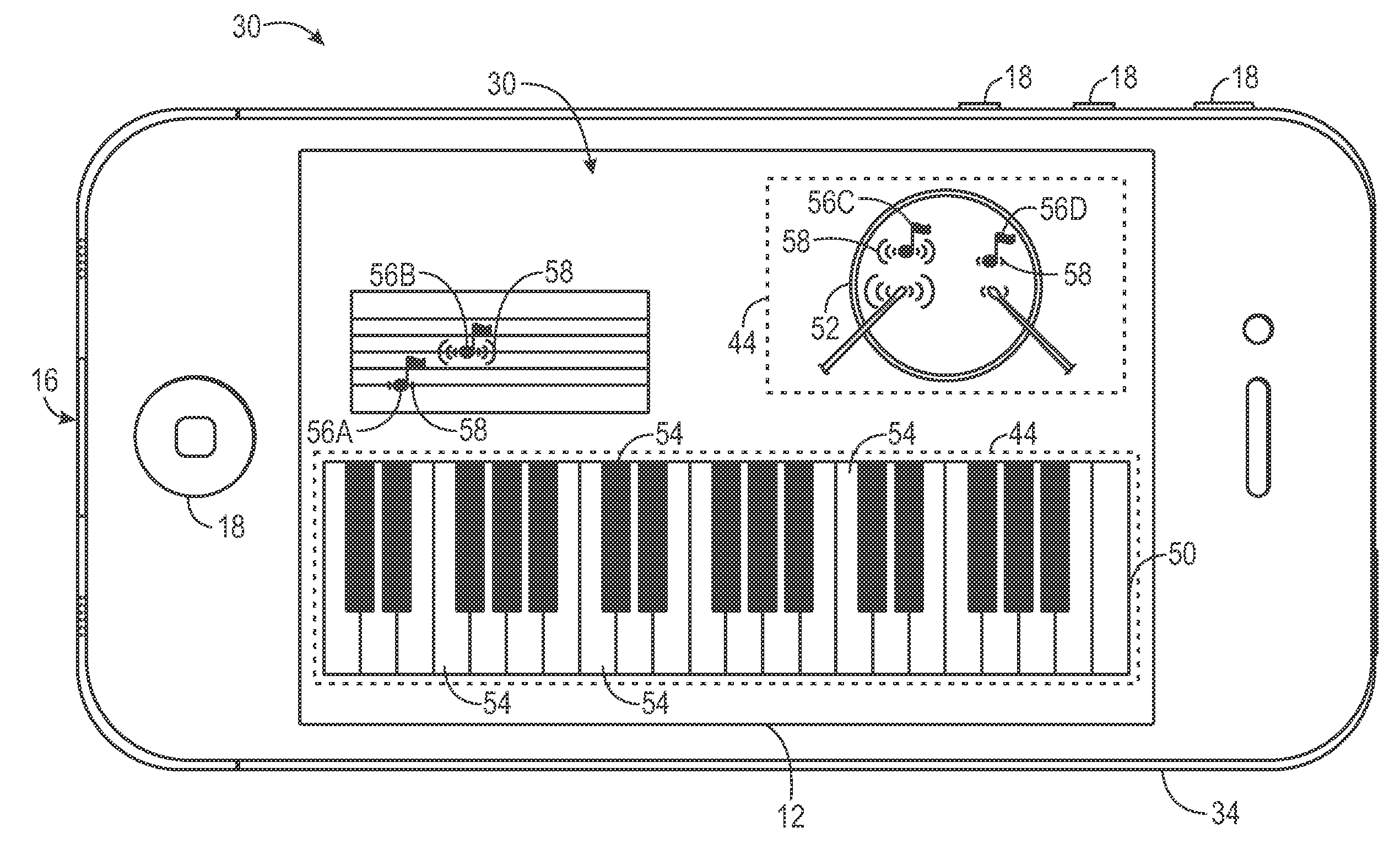
So far, Apple devices with touch screens react to taps and swipes. Future applications could also respond to pressure. The iPhone maker has applied for a patent on technology which would detect when you press your finger.

The invention may further expand how consumers interact with technology, particularly with wearable devices. The patent application, filed in 2011 and published Thursday by the U.S. Patent and Trademark Office, provides the popular GarageBand music app.

The ability to sense increasing finger pressure could allow virtual pianists to play notes louder, Apple writes. Although GarageBand on iPhone and iPad already imitates pressure by measuring device vibration via the accelerometer sensor, Apple's invention calls for a new force detection layer on mobile screens...
Apple patents auto iPhone volume based on proximity

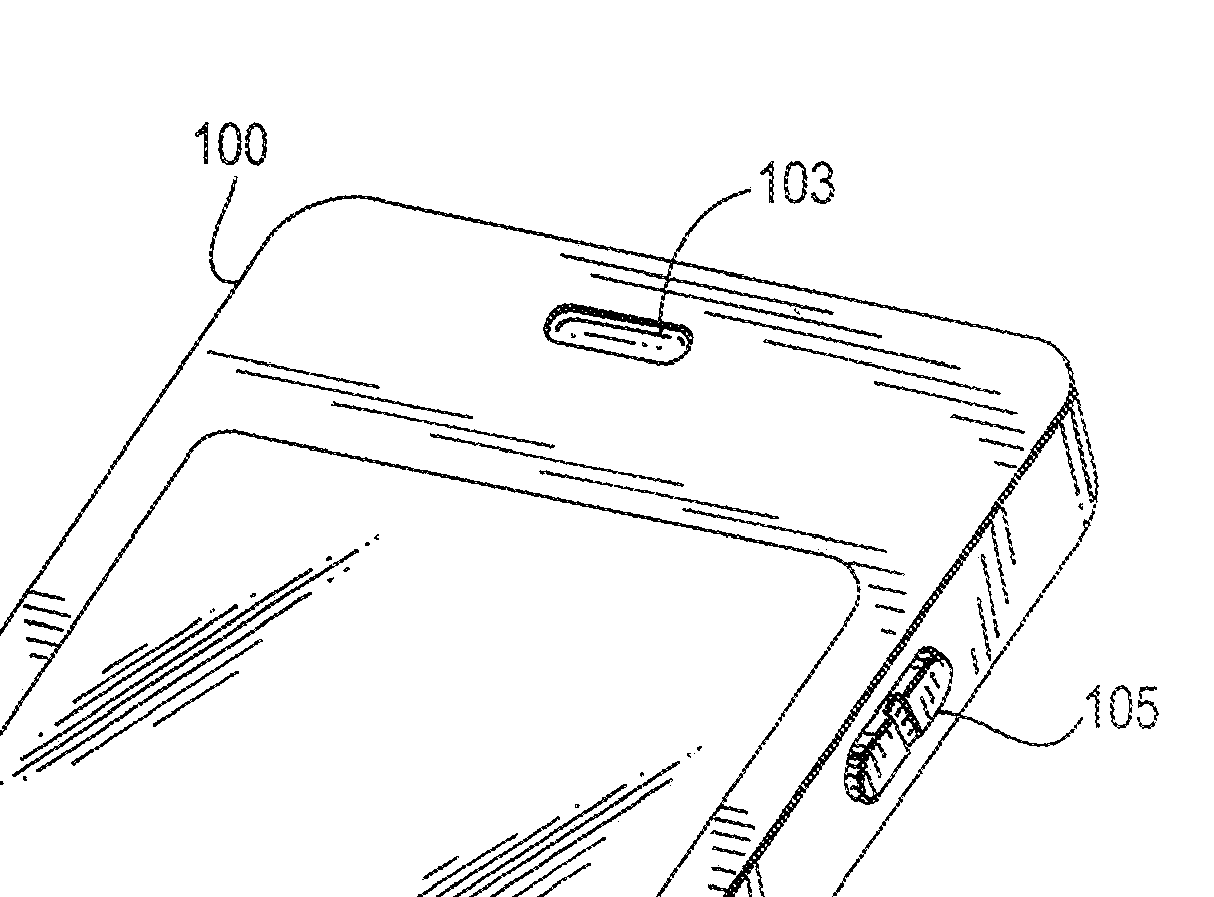
Wouldn't it be great if the iPhone could detect when you are holding the handset to your ear or sitting on a desk, automatically adjusting the volume? Apple thought so, as well. Tuesday, the U.S. Patent and Trademark Office granted the iPhone maker a patent on a way to adjust the speaker volume based on proximity.

The patent, filed just a year after the iPhone was unveiled, uses the smartphone's many sensors to detect the device's proximity from a user. Just as a proximity sensor is used to detect when the phone is at your ear (thus turning off the touch screen), sensors could also adjust speaker volume...

Apple patents push-to-talk, double-sided touch panels

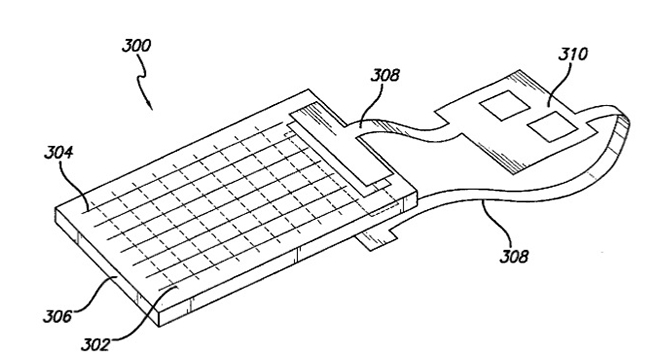
Among the more than two-dozen patents granted to Apple by the U.S. Patent and Trademark Office earlier this week is one hinting the iPhone maker could finally enter the Push-to-Talk (PTT) arena and another one indicating the firm may breathe new life into its rumored plans for wearable devices.

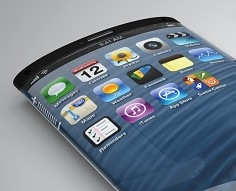
The PTT patent likely is the result of a $4.5 million purchase by Apple and others of a portfolio of intellectual property sold by Nortel Networks in 2011. Meanwhile, the USPTO granted Apple a patent on flexible touch panels which could potentially be used for even smaller devices, such as the much-rumored iWatch...

Apple patent links iDevice cameras for ‘social flash’

The iPhone is quickly becoming (or already has) the hottest digital camera on the planet. Not only does it have terrific imaging power, but with its screen is able to easily compose attractive shots. Knowing the power of the iPhone and other iDevices, Apple continually tweaks its photo-imaging capabilities.

The latest evidence being a new patent application describing a way to combine the resources of multiple devices to provide what's being called a 'social camera flash.' The idea isn't new. So-called slave flashes that act on the command of a main camera have been in professional photo studios for years. However, Apple's patent application envisions iPhones, iPads and iPods linked wirelessly to illuminate a scene...

Apple patents ways to waterproof iDevices

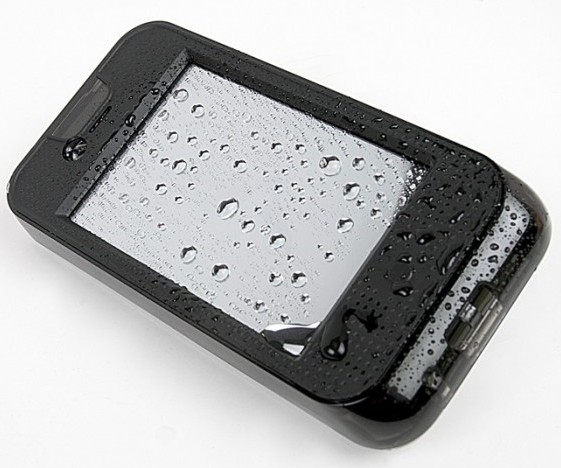
Into each iPhone, iPod or iPad a little moisture must fall - and when it does, Apple's got you covered. Or, at least that's what a pair of patent filings indicate. The two patent grants detail how to build consumer electronics in ways to prevent moisture entry and then alert users. Both were granted by the U.S. Patent and Trademark Office and appear to be part of the iPhone 5, which has scored well in moisture-handling tests...

USPTO publishes Apple’s extensive Lightning connector patent

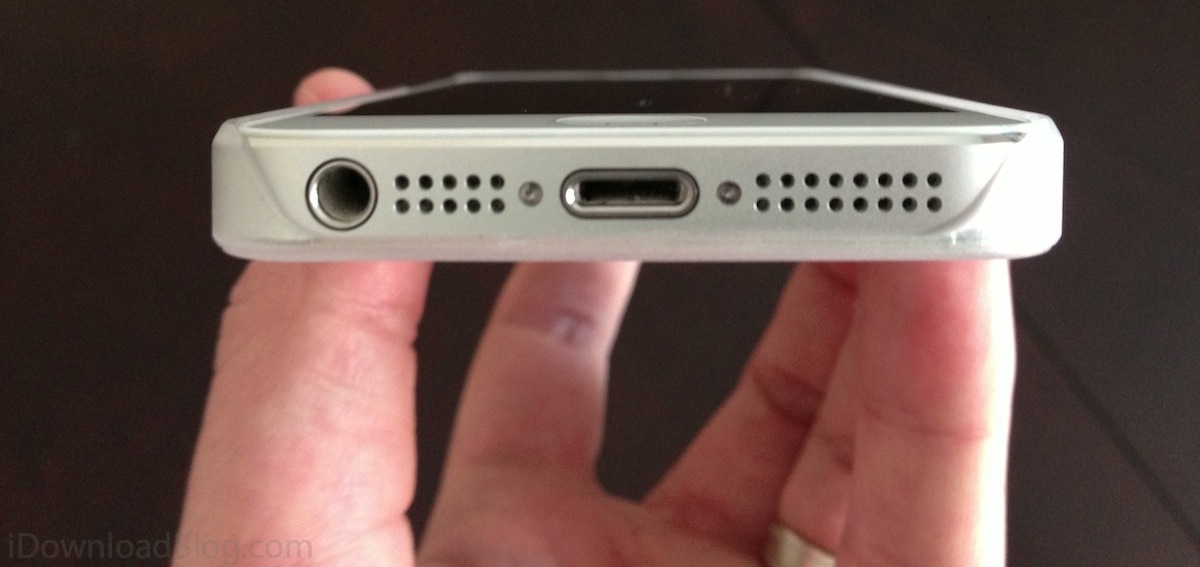
Much has been written about Apple's new Lightning connector, introduced with the iPhone 5 to supercede the aging 30-pin Dock connection. Thursday, the United States Patent and Trademark Office published three Apple patent filings from 2012 detailing how the Lightning connector is built. Among the questions addressed: how did Apple create an "orientation agnostic" connector design while also ensuring stability and proper alignment?

Apple patents smart audio splitter

Many of us have shared a pair of earbuds with a friend. The problem crops up when you enjoy rocking out at max volume while your friend enjoys a more modest audio level. Enter Apple with what's essentially an intelligent audio splitter.

Instead of enduring the default sound level of the iPhone or iPod, an adapter envisioned by Apple would allow you to customize your individual audio, according to a patent published by the U.S. Patent and Trademark Office Tuesday.

Additionally, the headphone splitter would permit two people to use built-in mics to speak over the soundtrack, opening up some wild possibilities with gaming...

Apple’s battery patents hint at rounded gizmos

The days of boxy computers are history, so why are the batteries which power them still the same shape? That's the question a pair of new Apple patent applications seek to answer. The patents filed in 2011 with the U.S. Patent and Trademark Office describe "non-rectangular batteries for portable devices."

The iPhone and iPad maker outlines a way to customize the shape of batteries to fit the flexibility of today's consumer electronics, including the growing array of wearable devices, such as the highly-discussed iWatch or Google's Glass eyewear...

Apple acquires several new imaging patents from Kodak deal

Earlier this year, Kodak completed the sale of more than 1,000 digital imaging patents in an effort to help restructure the company after filing for Chapter 11 bankruptcy. It wanted $2 billion for the portfolio, but only garnered $500 million from a group of companies.

That consortium consisted of several tech giants, including Google and Apple. And according to a new report, their names are starting to turn up on transfer filings with the United States Patent and Trademark Office, meaning Kodak's patents are changing hands...

Apple patent suggests whether best to call or text

While in the middle of being told Apple is washed-up, a has-been being overtaken by Android, comes a patent which reminds us the company actually has some good ideas left.

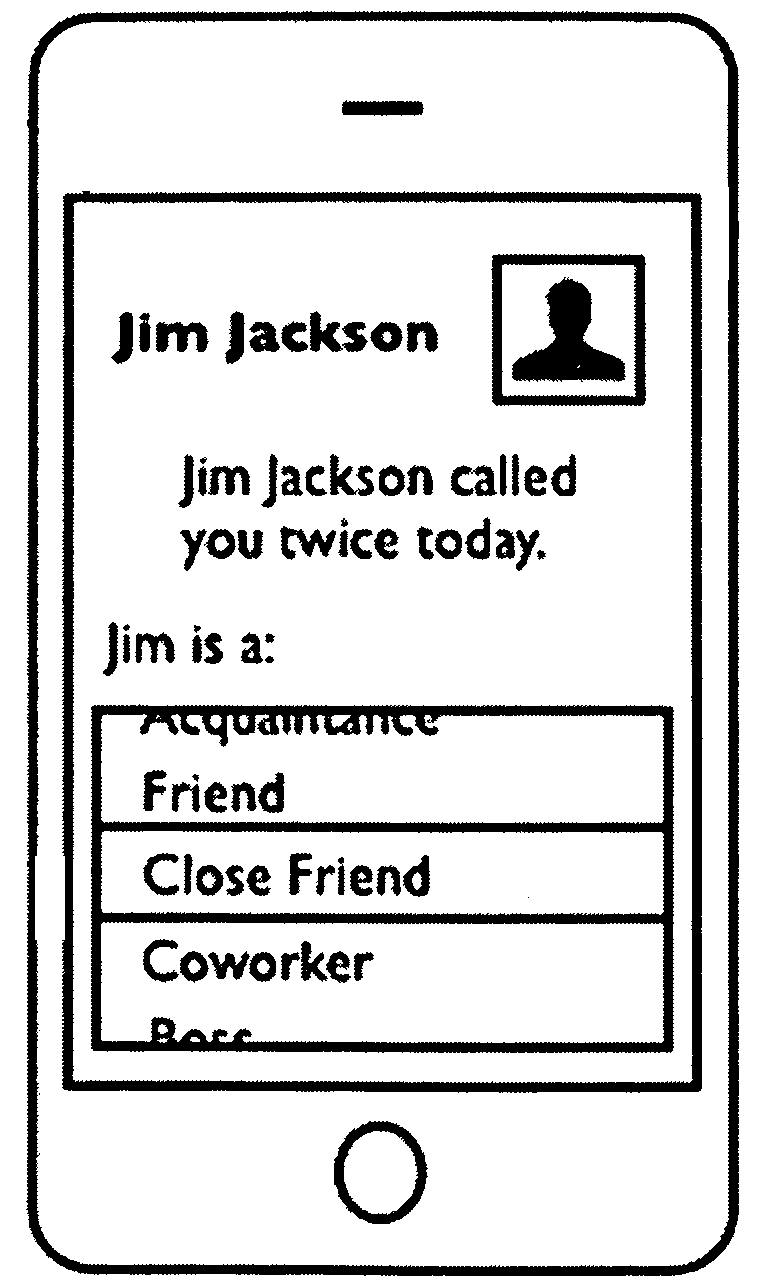
Take, for instance, those annoying calls which seem to arrive in the middle of dinner. The gear heads at Apple also find them annoying and created a way to put you in control of who calls you when and whether a text might suffice. Particularly when you have a mouth of spaghetti.

The granted patent describes a "system for facilitating contacting people using electronic devices."

Instead of taking the usual path most technology firms selling smartphones would follow - creating multiple ways to blast messages to you - Apple goes for a more zen-like approach, realizing that understanding when not to make a call could make for the ultimate smartphone...

Apple and Samsung to battle it out over damages this fall

It seems like it's been a while since we've heard any news on the Apple/Samsung lawsuit front, which is not necessarily a bad thing. But today, the silence was broken as Judge Lucy Koh issued a new case management order to the two sides.

According to the order, the two will be battling it out over damages from their August trial this fall, with the next hearing scheduled for November 12. Here, Apple will get a chance to get back some of the $500M Koh cut from its settlement earlier this year...

No iOS VPN changes on already shipped devices

On April 5, Apple acknowledged via a support document that it “will be changing the behavior of VPN On Demand for iOS devices using iOS 6.1 and later” due to a lawsuit by patent holding firm VirnetX file against Apple in November 2011. VPN technology, which stands for Virtual Private Networking, extends corporate networks securely across public networks like the Internet, allowing users to access a private network as if they were directly connected to it.

Apple originally planned to remove the 'Always' configuration option for VPN On Demand with the 'Establish if needed' option. The revised document specifically mentions Apple will not be changing the VPN behavior on "devices that have already been shipped"...