News

Lightroom for iOS gains selective brush editing, all-new iPad interface & more

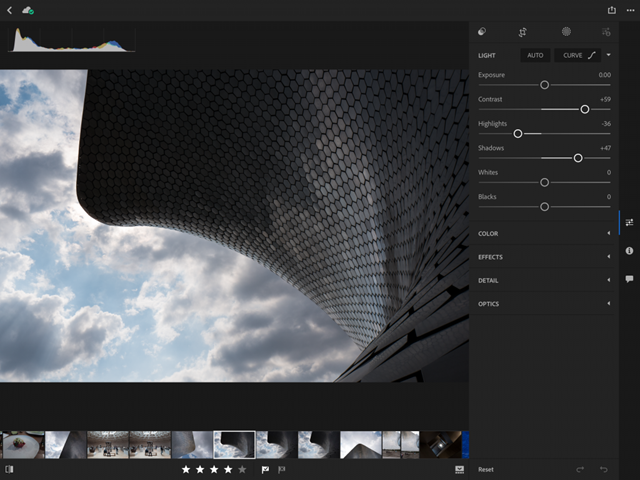
Adobe today updated Lightroom for iPhone and Lightroom for iPad on App Store with some key new features aimed at making editing on the go easier than ever. You can now use a new brush feature to selectively paint in enhancements to any part of your images.

The selective brush option extends to the eraser tool, allowing you to selectively erase both the linear and radial gradients. And if your device has 3D Touch, like iPhone 6s or iPhone 7, you can even vary the effect by just pressing softer or harder as you paint.

iPad Pro users working with an Apple Pencil get the same pressure-sensing to apply more or less of the effect. You'll also notice a new Details tab within the app where you can add the finishing touches to images by controlling noise and enhancing image details.

The in-app camera now supports a new Show Highlight Clipping feature that shows you the over-exposed areas prior to capture, which lets you adjust the exposure or composition in camera. Lightroom for iOS also packs in an improved virtual level via the in-app camera with haptic feedback and support for latest cameras and lenses.

Last but not least, Lightroom for iPad now features a revamped interface, shown top of post, designed for the tablet's larger canvas. According to Adobe, the app makes editing via iPad a serious option as a laptop replacement for any photographer.

Download Lightroom for iPhone and iPad free in App Store.
Affordable $99 Mira Prism headset brings augmented reality to iPhone

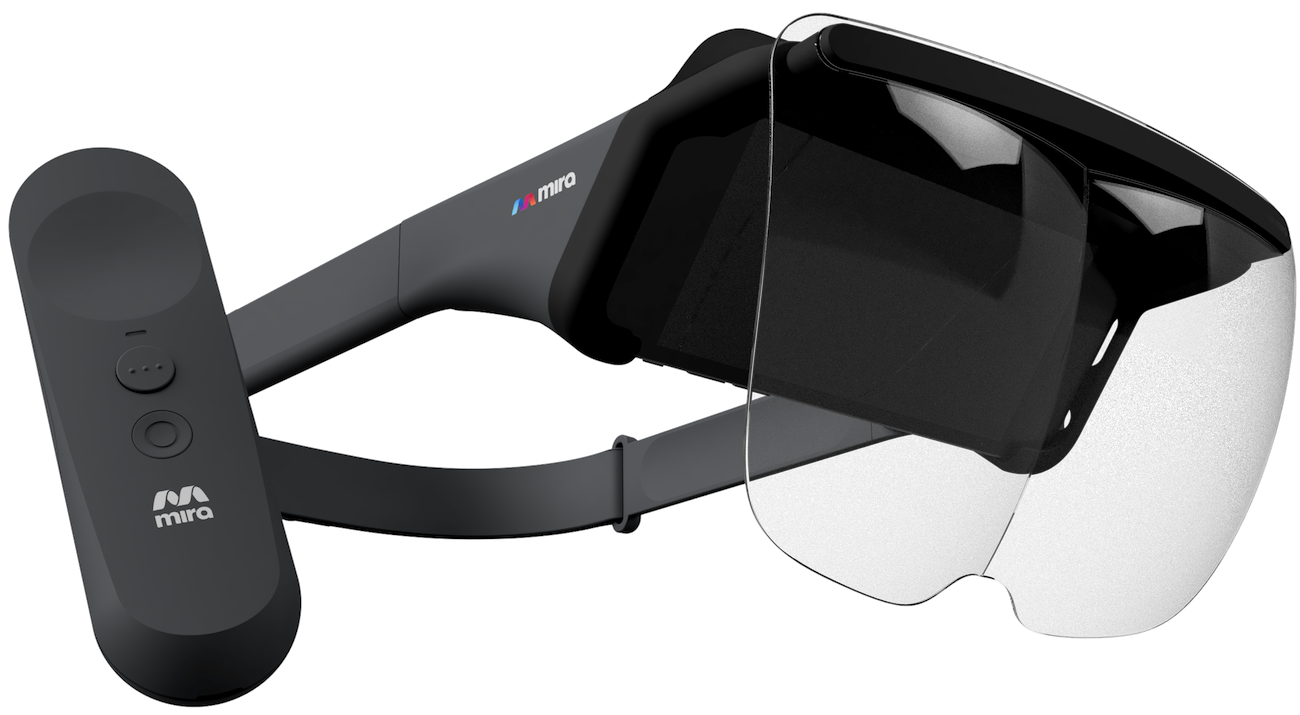
Why wait until 2018 or beyond for a rumored Apple headset when you can immerse yourself in augmented reality right now, and without breaking the bank? Meet Mira Prism, a new iPhone-connected headset that provides augmented reality experiences for just $99.

The product is standalone and requires no plugs, computers or wires.

You just side your iPhone into the headset to begin exploring the wonders of interactive holographic content. It should be mentioned that Mira Prism does not put your iPhone's screen right in front of your eyes, like Google's Cardboard does.

Instead, your iPhone faces the inside of the headset and the front glass lenses facing you basically reflect computer imagery projected onto their surface by a pair of mirrors. The accessory has a 60-degree field of view and supports a resolution of 1,334-by-750 pixels.

https://www.youtube.com/watch?v=w76ESU3XHOg

While the headset only supports a small number of launch titles created specifically for it, they'll be releasing an SDK to let anyone create compatible augmented reality apps and games.

An accompanying app features spectator mode so those without a headset can see what others are seeing in augmented reality through the headset on their own iPhone or iPad.

Engadget took the gadget for a spin and came away impressed:

I played a holographic game that involved maneuvering a character through a maze, which relied on the controller’s motion controls.

Another game had me spinning around in my chair to destroy asteroids hovering all around me. I was particularly surprised how well Prism tracked virtual objects in augmented reality, even though it doesn’t have any spatial mapping technology like HoloLens and Meta.

Mira Prism ships with a remote control for motion-based games, a carrying case and a lens cover, and is compatible with any iPhone from iPhone 6s onward. The biggest drawback of Prism is the fact it won't work with any ARKit-optimized app, just stuff made specifically for it.

If you're interested in this product, pre-order it today for $99 from mirareality.com because it will retail for $150 once officially released in time for 2017 holiday.

Chinese analyst does not expect Apple to refresh iPhone SE anytime soon

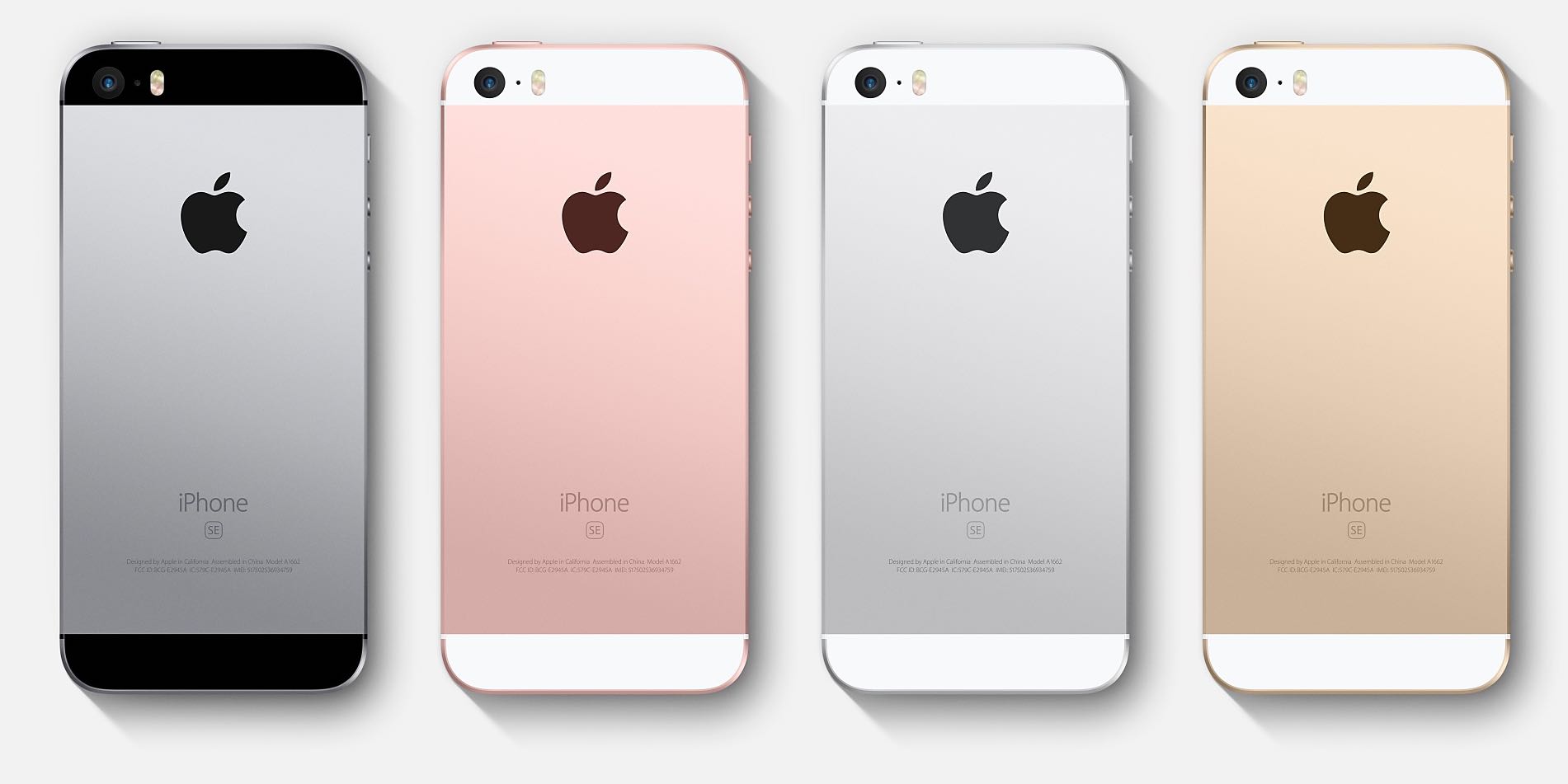
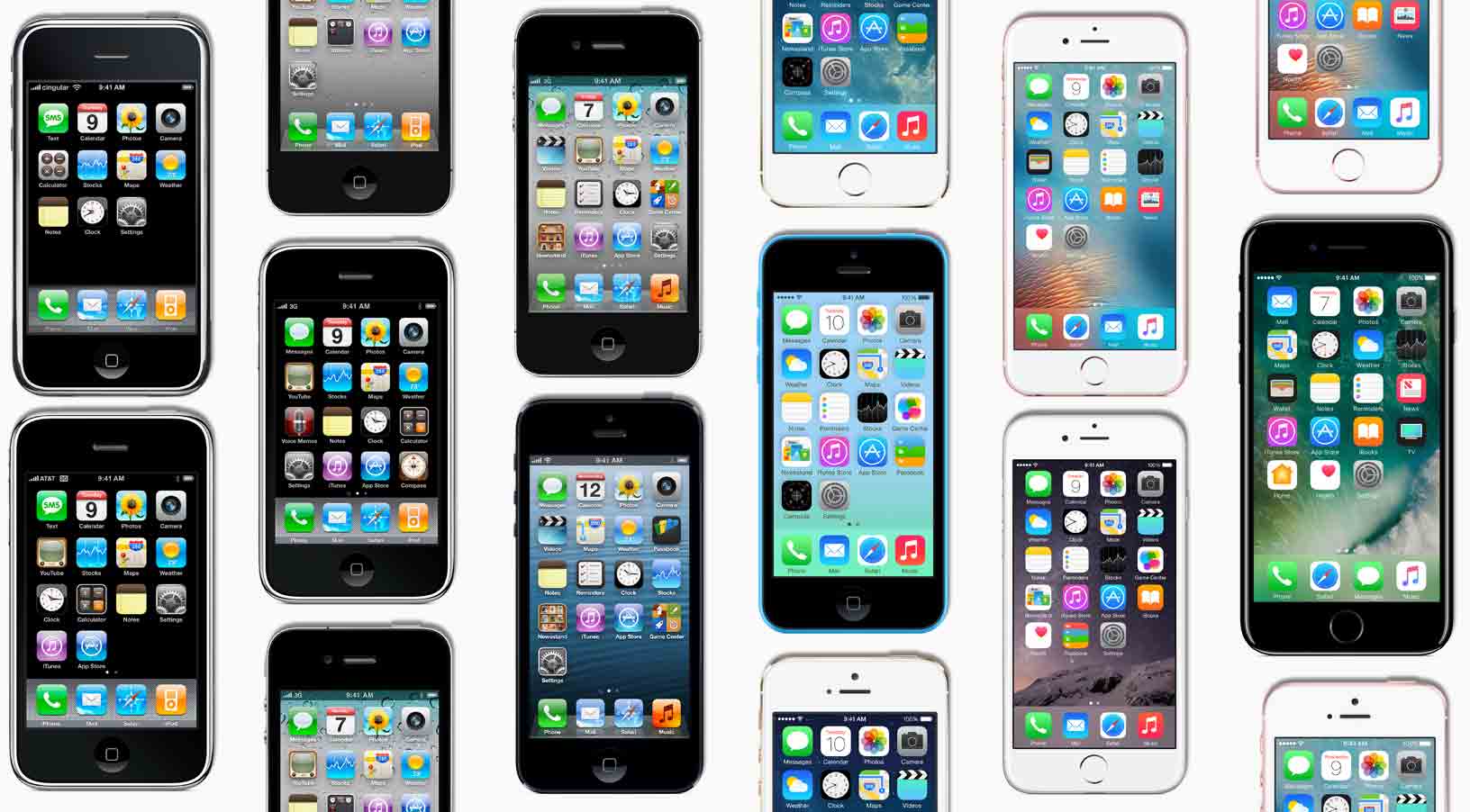
iPhone SE is fifteen months old now, but don't hold your breath for any kind of hardware refresh to the smallest and most affordable Apple handset. That's according to Chinese analyst Pan Jiutang, who predicted Apple won't be refreshing iPhone SE because he doesn't think there's enough demand for the device since most consumers are looking for bigger phones.

The report should be taken with a grain of salt because Apple is now building “Assembled in India” iPhone SE models that it plans to eventually export. On top of that, the Cupertino tech giant is planning to expand local iPhone manufacturing in India.

In the US alone, more than five percent of the overall mobile phone sales apparently belong to iPhone SE. The 32-gigabyte edition of the device retails for $399 in the United States.

Powered by Apple's A9 chip, iPhone SE is compatible with iOS 11.

In my opinion, Apple would be wise to keep iPhone SE in its offering for another year or so in order to cater to the needs of people that prefer smaller, inexpensive handsets.

AirBar accessory that brings touch to your MacBook Air is now available

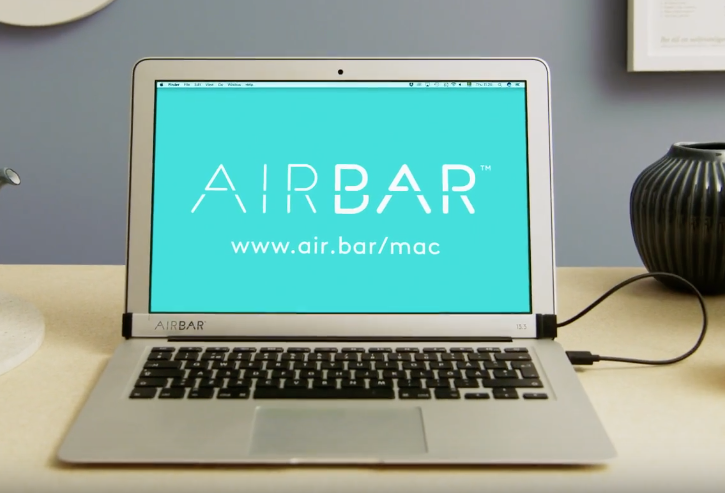
AirBar, a cool Mac touchscreen accessory that was announced at the Consumer Electronics Show in Las Vegas in January 2017, is now available to purchase for $99 at Fry's Electronics, Evine.com and other retailers in the United States, its maker Neonode announced Tuesday.

The product will also launch through Amazon, Best Buy, Staples and other online outlets.

AirBar is basically a touchscreen sensor in the form of a USB laptop dongle that brings familiar touch gestures to your thirteen-inch MacBook Air. It uses an invisible light field projected on the surface of the MacBook Air's display to detect objects like a finger or stylus.

When an object breaks the light, the accessory is able to detect its precise position and distinguish between gestures like tapping, swiping, scrolling and pinch-zooming.

https://www.youtube.com/watch?v=d-4fFaWLnlQ

Remo Behdasht, Senior Vice President of AirBar Devices at Neonode, said:

We’ve seen an overwhelmingly positive response from the Apple community since our big debut of AirBar for MacBook Air at CES this year. Other Apple devices, such as the iPhone and iPad, have helped consumers become accustomed to a range of touchscreen products for several years now.

It’s a natural progression for MacBook Air to have touchscreen capabilities, and we are thrilled to provide Apple enthusiasts with this completely new way to interact with their MacBook Air notebook.

Neonode’s patented zForce AIR technology lets you use anything from a gloved finger to a paintbrush to interact with the MacBook Air's screen, ideal for scrolling through emails, reading e-books, zooming in on images and more.

The product is plug-and-play though support for additional gestures requires the installation of the AirBar multitouch software. AirBar does not support other Mac notebook models because it needs 17mm of free space below the display.

For more information, visit www.air.bar.

Qualcomm CEO would like to settle with Apple out of court

Qualcomm's legal spat with Apple and toxic rhetoric regarding cellular technology licensing agreements has been raging on for six months, and it would seem that the war is now starting to hurt Qualcomm's business.

In an interview with Fortune, Qualcomm CEO Steve Mollenkopf suggested in a more conciliatory tone that his firm's dispute with Apple over potentially billions of dollars in royalties on mobile chipsets should be resolved via an out of court settlement.

“There's not really anything new going on,” he said of the Apple dispute speaking at the Brainstorm Tech conference in Aspen, adding that “those things tend to get to resolved out of court and there's no reason why I wouldn't expect that to be the case here.”

“I don't have an announcement or anything so please don't ask,” the CEO added.

Apple dual-sourced cellular modem chips from both Qualcomm and Intel in about half of new iPhones last year, instead of buying all its chips from Qualcomm.

The Cupertino company also stopped paying its iPhone manufacturers for royalties owed to Qualcomm in April 2017, arguing Qualcomm abused its dominant position for mobile communications chips to charge excessive royalties.

The companies sued each other and Qualcomm a few weeks ago filed a patent infringement lawsuit seeking to have imports of some iPhones and iPads that contain competing mobile communications chips banned from the US.

As that filing will take 18 months to work through the system, iPhones and iPads released this and next year shouldn't be affected.

Samsung could re-enter iPhone chip supply chain in 2018

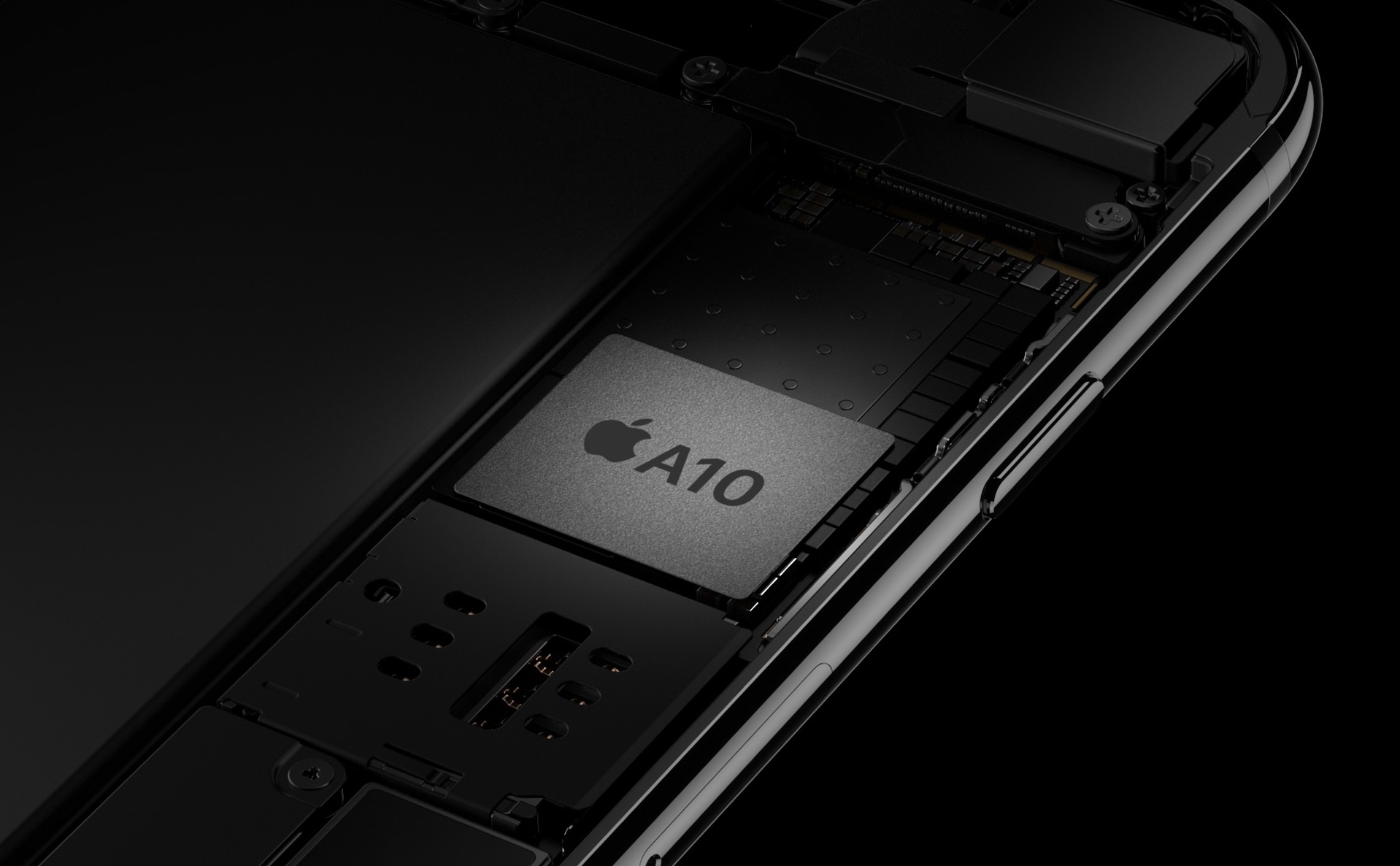
Samsung Electronics has not been building Apple-designed mobile chips for iPhone and iPad for almost four years now, but the South Korean conglomerate is rumored to be sharing Apple orders with rival Taiwan Semiconductor Manufacturing Company (TSMC) from next year.

According to a report Tuesday in The Korea Herald, Samsung has invested in a new manufacturing facility for churning out chips fabricated on the more energy efficient seven-nanometer process technology solely for iPhone.

“Samsung plans to complete its own tests for the new chip-making machines soon and seek final approval from Apple for the chip production,” reads the report.

The company reportedly purchased extreme ultra violet lithography machines, the most advanced chip manufacturing equipment in the world, to use in iPhone chip production from 2018. Kwon Oh-hyun, one of Samsung’s three co-CEOs, apparently played a key role in securing the deal during his visit to Apple’s headquarters last month.

“The CEO could persuade Apple’s top brass taking advantage of their close ties on OLED,” said an industry source. Samsung, as you know, is also the sole supplier of OLED panels for the upcoming OLED-based iPhone model.

Rival TSMC also won a supply deal for next year’s iPhone and the reports said Samsung would share some parts of iPhone chip orders next year with TSMC.

As iPhone 8 delay rumors persist, Samsung gearing up to launch Note 8 soon

Samsung's decision last year to launch its super-sized though ill-fated Note 7 smartphone earlier than usual backfired big time, but this time around the South Korean chaebol is betting that launching a next-generation Note ahead of iPhone 8 will steal Apple's thunder.

The head of Samsung's mobile division, Koh Dong-jin, confirmed to partners last Friday that a Note 8 event in New York has been scheduled for August 23, The Bell reported.

The executive apparently told local news outlets that the next Note will hit shelves overseas, including the US and UK in September, followed by an October release in other nations.

A recent report said iPhone 8 supply may not ramp up until November, with the iterative iPhone 7s/Plus models possibly facing production delays of their own.

On the other hand, The Investor said a Samsung executive would only confirm the month of August, not a concrete date. According to DigiTimes, Koh refuted market speculation of Galaxy S8 sales falling short of those for its predecessor since launch.

Cumulative Galaxy S8 sales, he said, are 15 percent higher than those of Galaxy S7 compared on the same number of selling days thus far. As for the Note family, shipments of these products totaled 2.3 million units in South Korea since their debut in 2011, he revealed.

Smartphone leakster Evan Blass speculated that Note 8 should feature the same edge-to-edge 6.2-inch OLED screen with an 18.5:9 aspect ratio as Galaxy S8 Plus.

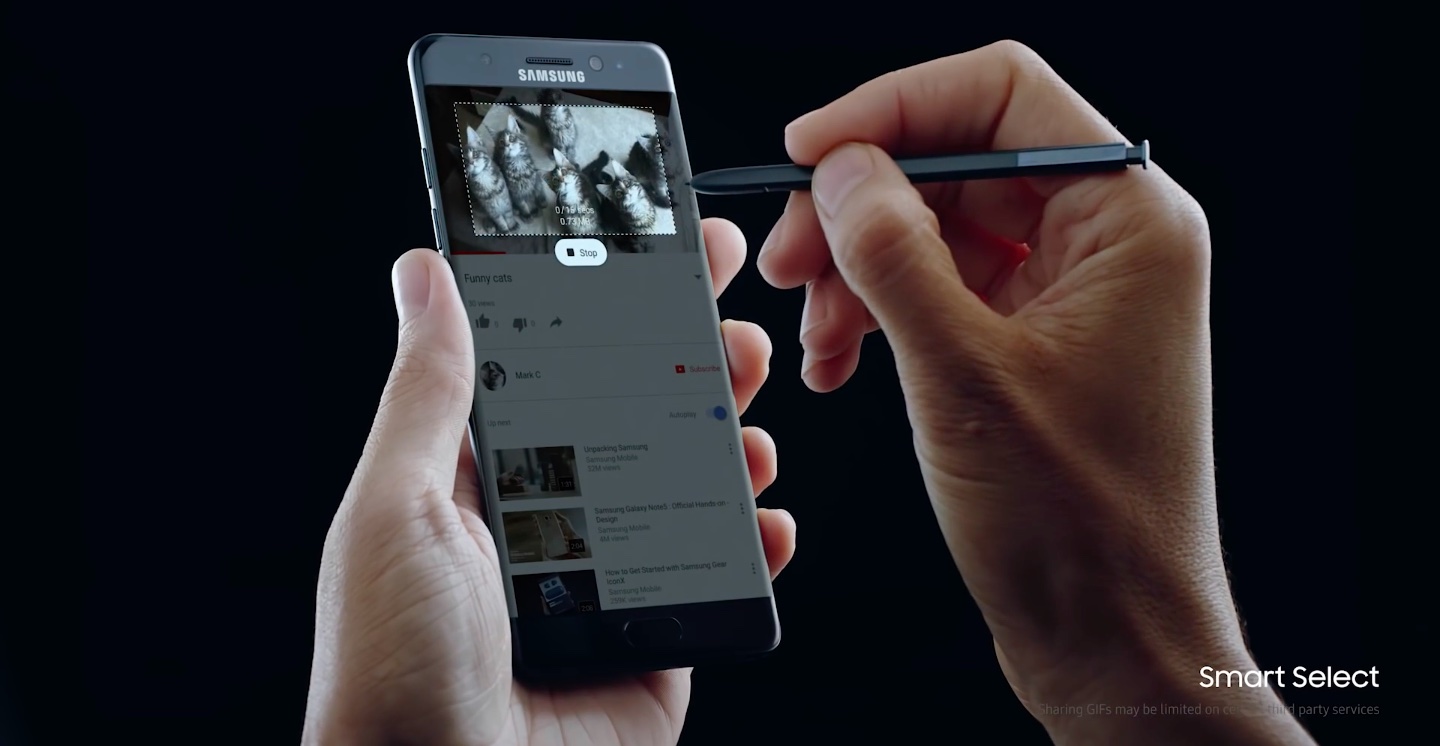
Other rumored features should include Samsung's signature S Pen stylus, virtual assistant Bixby, a rear dual-camera system positioned horizontally and comprised of two 12-megapixel sensors, a rear-mounted fingerprint sensor and more.

It should cost slightly over $900 in the US and be offered in in black, blue and gold.

Reuters was first to report a month ago that the Note brand would continue with an eighth-generation device due for an announcement in August.

Samsung launches PayPal integration for in-app, online and in-store payments with Samsung Pay

Samsung Electronics today announced expanded partnership with PayPal to make it possible for customers to make in-app, online and in-store purchases with PayPal as a payment method within Samsung Pay. Access to PayPal will be available for all Samsung Pay users in the United States and will expand to other countries soon, the company said.

“Users simply add their PayPal account to Samsung Pay, and can then spend the balance anywhere Samsung Pay is accepted,” said a Samsung executive. Users will benefit from Samsung Pay's services like gift cards, and membership and loyalty programs.

The move will open up PayPal to millions of stores, PayPal noted.

“This partnership will give our customers the ability to pay with mobile almost anywhere consumers can swipe or tap a credit card,” said the Korean firm.

As a bonus, merchants will even be able to accept Samsung Pay as a method of payment in-app and online through Braintree Direct, a PayPal service. Samsung Pay works in almost any in-store POS location in the United States.

https://www.youtube.com/watch?v=nR8jxpFW1j8

The PayPal integration with Samsung Pay is supported on select Samsung phones, including Galaxy S8 and Galaxy S8 Plus. Last week, PayPal announced expanded Apple ID integration allowing customers in additional countries to set up PayPal as a payment method for App Store, iTunes Store and iBooks Store purchases.

Unlike Apple Pay which works with NFC point-of-sale systems, Samsung Pay supports both NFC terminals and those using traditional Magnetic Secure Transmission technology that lets it replicate a card swipe and work nearly anywhere that payment cards are accepted.

“Thanks to Samsung's advanced technology, Samsung Pay is the most widely-accepted mobile payment platform in the market and works almost anywhere you can swipe or tap a card today,” said the company. “Now, with the integration of the PayPal wallet, customers can use Samsung Pay in the most convenient ways possible.”

Samsung Pay is now available in 18 markets.

A Boston Retail Partners survey on mobile payments ranked Apple Pay first in the United States as having the largest percentage of merchants, with 36 percent accepting the technology, up from 16 percent the year before.

PayPal was a close second with 34 percent acceptance, followed by MasterCard PayPass (25 percent), Android Pay (24 percent), Visa Checkout (20 percent), Samsung Pay (18 percent), Chase Pay (11 percent) and private label mobile wallets with four percent.

PayPal previously said its popular payment system would work with Android Pay to support both mobile payments in apps and those in brick-and-mortar retailers.

Here are some of new emoji coming to iPhone, iPad, Mac and Apple Watch later this year

Celebrating World Emoji Day on July 17, Apple on Monday previewed some of the new emoji coming to iPhone, iPad, iPod touch, Mac and Apple Watch later this year.

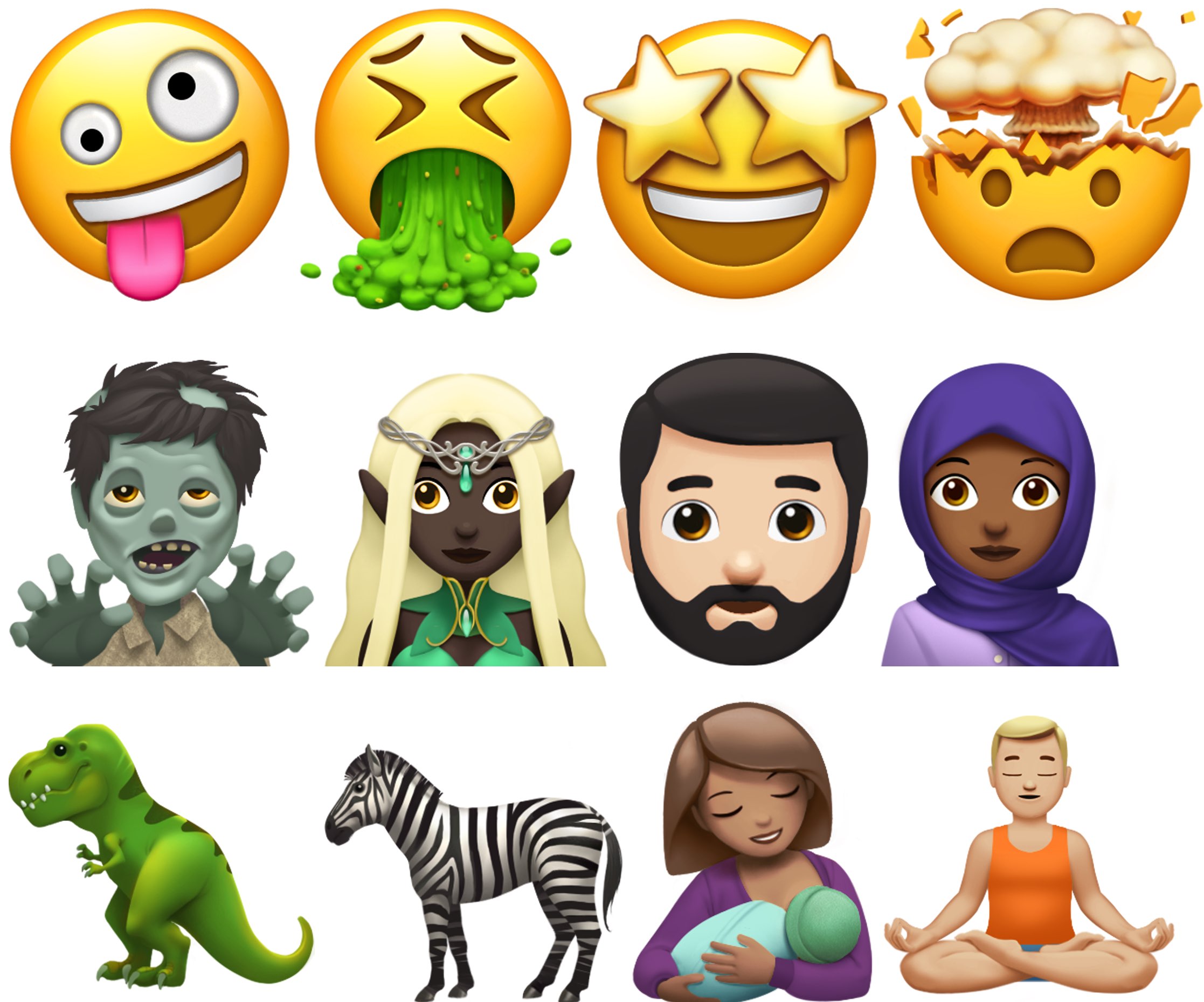
They include a woman with a headscarf, a bearded person and breastfeeding, as well as various new food items such as sandwich and coconut.

“More animals and mythical creatures like T-Rex, zebra, zombie and Elf are a fun way to describe situations and new star-struck and exploding head smiley faces make any message more fun,” said Apple.

The aforementioned emoji are coming to iOS, macOS and watchOS later this year as part of the 56 new emoji recently unveiled by the Unicode Consortium.

Emojipedia provides the complete list of new Unicode 10 emoji.

https://www.youtube.com/watch?v=9hIJLOgdSZo

Emoji on iPhone, iPad, Mac, Apple Watch and Apple TV are part of the Apple Color Emoji font.

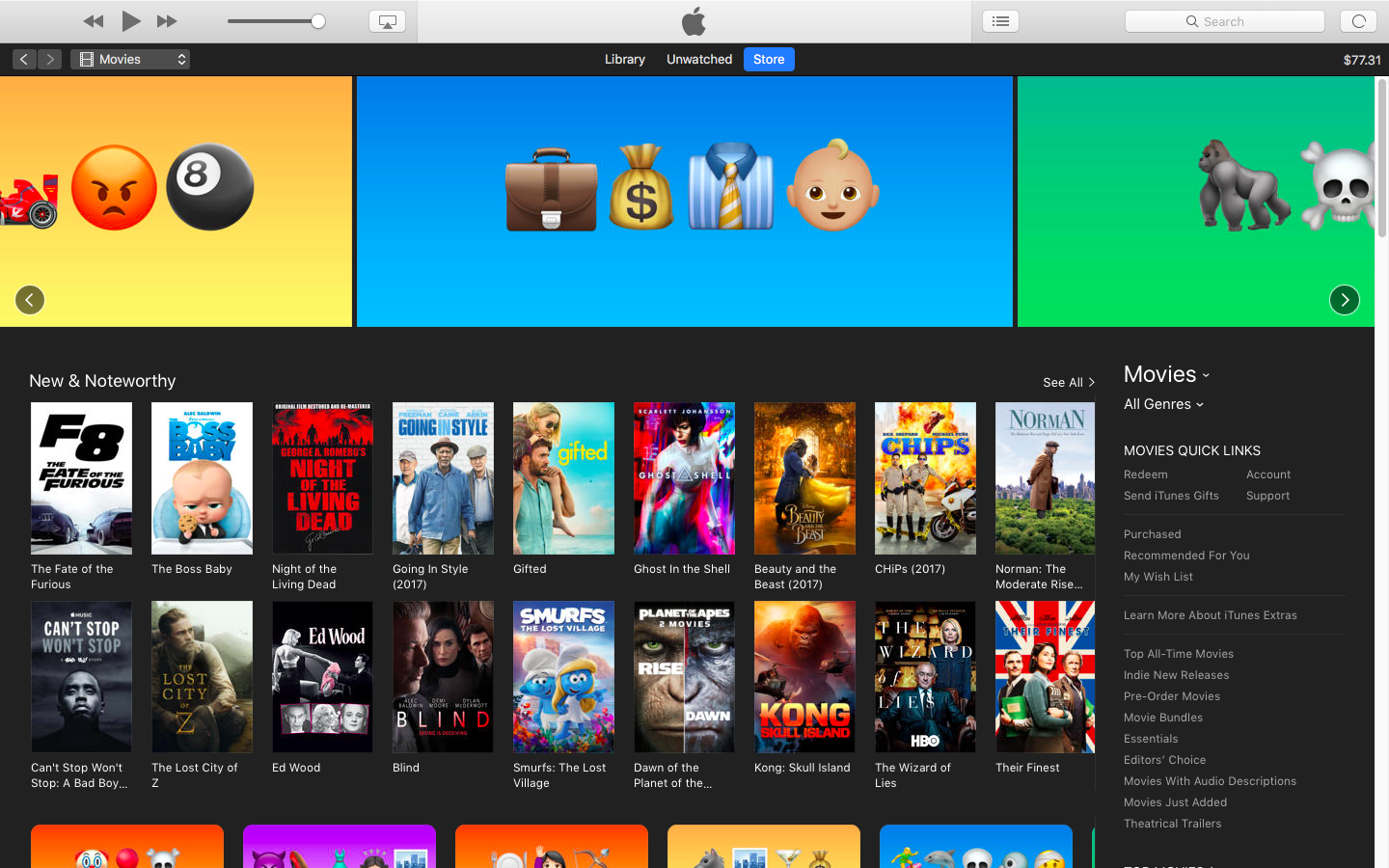
Also in celebration of World Emoji Day, App Store will be highlighting apps to create or do fun things with emoji. iTunes Movies is already featuring emoji in place of select movie titles. The new emoji should be delivered via point updates to iOS 11, macOS High Sierra and watchOS 4.

Pioneer’s Rayz Plus Lightning earphones now support “Hey Siri” function

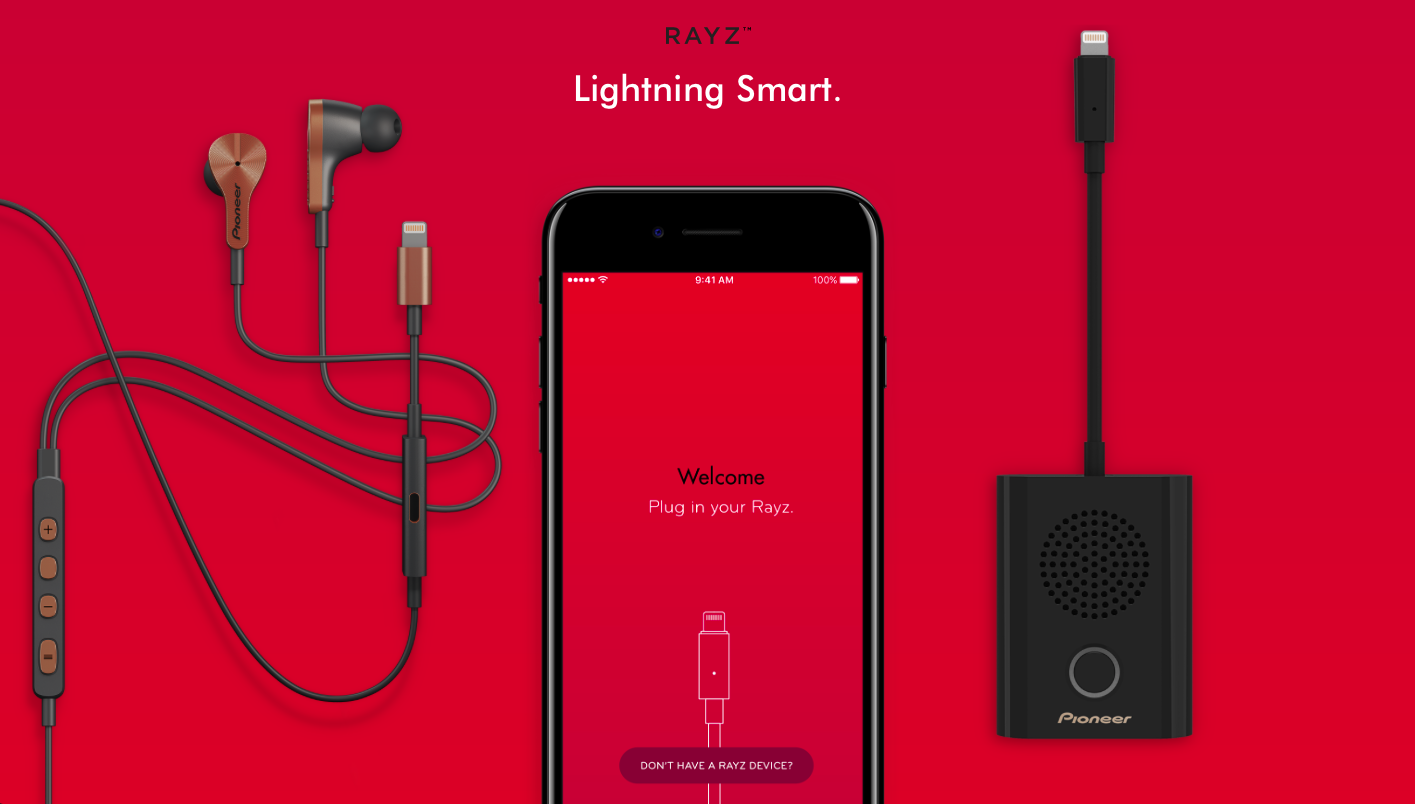
First announced in February, Pioneer's Lightning-equipped Rayz Plus earphones have gained “Hey Siri” support, Munenori Otsuki, CEO of Pioneer & Onkyo U.S.A. Corporation, said today.

With support for this feature, the earphones automatically recognize “Hey Siri” commands and allow customers to accomplish various tasks just by using their voice.

“Today we are pleased to announce that customers can say 'Hey Siri' while using Rayz earphones to easily make a call, send a message, listen to music and much more, even when iPhone is in their pocket or purse,” Otsuki said.

The firmware update also enables other capabilities, like language support for Chinese, French, German, Italian, Portuguese, and Spanish, audible alerts when the Smart Mute feature is active, AutoPause improvements and more.

Here's our video hands-on with the Rays Plus earphones.

https://www.youtube.com/watch?v=axvB9azU0QI

Subscribe to iDownloadBlog on YouTube

The noise-cancelling earphones use a wired Lightning connection which lets you listen or talk on your iPhone at the same time you're charging it.

A Smart Button on the earphones can be customized in the free Rayz app to bring up your favorite app, mute or unmute a call, or launch the Rayz app at a single touch.

For instance, you can create and save custom equalization profiles, enable HearThru mode to allow ambient sound, or activate AutoPause to pause music when you remove the earphones.

As of last month, the $149.94 earphones are available in two new colors—Black and Rose Gold—from Apple.com and Apple retail stores worldwide.

Former Apple creative director: “The pipeline that Steve Jobs started is over”

Hugh Dubberly, a former Apple creative director and former member of Samsung’s global design advisory board, was cited in The Wall Street Journal's write-up Monday as saying that the pipeline that Steve Jobs started is now over. “It’s not so much that Samsung has gotten better, but Apple has fundamentally changed,” he added.

While smartphone innovation in general has stalled due to market saturation and other factors as game-changing technologies continue to give way to incremental changes, the article suggests that Samsung has out-designed Apple with its Galaxy S8.

The smartphone war is shifting to how a phone looks and feels, reads the article.

Samsung design chief M.H. Lee was cited as saying:

Companies used to design phones to show off their technology. Now the focus is on designing a product that can be a buddy to the person, inseparable to them. Smartphone design is not just artwork that expresses what you want but a process of making things people around the world can actually use.

Charles L. Mauro, president of MauroNewMedia, a product-design research firm that has done consulting work for Apple and Samsung, said smartphone aesthetics now account for about half a consumer’s purchase decision versus just seven percent of purchases in an older survey.

An excerpt from the article:

Samsung's Galaxy S8 is nudging the bar higher as Apple seeks to impress with its 10th anniversary iPhone this fall. For Apple to outdo Samsung on design, analysts said, it would need a new distinguishing feature, like a fingerprint sensor beneath the display rather than a physical Home button.

Consumer Reports ranked the Galaxy S handset the top phone for the second straight year, praising features like Galaxy S8's industrial design, battery life and camera quality.

Galaxy S8 sales hit one million units in South Korea in half the time it took for its predecessor to hit that milestone. On the other hand, it saw significantly lower global sales during its first two months of availability than the Galaxy S7 model during the same period last year.

Happy Emoji Day from Apple!

Happy Emoji Day, everyone!

Apple has joined the festivities by taking over the rotating carousel on its iTunes Store for movies with a bunch of emoji-themed banners. These have replaced standard movie banners for popular flicks such as Stephen King's “It” remake, “Kong: Skull Island”, “Get Out”, “Arrival”, “Logan”, Disney's action-film remake of “Beauty and the Beast” and more.

Apple has not discounted the movies promoted with emoji banners.

July 17, is celebrated as World Emoji Day.

Why July 17?

Because this date is famously displayed on the iOS Calendar Emoji, which is the date that iCal for Mac was first announced at MacWorld Expo in 2002. The Calendar emoji was approved as part of Unicode 6.0 in 2010 and added to Emoji 1.0 in 2015.

Thanks, Carlos!