iPhone 8

Samsung to build world’s biggest OLED display manufacturing plant

Samsung is planning to build the world's biggest OLED display manufacturing plant that could kick off volume production in 2019, with a peak yield of between 180,000 and 270,000 OLED display panels per month, according to industry sources.

By comparison, the company's existing “A2” factory currently produces 180,000 units of rigid and flexible OLEDs per month.

Samsung Display, the South Korean conglomerate's display-making arm, will invest more than $1.75 billion just to construct the new plant. The report is relevant to our readers because Samsung Display is believed to be an exclusive provider of OLED panels for iPhone 8.

When operational, the company's new OLED factory, tentatively named “A5”, should have 30 percent higher production capacity than Samsung current biggest factory called “A3”, according to Korean outlet ETNews.

The site added that Samsung began expanding capacity of its upcoming “A3” factory during the second half of 2015 in order to meet Apple's order for a large amount of OLED panels.

According to the report, Samsung Display has secured production capacity of 135,000 OLED panels per month over the next two years, primarily to serve the needs of its two biggest clients: Apple and Samsung Electronics.

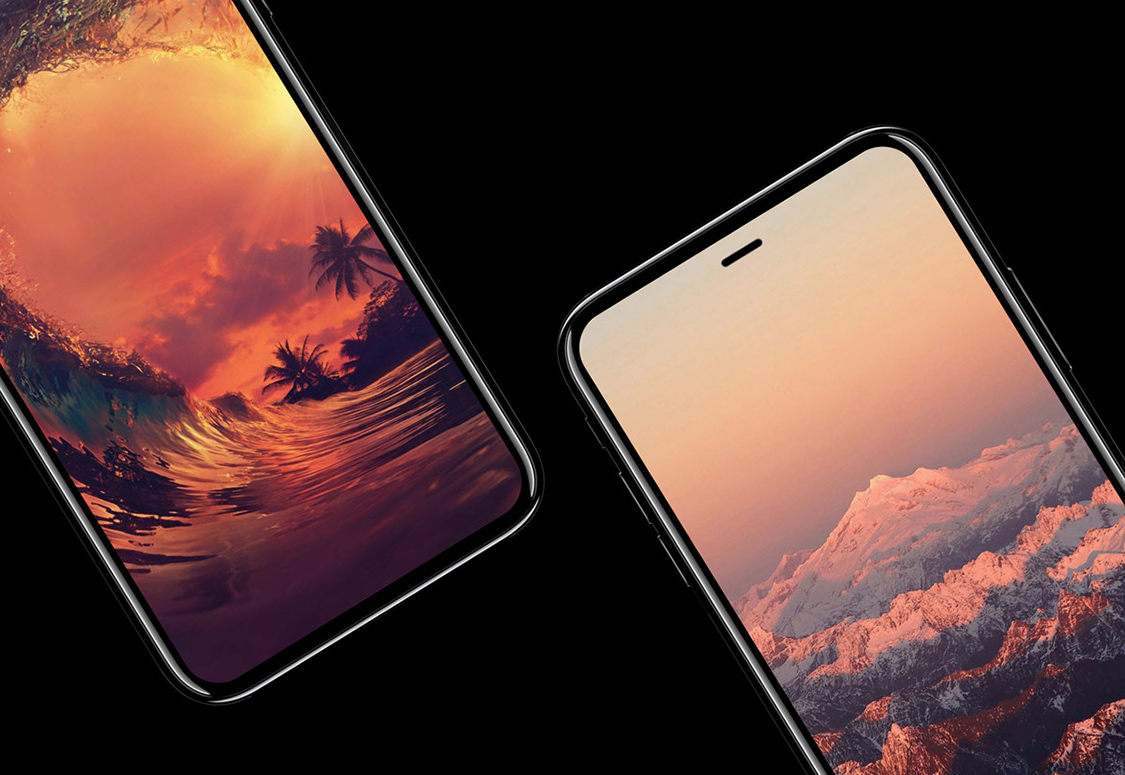
iPhone 8 Full Vision Display concept courtesy of iFanr.
Purported iPhone 8 prototype leaks with questionable design

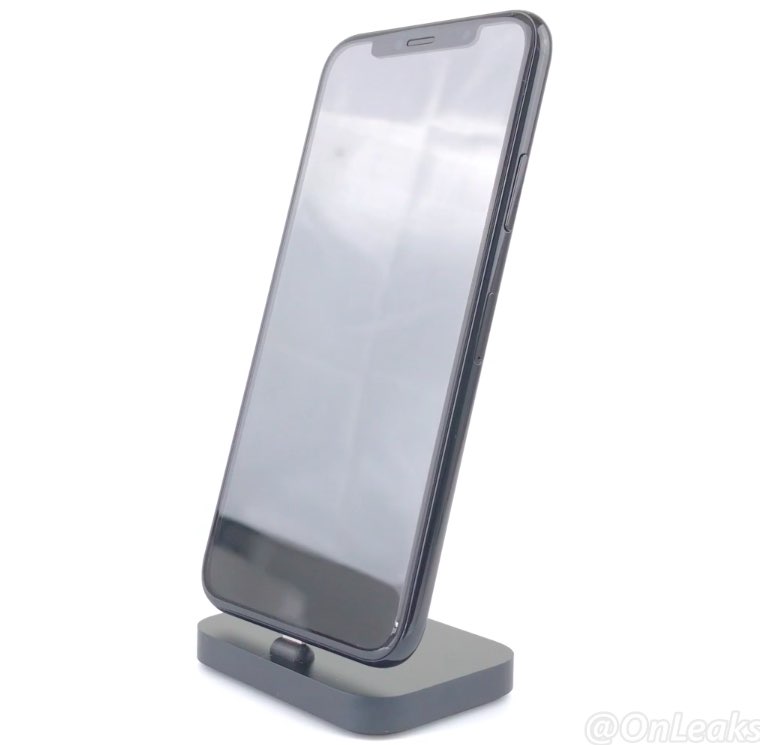
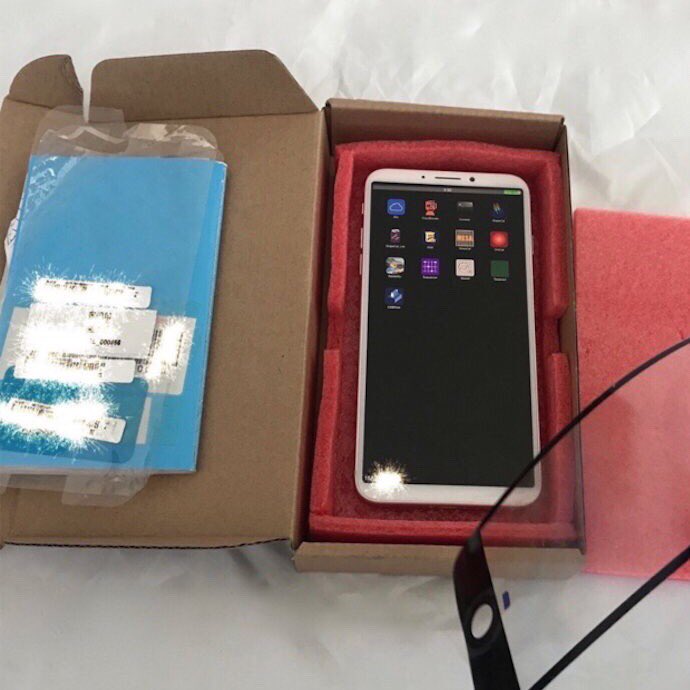
A trio of images published by Benjamin Geskin last night have gotten some folks excited (or worried, depending on your point of view). The photos appear to show an early iPhone 8 prototype, which he says was obtained from an insider.

The device pictured on the images does not have its front-facing FaceTime camera and the speaker integrated into the display, like we're expecting in the final model due this fall.

Instead, there's a “chin” at the top of the display, albeit thinner than on current iPhones.

The images show that the device came in the box with an iPhone 7 screen protector applied to its display. What's more interesting than that is a blue “passport” we can clearly see in the box.

For the uninitiated, iPhone prototypes are accompanied by this passport document at all times, for quality assurance and control testing.

According to Australian leakster Sonny Dickson:

Each component or product that is tested they document in the page. The person writes their initials next to it and any notes about it passing or failing or any other comments. It makes its way through each test and person. It then is finally sent with its 'passport' from China to Apple.

That being said, we're still unsure if the device shown on Geskin's image is in fact one of the ten iPhone 8 prototypes Apple has reportedly tested this year or simply a dummy unit created based on rumors, but we're posting it here for the sake of discussion.

So, what do you say?

Is this a real iPhone 8 prototype? And if so, does it represent the device we're going to see this fall or one of the designs that Apple has ultimately abandoned?

Let us know by posting a comment below.

New video provides one of the best looks yet at iPhone 8 dummy unit

A new video that surfaced yesterday offers an up-close look, one of the clearest yet, at the prospective design of Apple's OLED-based iPhone 8. Shared by Steve Hemmerstoffer of OnLeaks, in partnership with Tiger Mobiles, the clip depicts a dummy device with a nearly full-screen face protected by a curved 2.5D glass cover.

The dummy unit has minimal side bezels. A Touch ID fingerprint sensor is built into the display and there's an area at the top of the display that will presumably accommodate the front-facing FaceTime camera along with a 3D sensor and potentially other sensors.

On the back, we see a vertically aligned dual-lens camera system like on prior leaks. The dummy unit measures 144mm long, 71mm wide and 7.5mm thick without the camera bump (with the bulge included, the thickness increases to 9.1mm).

And here's the video.

https://www.youtube.com/watch?v=pW1gx086ZxU

This particular iPhone 8 dummy unit is a CNC mockup manufactured based on CAD files that were posted to Twitter back in April. Because it's just a mockup based on the months-old CAD files and design schematics that have been circulating on the web for quite some time now, it may or may not be representative of the real iPhone 8 design.

Could this be the new iPhone 8 wireless charging chime?

Unlike iPhone, iPad and iPod touch, your Apple Watch plays its own charging sound when placed on its magnetic charging disk. Going by same logic, iPhone 8 should play a distinctively unique charging chime when connected to its wireless charger.

Polish YouTube user “MAKS+” claims to have discovered a brand new charging sound file in the latest beta of iOS 11. To be sure, there's no way of telling if it signifies a new wireless charging chime for iPhone 8.

https://www.youtube.com/watch?v=xAgpgtgrh88

As you can clearly tell yourself by listening to both sounds in the video above, the new wireless charging chime in the file named “engage_power.caf” does sound distinctively different compared to the regular charging sound in the audio file named “connect_power.caf”.

Don't get your hops up high: as noted by MacRumors, there are several other sound files in iOS 10 and 11 that are unused and do not have a purpose.

Put simply, there's really no way to confirm if this particular sound has been added as the new audible indicator that an iPhone 8 has been placed on an inductive wireless charger.

Thoughts?

Barclays: iPhone 8 to ship with 10W USB-C power adapter with fast charging

Apple's 5.8-inch iPhone 8 is expected to ship with a stronger ten-watt power adapter in its box, featuring a USB-C connector and fast-charging support. That's according to Barclays analyst Blayne Curtis's note to clients Wednesday, a copy of which was obtained by MacRumors.

Current iPhones include a five-watt power adapter in the box.

The analyst claims that iPhone 8 will include a dedicated USB-C Power Delivery chip that enables fast charging capabilities. The new ten-watt power adapter will also sport an integrated USB-C Power Delivery chip. Both chips will be supplied by Cypress Semiconductor and it's basically the same CYPD2104 part used in Apple's new 10.5-inch iPad Pro.

It should be noted that iPhone 7 already supports fast-charging capability when connected to Apple's 29-watt USB-C power adapter for MacBook via a Lightning to USB-C cable.

The new 12.9-inch iPad Pro and the 10.5-inch iPad Pro are capable of fast charging, too.

KGI Securities analyst Ming-Chi Kuo said in March that the OLED-based iPhone 8 would retain its Lightning connector and have a dedicated USB-C Power Delivery chip on the logic board.

Assuming Curtis is right, iPhone 8 might come bundled with either a Lightning to USB-C cable or a female USB-C to male USB-A adapter with an integrated fast-charging chip so that customers could use their existing Lightning to USB cable to fast-charge the phone.

iPhone 8 concept courtesy of iFanr.

Limited OLED availability could hold back iPhone 8 launch sales

iPhone 8 production has allegedly hit another roadblock, with a sketchy report Tuesday by Taiwanese outlet DigiTimes suggesting the supposedly limited availability of 5.8-inch OLED display panels could hold back the phone's launch sales.

Citing industry sources, the trade publication says it'll be difficult for Apple to ship up to 60 million OLED-based iPhones in 2017.

“Only 3-4 million OLED-based new iPhone devices will be ready for shipping before the new smartphones are unveiled at a product event slated for September,” reads the article.

The publication did not give the reason for the allegedly limited OLED screen availability beyond stating that yield rates at assembly plants and the supply of OLED panels are “likely to become issues” for the Cupertino firm.

Take the report with a few grains of salt because Samsung Display recently negotiated a lucrative supply deal with Apple to build at least 80 million OLED panels for iPhone 8 in 2017.

In fact, the South Korean conglomerate is said to be supplying OLED screens for both iPhone 9 in 2018 and a yet-to-be-disclosed Apple device with a screen measuring 6.5 inches diagonally, as per The Korea Herald.

Besides, iPhone assemblers Foxconn, Pegatron and Wistron have been stepping up efforts to recruit more workers for their assembly lines in China, indicating that volume production of iPhone 8 is about to kick off.

On top of that, Apple's key chip supplier Taiwan Semiconductor Manufacturing Company saw its revenues surge twenty percent sequentially in May, partly driven by shipments of iPhone 8's A11 processors to Apple.

iPhone 8 mockup top of post via Benjamin Geskin

Edge-to-edge dummy offers best look yet at rumored iPhone 8 design

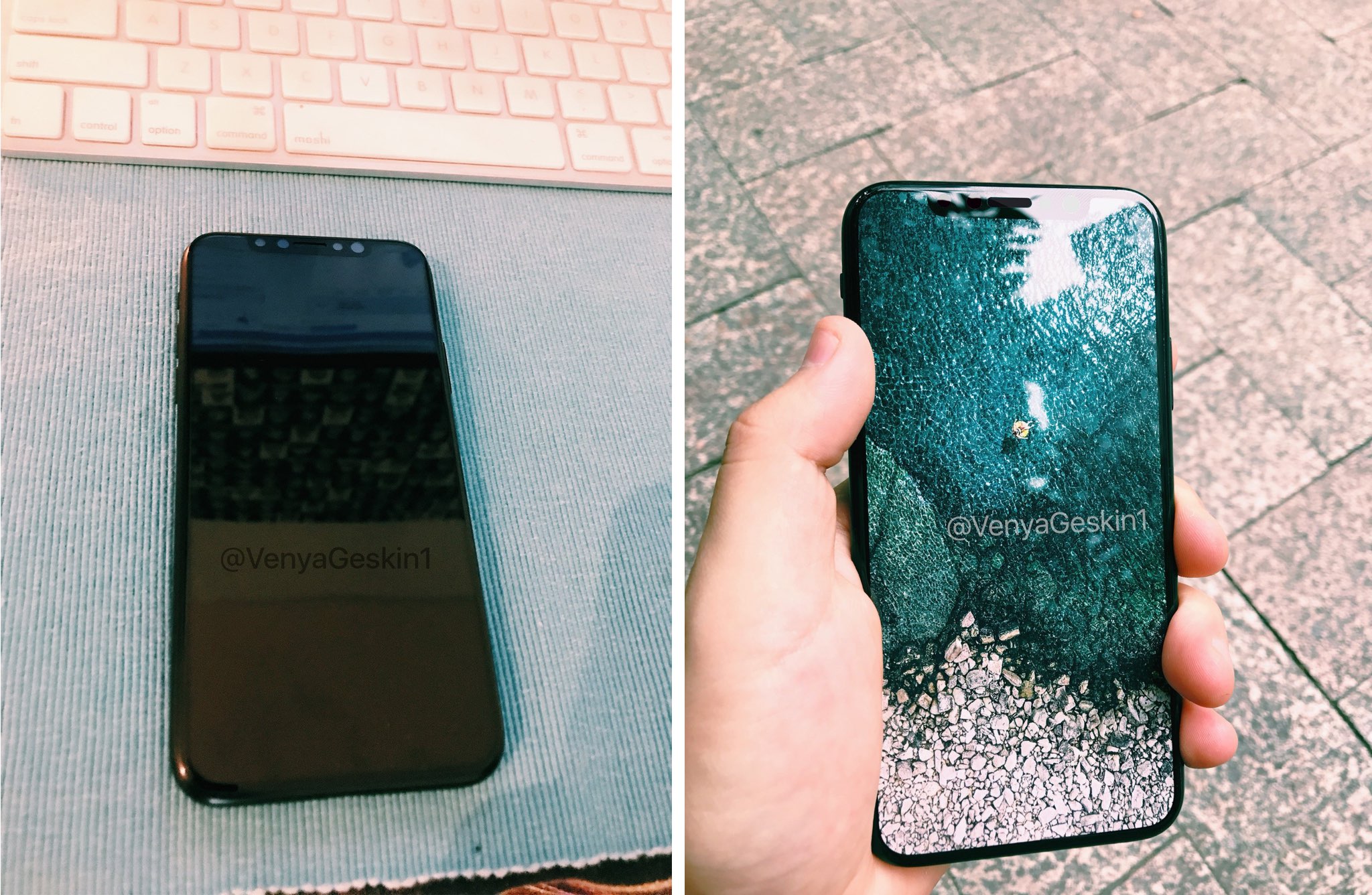
iPhone 8 is expected to have a nearly full-screen front face with a 5.8-inch edge-to-edge OLED panel and no “chin” at the handset's top and bottom. Benjamin Geskin has now combined the leaked parts in a dummy unit showing off what iPhone 8 might look like at launch.

The prolific smartphone leakster put a printed image of iOS 10.3.3's beach-themed wallpaper under a glossy screen protector to simulate edge-to-edge display design. He also posted a video on his Twitter account to show off the assembled dummy in motion.

I think this is our best glimpse yet at what iPhone 8 might look like.

#iPhone8 Hands-on Video (sort of)

(Dummy + Printed Picture + Screen Protector) pic.twitter.com/gkKjWH0tLe

— Benjamin Geskin (@VenyaGeskin1) June 23, 2017

My only gripe with this Frankenstein iPhone dummy is the top area with a cutout for the front-facing FaceTime camera, the speaker and the phone's various sensors—it just doesn't look right to me. Now, Apple is said to have tested ten different iPhone 8 prototypes.

That said, there's still a chance we might see a fully bezel-less iPhone 8 come this fall rather than this nearly bezel-less appearance. But even if it does end up having that cutout at the top of the OLED display, the sensor dip may not be visible at all.

That's because OLED technology provides deep blacks, thereby making it difficult to tell where the edge of the screen really is, as readily apparent by the OLED screen on Apple Watch.

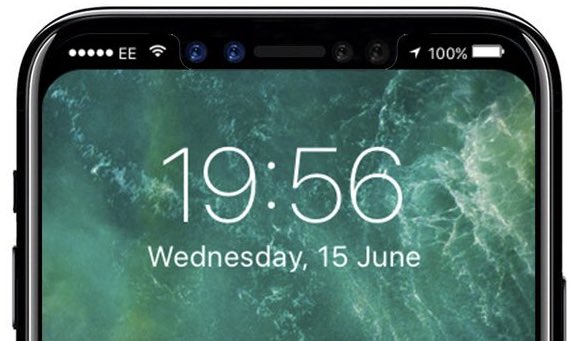
As the rendering above indicates, Apple could update iOS's status bar at the top so that the icons appear on the left and right side, without the current time being shown in the middle.

That would actually be a smart approach to concealing that sensor dip as much as possible.

Thoughts?

Accessory vendor says iPhone 8 will be called “Decade Edition”

Apple is widely expected to release three new iPhone models this year: the LCD-based update to the existing iPhone 7 series and a whole new iPhone 8 model with an OLED screen and more. While it's been generally accepted that the LCD-based devices will be named “iPhone 7s” and “iPhone 7s Plus”, the jury is still out on the possible name for the OLED-based iPhone.

An accessory vendor who posted an image of its iPhone 8 screen protector on SlashLeaks today wrote that the OLED-based phone may be marketed under the “Decade Edition” moniker.

This is the first time this particular name has been mentioned.

Be that as it may, we don't think Apple will released a phone named “iPhone Decade Edition” because we don't think a screen protector maker would be privy to the company's plans, but we could be wrong. On top of that, such a marketing name would only last one year.

Apple, of course, began using the “Edition” suffix in conjunction with the gold-plated models of the original Apple Watch, which were marketed as “Apple Watch Edition”.

https://www.youtube.com/watch?v=SKqCKdEGEPk

Subscribe to iDownloadBlog on YouTube

When the Cupertino giant phased out golden watches following the release of Apple Watch Series 2 last year, the company retained the “Apple Watch Edition” name for its higher-priced models that feature the casing in brilliant white ceramic.

Back in March, the fairly reliable Japanese blog Mac Otakara reported that the next iPhone would be called “iPhone Edition”. Apple probably has multiple name suggestions for the device and it will be up to the firm's marketing department to pick one ahead of its release.

iPhone 8 renderings via Vianney le Masne.

This iPhone 8 screen protector has noticeably thin bezels

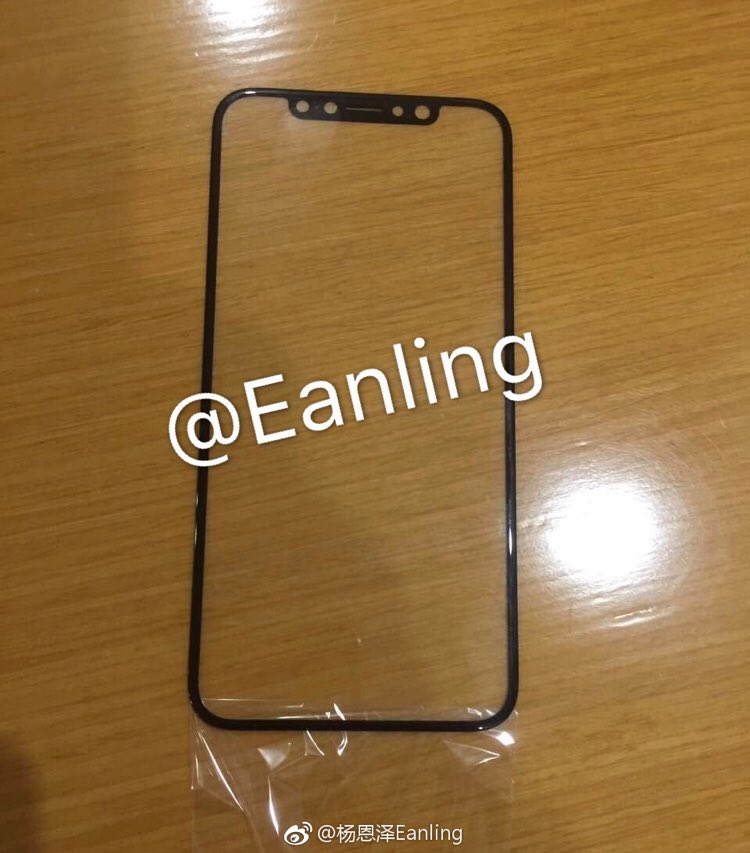
Smartphone leakster Benjamin Geskin today tweeted out a few images and a video of an alleged tempered glass screen protector for Apple's OLED-based 5.8-inch iPhone 8.

First posted on Chinese social network Weibo and originally re-posted on SlashLeaks, it has noticeably thin bezels and a minor cutout at the top for the camera and the sensors.

As evidenced by the images, the accessory matches up the rumored dimensions and design schematics of iPhone 8 perfectly. It should be said that vendors often design accessories for unreleased Apple products based on rumors, so take this one with a grain of salt.

The screen protector is made by Olixar and can be purchased via MobileFun for $32.

https://www.youtube.com/watch?v=khCLSSpTpto

According to the product's listing, the accessory features edge-to-edge design with a 2.5D rounded edge and includes support for Apple's 3D Touch pressure-sensing technology.

Another supplier breaks silence: iPhone 8 could be unveiled in September and ship in October

Finisar, one of the the world's largest suppliers of optical communication products, told investors on an earnings call that it expects one company, without mentioning Apple by name, to account for millions of units of a specialized laser for depth-mapping.

Finisar is not on Apple's official list of suppliers.

Loup Ventures believes Apple is that unnamed customer. Based on Finisar's comment, Loup expects the next iPhone to be announced in September and ship in October, Axios reported.

Known as VCSEL, which is an acronym for “vertical-cavity surface-emitting laser”, Finisar's specialized sensor is basically a semiconductor-based laser diode that emits a highly efficient optical beam vertically from its top surface.

Lumentum, another supplier, said in May it would kick off volume shipments of the same type of laser in the second half of the year. Aside from Lumentum and Finisar, 3D sensors for the OLED-based iPhone 8 models should also be built by Himax Technologies, Barrons learned.

iPhone 8's highly anticipated 3D and AR features may be based on an advanced motion and depth-sensing technology from Israeli startup PrimeSense, which was acquired by the Cupertino firm in November 2013 for a reported $345 million.

KGI Securities analyst Ming-Chi Kuo predicted in February that iPhone 8 would ship with an enhanced camera outfitted with laser sensors to support capabilities like 3D selfies, accurate depth mapping, 3D modeling, advanced biometrics and augmented reality features.

iPhone 8 will supplement its FaceTime camera's standard RGB CMOS sensor with a pair of infrared transmitting/receiving modules and a custom 1.4-megapixel sensor capable of detecting changes in light signals, allowing it to sense depth, as per KGI.

At its Worldwide Developers Conference last week, Apple unveiled ARKit, a new framework for developers to help them bring augmented reality experiences to their iPhone and iPad apps.

Augmented reality applications typically display real-world images underneath a computer-generated layer of information, thus augmenting the real world.

iPhone 7 Plus dual-lens supplier Largan Precision publicly confirmed a few days ago that it would start shipping lenses for a 3D-sensing module to be “used in a smartphone ready to ship in the second half this year”.

Image: Alasdair Coull, head of Peter Jackson's Wingnut AR, shows a demo at WWDC 2017 of an upcoming augmented reality game built on Apple's new ARKit framework.

Wistron confirms at least one new iPhone will be waterproof and have wireless charging

At least one of Apple's new iPhone models coming this year will be waterproof and have wireless charging capabilities, Apple partner Wistron has officially confirmed.

According to Japanese outlet Nikkei Asian Review, waterproofing will alter the assembly process for the upcoming iPhones a little bit.

Yuanta Investment Consulting and Fubon Securities analysts claim Wistron is splitting orders for the upcoming 5.5-inch devices “with flat displays” with Foxconn, meaning Wistron is probably referring to an LCD-based iPhone 7 Plus model as having wireless charging features.

KGI Securities analyst Ming-Chi Kuo predicted a few months ago that all three iPhone models coming this year would comet outfitted with wireless charging modules.

Wistron is an Apple partner that is currently making a small number of the iPhone SE and iPhone 6 handsets in India so it's a bit surprising that they would jeopardize their Apple business by confirming a feature the Cupertino firm has yet to discuss publicly.

Here's what a company official said:

Assembly process for the previous generations of iPhones have not changed much, though new features like waterproof and wireless charging now require some different testing and waterproof function will alter the assembly process a bit.

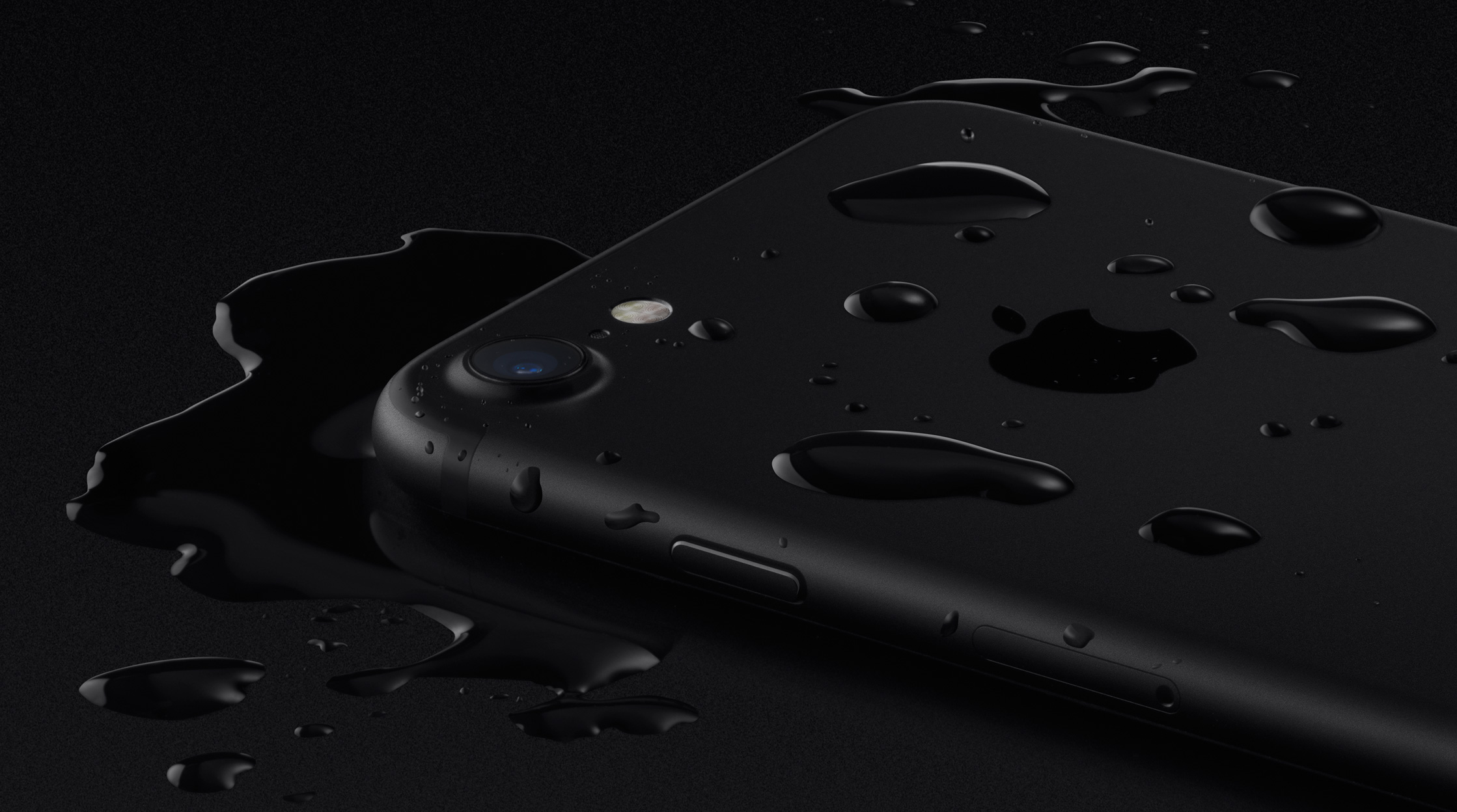
The iPhone 7 series is splash, water and dust-resistant, rated IP67 under the IEC standard 60529. According to Apple, “splash, water, and dust resistance are not permanent conditions and resistance might decrease as a result of normal wear.”

Wistron is probably talking about increased water and dust-resistance under the IP68 rating, like Samsung's Galaxy S8. The Korea Herald said in January that iPhone 8 would feature IP68-rated dust and waterproofing.

As for the rumored wireless charging features, Reuters recently reported that Apple has been testing at least five different wireless charging technologies.

In February, Apple joined the Wireless Power Consortium, prompting some watchers to interpret the move as an unmistakable sign that iPhone 8 would use the ubiquitous interface standard Qi (pronounced chee) that's being widely used for wireless charging across a number of consumer electronics devices.

Apple supplier Largan to ship 3D lenses soon, likely for iPhone 8

Taiwanese vendor Largan Precision, which supplies lenses for the dual-camera iPhone 7 Plus, recently confirmed it would start shipping facial recognition 3D sensors in the second half of this year, in time for iPhone 8.

The company is currently in the process of expanding production capacities. They'll be hiring a cool 4,500 workers for its new production facility, or nearly double its current workforce. Apple's OLED-based iPhone 8 is said to use 3D sensors to capture a user's face and iris, even in low-light conditions.

KGI Securities analyst Ming-Chi Kuo predicted that a next-generation FaceTime camera on iPhone 8 would augment standard RGB sensors with infrared transmitting/receiving modules and include a bespoke 1.4-megapixel sensor capable of detecting changes in light signals.

The next-generation camera would apparently use lasers invisible to the human eye for advanced features such as 3D selfies, accurate depth mapping, 3D modeling and more.

iPhone 8's image sensors should be built by Sony, like before.

Largan CEO Adam Lin said in a press conference this week after the company's annual general meeting, as reported by Nikkei, that they will have lenses for a 3D-sensing module “used in a smartphone ready to ship in the second half this year”.

No phone vendor has officially announced a device with 3D lenses, leaving only iPhone 8 as the most likely phone with 3D lenses that'll be ready to ship in the second half of 2017.

Jeff Pu, an analyst at Yuanta Investment Consulting, estimates that Largan will supply 90 percent of rear-camera lenses for 2017 iPhones, around half of the 3D-sensing lenses and up to one-third of the front camera lenses. Foxconn-controlled Genius Electronics Optical and Japan's Kantatsu are said to compete for the rest of the iPhone 8 orders.

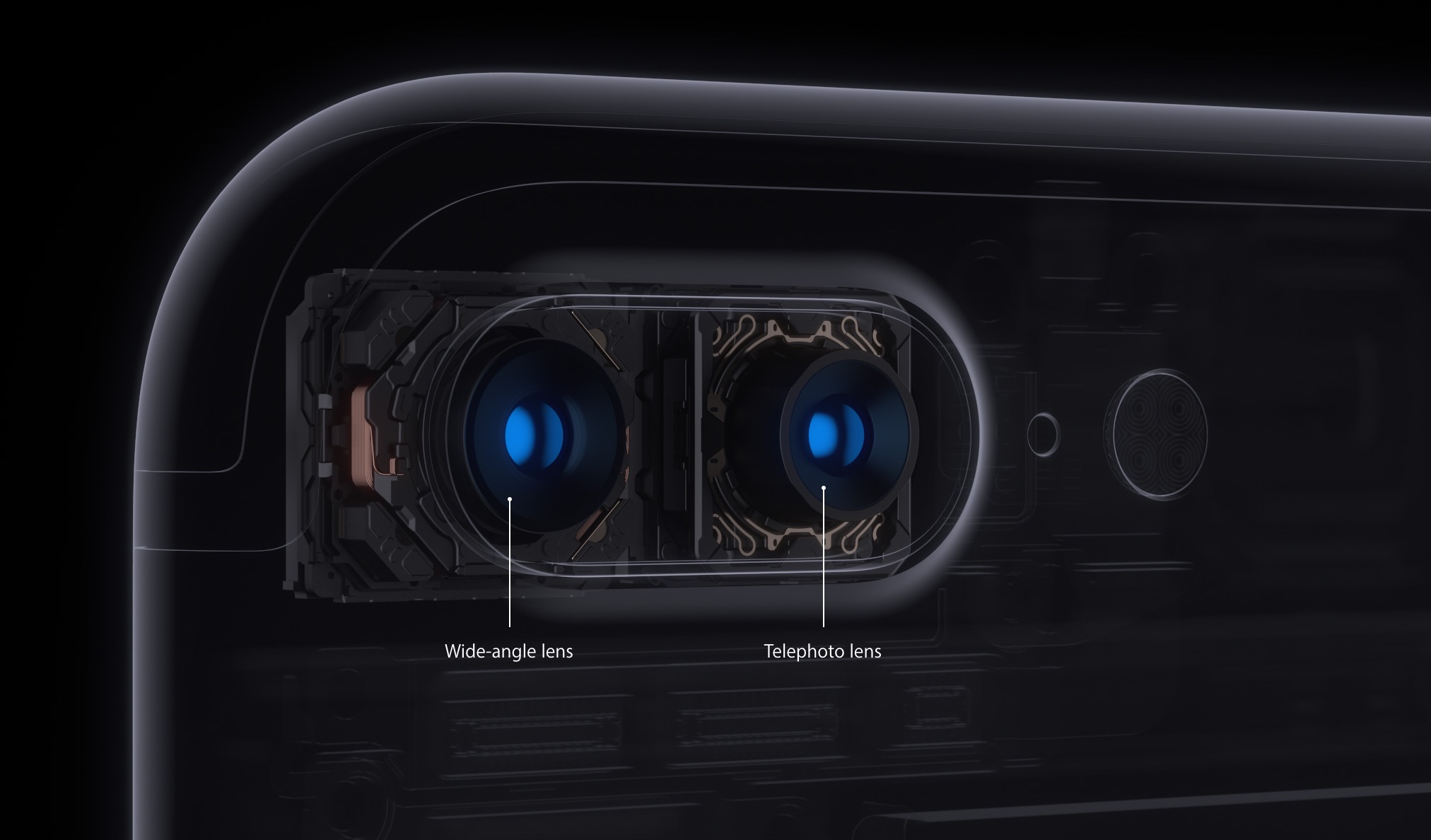
Image: iPhone 7 Plus dual-camera system with Largan-made lenses.