Hack

iPhone 4S hacked using Safari exploit in Pwn2Own contest

Users of Apple's iPhone and other iOS devices enjoy a fairly high level of security. In the past five years, the platform has only seen a handful of malware scares, and MIT says it recently crossed a "significant" threshold in security.

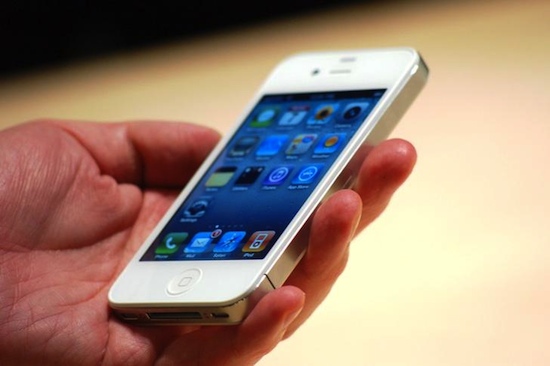
But all of that security couldn't stop the iPhone 4S from getting hacked today at the Pwn2Own contest in Amsterdam. A group of Dutch security researchers gained remote access to the handset in seconds with a Safari exploit...

Twitter adds iOS hacker Charlie Miller to its security team

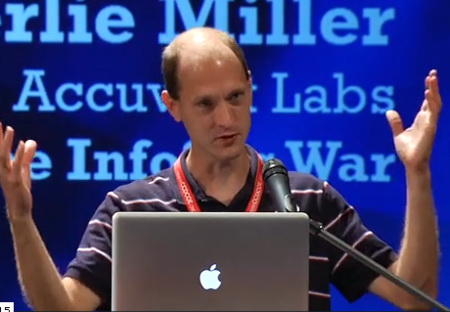
If you are a long-time iDB reader, you'll likely recognize the name Charlie Miller. The iOS hacker has broken through the security of everything from the iPhone to the App Store.

Well it looks like Miller's iOS hacking days are over, at least for now. The systems expert announced on Friday that he will be joining Twitter's security team, starting next week...

Publishing firm Blue Toad says it’s to blame for leaked UDID list

So this is kind of interesting. Remember that list of 1 million Apple device IDs that the hacking group AntiSec claims it stole from the FBI and then leaked online? Well it may not have actually come from the FBI.

According to a new report, the UDIDs in the list matched up with data from Blue Toad, a digital publisher that specializes in bringing hard copy content to the internet. And the company is taking full responsibility...

Predictably, FBI denies involvement in UDID scare

If you've been anywhere near an electrical outlet today, you already know about the latest privacy scare reportedly involving the hacking group AntiSec publishing a million UDIDs they allegedly lifted from a laptop belonging to an FBI agent. It's been all over the news and concerned citizens jumped to the rescue by writing a web app to check if your device identifier has been compromised (though I wouldn't be typing in my UDID into some web form if I were you).

Well, the Federal Bureau of Investigation, also known under the widely popular FBI moniker, issued a public statement related to the scandal. No, the Bureau absolutely had nothing to do with collecting Apple UDIDs. Its agent wasn't carrying around a file with a whopping twelve million device identifiers, thanks for your question. And of course they refuted the story and denied any wrongdoing. Sometimes, it's easier to believe in God than to trust the Government, isn't it?

Check if your iOS device has been compromised by the FBI breach

Yesterday, news broke that the hacking group AntiSec published a million UDIDs from an alleged trove of twelve million device IDs claimed to have been stolen from a laptop belonging to an FBI agent. Even though the hackers had removed some of the identifiable information from the list, your UDID might be exposed out in the wild, along with 999,999 other IDs posted on the web.

And why would you want to know if your UDID is out there for everyone to see? Good question. Your UDID uniquely identifies your device and expert hackers could use it to glean all sorts of information from other data associated with your UDID.

Yeah, it's a privacy catastrophe, one that might potentially even lead to identity theft. Perhaps even more important than that, wouldn't you like to know if your device is on the FBI's watch list?

Hacker group leaks 1 million Apple device IDs from FBI breach

Earlier this year, Apple started rejecting applications that called on unique device identifiers (or UDIDs). The move came amidst privacy and security concerns, as several apps were found to be misusing the information.

Tonight, those concerns multiplied as the hacking group known as AntiSec announced that it had acquired more than 12 million device IDs from a recent FBI hack. And they've just released a million of them...

New spyware found capable of taking over iPhones

The iPhone receives a fair amount of praise for its security features. The Massachusetts Institute of Technology says that the handset's encryption is so good, that it's tough for law enforcement agencies to perform forensics.

But this doesn't mean it's impenetrable, as hackers continue to find flaws. In fact, another big one was recently discovered in the form of spyware, which can take over the iPhone and give a user remote access to its contents...

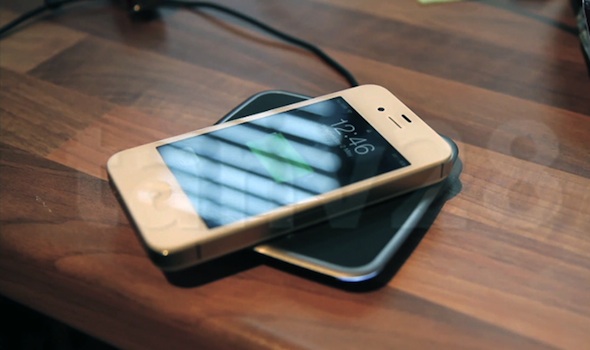
iPhone 4S hacked to charge wirelessly

Rumors that Apple is working on a wireless charging solution for its iOS devices have been bouncing around for years. We've even seen evidence of this in the company's patent filings.

But if you can't wait for Apple to implement the feature, you could always do it yourself. Tanveer Islam did it with his iPhone 4S, using a Powermat and a little know-how...

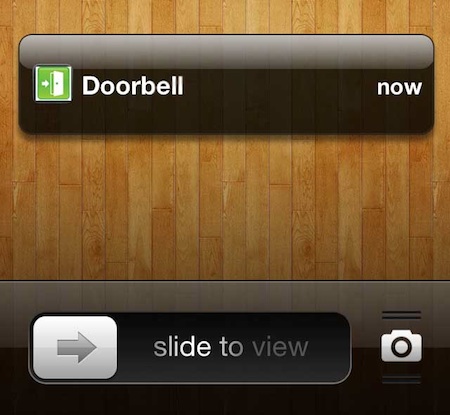
This hack sends out a push notification when the doorbell rings

As iDB is deeply involved in the jailbreak community, we see cool software and hardware hacks all the time. One of my favorites is by Mark Hodder, the freelance webmaster, who programmed Siri to turn his fireplace off and on.

Today, we've got another cool hack to share with you. This one comes from Clement Storck, over at Make Projects, who hacked his doorbell to send his iPhone push notifications (and doorway photos) when activated by a visitor...

The New Yorker profiles infamous hacker George “GeoHot” Hotz

George "GeoHot" Hotz has been described as one of the most famous hackers of our generation. Most of us know him for his work in the jailbreak community, and his original iPhone unlock that launched him into the public eye.

But Hotz is much more than that. He's a a former Facebook and Google alum, and a two-time finalist at Intel's International Science and Engineering fair. And more recently, he's the subject of a lengthy article in The New Yorker...

Warning: App Store users receiving email spam pretending to be from Apple

The App Store has seen its fair share of drama since its creation, and while Apple never publicly acknowledged any of it, there have been ample amounts of evidence showing that iTunes accounts have previously been hacked to steal money from store credit, or to buy applications without the account's owner's consent. Last year, some hackers went as far as selling iTunes accounts login information on ToaBoa.com, a Chinese site similar to eBay.

Today we received tips from two independent sources claiming they had received a suspicious email from Apple, urging them to download an application from the App Store. The email happens to be a fake, but the application is real...