First synthetic Geekbench benchmarks of the most popular Apple notebook are here.
Benchmarks show expected gains for the new Air over 2017 model and 12″ MacBook
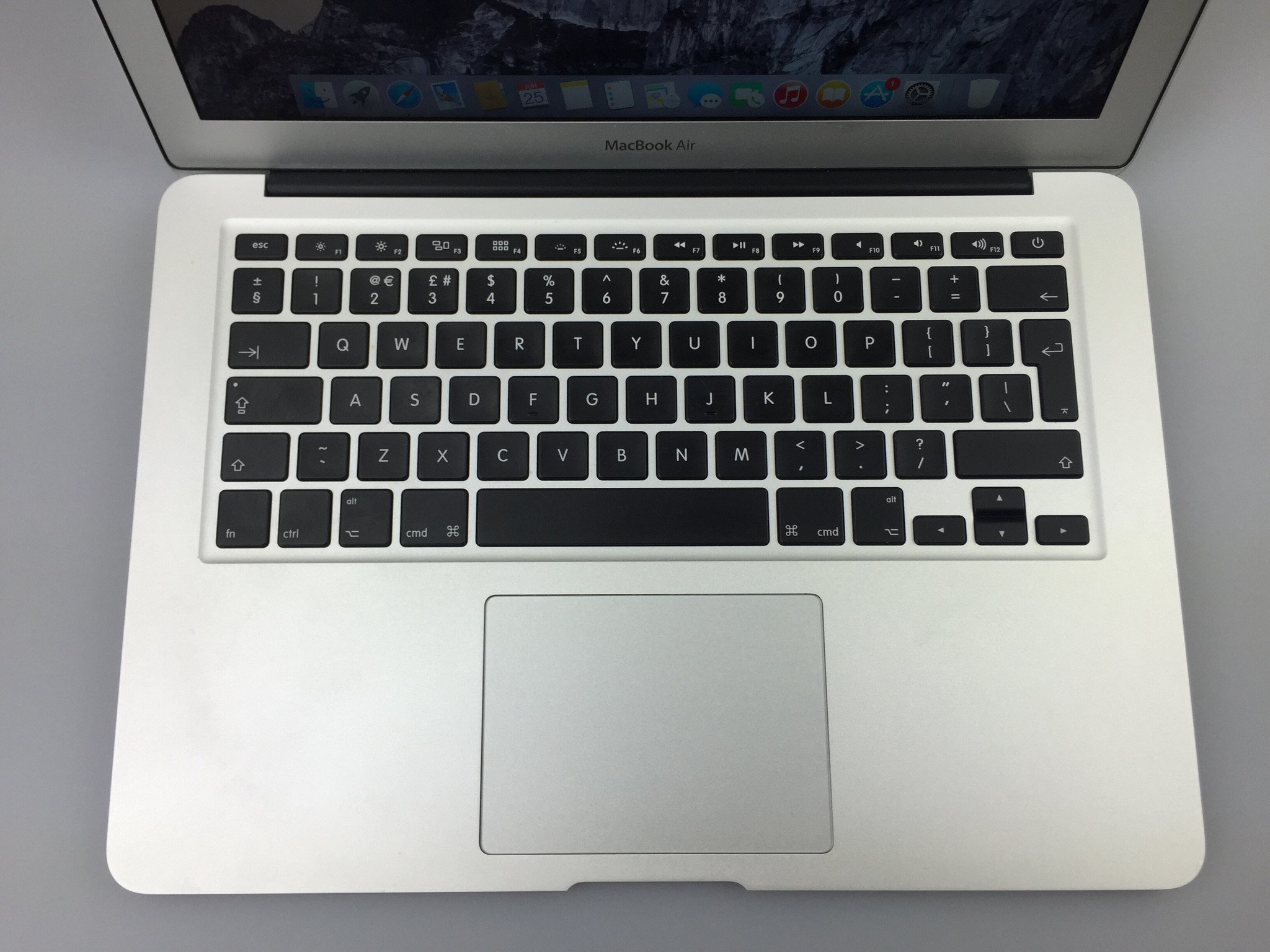
First synthetic Geekbench benchmarks of the most popular Apple notebook are here.
The new 11-inch and 12.9-inch iPad Pro introduced Tuesday have plenty of CPU and GPU power to make them comparable in terms of processing speed to Apple's nearly $3,000 15-inch 2018 MacBook Pro notebook outfitted with Intel's six-core Core i7 chip.
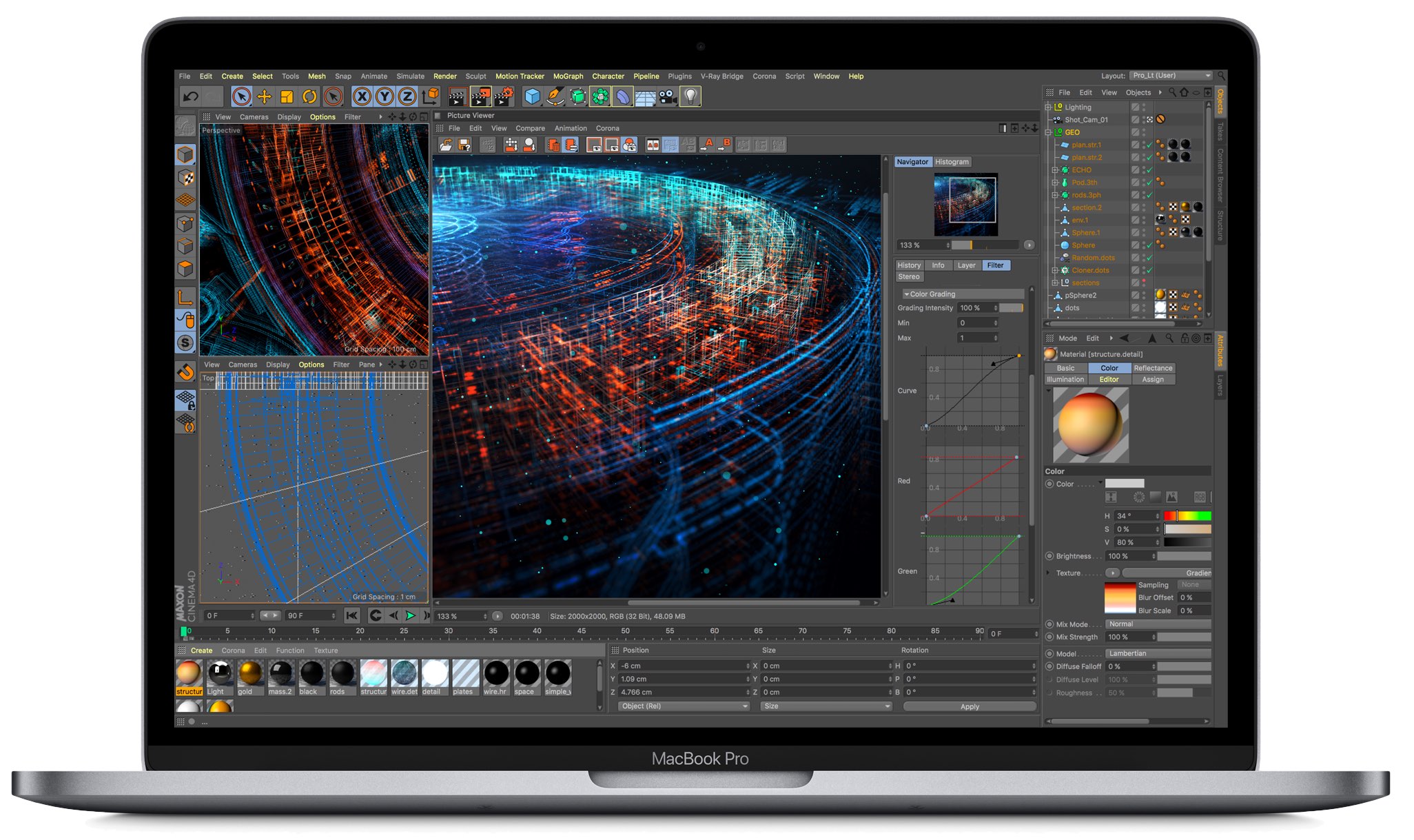
Initial Geekbench scores on the recently announced 2018 MacBook Pro lineup show significant improvements over last year's models. This shouldn't come as that much of a surprise since this year's model features the first core increases for the MacBook Pro since 2011.
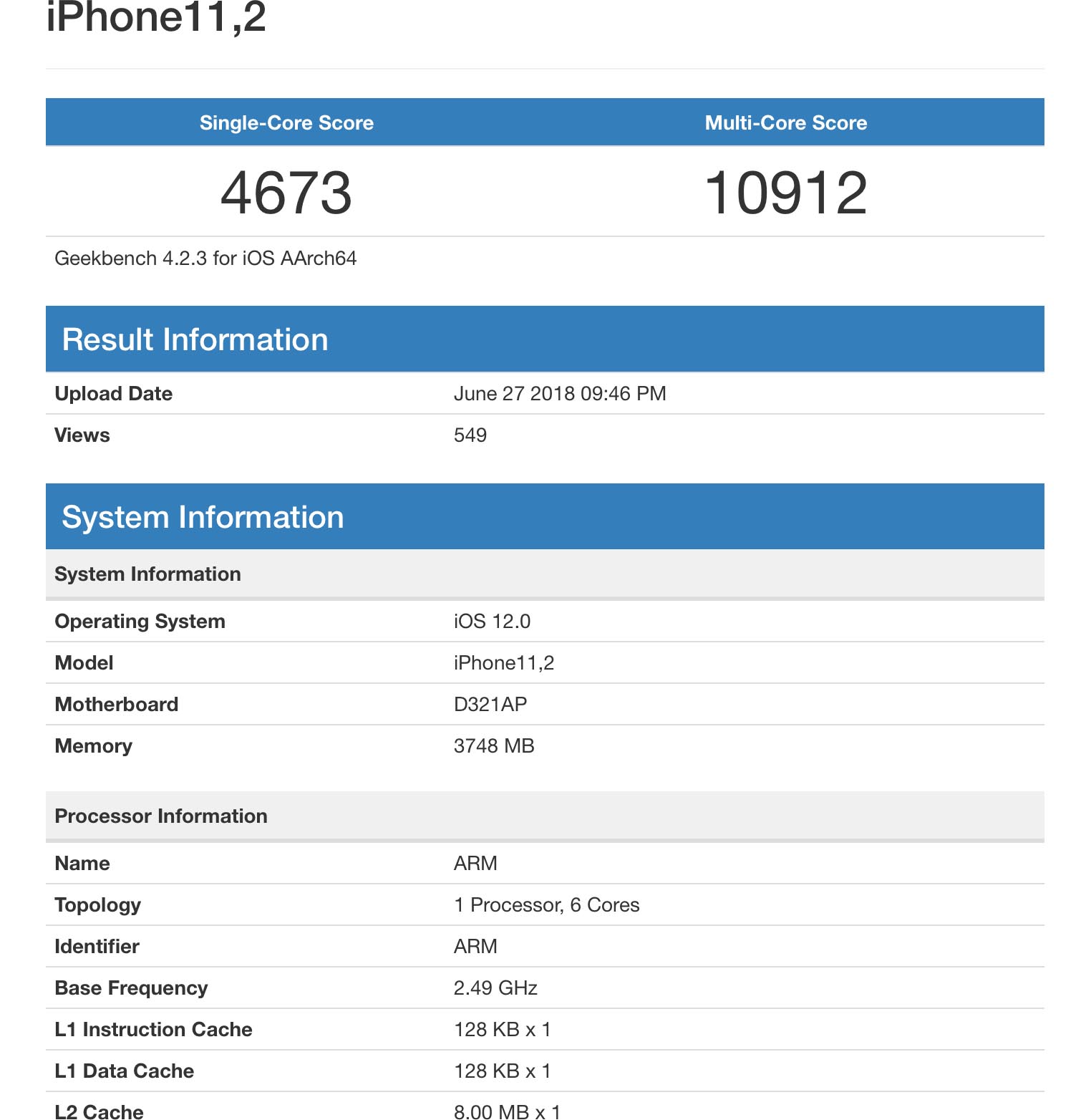
French blog Consomac.fr (Google Translate) this morning managed to dig up some claimed single and multi-core synthetic benchmarks from Geekbench's database showing alleged CPU and GPU speed gains plus other improvements for the upcoming Apple A12 system-on-a-chip destined to power 2018's upcoming iPhone X and iPad models.
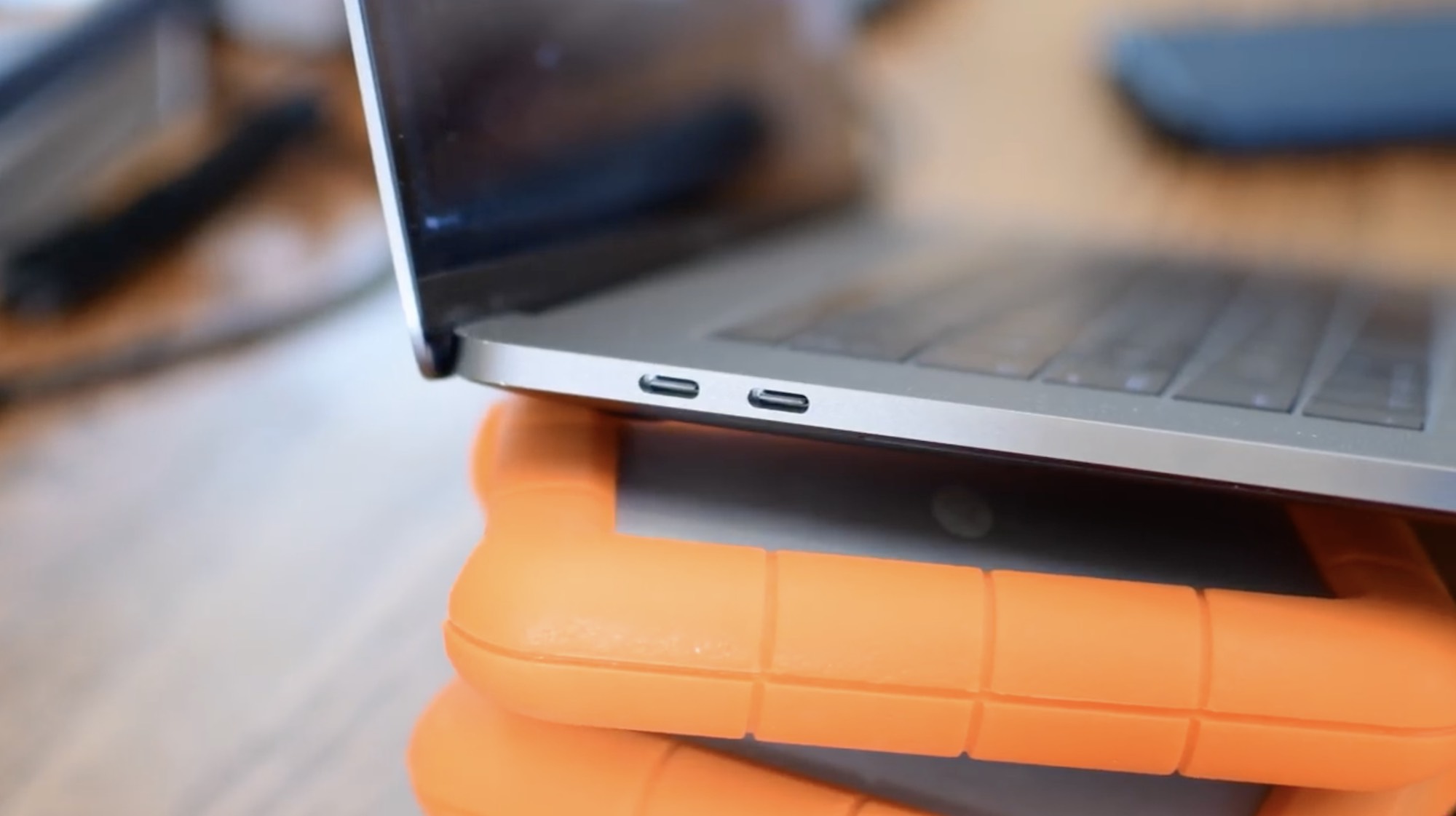
MacBook Pro inventory has begun to dwindle ahead of WWDC and now a more powerful device labeled “MacBookPro14,3” has appeared in supposed Geekbench listings, identifying the CPU as a six-core 2.21 GHz Core i7-8750H with Turbo Boost up to a whopping 4.1 GHz.
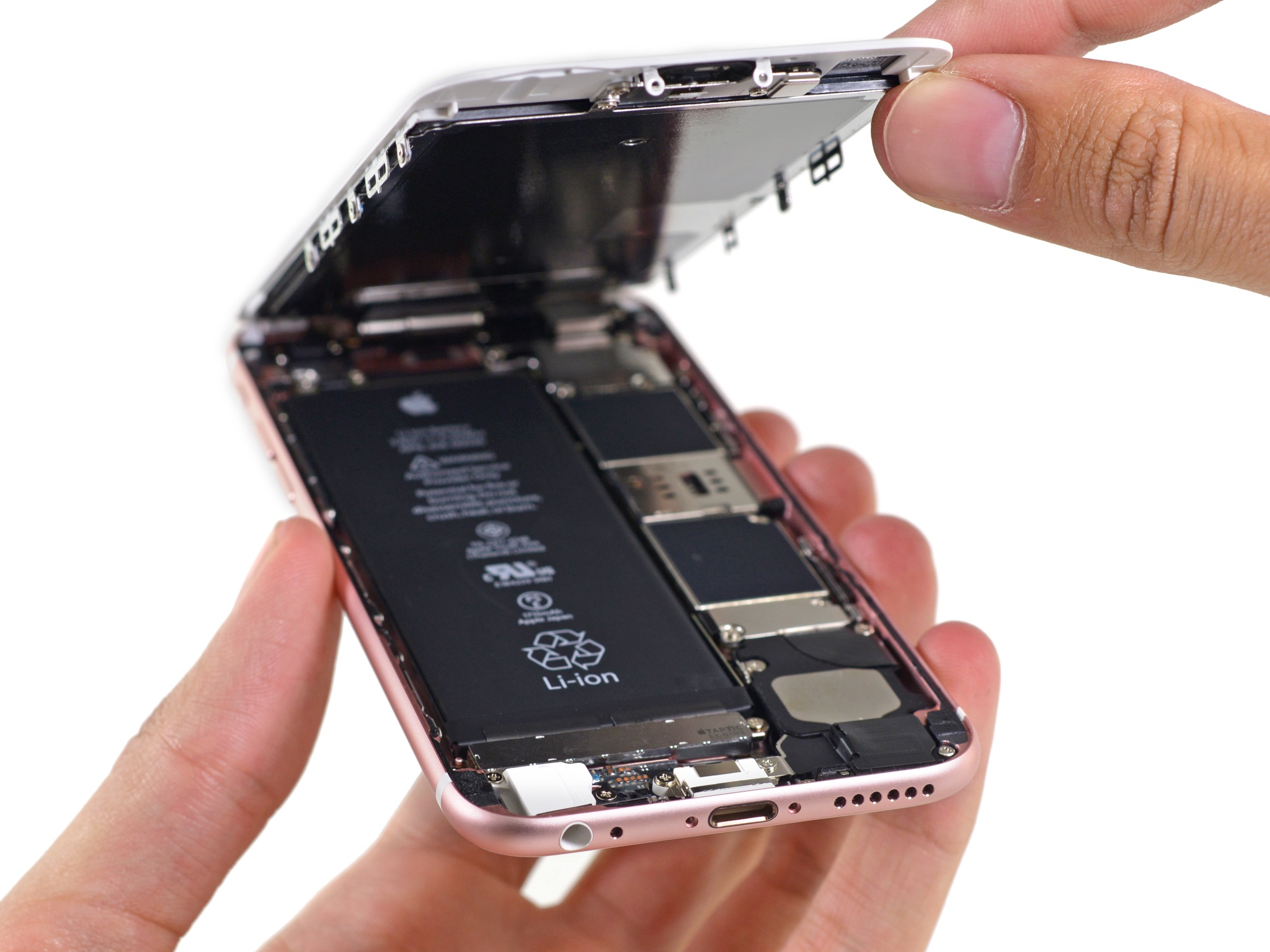
John Poole, founder of the popular synthetic benchmark known as Geekbench, has discovered a curious correlation between the oft-reported performance issues that some owners of older iPhones have been complaining about and battery age/changes to iOS.
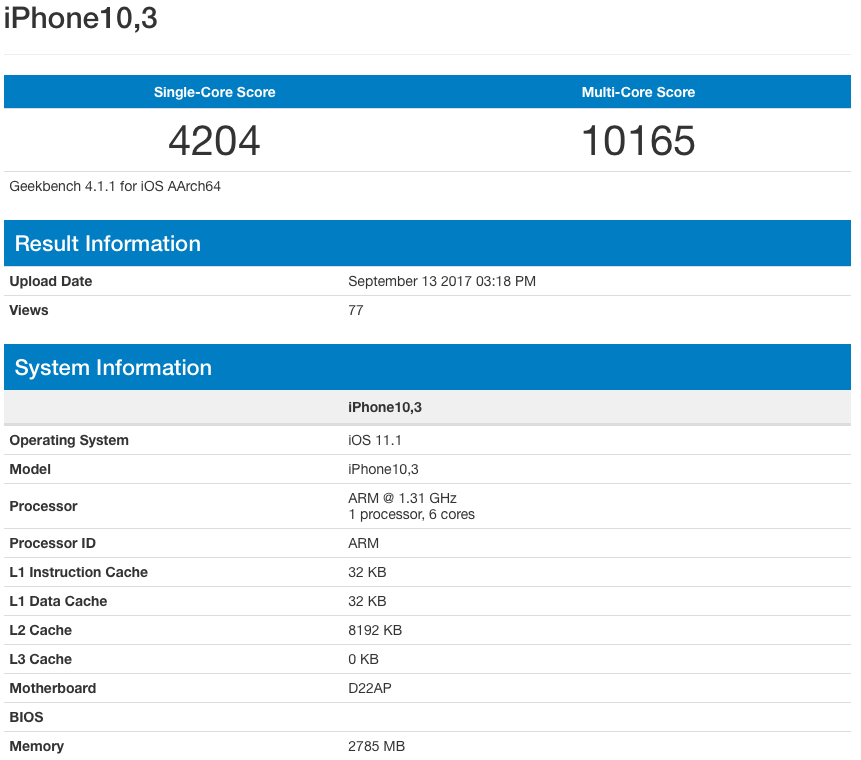
Almost a year has passed following iPhone 7's debut and the Apple-designed A10 Fusion system-on-a-chip powering it has only recently been marginally outperformed by a few rival devices. However, Apple is already out with a game-changing A11 Bionic chip in the new iPhone X, iPhone 8 and iPhone 8 Plus, now ranked as by far the fastest mobile chip out there.

Available on App Store free of charge, Primate Labs' refreshed Geekbench app now lets you measure the performance of mobile GPUs in iPhone, iPad, iPod touch and Mac devices. Geekbench 4.1 brings a new Compute Benchmark to iOS and macOS. Written using Apple's new graphics API, Metal, it measures the performance of the GPU at executing common compute tasks such as image processing and computational photography.

Apple typically takes the iPhone's A-series chips and updates them for iPads with more GPU cores and a faster performing, higher-clocked CPU. These chips typically have an “X” in their name, but with new iPad Pros and a fifth-generation iPad mini due in Spring 2017 the company has not yet officially announced an “X” variant of the iPhone 7's A10 Fusion chip.
Today, a source on Chinese social network Weibo posted alleged synthetic GeekBench 4 benchmark scores that could indicate at least one-fifth faster CPU performance in both single-core and dual-core computing for the purported A10X Fusion chip.
New Geekbench benchmark test scores have surfaced online and appear to confirm the rumor that the iPhone 7 Plus comes with 3GB of RAM, the highest amount of memory ever built into an iPhone to date.
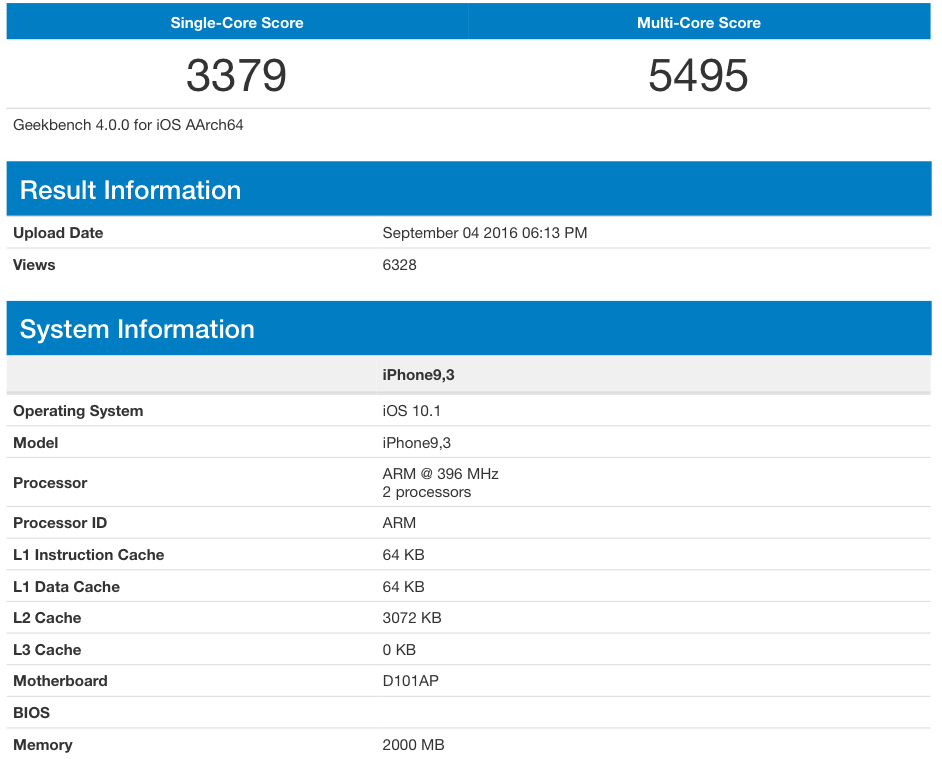
Alleged GeekBench CPU scores posted back in the summer suggested modest performance gains for the iPhone 7’s A10 chip versus the iPad Pro's A9X processor, but were debunked as fake soon after.
Today, genuine-looking results of the GeekBench 4 synthetic benchmark of the iPhone 7's CPU were posted on the website of PrimateLabs, the company that makes and sells the GeekBench suite.
According to the published data, the iPhone 7 could have its CPU performance boosted by at least one third, or about 33 percent, versus the iPhone 6s.
Geekbench, a popular hardware benchmarking app for various platforms by Primate Labs, has been updated to version 4.0 on Tuesday.
The update brings enhancements to the look of the UI and adds a number of new benchmarks to help you get an idea of how fast your computer or mobile device really is.