Display

iPhone 8’s Touch ID said to use on-screen optical fingerprint scanning

Apple is said to have developed a next-generation Touch ID sensor where an OLED display of the device doubles as a fingerprint sensor. This should enable users to rest their finger on the display to authenticate themselves.

According to a Chinese-language Economic Daily News report, citing sources from Apple's chip supplier Taiwan Semiconductor Manufacturing Company, Apple has managed to develop an optical fingerprint sensor to enable authentication directly on the screen.

KGI Securities analyst Ming-Chi Kuo first called it in January.

He said because Touch ID’s capacitive sensor does not work through the display’s cover glass, Apple could go with an optical sensor which doesn’t require physical contact with a user’s finger.

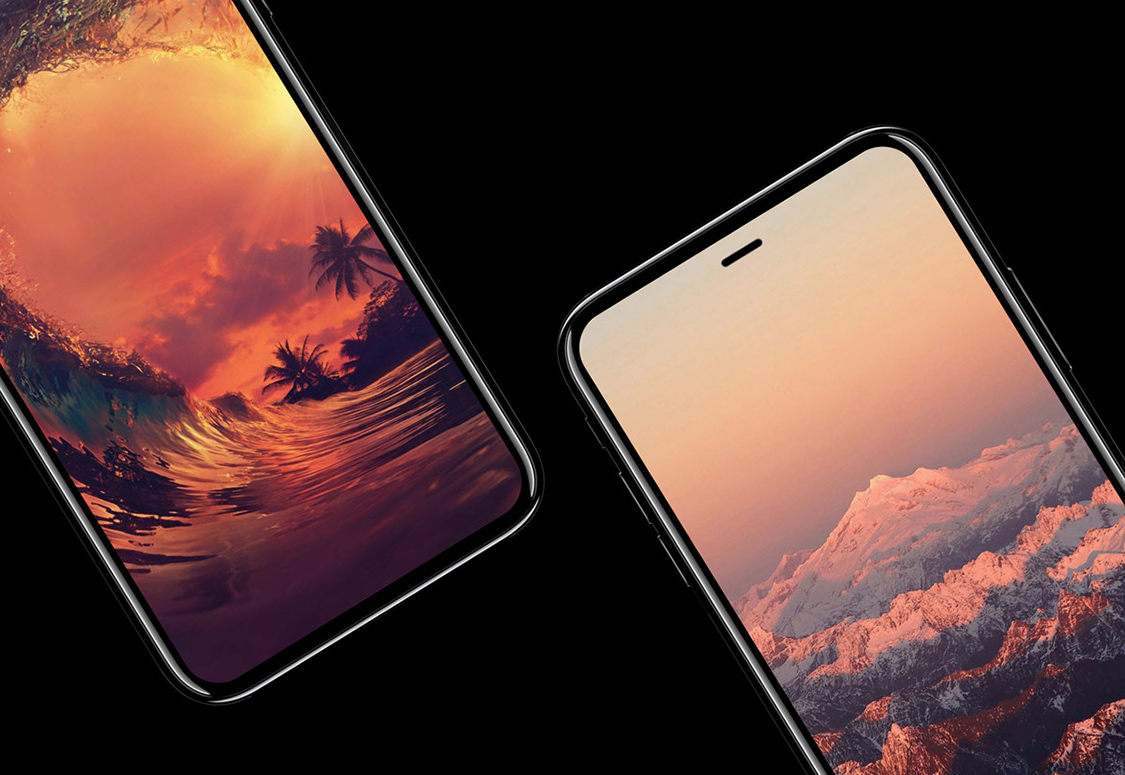
Other iPhone 8 features, according to a TSMC source, include no physical Home button, the screen ratio of 18.5:9 instead of the previous 16:9 and invisible infrared image sensors to enhance camera functionality and enable augmented reality features.

Apple is understood to have been plagued with yield issues regarding the new optical fingerprint sensor. It's unclear if the company has managed to resolve those technical issues.

Foxconn and Sharp buying a stake in micro-LED startup eLux

Apple's favorite contract manufacturer Foxconn Electronics is teaming up with its display-making subsidiary Sharp to acquire a 31.82 percent stake in eLux, a Delaware-based startup engaged in research and development of micro-LED technology and its application to virtual reality and augmented reality devices.

The American startup was established in October 2016 by researchers formerly employed at Sharp's research facilities across the United States.

Sharp says it will team with CyberNet Venture Capital, panel maker Innolux and Advanced Optoelectronic Technology (all affiliated with Foxconn) to buy eLux in October.

Nikkei said earlier this week that Sharp will take a stake of just over 30 percent in eLux, valued at $7 million, in exchange for related patents. Additionally, the Japanese giant will transfer 21 patents regarding micro-LED technology to eLux, said DigiTimes.

Apple is apparently serious about this promising new display technology.

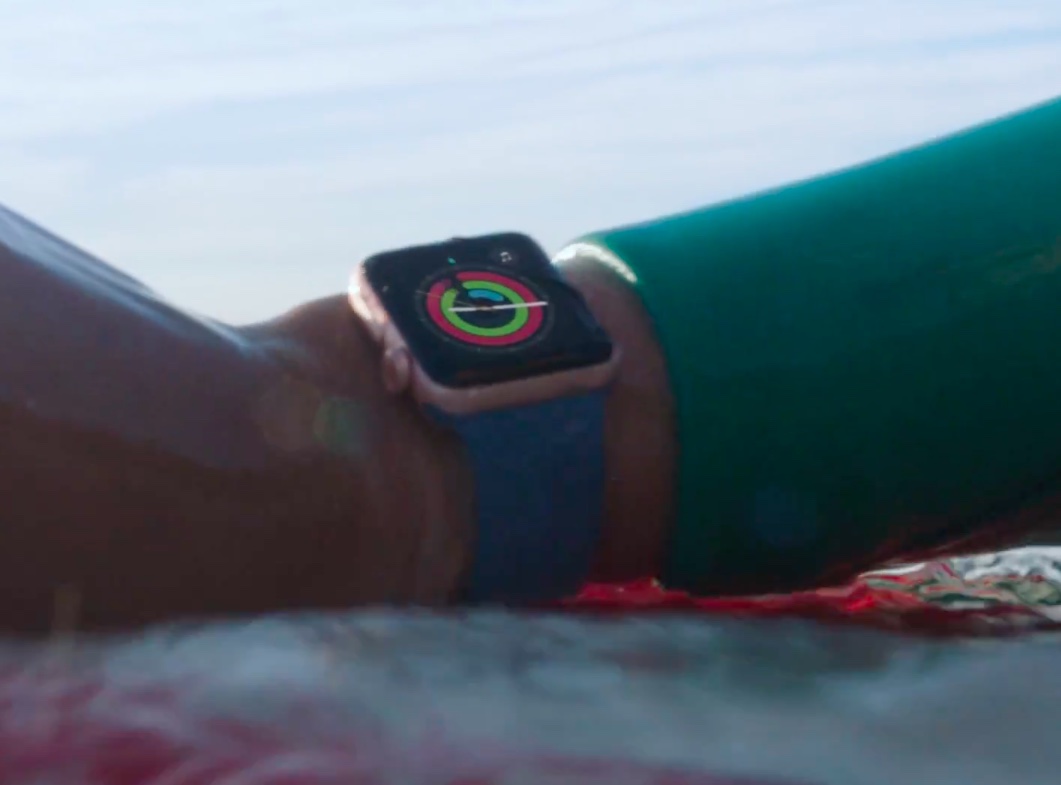
Aside from acquiring micro-LED specialists LuxVue back in 2014, the Cupertino company could kick off trial production of micro-LEDs by the end of 2017, with Apple Watch Series 3 likely switching from OLED to micro-LED display technology.

Power-conserving micro-LEDs consist of small, light-emitting diodes that render images.

They're capable of boosting battery life by as much as 300 percent versus LCDs. The technology allows for improved color gamut and up to two to three times the brightness of OLED-based screens under the same power consumption.

Apple could start building micro-LED screens by end of 2017

Despite many technological bottlenecks, Apple could kick off trial production of the power-efficient display panels based on a relatively new and unproven micro-LED technology by the end of this year. According to a supply chain report Wednesday from Taiwanese trade publication DigiTimes, the Cupertino giant is likely to crank out a small volume of micro-LED display products from its plant in Taoyuan, northern Taiwan at the end of the year.

Other companies are looking to commercialize micro-LEDs, too.

Samsung-owned PlayNitride should install a production line for micro-LEDs in the second half of 2017, which will use a mass-transfer process that mounts micro-LED chips on thin film transistor substrates. Micro-LED are so small that a five-inch 400-by-600 pixel smartphone panel requires nearly one million and a 4K TV panel about 50 million tiny chips.

PlayNitride doesn't expect first micro-LED-based mobile products to appear before 2019.

Taiwan's Industrial Technology Research Institute is expected to tie up with local businesses to begin trial production of micro-LEDs in 2018, using its in-house developed technology.

Let's not forget Apple's contract manufacturer Foxconn, which recently announced plans plans to acquire display startup eLux for the development of next-generation micro-LEDs.

Apple itself acquired micro-LED specialists LuxVue three years ago.

Business Korea claimed last month that Apple Watch Series 3 is likely to use a micro-LED display before the technology proves feasible enough to be deployed on a mass-scale across Apple's iPhone, iPad and Mac devices.

Samsung Display and LG Display, which currently supply LCD screens for Apple devices, could lose around $1 billion per year should the iPhone maker adopt micro-LEDs.

As we explained before, micro-LEDs could pave the way for Apple devices with longer-lasting batteries and brighter screens. As you know, traditional LCD-based screens waste a lot of energy because they require a backlight.

In addition to boosting battery life by as much as 300 percent versus LCDs, micro-LEDs allow for higher-resolution screens with improved color gamut and two to three times the brightness of OLED technology under the same power consumption.

Image: LuxVue's patent related to commercialization of Micro-LEDs, now owned by Apple.

Samsung reportedly signs new deal for OLED panel production for iPhone 9

The Korea Herald is reporting today that Samsung Display, the display-making unit of Samsung Electronics, recently signed yet another deal to build OLED panels for future iPhones. With up to 180 million screens demanded by the iPhone maker, this deal indicates that Apple is laying the groundwork for a much wider adoption of OLED panels in future iPhones.

The new deal is focused on supplying OLED panels for the new iPhone next year, tentatively called “iPhone 9”. To build OLEDs in 5.28 and 6.46-inch sizes, the conglomerate will break ground on a new factory in the South Chungcheong Province in South Korea.

The mentioned 6.46-inch size may point to a future iOS device, potentially due in 2018.

“The two companies have recently signed a non-disclosure agreement on general conditions, including the screen size,” said a source. “Other details such as screen design and functions could be adjusted considering the phone is still under development.”

Samsung Display is already supplying 80 million OLED screens for iPhone 8 this year. iPhone 8 is said to feature a 5.8-inch OLED screen with an active display area of 5.1 inches.

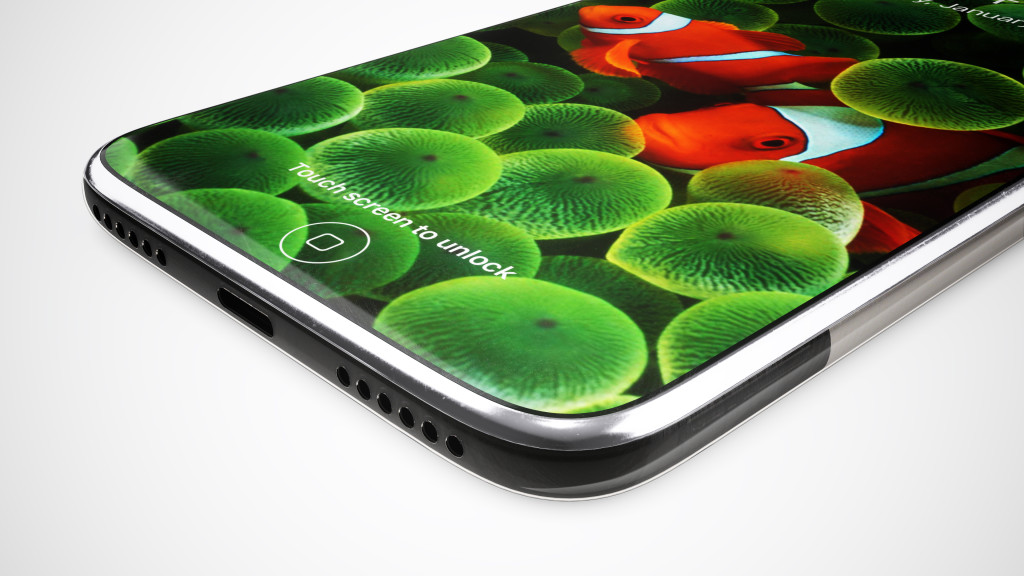
Image: CNC-machined iPhone 8 dummy via Benjamin Geskin

Apple awarded key iPhone 8 patents for in-screen Touch ID, edge-to-edge display and 3D scanner

The United States Patent & Trademark Office (USPTO) on Tuesday awarded Apple patents for a bezel-less screen, a depth mapping system and an always-on Touch ID fingerprint sensor integrated into the display, which are the three key features expected from iPhone 8. The patents are part of a series of 56 newly granted patents for Apple today, according to PatentlyApple.

Edge-to-edge display

Titled ”Reducing the border area of a device”, the U.S. Patent No. 9,652,096 covers the process for bending the edges of a touch sensor panel and a display panel to help reduce the non-interactive border area of a mobile device.

The patent abstract explains that an electronic device could feature a flexible panel comprised of a flat surface, “an active area” and one or more bent borders “contiguous with and extending from the active area of the substantially flat surface”.

The panel can be folded back against the back surface.

This helps extend the active touch area closer to the edges, thereby reducing the overall width of a device. The patent was filed for in July 2014 and names Apple engineer Steven Martisauskas as its inventor.

In-screen Touch ID

The U.S. Patent No. 9,652,066 for an “Electronic device including finger biometric sensor including transparent conductive blocking areas carried by a touch display and related methods” covers moving Apple's Touch ID from the Home button to beneath the display itself.

The system would use at least one transparent conductive layer beneath a touch display to define “touch sensing pixels”. A finger biometric sensing layer, which includes an array of transparent conductive finger biometric sensing pixels, is capacitively coupled to the at least one transparent conductive layer of the display.

Apple also mentions switchable transparent conductive blocking areas between the finger biometric sensing layer and at least one transparent conductive layer of the touch display. These areas could alternate between blocking and reading states.

Apple argues that biometric authentication should occur automatically as the user is interacting with the device, not require them to scan their finger in a separate step which would force them to switch between tasks to authenticate themselves. In other words, Apple's proposed solution would allow auto-authentication because your iPhone could read the fingerprint that's already on the touchscreen, providing a more seamless experience.

According to the patent's description, an in-screen Touch ID may support iPhone, iPad and MacBook devices. The late-2016 MacBook Pro is the first Apple computer to come with Touch ID, found at the rightmost side of its Touch Bar OLED display.

This patent was first filed for in January 2015 and lists Apple engineer Dale Setlak as its inventor.

3D sensing

And lastly, we have the U.S. Patent No. 9,651,417 for a “Scanning depth engine” which covers optical 3D mapping associated with a Kinect-like device and details methods and devices for projection and capture of optical radiation.

The solution requires a bespoke transmitter and a scanner.

The job of the transmitter is emitting a beam comprising pulses of light. The scanner, basically a micro-electro-mechanical systems (MEMS) device then uses micro mirrors, receives the light reflected from the scene. Using time of flight calculations, the system is able to generate 3D models of any objects in a volume of interest, based on the calculated distance of the individual points in the scene from the scanner.

“A processor is coupled to control the scanner so as to cause the beam to scan over a selected window within the scan range and to process the output of the receiver so as to generate a 3D map of a part of the scene that is within the selected window,” reads the patent abstract. The scanner can be configured to scan the reflected light within a predefined scan range, over a scene, adds the company.

While this particular invention could power iPhone 8's rumored 3D scanning and mapping features, Apple specifically mentions a Kinect-like accessory that could be also integrated into a next-generation Apple TV to permit users to interact with games or exercise videos played.

This patent was filed for in February 2013 and lists Apple's Israel-based PrimeSense engineers Alexander Shpunt and Raviv Erlich as its inventors.

Apple Watch Series 3 may rock thinner, lighter & power sipping micro-LED display

Apple's secret research and development lab in Taiwan has been researching an emerging micro-LED display technology since at least 2015. A new report today by Business Korea alleges that an advanced micro-LED display could make its debut on the next Apple Watch, replacing flexible OLED panels of its predecessors (DigiTimes was first to report on such a possibility in June 2016). micro-LED displays are thinner, lighter and more energy-efficient than OLED or LCD screens.

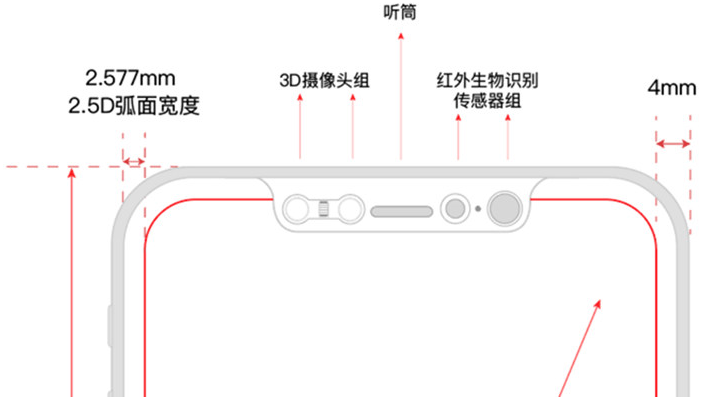
iPhone 8 may have physical slit within OLED display for embedded earpiece

Purported technical measurements for iPhone 8 that surfaced Monday on iFanr, a site without an established track record, would have us believe that Apple will ship a handset come this fall with a physical slit at the top of its OLED screen for an embedded earpiece and possibly other integrated components, like a 3D camera and sensors.

Not only should the top speaker of iPhone 8 be cut through the glass cover, but the OLED panel itself. Many bloggers and outlets that reported on the story have noted that this may not even be possible.

Is Apple working on 8K display for its completely rethought Mac Pro?

Apple is working on a “completely rethought” Mac Pro model with a highly modular design, slated for release in 2018, that should cater to the needs of its most-demanding pro users. As confirmed by company executives earlier this week, its engineers are also developing an external display that will launch at some point next year, too.

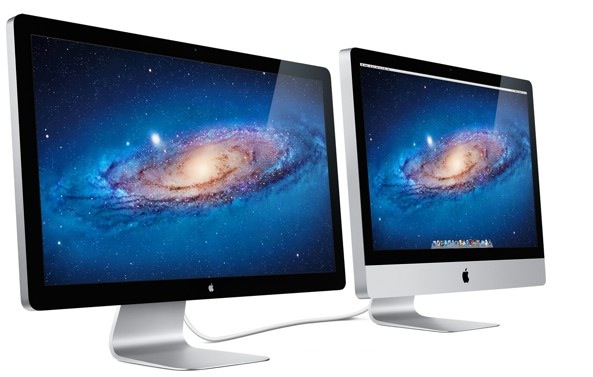
According to the Pike's Universe blog, the rumored Apple-branded display will feature a massive 8K resolution, giving it twice the pixels of a standard 4K screen and sixty percent more pixels than the 27-inch iMac with 5K Retina display.

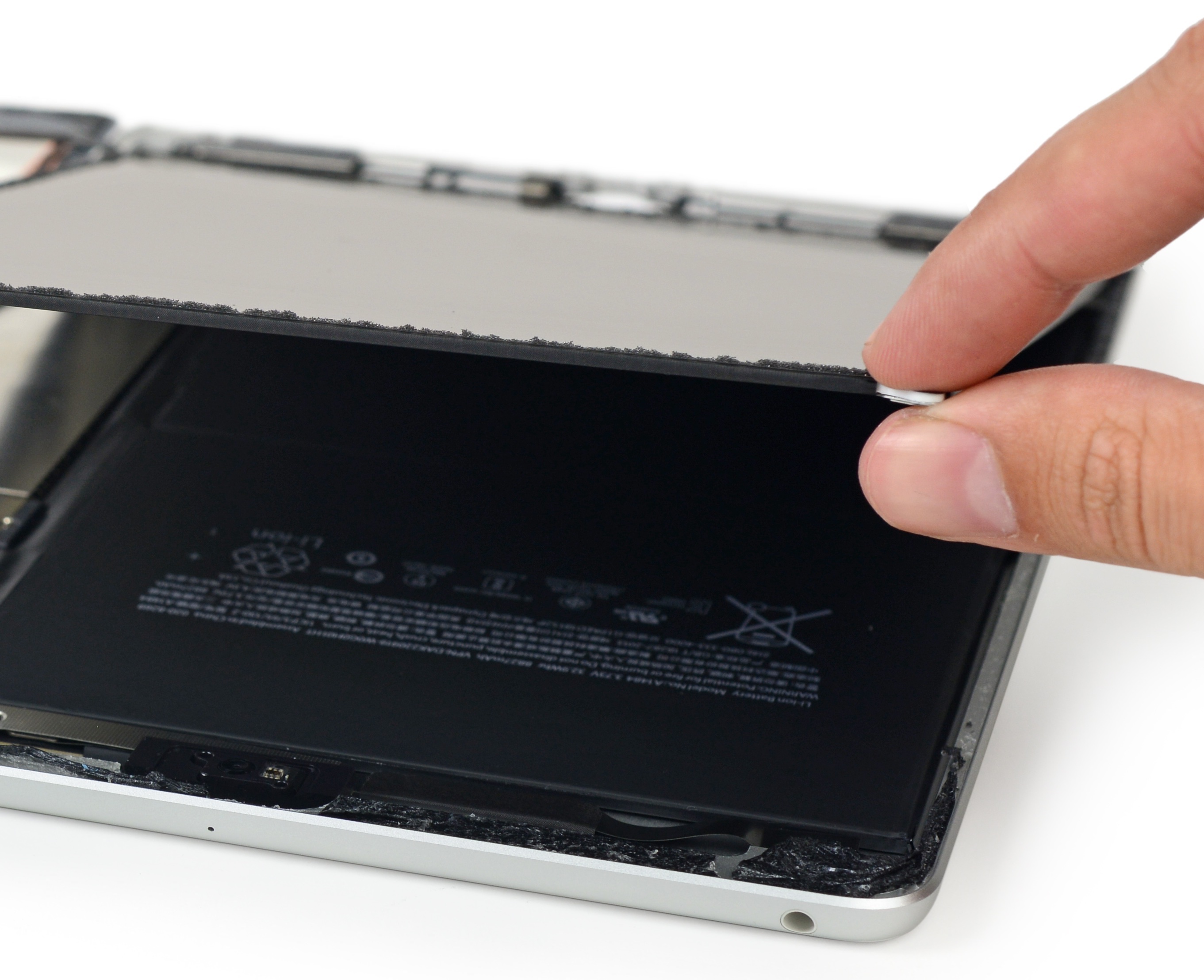
Teardown analysis finds Apple’s new 9.7″ iPad is a repackaged iPad Air with a few differences

Repair experts over at iFixit tore apart Apple's new iPad with a brighter 9.7-inch screen. What they discovered doesn't come as surprise: the canonical iPad is basically an original four-year-old iPad Air with a more repairable screen and some new jewelry in the form of Touch ID, Apple Pay, Apple's homegrown third-generation 64-bit A9 chip with the embedded M9 motion coprocessor and other minor updates.

Unfortunately, the device's A9 processor is outfitted with two gigabytes of RAM. iPhone 6s's A9 chip has two gigabytes of RAM as well, just like iPad Air 2's A8X chip, so this may not be that big of a deal. On the other hand, it's a letdown considering iPhone 7 Plus is rocking three gigabytes of RAM.

New report says iPhone 8 has a slightly curved display at the edges below 2.5D cover glass

Nikkei Asian Review yesterday shot down predictions by IHS Markit analyst Wayne Lam and DisplayMate expert Dr. Raymond Soneira who said Apple's 5.8-inch iPhone 8 will use a flat rather than a curved display. However, MacRumors has allegedly confirmed with multiple people familiar with the matter that the phone will indeed come outfitted with a mostly flat AMOLED display.

The device's display will reportedly feature slightly curved left and right edges in order to conform with the layer of 2.5D glass that covers the screen.

iPhone 8 may have (slightly) curved screen after all

Contradicting a recent report, Japanese outlet Nikkei Asian Review wrote Wednesday that Apple's rumored 5.8-inch iPhone will have a display based on active-matrix organic light-emitting diode (AMOLED) technology that's slightly curved on the sides, but not as curved as Samsung's Galaxy series.

A source familiar with the handset's design said the curve of the iPhone 8 screen will be “gentler” than the screen curvature of Samsung's Edge handsets because of the challenges of making curved glass covers to match screens.