Chips

iPad Pro doesn’t support untethered ‘Hey Siri’

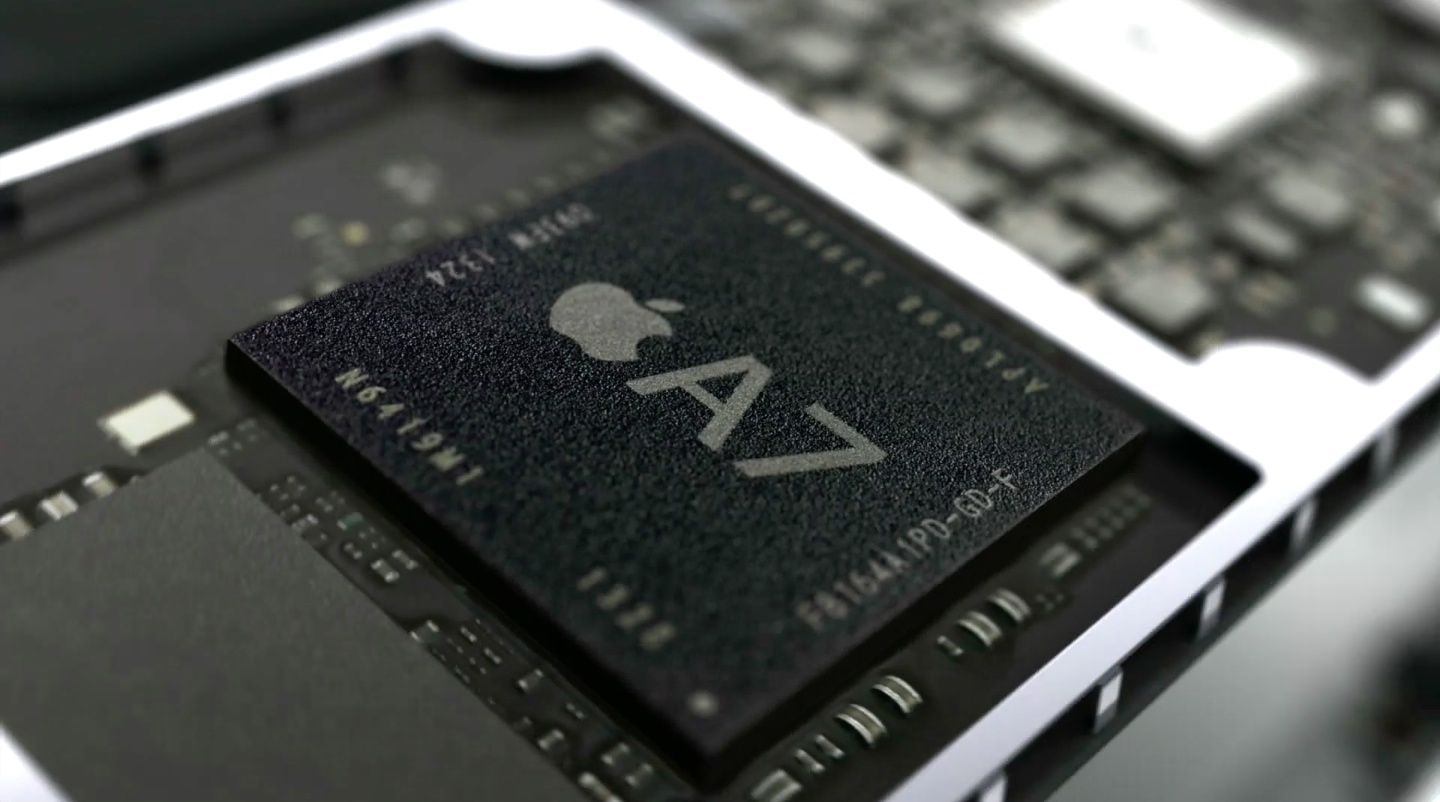
Although Apple's iPad Pro Tech Specs webpage states in black and white that the device's A9X system-on-a-chip includes an embedded 'M9' motion coprocessor, just like its A9 counterpart powering the iPhone 6s and iPhone 6s Plus, the tablet doesn't support untethered 'Hey Siri' functionality when not connected to power, AppleInsider discovered yesterday.

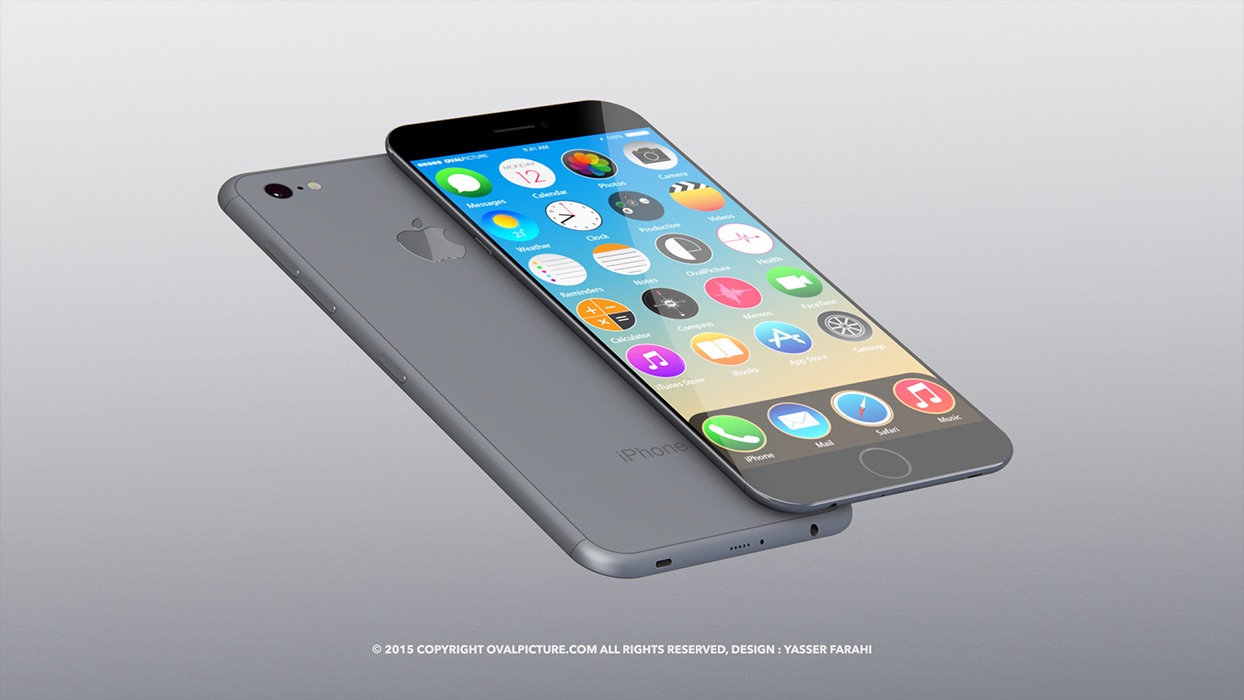
Decoding iPhone 7 chip architecture…

Apple is thought to become the first customer that will take advantage of Taiwan Semiconductor Manufacturing Company's (TSMC) InFO chip manufacturing process in building in-house designed A10 chips for 2016 iOS devices, potentially allowing it to trim some fat off the next iPhone model.

Taking a step back to take a look at the bigger picture, we analyze Apple's chip efforts thus far and make educated guesses as to what advances in terms of silicon design and integration the next iPhone might allow.

We'll also reflect on how having the foresight to take its chip destiny into its own hands more than five years ago has helped Apple differentiate itself from competition.

Intel has 1,000 engineers working on integrated LTE modem for iPhone 7

According to a report this weekend from VentureBeat, chip giant Intel has assembled a team of 1,000 engineers who are working hard on adapting its LTE modem for an 'iPhone 7.'

The move potentially indicates a major loss for Qualcomm, which supplied LTE modems for the iPhone 6s and iPhone 6s Plus and previous iPhones. Intel's lauded 7360 LTE modem chip is being reworked for an iPhone, the story asserts.

Moreover, VentureBeat claims that Apple could, for the first time ever, embed the modem chip into its in-house designed A-series system-on-a-chip, resulting in an even tighter component integration.

Teardown analysis of Magic accessories finds chips from other Apple products and more tidbits

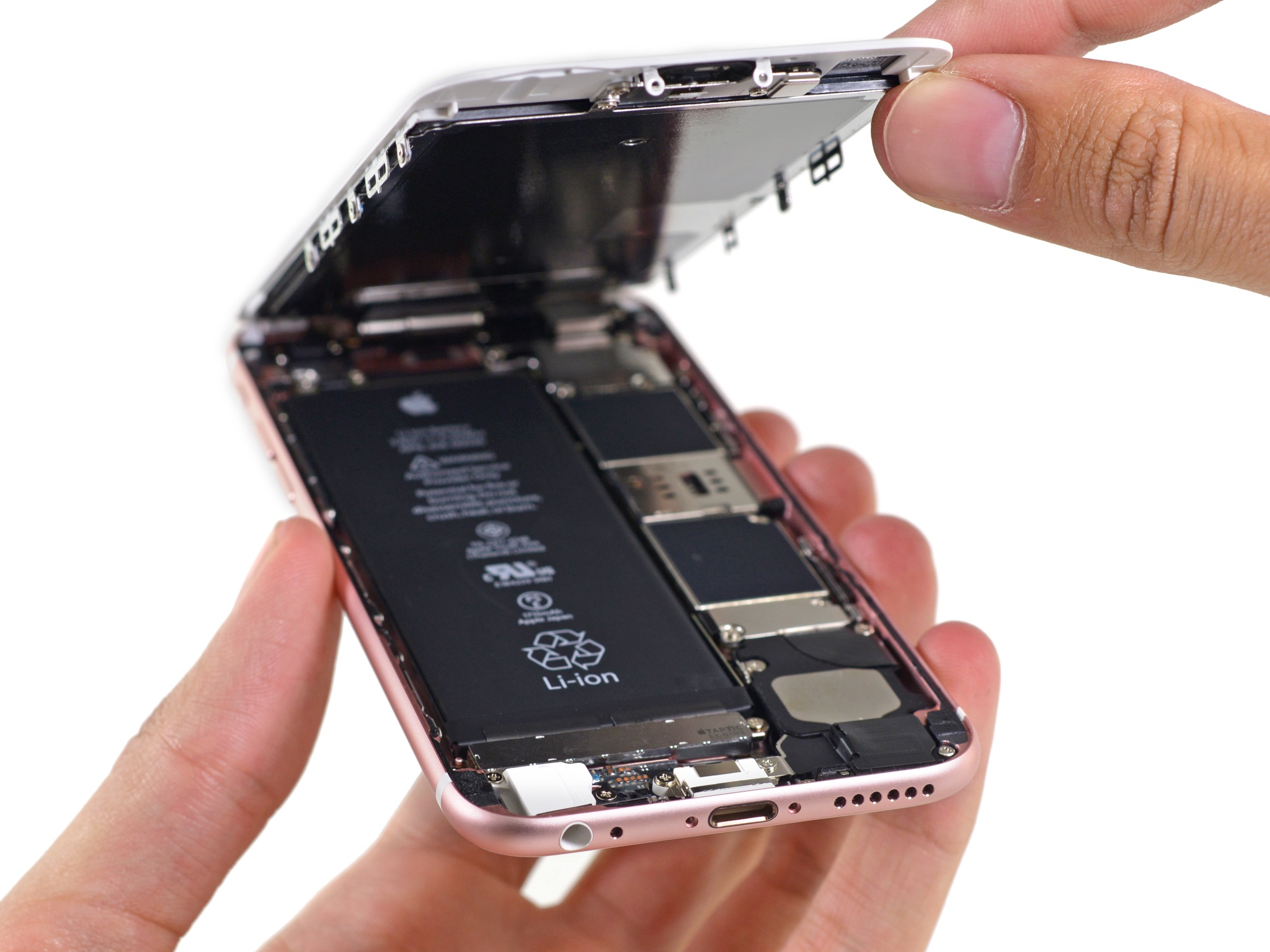
Repair experts over at iFixit have performed an interesting triple teardown of Apple's latest Magic accessories—the Magic Mouse 2, Magic Trackpad 2 and Magic Keyboard—and found that all three devices are outfitted with many of the same chips also found in other Apple products.

On the downside, Apple's unified approach to engineering the new Magic devices has resulted in just 3 out of 10 in iFixit's Repairability ratings due to high level of integration and excessive amount of adhesive.

Analyst predicts 100% of Apple’s A10 chip orders will be handled by TSMC

Bad news for Samsung as rival Taiwan Semiconductor Manufacturing Company (TSMC) has been predicted to account for a cool 100 percent of orders for Apple's next-generation A10 processor expect to serve as the powerful engine for 2016 iPhones and iPads.

Taiwanese media quoted a JP Morgan analyst as saying that Samsung will be left out entirely from the lucrative contract to build these chipsets. The current A9 and A9X processors are being built by both TSMC and Samsung.

iPhone chips infringe University of Wisconsin’s tech, Apple faces $862M in damages

The Apple-designed, TSMC/Samsung-manufactured A7, A8 and A8X mobile chips that power the iPhone, iPod touch and iPad devices released since 2013 have been found to infringe technology patents owned by the University of Wisconsin Alumni Research Foundation (WARF).

As a result, Apple is now facing a damages payout of $862.4 million, Reuters reported yesterday. The aforesaid chips power the iPhone 5s, iPhone 6, iPhone 6 Plus, iPad Air, iPad Air 2, iPad mini with Retina display, iPad mini 3 and iPad mini 4.

How to check if you have TSMC or Samsung chip in your iPhone 6s

For the first time ever, Apple has dual-sourced the engine that drives the new handsets from more than one supplier. Both Samsung and rival Taiwan Semiconductor Manufacturing Company (TSMC) won contracts to build the Apple-designed 'A9' system-on-a-chip for the new iPhone 6s and iPhone 6s Plus.

While these chips offer literally the same compute and graphics power, both synthetic benchmarks and real-life tests have shown small yet notable difference in terms of battery as the TSCM-built A9 appears to be more power efficient than its Samsung counterpart.

The question is, does your brand spanking new iPhone 6s have the TSMC or Samsung-built chip? You can find that out in just a few simple steps, let me show you how.

Samsung-built A9 chip in iPhone 6s found to drain battery faster than TSMC one, Apple doesn’t really agree

Does your iPhone 6s or iPhone 6s Plus come outfitted with Samsung or TSMC-built A9 processor? The answer to that question could determine how long your device will run before its battery needs recharging.

Your key takeaway is this: while the dual-sourced chips perform identically in synthetic Geekbench tests in terms of sheer CPU compute power and GPU performance, there's a marked difference in observed battery life ranging from six to eleven percent.

You could argue the difference is barely felt in day-to-day use, but I beg to differ: energy efficiency is paramount for mobile devices and the battery-friendlier the main processor is, the longer it will run on a single charge.

Semiconductor analysis confirms iPhone 6s ‘A9’ chip manufactured by Samsung and TSMC

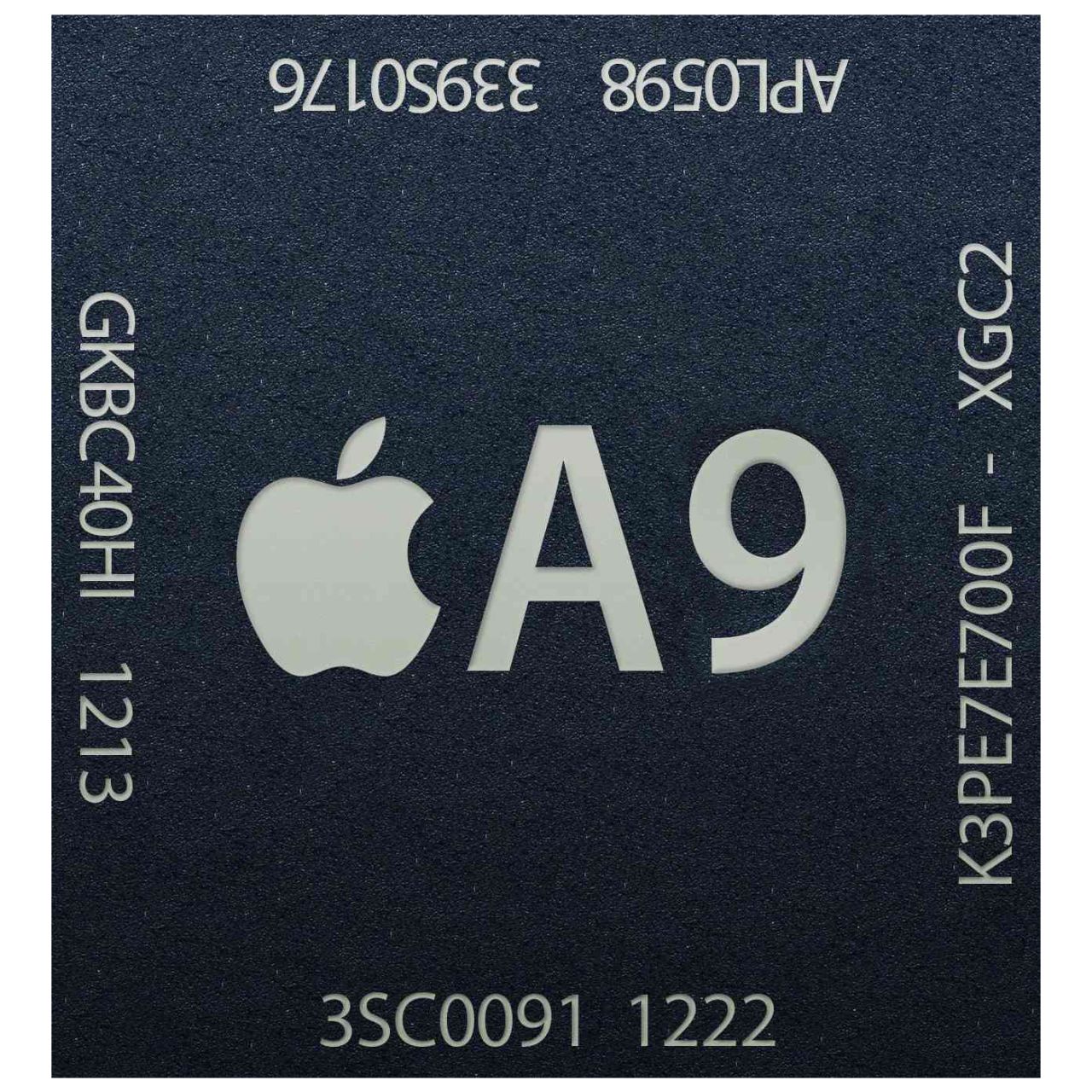
An initial analysis of the Apple-designed A9 system-on-a-chip powering the new iPhone 6s and iPhone 6s Plus, conducted by semiconductor experts over at Chipworks, has identified both Samsung and rival Taiwan Semiconductor Manufacturing Company as manufacturers of the package.

What's really interesting is that the A9 comes in two sizes, depending on who manufactured it, with the Samsung-built units being a bit smaller than those manufactured by TSMC. This is the first time an Apple-designed processor for an iPhone came in two different sizes.

Why iOS 9’s Facedown detection doesn’t work on iPhone 4s, iPhone 5, iPad and iPod touch

Facedown detection stands as one of the underrated features in iOS 9's rich arsenal of power-saving tactics designed to help extend your run time by up to an additional hour.

Facedown detection avoids turning the display on when a notification comes in and your phone is put facedown. But as it turns out, Facedown detection doesn't work on all devices compatible with iOS 9 and there is a good explanation for that  why.

Apple reportedly commissions TSMC to exclusively build in-house designed ‘A10’ chips for ‘iPhone 7’

The iPhone 6s featuring Apple's in-house designed 'A9’ microchip is yet to start shipping but the firm's already commissioned Taiwan Semiconductor Manufacturing Company (TSMC) to build a next-generation 'A10’ package expected to power 2016 iOS devices like an 'iPhone 7,’ third-generation iPad Air and second-generation iPad Pro, according to supply chain chatter Monday.

Official: Samsung stole trade secrets from TSMC

Samsung lifted trade secrets from rival Taiwan Semiconductor Manufacturing Company Limited (TSMC), the world's #1 independent semiconductor foundry, Taiwan's top court has ruled.

According to a report published Wednesday by Taiwanese trade publication DigiTimes, the court has determined that Liang Mong-song, a former senior director of research and development at TSMC, revealed TSMC's trade secrets and patents related to its advanced FinFET process technology to Samsung Electronics.

The report makes no mention of Apple, but the connection couldn't be clearer: Samsung might have been able to leverage the stolen secrets to win orders for Apple's next-generation 'A9' processor. Prior reports have posited that both Samsung and TSMC got to build Apple's A9 chips on the advanced 14-nanometer FinFET process technology which uses entirely new three-dimensional transistors.