Apple's new ARKit framework for building augmented reality experiences for compatible iPhone and iPad devices is off to a great start and already Facebook is taking notice, according to a new report Thursday from Bloomberg's Mark Gurman.
The author claims that Facebook has been hard at work developing an inexpensive headset, code-named “Pacific”, that is expected to bring virtual reality experiences to the masses without requiring a beefy computer or a compatible smartphone.
“The idea is that someone will be able to pull the headset out of their bag and watch movies on a flight just the way you can now with a phone or tablet,” reads the article.
It should be priced aggressively at $200 and release at some point next year, representing “an entirely new category”. According to people familiar with the plans, the device will provide a similar interface to Samsung’s VR Gear that users could control by a wireless remote.
The headset should be powered by Qualcomm's Snapdragon mobile chip that would make it superior to Samsung's Gear VR headset in terms of gaming in virtual reality. Unlike the current Oculus Rift hardware, the upcoming gizmo won't include positional tracking technology.
An excerpt from the article:
This means that the device won’t be able to tell where its user is spatially, which is useful for tasks like virtual rock climbing. A future version of the product will have that technology, according to a person familiar with the plans.
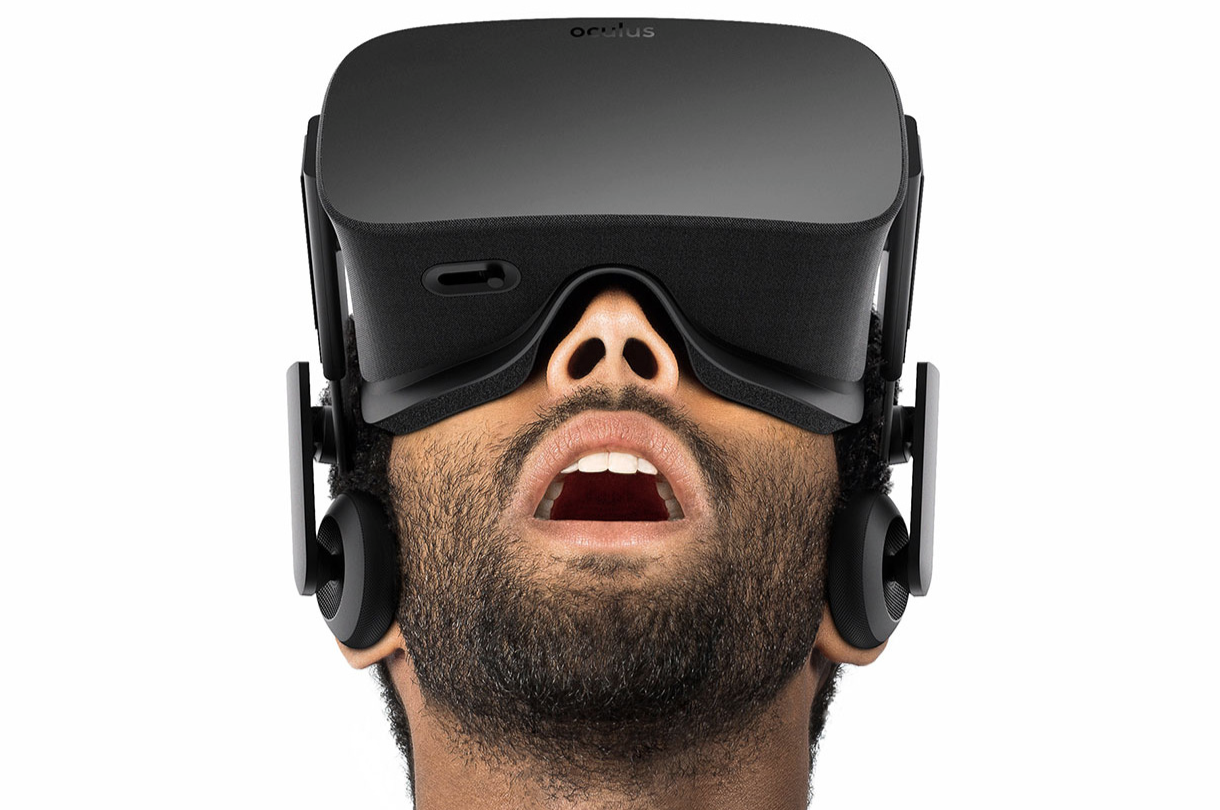
According to sources, the headset will let users play immersive games, watch video, use social networking apps and so forth. It resembles a more compact version of the current Oculus Rift and will be lighter than Samsung’s Gear VR headset.
Handset maker Xiaomi and its manufacturers are said to build 2018's Oculus-branded device.
And later this year, Facebook allegedly plans to announce a more affordable wireless headset that it is betting will popularize virtual reality “the way Apple did the smartphone”.
Oculus spokesman Alan Cooper said via email:
We don’t have a product to unveil at this time, however we can confirm we’re making several significant technology investments in the standalone VR category.
Facebook's said it’s also working on yet another device, code-named “Santa Cruz” and best described as a wireless Oculus Rift “with the full power of the original device sans PC.“
Facebook acquired Kickstarter-funded Oculus startup in 2014 for about $2 billion.
IDC estimated that Samsung leads the pack in terms of VR device shipments with 22 percent of the global market for VR devices, followed by Sony, HTC and Facebook's Oculus Rift with about five percent of the market, or less than 100,000 units sold.