Today, Apple unveiled its first effort with the M1 processor -- the company's official transition to Apple Silicon.
This is the new Mac mini with Apple’s M1 processor
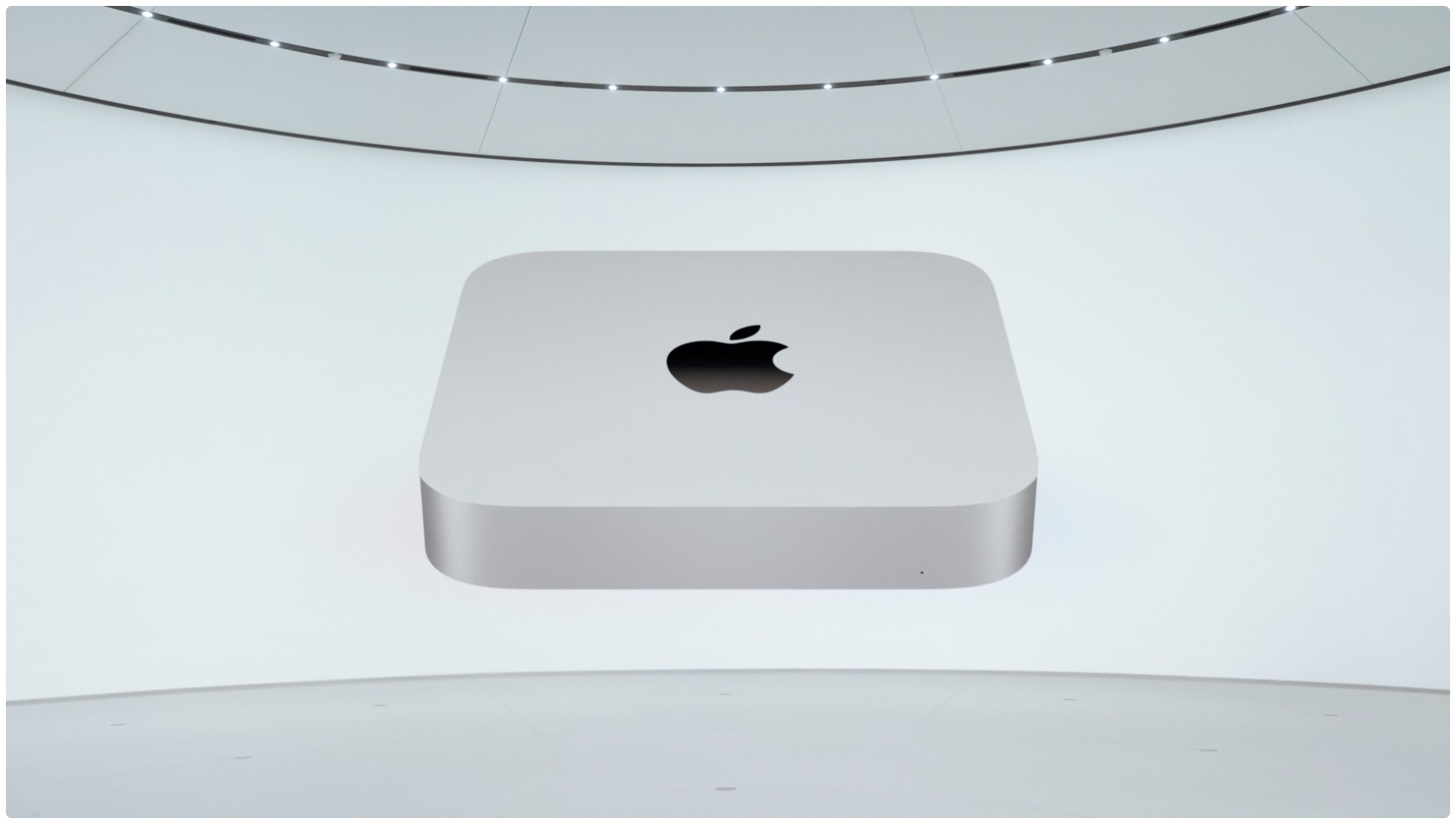
Today, Apple unveiled its first effort with the M1 processor -- the company's official transition to Apple Silicon.
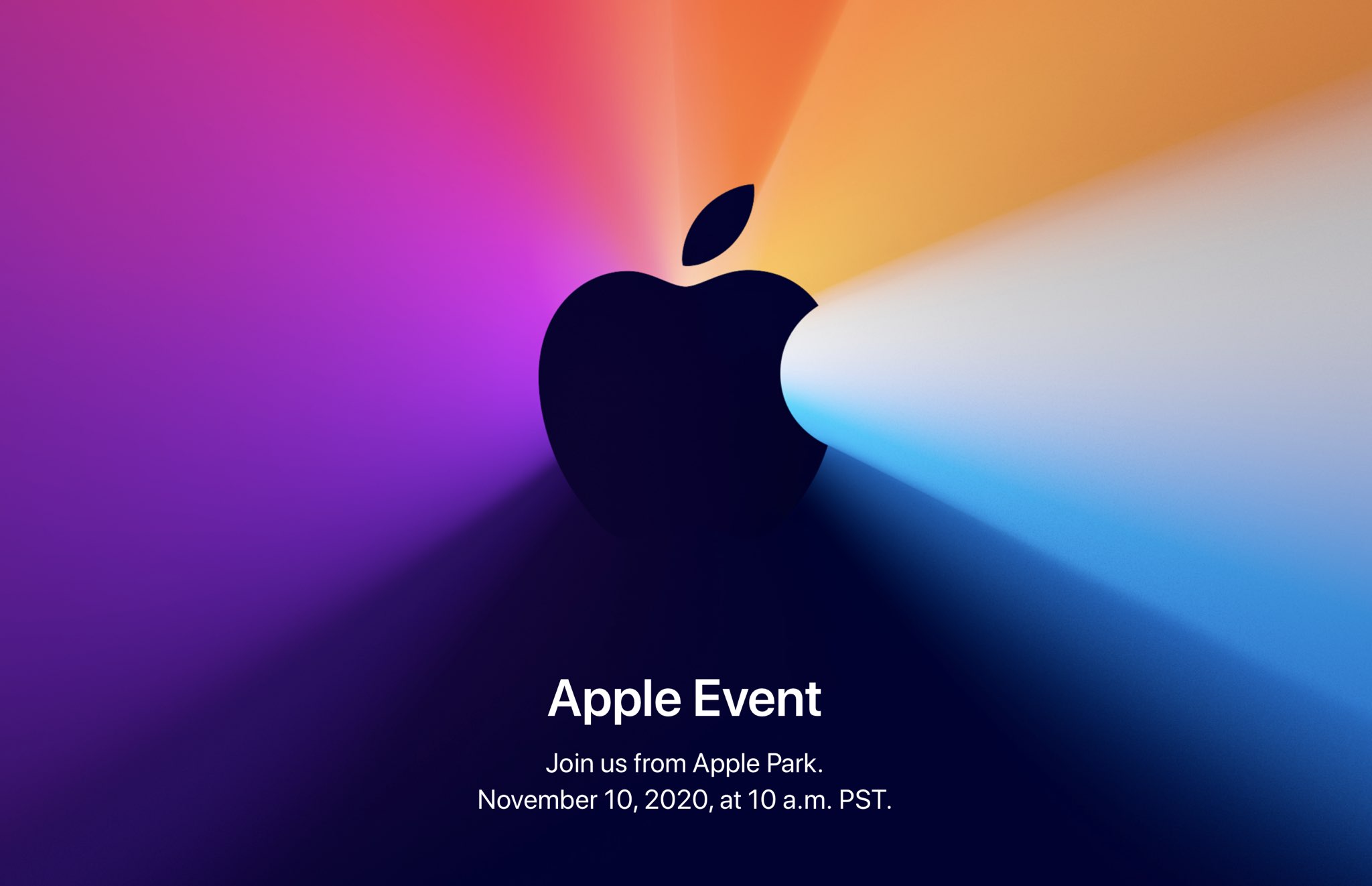
Apple is holding its last media event this year tomorrow, November 10, 2020, at 10am PDT. The "One more thing" event is pre-recorded due to the COVID pandemic and work-from-home measures. Here is how you can follow Apple's upcoming product presentation and see the company's first Apple Silicon-powered Mac models, regardless of where you live and which platforms or devices you may happen to be using for the moment.
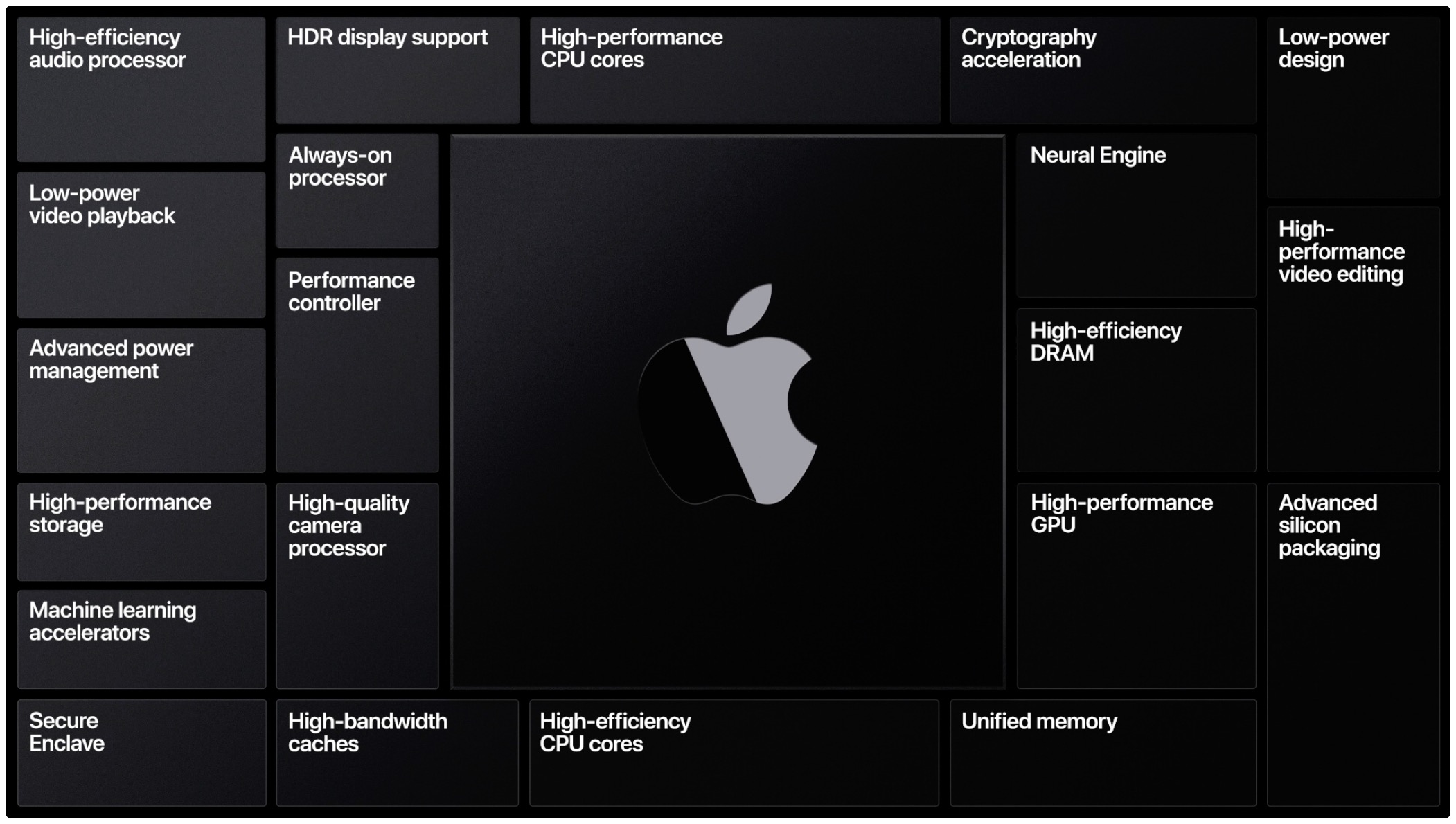
Apple has ordered 2.5 million MacBooks powered by its own chips by early 2021, indicating the company is projecting strong demand for the first Macs powered by its own chips.
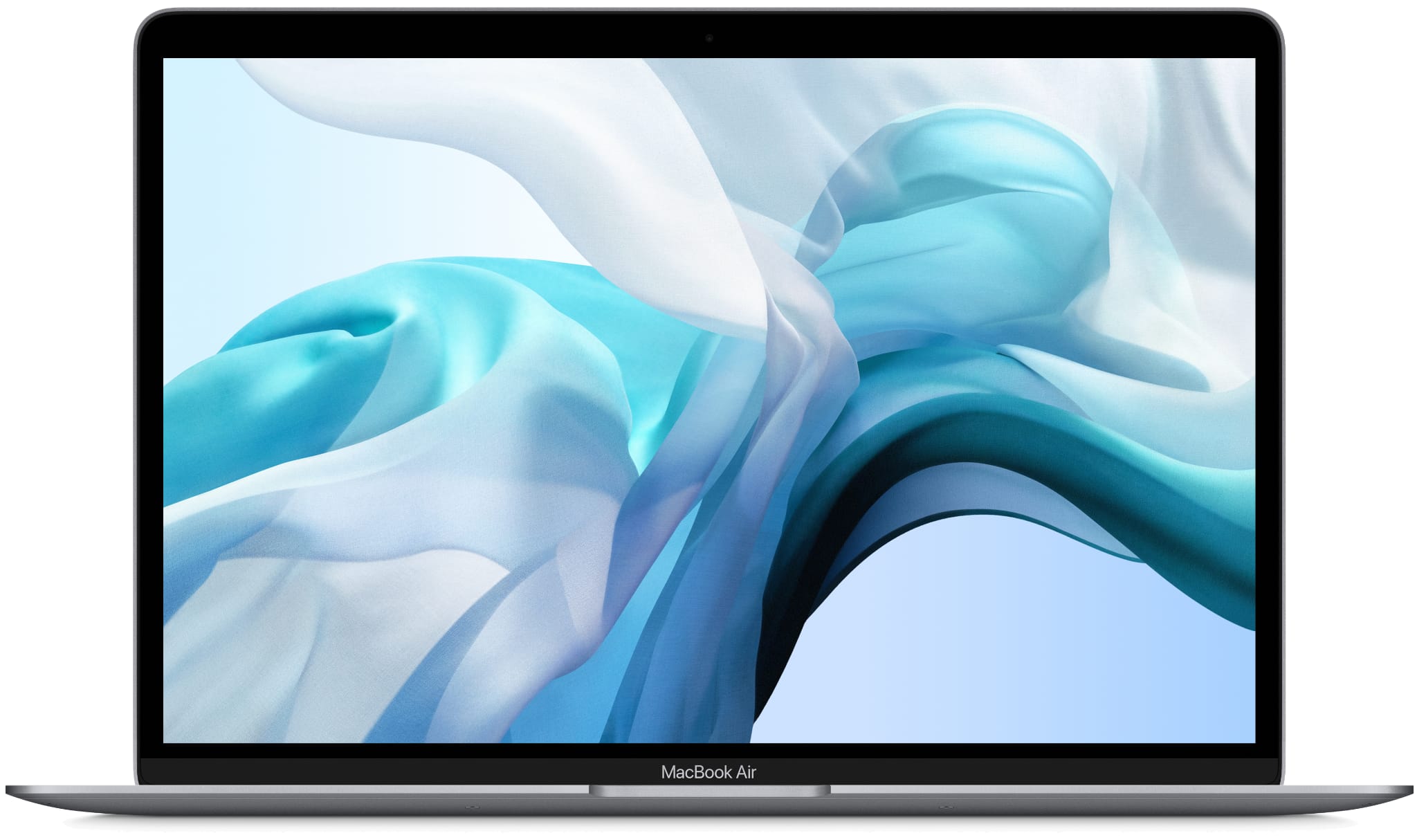
Apple has one more event up its sleeve, and the expectation is that we'll finally see the first Apple Silicon Macs be unveiled.
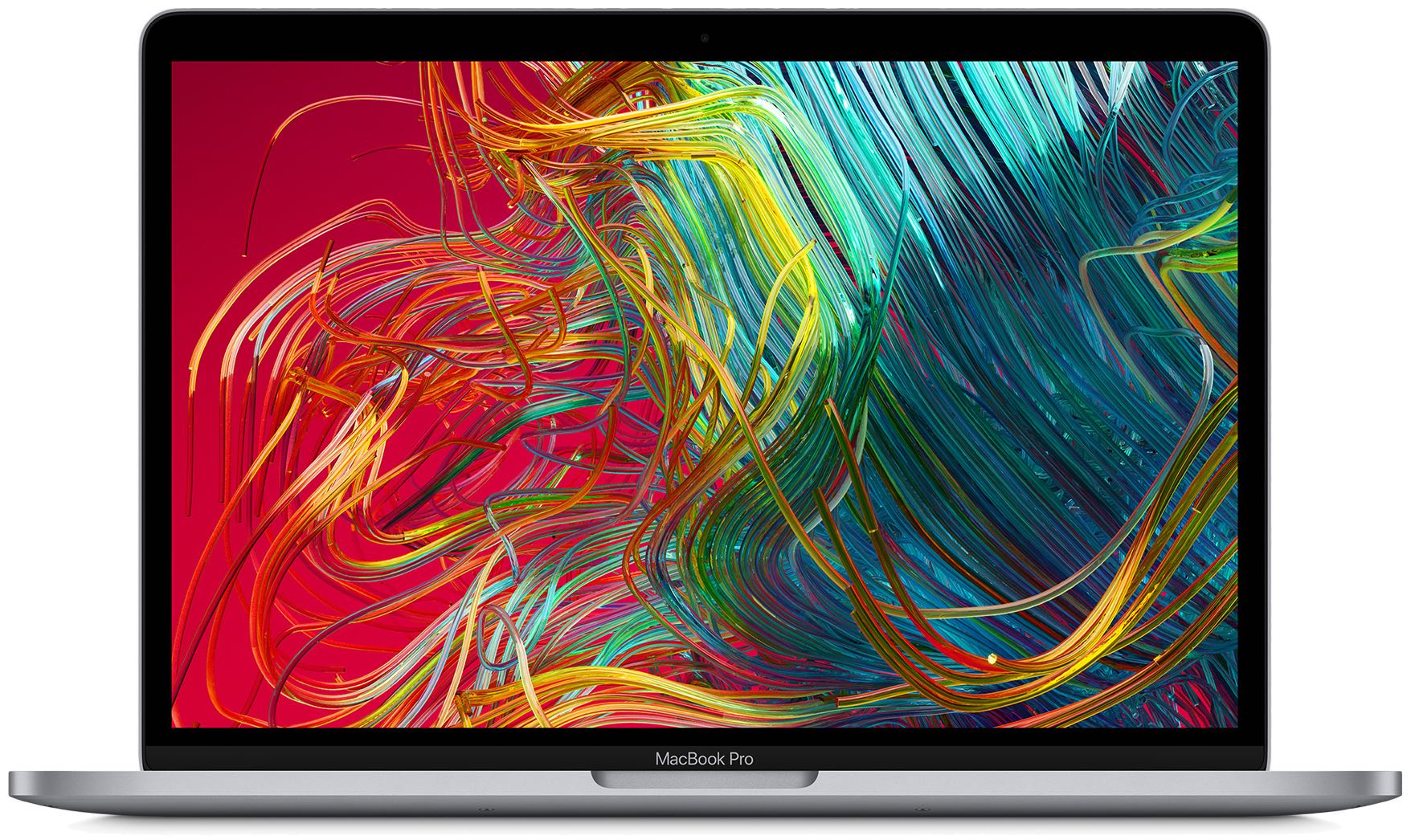
Apple told us the first Apple Silicon Mac would debut before the end of 2020. And now, the company appears to be keeping up with that expectation.

It's been rumored for quite some time, but now it's finally officially official. Apple has just announced a new event for this month.
We're on the cusp of November, which means 2020 is coming to an end soon. But that doesn't mean Apple doesn't have more in store for us.
Tucked away as a side-note in today’s report by The China Times newspaper outlining the first Apple Silicon products is a mention of Apple’s next-generation A15 system-on-a-chip.
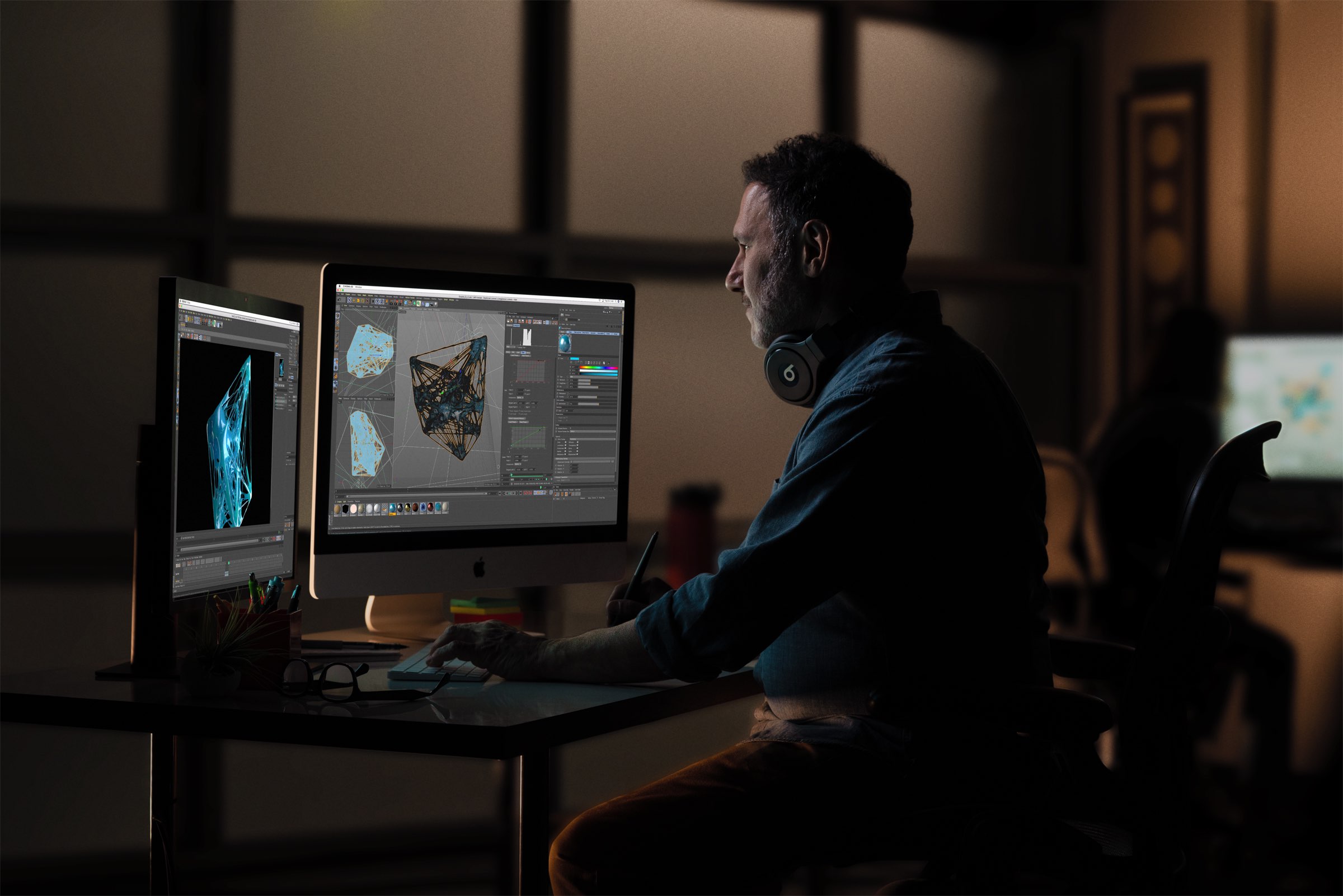
According to a new report published this morning in Chinese-language newspaper The China Times, Apple will release its first iMac all-in-one desktop featuring the company's in-house designed A14T chip, code-named Mt. Jade, in the first half of next year.
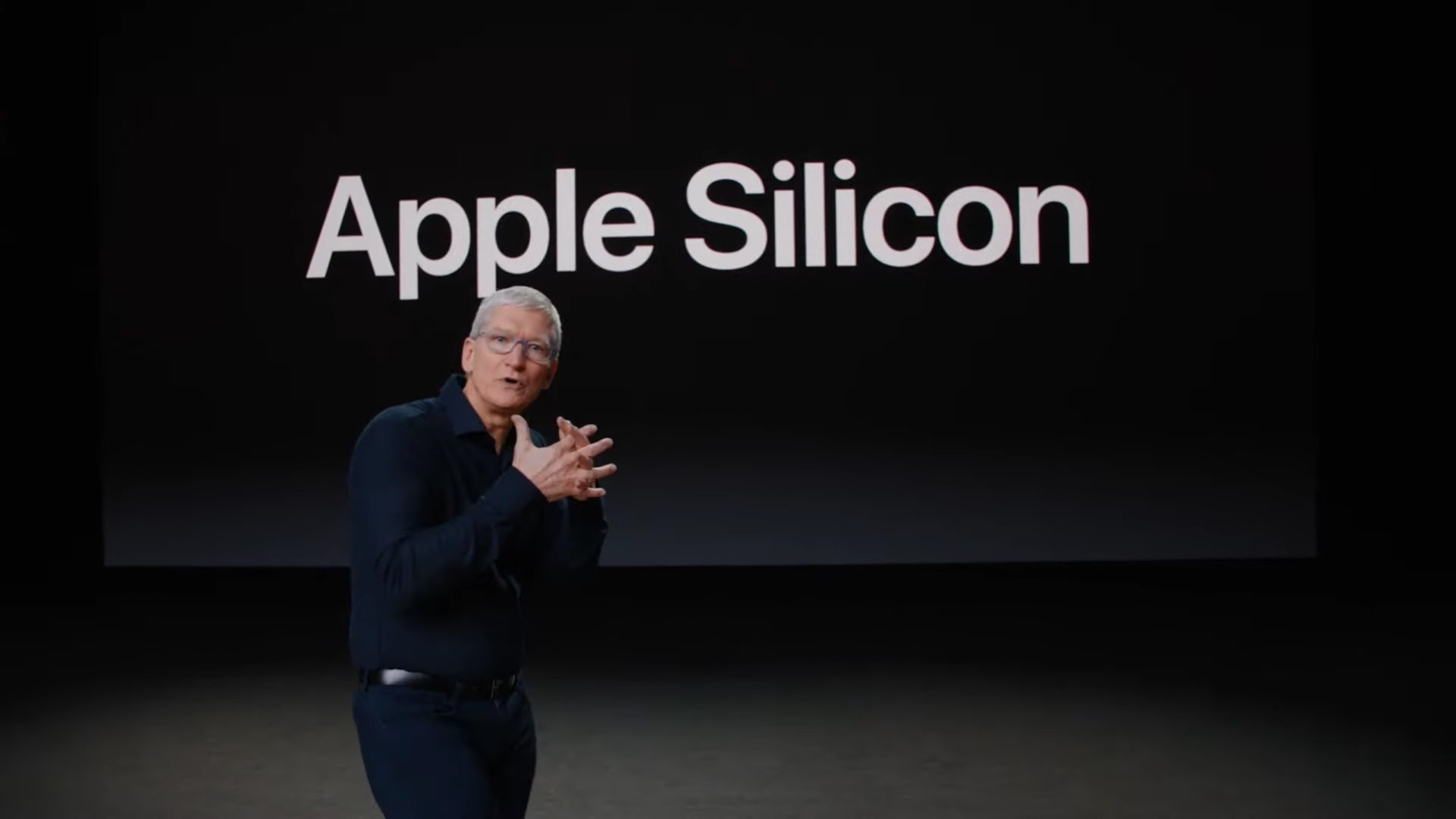
We know that Apple is going to launch a new Mac at some point before the end of 2020. We also know it's going to be the first Apple Silicon-based computer, too.
In June of this year, at the last WWDC, Apple confirmed it is transitioning to its own silicon for the Mac lineup, abandoning Intel for its processors fo choice.
According to an ex-Intel engineer, bad quality assurance of Intel's Skylake chips has reinforced the notion within Apple that the company should hasten its long-expected switch to its own in-house designed desktop chips based on its custom sic lion in iOS devices.