Apple

Inside Apple’s 2013 Annual Report: rising R&D costs, retail, ad expenses and more

Apple's annual 10-K report to the SEC always includes interesting tidbits. This year, the tech giant said it spent $4.5 billion on research and development, a move the iPhone maker describes as "critical" to remaining competitive.

The spending marks a 32 percent increase in research over fiscal 2012, when the company spent $3.4 billion.

The consumer electronics powerhouse said it employs 80,300 full-time workers, more than half in retailing. About 30 new retail locations are planned for 2014 with 20 more stores being remodeled, the company also told the government agency Wednesday. A couple more tidbits follow...
Apple’s profit eclipses Samsung, Motorola, Nokia and LG combined

What's more important, smartphones shipped or smartphone profits? That question is at the heart of a debate over competing figures used to bolster Samsung or Apple. A day after a Samsung-friendly market research firm claimed the South Korean firm shipped three times as many phones, new figures show Apple profit higher than most of its rivals combined.

Sales of 33.8 million iPhones during the last quarter earned more than the mobile units of Samsung, LG, Nokia, Huawei, Lenovo and Motorola all together, according to a Wednesday report. The report also ignited a new debate over how corporate figures can be twisted to fit any preconceived notion - such as Apple's losing battle against Android...

Samsung now selling 1 out of each 3 smartphones

Although Apple sold 33.8 million iPhones during the third quarter, up from 26.9 million a year ago, South Korean Samsung continues to dominate smartphones on a global scale. The company sold more than 88 million smartphones during the same period, comprising 33.2 percent of the worldwide smartphone market, according to one market research firm.

Despite its uptick in unit sales, Apple's share of the smartphone market for the quarter slipped to 13.4 percent, down from 15.6 percent - something that should be corrected in the fourth quarter, as sales of new iPhone 5c and iPhone 5s smartphones come into full view...

Apple’s Russia push slowed by pricey iPhones

Although Apple today launched the iPhone in an additional 35 global markets (with more to come next Friday), including Russia, its flagship iPhone 5s remains too expensive for all but the most wealthiest. The iPhone 5c, costing just $99 in subsidized markets such as the U.S., can cost nearly $800 in Russia, unsubsidized.

Apple's goal of competing globally is being hampered by pricing centered on carrier subsidies. In countries such as Russia, India and elsewhere where subsidies are not allowed, the cost of an iPhone can equal a month's salary - or more. As a result, Samsung's cheaper Android phones control most smartphone sales...

Samsung fined $340,000 over faking negative web comments about competition

Throughout last year, Apple-friendly web sites were infested with an avalanche of ugly comments by anonymous posters concerning the iPhone, iPad and the Apple brand in general. While website owners were reluctant to publicly point the finger of blame at the South Korean conglomerate, many had suspected it was no coincidence given Samsung was riding high on its anti-Apple ad campaign.

Conveniently, hate-spewing quickly died down after Taiwan’s Fair Trade Commission (FTC) in April launched an investigation into Samsung's tactics following the company's admission of guilt about, in its own words, the "unfortunate incident" which occurred "due to insufficient understanding".

Though Samsung  said it had"ceased all marketing activities that involve the posting of anonymous comments," the FTC - after finding Samsung indeed hired a "large number of hired writers and designated employees" to trash-talk competition in web comments - has now decided to slap the Galaxy maker with a $340,000 fine...

Old iPads are hot: 81 percent of North American tablet traffic

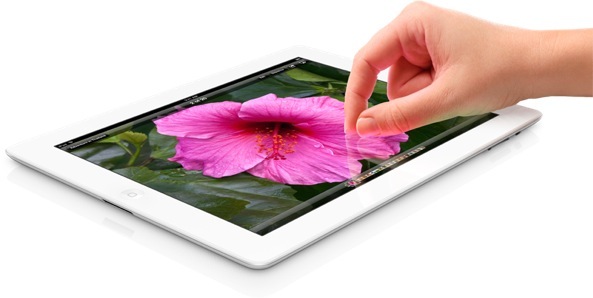
On Tuesday, just a few hours ahead of Apple's iPad keynote, new evidence surfaced about how entrenched Apple's device is in the minds of tablet users. Although Apple's tablet has undergone a number of updates, the old iPad 2 remarkably still accounts for the vast majority of U.S. and Canadian web traffic.

That's the word from ad network Chitika, showing iPads are 81 percent of North American tablet-based online traffic. The next closest competitor is the Kindle Fire from Amazon, nipping at Apple's heels with 6.1 percent. This is the second report in as many days showing even the oldest iPads dominate all contenders...

Samsung buys stake in iPhone cover glass maker Corning

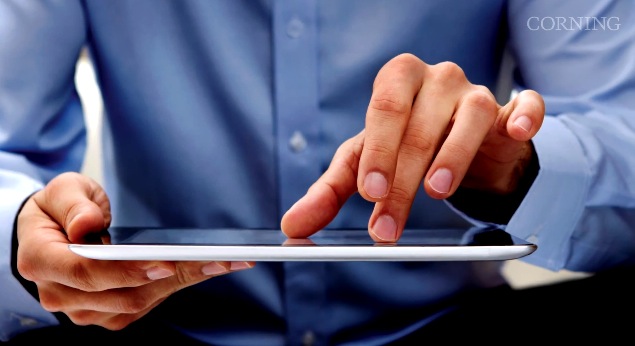
Gorilla Glass maker Corning has a new partner: Samsung. The South Korean firm is taking ownership in the company which produces tough glass displays for the iPhone and just about everyone else. At the same time, the $2 billion agreement gives Samsung a 10-year a supply contract while Corning gets the cash to explore future technology.

Along with making highly-resistant glass for smartphones, Corning could also be tapped to produce flexible material aimed at the growing number of wearable devices, such as Samsung's Galaxy Gear and Apple's long-rumored iWatch...

iPad owns 91 percent of tablet ad impressions

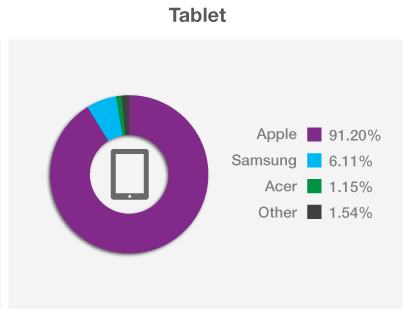
Next to developer allegiance, where advertisers are spending their mobile ad dollars could be the most significant sign of whether Apple or Android is winning. New numbers out today show Apple's iOS is trouncing Google and it is the iPad that's leading the way. Indeed, the Apple tablet was the target of more than 91 percent of mobile ad impressions.

What's more, despite a near neck-and-neck race in terms of ad impressions on smartphones, the iPhone outperforms Android handsets for hauling in ad revenue. For example, while Android smartphones deliver 30.5 percent of mobile ad impressions, the platform receives just 27.7 percent of the revenue.

By comparison, although the iPhone receives 30.8 percent of impressions, it gets 36.44 percent of revenue, according to a mobile ad analytic firm Opera Mediaworks...

Apple seeks Samsung penalty for leaking secret Nokia patent terms

A court earlier this week denied motions by Samsung to delay a probe into whether it improperly disclosed a confidential 2011 licensing agreement between Apple and Nokia.

Although Samsung lawyers argued the original judge made mistakes in ruling the South Korean firm committed a breach of privacy, Judge Lucy Koh found the decision "eminently reasonable".

Earlier this month, Apple filed a legal motion claiming Samsung illegally disclosed details of the patent licensing agreement in order to improve negotiations. The iPhone maker alleges the information revealed was part of documents turned over as part of the Apple v. Samsung case...

Massive setback for Android: Apple’s ‘Steve Jobs patent’ reconfirmed for original iPhone

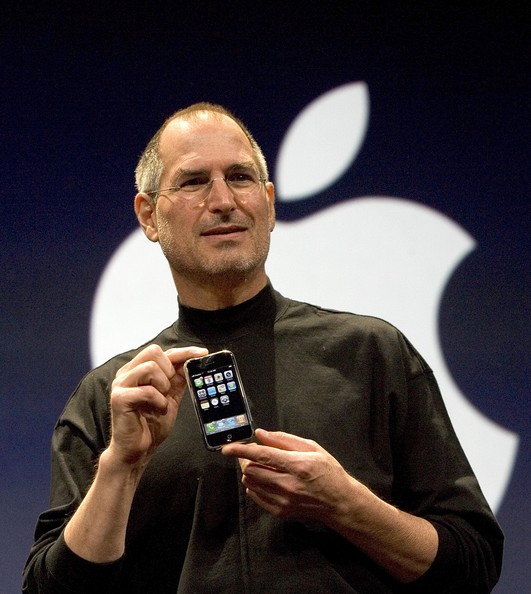
In a case of good timing, the United States Patent and Trademark Office (USPTO) has reconfirmed a multitouch patent credited to Apple's late co-founder Steve Jobs and the original iPhone design.

On the sixth anniversary of the iconic smartphone, the U.S. government reaffirmed the massive patent that was called into question in 2012.

Jobs was among the more than two-dozen people named in the massive 364-page patent filed in 2006.

The USPTO had issed a preliminary invalidation of the patent package, but now believes all 20 patents are valid...

JD Power: Apple leads in satisfaction on AT&T/Verizon, Samsung on Sprint/T-Mobile

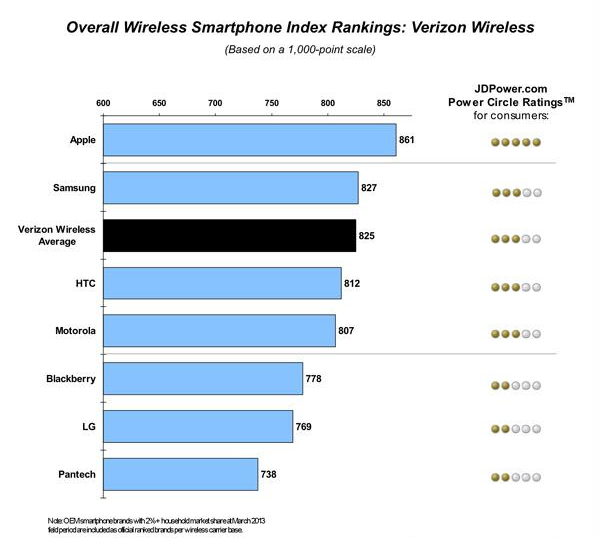
When it comes to smartphone satisfaction, carriers are key. That's the central finding of J.D. Power, which Thursday released its latest study indicating Apple and Samsung lead in satisfaction across all four major U.S. providers.

When it comes to the iPhone, customers of long-time Apple partners Verizon and AT&T love the Cupertino, Cupertino, company's smartphone lineup, more than any other smartphone brand.

As for South Korean Samsung, Sprint customers report are most satisfied by the Galaxy family of smartphones. Which U.S. carriers do the best job supporting smartphones? According to the study, AT&T and Sprint report the greatest satisfaction, followed by T-Mobile and Verizon Wireless...