Security

Hope rises for jailbreaking iOS 14 following release of new cicuta_virosa kernel exploit by ModernPwner

If you’re using iOS or iPadOS 14 right now, then your only means of jailbreaking would be with the checkra1n jailbreak on older A7-A11-equipped handsets up to and including the iPhone X.

Fortunately, the tides may change in the relatively near future as a newly released kernel level local privilege escalation (LPE) dubbed cicuta_virosa looks particularly promising for all handsets capable of running iOS or iPadOS 12.0-14.3.

Perseus lets mask-wearing jailbreakers unlock their iPhone with an Apple Watch

In case you haven’t already heard, Apple recently seeded iOS 14.5 beta to developers with a new feature that permits mask-donning users to more easily unlock their iPhone with Face ID, granted they’re wearing an unlocked Apple Watch. Without this feature, anyone wearing a mask would fail the native Face ID authentication method, compelling users to manually enter their passcode to unlock their device or to approve Apple Pay transactions or App Store purchases.

Given the gravity of just how frustrating it can be to be unable to use Face ID when governments around the world impose mask mandates while in public in an effort to curb the spread of COVID-19, it should come as no surprise that this feature received tons of praise from would-be users. On the other hand, jailbreakers would be stuck with older versions of iOS that don’t natively support the new authentication feature; at least, until now that is…
Ian Beer publishes details of kernel vulnerability for iOS 14.1 and lower

Matrix code hacked iPhone.

Ian Beer is a name much of the jailbreak community will recognize, and that’s because he’s a talented security researcher who discovered and published a plethora of different tfp0 exploits over the years — many of which went on to further jailbreak tool development.

Although Beer has been somewhat quiet these past several months, it seems it was for a good reason, as the hacker took to Twitter Thursday afternoon after publishing details for what appears to be a kernel vulnerability impacting iOS & iPadOS 14.1 and below.

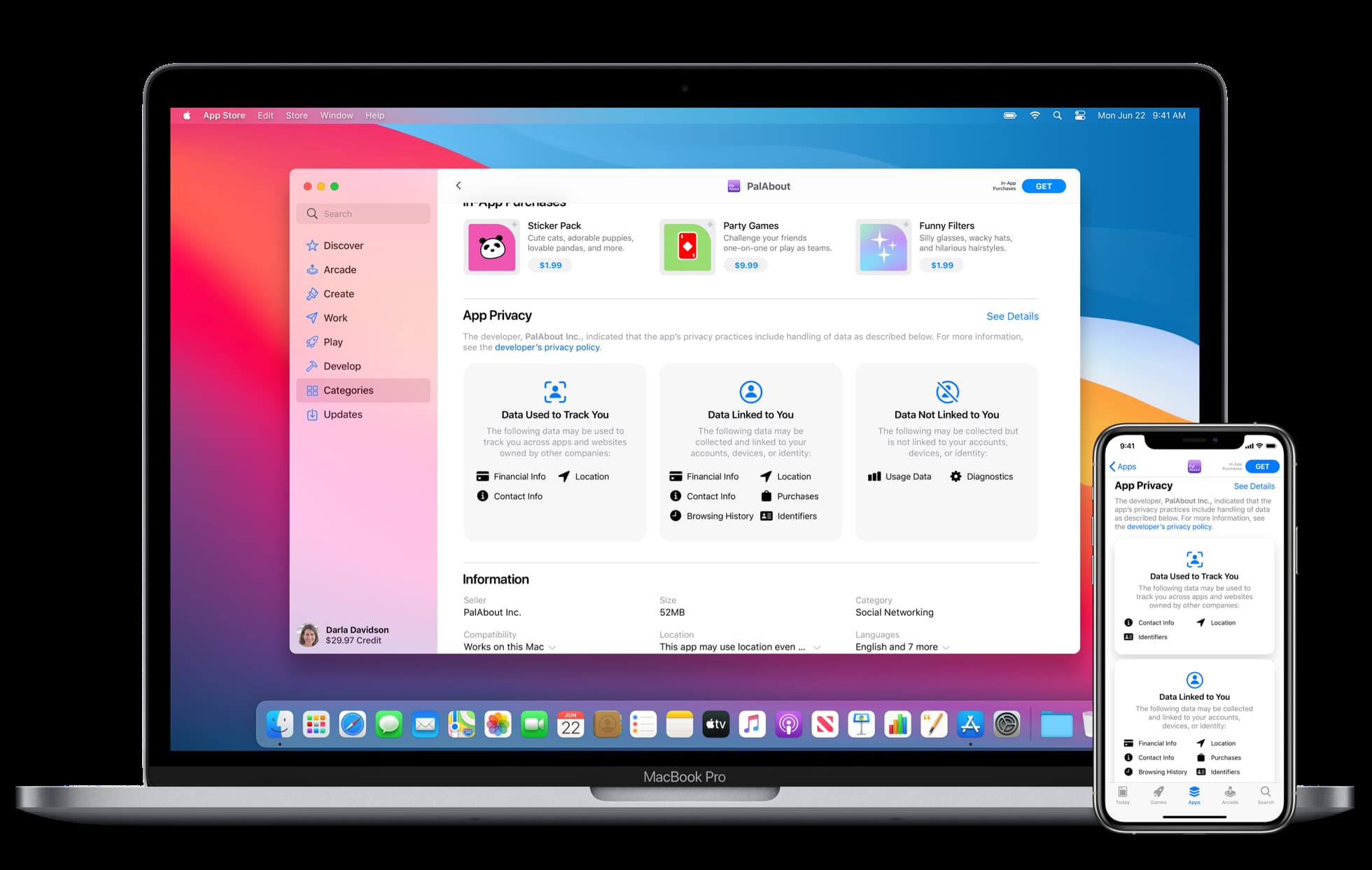
Do you read the privacy labels before installing an app?

In December of 2020, Apple launched privacy labels for apps in the App Store. The idea is simple enough: show relevant information regarding what an app is doing related to privacy and data to the user. This gives them the power to make a decision, based on that data, before installing the app on their devices.

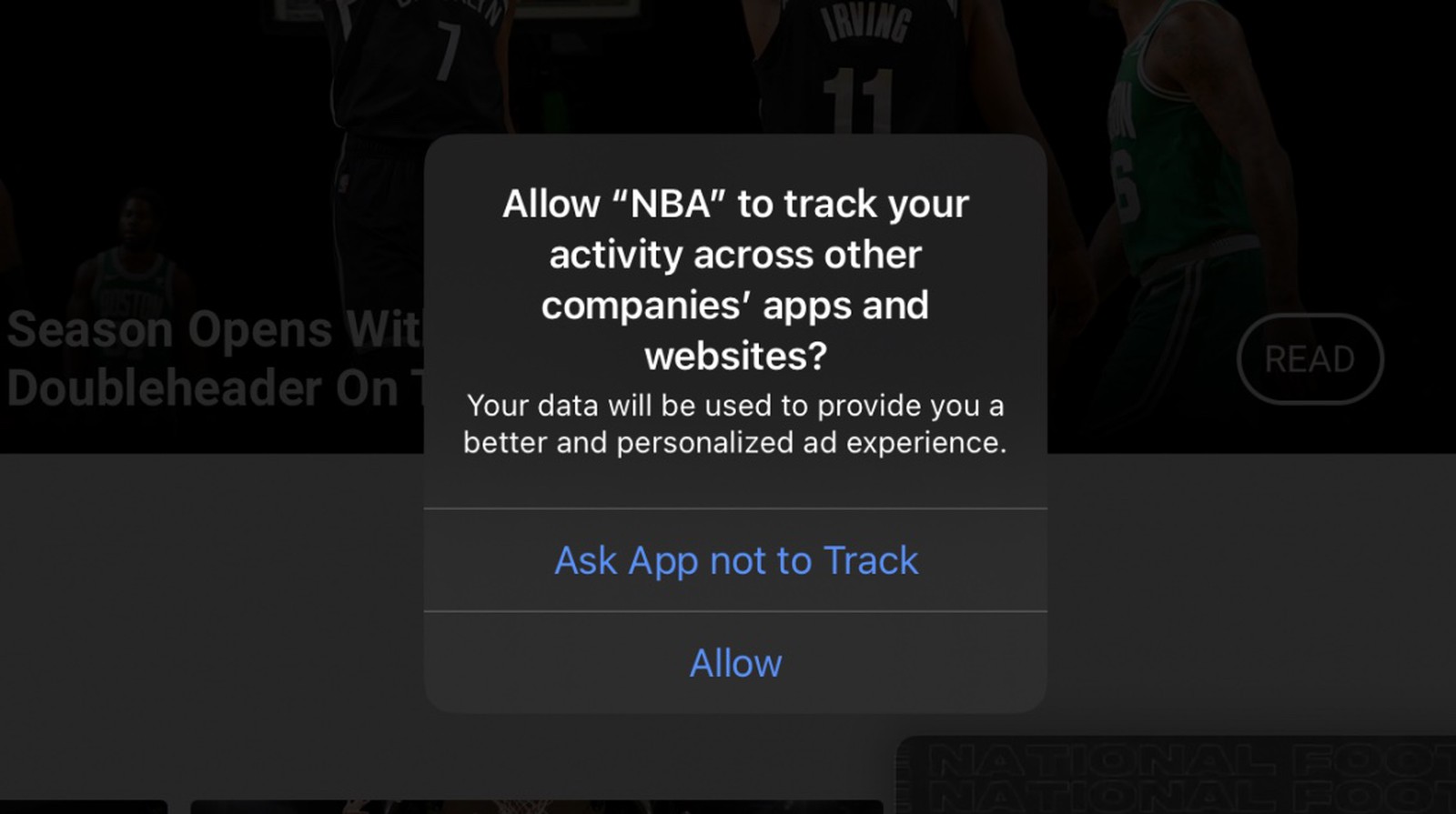
Google is trying to work around Apple’s new privacy permission prompt

Google and its ad industry partners are not liking Apple's upcoming tracking prompt in iOS 14. The company's been dragging its feet with adding data privacy disclosures to its iPhone and iPad apps on the App Store. And now, Google says it will stop using a device’s unique IDFA (Identifier For Advertisers) to avoid showing the new privacy permission prompt in iOS 14.