Android

Chart: Android owns two-thirds of smartphone sales – or does it?

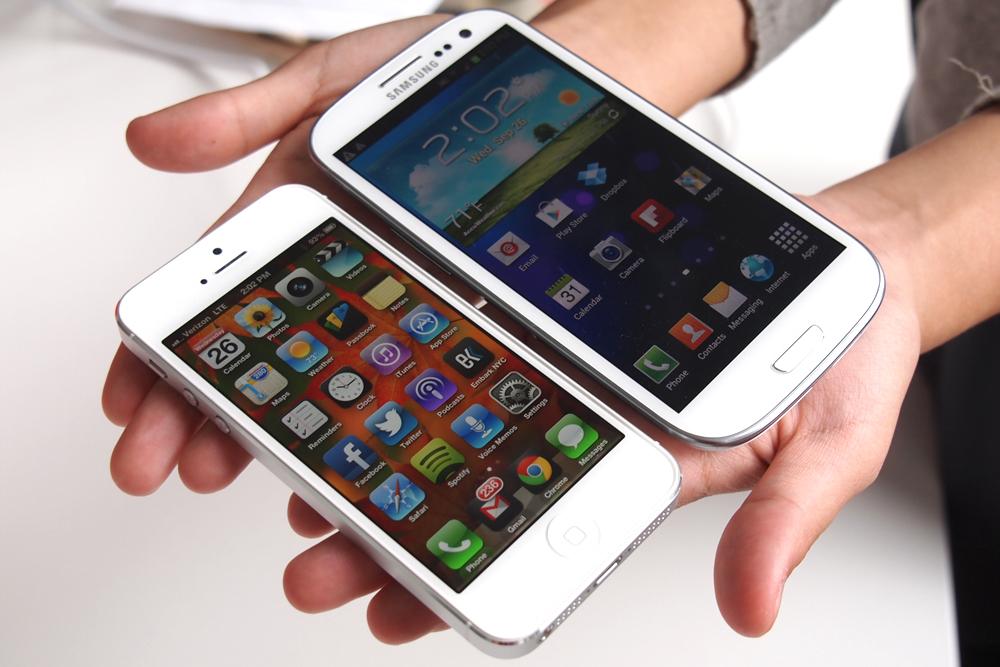
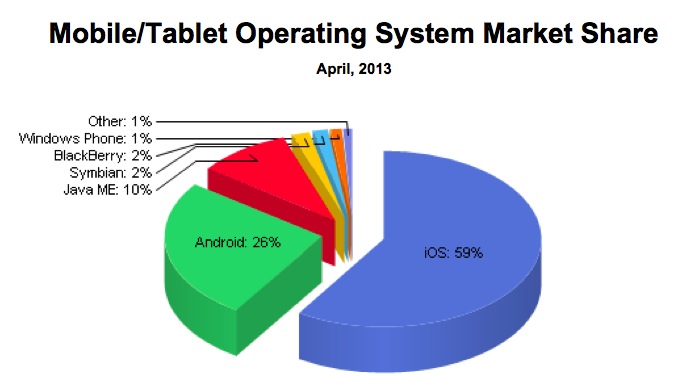
Some intriguing numbers were released Monday on how one research firm views the smartphone race between iOS and Android. According to Kantar Worldpanel ComTech, Google's Android averages a 64 percent unit share of the smartphone market across ten countries.

Apple leads in Japan while Android's doing its best in Spain, where the mobile software owns an astounding 93 percent of the smartphone market.

In the U.S., the race is much tighter, with Android holding 49.3 percent and Apple owning 43.7 percent of the domestic market. But the rivals might be even closer as observers question how accurate Kantar is, given recent iPhone sales reports by U.S. carriers...

Windows Phone ad sees iPhone and Android owners trading insults at wedding

http://www.youtube.com/watch?v=Z19vR1GldRI

Despite the massive marketing blitz, Microsoft's Windows Phone platform has managed to regain but a fraction of market share lost to iOS and Android in years past. Figuring it could take a page from Samsung's marketing handbook, Microsoft on Monday published on its YouTube channel a new Windows Phone commercial which takes a mandatory jab at Apple's iPhone and its Siri digital personal assistant while also poking fun of Gorilla-sized Android devices from Samsung. The funny ad is aimed at boosting Microsoft's and Nokia's stagnant sales of Lumia handsets in the United States...

If Apple loyalty holds up, iPhone will surpass Android in U.S. market share by 2015

Whenever I stumble upon a survey predicting that Apple's iPhone will loose traction to not just Android, but Windows Phone as well, my blood starts to boil in my veins.

And just like clockwork, you can count on the likes of IDC and Gartner to come out of the woodwork every now and then with wild predictions of the iPhone's demise by 2015, 2016 or 2017.

History has taught me to take such long-term predictions with a healthy dose of skepticism, even more so if data comes from big name firms whose crystal ball peering is based on "polls" that sample a few hundred random people, at best.

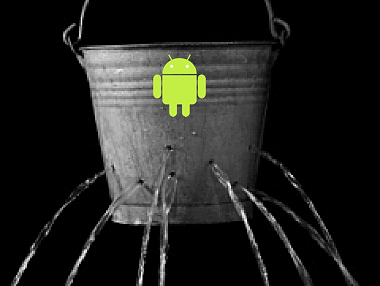
With that in mind, here's a survey that paints a rather rosy future for the Apple smartphone. Noting that Android is actually losing one out of every six customers to other phone vendors, Yankee Group ran their spreadsheets and determined that Apple will surpass Android in U.S. market share by 2015, provided Apple brand loyalty numbers hold up in the coming years...

A first: smartphone shipments outnumber feature phones

For some time, the mobile phone industry has been shifting toward more powerful smartphones and away from basic mobile phones. Now comes word that smartphones outnumber feature phones for the first time. The line was crossed in the first quarter of 2013 with 216.1 million smartphones shipping, accounting for 51.6 percent of all handsets sold. Smartphone shipments grew 41.6 percent during the quarter, up from 152.7 million units shipped during the same period in 2012, one industry research firm announced Thursday...

Flurry: US app audience nearly equals online laptops and desktops

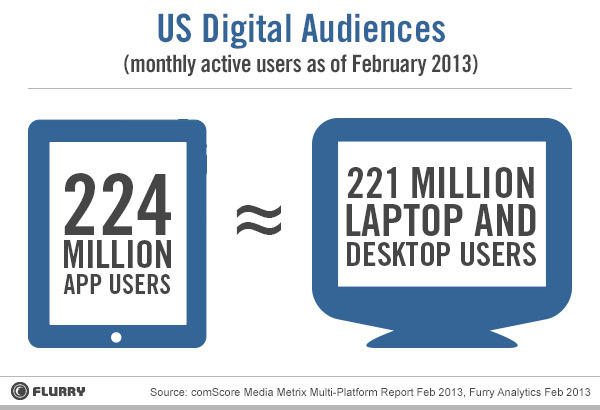
Apps (whether iOS or Android) are attracting huge audiences in the United States. Indeed, during a recent month apps attracted nearly the same number of people as used laptop and desktop to go online. What's more, for a prime-time period during the week apps attract 52 million users, equivalent to the circulation of the top 200 weekend U.S. newspapers and three television shows, according to numbers released by a mobile analytics firm Thursday...

Behind the numbers: iPad market share falls but usage belies Android gains

Let the post-mortem begin. It is a ritual on Wall Street: forecast Apple's quarterly numbers, then afterwards dissect the data the iPad maker releases. And once more, the coverage conflates shipment with usage to determine the status of Apple or Android.

Although Apple Tuesday announced selling 19.5 million iPads during the first quarter of 2013 - an improvement from 11.8 million tablets sold during the same three-month period in 2012 - the focus Wednesday was on the iPad shedding market share to Android. But do unit sales trump actual usage?

Chitika: iPad usage kept rising in March

One day after Apple announced selling 19.5 million iPads during the second quarter, new numbers show the tablet dominated online traffic as late as last month. The device held the market in a stranglehold, controlling 81.9 percent of tablet web traffic in the US and Canada, according to an online advertising network. According to the Chitika Ad Network, the 1.4 percent increase is the first month-on-month advance in the iPad's share of web traffic since December 2012....

Companies still deploying iOS first as Android remains MIA online

You would think, given Android's raw numerical advantage, that app developers would first build for the larger market. However, Apple's iOS appears to offer companies other, more valuable qualities. Indeed, one need only look to last Friday, when Twitter unveiled its #music service - available initially only to iOS users. Another iOS exclusive, Twitter's Vine, has yet to hit the Android platform.

Key to why companies are still developing apps first for iOS are findings that Apple's mobile software is both used more often and the users are more loyal to the apps they download. What is Android's response: change how such things are measured....

Bono: Apple’s Jony Ive is Obi-Wan of design

Time Magazine's list of the 100 most interesting people for 2013 is packed with profiles of technology leaders. Apple design guru Jony Ive is among those listed, described as a Star Wars' Obi-Wan leading a team of Jedi employees.

The thread of Apple's innovation runs through other profiles, including Samsung's CEO, who is viewed by a former executive of the iPhone maker as carrying on the tradition of Steve Jobs...

Google’s new Babel chat platform includes ‘first class iOS experience’

More details are trickling in on what to expect of Google's upcoming unified messaging platform called Babel. Google's internal documentation and code snippets discovered Wednesday indicate the Babel thing will support media transfers during chat sessions and group chatting ability. More importantly, the service will be available as a native app on both Apple's iOS and Google's own Android platform.

Of course, Babel is also going to be available on the web, as a Chrome web app and inside Gmail. The upcoming messaging platform should solve Google's instant messaging conundrum that confuses users with nearly a doze different chat service that include Talk, Gmail, Google+ Hangout, Google Voice and Chat for Drive.

Even if way overdue, Babel will unify Google's many messaging platforms into a single service. The Internet giant is likely to formally announce Babel at its upcoming Google I/O conference, which runs May 15-17 in San Francisco...

Google’s Nexus 10 no threat to iPad sales

Here's an interesting tidbit we found this morning: Microsoft's Surface tablets could actually be outselling Google's latest Nexus 10. We understand every scuffle between Google and Apple is actually a proxy for the battle between Android and iOS, so the statement by blogger Benedict Evans caught our eyes. According to Evans, the Samsung-made Nexus 10 likely sold around 1.01 million of the Google tablets by the end of March.

This compares to the 1.5 million Surface tablets Microsoft has reportedly sold - not to mention the ten million iPad mini tablets purchased in just the last two months of the fourth quarter in fiscal 2012. While the latest Nexus tablet is no threat to the iPad, the calculations suggest something more important: strong distribution and a well-defined ecosystem can overcome big-name rivals...

Apple vs Android: debate continues as iOS proves more lucrative

The shift to mobility has certainly hurt the ability to pick clear winners and losers. In the era of beige-box PCs, bean-counters could glance at market share data. But growth of smartphones and apps shattered such easy measurements The battle between Apple's iOS and Google's Android is more of an optical illusion where the "winner" can triumph in terms of market share, but lose when it comes to revenue.

Still, people want clear winners and losers and Time magazine is just the latest to answer the call. According to the magazine's website, the winner is - well, that really depends...