Security

CIA reportedly working to crack Apple device security to gain spy access

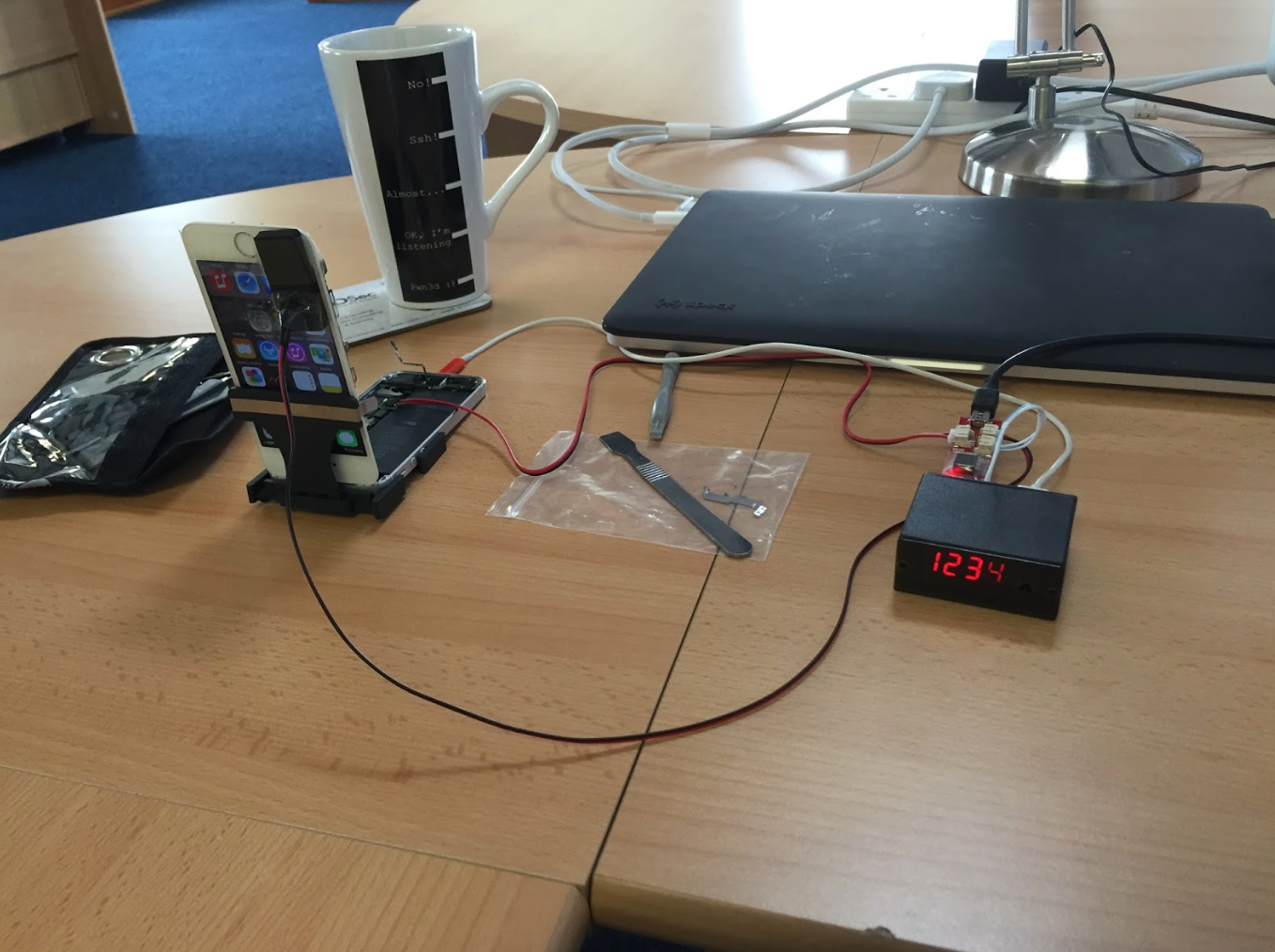
The Intercept reports the Central Intelligence Agency has been working for years to find ways to break through the security of Apple devices, with work spanning a year before the first iPhone was released. The Intercept basis its report on leaked documents, that explain a yearly gathering of CIA officials, called the "Jamboree", to talk about flaws in commercial electronics.

Apple issues updates for OS X, iOS and Apple TV to address ‘FREAK’ attack

Apple on Monday issued a security update for OS X to address a handful of vulnerabilities, including the high profile SSL flaw known as "FREAK." Spotlighted last week, the bug allows would-be attackers to spy on communications made through Safari.

More specifically, FREAK stands for Factoring RSA Export Keys, and it affects certain embodiments of web encryption technologies SSL and TLS. If used maliciously, the flaw could leave systems open to what are known as man-in-the-middle attacks.

Apple confirms ‘FREAK Attack’ patch for iOS and OS X due next week

A new exploit dubbed ‘FREAK Attack’ — which stands for “Factoring attack on RSA-EXPORT Keys” — that takes advantage of a security flaw dating back to the 1990s will be patched soon by Apple.

As we speak, the iPhone maker is readying a fix in iOS and OS X that will be available in software updates next week, a spokesperson for the Cupertino firm told iMore.

Plagued by this security flaw, users of Mac, iPhone, iPad, iPod touch and Android devices are at risk when visiting vulnerable websites that downgrade a secure HTTPS connection to a weaker encryption method.

Apple to make ‘a large number’ of day-to-day security guards full-time employees

Following the outcry in Silicon Valley regarding the treatment of part-time employees, and in general people who work for technology companies, Apple is now moving to “dramatically expand” its in-house security team by giving contracted workers the same benefits as other employees, as per Mercury News Tuesday.

A company spokesperson confirmed to the paper that Apple has now decided to hire the majority of its day-to-day security staff in Silicon Valley as full-time workers, following a yearlong review.

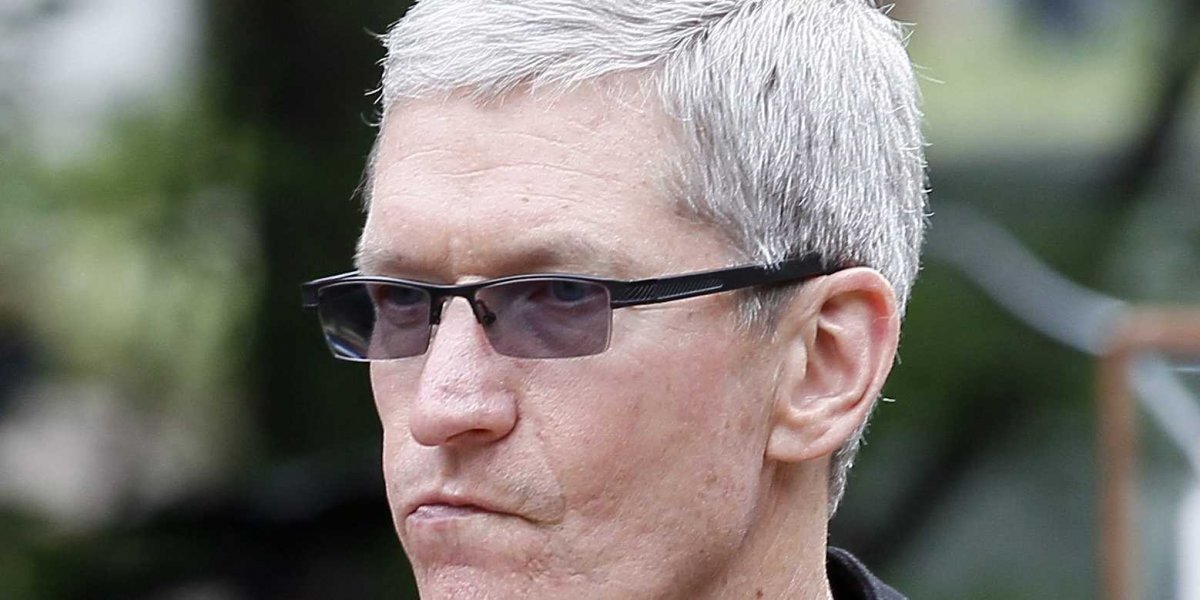
Tim Cook: there is no reason why you would have to choose between privacy and security

Apple CEO Tim Cook is on the final leg of his tour of Isreal and Europe and has been speaking to UK publication The Telegraph about a range of things including Apple customers' privacy and of all things, terrorism.

Known for his unusual stance on privacy - one which doesn't jive with other high profile tech executives who are happy to share everything about you - Cook told the publication during an interview that he feels people's information is being "trafficked around" in ways that they just don't yet understand.

Apple and other Western firms removed from China’s approved government purchase list

Apple, along with other leading Western technology companies, has been taken off the list of approved tech companies for state purchases in China, Reuters reported last evening.

Apparently in response to widespread Western cyber-surveillance, companies like Apple, network equipment maker Cisco Systems and chip giant Intel have now been removed from the Central Government Procurement Center's (CGPC) list.

The list, maintained and approved by China's Ministry of Finance, covers regular spending by central ministries.

How to disable the camera on your Mac

Every Mac that Apple ships, sans the Mac mini, comes with an iSight camera embedded in the bezel at the top of the display. If my memory serves me correctly, Apple's computers were one of the first to really popularize the standardization of built-in cameras.

I'm probably not alone when I say that I rarely, if ever, use my MacBook Pro's iSight camera. In fact, it's become more of a worry to me when thinking about the potential hacking and privacy concerns. I'm far from a tin foil hat wearer, but I have to be honest and admit that the thought has crossed my mind before... you know, the one where hackers view my iSight camera unbeknown to me.

With all of that said, wouldn't it be nice if you could disable your Mac camera with a simple software tweak? Inside, I'll show you how to do just that.

Apple Pay gets major backing from US Government

As Apple CEO Tim Cook spoke at the President Obama's Summit on Cybersecurity on Friday, the White House announced that Apple Pay will be enabled for federal payment cards, including Social Security and veterans benefits that are issued via debit cards.

The news represents a major vote of confidence for Apple Pay and Apple in general. While it shouldn't be considered a proper endorsement from the White House, it is still a major win for Apple.

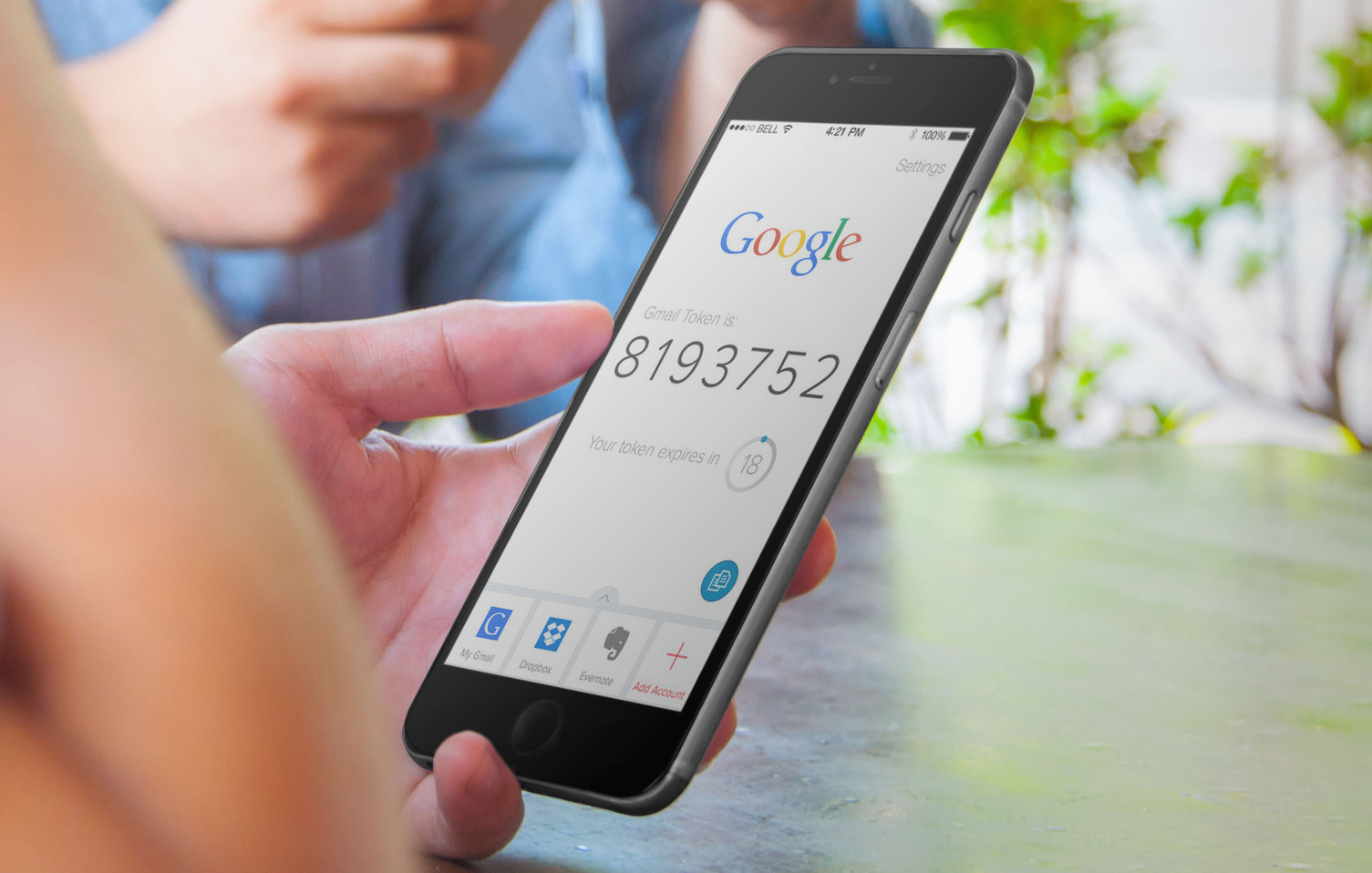
You need to enable two-factor authentication everywhere right now

You just can't take security too seriously these days, because even if you don't think your personal information is all that interesting to others, you're probably wrong. Whether it's people selling your banking data or trawling your emails for ways to get into all of your social media accounts, you really don't want anyone having access to your data when they don't have your permission.

Recent high profile so-called hacks have highlighted the need for improved personal online security, with numerous celebrities having their personal photographs stolen and then leaked online. It transpired that the photos had been acquired via compromised iCloud accounts, and with the move to iCloud Photo Library and the soon to be released Photos app for the Mac, we're likely to have more and more of our digital lives sat on Apple's servers.

Throw the data Google has into the mix, especially if you use Gmail, and things can get scary, fast.

Strong passwords are obviously the way to go here, but that isn't always going to be enough to stop bad people from doing bad things, especially if they manage to get that password via another compromised service. But you're OK, because you don't re-use passwords, right? Right.
Apple enables two-step verification for FaceTime and iMessages

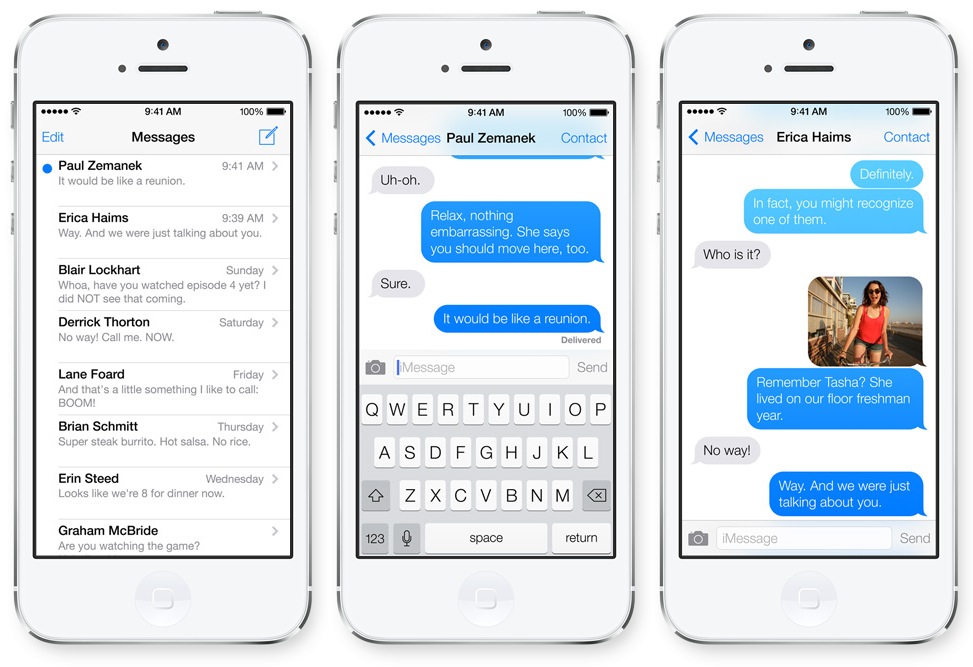
Apple has enabled two-step verification for its FaceTime and iMessage services, The Guardian reported on Thursday. The move will force users who have the authentication system enabled to input an app-specific password when logging into either of the two services.

For those unfamiliar with the term, two-step verification is an opt-in system that adds an additional layer of security to Apple ID accounts. It requires users to input authentication codes when logging into iCloud on new devices, the web, and now iMessage and FaceTime.

MacID review: unlock your Mac using Touch ID

Thanks to Bluetooth LE connectivity, users are able to connect their smartphones to their computers to share content between devices quickly, easily, and without being too taxing for battery life. On iOS and OS X, you can even do stuff like lock or unlock your Mac. Mac ID for iOS is one such app. Not only can you set it up to unlock your computer, but you can also lock it and wake the screen remotely. We’ve got a hands-on review of MacID for iOS for you today.