Screen

Report: iPhone’s switch to AMOLED short-lived as Apple looks to adopt Micro-LED screens

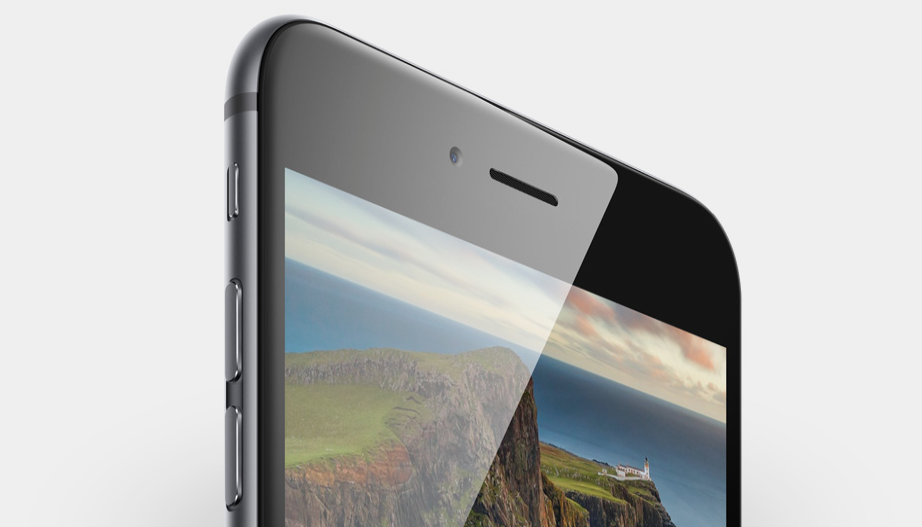
Apple's Tenth Anniversary iPhone due next year is widely expected to use the superior AMOLED display technology, but only for a short while as the Cupertino company looks to adopt the emerging Micro-LED screens in the long run, according to a report from Taiwanese trade publication DigiTimes.

Micro-LEDs waste far less battery power compared to other commercially viable display technologies, making them ideally suited for mobile devices like iPhones and iPads. Traditional TFT LCD panels waste a lot of energy because they require a backlight.

KGI: 10.5″ model joining iPad Pro lineup in 2017, radically overhauled AMOLED iPad in 2018

KGI Securities analyst Ming-Chi Kuo—who has a decent, but not stellar track record in predicting future Apple products—just issued a peculiar note to clients regarding the future of Apple's iPad lineup.

In the note, a copy of which was obtained by MacRumors, the well-connected analyst does not expect any major refreshes to iPads in this year.

But for 2017, the analyst is calling for three new models: a brand new 10.5-inch iPad Pro size joining a second-generation 12.9-inch iPad Pro and a low-cost 9.7-inch iPad. These devices are predicted to be followed by a “revolutionary” iPad model in 2018 that should bring “radical changes” in form factor design and user behavior while adopting flexible AMOLED panels, which so-called Tenth Anniversary iPhone is expected to gain in 2017.

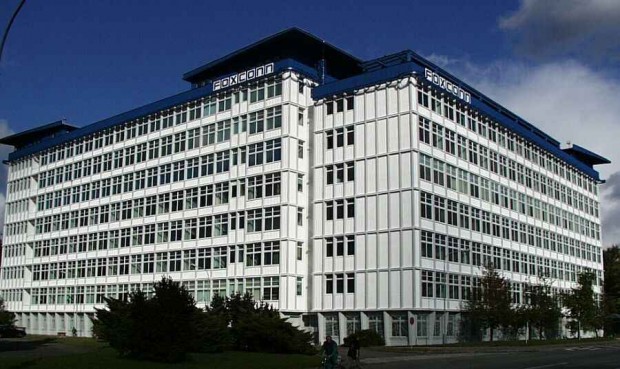
Foxconn reportedly developing OLED displays and glass casings for 10th Anniversary iPhone in 2017

The rumor-mill has been adamant that a 2017 iPhone model—dubbed by the press a Tenth Anniversary iPhone because the original iPhone was announced and released in 2007—will adopt power-saving organic light-emitting diode (OLED) display technology and feature an all-new industrial design.

Japanese outlet Nikkei is now reporting that iPhone contract manufacturer Foxconn is developing both OLED displays (Foxconn bought Sharp earlier this year) and glass casings to secure orders for the Tenth Anniversary iPhone in 2017.

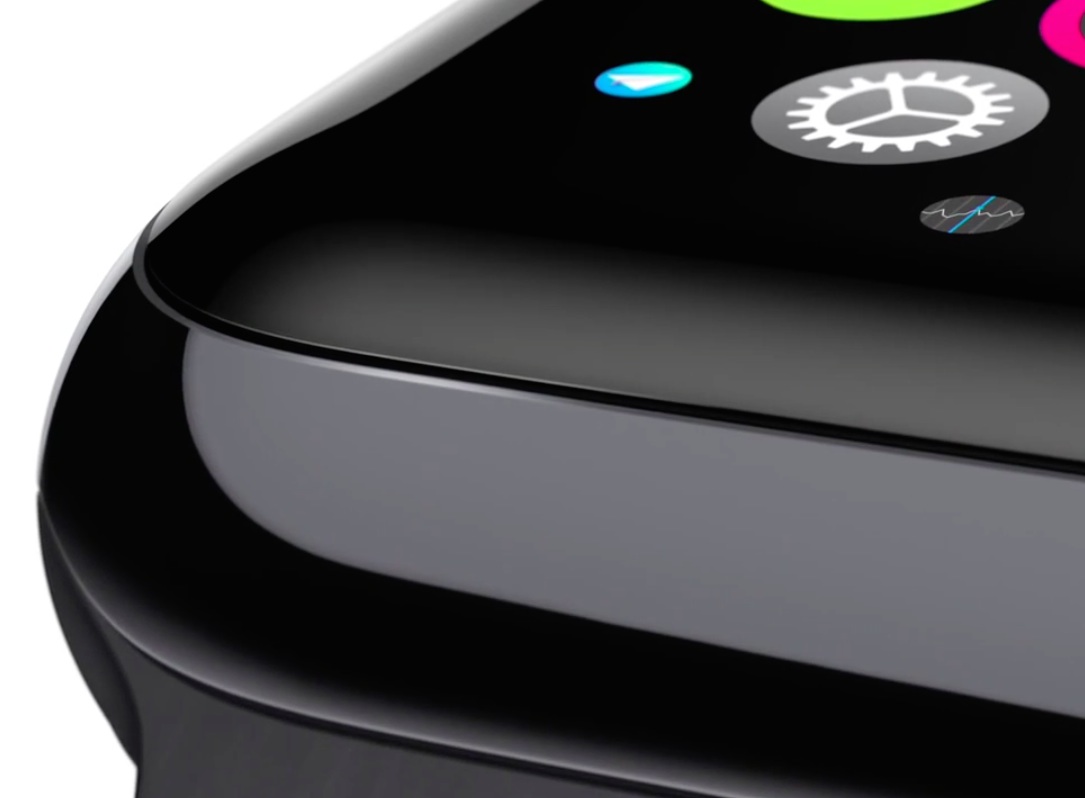
Apple Watch 2 could employ One Glass Solution technology for a thinner, lighter display

Aside from other rumored hardware improvements, a second-generation Apple Watch should ditch the current Glass on Glass (G/G) Retina touchscreen and replace it with a thinner and lighter display based on so-called One Glass Solution (OGS) screen technology, according to Apple supplier TPK Holding cited Friday by Taiwan's infamous hit-and-miss trade publication DigiTimes.

Because OGS eliminates a layer, adopting the technology should help the Apple Watch 2 conserve space and potentially even accommodate a larger battery.

Apple may be forced to open a center for iOS device repair in Russia to avoid lawsuits

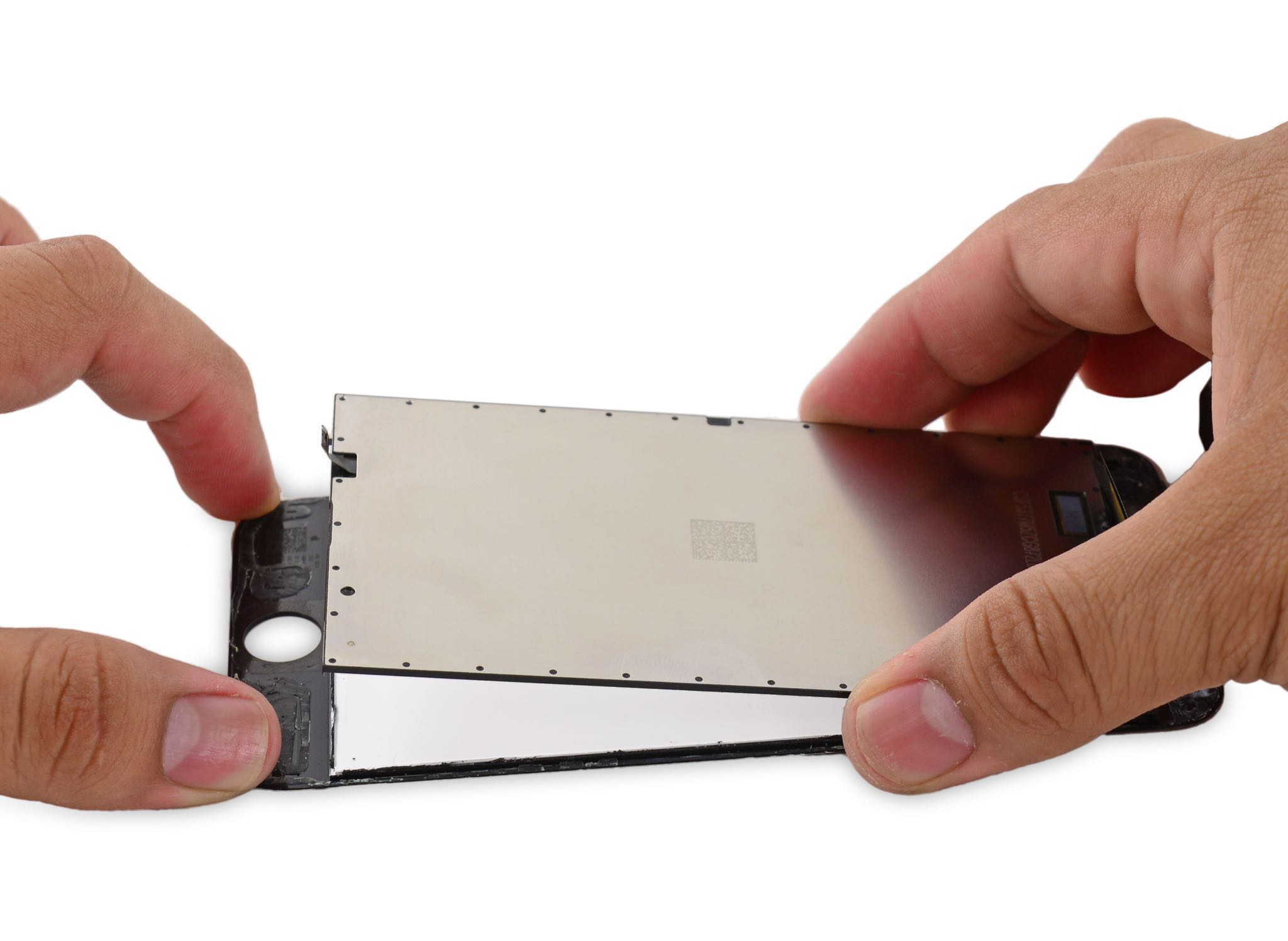
Following a lawsuit filed against Apple last June by iPhone owner Dmitry Petrov, which alleged that the Cupertino firm had failed to provide proper product support in Russia because its resellers and chain stores lacked the proper equipment to repair smashed displays, Apple could reportedly be planning to open a full-fledged center for iOS device repairs in the country to avoid future lawsuits.

It is not known when Apple's centralized repair center will open, but it will reportedly be “big and expensive”. According to a report by The Moscow Times, one unidentified employee of an Apple partnership corporation told Vedomosti that “he believes it will cost between $1 and $2 million.”

Samsung Display is spinning off its successful OLED business ahead of OLED iPhones

Samsung Display, a subsidiary of Samsung Electronics, recently won a deal with Apple to supply its high-quality OLED panels for use in the next iPhone and now the South Korean company is spinning off its organic light-emitting diode (OLED) unit, The Korea Times reported Monday.

Samsung Display reported a 270 billion won (about $235.2 million) operating loss during the first quarter of this year due to the struggling LCD business and strong competition from Chinese makers of low-cost LCDs for mobile devices.

Samsung could build 240M AMOLEDs for future iPhones in the next 3 years

LG Display, Japan Display, AU Optronics, Samsung Display and Foxconn-owned Sharp are all said to share production of AMOLED panels for future iPhones, with Samsung alone providing an estimated 240 million AMOLED units in the next three years beginning in 2017, DigiTimes Research predicted yesterday.

Samsung is the world's top producer of AMOLED panels. When deployed to the iPhone, this technology will result in crisper colors, deeper blacks, increased brightness, high visibility under direct sunlight and reduced power consumption.

Sharp to begin producing OLED screens for a future iPhone before 2018

In addition to LG Display and Samsung's mobile display arm, both of which are now pouring significant resources into ramping up OLED panel production ahead of Apple's switch from LCDs to OLEDs for iPhones, Japanese outlet Nikkei is reporting today that Sharp is expected to do the same before 2018.

Apple is widely expected to make a switch to OLED screens in time for a tenth anniversary iPhone, due in 2017.