Even if the launch of Apple's first 5G iPhone is months away, it's obviously getting plenty of attention well in advance.
Apple reportedly building its own 5G antenna for this year’s iPhone

Even if the launch of Apple's first 5G iPhone is months away, it's obviously getting plenty of attention well in advance.
Word on the street has been for quite some time that Apple is planning to launch a 5G-equipped iPhone at some point in 2020, likely in the second half of the year to keep up with the yearly refresh routine.
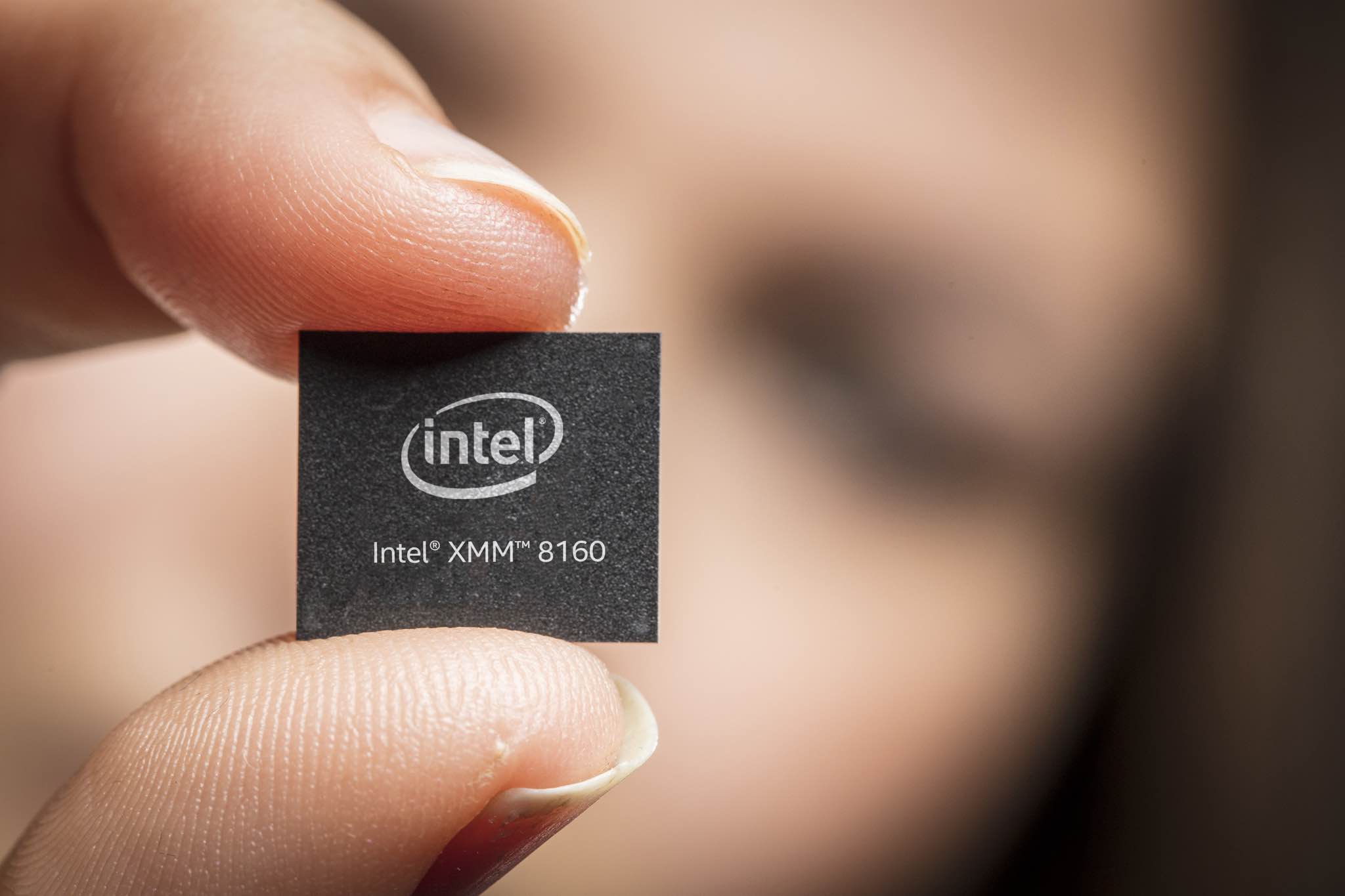
Intel had a bit of a rough year, especially in the middle months. Now, according to court documents filed by the company recently, we know a bit more about how Intel's executives feel about the whole thing.
Cellular modem development is a tremendously complicated, expensive and time-consuming process, but that hasn't stopped Apple, which already designs a bunch of chips in-house, to set an aggressive 2022 timeline for iPhones outfitted with its own 5G baseband hardware.
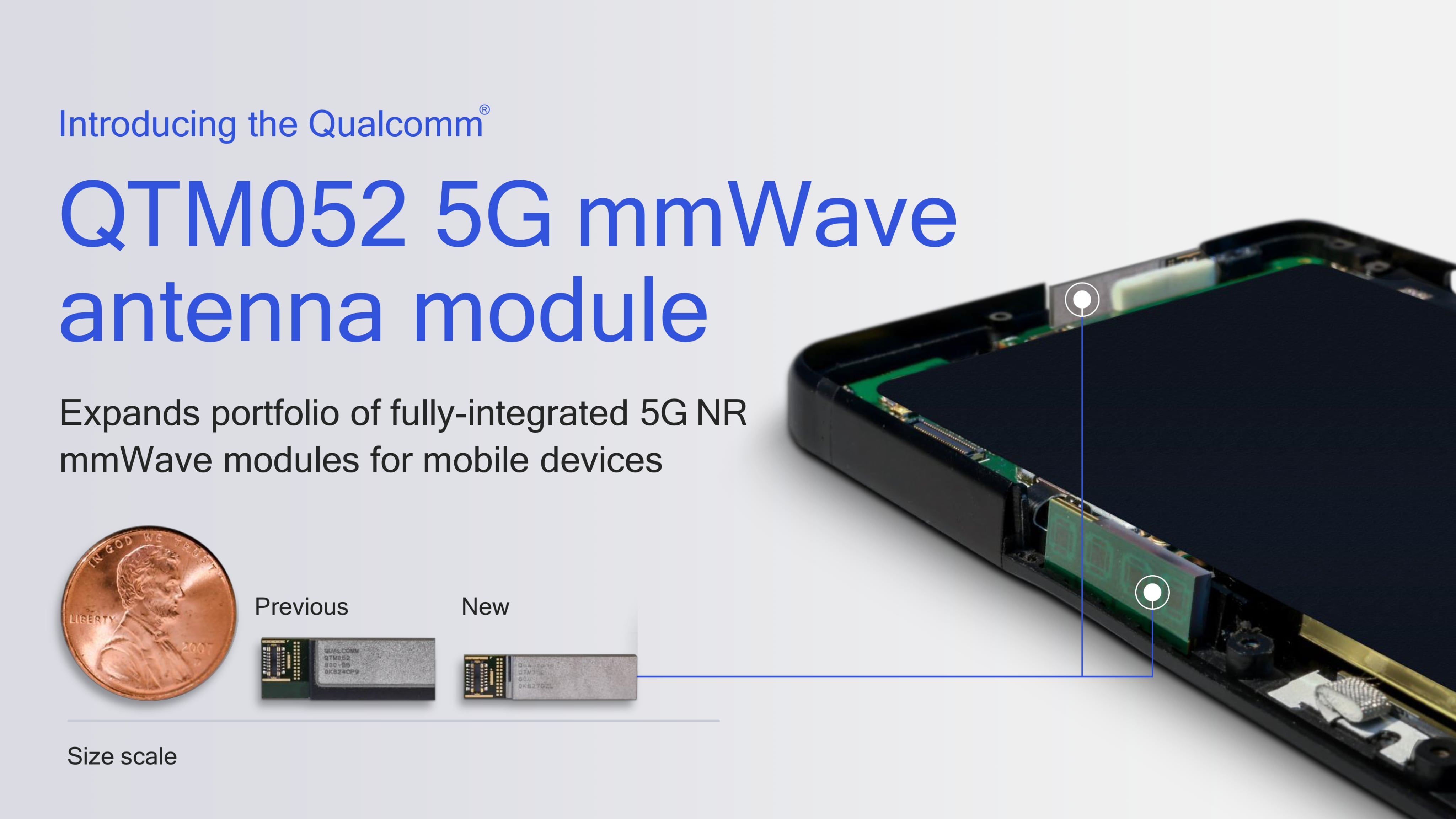
Apple could do without Qualcomm's wireless modems in iPhones as soon as 2022.
Following the settlement between Qualcomm and Apple, which saw the two companies coming to a long-term agreement for modems and other smartphone-related elements, Intel announced an exit from the smartphone modem market. And now Apple may buy a key element of that business.
The iPhone maker Apple and the chip maker Qualcomm have recently settled their long-running intellectual-property quarrel over cellular technologies, which includes a payment from the former to the latter, and we now have our first look at the size of the legal agreement.
Respected Apple analyst Ming-Chi Kuo of TF International Securities believes that Intel's unexpected move to exit the 5G modem business has left Qualcomm in full control of the 5G smartphone modem roadmap and removed uncertainties in terms of a 5G iPhone.
Apple's recently-announced settlement with Qualcomm didn't come cheap, according to UBS analyst Timothy Arcuri. In a research note released Thursday, Arcuri said the iPhone-maker likely paid between $5 and $6 billion to put a stop to the bevy of legal battles between the two companies.
Hot on the heels of the settlement news between Apple and Qualcomm, Intel has announced that it is exiting the 5G smartphone modem business. In a press release late Tuesday afternoon, the company said it sees "no clear path to profitability" in the space.
Apple and Qualcomm have reached a settlement in their ongoing royalty dispute. The two companies issued a press release Tuesday afternoon, stating that they will drop all litigation and enter a six-year licensing agreement, effective as of the beginning of this month.
Apple's expectedly pulled the iPhone 7 and 8 models from sale in Germany following a legal spat with chip maker Qualcomm, which proved in court that Apple violated its hardware patent.