Patent

Apple patents augmented-reality mapping tech

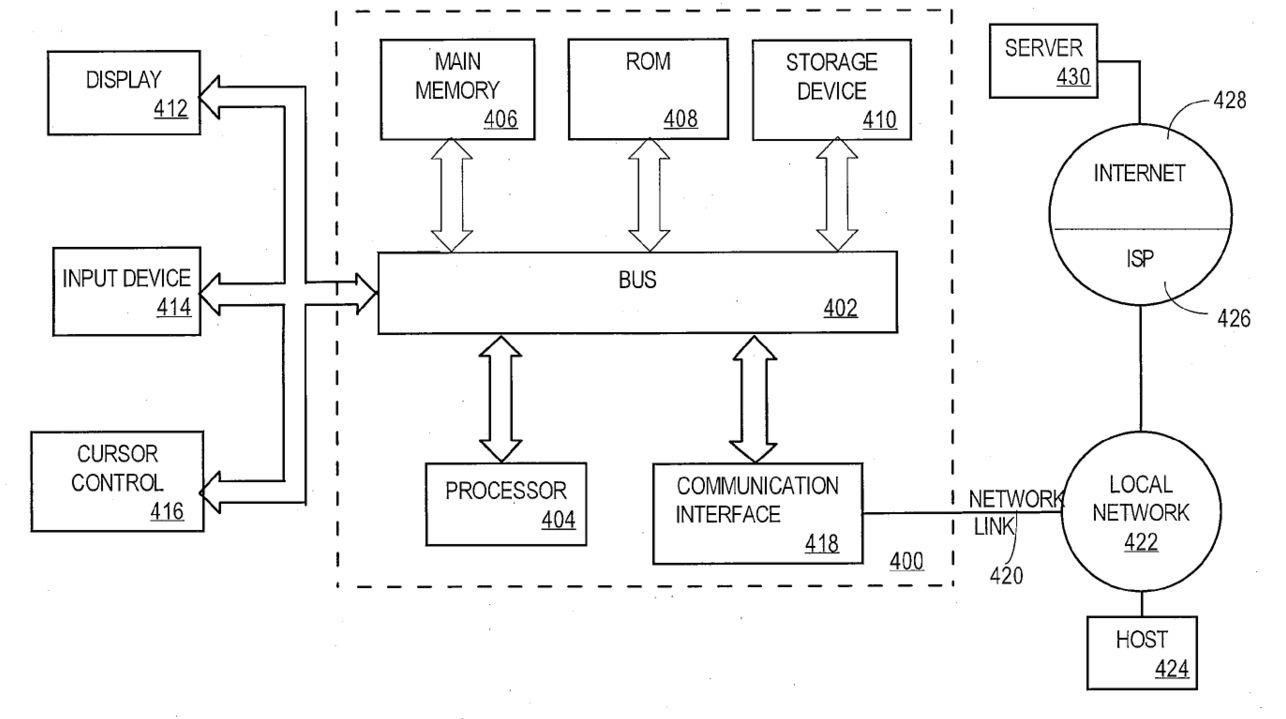
Apple Tuesday was granted a patent for technology enabling integrating augmented reality, the power of the Internet and smart device communications. A key component to the company's take on augmented reality is a system that recognizes live real-world objects, then builds 3D representations useful for mapping and annotating shared data. The patent, filed in 2010, is entitled "Synchronized, interactive augmented reality displays for multifunction devices."

In one potential use, an iDevice camera photographs a circuit board. A layer placed over the image then identifies the components and permits a team to exchange annotations, including text, web links and even images. But this only scratches the surface of how Apple envisions the future of mobile augmented reality...

George Lucas-founded THX takes Apple to court

THX, a high-fidelity audio-visual reproduction standard, has filed a lawsuit against Apple before a federal court in Northern California, alleging patent infringement, Bloomberg reported yesterday.

THX was founded by the famous Star Wars producer George Lucas, who used to control the company through his Lucasfilm enterprise between 1983-2001.

THX is now independent and no further details, including a copy of the complaint, were available at press time. Neither Apple nor THX would comment on the news...

Apple researching high-res iPhone camera with optical zoom

Cameras with optical lenses frequently produce images superior to all-digital alternatives most often required in mobile phones. Now Apple appears to have found a hybrid approach permitting future iPhones and iPads to offer a high-resolution camera with an optical zoom lens, but not disrupt the devices' slim lines.

While many patented Apple inventions never see the light of day, iPhone photography buffs in particular will welcome Apple's camera advancements, especially should the company decide to implement them on future iPhones and iPads.

Additionally, the patented technology could even save money for the consumer electronics giant. In 2011, the company filed for a patent entitled "Digital camera with light splitter." The iPhone or iPad camera includes a zoom lens with a moveable lens made possible by a cube which splits light into its component red, green and blue colors...

iPad 5 could charge via inductive Smart Cover, patent hints

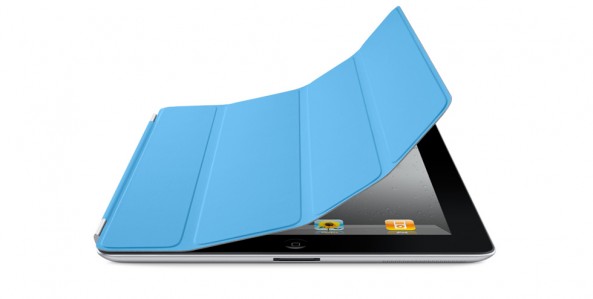
Apple seems to be working on a way to simplify the chore or recharging all of your iDevices. A new patent granted to the iPad and iPhone maker describes a Smart Cover that also recharges the device using induction. The patent, entitled "Integrated inductive charging in protective cover", brings the convenience of a charging mat to the Smart Cover now used to protect your iPad screen.

Meanwhile, the inductive technology could eliminate the tangle of wires now required to keep your iPhone, iPad, iPod and whatever other devices Apple has in the pipeline charged...

Apple social networking patent would track your stalkers and spammers

Apple wants to get into social networking, but not as a rival to Facebook or Twitter. Instead, the iPhone maker envisions a way to better protect mobile users against spammers and stalkers.

Tuesday, the United States Patent and Trademark Office approved a 2010 application for a friend service of sorts which could underlie current social networks.

The patent titled "Apparatus and method for efficiently managing data in a social networking service" describes methods for maintaining three databases which oversee friends within a network, handles for out-of-network contacts and a third to log changes. Among the potential advantages: preventing a flood of friend requests and ignoring contact attempts by stalkers...

Microsoft and Samsung try to patent Apple’s already patented pinch-zooming

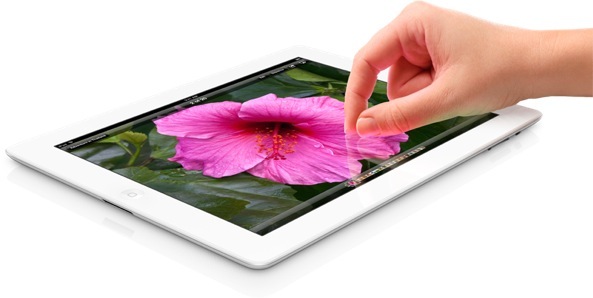
In a 'how low can they go' moment, both software giant Microsoft and the South Korean conglomerate Samsung have moved to patent the pinch-zoom concept that Apple popularized (and patented) on mobile devices with the introduction of the iPhone six years ago, as if Apple's technology never existed.

Apple's late co-founder Steve Jobs reportedly hit the roof after HTC in early 2010 launched a handset with pinch-to-zoom functionality, but the two companies recently settled their patent disputes. On the strength of its iPhone patent portfolio, Apple even forced Google to agree to disabling multitouch on early Android devices sold outside the United States.

Now, Apple claims a specific software implementation that's different than that Google used in Jelly Bean, Android version 4.2. Be that as it may, it's funny both Microsoft and Samsung patent filings now suggest pinch zooming was their invention...

Judge green-lights Apple’s Siri case against Samsung

Apple and Samsung are still battling it out in post-trial hearings left over from last fall's high-profile infringement trial. And they have another one coming up this year that involves a whole new range of devices.

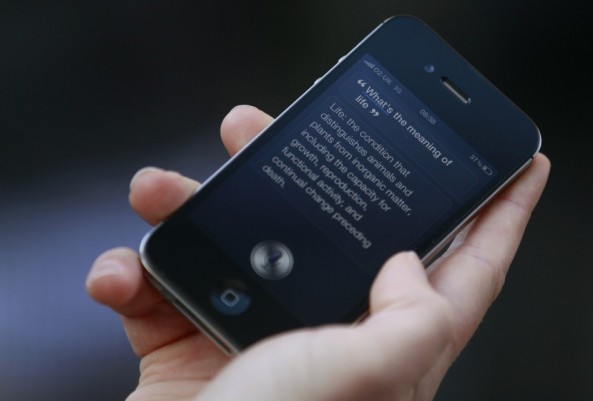
But there's alway room for another case in the world of patent lawsuits. And Judge Lucy Koh just gave Apple permission to move forward on a third lawsuit with Samsung here in the States involving its Siri patent...

Apple prevails in UK’s Samsung 3G suit

Apple scored another legal victory against rival Samsung. In a UK court, a judge Wednesday ruled that the iPhone maker does not infringe patents held by the South Korean-based Android smartphone manufacturer. The court's decision marks more than two-dozen failed attempts by Samsung to claim it is owed royalties on standard-essential patents.

The company had alleged Apple did not pay royalties to use its 3G wireless technology patents in the iPhone...

Apple exploring ways of letting users loan and resell “used” iTunes purchases

In a world of digital media, ranging from e-books to movies and music, consumers have often questioned the difficulty of loaning or selling their originally purchased items. In an exciting development, Apple has now developed a way to transfer digital content while also protecting the rights of the publisher.

In three patent applications filed in 2011 and 2012, Apple outlines a method similar to selling a house by transferring ownership of the front door keys, only for iTunes purchases. Driven by digital rights management (DRM), the process gives owners of apps, e-books, music and other digital items rights to loan and resell "used" items to other people...

Nokia files brief in support of Apple’s bid to ban Samsung products

Since Apple won its monumental case against Samsung in California last fall, things haven't really been going its way. Its billion dollar settlement has been nearly cut in half, and its request to ban Samsung's infringing products has been denied.

But it appears that Nokia, of all companies, has been watching the case closely. And according to a new report, it has filed a brief with the US Court of Appeals for the Federal Circuit on behalf of Apple, claiming that Judge Koh got it all wrong...

Apple researching squeezable iPhones

Consumers are used to poking and swiping to interact with touch screen devices, such as Apple's iPhone and iPad. But a new patent could turn your entire future iDevice into a control surface - even for small gadgets such as the much-rumored iWatch.

Apple was granted a patent Tuesday on squeezable technology of sorts that might enable iPhone use while wearing gloves, permit screen bezels to shrink and theoretically enable the company to sell devices with much smaller screens...

Apple patent wants iPhones to exchange your GPS location with iWatch?

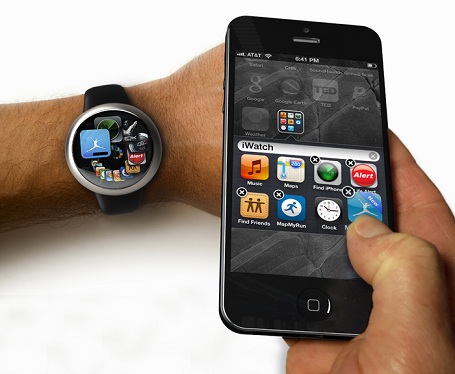
Apple Tuesday was issued an interesting patent that could relate to recent headlines about a device known as the iWatch. The patent approved by the United State Patent and Trademark Office (USPTO) describes an "accessory device" that could receive GPS data from your iPhone. For some time, speculation has surrounded Apple was working on a wristwatch device that can communicate with your smartphone or iPad.

According to the patent, location data could be transmitted either wirelessly or through a hard connection, displaying either a map with navigation or simply points of interest. The technology permits either data to be sent from the iPhone to an accessory device, from the accessory device to the iPhone or to whichever device is deemed most accurate...