Differential Privacy technology is about a decade old, but major tech players had shied away from embracing it until Apple rolled it out across iOS, macOS, watchOS and tvOS in September of last year. Today, major Silicon Valley giants like Microsoft, Uber and Google are readily experimenting with the technology, reports The Wall Street Journal.
Uber uses it to improve services without being overexposed to user data. Microsoft uses it in a pilot project to make smart-meter data available to researchers and government agencies for analysis, while making sure “any data set cannot be tied back to our customers”. Even Google, one of the Differential Privacy's earliest adopters, uses it to a certain extent.
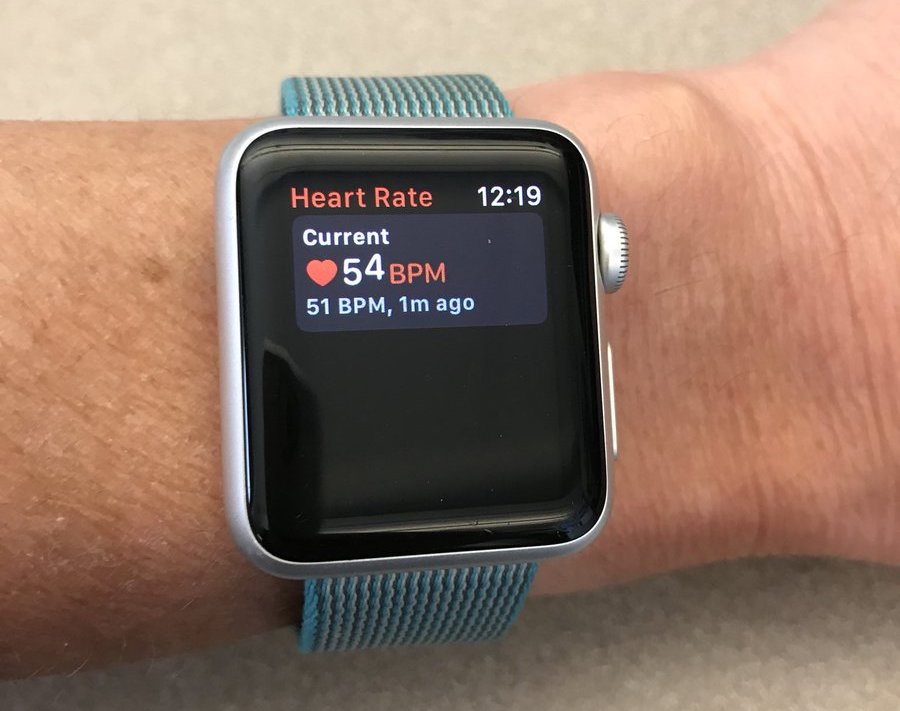
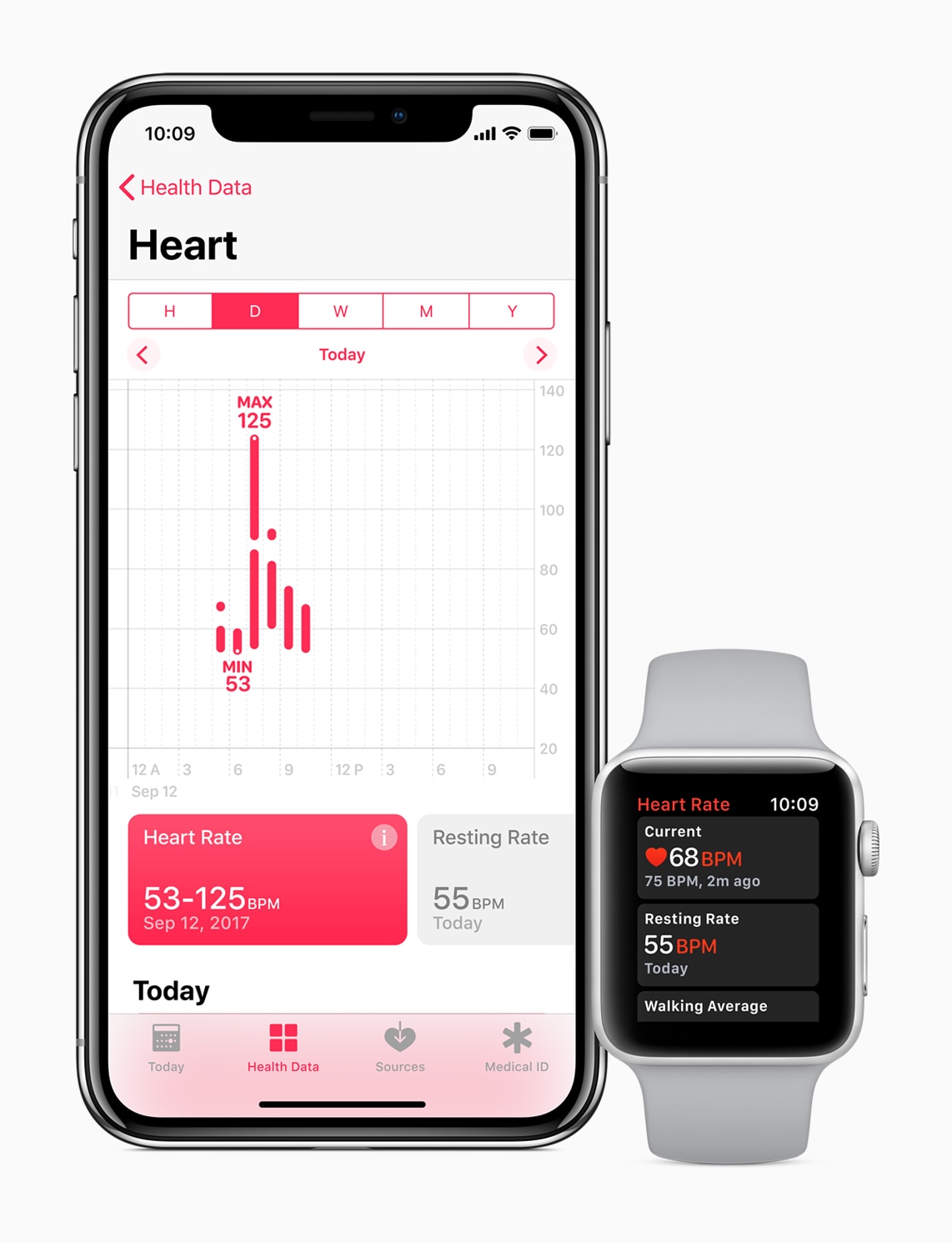
Apple has now expanded its use of Differential Privacy to cover its collection and analysis of web browsing and Health-related data, as first announced at the Worldwide Developers Conference in June. According to the report, the Cupertino technology giant is currently receiving millions of pieces of information on a daily basis from iPhones, iPads and Macs.
All those items are protected by Differential Privacy, which blurs the data being analyzed by adding a measurable amount of statistical noise. This allows Apple to analyze sensitive data like your Health-related information without being able to tie the data back to specific people.
Plus, data-analysis apps are unable to find usable links between large data sets protected with Differential Privacy, making it virtually impossible to de-anonymize such data.
Differential Privacy is key to Apple’s artificial intelligence efforts for it lets the firm advance Siri and other products by analyzing user data without learning too much about users.
According to some people, Differential Privacy can be a double-edged sword and many folks were quick to point out that Apple's refusal to collect huge amounts of data on users, like Google is doing, is hurting its ability to compete in the AI space.
To that extend, a company spokesman told the Wall Street Journal via email that “Apple believes that great features and privacy go hand in hand.”
So, what's this stuff about blurring the data and statistical noise?
Differential Privacy is best explained with real-world examples.
In one particular example, Differential Privacy techniques swap out the answer to one question (“Have you ever committed a violent crime?”) with a question that has a statistically known response rate (“Were you born in February?”).
“Someone trying to find links in the data would never be sure which question a particular person was asked,” the article explains. “That lets researchers analyze sensitive data such as medical records without being able to tie the data back to specific people.”
To learn more about how Differential Privacy works and why it's important and key to Apple's mission of protecting the privacy of its users, check out our previous write-up on the topic.
Keep in mind there's isn't an explicit setting that would let you turn differentially private data collection on or off on your iPhone, iPad, Mac, Apple Watch or Apple TV.
Instead, your device automatically uses Differential Privacy when you opt-in to sending diagnostics and usage data to Apple or app developers. In other words, you must specifically elect to share analytics data with Apple (or developers) before Differential Privacy is used.
According to the descriptions in the “About Diagnostics & Privacy”, “About App Analytics & Privacy” and “About iCloud Analytics & Privacy” links found in Settings → Privacy → Analytics, your personal data is either not logged at all, is subject to privacy preserving techniques such as Differential Privacy or is removed from any reports before they’re sent to Apple.
“Analysis of data is undertaken only after the data has undergone privacy preserving techniques such as Differential Privacy,” notes Apple. “Analysis of such data will allow Apple to improve intelligent features and services such as Siri and other similar or related services.”
You can review diagnostics/analytics data and other information being sent to Apple at any time by going to Settings → Privacy → Analytics and looking under Analytics Data.