One of the neat things you can do with the MacDirtyCow exploit for iOS 15.0-16.1.2 or the kfd exploit for iOS 16.2-16.5 is change the aesthetics of the passcode buttons on your Lock Screen.
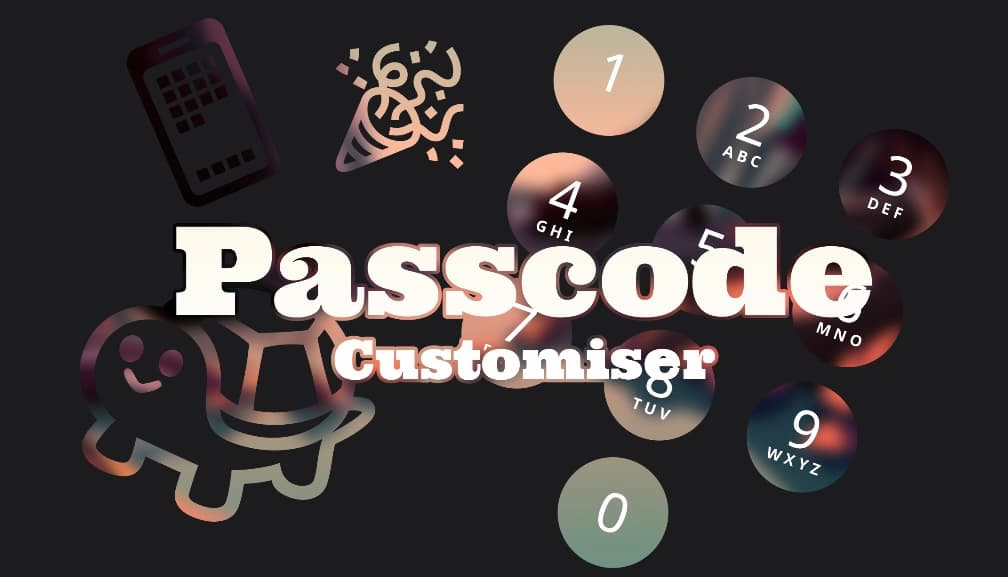
One of the neat things you can do with the MacDirtyCow exploit for iOS 15.0-16.1.2 or the kfd exploit for iOS 16.2-16.5 is change the aesthetics of the passcode buttons on your Lock Screen.

Anyone with a MacDirtyCow-vulnerable device on iOS 15.0-16.1.2 is likely familiar with the Cowabunga system enhancement application that lets users customize their device’s user interface outside of stock parameters. But now that the kernel file descriptor (kfd) exploit enables similar functionality on iOS 16.2-16.5, developers are starting to make similar apps for newer versions of iOS.
One of the problems that plagues iPhone and iPad jailbreaks is that App Store apps can implement what’s known as jailbreak detection and then refuse to open or work properly until you unjailbreak your device. For this reason, jailbreak detection bypasses are a hot commodity among jailbreakers, but they tend to be hit or miss, depending on who you ask.
Every year, there are handful of meets around the world where experienced hackers can speak and share their knowledge with others to forward the essential skill that is security research.

The Misaka package manager app for non-jailbroken devices taking advantage of either the MacDirtyCow exploit for iOS & iPadOS 15.0-16.1.2 or the kfd exploit for iOS & iPadOS 16.6 beta 1 and below, has been updated once again this week.
A new beta release of the Misaka jailed package manager was just launched Thursday afternoon to add preliminary support for the new kernel file descriptor (kfd) exploit that affects iPhones and iPads running firmware up to and including iOS & iPadOS 16.6 beta 1. But even so, Misaka continues to receive additional quality of life updates.
Misaka for MacDirtyCow devices running iOS or iPadOS 15.0-16.1.2 has been all the rage recently. Working as a jailbreak-style package manager for non-jailbroken devices for accessing some of the community’s greatest MacDirtyCow add-ons, the project is rapidly gaining momentum. But hot off the heels of the new kernel file descriptor (kfd) exploit, it’s poised to become even more popular.
Interesting news arose this weekend after @exploit3dguy shared what appears to be a successful blackbird exploit-based firmware downgrade on an iPhone 6s to iOS 10.0.1 with fully working passcode functionality.
Misaka, the premier package manager app for devices utilizing the MacDirtyCow exploit on iOS 15.x-16.1.2, received another update this week, officially bringing it up to version 1.9.0.
The kernel file descriptor (kfd) project that made rounds this past weekend because of its ability to achieve kernel read and write on firmware up to and including iOS & iPadOS 16.5 is becoming even more famous as iOS developers devise new and unique ways to take advantage of it.
Over the weekend, we told you about an ambitious project called kernel file descriptor (or kfd for short) that would help jailbreak developers achieve kernel read and write privileges on firmware up to and including iOS & iPadOS 16.5.
The latest development in iPhone and iPad security research this week saw @_p0up0u_ Tweeting a link to a GitHub project for achieving read and write to kernel memory on Apple devices called kernel file descriptor (or kfd for short).