The September 2018 release of the iOS 12 software update brought an easier way for iPhone owners to retry Face ID following an unsuccessful unlock attempt on the Lock screen.
How to retry Face ID following a failed facial scan on the Lock screen

The September 2018 release of the iOS 12 software update brought an easier way for iPhone owners to retry Face ID following an unsuccessful unlock attempt on the Lock screen.

Unlocking an iPhone X after an unsuccessful Face ID attempt is easier in iOS 12 than it used to be in iOS 11, thanks to an incredibly useful new gesture available right from your Lock screen.
Face ID currently does not work in landscape orientation, but iOS 12 could change that.
Apple's own online and offline stores, as well as third-party repair technicians, have been authorized to issue whole-unit replacements for iPhone X devices with reported Face ID problems that cannot be fixed by replacing the entire TrueDepth camera system.
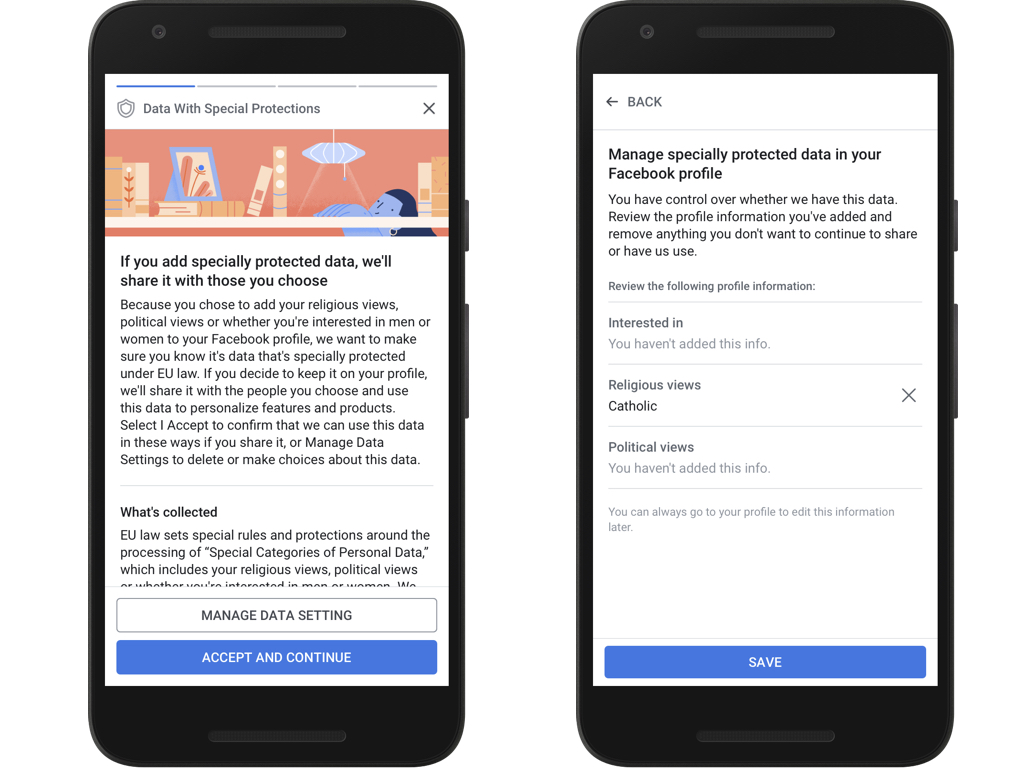
Facebook is launching new privacy controls following the Cambridge Analytica scandal.

Facebook takes advantage of facial recognition in several ways.
Among the more than a dozen new features and enhancements coming to your iPhone and iPad as part of this Spring's release of iOS 11.3 is an expansion of Face ID on iPhone X, which can finally be used to approve family purchases.
Even though Touch ID could be used to authorize family purchases, an increasing number of parents who bought an iPhone X are discovering that they're unable to approve their kids' iOS purchases and downloads with the handset's new Face ID facial recognition system.
Apple just published three new iPhone X-focused videos on its official YouTube channel that promote iPhone X's Portrait Lighting shooting mode and the Face ID biometric feature.
Face ID permits a single user to register their face, as opposed to Touch ID which supports up to five different fingerprints. Apple's chief of software engineering explains why.

Chinese handset maker Huawei today teased its work-in-progress 3D depth-sensing camera system which will work without a laser sensor and have ten times the precision of Face ID.

Samsung's flagship Galaxy and Note smartphones sport pretty basic 2D facial recognition implementation which isn't secure enough to work with mobile payments because it can be easily tricked by a headshot or a selfie. The next Galaxy, the story goes, won't have a Face ID alternative of its own though the feature could be ready in time for the next Note.