Chips

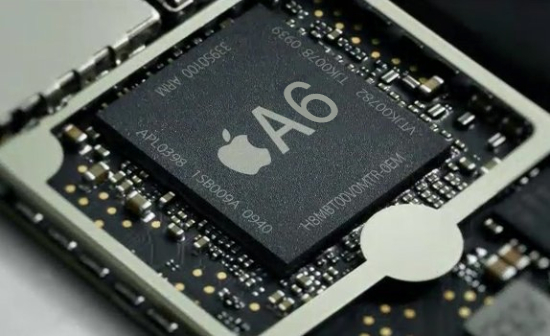
Apple’s new A7 chip inside iPhone 5s is 64-bit, ‘desktop-class architecture’

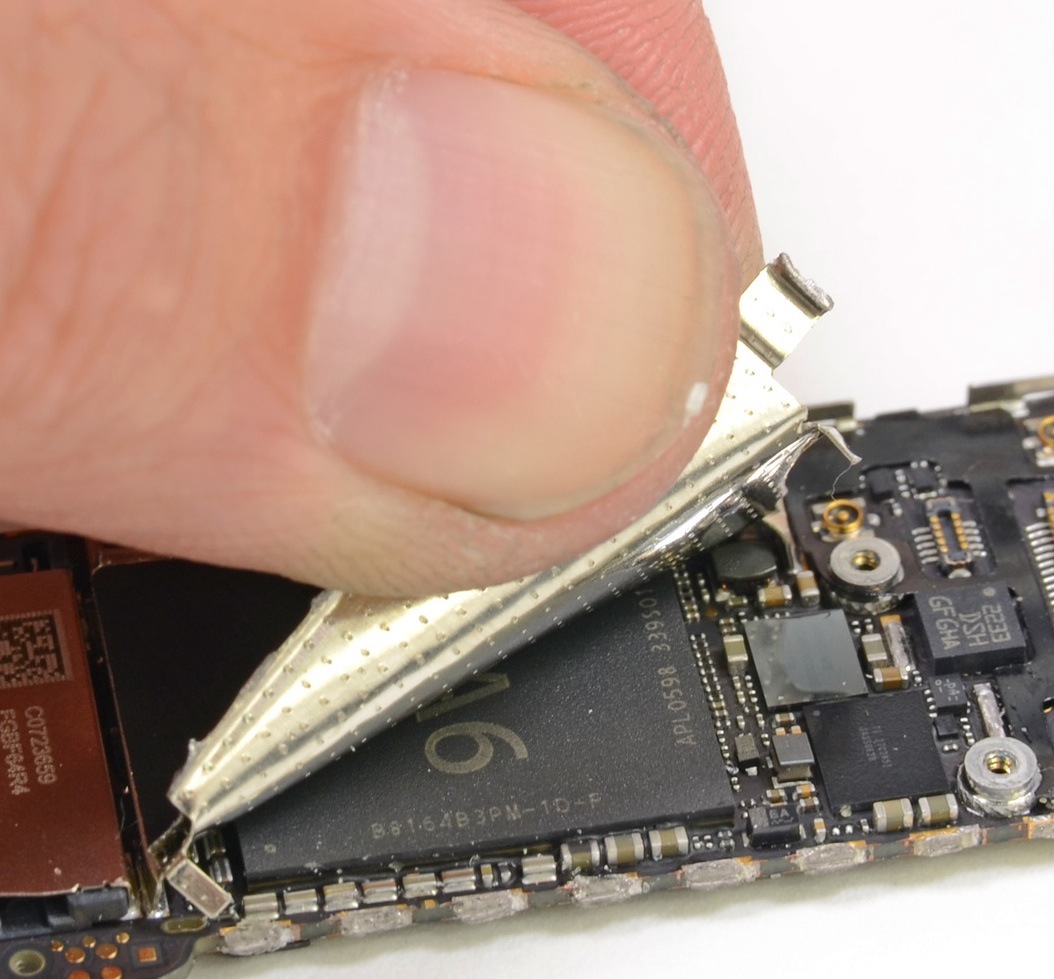
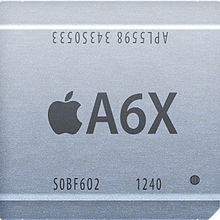
In revealing the new top-line iPhone 5s smartphone, Apple spent some air time talking about the all-new A7 chip. Contrary to previous reports and the somewhat mixed rumors, the new chip is 64-bit. This is huge. It's the first time Apple's made a jump to the modern 64-bit mobile architecture.

Apple says it's the first such piece of silicon in a smartphone ("I don't think the other guys are even talking about this," Schiller said) and notes iOS 7 has been specifically designed with 64-bit computing in mind. They are calling it a "huge leap forward in mobile computing performance" as the A7 enables "desktop-class architecture" on a mobile device...
Micron buys Apple’s memory supplier Elpida

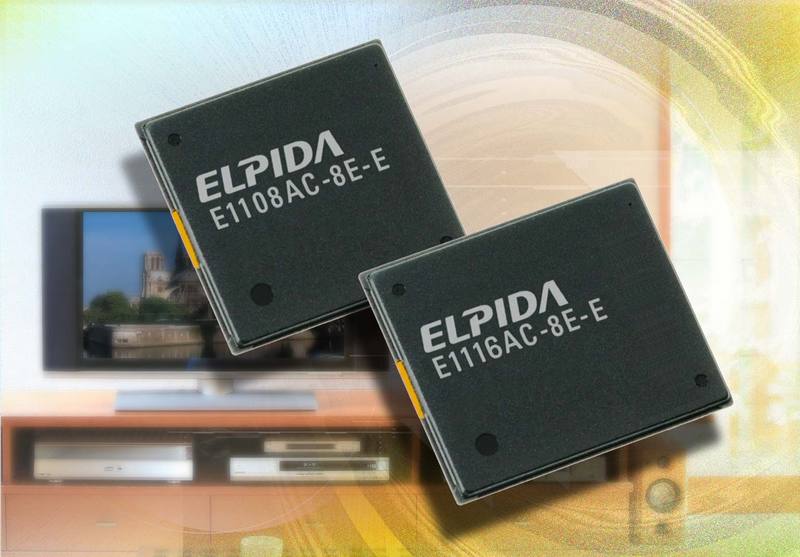
Micron Technology on Thursday informed investors it has completed its $2 billion acquisition of Elpida Memory, the third-largest maker of dynamic random access memory chips (DRAM) and an important Apple supplier. The rumored move was expected given Elpida's been struggling for some time amid heightening competition with SK Hynix and Samsung.

The struggling Japanese chip maker last summer filed for bankruptcy and has since been in talks to sell its business to U.S.-based Micron Technology Corp. Apple placed a huge order with Elpida ahead of the iPhone 5 production, indicating desire to maintain its bargaining power by keeping the memory maker running.

Elpida's memory products power Apple's latest iPhones and iPads and are also found inside Google's Nexus 7 and other non-Apple gadgets...

Suppliers say Apple ramping up iDevice chip orders

We've witnessed recently a mishmash of wildly unlikely predictions, genuine-looking iPhone 5S production shots, plenty of various other leaks and big media confirmations, all seemingly pointing to Apple flexing its manufacturing muscle ahead of upcoming new product launches.

Hot on the heels of this chatter, a Taiwanese trade publication chimed in Thursday claiming Apple's chips suppliers are seeing a boost in orders from Apple, which could be interpreted as another solid indication that the company is ramping up production as it gears up for the next iDevice refresh cycle...

Chip-making venture could cost Apple $7 billion

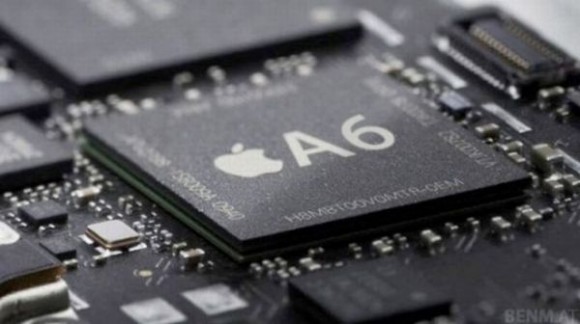
A story published this past weekend by a website called SemiAccurate has renewed speculation of Apple's supposed interest in producing the engine for iDevices at a plant of its own, as opposed to simply designing silicon blueprints in-house and commissioning others to build the chips, as has been the case since 2010.

So if Apple really bought into a fab, as the exclusive story alleges, the non-trivial move would span years to complete while costing billions of dollars.

Worse, Apple would expose itself to unforeseen difficulties not limited to yield issues: running a sophisticated chip-making factory requires a disciplined approach to attracting and retaining highly-trained engineers, one analyst cautioned Monday...

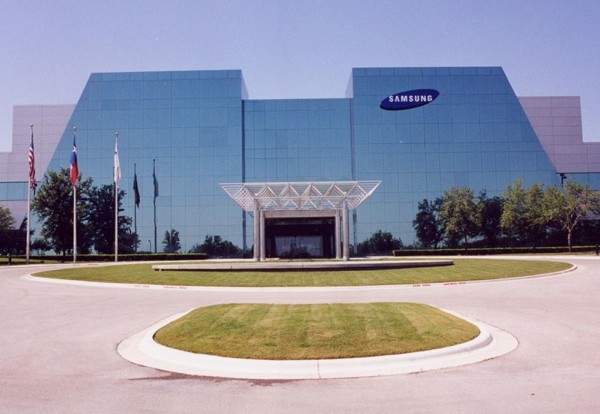
Samsung apparently lands contract to produce A9 chips for iPhone 7 in 2015

The Wall Street Journal recently ran a report claiming that Apple has finally inked a deal with TSMC, or Taiwan Semiconductor Manufacturing Co., to produce chips for iDevices, after the foundry met Apple’s requirements for speed and power usage. Pundits are adamant the agreement put the final nail in the coffin of the Apple-Samsung relationship.

They should hold their horses: it now seems Samsung has wrestled back some of the control amid talk its components arm will indeed produce sophisticated A9 chips to power Apple's iPhone 7 in 2015...

Apple may have bought into chip plant to perhaps build processors in-house

The SemiAccurate blog is known for a mixed track report in terms of hardware news (hence the name).

For instance, it correctly predicted Apple would switch back to Nvidia's graphics processors for 2012 MacBooks, but got it all wrong calling for an Intel-to-ARM transition for the Mac lineup by early 2013.

Today's exclusive story, hidden behind a $1,000 paywall, claims Apple has made the unthinkable by buying into a third-party chip plant.

The semiconductor facility is believed to be operated by United Microelectronics Corporation (UMC), a Taiwan-based chipmaker established more than thirty years ago...

WSJ: Apple signs iOS device chip deal with TSMC, decreasing dependence on Samsung

Following up a scoop from DigiTimes earlier this week, The Wall Street Journal is reporting this afternoon that Apple has finally inked a deal with TSMC, or Taiwan Semiconductor Manufacturing Co., to produce chips used in the company's iPhone and iPad products.

The two sides reportedly signed the deal, which has been in the making for a few years now, earlier this month after TSMC met Apple's requirements for speed and power usage. And it signifies yet another move by the Cupertino firm to distance itself from Samsung...

Apple reportedly contracts out next-gen mobile chip manufacture to TSMC

After a long period of rumor mongering, it would seem that Taiwan Semiconductor Manufacturing Company (TSMC), the world's largest independent semiconductor foundry, is finally stealing Apple chip biz from rival Samsung. If a new report out of Taiwan is to be trusted, Apple has cut a long-term deal with TSMC to produce A-series chips for future iPhones, iPods and iPads built on TSMC's 20-nanometer, 16-nanometer and 10-nanometer process technology.

If true, it's the final nail in the coffin in the strained Apple-Samsung technology relationship. And good riddance, too, because Samsung will no longer be able to have a headstart of Apple's future semiconductor solutions...

Departing Intel CEO says he regrets not landing iPhone deal

We have reached the end of an era. No, I'm not talking about David Beckham retiring. I'm talking about Paul Otellini stepping down as Intel's CEO. He was at the company for more than 40 years, and was its chief executive for the better half of the last decade.

As part of his departure proceedings, Otellini sat down for a candid exit interview with The Atlantic. And while the whole thing is worth a read, there's one part that is particularly interesting: when he talks about how he regrets not landing the iPhone deal...

Alleged next-gen iPhone circuitboard part suggests optimized camera design

As WWDC 2013 draws near - and with supply chain increasingly pointing to Apple's procurement of components for production of a next-generation iPhone - small wonder various parts are now cropping up on the web. It's the very nature of the game: Apple just can't control each and every one of its suppliers in Taiwan and China, let alone their individual employees.

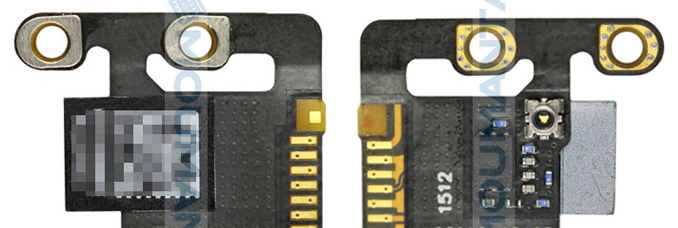
A Japanese parts retailer, which recently leaked a next-gen iPhone components, is back at it, having published Thursday an image believed to depict a motherboard component, presumably belonging to an upcoming iPhone refresh...

AMD hires away Apple’s director of graphics architecture

Graphics giant Advanced Micro Devices (AMD) has wooed another semiconductor expert away from Apple. Raja Koduri, who had previously worked at AMD before Apple poached him in April 2009, specializes in graphics technology and is understood to have helped with Apple's own chip-design efforts a great deal.

At AMD, Koduri will reportedly lead engineering efforts in visual computing, reporting to the company's Chief Technology Officer Mark Papermaster, another Apple hire who left the iPhone maker over cultural incompatibility and after falling out of favor with late co-founder Steve Jobs...