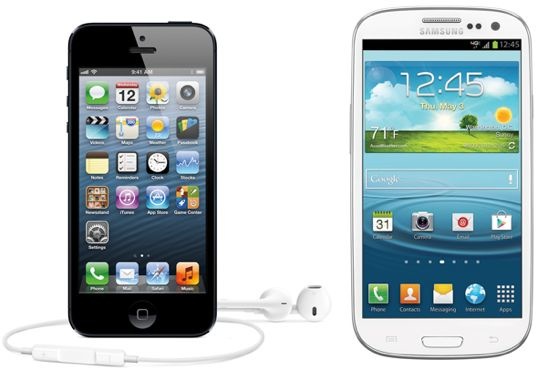
Android

Gartner predicts Lenovo will become China’s #1 smartphone brand in 2013

China is fast becoming a key market for Apple and other smartphone makers looking to cash-in on the nation's enormous population. However, the top player in 2013 could come from closer to home. Lenovo is expected to become China's leading smartphone brand next year, up from its current #2 slot, one research firm announced Tuesday.

According to Gartner, Lenovo's share of the smartphone market rose to 14.8 percent in the third quarter of this year, a dramatic increase from a year ago, when the company held just 1.7 percent of the market. That puts its Android-powered LePhone within striking distance of Samsung, which is the leading smartphone maker in China with 16.7 percent of the market.

What advantages does Lenovo have? Name-recognition and reasonable pricing, the latter being of the utmost importance in China...

Google looking to take on Apple with AirPlay alternative

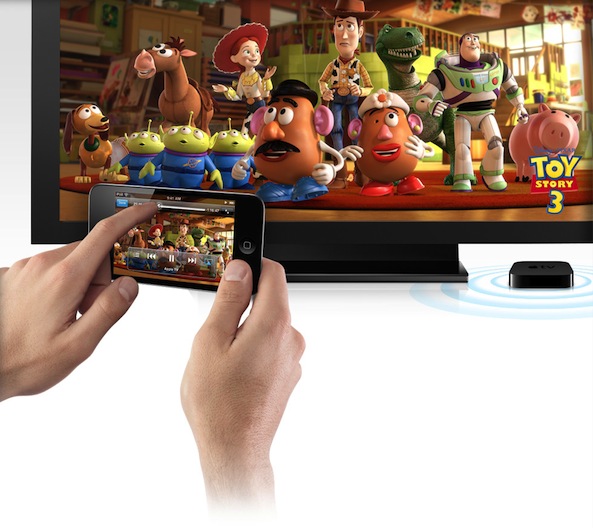
Despite the fact that Tim Cook continues to refer to it as a hobby, the Apple TV continues to sell fairly well thanks to its low price tag, access to services like Netflix and Hulu+, and most of all, its wireless AirPlay technology.

And it sounds like Google wants to replicate that success with Google TV. According to a new report, the tech giant is working on rolling out a new AirPlay-like open wireless technology for its TV and Android devices...

Sony is still dreaming about dethroning the iPhone

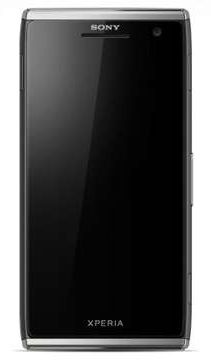
SonyEricsson, the Japanese giant's partnership with the Swedish telecommunications equipment company Ericsson, for most part has failed to make a splash in the highly competitive smartphone market. Deciding enough was enough, Sony at last acquired Ericsson's share in the venture in February. Sony Mobile Communications, a wholly-owned subsidiary, was born. And as the battle for smartphone supremacy intensifies, Sony's new mobile arm is adamant to produce a much-needed iPhone killer. But why stop there? According to its mobile chief, an upcoming flagship handset will as well take direct aim at Samsung's Galaxy S III.

A badass Sony phone that can compete with both the iPhone and Galaxy S III, each super-popular in its own right? That's a tall order. Sony's killer phone is officially due early next year and looks like it's gonna pack some serious oomph. The question is, will folks care?

App economy: a reality check

The App Store launched in the summer of 2008 with 500 apps. Though late Apple co-founder Steve Jobs initially resisted opening the iPhone to developers, the store went on to change the device from a simple cell phone into a powerful mobile computer. Thirty-five billion downloads later, Apple has progressed to pay a total of $6.5 billion to developers in app revenue after taking a customary 30 percent cut of the action.

But of the more than 700,000 apps now available on the App Store - or a 'candy store' as tech columnist David Pogue nicknamed it - including more than 275,000 apps designed specifically for iPad, only a small selection turned their makers into instant millionaires.

The vast majority of developers barely break even. And of those who turn notable profits, not many quit their day jobs. Yet, the dream of becoming a millionaire overnight with a hit app lives on. So what's wrong with this picture?

Android grabs 90 percent of China’s smartphone market

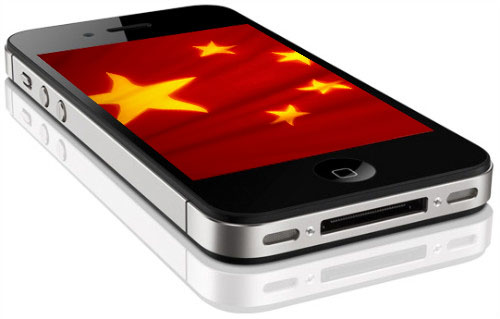
The world is full of ironies. The latest comes from China, whose government frequently blocks most of Google's properties. Yet, inside the country, more than 90 percent of smartphones run Android. Not laughing is Apple, with just a single-digit share of this enormous market. Specifically, Android's share hit 90.1 percent mark in Q3 2012.

At the same time, iOS recorded just a 4.2 share, new research finds. Seemingly at the heart of problem for Apple: price. While the average price of an Android-powered handset is $179, the iPhone carries a $726 average price tag. The iPhone 5 can't hit Chinese shelves too soon...

Judge rules Apple and Samsung may add Jelly Bean and iPhone 5 to patent suit

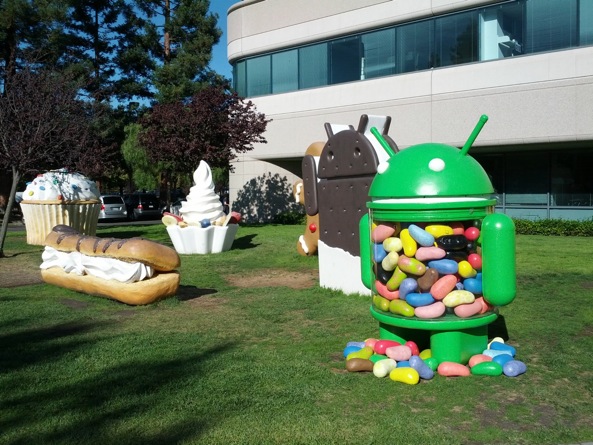
Bloomberg reports that a federal judge has ruled that Apple may add Jelly Bean, the latest and greatest version of the Android operating system powering smartphones and tablets, to its patent infringement claims asserted against Samsung. At the same time, the South Korean conglomerate was allowed to add the iPhone 5 to its suit as the company looks to retaliate for losing $1.05 billion in damages by targeting Apple's latest handset. Though U.S. Magistrate Judge Paul Grewal allowed Apple to target the Jelly Bean software, the scope is limited to Samsung’s Galaxy Nexus devices...

Gartner: Apple and Samsung shipped nearly half of all smartphones in Q3

As mobile phones become smarter, Samsung and Apple continue to rule the landscape as the world's best-selling cell phone brands. As for Google's Android platform, it now controls more than seven out over every ten smartphones in consumers' hands, a new report suggests. Both Samsung and Apple controlled 46.5 percent of the smartphone market in the third quarter.

The iOS-Android duopoly had a commanding 86 percent platform lead in the third quarter, according to research firm Gartner. Individually, the South Korean smartphone maker held 32.5 percent of the market while Apple held 13.9 percent, the researcher announced Wednesday. Android now controls an astounding 72.4 percent of the mobile operating system market for smartphones, up from 52 percent in the year-ago quarter...

Despite Android growth, iOS accounts for 60 percent of mobile videos

More evidence that our hunch was right: most mobile video traffic comes from iOS devices. Indeed, a new study finds that 60 percent of video not shown on PCs appear on iPad or iPhone screens. This despite a growing number of Android devices becoming a third screen for video consumers.

The news follows an earlier study in May by the same video monetization firm Freewheel. That research found iOS devices displayed 80 percent of mobile videos, hinting at inroads made by Android players...

Tim Cook named the most powerful person in US wireless

Apple may not always sell more phones than the competition, but between its trend-setting handset designs and gargantuan fan base, it's easy to see why it's considered one of the most powerful companies in the wireless industry.

In fact, the folks over at FierceWireless just posted their annual list of the top 25 most powerful people in US wireless. And out of all of the carrier CEOs and heads of government agencies, they ranked Tim Cook number one...

AT&T to start offering Samsung’s 4G Android camera November 16

Back in August, Samsung unveiled a handful of new products at the IFA show in Berlin, Germany. It showed off the Galaxy Note 2 phablet, a new Windows Phone 8 handset, and some Windows 8 machines. It also took the wraps off its new Android camera.

The Galaxy Camera is exactly what it sounds like. It's a 16MP camera with a 4.8-inch screen, quad core processor, and built-in 3G/4G connectivity running Android software. And for those interested, AT&T will start offering the device this Friday for $500...

Microsoft Office hitting iOS in early-2013 with limited editing functionality

The Verge in an exclusive report this morning offers a detailed look into Office Mobile, a long-rumored version of Microsoft's productivity suite, said to hit iOS and Android devices in early 2013, with the iPhone and iPad version hitting the App Store first. The suite, the publication has it, will apparently include free viewer apps that will require a Microsoft account. Limited editing functionality will reportedly be available with an Office 365 subscription. More tidbits right after the break...

Apple adds Galaxy Note 10.1 and Android 4.1 Jelly Bean to Samsung suit

Apple's just expanded its second lawsuit against Samsung, seeking to include the South Korean company's 10.1-inch Galaxy Note tablet on a list of allegedly infringing products. In addition, the iPhone maker has alleged that Google's Android version 4.1 software, also known as Jelly Bean, infringes upon its patents. This could be the first time Apple directly sued Android over alleged patent infringement, though it wasn't immediately clear whether Apple's complaint involved the entire Android OS or just Samsung's TouchWiz overlay. The case is scheduled for trial in 2014. And so it continues...