Accessories

My favorite iPad stand is getting an upgrade

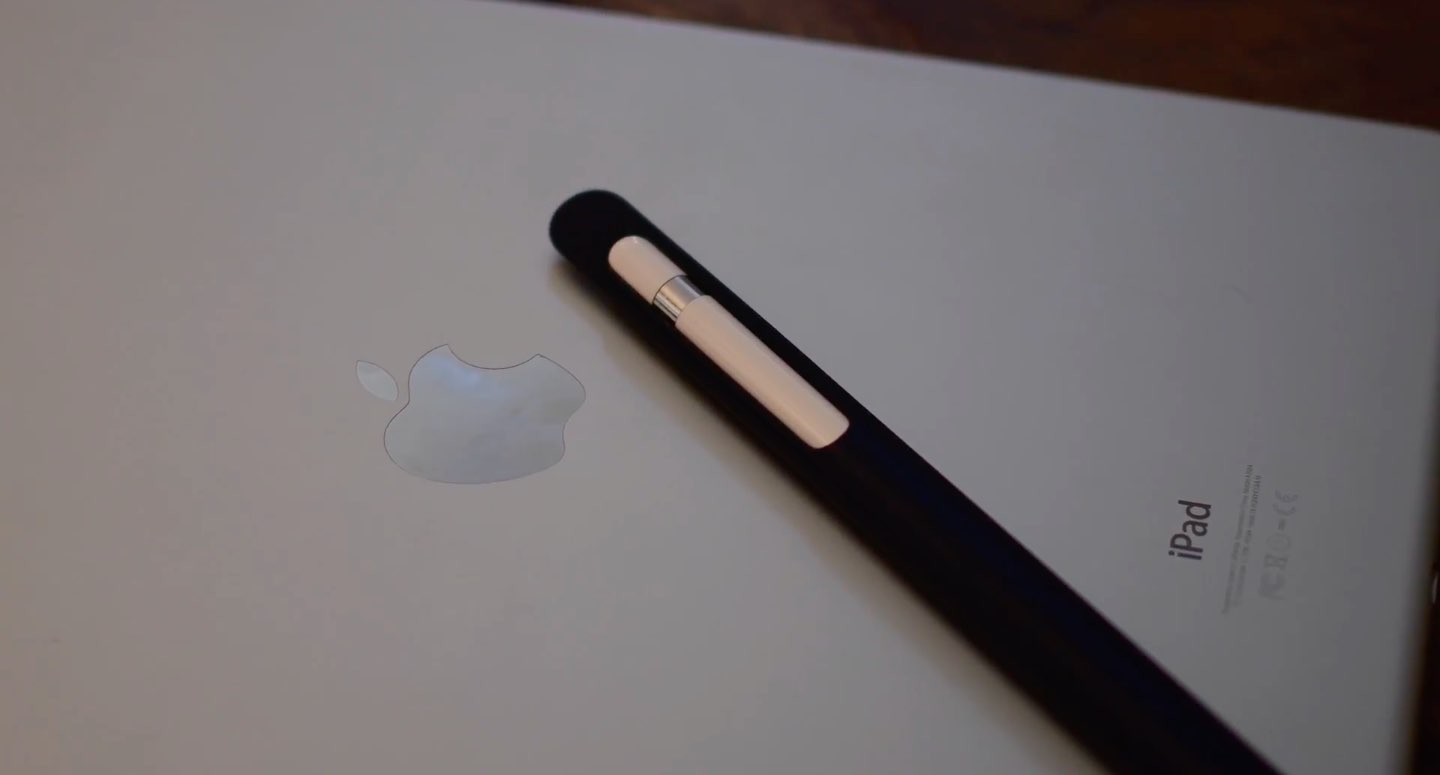
On November 27, 2013, I gave a gushing review of the MiStand, where I claimed the stand was "my new go-to dock, with a small simple and highly functional design." Today, I am still confident in that claim, as the MiStand has not left my kitchen counter since that initial review almost four full years ago. I use it regularly to hold my iPad, while working in the kitchen, watching videos or FaceTiming family. Consequently, I was very excited to learn about MiStand+, which is currently raising funds via Indiegogo for an upgraded version. 

My favorite accessories to use with the 2016-2019 MacBook Pro

Last year, I shared a roundup of my favorite accessories for my 2015 15-inch MacBook Pro. Times have since changed, and I was recently convinced to pick up a new 2017 15-inch MacBook Pro.

In this piece, I’ll pick up where I left off in my previous post by going over additional accessories that I consider essentials for my 2017 MacBook Pro. Worthy of note, these should all work with the 2016 MacBook Pro too.

Facebook to respond to Apple’s AR efforts with untethered $200 Oculus VR headset in 2018

Apple's new ARKit framework for building augmented reality experiences for compatible iPhone and iPad devices is off to a great start and already Facebook is taking notice, according to a new report Thursday from Bloomberg's Mark Gurman.

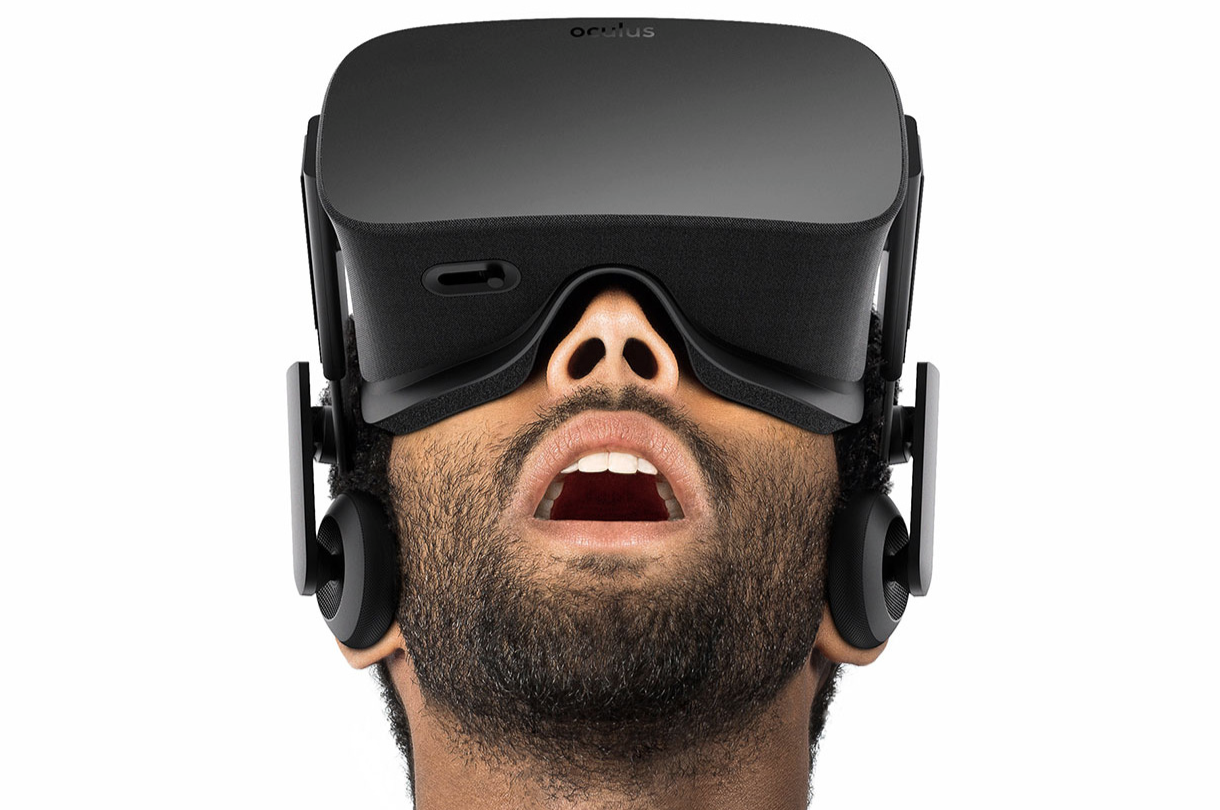
The author claims that Facebook has been hard at work developing an inexpensive headset, code-named “Pacific”, that is expected to bring virtual reality experiences to the masses without requiring a beefy computer or a compatible smartphone.

“The idea is that someone will be able to pull the headset out of their bag and watch movies on a flight just the way you can now with a phone or tablet,” reads the article.

It should be priced aggressively at $200 and release at some point next year, representing “an entirely new category”. According to people familiar with the plans, the device will provide a similar interface to Samsung’s VR Gear that users could control by a wireless remote.

The headset should be powered by Qualcomm's Snapdragon mobile chip that would make it superior to Samsung's Gear VR headset in terms of gaming in virtual reality. Unlike the current Oculus Rift hardware, the upcoming gizmo won't include positional tracking technology.

An excerpt from the article:

This means that the device won’t be able to tell where its user is spatially, which is useful for tasks like virtual rock climbing. A future version of the product will have that technology, according to a person familiar with the plans.

According to sources, the headset will let users play immersive games, watch video, use social networking apps and so forth. It resembles a more compact version of the current Oculus Rift and will be lighter than Samsung’s Gear VR headset.

Handset maker Xiaomi and its manufacturers are said to build 2018's Oculus-branded device.

And later this year, Facebook allegedly plans to announce a more affordable wireless headset that it is betting will popularize virtual reality “the way Apple did the smartphone”.

Oculus spokesman Alan Cooper said via email:

We don’t have a product to unveil at this time, however we can confirm we’re making several significant technology investments in the standalone VR category.

Facebook's said it’s also working on yet another device, code-named “Santa Cruz” and best described as a wireless Oculus Rift “with the full power of the original device sans PC.“

Facebook acquired Kickstarter-funded Oculus startup in 2014 for about $2 billion.

IDC estimated that Samsung leads the pack in terms of VR device shipments with 22 percent of the global market for VR devices, followed by Sony, HTC and Facebook's Oculus Rift with about five percent of the market, or less than 100,000 units sold.

Apple unveils 2017 Back to School deals: free Beats with select iPad Pro & Mac purchases

Apple on Wednesday announced its 2017 Back to School promotion for customers in the United States and Canada. Students, teachers and university staff members will get a free Beats Solo3 wireless headphones when they purchase an eligible Mac with education pricing, including the MacBook, MacBook Pro, MacBook Air, iMac and Mac Pro models.

If you opt for a 10.5-inch or 12.9-inch iPad Pro, Apple will treat you to a free BeatsX wireless earphones or you can pay $50 extra to get a Powerbeats3 in-ear headphones or $150 extra for the Solo3 on-ear wireless headphones.

The Solo3 headphones are a great choice because they contain Apple's W1 chip for more reliable connections, better sound quality and longer battery life compared to Solo2.

The 2017 Back to School deals area available to students enrolled in college, parents, teachers and faculty members. Verification is required at checkout.

Apple also recommends Back to School accessories such as AirPods, Apple TV and more.

Plus, students can take advantage of existing Apple Music deal with a monthly subscription available to eligible students half price at just five bucks per month, or sixty bucks per year.

The Back to School promotion for customers in Australia, New Zealand and Japan went live back in January. It offered an Apple Store credit in exchange for a qualified iMac, Mac Pro, MacBook/Air/Pro or iPad Pro purchase made from February 7 to March 16.

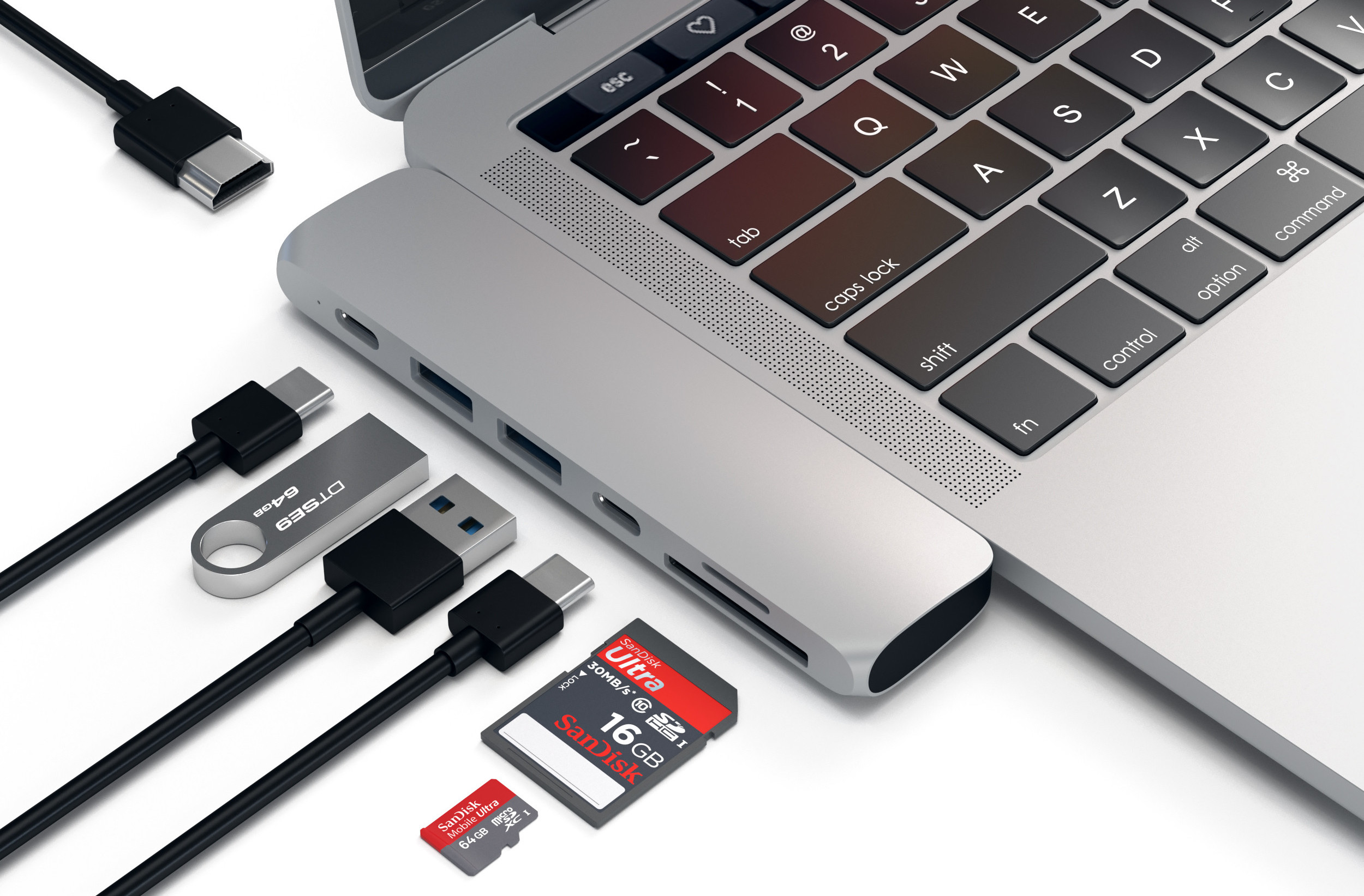
The Satechi Type-C Pro Hub Adapter is the only accessory I need for my MacBook Pro

If USB-C is the future, the present still has lots of catching up to do, as we are still reliant on legacy standards such as HDMI, USB 3.0, SD cards, and more. That makes moving to the new MacBook Pro a little less convenient than we were promised, and unless you want to stock up on a set of new cables for all your peripherals, the next smart thing to do is to buy a USB-C hub.

Apple’s iCloud trademark now covers smart glasses and headset accessory

Apple has updated its figurative trademark for “iCloud”, filed with the Hong Kong Trademark Office, to include smart glasses and even a headset peripheral device. As you know, the Cupertino company is rumored to be working on a dedicated augmented reality headset or a smart glasses product with Carl Zeiss optics.

As first noted by PatentlyApple, since April of this year Apple has begun to include specific types of products to its trademarks covering the Mac Pro/iMac Pro computers and the ARKit framework for building augmented reality apps, including devices like smart glasses, head mounted displays, virtual and augmented reality displays and the like.

The iCloud trademark's international class 09 verbiage defines the headsets as falling under the context of “wearable digital electronic devices capable of providing access to the Internet” or “computer software for setting up, configuring, operating and controlling” these systems.

Likewise, the trademark meticulously lists the real-world applications for “smart glasses,” also covering things like “virtual and augmented reality displays, goggles, controllers, and headsets, 3D spectacles, eyeglasses, sunglasses, spectacle lenses, optical glass and optical goods”.

Samsung working on standalone VR headset with eye/hand tracking & facial expression recognition

At last month's Mobile World Congress Shanghai, Samsung showed a secret standalone virtual headset prototype to partners. As spotted on VR Focus, the product uses technologies allowing it to track eye and hand movement as well as determine various facial expressions.

Dubbed Exynos VR III, the head-mounted accessory is apparently a successor to another Samsung headset prototype, called Exynos VR II, that was never officially released. Samsung already offers a virtual reality headset in the form of the Gear VR device which requires the user to dock and undock their smartphone every time they use it.

Thanks to Visual Camp, a VR company that developed eye-tracking technology for the secret VR headset, we know it's powered by a Samsung-designed 10nm hexa-core chip.

The chip includes a pair of Samsung M2 CPU cores clocked at 2.5 GHz, four ARM Cortex-A53 CPU cores clocked at 1.7 GHz and ARM Mali G71 MP20 graphics capable of driving two built-in 2,560-by-1,440 pixel displays at 90Hz or a single 4K external screen at 75Hz.

As mentioned, unlike Samsung's current Gear VR headset that requires a smartphone to process data and render visuals, this all-in-one head-mounted display prototype packs in all the technology needed to render virtual worlds and apps standalone.

Visual Camp's press release announcing the Samsung deal says its eye-tracking tech lets VR headsets conserve power by rendering parts of a scene the user is currently looking at very high resolution while showing anything in peripheral vision in reduced resolution.

This technique is known as “foveated rendering”.

“Several other technologies will be applied to the Exynos 3, in addition to the company's eye-tracking technology, including hand tracking, voice recognition, and facial expression recognition,” reads the press release.

A measurement of the CPU power consumption of Samsung Electronics' Exynos 8890 chip resulted in the relatively low average figure of less than three percent, said Visual Camp.

Companies like Apple, Google and Facebook are researching eye-tracking technology, too.

Apple is rumored to be working on a digital glasses or a virtual headset product that may use optics by German specialists Carl Zeiss, thought to be released in 2018 or 2019. The Cupertino giant recently acquired SensoMotoric Instruments for an undisclosed sum.

SensoMotoric Instruments is a German company that specializes in eye tracking. Their technology also uses foveated rendering, understands facial expressions and recognizes participant gestures and external events.

Ambiance lets your Phillips HUE bulbs take full advantage of your jailbroken iPhone

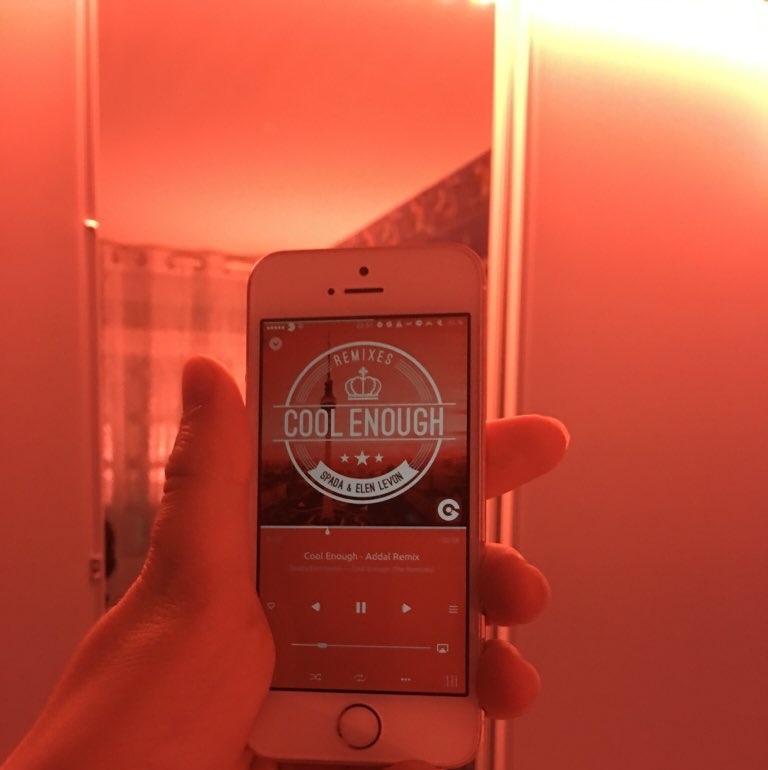
Every so often, a jailbreak tweak emerges that lets you do something out of the ordinary with your iPhone, and a new release called Ambiance by iOS developer Ziph0n is a testament to such tweaks.

Ambience links your jailbroken iPhone and Phillips HUE smart light bulbs together in new and exciting ways, immersing your entire room with color effects based on what you’re doing on your device at a given time.

First aftermarket CarPlay wireless receiver from Alpine now available

The car audio and navigation systems company Alpine today announced that its first aftermarket CarPlay wireless receiver, dubbed iLX-107, is now available for purchase in the United States, priced a bit on the high side at $900 a pop.

“The award-winning iLX-107 wireless Apple CarPlay system offers even more convenience in accessing Maps, Phone, Messages and Music from the iPhone in-vehicle without ever needing to connect a cable,” the company notes.

The unit packs a seven-inch VGA revolution capacitive touchscreen in a mech-less body. It integrates with rear view camera systems and your car's steering wheel controls.

The conveniently located Volume, Track, Home and Siri hard keys are accessible for quick access and simple control.

Alpine was one of the first firms to offer aftermarket CarPlay receivers for owners of older vehicles than lack CarPlay integration. However, today's new is significant as the iLX-107 represents their first aftermarket CarPlay receiver that supports wireless connections.

This lets you use CarPlay with your iLX-107 without needing to connect an iPhone via a USB cable. To set it up, you just pair your wireless Apple CarPlay unit from your iPhone. Of course, wired connectivity via the standard Lightning cable is supported, too.

Connecting an iPhone to your iLX-107 via a Lightning cable for the first time automatically sets up wireless connectivity, which is great. The accessory uses the 5 GHz Wi-Fi band to optimize wireless connectivity performance, Alpine has said.

While Alpine does not sell the new receiver directly, you can purchase it from a network of authorized dealers who won't just sell you the accessory but install it for you as well.

Check out Alpine's store locator online tool to find a dealer nearest to your location.

Wireless CarPlay requires iOS 8.3 or later.

Barclays: iPhone 8 to ship with 10W USB-C power adapter with fast charging

Apple's 5.8-inch iPhone 8 is expected to ship with a stronger ten-watt power adapter in its box, featuring a USB-C connector and fast-charging support. That's according to Barclays analyst Blayne Curtis's note to clients Wednesday, a copy of which was obtained by MacRumors.

Current iPhones include a five-watt power adapter in the box.

The analyst claims that iPhone 8 will include a dedicated USB-C Power Delivery chip that enables fast charging capabilities. The new ten-watt power adapter will also sport an integrated USB-C Power Delivery chip. Both chips will be supplied by Cypress Semiconductor and it's basically the same CYPD2104 part used in Apple's new 10.5-inch iPad Pro.

It should be noted that iPhone 7 already supports fast-charging capability when connected to Apple's 29-watt USB-C power adapter for MacBook via a Lightning to USB-C cable.

The new 12.9-inch iPad Pro and the 10.5-inch iPad Pro are capable of fast charging, too.

KGI Securities analyst Ming-Chi Kuo said in March that the OLED-based iPhone 8 would retain its Lightning connector and have a dedicated USB-C Power Delivery chip on the logic board.

Assuming Curtis is right, iPhone 8 might come bundled with either a Lightning to USB-C cable or a female USB-C to male USB-A adapter with an integrated fast-charging chip so that customers could use their existing Lightning to USB cable to fast-charge the phone.

iPhone 8 concept courtesy of iFanr.

Accessory vendor says iPhone 8 will be called “Decade Edition”

Apple is widely expected to release three new iPhone models this year: the LCD-based update to the existing iPhone 7 series and a whole new iPhone 8 model with an OLED screen and more. While it's been generally accepted that the LCD-based devices will be named “iPhone 7s” and “iPhone 7s Plus”, the jury is still out on the possible name for the OLED-based iPhone.

An accessory vendor who posted an image of its iPhone 8 screen protector on SlashLeaks today wrote that the OLED-based phone may be marketed under the “Decade Edition” moniker.

This is the first time this particular name has been mentioned.

Be that as it may, we don't think Apple will released a phone named “iPhone Decade Edition” because we don't think a screen protector maker would be privy to the company's plans, but we could be wrong. On top of that, such a marketing name would only last one year.

Apple, of course, began using the “Edition” suffix in conjunction with the gold-plated models of the original Apple Watch, which were marketed as “Apple Watch Edition”.

https://www.youtube.com/watch?v=SKqCKdEGEPk

Subscribe to iDownloadBlog on YouTube

When the Cupertino giant phased out golden watches following the release of Apple Watch Series 2 last year, the company retained the “Apple Watch Edition” name for its higher-priced models that feature the casing in brilliant white ceramic.

Back in March, the fairly reliable Japanese blog Mac Otakara reported that the next iPhone would be called “iPhone Edition”. Apple probably has multiple name suggestions for the device and it will be up to the firm's marketing department to pick one ahead of its release.

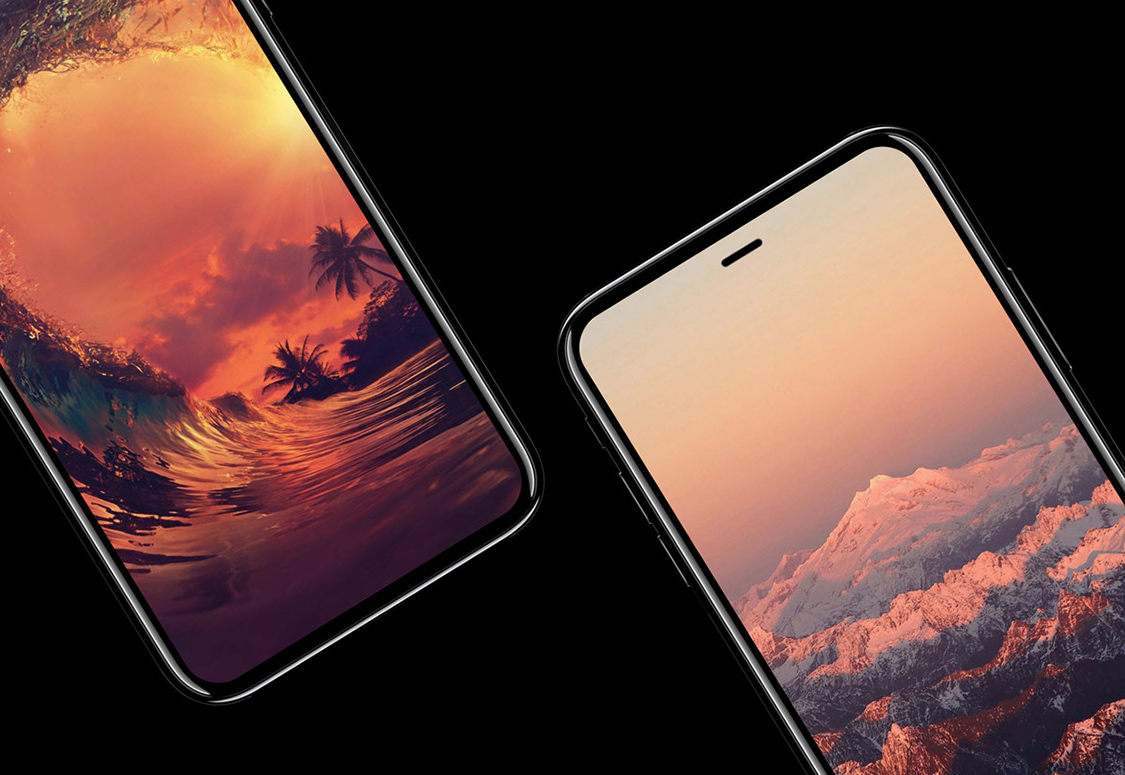
iPhone 8 renderings via Vianney le Masne.