Rumors

Apple could update iPhone SE in August, unveil iPhone 8 around October

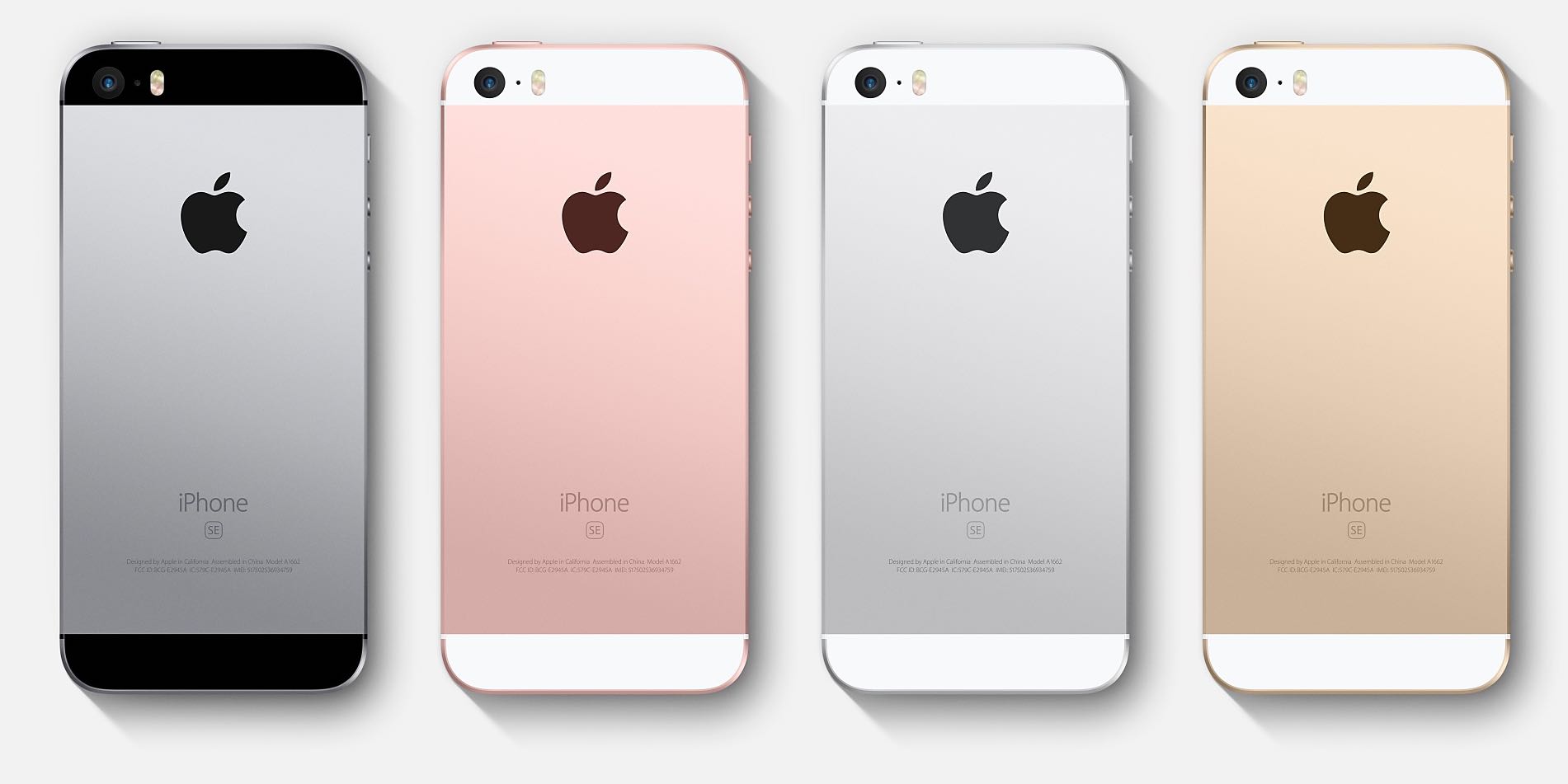
According to a rumor published by French outlet iGeneration (Google Translate) citing its own sources, Apple could unveil a second-generation iPhone SE model at a media event in August.

The next iPhone SE could be priced at €399 instead of €489 currently, the outlet said. For comparison's sake, in the United States the current iPhone SE lineup starts at $399.

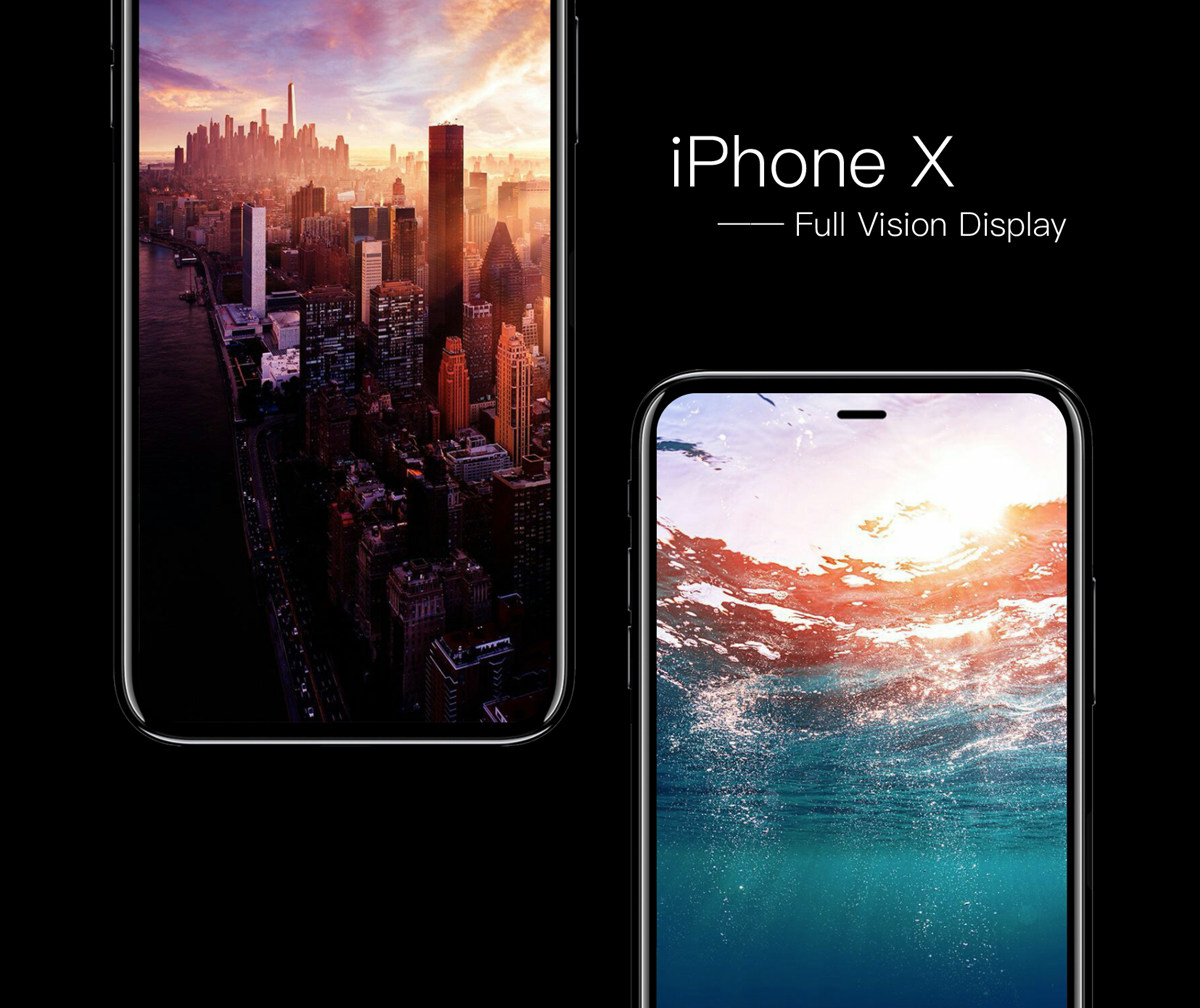
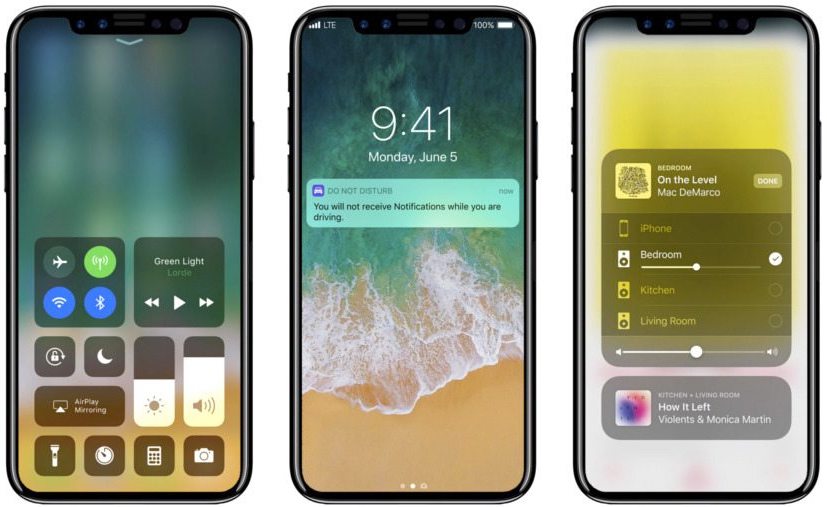
Additionally, the rumor claims that the Cupertino technology giant will debut the highly-anticipated iPhone 8 model with an OLED display around October.

Chinese analyst does not expect Apple to refresh iPhone SE anytime soon

iPhone SE is fifteen months old now, but don't hold your breath for any kind of hardware refresh to the smallest and most affordable Apple handset. That's according to Chinese analyst Pan Jiutang, who predicted Apple won't be refreshing iPhone SE because he doesn't think there's enough demand for the device since most consumers are looking for bigger phones.

The report should be taken with a grain of salt because Apple is now building “Assembled in India” iPhone SE models that it plans to eventually export. On top of that, the Cupertino tech giant is planning to expand local iPhone manufacturing in India.

In the US alone, more than five percent of the overall mobile phone sales apparently belong to iPhone SE. The 32-gigabyte edition of the device retails for $399 in the United States.

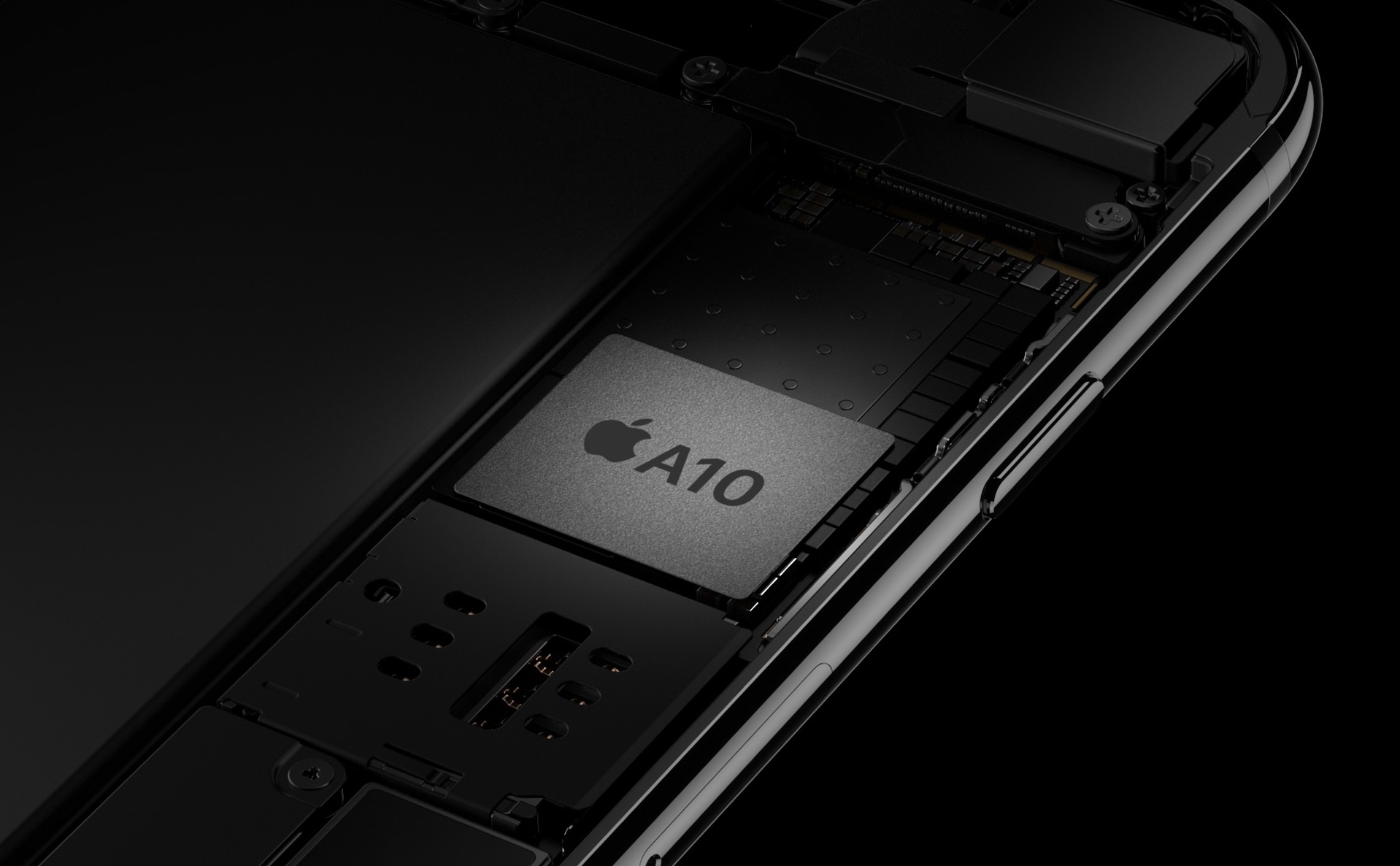
Powered by Apple's A9 chip, iPhone SE is compatible with iOS 11.

In my opinion, Apple would be wise to keep iPhone SE in its offering for another year or so in order to cater to the needs of people that prefer smaller, inexpensive handsets.

Samsung could re-enter iPhone chip supply chain in 2018

Samsung Electronics has not been building Apple-designed mobile chips for iPhone and iPad for almost four years now, but the South Korean conglomerate is rumored to be sharing Apple orders with rival Taiwan Semiconductor Manufacturing Company (TSMC) from next year.

According to a report Tuesday in The Korea Herald, Samsung has invested in a new manufacturing facility for churning out chips fabricated on the more energy efficient seven-nanometer process technology solely for iPhone.

“Samsung plans to complete its own tests for the new chip-making machines soon and seek final approval from Apple for the chip production,” reads the report.

The company reportedly purchased extreme ultra violet lithography machines, the most advanced chip manufacturing equipment in the world, to use in iPhone chip production from 2018. Kwon Oh-hyun, one of Samsung’s three co-CEOs, apparently played a key role in securing the deal during his visit to Apple’s headquarters last month.

“The CEO could persuade Apple’s top brass taking advantage of their close ties on OLED,” said an industry source. Samsung, as you know, is also the sole supplier of OLED panels for the upcoming OLED-based iPhone model.

Rival TSMC also won a supply deal for next year’s iPhone and the reports said Samsung would share some parts of iPhone chip orders next year with TSMC.

As iPhone 8 delay rumors persist, Samsung gearing up to launch Note 8 soon

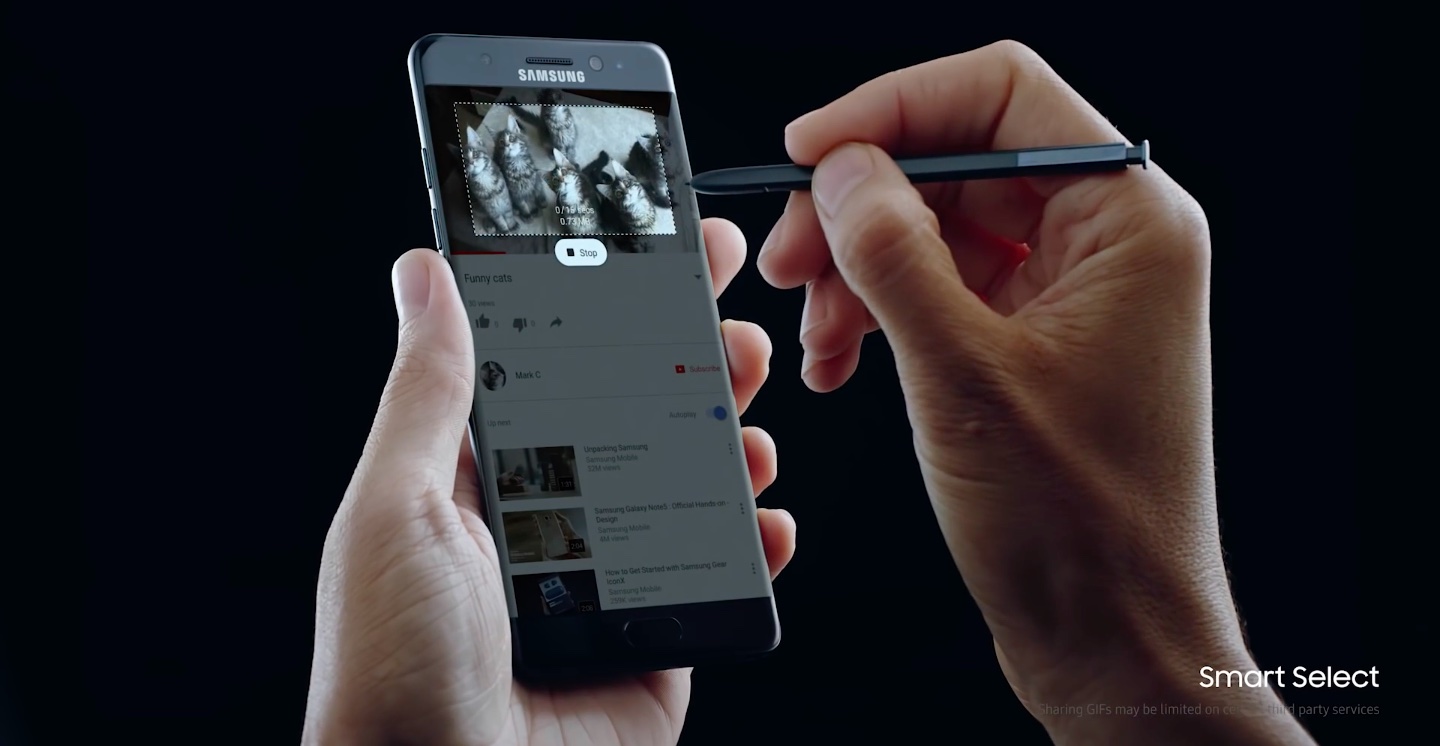
Samsung's decision last year to launch its super-sized though ill-fated Note 7 smartphone earlier than usual backfired big time, but this time around the South Korean chaebol is betting that launching a next-generation Note ahead of iPhone 8 will steal Apple's thunder.

The head of Samsung's mobile division, Koh Dong-jin, confirmed to partners last Friday that a Note 8 event in New York has been scheduled for August 23, The Bell reported.

The executive apparently told local news outlets that the next Note will hit shelves overseas, including the US and UK in September, followed by an October release in other nations.

A recent report said iPhone 8 supply may not ramp up until November, with the iterative iPhone 7s/Plus models possibly facing production delays of their own.

On the other hand, The Investor said a Samsung executive would only confirm the month of August, not a concrete date. According to DigiTimes, Koh refuted market speculation of Galaxy S8 sales falling short of those for its predecessor since launch.

Cumulative Galaxy S8 sales, he said, are 15 percent higher than those of Galaxy S7 compared on the same number of selling days thus far. As for the Note family, shipments of these products totaled 2.3 million units in South Korea since their debut in 2011, he revealed.

Smartphone leakster Evan Blass speculated that Note 8 should feature the same edge-to-edge 6.2-inch OLED screen with an 18.5:9 aspect ratio as Galaxy S8 Plus.

Other rumored features should include Samsung's signature S Pen stylus, virtual assistant Bixby, a rear dual-camera system positioned horizontally and comprised of two 12-megapixel sensors, a rear-mounted fingerprint sensor and more.

It should cost slightly over $900 in the US and be offered in in black, blue and gold.

Reuters was first to report a month ago that the Note brand would continue with an eighth-generation device due for an announcement in August.

All three new iPhones reportedly yet to start mass production

A report Monday in Chinese-language Economic Daily News, cited by DigiTimes, alleged that all three new iPhones are yet to start mass production, with production of the highly anticipated OLED-based iPhone 8 model scheduled to kick off between November and December.

The flagship phone would apparently be shipping only in small volumes initially.

As for the iterative LCD-based 4.7-inch iPhone 7s and 5.5-inch iPhone 7s Plus updates, both these models should enter volume production in August, or between one and two months later than the normal mass production schedules of new iPhone devices in previous years.

The upcoming phones are facing production delays because yield rates at Apple's contract manufacturers Foxconn and Pegatron have not yet reached levels that warrant mass production. Foxconn has reportedly secured about 95 percent of orders for the OLED iPhone model and small orders for the iPhone 7s series.

PEgatron will produce 65 percent of the 4.7-inch iPhone 7s models and “a small portion” of the OLED-based iPhone while Wistron will produce mainly the 5.5-inch iPhone 7s Plus model.

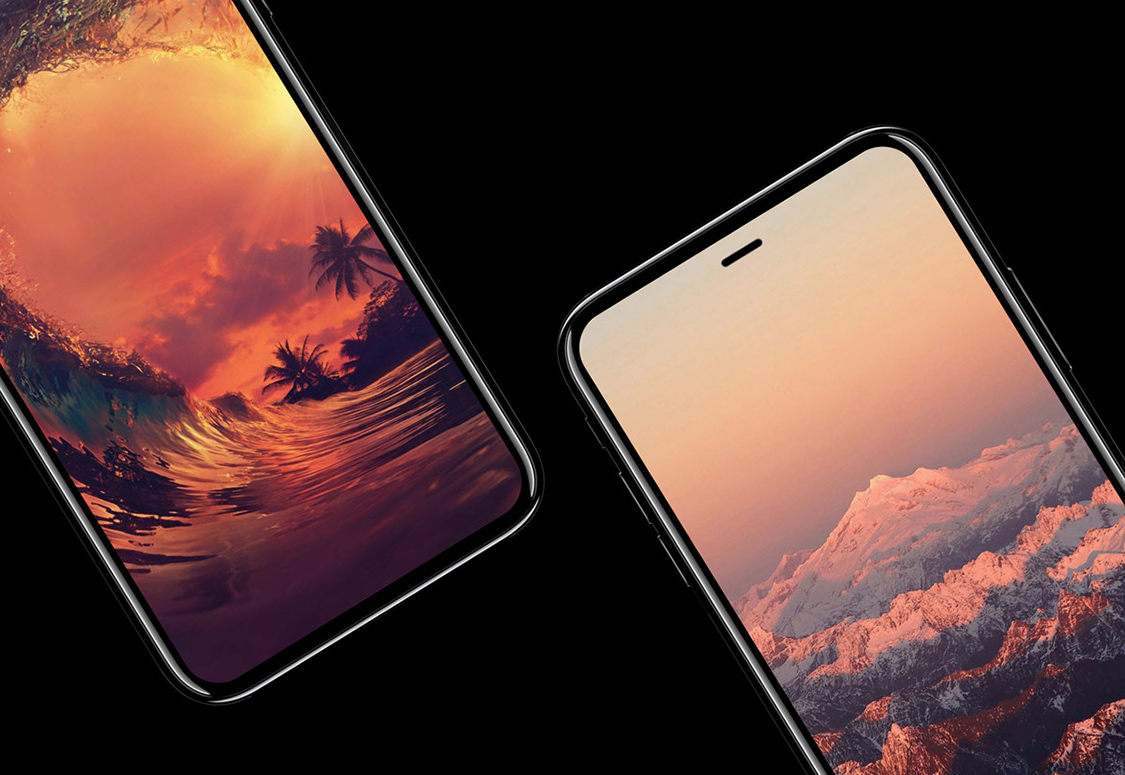
Photo: iPhone 8 concept via iFanr.

Apple buys pricey production equipment for iPhone 8’s printed circuit board

Apple has puzzled industry watchers by investing tens of millions of dollars in production equipment for iPhone 8's rigid flexible printed circuit board, which connects chips with parts such as the display, camera and so forth, ET News reported Friday.

The company will use this component for iPhone 8's touch screen panel.

The reason the move has raised questions is because Apple lacks its own production plant to install the equipment and the fact that it contracted three different suppliers to build this crucial iPhone 8 component, including Interflex and Youngpoong Electronics.

According to a source, one of the three suppliers recently decided to back out for reasons unknown, prompting Apple to take matters into its own hands. The Cupertino technology giant is now leasing the equipment it bought to suppliers to ensure it gets the parts it needs.

Additionally, the company is seeking to find a new supplier in Taiwan.

Sources speculate the supplier likely backed out due to low profitability and Apple's exacting standards when it comes to production quality. The iPhone maker is expected to order a hundred million units of the rigid flexible printed circuit board for iPhone 8.

“To fill the loss, Apple is supporting the other two suppliers to beef up production,” said the source. Rigid flexible printed circuit boards are much more difficult to build than the conventional ones.

iPhone 8 mockup via iDropNews

Facebook is testing in-app GIF creator

As first spotted by The Next Web, Facebook is testing an in-app GIF creator with a subset of users of its mainland mobile app for iOS. The feature is available through the app's built-in camera and allows users to quickly create animated GIFs for sharing with friends and family.

You can also post the GIF to a Story or save it to your device.

GIFs can be spiced up using Facebook's range of built-in camera effects. According to the publication, any GIFs created through this feature are short, lasting only a few seconds.

As I mentioned before, the feature is only available to certain users.

We'll let you know when the in-app GIF creator launches for everyone. Until then, let us know in the comments section if you're part of Facebook's limited test of this feature.

Just a month ago, the social network rolled out the ability for users to express themselves better by posting animated GIFs in comments.

Download Facebook at no charge from App Store.

Facebook to respond to Apple’s AR efforts with untethered $200 Oculus VR headset in 2018

Apple's new ARKit framework for building augmented reality experiences for compatible iPhone and iPad devices is off to a great start and already Facebook is taking notice, according to a new report Thursday from Bloomberg's Mark Gurman.

The author claims that Facebook has been hard at work developing an inexpensive headset, code-named “Pacific”, that is expected to bring virtual reality experiences to the masses without requiring a beefy computer or a compatible smartphone.

“The idea is that someone will be able to pull the headset out of their bag and watch movies on a flight just the way you can now with a phone or tablet,” reads the article.

It should be priced aggressively at $200 and release at some point next year, representing “an entirely new category”. According to people familiar with the plans, the device will provide a similar interface to Samsung’s VR Gear that users could control by a wireless remote.

The headset should be powered by Qualcomm's Snapdragon mobile chip that would make it superior to Samsung's Gear VR headset in terms of gaming in virtual reality. Unlike the current Oculus Rift hardware, the upcoming gizmo won't include positional tracking technology.

An excerpt from the article:

This means that the device won’t be able to tell where its user is spatially, which is useful for tasks like virtual rock climbing. A future version of the product will have that technology, according to a person familiar with the plans.

According to sources, the headset will let users play immersive games, watch video, use social networking apps and so forth. It resembles a more compact version of the current Oculus Rift and will be lighter than Samsung’s Gear VR headset.

Handset maker Xiaomi and its manufacturers are said to build 2018's Oculus-branded device.

And later this year, Facebook allegedly plans to announce a more affordable wireless headset that it is betting will popularize virtual reality “the way Apple did the smartphone”.

Oculus spokesman Alan Cooper said via email:

We don’t have a product to unveil at this time, however we can confirm we’re making several significant technology investments in the standalone VR category.

Facebook's said it’s also working on yet another device, code-named “Santa Cruz” and best described as a wireless Oculus Rift “with the full power of the original device sans PC.“

Facebook acquired Kickstarter-funded Oculus startup in 2014 for about $2 billion.

IDC estimated that Samsung leads the pack in terms of VR device shipments with 22 percent of the global market for VR devices, followed by Sony, HTC and Facebook's Oculus Rift with about five percent of the market, or less than 100,000 units sold.
Amazon to take on HomePod with more stylish, better-sounding Echo this fall

Amazon is working on the next Echo accessory that should feature significantly improved sound quality over the current lineup of Echo smart speakers, Engadget reported Thursday.

The gizmo will reportedly include “several tweeters” versus the one large tweeter and a woofer in the existing Echo. The company is also improving the new Echo's microphone technology, “though it's unclear how it's doing so.”

Current Echo devices have seven far-field mics, while Apple's HomePod has six and Google's Home has two.

Shorter and slimmer than the original Echo, which released two years ago, the next Echo will be more stylish than its predecessors thanks to rounded edges and a cloth-like covering.

Amazon is allegedly planning for a fall release.

Echo has been lauded as the best voice-activated speaker on the market in terms of AI and voice features, but with poor audio quality. That's in stark contrast to Apple's upcoming HomePod, which many reviewers praised for being the best-sounding smart speaker out there, even outperforming Sonos in terms of sound quality.

https://www.youtube.com/watch?v=5l_YjBiK7iM

With the next Echo, Amazon is clearly looking to close the gap with HomePod when it comes to audio quality and style.

HomePod features an array of seven horn-loaded tweeters, each with its own custom amplifier, a high-excursion woofer with custom amplifier, internal low-frequency calibration microphone for automatic bass correction and a six-microphone array for far-field Siri and room sensing.

The built-in A8 chip constantly analyzes the music being played through the speaker, as well as the room layout, to continually optimize audio quality using software-based features such as direct and ambient audio beam-forming and transparent studio-level dynamic processing.

HomePod is due to launch this December.

Image: Amazon Echo Show with a built-in display

iPhone 8 to use rear 3D sensor for better AR & autofocus, haptic feedback on side buttons

Fast Company is out with a new report that basically reiterates what Barclays and KGI Securities said before: that Apple's OLED iPhone will actually feature two 3D sensors, one on the front and the other out the back. In addition, the device could feature completely waterproof buttons on its side that respond with haptic feedback.

According to the publication's sources, the rear 3D sensor will help iPhone 8 provide improved camera autofocus and enhanced augmented reality features, likely stemming from even more accurate object tracking and better depth detection in ARKit-powered apps.

Like the front-facing 3D sensor, the rear one is said to use a vertical-cavity surface-emitting (VSCEL) laser system that also includes a lens, a detector sensor and a dedicated chip. The VCSEL system would map objects in 3D by calculating the distance the light travels from the laser to the target and back to the sensor, using so-called time-of-flight measurement.

Suppliers Lumentum, Finisar and II-VI will reportedly be providing the VCSEL lasers for the device. STMicro, Infineon or AMS should provide the time-of-flight sensor. Apple could buy the whole modular system from either LG Innotek, STMicro, AMS or Foxconn, added the source.

The system costs about $2 per phone, as per the publication.

The laser-based sensor will also enable a faster and more accurate autofocus than the phase detection autofocus used on current iPhones. That's because the dedicated rear 3D sensor will determine precise object depth by measuring the time it takes the laser light beams to bounce off objects and return to the sensor.

This will let iPhone 8 focus the camera lens on the desired object in milliseconds. Laser autofocus systems are already used in phones from Google, Huawei, OnePlus and Asus.

Apple’s iPhone dilemma: damned if you do, damned if you don’t!

Thanks to the 24/7 news cycle we have come to embrace, it seems no iPhone rumor today can be unhinged enough to not at least be regurgitated by a few online outlets. Over the last couple of days, this everlasting narrative has been dominated by two hot-button issues especially, since some respectable sources added their voices to the guessing game: Apple’s alleged failings to wrap up the iPhone 8’s assembly amidst design and component shortages for one, and of course the projected, steep price hike brought about by Apple’s anniversary iPhone.

iPhone 8 could launch without software support for wireless charging and 3D sensor

Apple is reportedly in panic mode due to persistent software problems with wireless charging and an all-new 3D sensor, which are increasingly threatening to spoil iPhone 8's launch party.

“June was a tense month for the engineers and designers on Apple’s iPhone team with 'a sense of panic in the air',” a source with knowledge of the situation told Fast Company.

Should engineers fail to fix software hiccups, the Cupertino technology giant may be left with no other choice but to enable these features later on via an iOS 11.1 software update.

“Apple's been working feverishly to fix software problems in its hotly anticipated iPhone 8 that could ultimately cause production and delivery delays,” sources said.

“If the software problems aren’t resolved quickly, the new flagship iPhone could even launch with major features disabled.”

iPhone 8 will use inductive charging similar to Apple Watch, where the phone sits directly on a separate charging device. The wireless charging components provided by Broadcom are not the key issue, claims the publication, it’s the software that’s not ready for prime time.

The company faces similar problems with the new front-facing 3D sensor which will be used for facial unlocking, 3D mapping, augmented reality and other features.

Fast Company's source claims Apple's been struggling to get the sensor to work reliably.

“The sensor hardware is not the problem, but rather the accompanying software,” said the source, speculating Apple should be able to have the 3D software working in time.

“If not, the company could include the sensor in the phone anyway, and turn it on later on with a software update,” reads the article. As for the Touch ID situation, the source says that the fingerprint sensor will be embedded under the display after all.

It wouldn't be the first time Apple shipped an iPhone with inoperable hardware.

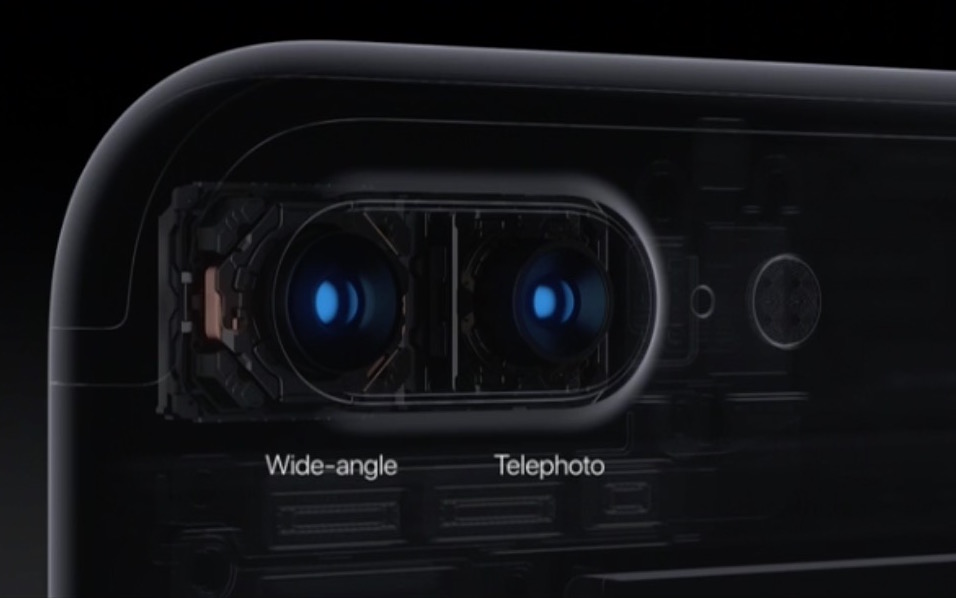
Look no further than last year's iPhone 7 launch—the 5.5-inch Plus model shipped with the necessary chips and sensors to support its depth-of-field photography mode, but that key feature was activated only a few weeks later via a software update.

Is Apple running the risk of launching the hotly anticipated OLED iPhone with wireless charging and 3D-sensing functionality disabled at launch, do you think?

Tell us in comments!