Facebook TV, the social networking giant's “higher end” version of YouTube, is supposedly coming in two weeks “after several false starts”, Bloomberg has learned from sources.
Facebook TV is reportedly coming in two weeks
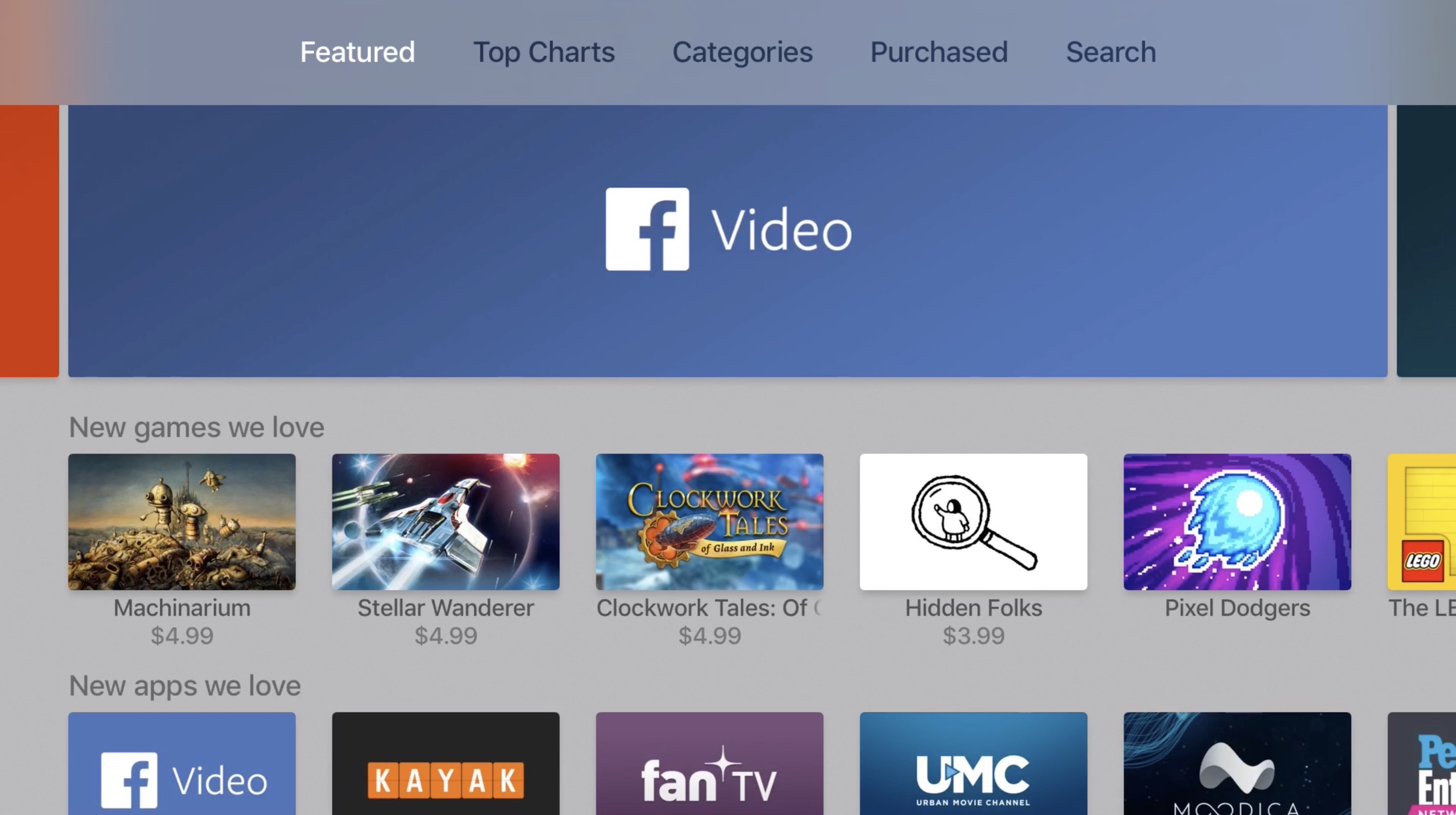
Facebook TV, the social networking giant's “higher end” version of YouTube, is supposedly coming in two weeks “after several false starts”, Bloomberg has learned from sources.
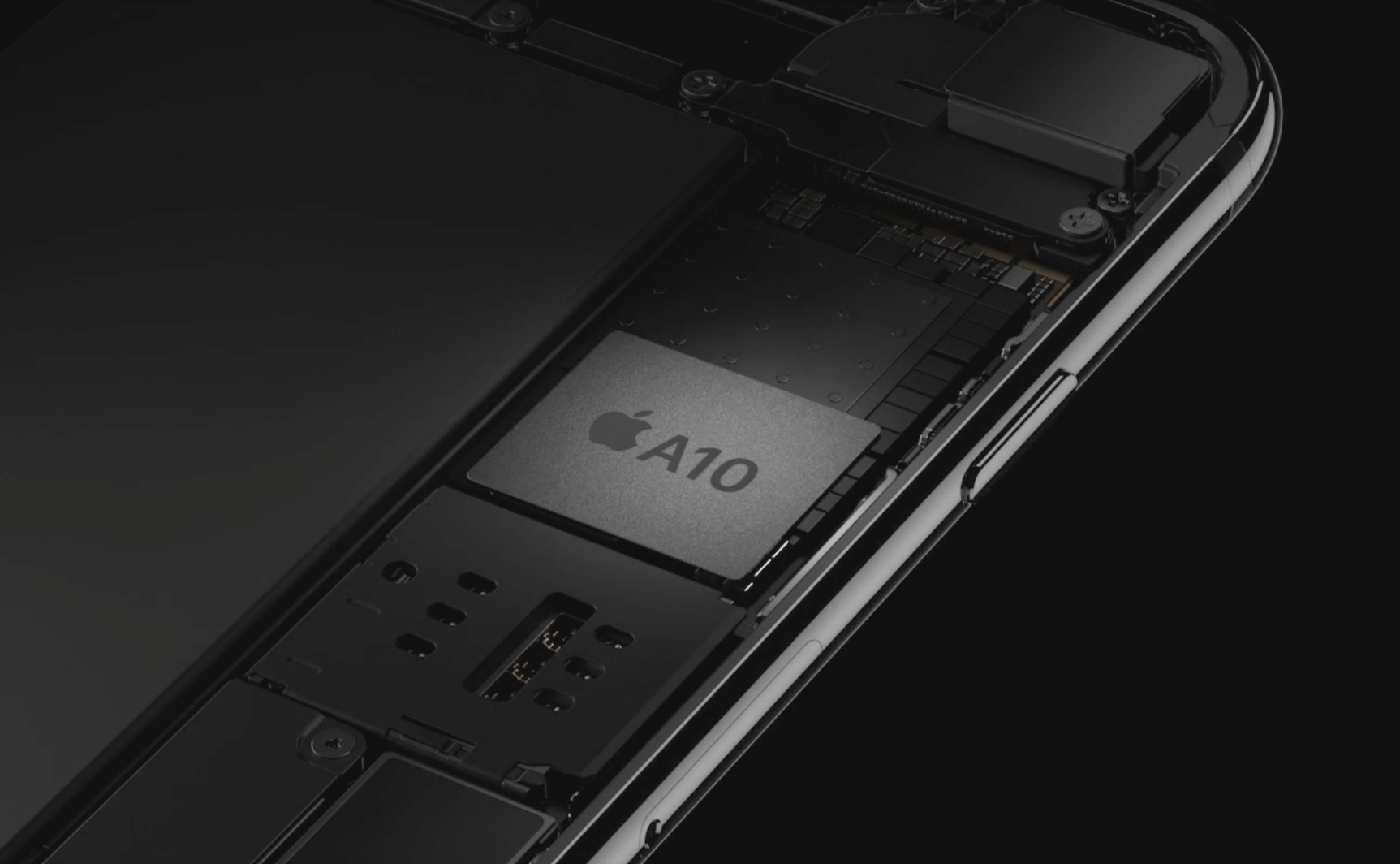
A U.S. judge on Monday ordered Apple to pay $506 million in damages to the Wisconsin Alumni Research Foundation (WARF), the University of Wisconsin-Madison's patent-licensing arm, for violating its chip efficiency patent.
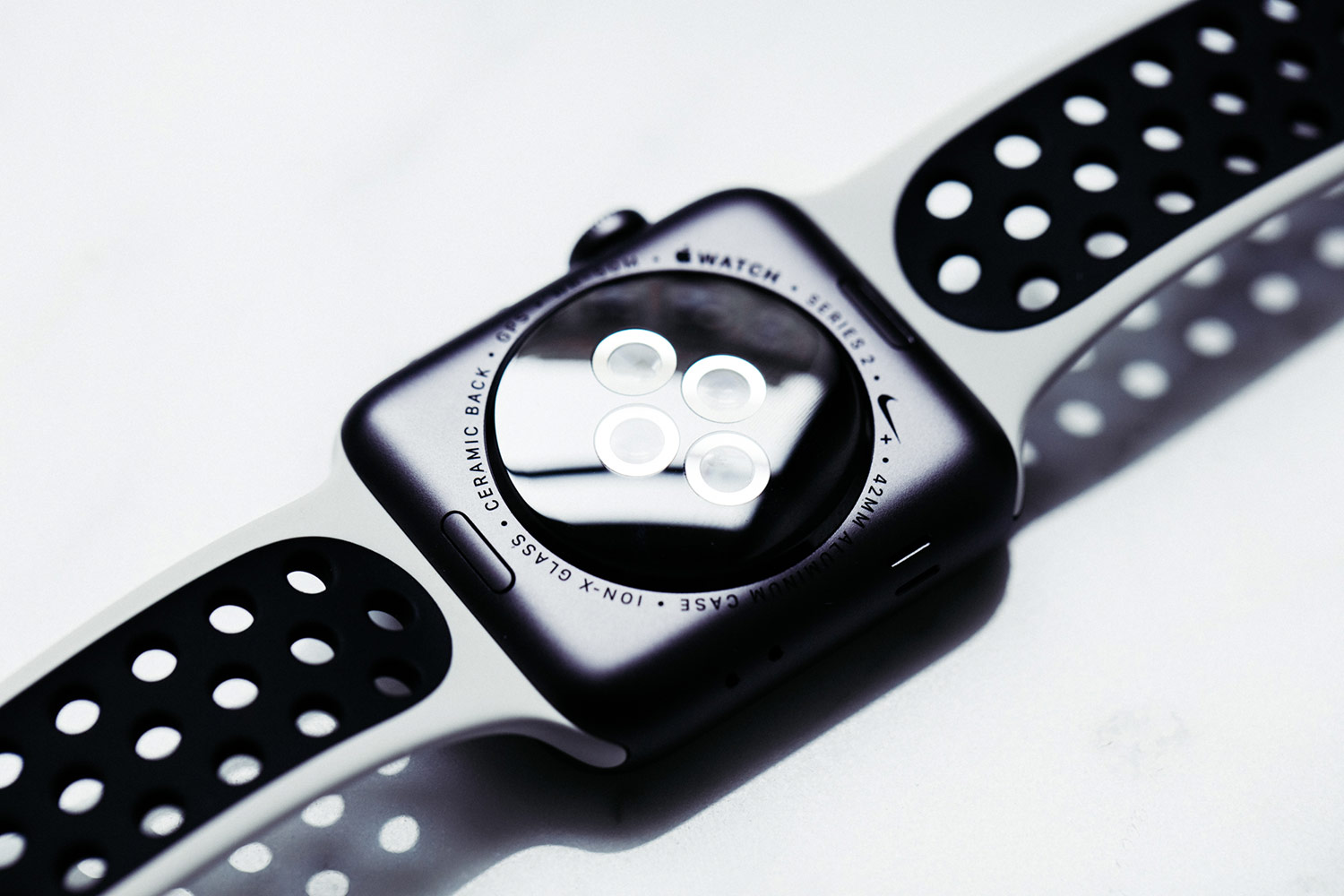
A report Tuesday from Economic Daily News, cited by trade publication DigiTimes, serves as yet another indication of a rumored September launch for Apple Watch Series 3.
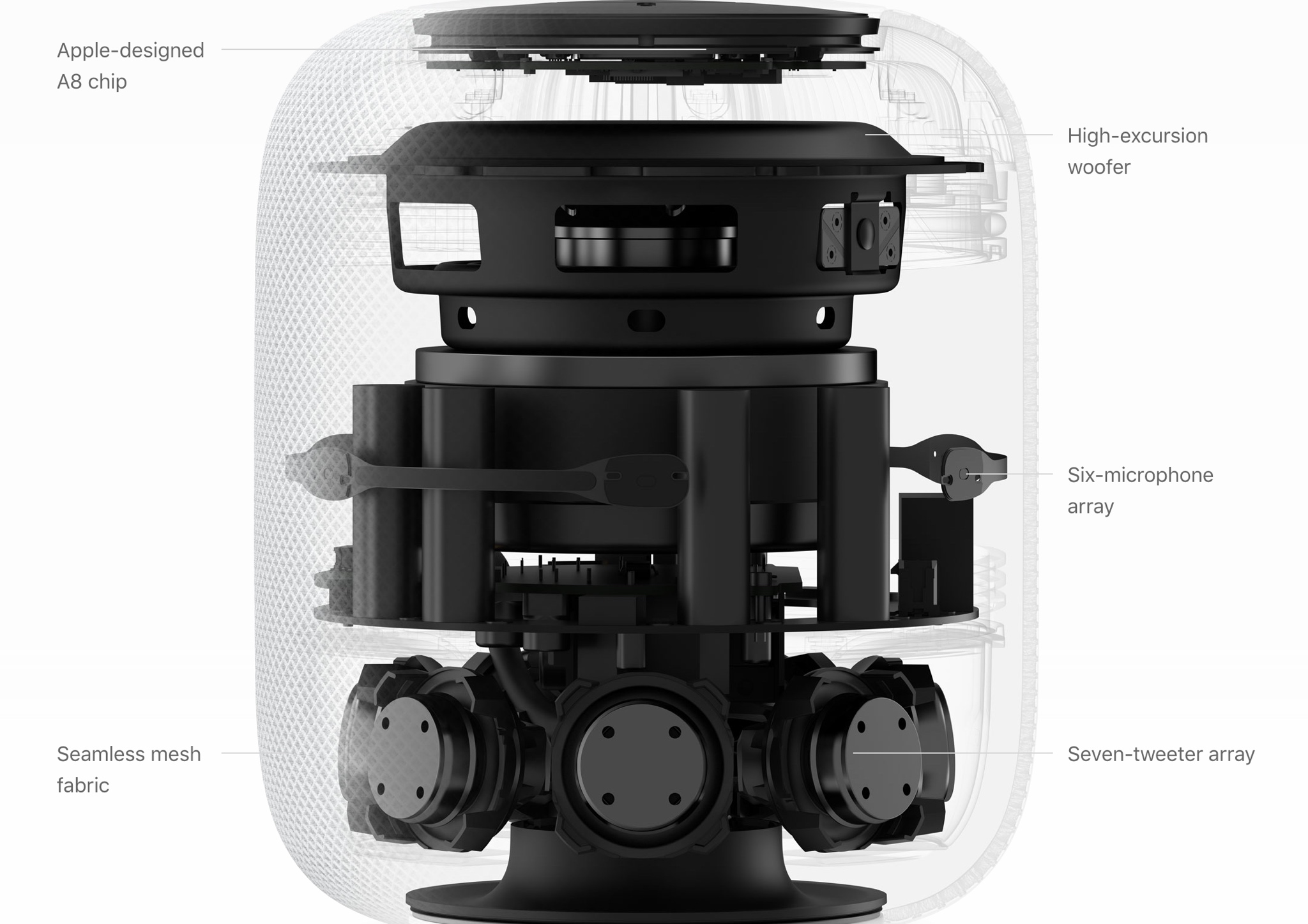
Facebook is apparently jumping on the smart speaker bandwagon, with a new report Tuesday out of Taiwan claiming that the social networking giant is looking to take on Amazon's Echo, Google's Home and Apple's HomePod smart speakers.
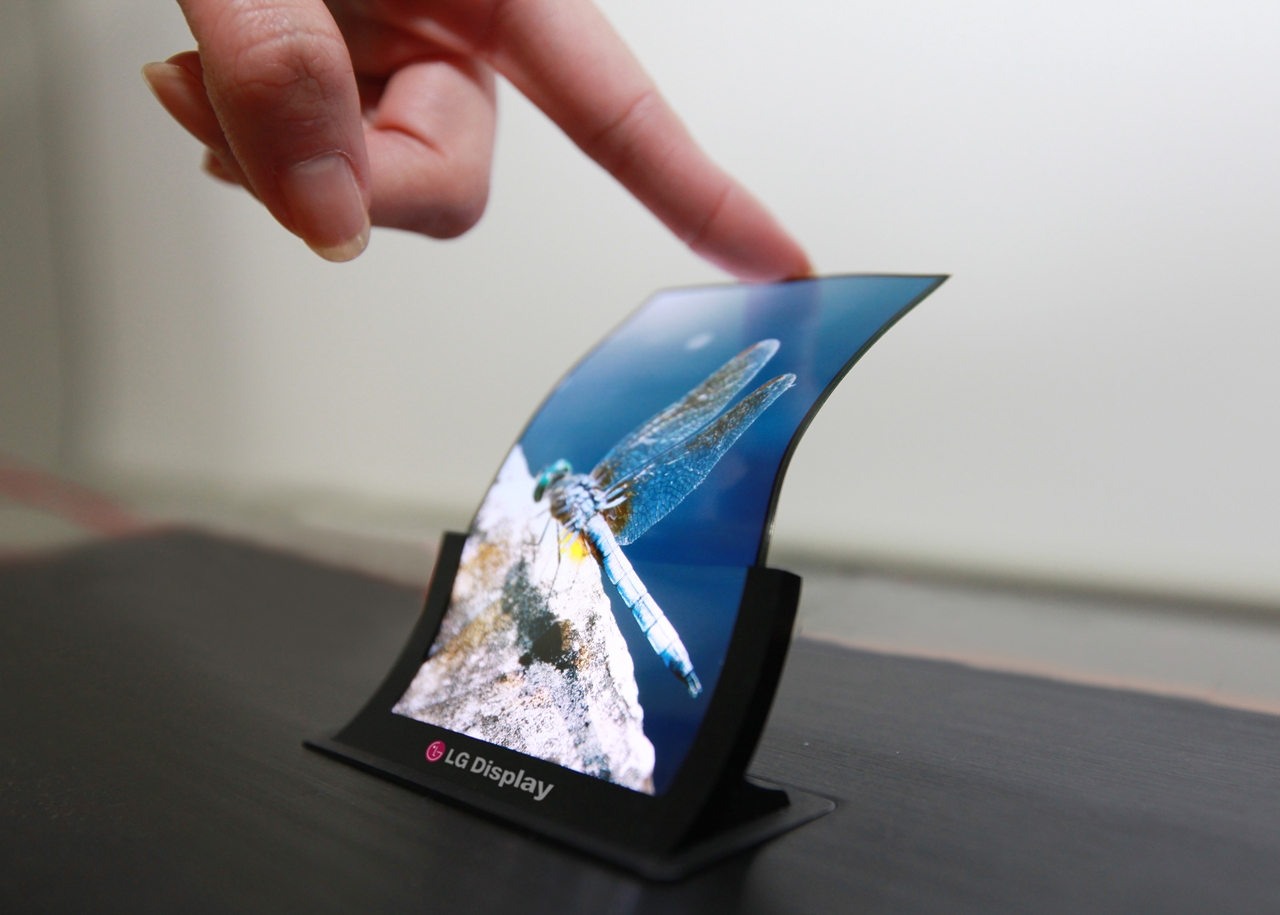
Major Apple supplier LG Display is reportedly investing a whopping $13.5 billion over the next three years in order to boost output of OLED panels for TVs and smartphones, which Apple is widely expected to adopt for this year's premium iPhone 8 model.
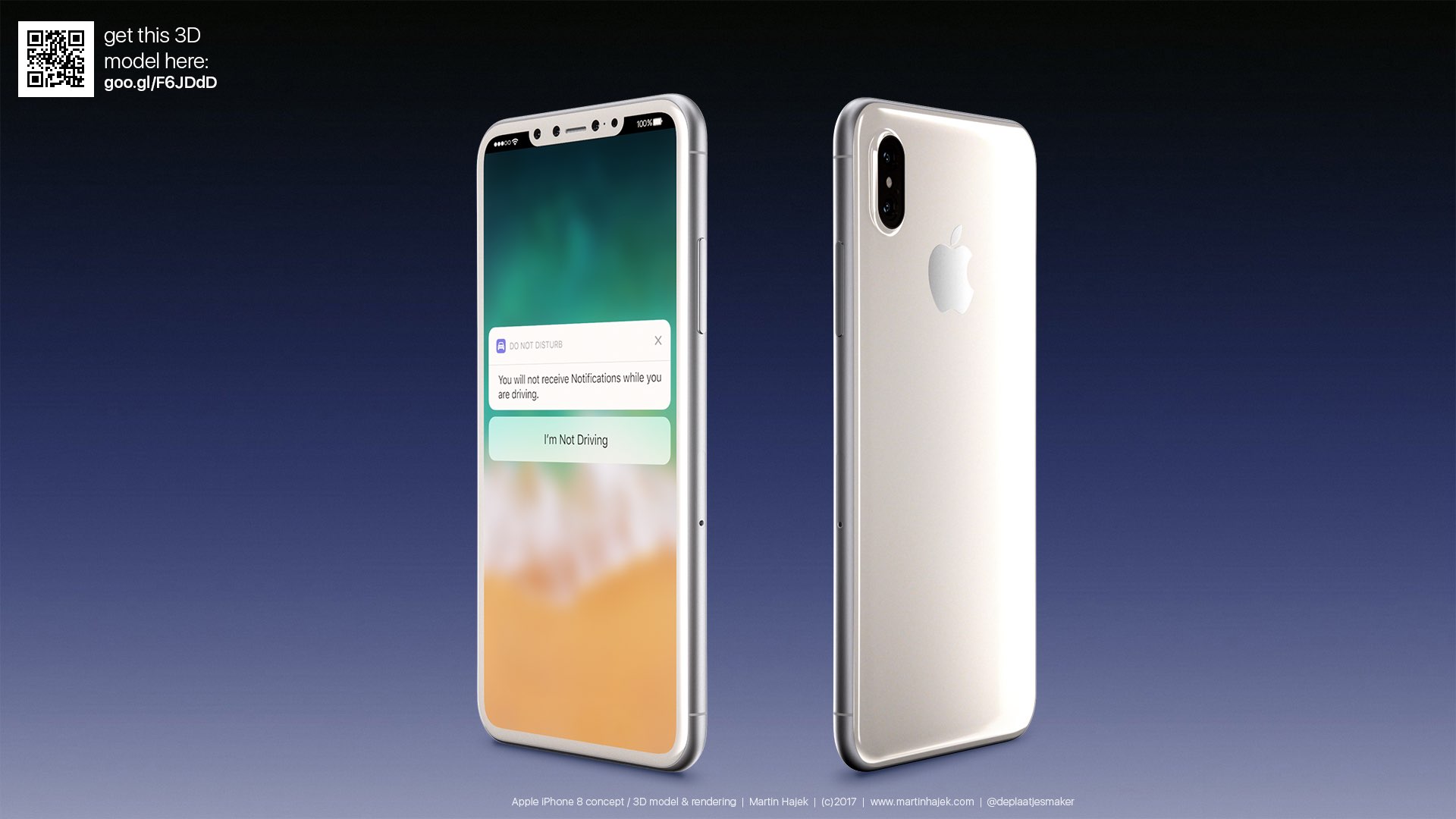
When Apple reports its June quarter financial results on August 1, we'll have a pretty good idea of when its “revolutionary” (competitors' words, not mine) OLED-based iPhone 8 might launch.
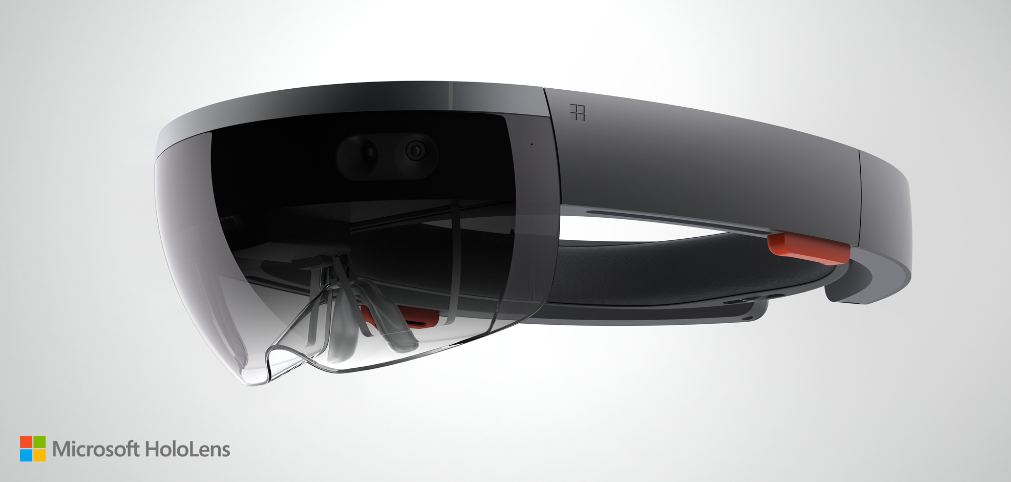
Windows giant Microsoft will outfit the next version of its mixed reality HoloLens goggles with an extra AI processor that will let the device recognize speech and images in real time, without having to send the data back to the cloud for analysis.
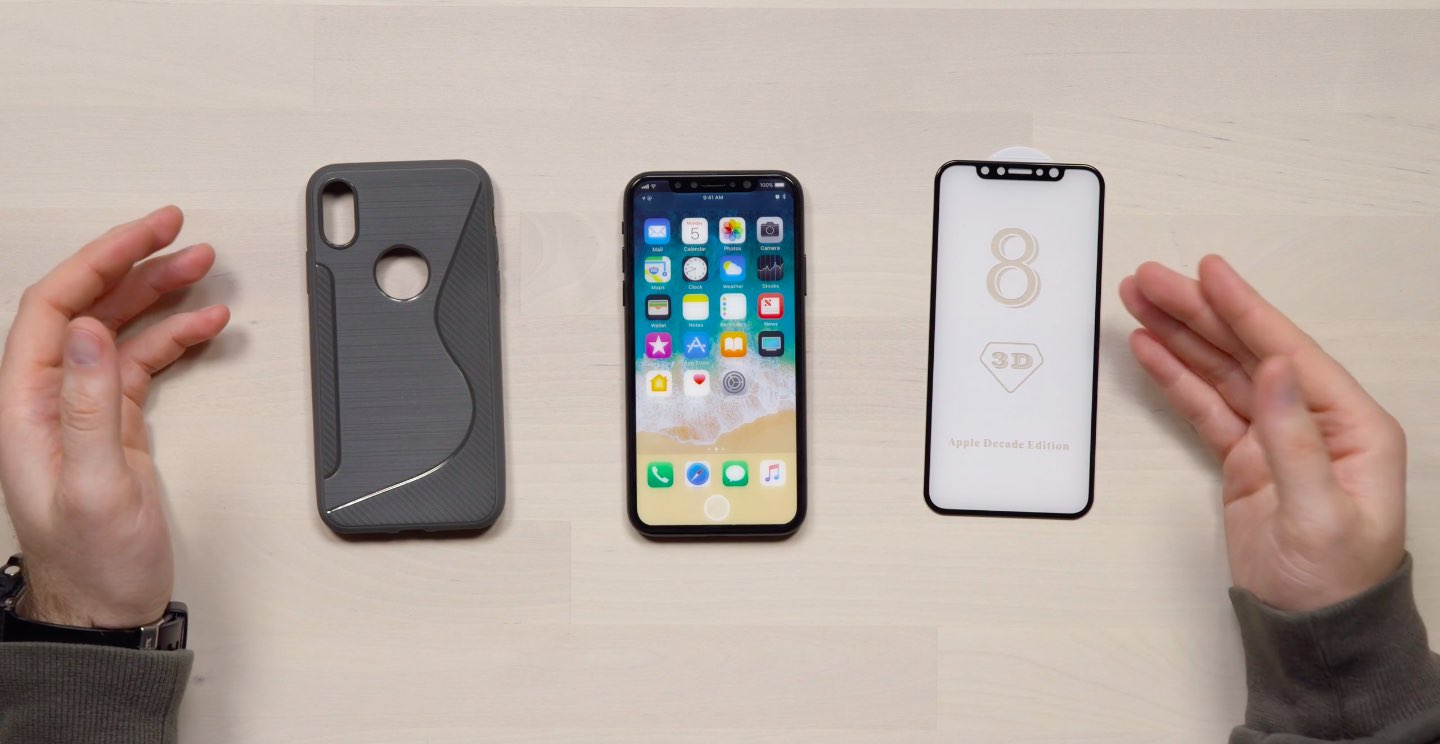
Apple's competitors have adopted a wait-and-see approach, pushing back smartphone chip orders as they're waiting to see the OLED-based iPhone 8 before making future plans.
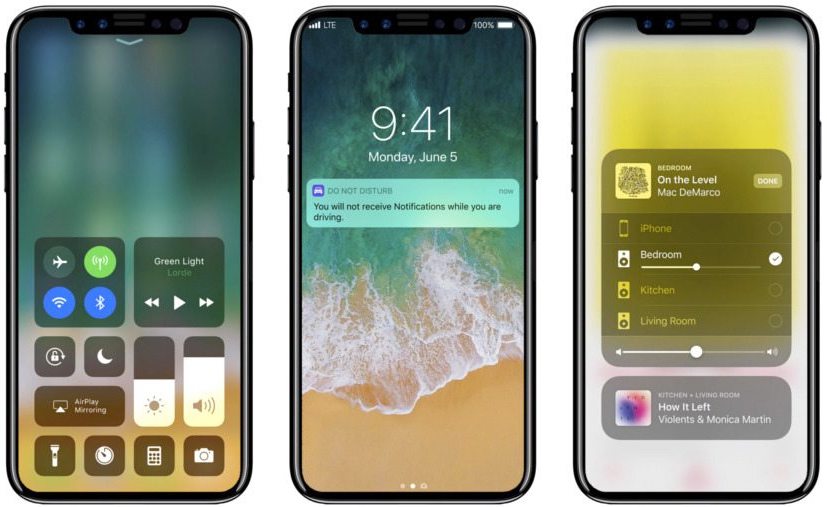
Apple has purchased sophisticated equipment to set up its own research and development facility in Taiwan to develop its own OLED technology in order to reduce its dependence on Samsung Electronics for iPhone OLED panels.
According to a repot Monday from Taiwanese trade publication DigiTimes, the Cupertino giant has purchased chemical vapor deposition (CVD) machines from Korea-based Sunic System to build a 2.5G OLED panel line.
In-house OLEDs will allow Apple to differentiate its products from other handsets that use Samsung-built OLED panels. According to a Chinese-language Commercial Times report cited by DigiTimes, the move will break the dominance of Japan-based Canon Kokki, currently the primary supplier of CVD machines that ships the bulk of its output to Samsung.
“Samsung has bought five sets of OLED manufacturing equipment from Canon Tokki so far in 2017 and has signed contracts to buy five out of ten such machines to be rolled out by the Japan-based machinery company in 2018,” said the Commercial Times.
LG Display also purchased these machines but Apple has yet to validate its OLED panels.
iPhone 8 mockup via iDropNews.
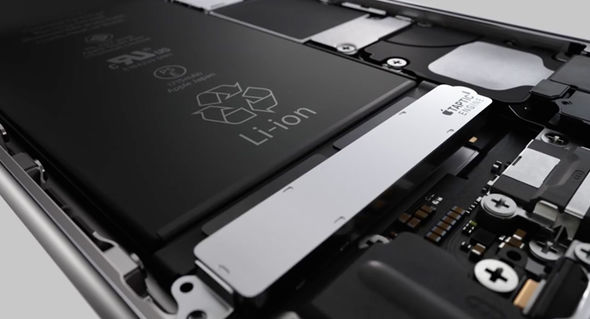
A new rumor Friday from the Korea Economic Daily, citing an unnamed source in the chemical industry, alleges that Apple has chosen LG subsidiary LG Chem as an exclusive supplier of L-shaped two-cell batteries for next year's iPhone model, tentatively named “iPhone 9”.
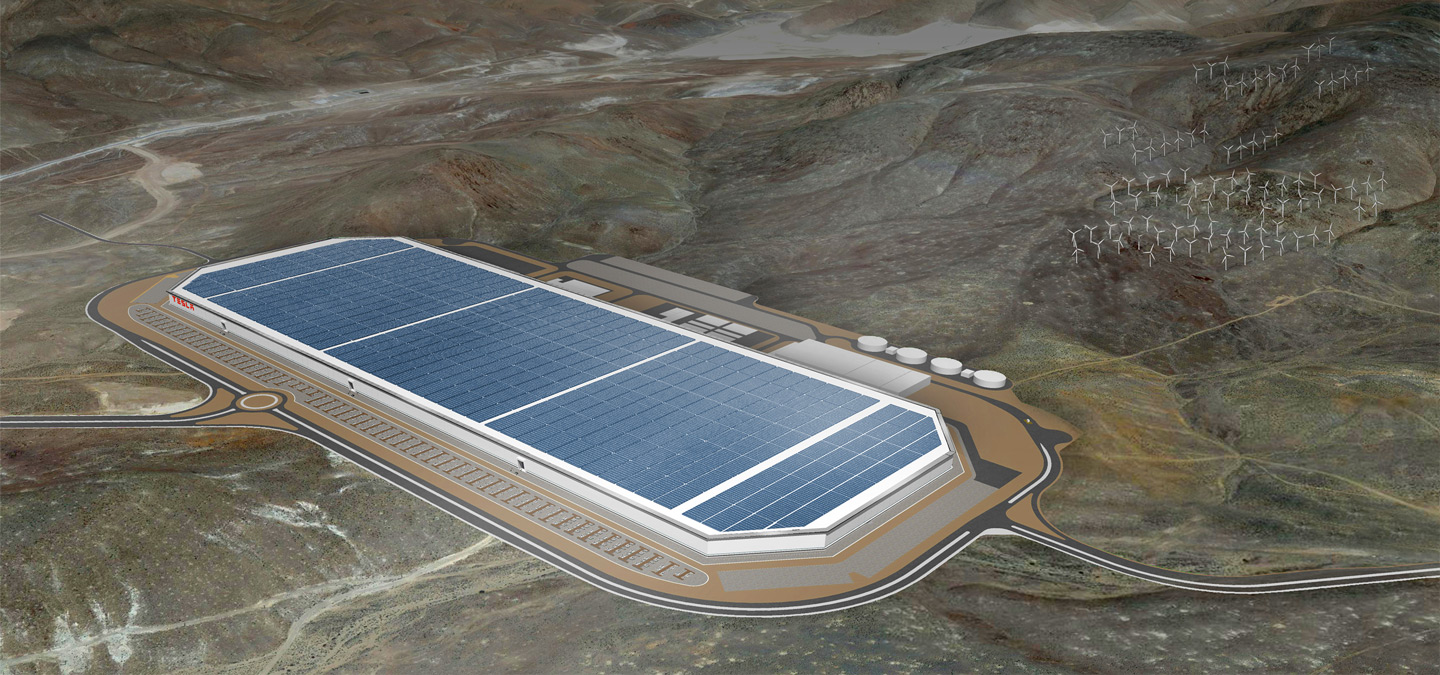
Tesla is building its massive Gigafactory in order to reduce the production cost for their electric vehicle battery by thirty percent and now Apple is rumored to be secretly working on automotive battery research and development though no specific details were provided.
According to a report Thursday by Shanghai-based news outlet Yicai Global, Apple partnered with Chinese battery maker Contemporary Amperex Technology Limited (CATL) on the project.
The publication speculates that the move could indicate that Apple’s car project involves not only autonomous driving software but also hardware. The two companies are working together on “a scheme”, based on a confidentiality agreement, in the field of batteries.
“If Apple is working with CATL on a battery, the possibility that Apple will continue to make cars cannot be ruled out as one of the core components of self-driving electric cars is the battery,” CCID Consulting’s New Energy Director Wu Hui told the outlet.
Another, less likely explanation could be that Apple may be planning to sell batteries of its own to makers of electric vehicles, or directly to consumers to power their homes. Because no specific details were provided, we can even speculate that these batteries could be used in Apple's data center, stores and other corporate facilities.
Here's drone flyover of Tesla's Gigafactory site, courtesy of Duncan Sinfield.
https://www.youtube.com/watch?v=BkbA2FnQSpk
Founded in 2011, CATL is a spinoff of Amperex Technology Limited.
In 2012, a report claimed that Apple dropped Samsung and switched to Amperex for iPad and MacBook batteries. However, Amperex is nowhere to be found on the February 2017 list of Apple suppliers, and neither is its parent company.
Amperex produced a replacement battery for Samsung's ill-fated Note 7, but it too was plagued by a manufacturing issue that could cause it to catch fire due to the welding defect.
Rendering: Tesla's Gigafactory 1 outside Sparks, Nevada.

Taiwan Semiconductor Manufacturing Company (TSMC) has been exclusively fabricating Apple's in-house designed mobile chips for iOS devices since 2015 and the company has now reportedly accelerated its efforts to build seven-nanometer chips in 2018.