Mac Tip

How to start up your Mac from a bootable CD/DVD, USB thumb drive or external storage device

macOS can start up your Mac in a myriad of ways. We've already covered some of them in detail, such as using built-in Startup Manager to pick a disk to startup your Mac from and booting into Safe, Verbose and Target Disk modes.

In this article, we get to talk about starting your Mac up from external storage like optical media or an external USB-based hard drive or flash storage. Booting from an external storage allows you to start up your Mac in another version or copy of macOS, Additionally, it can help you troubleshoot certain issues, and more.

How to create a USB install disk for OS X El Capitan the right way

Now that the final GM version of OS X El Capitan is released, it's time to revisit how to create a USB install disk. Chances are high this GM seed will be the same version of OS X that ships later this month on September 30th.

Not only is the OS X 10.11 GM available to registered Apple developers, but it's also available via Apple's public beta program. With this in mind, you may now deem it the appropriate time to take the plunge, if you already haven't thus far.

In this post, we'll show you how incredibly simple it is to create an OS X El Capitan USB install disk from scratch. All you need is a USB disk with at least 8GB of storage space. 

DaisyDisk: the best app for cleaning up your Mac

As an owner of a Late 2013 MacBook Pro with a measly 256GB of flash storage, space is at a premium for me. Yes, I keep an external drive for all of my video content, but with a drive this small I still find it necessary to keep tabs on my storage space and delete unneeded files on a regular basis.

You can always use the Finder to manage storage space, but that can get tedious. Although it's technically capable of doing so, the Finder isn't the best tool for analyzing your available storage space and deleting files.

Instead, I find that a Mac App Store app called DaisyDisk does a superb job of helping me managing my Mac's storage space. DaisyDisk is a $9.99 Mac App Store app with an awesome looking interface that makes managing storage space a walk in the park.

Using BetterTouchTool to cycle through Safari tabs

BetterTouchTool is a free Mac utility that allows you to supercharge your Mac's trackpad gestures. There are literally hundreds of uses for an app like this, but I'd like to share with you one particular use case scenario that I find extremely useful.

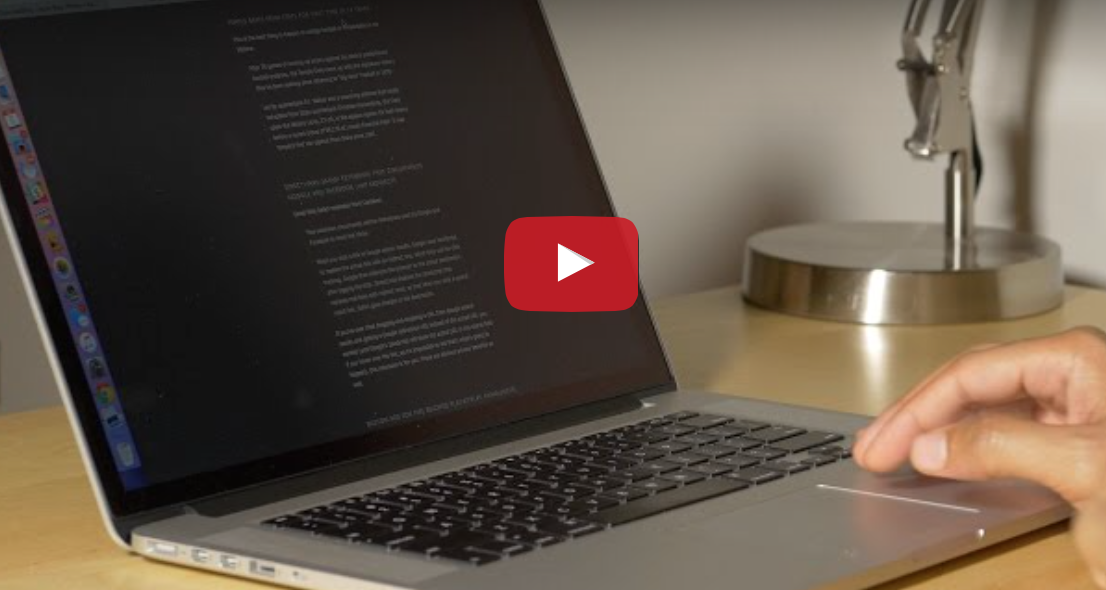
I've set up BetterTouchTool to allow my MacBook's trackpad to quickly cycle through all of my open tabs in Safari using a simple two-finger gesture. Have a look at our full demonstration video and tutorial for all of the details.

How to repair disk permissions on Mac

Some Mac hiccups and startup issues can be resolved by repairing disk permissions in macOS. Disk permissions allow your Mac to control what users have access to files and folders on your Mac.

Unfortunately, it's quite easy to unintentionally mess up disk permissions. In fact, the very act of installing and uninstalling apps on your Mac can over time result in broken permissions.

And when file permissions break, your apps might be allowed to alter each other's files or even modify read-only system files, which in turn can lead to various permission errors and erroneous behavior in macOS. It is therefore essential that disk permission in macOS are as they are supposed to be.

In this tutorial, I'm going to show you how to verify and fix disk permissions in macOS, which is typically a basic troubleshooting step to fix any software issues your Mac might be plagued with.

How to boot your Mac in Target Disk Mode

Our tutorial series dealing with the many ways you can start up your Mac continues with Target Disk Mode, a feature Apple conceived to allow your Mac to act as an external disk for another Mac.

It's not surprising that the vast majority of average Mac owners are totally oblivious to the existence of Target Disk Mode, and who could blame them? After all, Target Disk Mode isn't exactly front and center on macOS.

In this tutorial, you're going to be taught how to activate Target Disk Mode through the System Preferences application, or enter it directly at boot time with a simple keystroke. I'm also going to explain in layman's terms why, when and how Target Disk Mode should be used.

How to create animated GIFs on Mac

From time to time, I like to include GIF animations in my posts on iDB. I usually use GIFs when I want to demonstrate some functionality without making a full blown video to do so. GIFs are great for quick demonstrations where videos aren't necessarily needed.

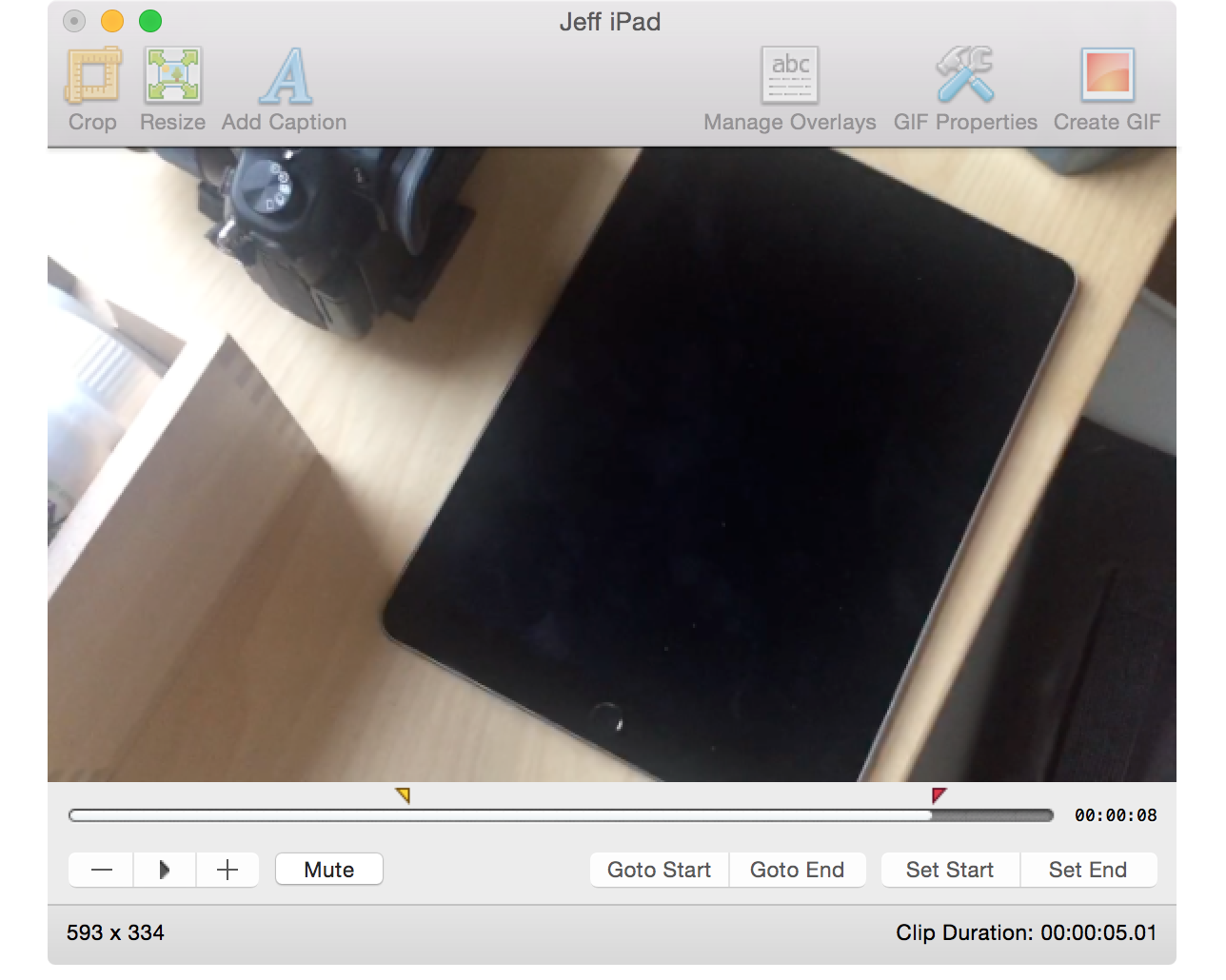
Whenever I include a GIF animation on a post, there's usually at least one comment inquiring about how I went about making the GIF. Although there are many options out there for creating GIFs, including using Photoshop, I personally prefer GIFBrewery ($4.99 on the Mac App Store) from the folks over at Hello, Resolven Apps.  GIFBrewery is solely focused on creating GIFs, and thus, it's fairly straightforward and easy to use.

In this post, I'll show you my GIFBrewery workflow, and how I use this awesome Mac app to quickly create great-looking GIF animations from videos.

How to use Time Machine on your Mac – the full roundup

Over the last several months, we've revisited Time Machine, the backup utility present in OS X. We've showed you everything from performing an initial Time Machine setup, to encrypting Time Machine backups, to restoring specific files from those backups.

Time Machine is a great tool that every OS X user should become intimately familiar with, and in this roundup, we'll revisit each of the topics covered over the last couple of months.