Choose your default web browser in iOS with BrowserChanger10

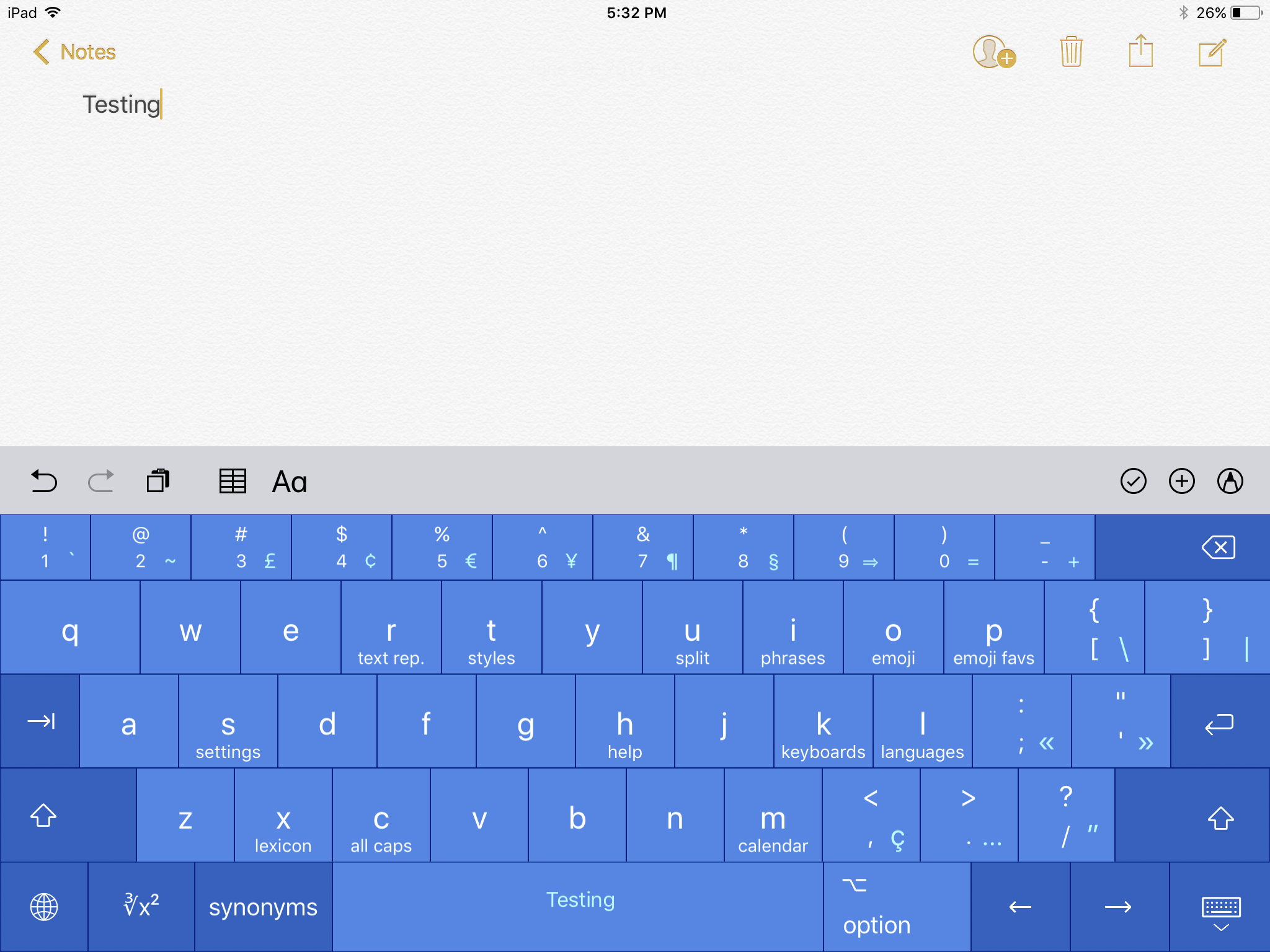
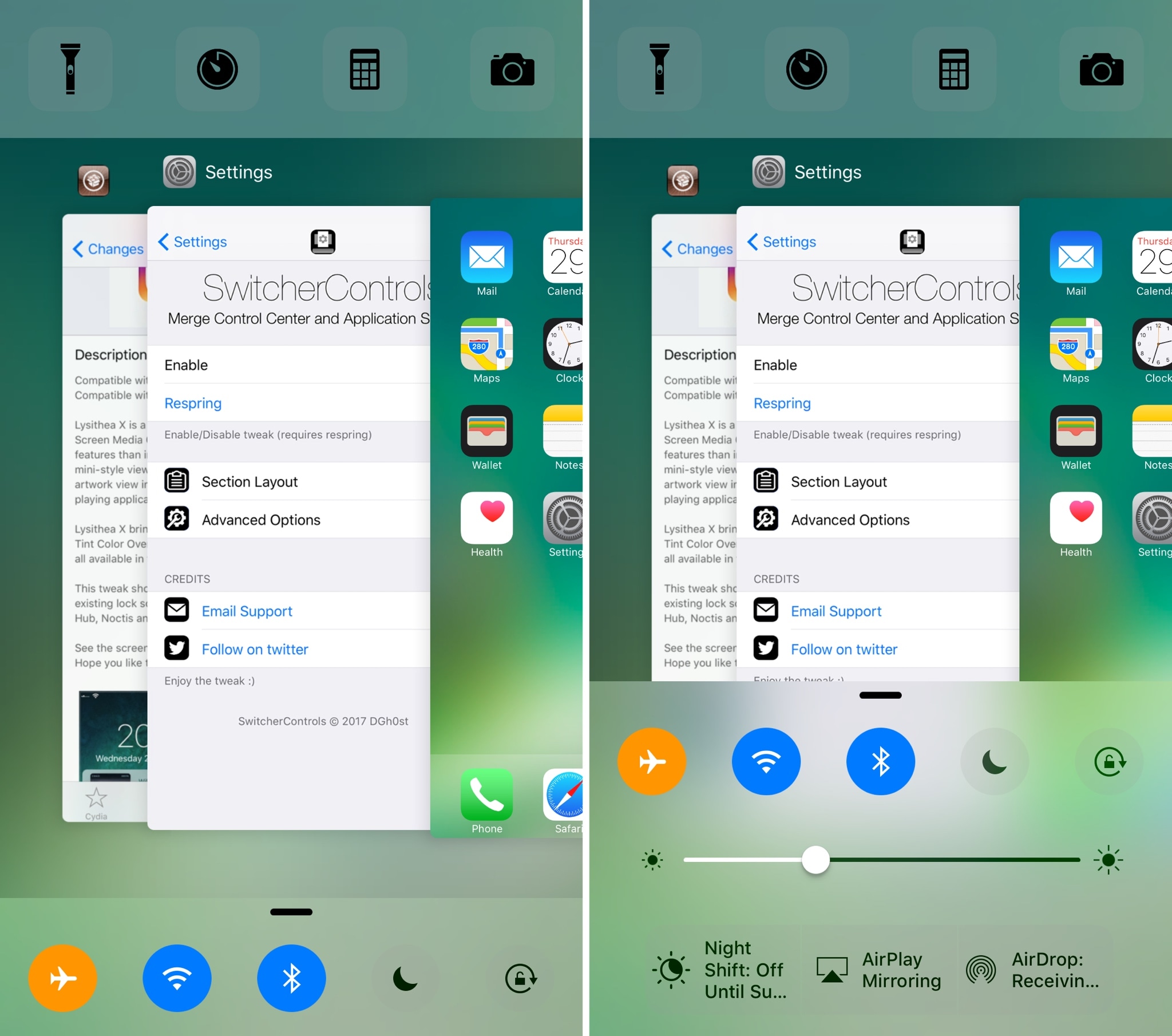
Everyone has a favorite web browser they prefer to use on their computer, but when it comes to the iPhone or iPad, Apple forces all URL links to open in Safari by default.

You can change this with a new free jailbreak tweak called BrowserChanger10 by iOS developer HiDaN, which lets you choose a new default web browser for opening URL links.

This tweak makes Spotify album artwork display in full screen mode

When listening to your songs in the Spotify Music app, the album artwork is typically scaled down slightly so that there’s a bit of empty space in between it and the edge of the display.

A new free jailbreak tweak dubbed SpotifyFullScreenArtworkUI by iOS developer theo78825 scales up the album artwork a little bit more so it fills the whole top half of the screen.

Make unlocking non-Touch ID devices quicker with Accelerated Unlock

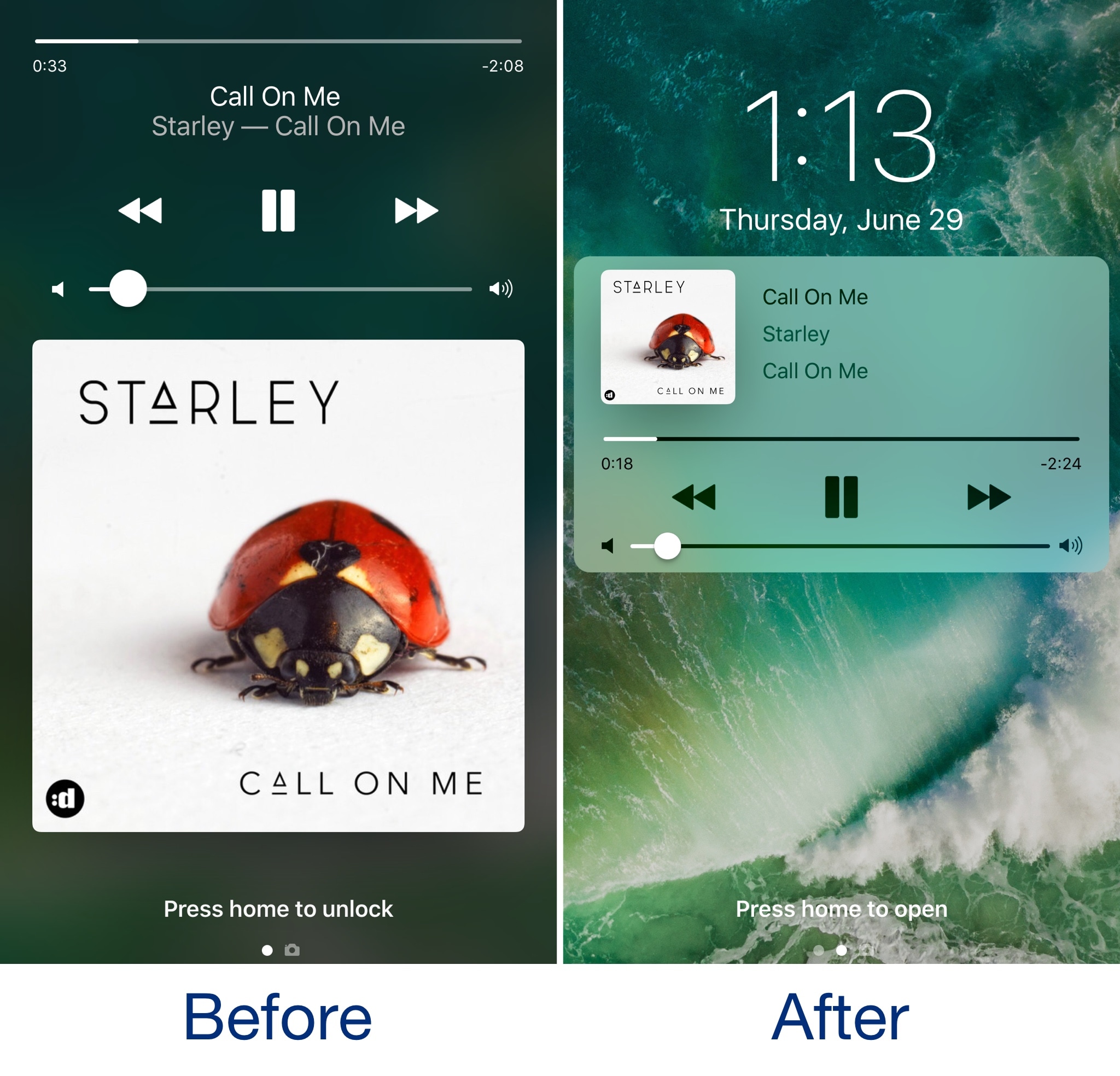
Devices that don’t support Touch ID or just aren’t utilizing the feature typically resort to passcodes as the next best form of security. On the other hand, there tends to be a rather annoying delay after pressing the Home button before the passcode interface finally appears.

A new free jailbreak tweak dubbed Accelerated Unlock by iOS developer Youssef Mikhail does away with this unwanted delay and makes unlocking your device seem faster.

Let’s Talk iOS 191: Caught with their pants down

A week after the WWDC 2017 keynote, things have cooled down a bit. Cody and Sebastien got some time to  look back at the event and chime in with more thoughts about HomePod, the iMac Pro, the Mac Pro, iOS 11 and its iPad-specific features, and watchOS 4. Also, Cody really doesn't like Planet of the Apps...

Subscribe on iTunes

Support Let’s Talk iOS: Go to jamf.com/LETSTALK to create a free account and set up your 3 free devices today.

Facebook could let you subscribe to news publications directly from the app

Facebook is working on a new feature to permit users to subscribe to news publications directly from its mainland mobile app. According to a report this morning from The Wall Street Journal, many details remain up in the air as discussions are currently underway.

The company is allegedly leaning toward a model that would let you read certain articles for free every month, before being prompted to pay. There's a catch: Facebook is said to limit this to the stories published natively through its Instant Articles service.

With that in mind, it may be no coincidence at all that Facebook recently launched new tools to help publishers make their Instant Articles compatible with the Apple News format as well as with Google's Accelerated Mobile Pages system.

This new functionality could roll out by the end of 2017, sources said. People familiar with the matter pointed out that the upcoming feature has long been requested by publishers.

While users currently can follow different news organizations, the rumored feature would permit them to use their credit card information on file with Facebook to directly subscribe to a news publication and have any subscriber-only content delivered to them through the app.

The development, if true, should pose some additional challenges to Google News platform as more and more people turn to Facebook for their daily news.

Image: Facebook's recent redesign of Trending pages.

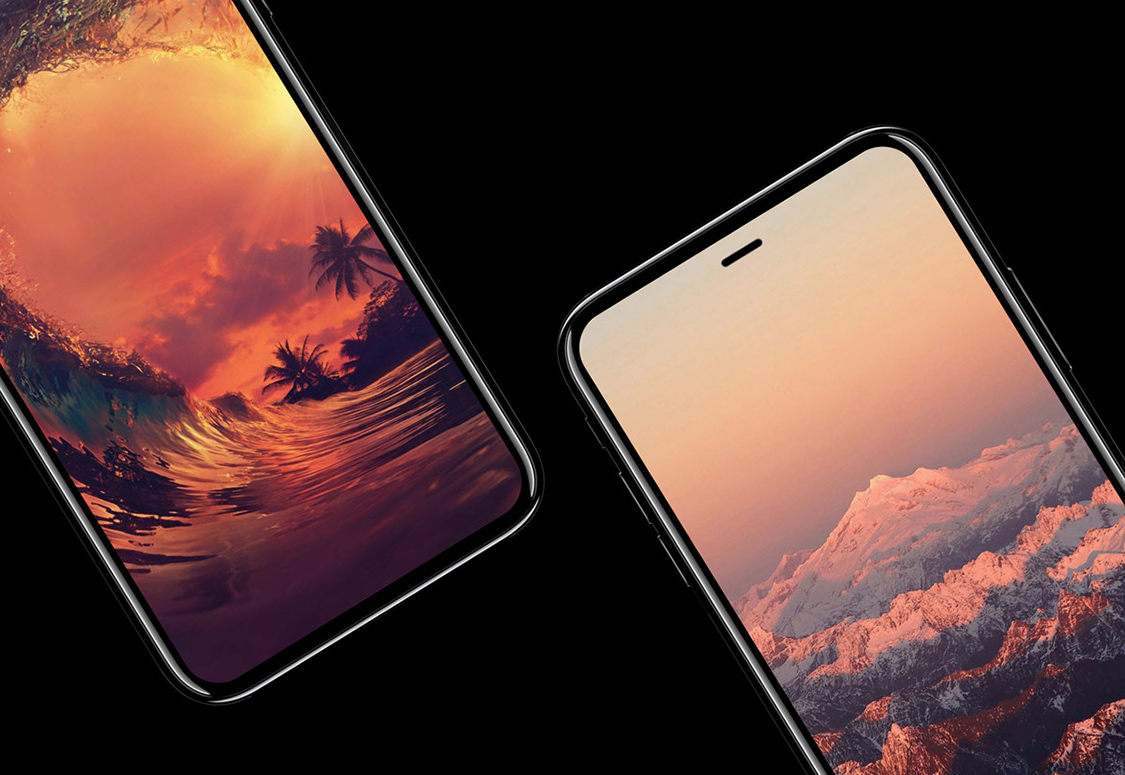
New leaks give the best glimpse yet of iPhone 8

We've seen our fair share of alleged iPhone 8 dummies, schematics and technical drawings, but not a single physical component has leaked out of factories in Asia—until today.

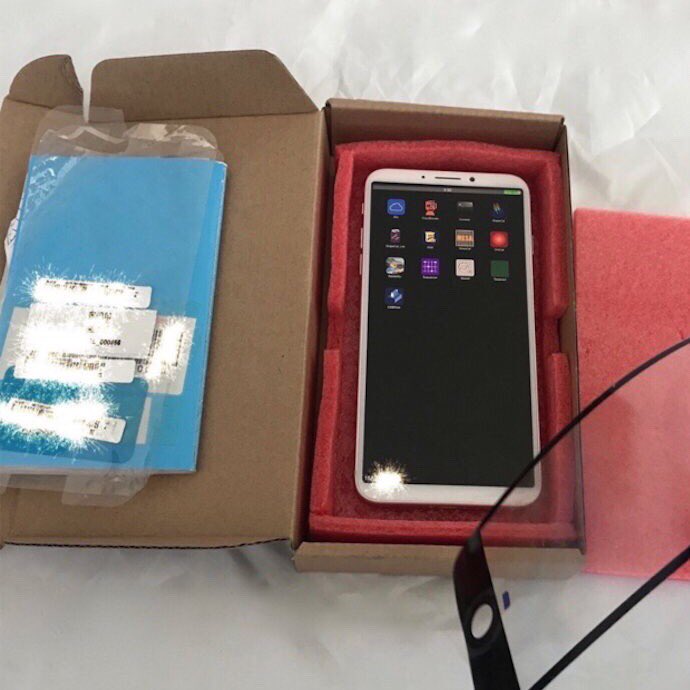
A pair of images showing front and back phone panels, shared in a Reddit post today, may give us our first look at Apple's rumored designs for the OLED-based iPhone 8 as well as the iterative LCD-based iPhone 7s and iPhone 7s Plus updates.

One of the images “confirms” that iPhone 8 could feature a vertically stacked dual-lens camera out the back, with an LED flash built directly into the bulge. The alleged iPhone 8 front panel shows a nearly full-screen design, with just a tiny bar at the top.

There's also a cutout near the top for the front-facing camera and the earpiece.

The Home button, at least a physical one, is nowhere to be seen, neither on the front nor on the back side. The alleged iPhone 8 front plate has virtually no bezels and appears to use protective glass that's slightly curved at the edges.

The other photograph shows these purported iPhone 8 parts pictured next to the alleged components for the 4.7-inch iPhone 7s and the 5.5-inch iPhone 7s Plus.

Those phones are said to feature a refined iPhone 7 design.

For what it's worth, the rear shells shown on that photo appear to be made from glass. Eagle-eyed readers could point out that KGI Securities analyst Ming-Chi Kuo predicted that all new iPhones this year will feature glass backs to support wireless charging.

The images are said to have been obtained from a case vendor that purportedly got them from a glass supplier in China. Apple has reportedly prototyped more than ten different iPhone designs this year, but it remains to be seen if these images represent the handsets that Apple will ship this fall or one of the abandoned designs.

What say you, fail or?

iOS 11 and macOS High Sierra automatically update your Apple ID to use Two-Factor Authentication

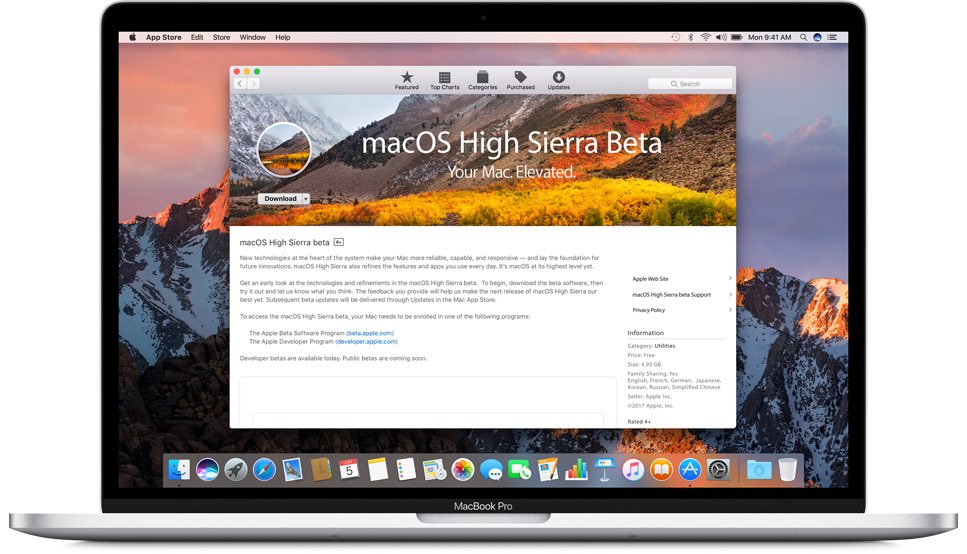
If you haven't upgraded your Apple ID from Apple's older Two-Step Verification system to the more secure Two-Factor Authentication, iOS 11 and macOS High Sierra will do that for your when you install either operating system on your devices.

Apple communicated the change in an email to customers with Two-Step Verification enabled for their Apple ID. Here's the full text of the email communique, as obtained by MacRumors:

If you install the iOS 11 or macOS High Sierra public betas this summer and meet the basic requirements, your Apple ID will be automatically updated to use two-factor authentication. This is our most advanced, easy-to-use account security, and it's required to use some of the latest features of iOS, macOS, and iCloud.

Once updated, you'll get the same extra layer of security you enjoy with two-step verification today, but with an even better user experience. Verification codes will be displayed on your trusted devices automatically whenever you sign in, and you will no longer need to keep a printed recovery key to make sure you can reset a forgotten password.

Significantly improving the security of your Apple ID, Two-Factor Authentication requires both your Apple ID password and a one-time code when you sign in to a new device or browser with your Apple ID.

TUTORIAL: How to protect your Apple ID with Two-Factor Authentication

Unlike Two-Step Verification, which sends a six-digit verification code via SMS, Two-Factor Authentication is deeply integrated in iOS 9, OS X El Capitan, watchOS 2 and tvOS or later and features a mechanism that automatically delivers verification codes via push notifications to all trusted devices registered to a given Apple ID.

If you're not using either system to protect your Apple ID, you're wholeheartedly recommended to enroll your devices in Two-Factor Authentication. If your account isn't eligible for two-factor authentication, you can still use two-step verification to protect your Apple ID information.

One way or another, anyone installing Apple's latest OS updates this fall shall be asked to upgrade their Apple ID to the more modern Two-Factor Authentication system. Two-Factor Authentication is available in more than a hundred countries, listed in Apple's support document.

Samsung to supply 80 million AMOLED panels for iPhone 8 in 2017

Samsung's display-making arm is set to supply up to eighty million smartphone panels for iPhone 8 in 2017, which will be based on active-matrix organic light-emitting diode (AMOLED) technology, Taiwanese trade publication DigiTimes reported last week.

On top of that, Samsung will build an additional 80 million AMOLED panels in 2017, but they'll be used to supply orders from Samsung Electronics and its other smartphone clients.

As per sources, Samsung is expected to “keep some flexibility” if Apple places more orders.

The report claims that component makers have now kicked off mass production of parts for both the AMOLED-based iPhone 8 models and the iterative LCD-based updates in the form of iPhone 7s and iPhone 7s Plus, the latter two featuring a reinforced glass chassis with a shiny metal frame holding together the “glass sandwich” design.

As indicated by the current manufacturing status of the upstream supply chain, iPhone 8 won't enter mass production until after mid-September, with production volumes in the third quarter pegged at around three million units, meaning Apple will likely be unable to keep up with iPhone 8 demand for a few weeks or even months.

Switching the next iPhone from LCD panels to AMOLEDs is a sea change for Apple's supply chain given the tens of millions of iPhones the Cupertino company sells each quarter. Other suppliers, like Japan Display, Sharp and LG Display are pouring big money into AMOLED production plants, but they're not expected to join Apple's AMOLED supply chain before 2018.

Combined shipments of existing iPhones, including iPhone 7, iPhone 7 Plus, iPhone 6s, iPhone 6s Plus, iPhone SE and the 32GB iPhone 6 are estimated to reach a total of 25-30 million units during the second half of 2017, bringing Apple's overall iPhone shipments in the third quarter to around 45-50 million units.

Image: iPhone 8 CNC-machined model via leakster Benjamin Geskin.

Apple allows Indian retailers to discount older iPhone models to boost sales

Apple's smartphone market share of the Indian market barely hovers above three percent because its aspirational handset is too expensive for many average consumer in the 1.32 billion people market.

But the Cupertino giant is taking steps to rectify the situation and has now permitted local retailers to slash prices of older-generation models such as iPhone 5s, which make up more than half of Apple’s shipments to the subcontinent.

Bloomberg reported Monday that Apple is now letting stores and online retailers such as Amazon.com and Flipkart slash iPhone prices.

iPlanet, a local reseller, prices iPhone 5s at 20,400 rupees, which works out to about $300. Apple no longer sells iPhone 5s in the US, but the most similar model, iPhone SE, starts at $400 in the US, without taxes or fees.

The device was listed at 15,999 rupees during an Amazon sale in May, or about $250. Retailer Flipkart lists iPhone 6 for 24,990 rupees, or approximately $390.

Here's an excerpt from the article:

Besides discounts, retailers have been pitching iPhones with cash-back offers, product exchanges, and monthly payment plans, all aimed at making it easier for young Indians to spend a month’s earnings or more on an iPhone 5s.

Apple is hiring an undisclosed number of 'affordability managers' in the country to negotiate with banks and other lenders on behalf of potential buyers.

Older devices accounted for a Counterpoint Research-estimatd 55 percent of the 2.6 million handsets Apple shipped to India in 2016. “As the premium segment grows in India, Apple wants a larger slice of it,” said Anshul Gupta, research director at market researcher Gartner.

“The bigger the iOS base, the brighter Apple’s future in India,” he added.

India is the smartphone industry’s fastest-­growing market and an increasingly important market for Apple. The company has now started assembling iPhone SE devices in India via its contract manufacturer Wistron and is seeking additional concessions from the local government in an effort to boost local iPhone production.

The Wistron manufacturing facility is currently assembling “a couple thousand” iPhone SE units as a trial run, according to people familiar with the matter.

Tim Cook & Co. are predicted to officially bring Apple Online Store to India and enable Apple Pay transactions in the country.

In March, the iPhone maker opened the iOS App Design and Development Accelerator in the Yelahanka area of Bengaluru, which is the home of India’s startup scene. The populous country has some of the most vibrant and entrepreneurial iOS development communities in the world.

Samsung predicted to beat Intel, become #1 chip vendor this summer

Samsung's chip-making unit has been making some great strides in the past few years and now the South Korean chaebol is predicted to overtake Intel and become the world's top producer of computer chips. Should the prediction come true, this will be a major blow to Intel, which has been the leading chip maker in terms of sales for 26 years since 1991.

According to researchers with NH Investment & Securities, cited in a report by The Korea Herald, Samsung could overtake Intel as soon as this summer due to the rise in number of data centers and expanded demand of solid state drives.

Intel captured an estimated thirteen percent of global chip sales in the first quarter of 2016 versus Samsung's 9.1 percent share. But during the March quarter of 2017, Intel took up 14.7 percent while Samsung held a comparable figure of 13.4 percent.

“Starting the March-June period, Samsung's global market share of chips will surpass the 15-percent mark to outpace its rival, helped by its improved competitiveness in the memory segment,” the report added.

Apple no longer uses Samsung's chip fabrication plants to build its in-house designed processors for iOS devices, but iPhones and iPads still use Samsung-built flash memory modules and the iPhone 7's LTE modem is being dual-sourced from Intel and Samsung.

Minecraft to gain cross-platform multiplayer this summer, 4K HDR support coming in fall

An upcoming summer update to Minecraft: Pocket Edition for iPhone and iPad will include full support for cross-platform multiplayer, the game's developer Mojang announced today in a blog post ahead of the Electronics Entertainment Expo show, which runs from June 13-15, 2017 at the Los Angeles Convention Center.

“We’re releasing a new update for consoles, which brings players together across mobile, console and Windows 10,” developers wrote. They'll be adding in-game multiplayer server, too.

A server browser in the Minecraft start menu will let you search a list of servers which you can join right away. They'll be launching with four servers—Lifeboat, Mineplex, InPVP and CubeCraft—with more to follow at a later stage.

And as a cool bonus, any downloadable content you purchase will be accessible amongst the various devices at no extra charge!

Mojang highlighted the upcoming features in a promo video, embedded below.

https://www.youtube.com/watch?v=vyr3XZrZssk

The free update will permit fans of Minecraft on iOS to play the game with players on other devices, including Android, Xbox One, Nintendo Switch, Windows 10 PC and VR. Currently, Minecraft: Pocket Edition for iOS lets you play with friends on Xbox One consoles or PCs.

Mojan will be rebranding the game on Xbox One, Nintendo Switch, mobile and VR as just “Minecraft”. Support for Minecraft: Java Edition, which is the original PC game, will continue. “This means when you buy 'Minecraft', you're buying a game that can you can play with friends across devices,” said developers.

Plus, this fall, players will be able to explore endless worlds, rendered in 4K HDR resolution, via another upcoming update. Support for 4K resolution across platform will be free.

However, advanced effects will require a new “Super Duper Graphics Pack”, which will bring out features like dynamic shadows, lighting that streams through fog, movement in leaves and grass, new textures for mobs and villagers, directional lighting, edge highlighting and more.

They'll have additional information about the release date of the free 4K update and “Super Duper Graphics Pack” DLC closer to release. As always, we'll keep you in the loop.

Minecraft: Pocket Edition for iPhone, iPad and iPod touch is $6.99 on App Store.

Minecraft: Apple TV Edition is $19.99 on tvOS App Store.