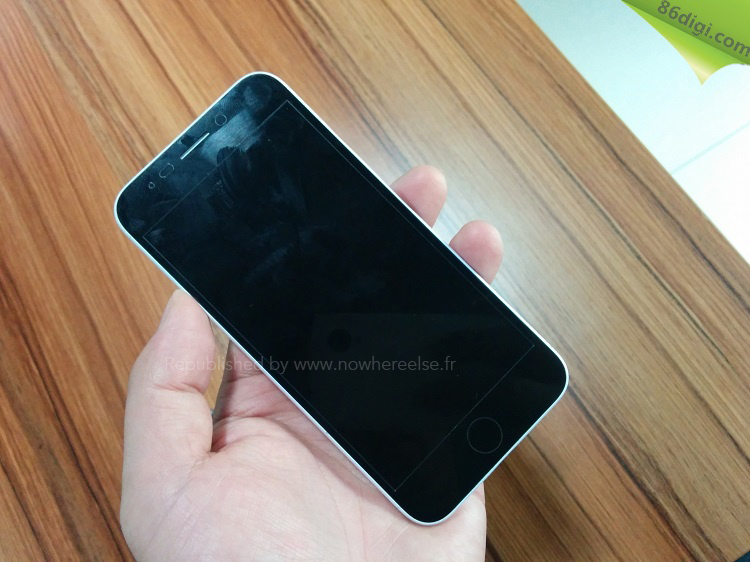
Manufacturing

Despite its highest daily output ever, Foxconn still struggling to boost iPhone 6 production

Despite huge investment it's made in production lines, workers, sophisticated machinery and tooling equipment, Foxconn, the world's largest contract fabricator, is having issues keeping up with massive iPhone 6 and iPhone 6 Plus demand, The Wall Street Journal's Digits blog reported Wednesday.

“For iPhone 6 Plus, we are still ramping up the production line,” sources tell WSJ. ”Another reason for the limited supply is the shortage of 5.5-inch displays”.

Another person at a display component supplier told the paper that Foxconn is scrapping almost half of the 5.5-inch panels due to quality control issues. The output rate of the 4.7-inch display is reportedly better at 85 percent.

Manufacturing woes stem from the in-cell display technology which allows for a thinner and lighter screen assembly by integrating touch sensors into the liquid crystal display.
Apple supplier accused of forcing overtime and endangering workers

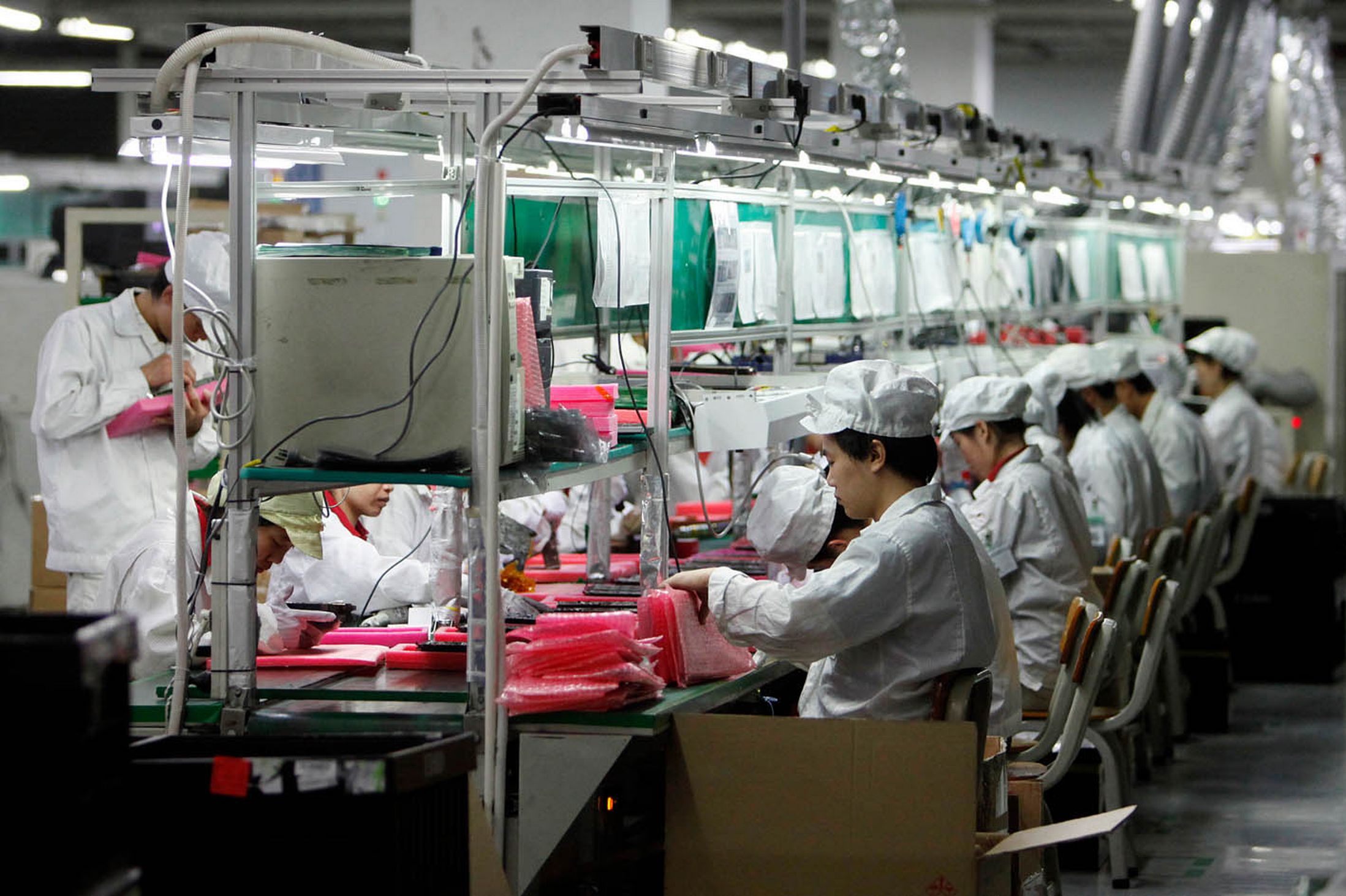
An Apple supplier has once gain come under scrutiny for labor violations. Both Green America and China Labor Watch are reporting that Catcher, who is responsible for making iPad and MacBook casings for the company, is endangering and exploiting its workers.

At its factory in Suqian, China, Catcher is accused of failing to provide adequate protective equipment for employees handling toxic materials, and various other safety violations. The manufacturer is also charged with forcing overtime: 10+ hours per day, 6 days a week.

Chinese sources: mass production of 4.7″ iPhone 6 begins, 5.5″ and new iPads start in September

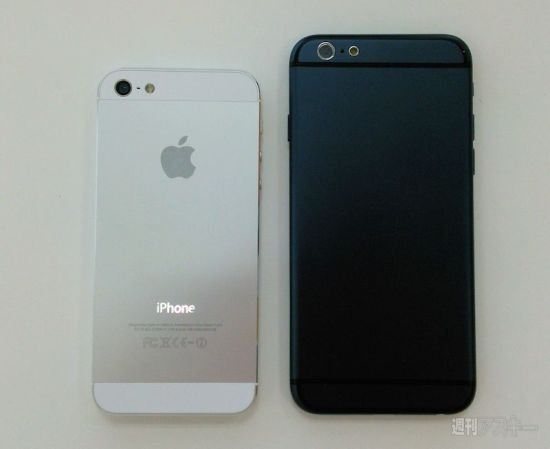
As the purported parts and cases thought to belong to the iPhone 6 continue leaking out, Apple is now said to have started mass production of a 4.7-inch handset variant. As for a bigger 5.5-inch version, the handset is understood to enter production in September, alongside upcoming new iPads.

If true, there may after all be some truth to the rumors that the two phones won't launch simultaneously in order to avoid cannibalization. Just yesterday, for instance, the hit-and-miss DigiTimes said the 4.7 and 5.5-inch models of the iPhone 6 will launch separately as Apple wants to “avoid competition between the two models”...

WSJ: TSMC starts shipping 20nm A8 chips to Apple

It's been long rumored that Apple for years has been working with Taiwan Semiconductor Manufacturing Company (TSMC), the world's largest independent chip foundry, on building its in-house designed processors that power the iPhone, iPod touch, iPad and Apple TV devices.

Thus far, several conflicting reports have indicated that TSMC has been running test production of the upcoming A8 processor for months now, with other sources insisting that the Taiwanese chip foundry was unsuccessful kickstarting mass-production over ongoing yield issues.

A report Thursday by The Wall Street Journal has it on good authority that TSMC finally began shipping its first batch of microprocessors to Apple in the second quarter...

Foxconn confirms it’s starting to deploy robots to help assemble iPhones

Hon Hai Precision Industry Co., Ltd., also known in the Western world as Foxconn, the world's largest contract manufacturer, will soon start deploying sophisticated robots to help assemble iPhones, CEO and Chairman Terry Gou announced during a shareholder meeting Monday.

Foxconn assembles a range of consumer electronics products for other companies, including iPhones and iPads. The plan to replace factory workers with robots was first announced two years ago, but hit roadblocks due to high cost of robot deployment...

Foxconn and Pegatron go on hiring sprees as iPhone 6 production ramps up

As the iPhone 6 enters production over the next few months, a new report claims that Apple manufacturing partners Foxconn and Pegatron are in the process of recruiting new employees from mainland China. Foxconn in particular is said to be hiring a record-breaking 100,000 employees to help assemble the smartphone, which could be released in both 4.7-inch and 5.5-inch models… 

Tim Cook praises ‘American manufacturing expertise’ and AppleCare staff

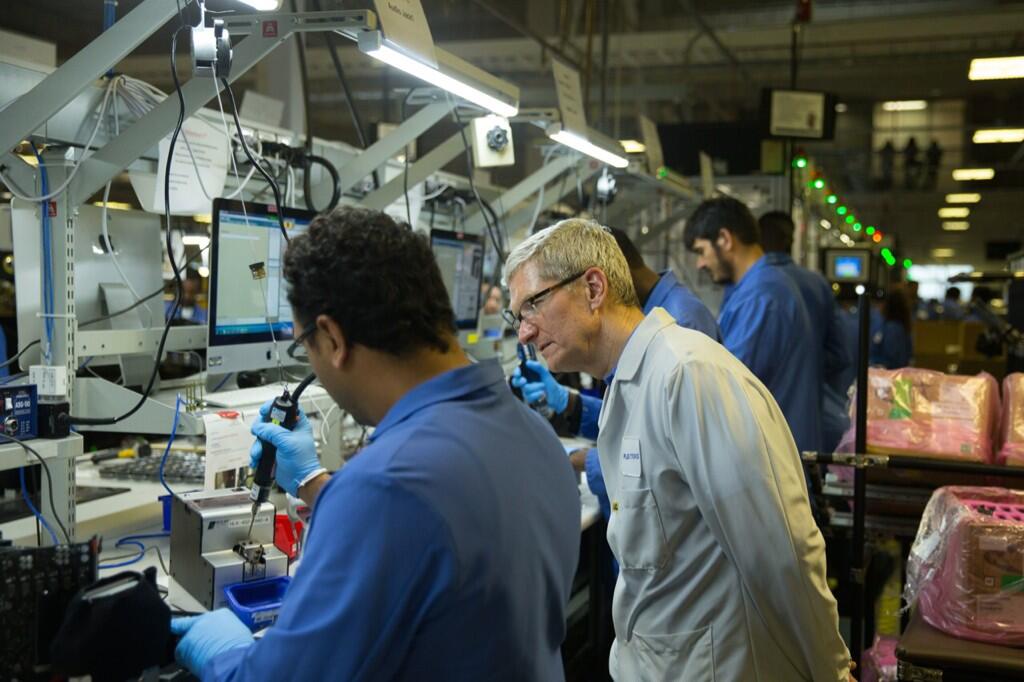
Apple's boss Tim Cook was photographed looking over the shoulder of a factory worker helping assemble a Mac Pro at Apple's manufacturing plant in Austin, Texas. The CEO tweeted out the image on his Twitter account as part of Apple's ongoing effort to promote bringing back (some) manufacturing jobs to the United States.

"Watching the Mac Pro come together in Austin yesterday, thanks to a team loaded with American manufacturing expertise," reads the tweet.

Although the new Mac Pro is not actually 'Made in USA', much of assembly work happens at the Austin plant in which Apple poured in about $100 million...

iPhone 6 models could launch sooner than expected

Apple is expected to launch larger-format iPhones this year and the current crop of rumors are confidently pointing towards the 4.7-incher being released around September, with the bigger 5.5-inch model reportedly delayed until year-end or into early-2015 over component issues.

A new report by DigiTimes, a hit-and-miss Taiwanese trade publication, alleges that the launches of the new handsets could be closer than expected after all. Specifically, it seems Apple has commissioned its manufacturing partners to start churning out the bigger model within a month into the manufacture of the 4.7-inch variant...

TSMC reportedly ships first batch of Touch ID sensors for upcoming iPhones and iPads

Taiwan Semiconductor Manufacturing Company (TSMC), the world's top semiconductor foundry, has reportedly shipped the first batch of the second-generation Touch ID sensors to Apple for use in the upcoming second-generation iPad Air, third-generation iPad mini and of course iPhone 6.

As iDownloadBlog exclusively reported earlier this month, code fragments in iOS 7.1 indicate that Touch ID is coming to iPads, possibly this year and to other iOS devices as well, a discovery further corroborated by previous supply chain reports...

iPhablet to be pricey due to costly sapphire screen?

SEC filings have confirmed that Apple partnered recently with a company called GT Advanced which operates a manufacturing facility in Mesa, Arizona that makes sapphire components. We also know for a fact that Apple prepaid more than half a billion dollars to buy sophisticated furnaces and equipment for the plant, securing multi-year output of sapphire parts on an exclusive basis.

Manufacture of sapphire components commenced recently, according to sources. Now, industrial-scale production like this points beyond sapphire components for the Touch ID sensor and the iSight camera lens protection.

Watchers speculate that Apple's phablet - an iPhone 6, if you will - has a massive sapphire-hardened 5.5-inch screen. But, a new post on China's micro-blogging platform cautions that the rising cost of sapphire display production may hinder Apple's ability to roll out the technology across its entire iOS device lineup...

Apple’s Unibody enclosure manufacturer apparently commissioned to build iPhone 6 metal casings

The metal casing of the next iPhone will be made by Catcher Technology, according to Far East media outlets who on Wednesday relayed analyst notes by investment firms Barclays and Morgan Stanley.

Apparently, Catcher has secured a nice chunk of metal casing orders for the upcoming iPhone 6.

If true, this suggests that the iPhone maker is currenly in the process of cherry-picking suppliers that will provide components for the handset.

A report recently claimed that mass production of a 4.7-inch iPhone model is scheduled to commence in July, ahead of a rumored September introduction...

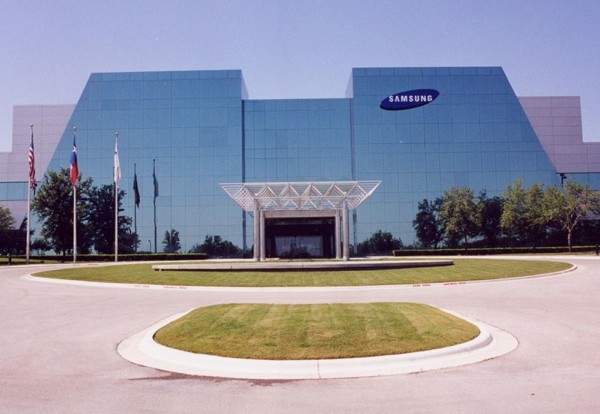
Samsung-GlobalFoundries deal gives Apple’s chip production greater flexibility

As Apple continues to move anything it can away from Samsung as a result of heightened competition, fierce rivalry and an ugly patent spat between the two technology giants, Samsung seems to be doing the opposite, hoping to to please Apple's enormous appetite for mobile processors powering iOS devices.

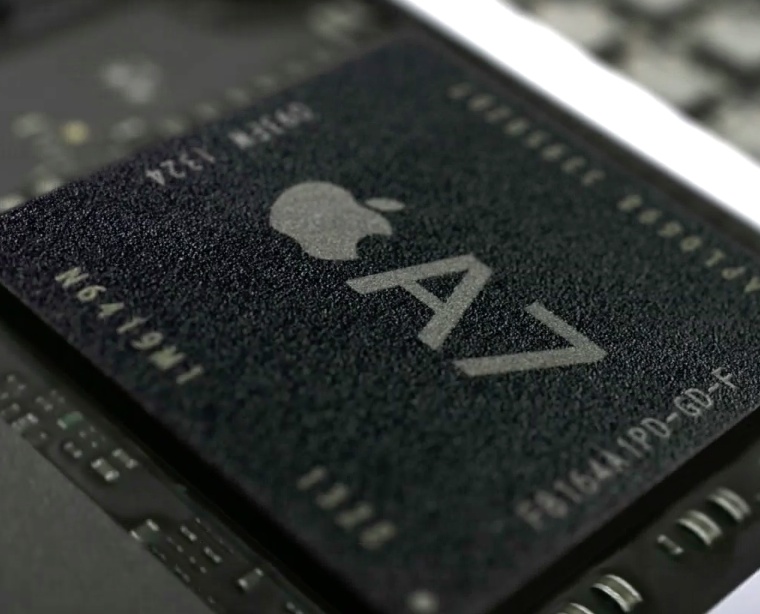
More than a thousand in-house Apple engineers design chips like the A7 processor and the M7 motion coprocessor. The former, the mobile industry's first 64-bit processor, serves as the engine that drives the latest crop of iOS devices like the iPad Air, the iPad mini with Retina display and the iPhone 5s.

To manufacture these things in volume according to its blueprints, Apple relies on some of the biggest of the chip-making services known as foundries because it doesn't have or operate its own semiconductor plant, an investment upward of $10 billion.

Samsung semiconductor arm has thus far churned out all Apple-designed mobile chips. Moreover, the company remains adamant to do so in the future despite its straining relationship with Apple and persistent talk of the iPhone maker throwing itself into the arms of Taiwan Semiconductor Manufacturing Company (TSMC), the world's largest independent semiconductor foundry.

Samsung and GlobalFoundries, the Santa Clara, California headquartered chip foundry, yesterday signed a global partnership to standardize mobile chip production around the same 14nm FinFET process technology. The deal gives Apple the flexibility to build its A-series processors at both foundries, which was previously impossible due to the foundries' incompatible production processes...