Learn how to enable a setting to sort completed checklist items in the Notes app for you and keep pending list items right at the top.
How to auto sort completed items in Apple Notes checklists
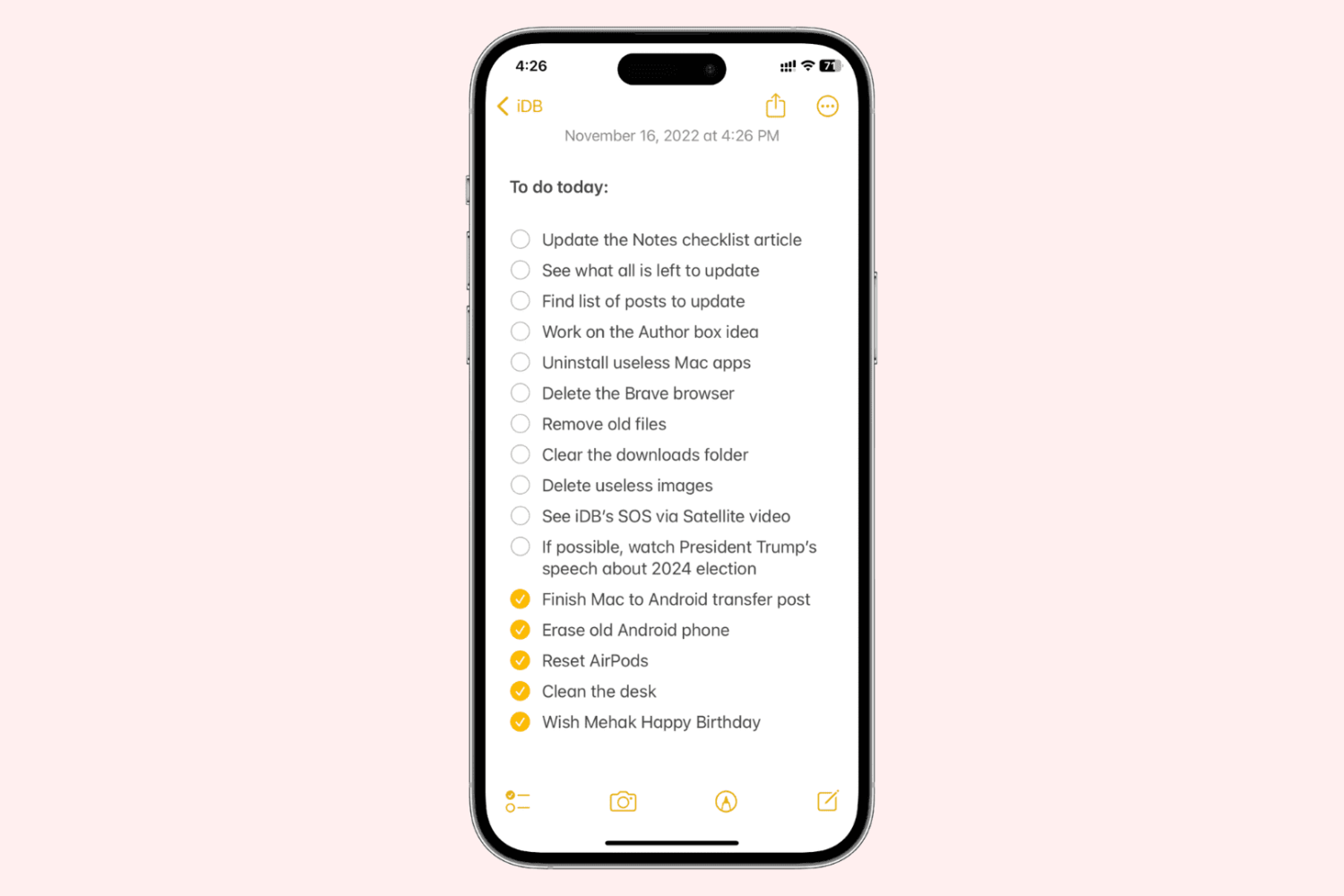
Learn how to enable a setting to sort completed checklist items in the Notes app for you and keep pending list items right at the top.

Whether you've just ordered Apple's expensive over-ear AirPods Max headphones or are already a happy owner of a pair of these, you might want to watch our video tutorial going over the physical and software details, including tips and tricks for using the headphones like a pro.
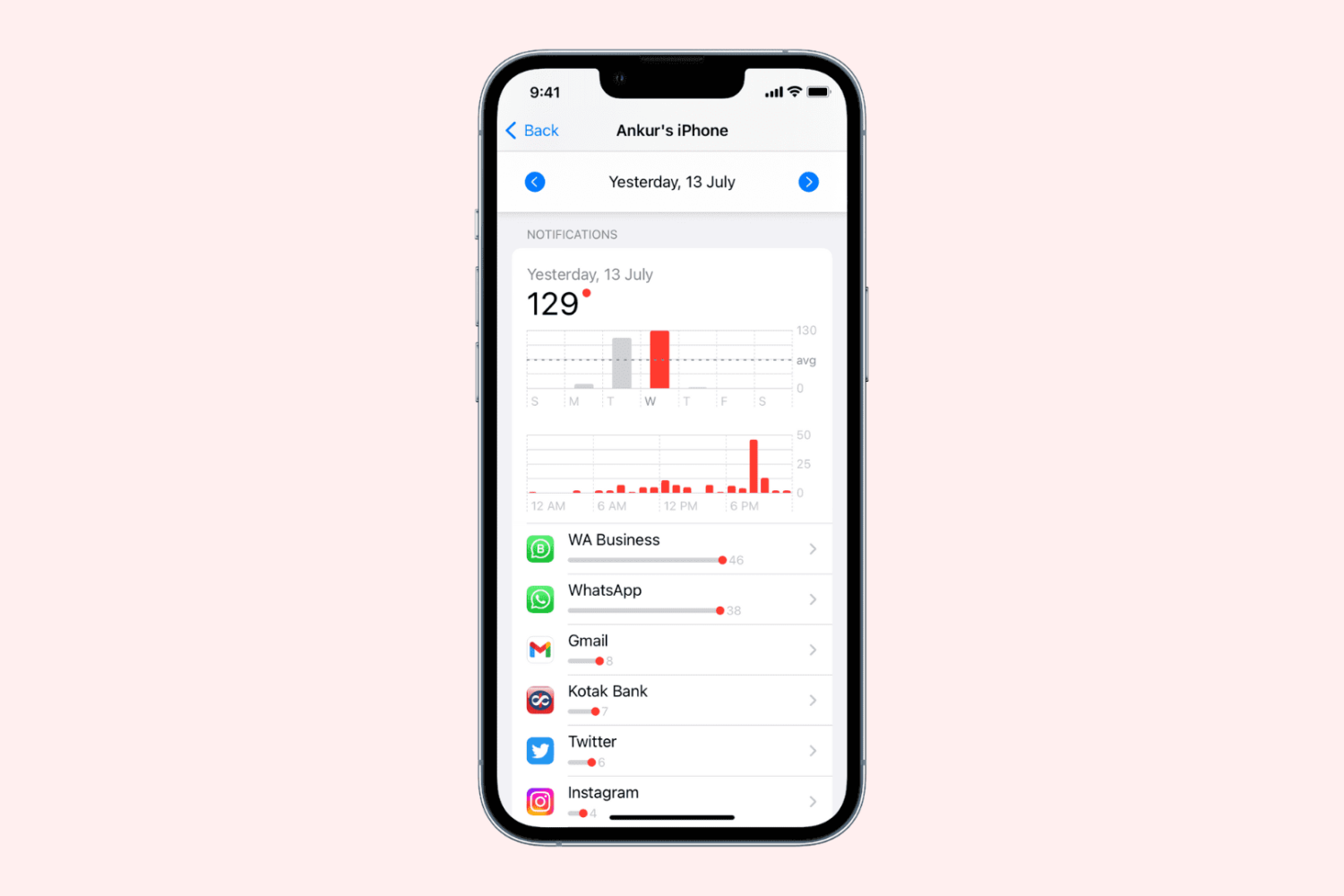
Learn how to find out how many notifications you’ve been receiving on your iPhone, iPad, or Mac, and which apps sent all these alerts.
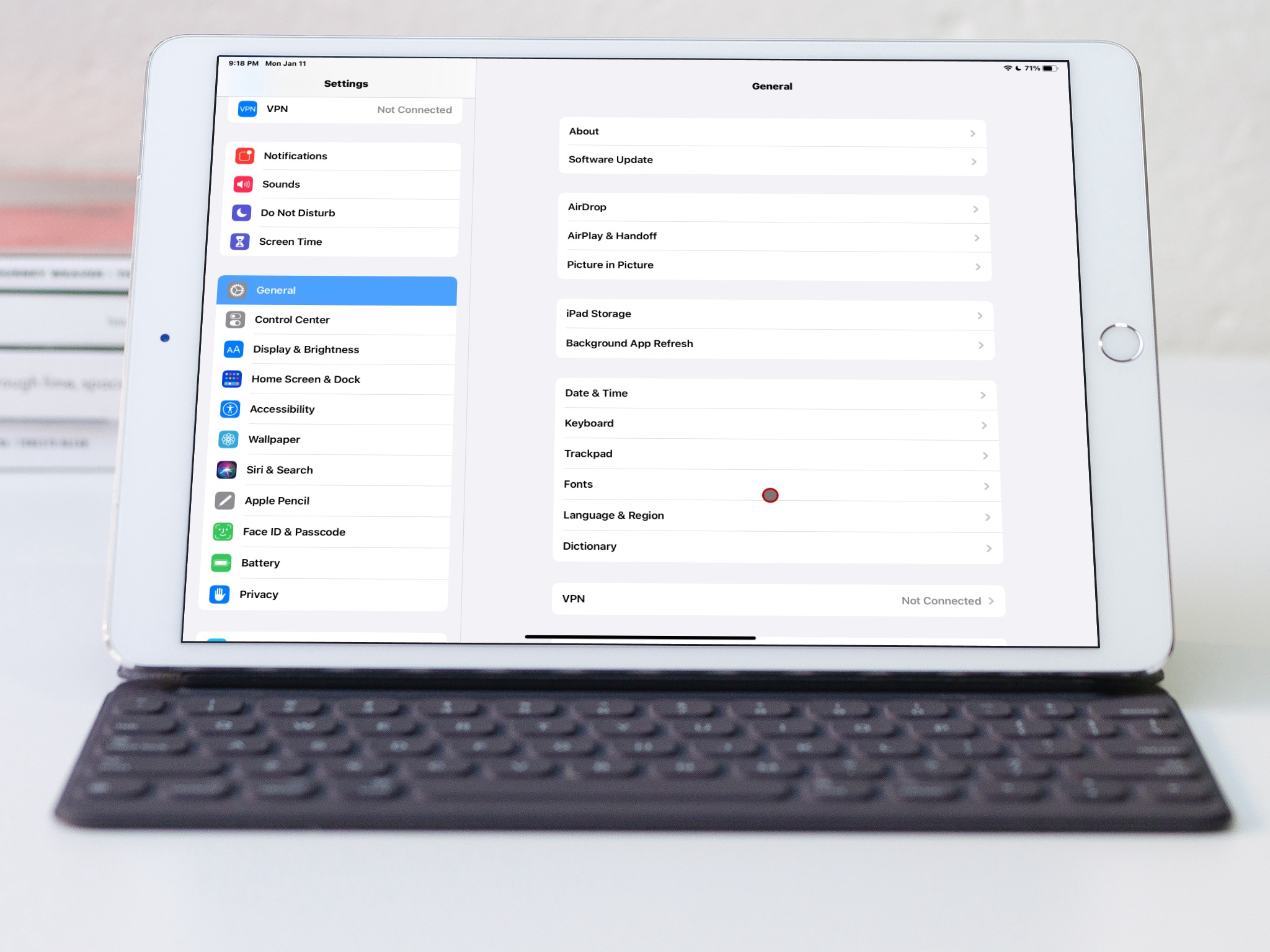
Learn how to switch to bold text on iPhone, iPad, Apple TV, and Apple Watch to display all system text in boldface characters.

In this tutorial, we’ll show you how to use the Intercom feature on HomePod and customize its settings to make the most out of this cool feature.
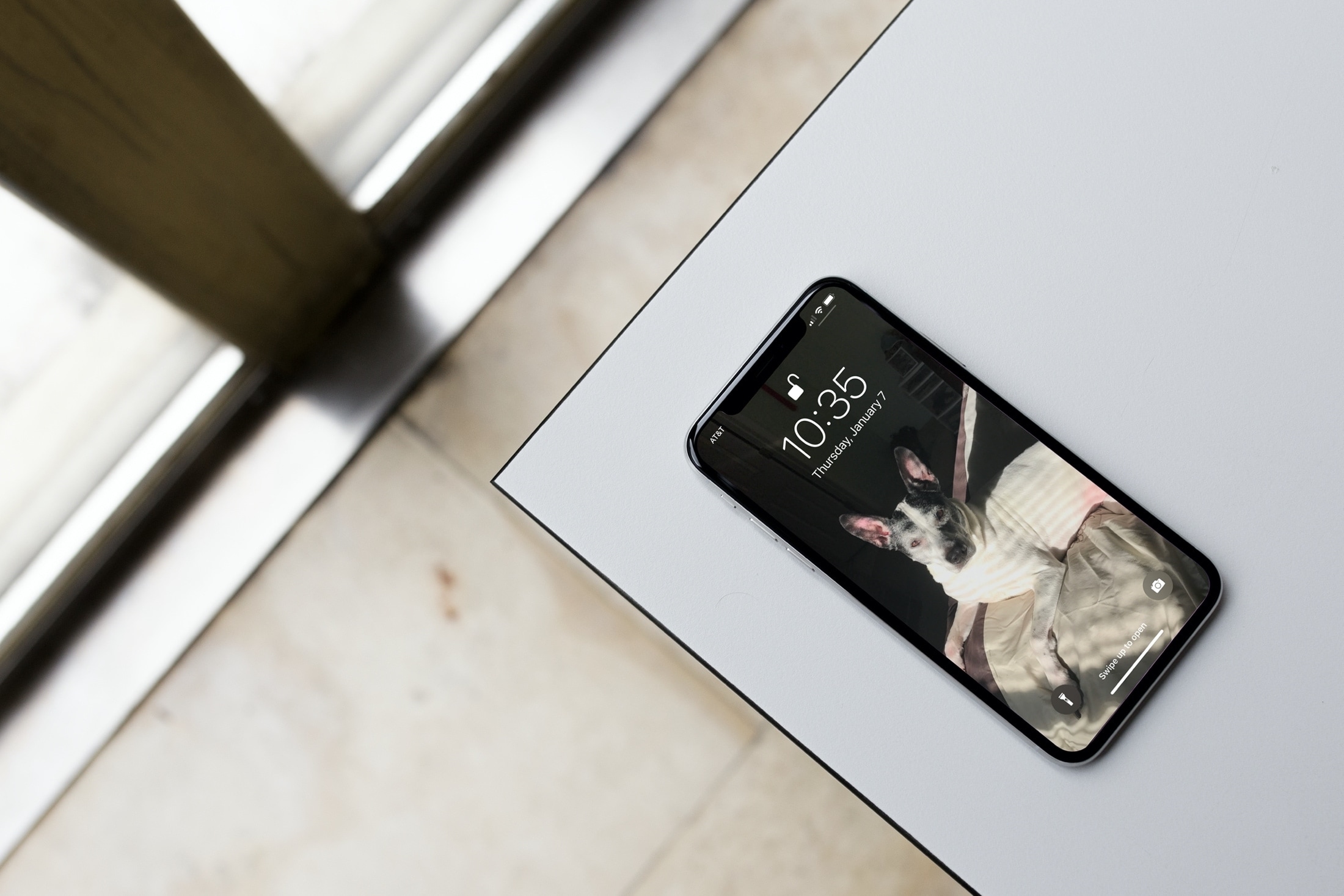
Forgot who your phone carrier is? Here are seven ways to check what cellular carrier your iPhone is currently on.

Create an Apple ID or iCloud account for your child so they can have their own Apple Account on their iPhone, iPad, Apple Watch, or Mac and take full advantage of the features that come with it.

In this tutorial, we’ll walk you through the steps to reset Bluetooth on your Mac to fix common wireless connection issues with your Bluetooth accessories.
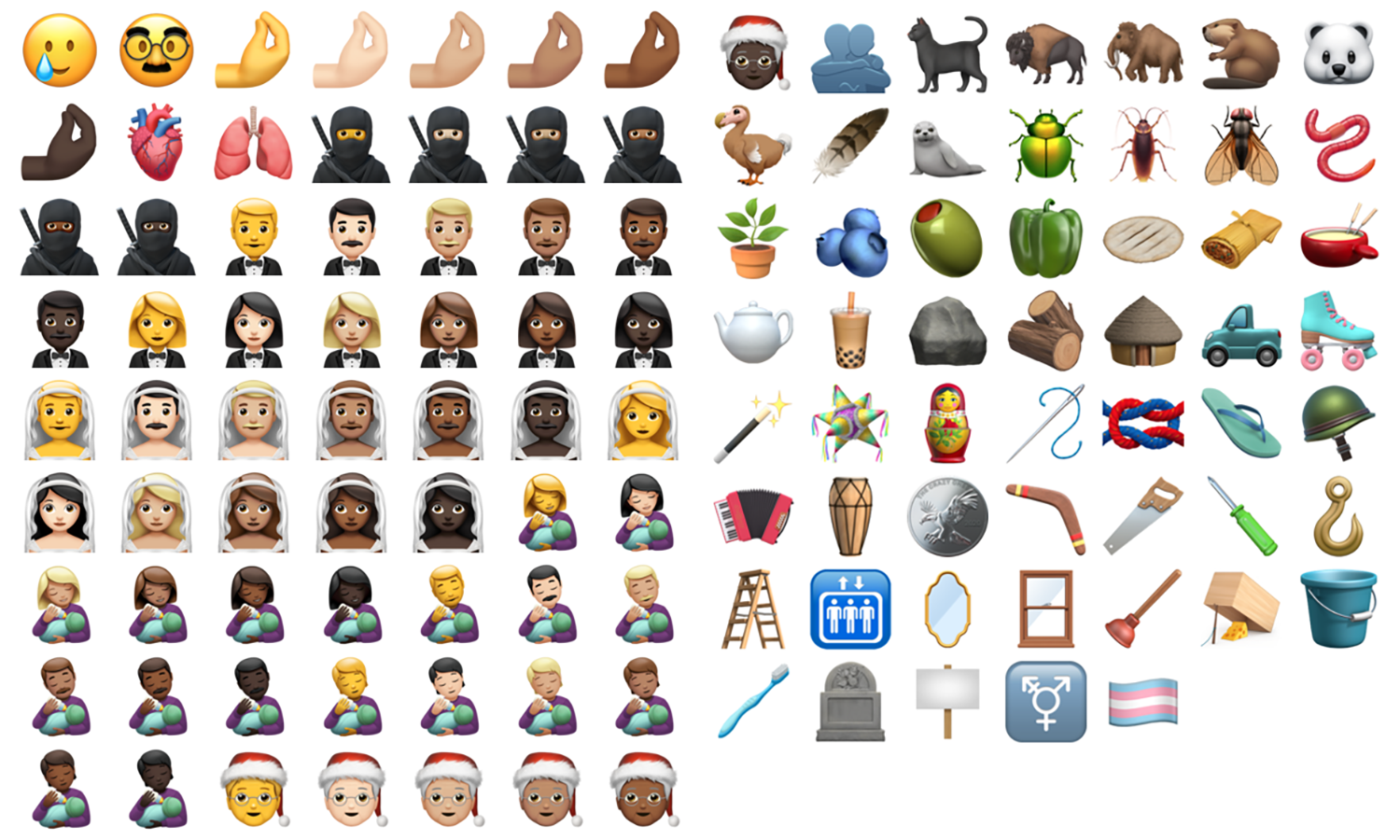
The last few iOS point releases had been all quiet on the emoji front, but iOS and iPadOS 14.2 brought over 100 novelties to users, including such ragers as "Pinched Fingers" (that emphatic gesture which often accompanies a hackneyed impression of an Italian), "Bubble Tea", "Ninja", and "Tamale" (at last!). Whilst stock users will have to update to iOS 14.2 to make use of these little beauties, jailbroken users don't have to, thanks to developer Poomsmart.
Choosing between losing your jailbreak by updating to iOS 14.2, or being unable to spam your friends with the Dodo emoji, is thankfully not necessary. We'll show you how to get the best of both worlds.
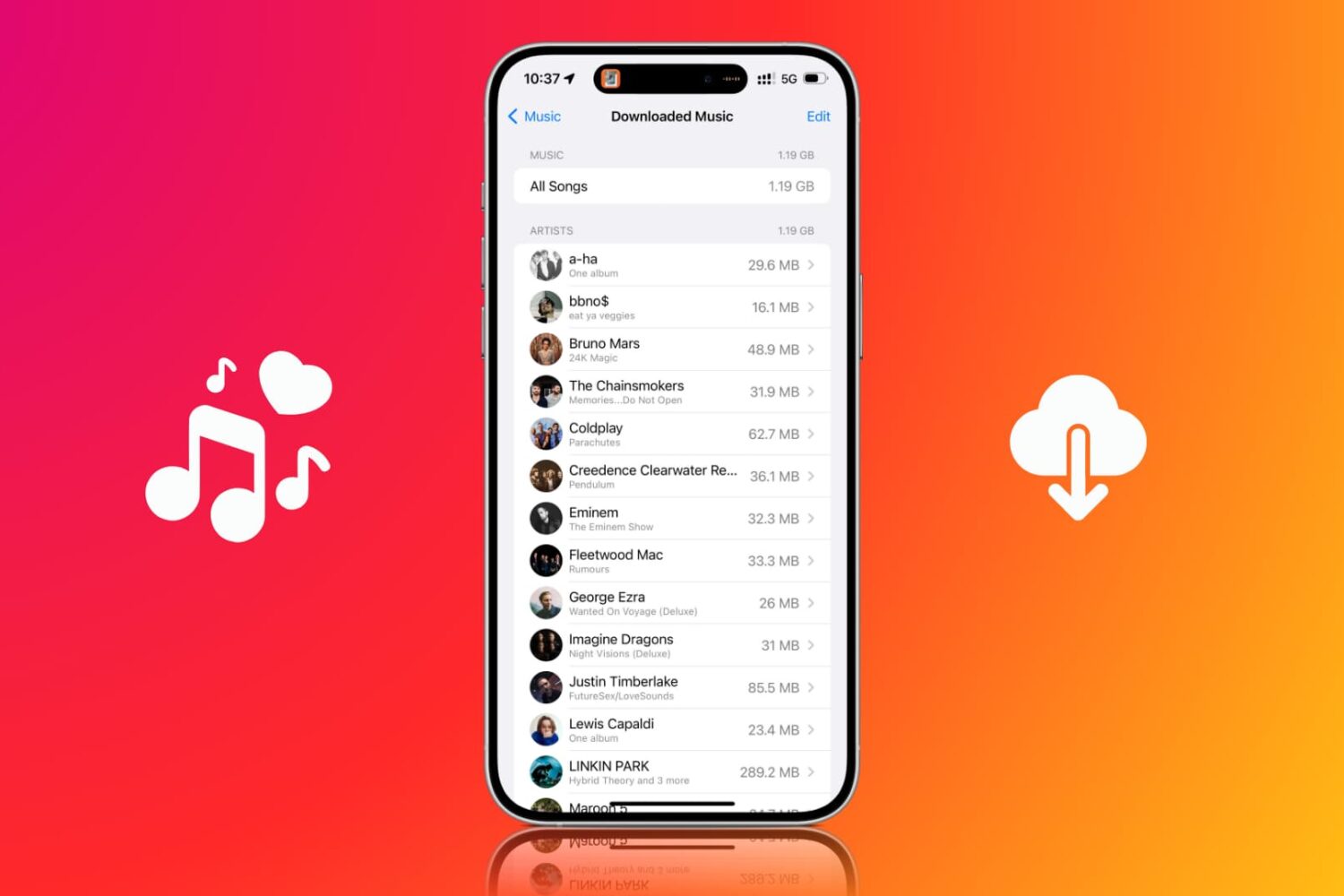
Use the Optimize Storage feature to limit how much space downloaded Apple Music songs take up on your iPhone and iPad.
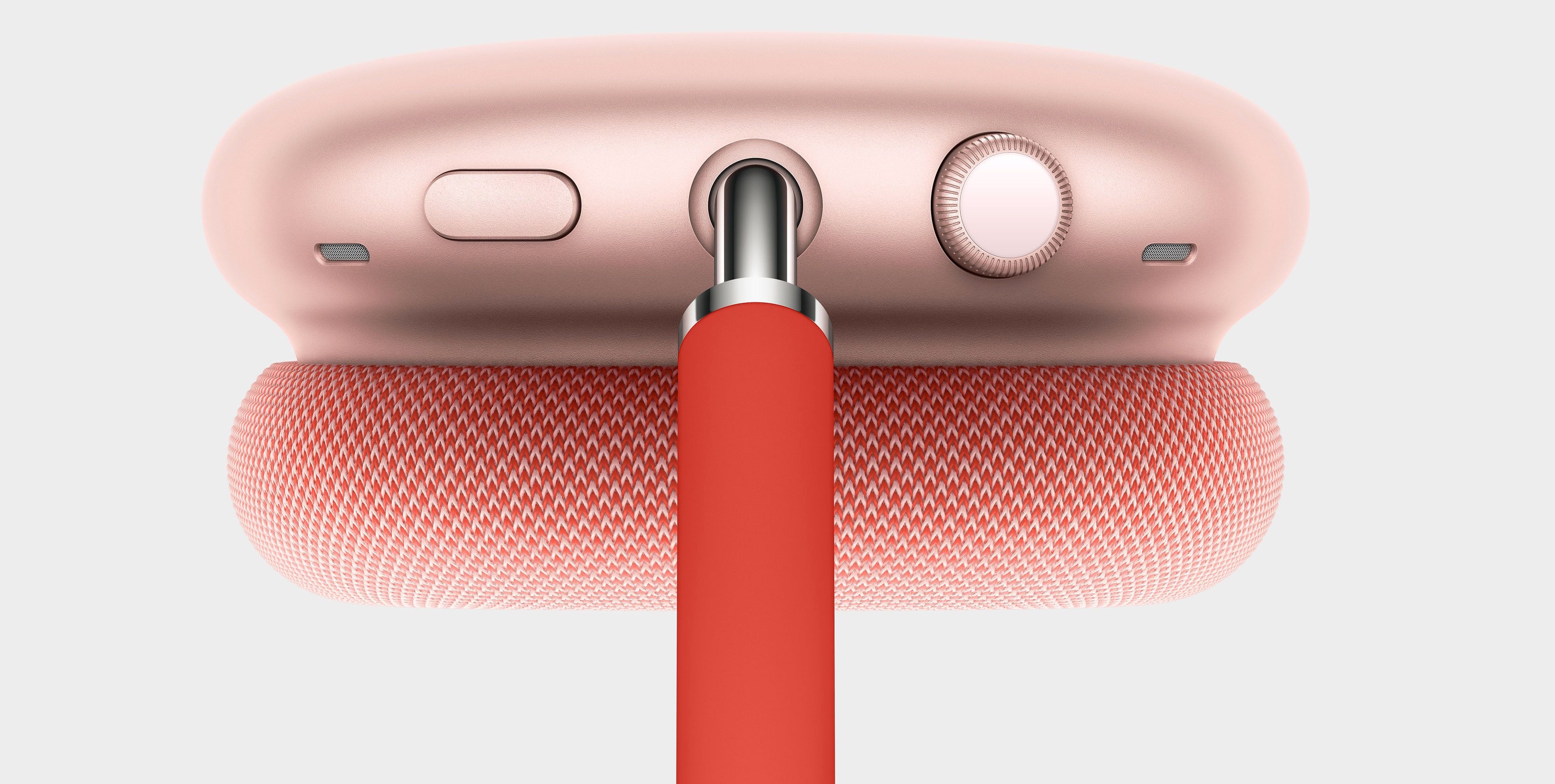
Your AirPods Max over-ear headphones feature a rotatable Digital Crown button, located on the top of the right earphone. Follow along with this tutorial to learn all the ways you can use the Digital Crown to pause, resume or skip the music you’re listening to (or the video you’re watching), as well as adjust the volume, invoke Siri, answer and end calls, and much more..