Chips

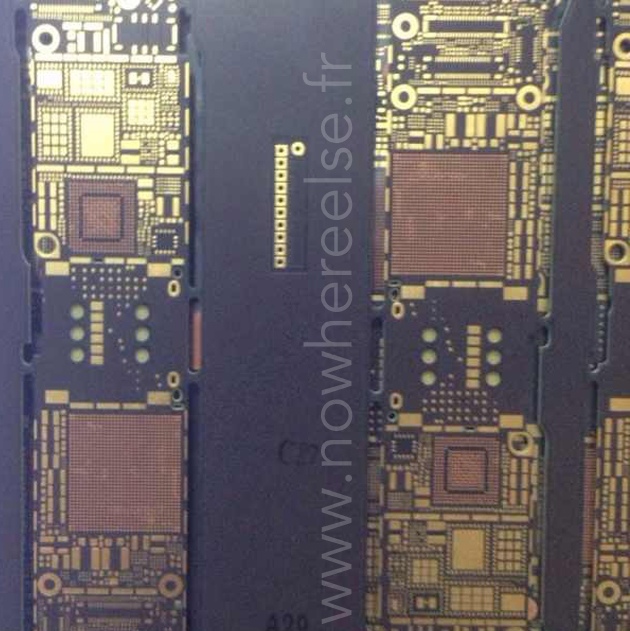
Claimed circuit board hints at NFC-enabled iPhone 6 – again!

Combing through our archive of posts mentioning "iPhone" and "NFC" is all it takes to realize that talk of Apple allegedly adopting NFC is intensifying, not dying down. In fact, rumors calling for NFC-enabled iPhones date as far back as 2011!

Thus far, however, the iconic smartphone has not picked up support for NFC technology, which is an acronym for Near Field Communication. On the other hand, Apple has numerous NFC-related patents.

Additionally, it doesn't really hurt to mention that a growing number of high-end Android handsets include NFC as part of their standard feature set. Well, today a claimed image has surfaced apparently picturing an iPhone 6 printed circuit board with what appears to be an embedded NFC chip...

Apple to move from TSMC to Samsung for next-gen chip production

Last year, Apple reached an agreement with Taiwan Semiconductor Manufacturing Company (TSMC) to make processors for its iOS devices. The deal was part of a larger effort by the iPad-maker to reduce its reliance on Samsung.

But the move may not last long. Citing supply chain sources and KGI Securities analyst Michael Liu, Reuters is reporting that Apple is looking to shift production of its 14-nanometer next-generation chips from TSMC to Samsung...

Rumor: Apple’s A8 chip boasts frequencies of 2.0GHz or more per core

Given Apple's past mobile processor patterns, it's fairly safe to assume that the new iPhones and iPads - when they drop this Fall - will feature a new A8 chip, designed by Apple and manufactured by both Samsung and Taiwanese chip foundry Taiwan Semiconductor Manufacturing Company (TSMC).

We also heard whispers that the A8 chip focuses primarily on power efficiency and thus yields only marginal CPU speed increases. However, if a new report out of China is anything to go by, that may not be the case after all as the new 20-nanometer chip is said to boasts clock frequencies of 2.0GHz or more per core...

WSJ: TSMC starts shipping 20nm A8 chips to Apple

It's been long rumored that Apple for years has been working with Taiwan Semiconductor Manufacturing Company (TSMC), the world's largest independent chip foundry, on building its in-house designed processors that power the iPhone, iPod touch, iPad and Apple TV devices.

Thus far, several conflicting reports have indicated that TSMC has been running test production of the upcoming A8 processor for months now, with other sources insisting that the Taiwanese chip foundry was unsuccessful kickstarting mass-production over ongoing yield issues.

A report Thursday by The Wall Street Journal has it on good authority that TSMC finally began shipping its first batch of microprocessors to Apple in the second quarter...

Retina MacBook Air hits roadblocks as Intel’s Broadwell chips face new delays

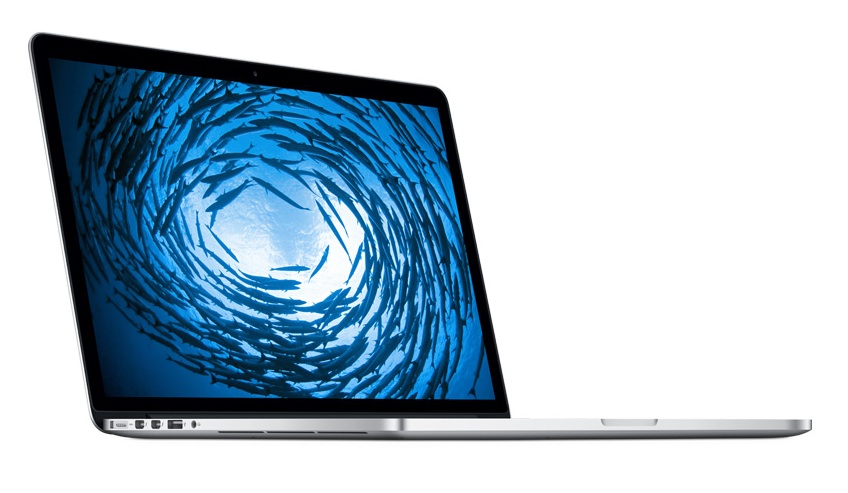
It's hardly a secret that Apple is looking to phase out non-Retina models from its MacBook Pro lineup.

Furthermore, the expected switch to all-Retina notebooks should over time affect Apple's ultra-portable MacBook Air model, too.

I mean, even Apple's Taiwan-based suppliers have been adamant that a long-expected version of the MacBook Air with Apple's Retina display is due in the second half of 2014.

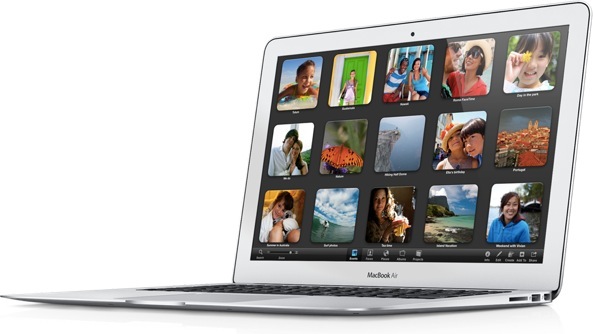
Unfortunately, it's now almost certain that a Retina MacBook Air won't see the light of day this year because the crucial components - Intel's next-generation, extremely low-power Broadwell chips - reportedly won't be available in volume until mid-2015...

DigiTimes: Samsung receives orders for 14nm Apple A9 chip

Kicking Samsung out of the supply chain for Apple-designed iPhone and iPad processors may be easier said than done.

For years now Apple's attempted to kickstart mass production of these chips at Taiwan Semiconductor Manufacturing Company (TSMC), the world's largest independent semiconductor foundry, to no avail.

As TSMC continues to cope with yield issues, technological hurdles and scale, rival Samsung is said to have landed orders for Apple's A9 processor set to appear inside next year's iPhone and iPad devices.

According to a new report by DigiTimes, the somewhat accurate Taiwanese trade publication, the sophisticated microprocessor will be fabbed on Samsung's advanced 14-nanometer process technology, albeit not exclusively...

Synaptics acquiring iPhone display chipmaker Renesas SP Drivers for $475 million

As expected, touchscreen chipmaker has announced that it will be buying Renesas SP Drivers, the sole supplier of display chips for the iPhone. The deal is said to be worth $475 million—around the same price Apple was rumored to bid for the company earlier this year.

For those unfamiliar with Renesas, it's a joint venture between Powerchip and Sharp that specializes in building LCD drivers for small and mid-sized LCD panels. These chips determine a display's quality, and typically account for around 10% of a device's battery usage...

Synaptics beats Apple to the punch on Renesas SP Drivers acquisition

Apple has failed to follow through with its rumored acquisition of the chipmaker Renesas Electronics' mobile display chip division, Renesas SP Drivers. Reuters reported Tuesday that the iPhone maker has definitely lost its bid to acquire Renesas to Synaptics, a company that builds touchpads and touchscreens for an array of mobile and desktop devices.

The development is especially newsworthy given that Synaptics was once an Apple supplier (the company is not listed on Apple's list of 2014 suppliers). Basically, this means that the powerful consumer electronics powerhouse has gotten outbid by one of its former suppliers...

Revived rumor reiterates Apple continues to prototype Macs with ARM chips

It's been speculated for years that Macs which run ARM-based processors instead of Intel chips have been in internal testing for quite some time.

This weekend a French publication has resurrected the rumor, claiming that the iPhone maker is indeed actively prototyping several ARM-based Mac models.

Moreover, the company is also working on a brand new keyboard which integrates the Magic Trackpad, Apple's multitouch trackpad currently available as a standalone $69 accessory. But why would Apple transition from Intel to ARM-based chips and what benefits would such a major brain transplant bring to your daily computing?

Read on for the full reveal...

Samsung-GlobalFoundries deal gives Apple’s chip production greater flexibility

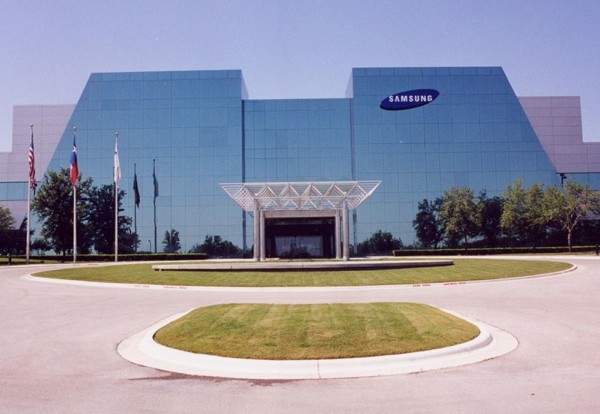
As Apple continues to move anything it can away from Samsung as a result of heightened competition, fierce rivalry and an ugly patent spat between the two technology giants, Samsung seems to be doing the opposite, hoping to to please Apple's enormous appetite for mobile processors powering iOS devices.

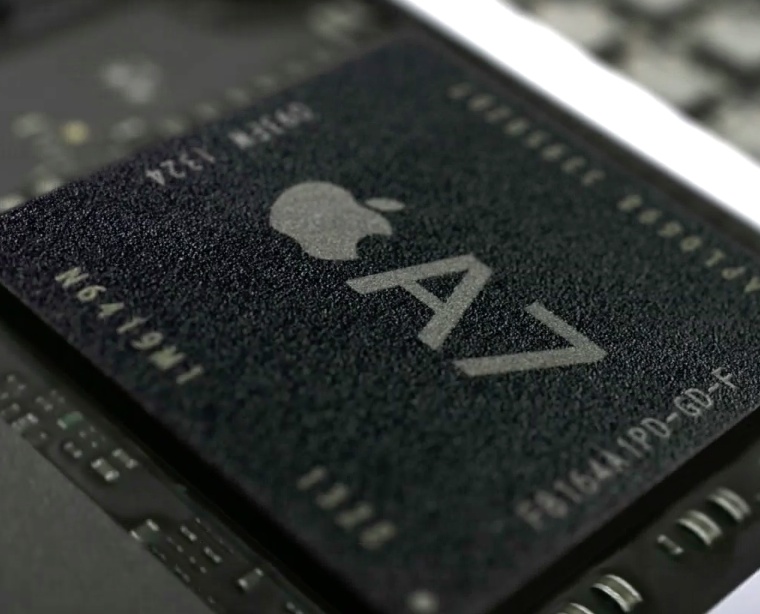
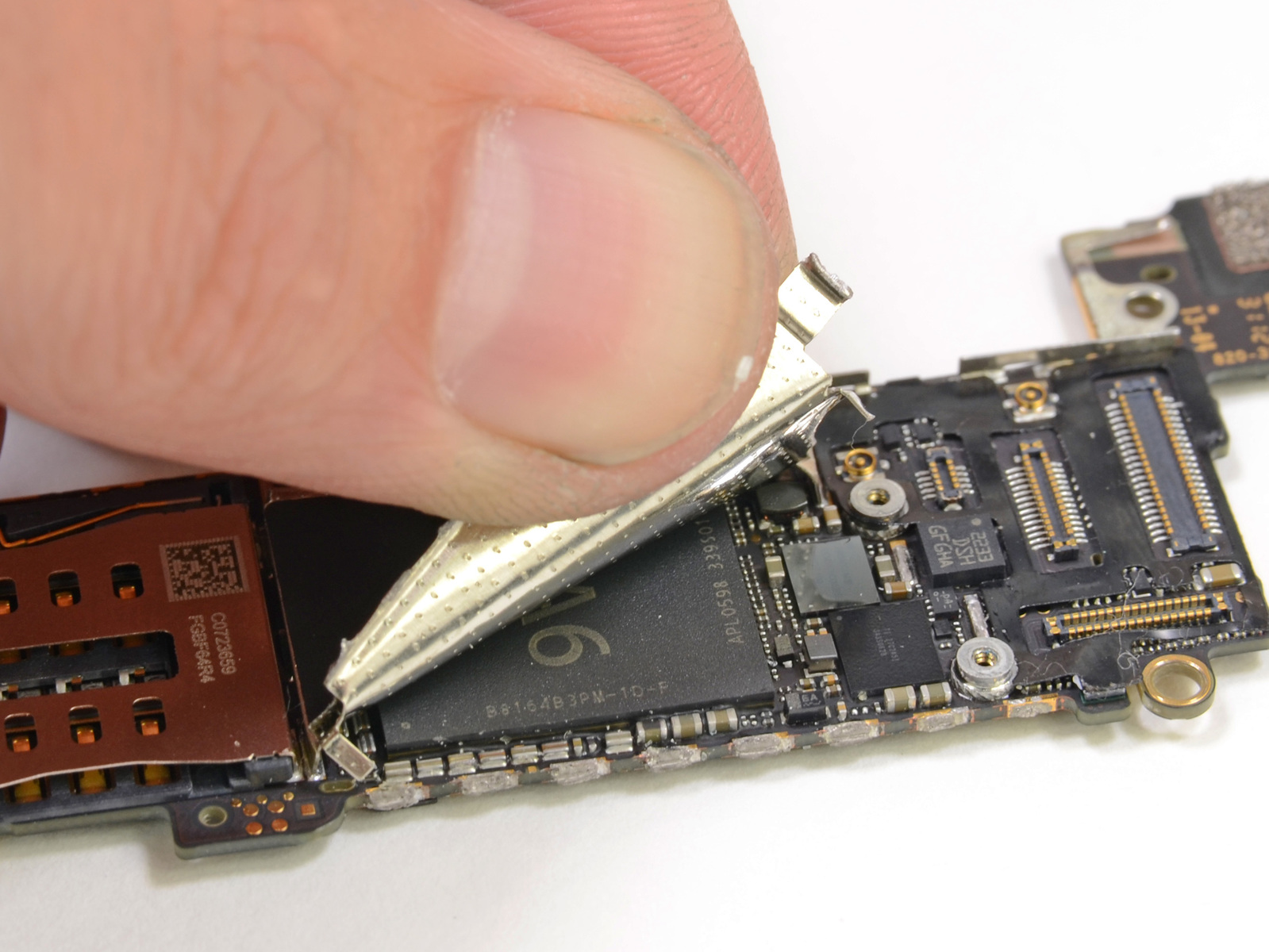
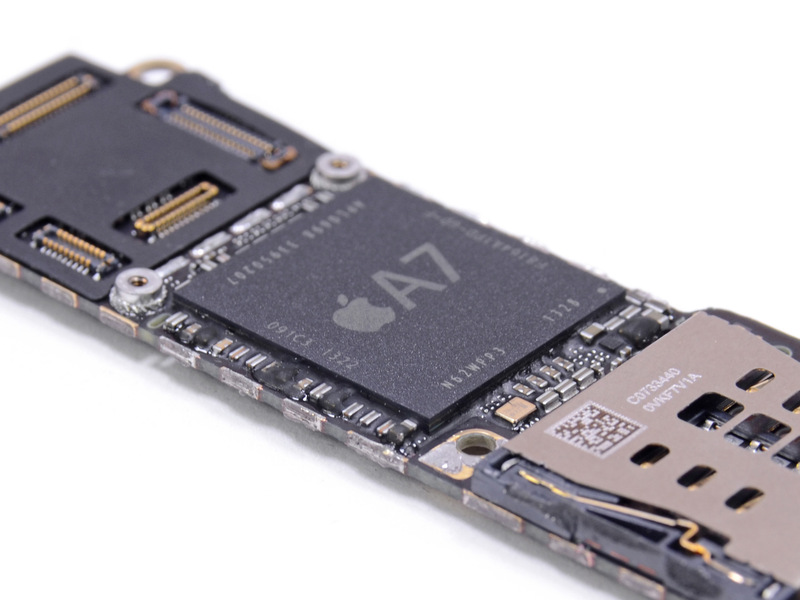
More than a thousand in-house Apple engineers design chips like the A7 processor and the M7 motion coprocessor. The former, the mobile industry's first 64-bit processor, serves as the engine that drives the latest crop of iOS devices like the iPad Air, the iPad mini with Retina display and the iPhone 5s.

To manufacture these things in volume according to its blueprints, Apple relies on some of the biggest of the chip-making services known as foundries because it doesn't have or operate its own semiconductor plant, an investment upward of $10 billion.

Samsung semiconductor arm has thus far churned out all Apple-designed mobile chips. Moreover, the company remains adamant to do so in the future despite its straining relationship with Apple and persistent talk of the iPhone maker throwing itself into the arms of Taiwan Semiconductor Manufacturing Company (TSMC), the world's largest independent semiconductor foundry.

Samsung and GlobalFoundries, the Santa Clara, California headquartered chip foundry, yesterday signed a global partnership to standardize mobile chip production around the same 14nm FinFET process technology. The deal gives Apple the flexibility to build its A-series processors at both foundries, which was previously impossible due to the foundries' incompatible production processes...

Apple poaching Broadcom talent as rumors of in-house baseband chip development intensify

Following talk of Apple's rumored initiative that would have it develop its own baseband chips for 2015 iPhones and iPads in-house, AppleInsider has learned the firm's recently poached a pair of longtime semiconductor engineers from chipmaker Broadcom.

Both men are experienced at building RF hardware and have led the effort to produce baseband transceivers used by Nokia and Samsung devices.

Apple counts Broadcom as its supplier: the iPhone 5s uses a Broadcom touchscreen controller and the handset's Wi-Fi chip by Murata is based on Broadcom's BCM4334 module, according to a teardown analysis by repair experts over at iFixIt...

Apple allegedly working on its own baseband chips for 2015 iPhones and iPads

As you know, Apple's in-house teams have been designing the engine that drives the iPhone, iPod touch, iPad and Apple TV devices for years now. However, the company still sources one crucial piece of silicon from a third-party: it buys baseband modems that provide the iPhone and iPad with cellular connectivity from Qualcomm. But even that could soon change, if a new rumor is an indication.

DigiTimes, the hit-and-miss Taiwanese trade publication, is reporting that Apple is planning to form a research and development team to engineer baseband processors for iPhones fully in-house. The move would empower the firm to take an even greater control of its chip destiny.

In years past, Apple acquired several fabless semiconductor makers such as PA Semi and Intrinsity for their talent and technology. Apple now has over a thousand silicon and wireless engineers who design A-series of chips in house by licensing CPU and GPU blueprints from ARM and Imagination Technology, respectively, optimizing their designs for speed, low power consumption and iOS...