Learn how to always use Outlook in Dark Mode on your iPhone and computer or set it to mimic your device's system-wide Dark and Light Mode settings.
How to use Outlook in Dark Mode on iPhone and computer

Learn how to always use Outlook in Dark Mode on your iPhone and computer or set it to mimic your device's system-wide Dark and Light Mode settings.
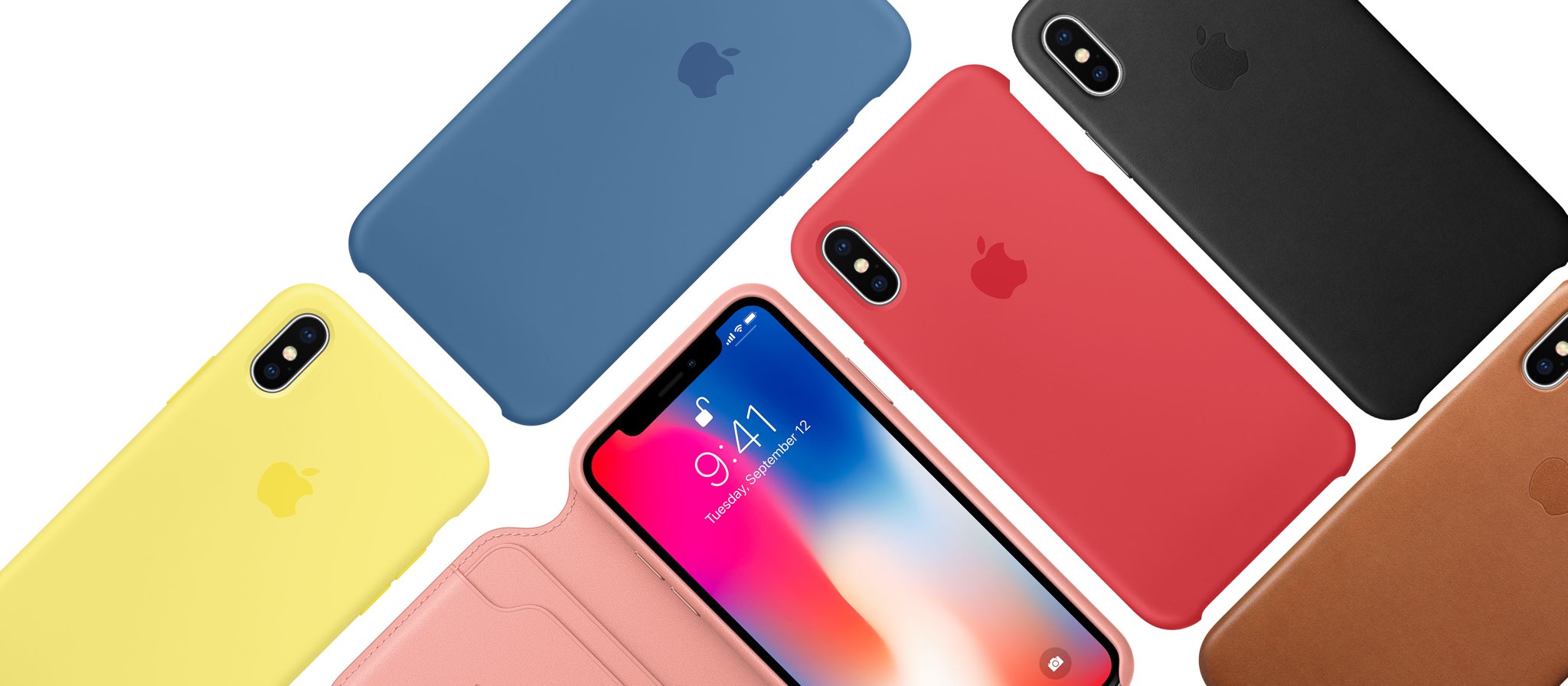
The rumored budget iPhone with a 6.1-inch LCD screen is expected to launch in multiple colors, according to influential analyst Ming-Chi Kuo, and now a new report offers additional info.
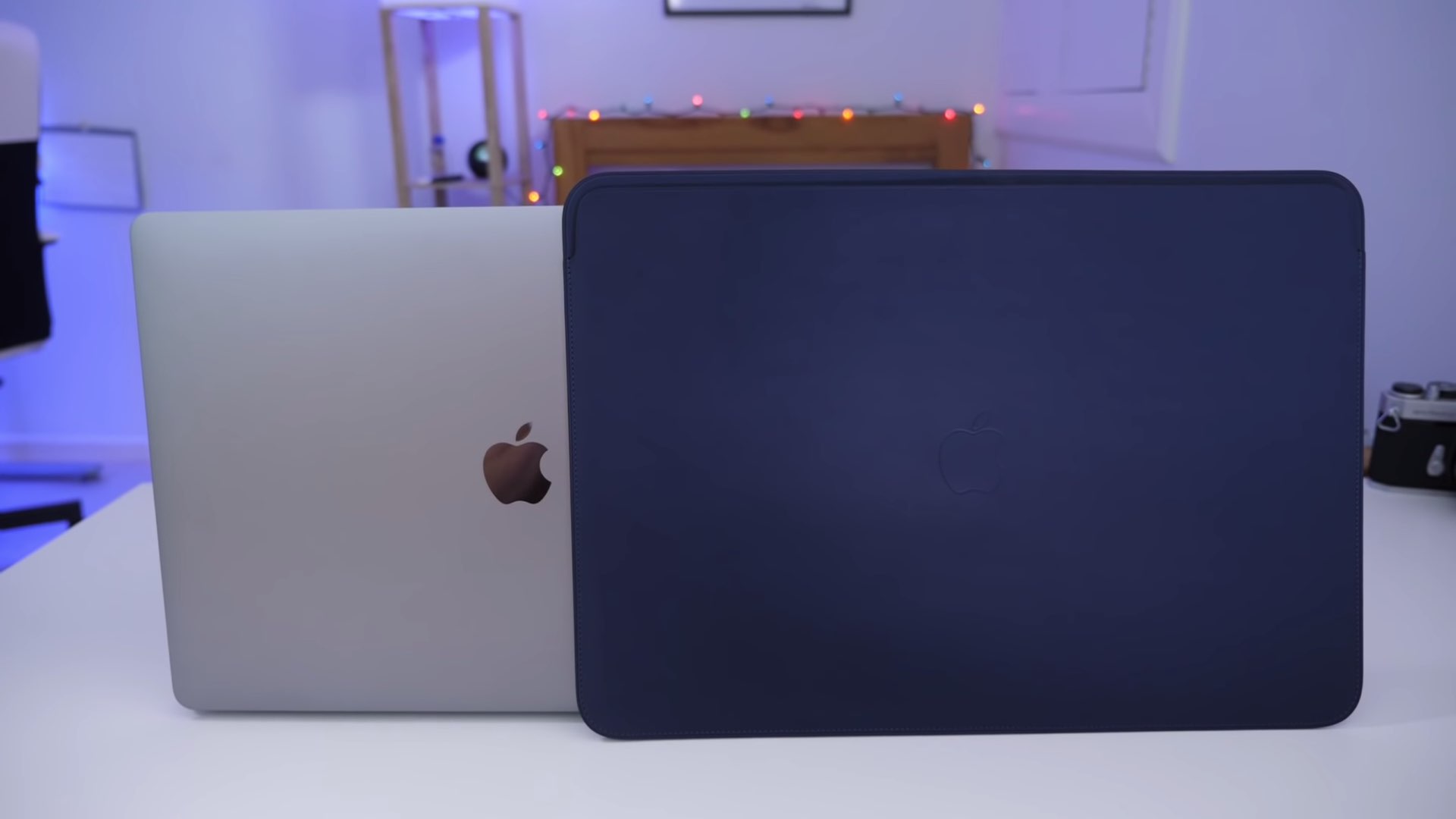
Following a recent announcement of the upgraded MacBook Pro family for 2018, Apple also released a luxury yet pricey leather sleeve for the pro notebook under the radar. But coming in at $179/$199, is Leather Sleeve for MacBook Pro worth the steep asking price?

By assembling iPhones in China, Apple has been able to tap into the country's vast workforce and massive manufacturing capabilities. In doing so, the company's most profitable product is also considered an export. That distinction could soon place iPhone in the center of the ever-growing U.S.-China trade fight, according to The Wall Street Journal.
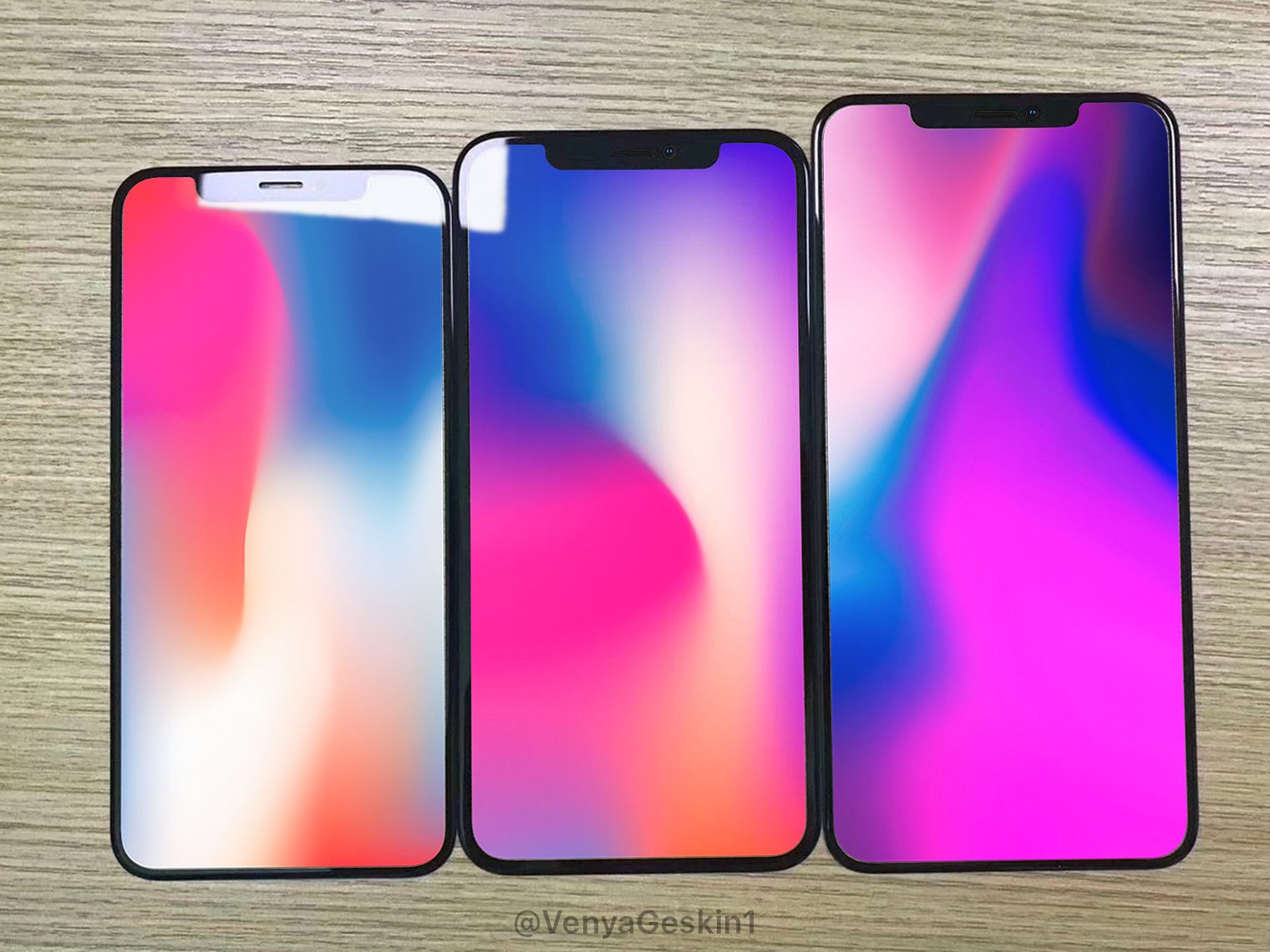
As Apple is prepping to kick off mass-production of 2018's iPhone models, its favorite manufacturer Foxconn is now offering staff retention bonuses and ramping up seasonal hiring.

With Italy's breathtaking Piazza Liberty store opening Thursday, Apple just gave eager fans an early look at the upcoming retail outlet that it says will revitalize a piazza in the center of Milan.
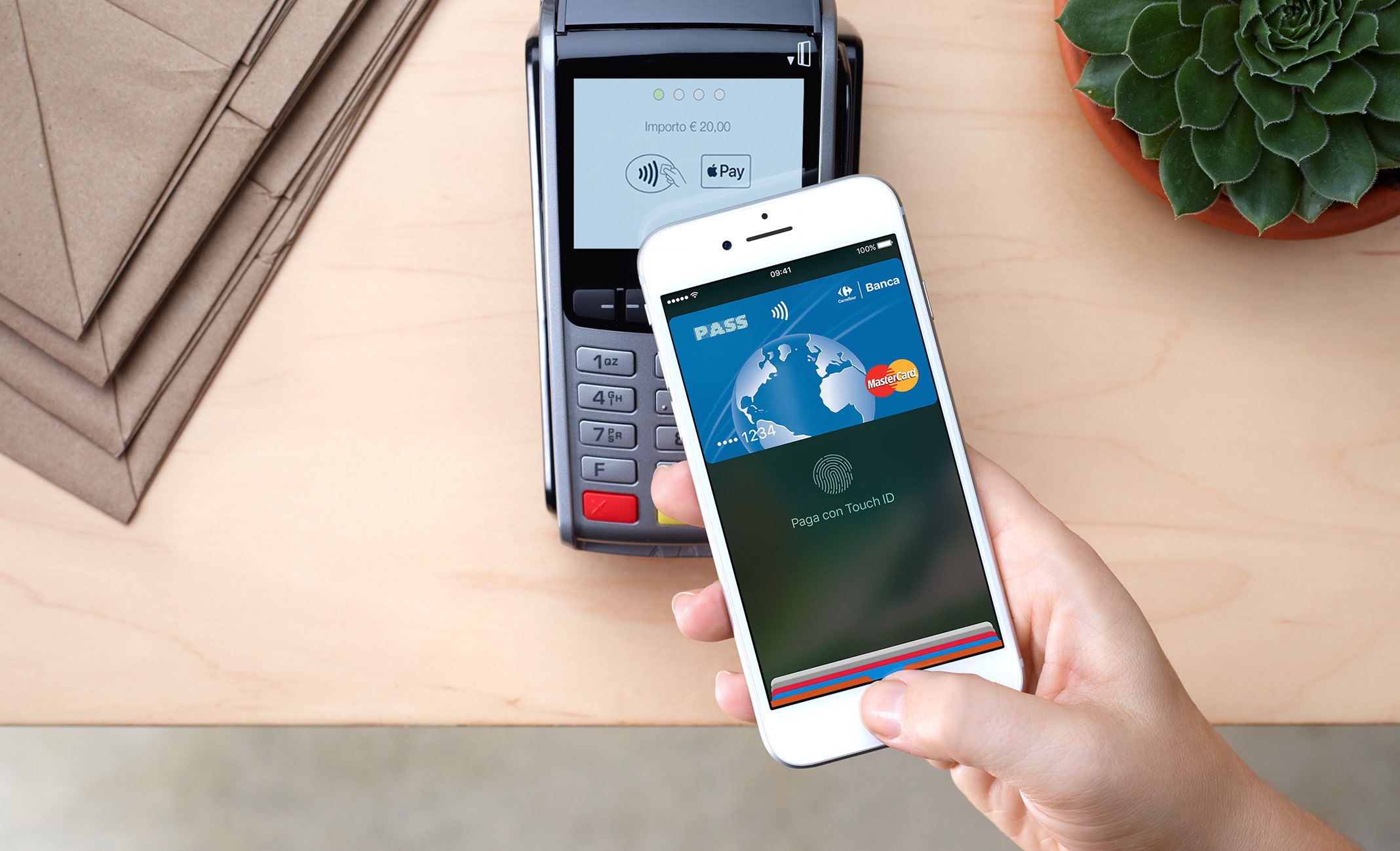
With eBay and Paypal no longer part of the same corporate entity, the e-commerce site is looking to offer more payment options to sellers. Chief among them is Apple Pay, which is expected to begin rolling out as a payment option before the end of the year, according to AppleInsider.

Festicket, a UK-based online booking platform for festivals, has partnered with Spotify to help music lovers discover music festivals around them and find festival tickets based on the music they listen to.
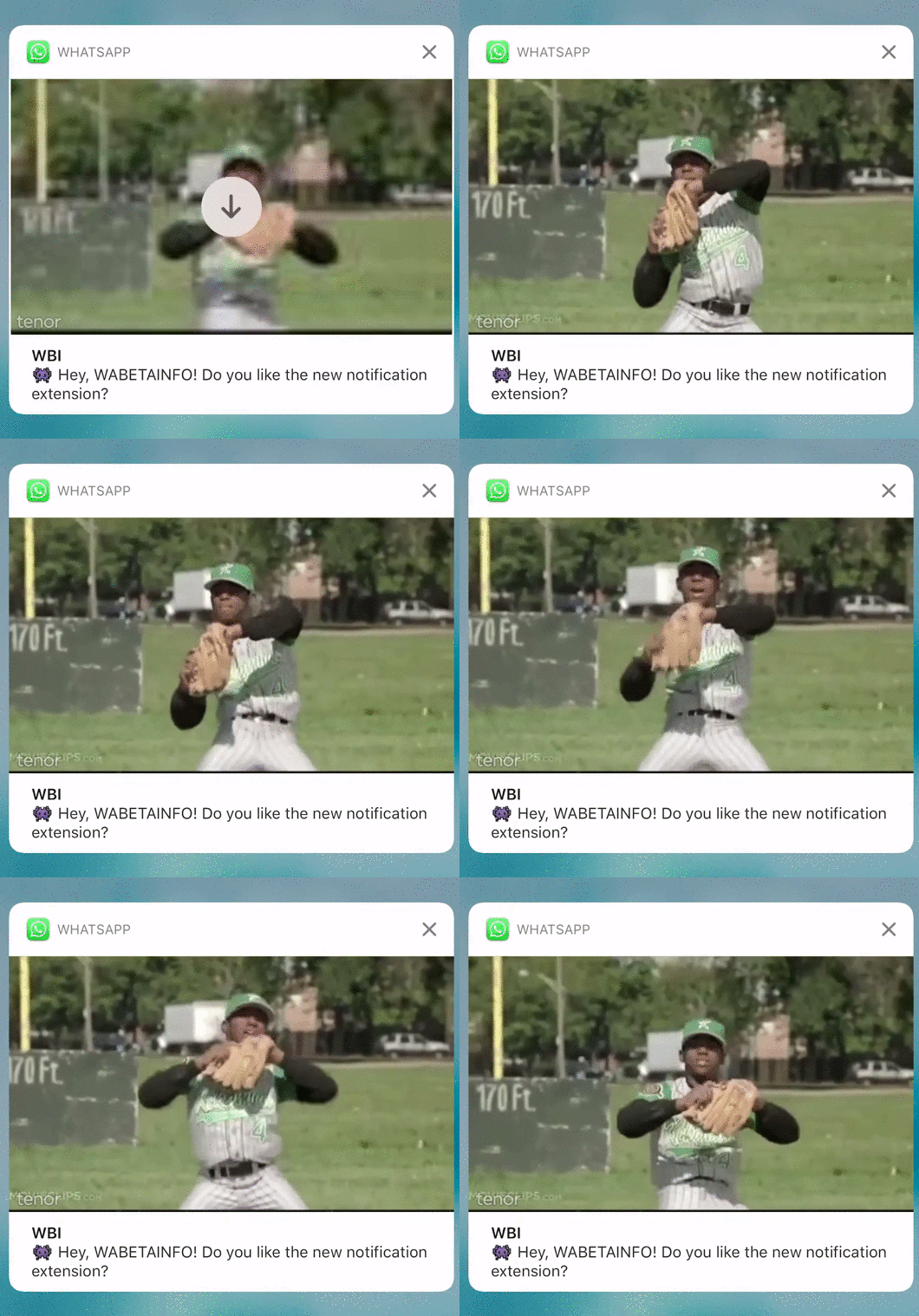
WhatsApp for iPhone today was bumped to version 2.18.80 on App Store. While no new features were mentioned in the changelog aside from the ability to send messages to groups, the update has apparently laid the groundwork for a new feature that a lot of users have been asking for for years now: full media previews in iOS notifications, including animated GIFs.

In this tutorial, we will show you how to stop Instagram from letting other people know when you're online, or when you were last active on the platform.
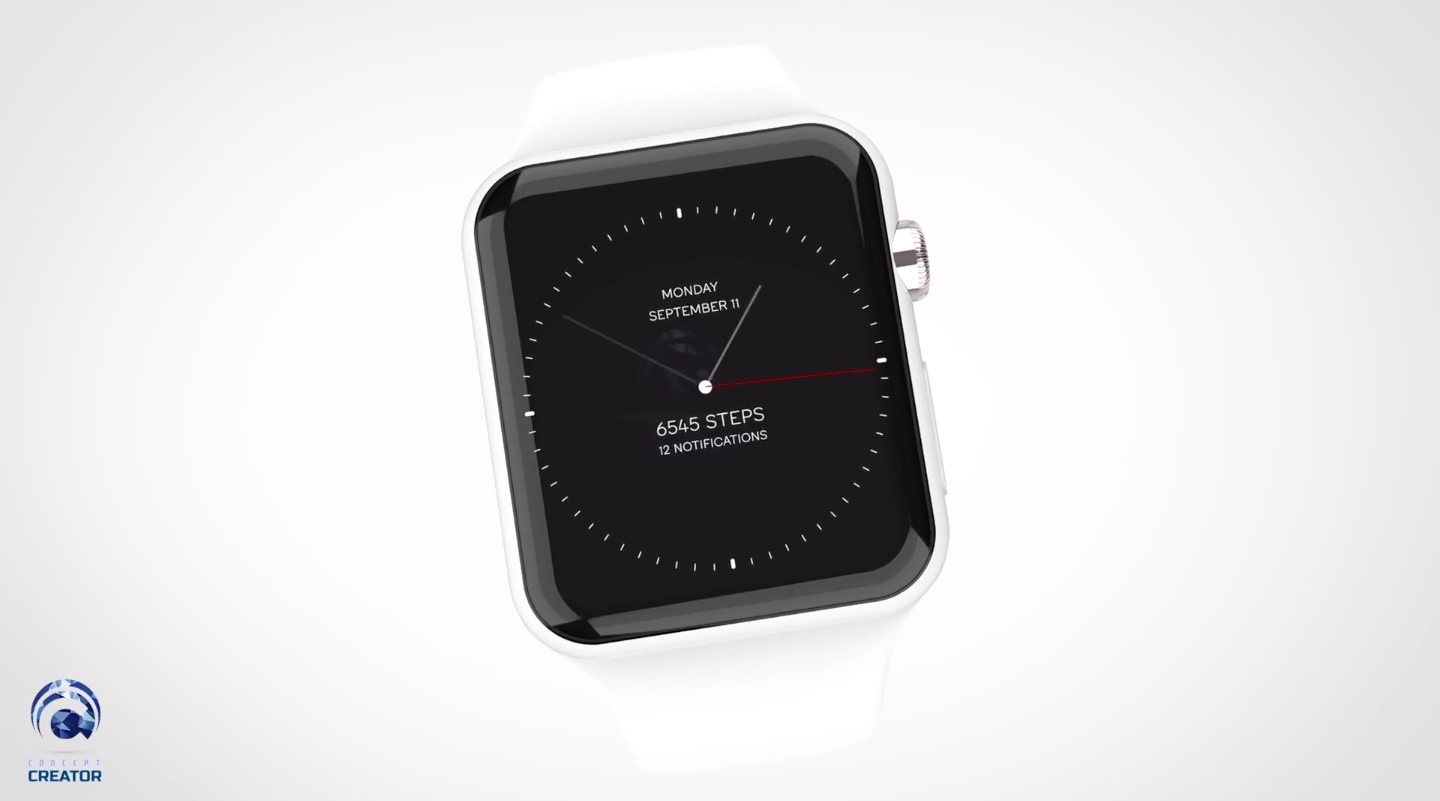
All Apple Watch models to date are offered in two distinct display sizes, 38mm and 42mm, but screen size could receive a slight adjustment with an upcoming release of a fourth-generation model that the rumor-mill has predicted will feature a bigger screen.
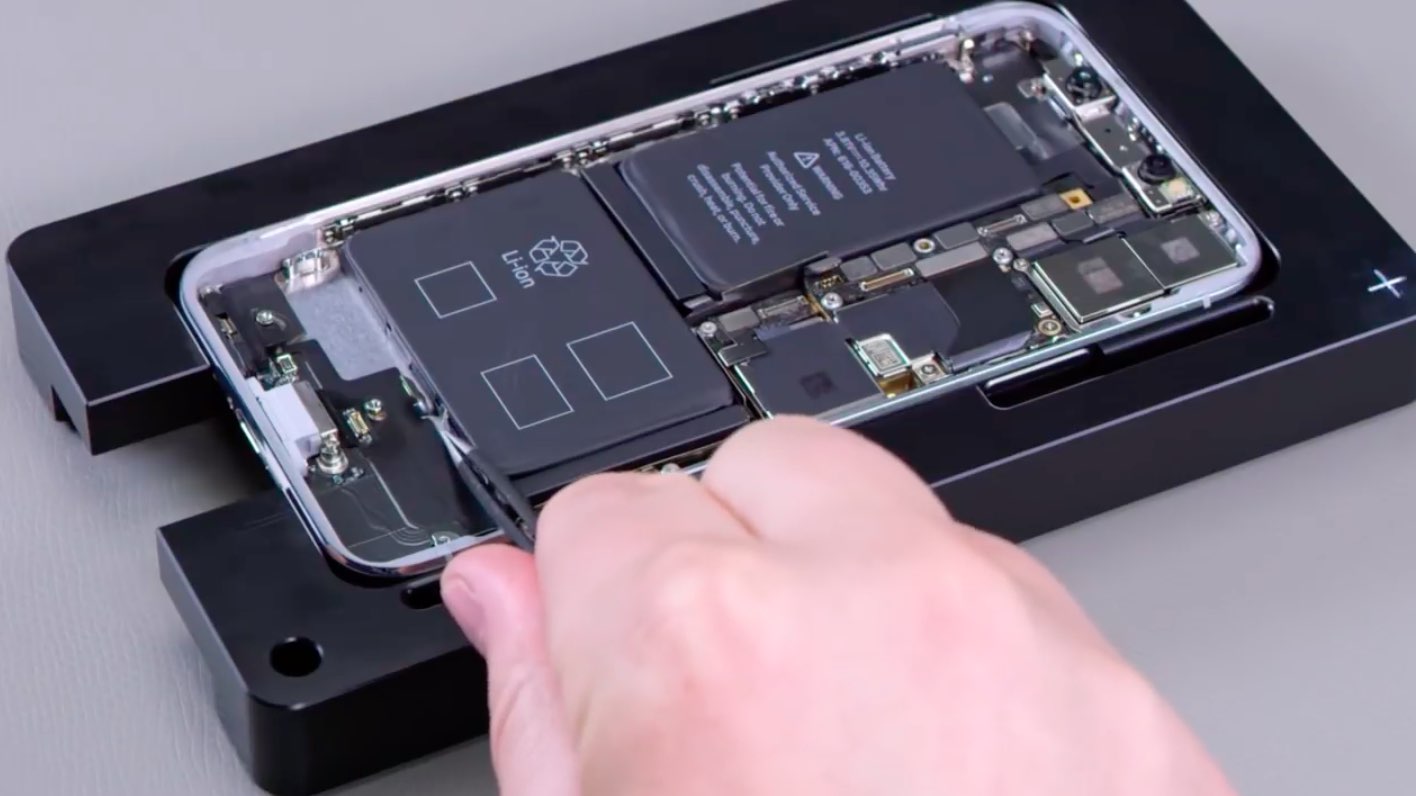
Motherboard reported Monday that Reddit user “turnby” recently uploaded as many as 11 internal videos to YouTube, set to private to avoid irritating Apple but now available publicly.