Apple

Can’t the Feds exploit San Bernardino shooter iPhone’s chips to break into encrypted data?

The world's most powerful government has locked horns with the world's most powerful corporation in a battle that Apple implies has the potential to affect civil rights for a generation. As you know, the Justice Department gave Apple until February 26 to respond to its court order.

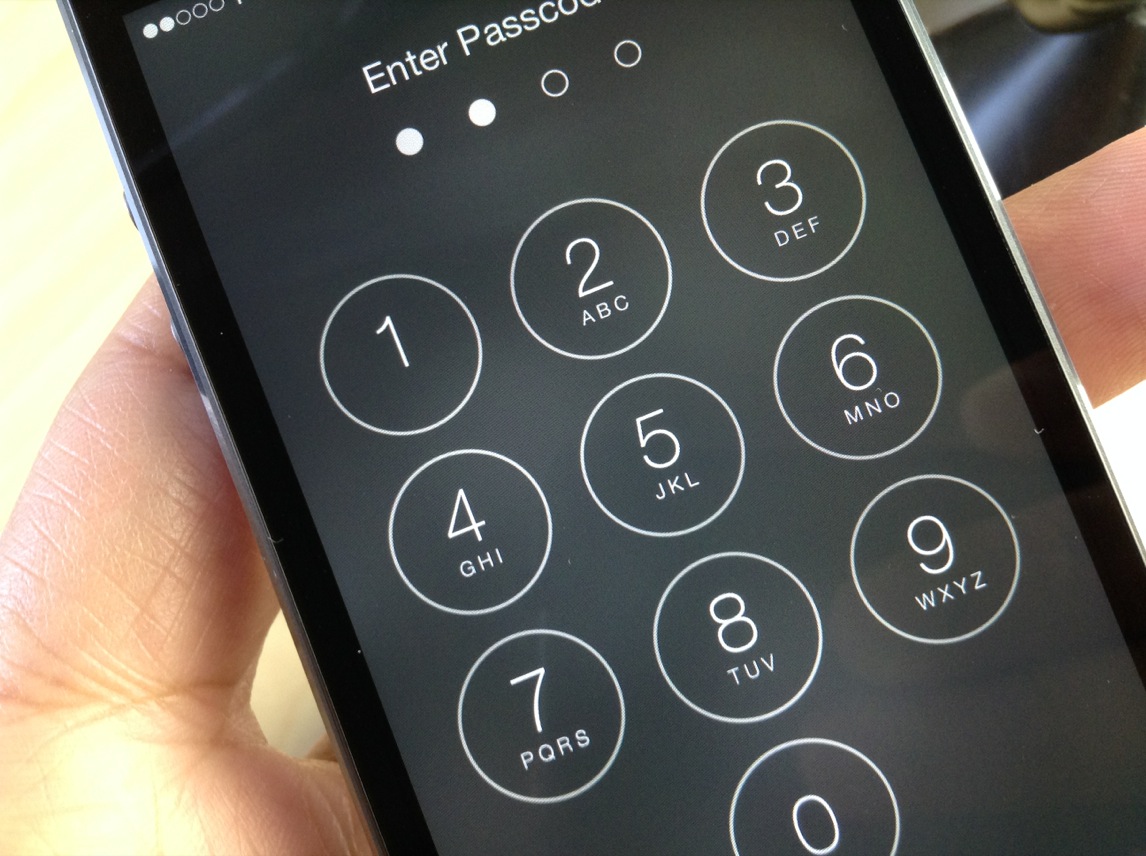
In it, the government is asking Apple's engineers to create a special version of iOS that would allow brute-force passcode attacks on the shooter's phone electronically.

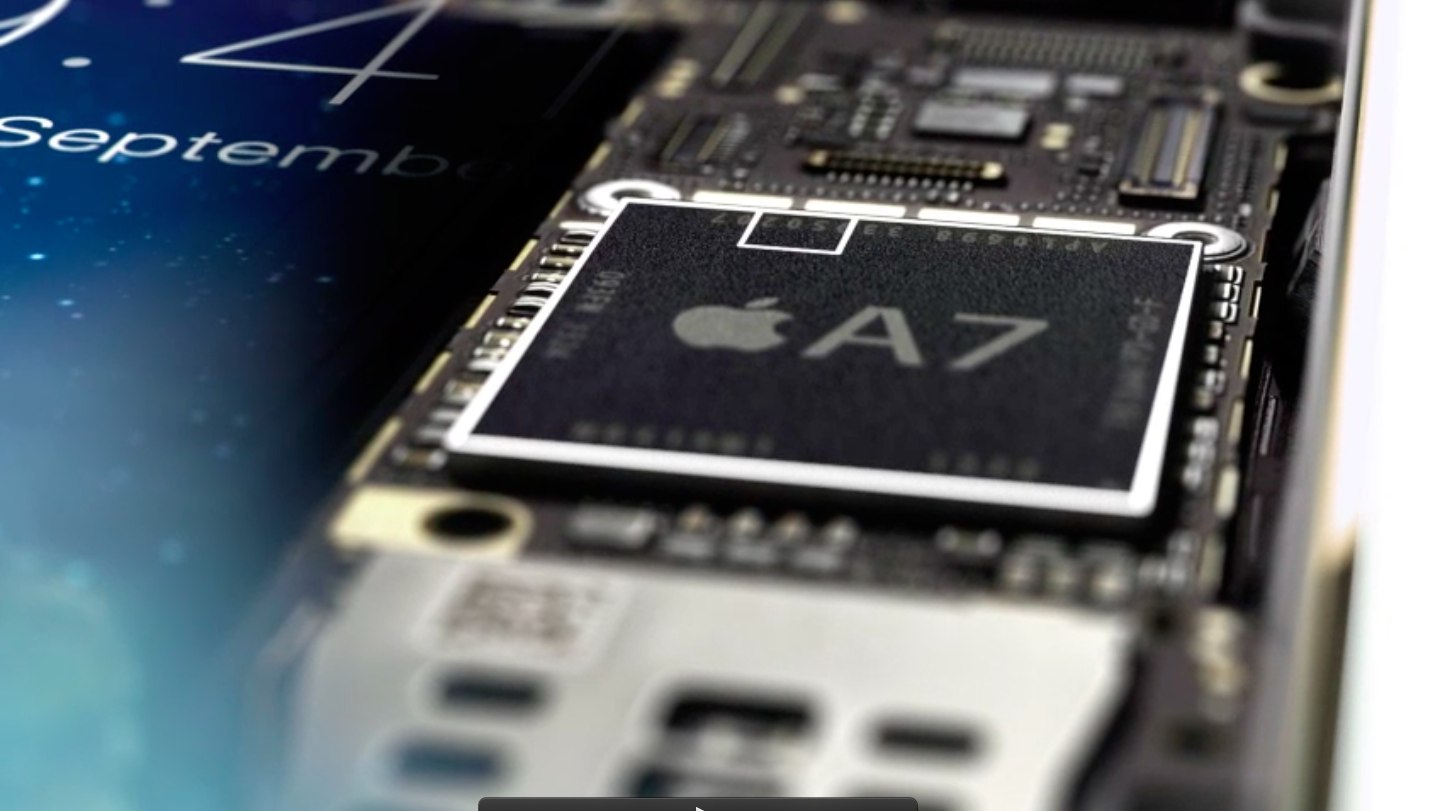
Now, some people have suggested that the government's experts could make an exact copy of the phone's flash memory to brute-force its way into encrypted data on a powerful computer without needing to guess the passcode on the phone or demand that Apple create a version of iOS that'd remove passcode entry restrictions.

While this is technically feasible, the so-called de-capping method would be painstakingly slow and extremely risky, here's why.
San Bernardino victims side with FBI in iPhone decryption fight

Lawyers representing families of the victims of the San Bernardino shooting massacre plan to file a legal brief in support of the United States Department of Justice's demand that Apple help unlock the shooter's iPhone 5c by creating a one-off version of iOS to permit brute-force attacks electronically, without the phone slowing down the process or erasing its contents after 10 failed attempts.

According to Reuters, Stephen Larson, a former federal judge who is now in private practice and represents families of the victims, was contacted a week ago by the Justice Department and local prosecutors about representing the victims, prior to the dispute becoming public.

Apple posts public Q&A on FBI request

FBI and Apple logos

In addition to an all-hands memo issued to troops Monday about the government's demand that it create what would basically be an 'FBiOS,' a software backdoor to help unlock San Bernardino shooter's iPhone, Apple has also posted a public Q&A on its website this morning, showing a company unwavering in its position that fulfilling the request would constitute a dangerous precedent.

Titled “Answers to your questions about Apple and security,” the webpage details the case and provides some more technical information about the government's request, while also answering some of the burning questions such as whether Apple has unlocked iPhones for law enforcement in the past.

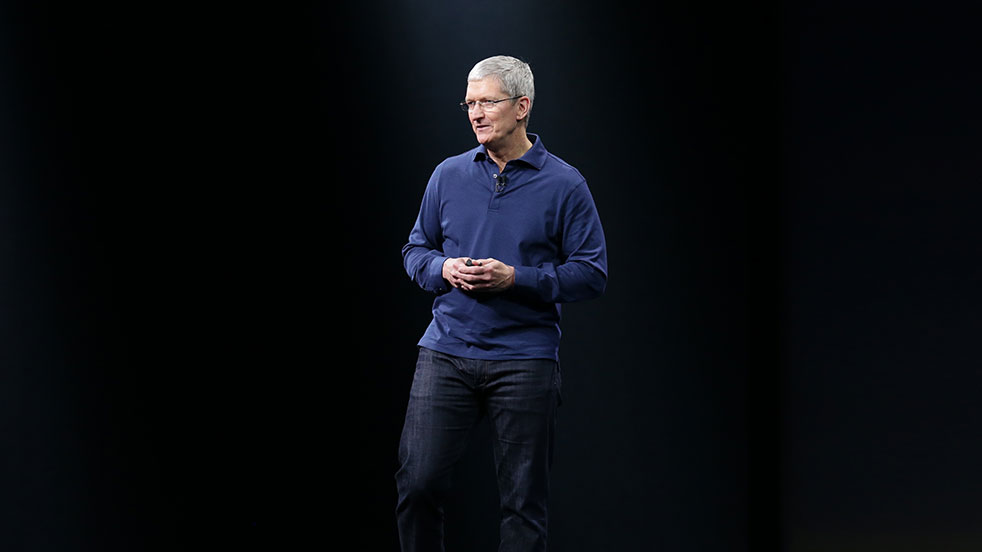
Tim Cook writes memo to employees reiterating Apple’s stance on FBI request

After issuing an open letter to Apple users regarding the FBI's request to create an iPhone backdoor to help hack into the San Bernardino shooter's locked iPhone 5c, CEO Tim Cook on Monday reinforced his company's position in an internal memo to troops.

According to the all-hands memo, a copy of which was obtained by John Paczkowski of Buzz Feed, Apple wants the Justice Department to withdraw a court order that would force it to create a special version of iOS with decreased security measures.

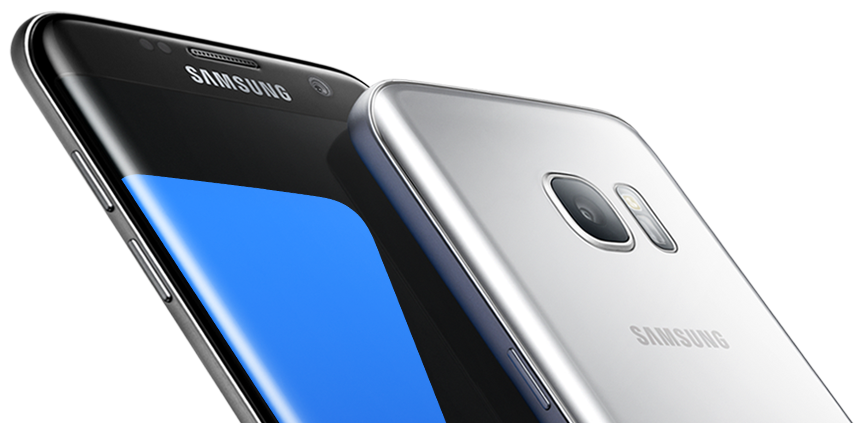
Samsung unveils Galaxy S7/Edge with Always-On Display, bigger batteries, better cameras & more

Sticking to its tradition, Samsung today officially announced its next-generation Galaxy smartphones, the Galaxy S7 and Galaxy S7 Edge. An evolution of last year's Galaxy S6, the new phones retain Samsung's quad HD Super AMOLED display while fixing some of the annoyances of the Galaxy S6.

Notably, this includes IP68 water and dust-proofing and support for microSD cards via a hybrid SIM card tray to boost storage capacity up to 200GB (in some select countries, the tray can be used with a dual SIM card).

The battery is still non user-replaceable, but the cameras have been improved. Yes, the camera hump is still present on the back, albeit much less pronounced than on the S6. The overall look and feel of the new handsets hasn't changed much from the Galaxy S6's seductive metal-and-glass industrial design.

Apple vs the FBI: a recap of this week’s events

FBI and Apple logos

When a federal judge in California ordered Apple to aid the FBI in an investigation earlier this week, she sparked what many believe is the most important privacy debate in recent memory. The FBI wants access to the passcode-locked iPhone of one of the shooters involved in last year's San Bernardino massacre, and it wants Apple to help it break in.

At a high level, this seems pretty simple: the FBI has bad guy's phone; it wants to use it to try and stop other bad guys; it needs Apple's help to do that. But you don't have to zoom in very far to see that it's much more complex. Apple refused to help the FBI, saying that the request "undermines the very freedoms and liberty our government is meant to protect."

That was on Wednesday. Here is everything that has happened since.

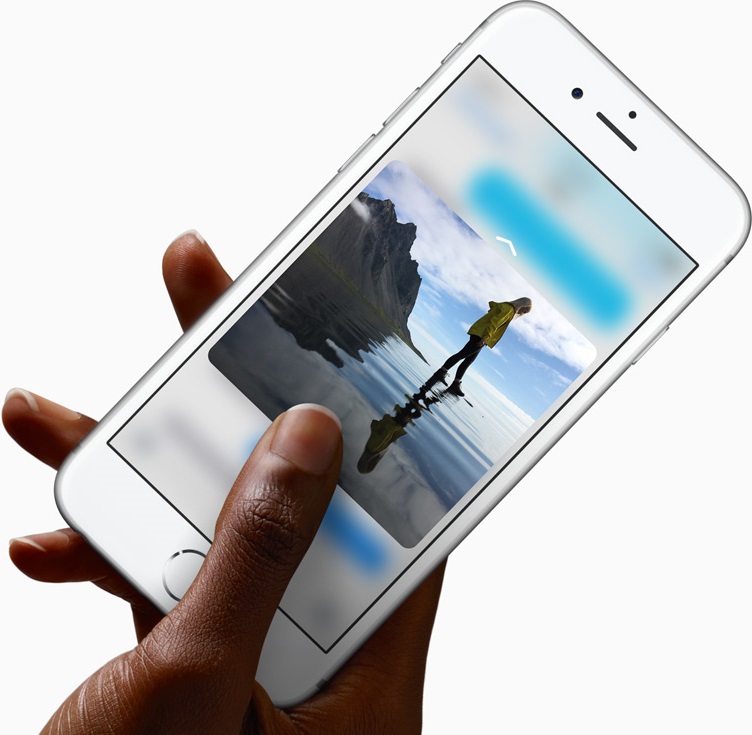
Sort through your photos like that with 3D Touch

We have covered dozens of the best 3D Touch uses in Apple's most important apps, like Messages, Safari, Mail, Camera, Maps and a few others. Today, we explore how 3D Touch on the iPhone elevates your experience in Photos, one of my favorite stock apps.

With 3D Touch, you can animate a Live Photo and make your wallpaper come alive with a deep press, peek at your photos and videos within the stock Photos app, go to your best photos and see what you were snapping up this time last year, right from the Home screen, and much more. 

Liven up your tweets and direct messages on Twitter with animated GIFs

The next time you tweet out an update or message someone on Twitter, try adding a little flair to your tweets or direct messages in the form of animated GIFs.

Earlier in the week, the micro-blogging startup announced it's integrating a dedicated GIF search button in its mobile apps and on twitter.com to help you add that viral kitten GIF to your posts without leaving the compose window.

Twitter's partnered with Giphy and Riffsy to help you find the right GIF animation to express your mood. You can search GIFs by keyword, or browse categories of different reactions like Happy Dance, Mic Drop, YOLO and more.

Facebook rolls out Live Video functionality globally

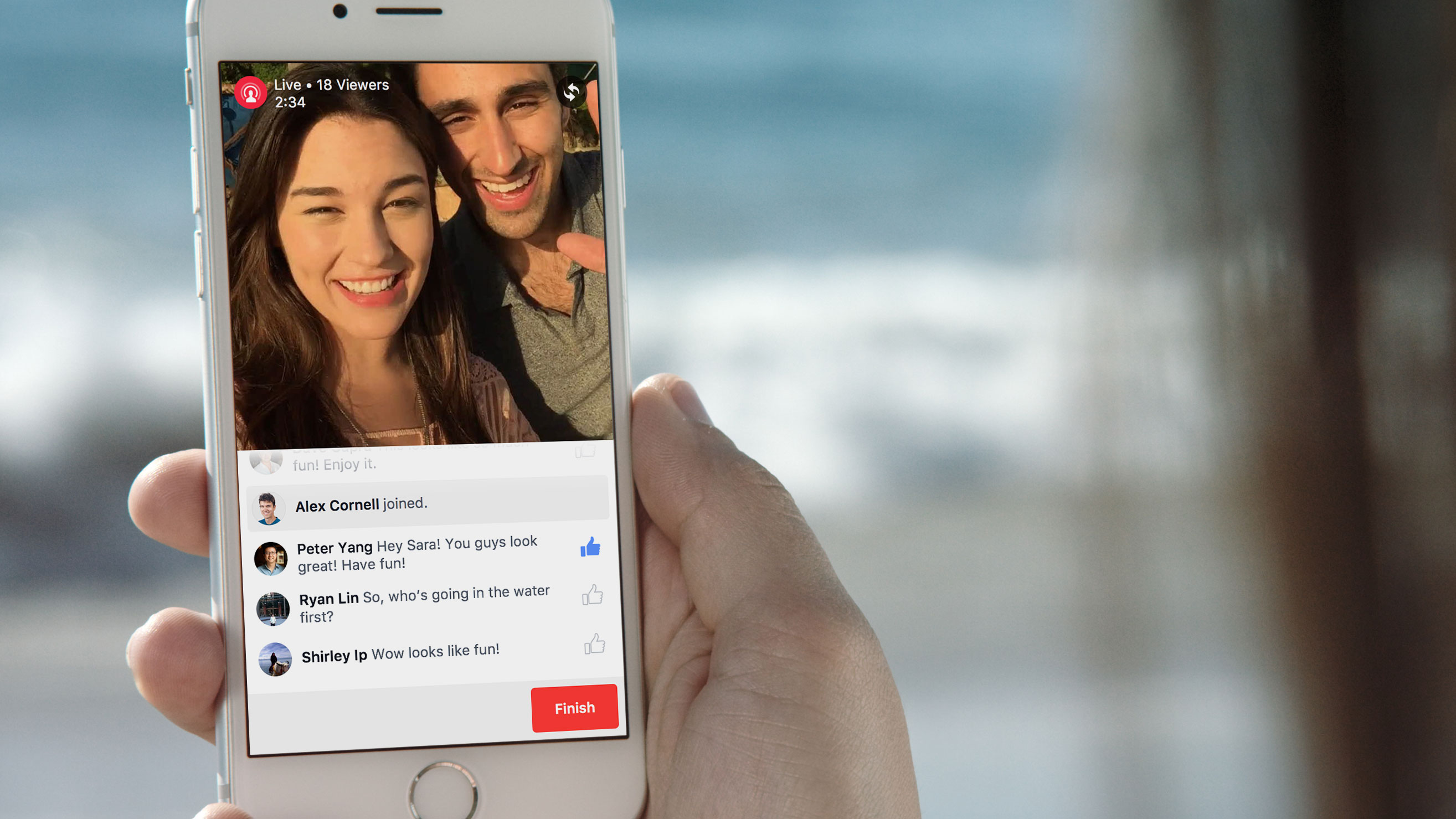
Facebook is making good on its promise to roll out its Periscope-like Live Video feature to user around the world. As noted by Engadget, the social networking firm has now confirmed it's begun rolling out the feature globally. The company started testing Live Video with a small percentage of U.S. celebrities, verified profiles and other users last December.