Security

Apple ‘actively investigating’ alleged iCloud hack that led to celeb photo leak

After nearly 24 hours of silence, Apple has finally commented on the alleged iCloud hack that led to a massive leak yesterday of nude celebrity photos. The Cupertino-based company says that it is aware of the reports and is "actively investigating" the claim.

"We take user privacy very seriously and are actively investigating this report," Apple spokeswoman Natalie Kerris told Recode in a statement. She did not, however, provide any additional details on the attack, or if iCloud was even the source of the photos.

Apple reportedly patches Find My iPhone vulnerability to hack Apple ID accounts

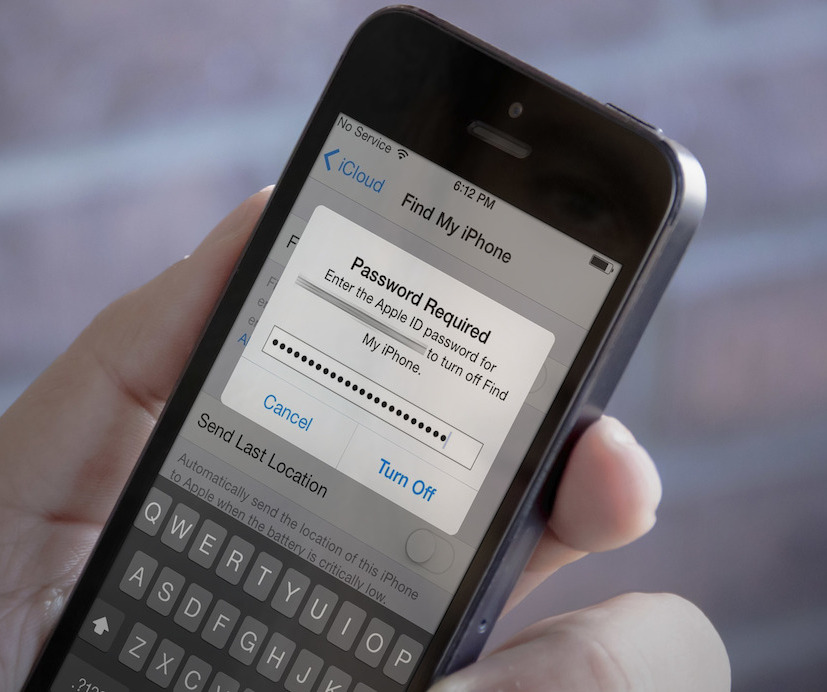
According to The Next Web this morning, Apple has allegedly patched a security hole in the Find My iPhone service which allowed nefarious users to brute-force Apple ID passwords, according to Twitter user @hackappcom who posted a proof of concept titled 'iBrute' to GitHub on Saturday.

This should be good news for celebrities who reported their iCloud accounts being hacked and saw their nude pictures posted online.

As Cody told you yesterday, Academy Award winner Jennifer Lawrence and several other celebrities found themselves in the middle of a major nude photo leak after attackers apparently exploited a vulnerability in Apple’s Find My iPhone service.

Hacker leaks dozens of nude celebrity pics in alleged iCloud hack

Twitter, Reddit and several other social networks are blowing up this evening with talk of a major nude celebrity photo leak. The trove first appeared on 4chan's /b/ thread earlier today, and it includes Academy Award winner Jennifer Lawrence and several others.

The pictures were allegedly retrieved through a vulnerability in Apple's iCloud service, which allowed the celebrities’ phones to be hacked. Thus far, no one has confirmed that iCloud was actually breached, and few details are known about the attack, or the attacker.

How Apple can improve permission handling in iOS

Every so often, it helps to take a step back and examine the way things are being done. This applies to our day-to-day routine, or perhaps our workout regimen. I've also found that it applies to software.

iOS is no exception to this. Here is a software product that has been through vast changes since its creation. A good majority of the changes have been for the better, and iOS 8, which is mere weeks away, promises to bring more awesome goodies to the table.

But, from time to time, it pays to look at the way things are being done. We have to ask ourselves, "Is this truly the best way?"

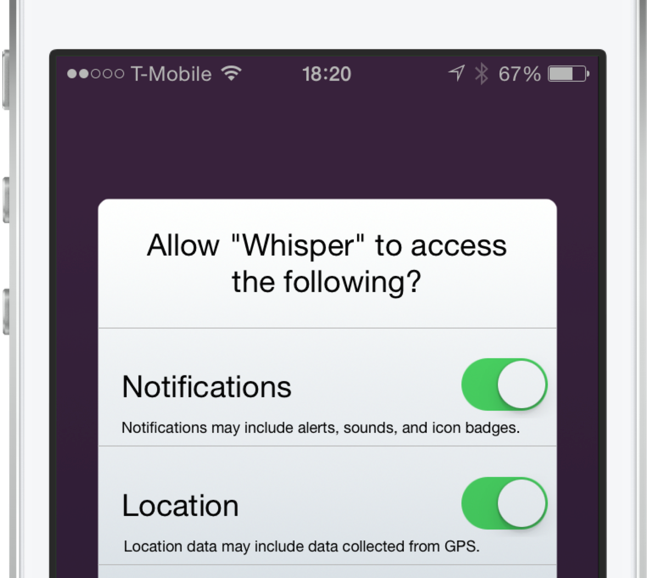
I feel that we've reached that fork in the road when it comes to the way iOS handles permission requests for apps. As more features are added to our devices, more permissions are required for apps that wish to use these features. It's gotten to the point that some apps require you to go through a whole checklist of permissions before you can even begin using the app.

The permission handling in iOS has become a frustrating affair. Not only do the numerous pop-up alerts annoy me, but it irritates me even more when I accidentally decline a permission because of speeding through the app setup process.

As discussed on today's episode of Let's Talk iOS, I'm convinced that there's a better way to handle permissions in iOS. There's a less intrusive, less frustrating way to handle requests for access to the various features on your device. Check out our video inside for an explanation of the problem, and a demonstration of the solution.

New service offers permanent Activation Lock bypass

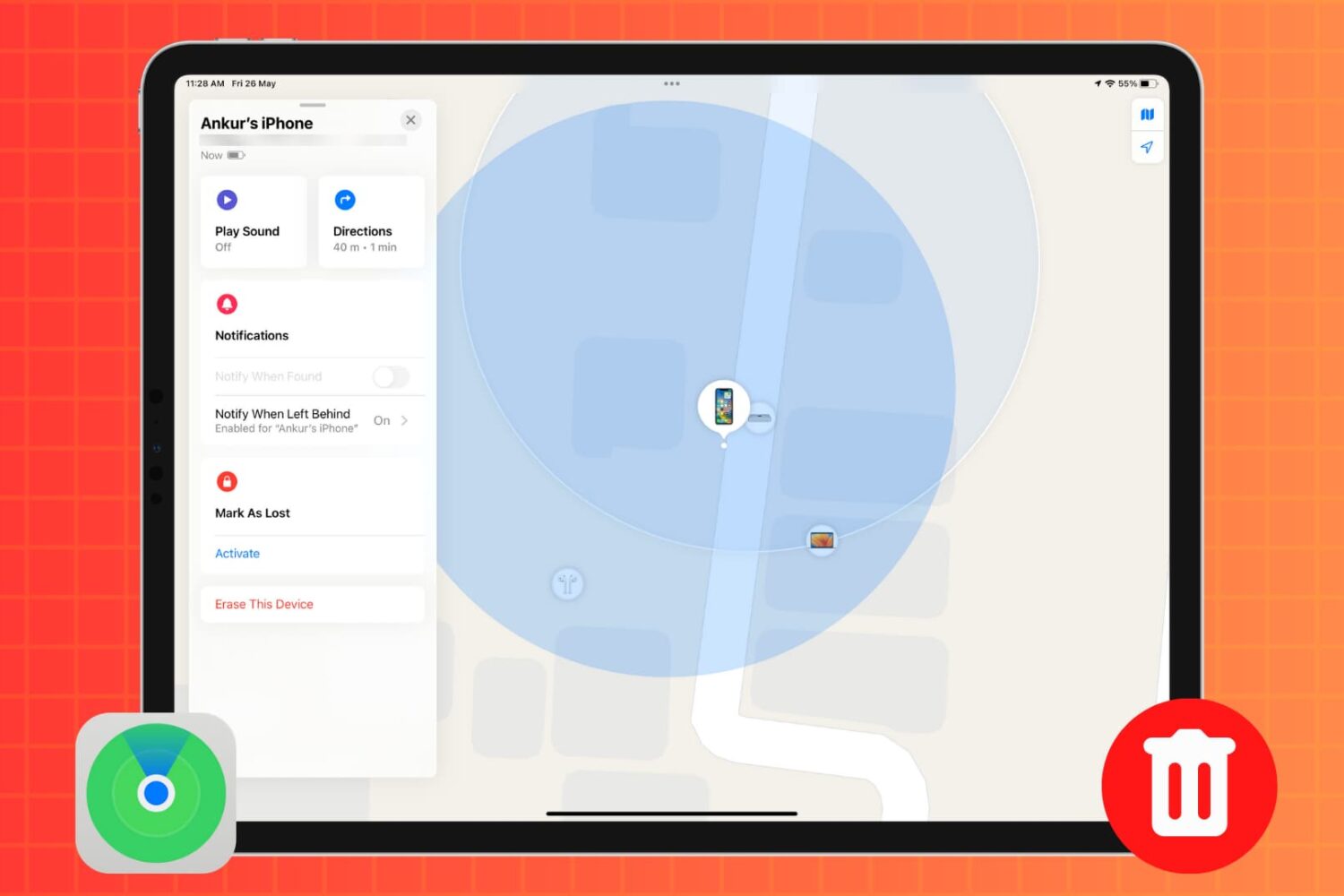
Chronic Unlocks has recently started offering a new service which claims to bypass Activation Lock on iOS devices that have been locked. Although the method used to get around the security measure has yet to be detailed, the service can be helpful for people who bought an iOS device that is still tied to its previous owner's Apple ID. But don't expect the company to help you bypass Activation Lock on a stolen device!

How to stop iMessage spam

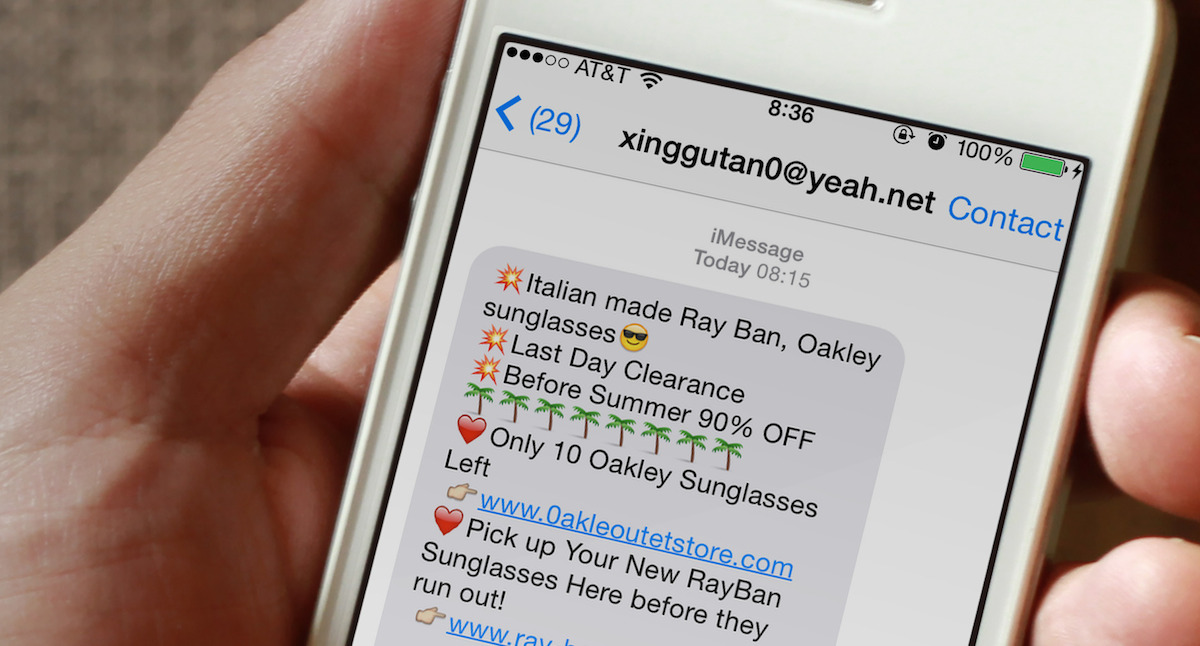
Are you getting spam iMessages from unknown people or scammers with international numbers and weird email addresses? In this post, we will go over four simple ways to protect yourself and stop iMessage spam for a hassle-free messaging experience on your iPhone.

AdThief malware found infecting 75,000 jailbroken devices

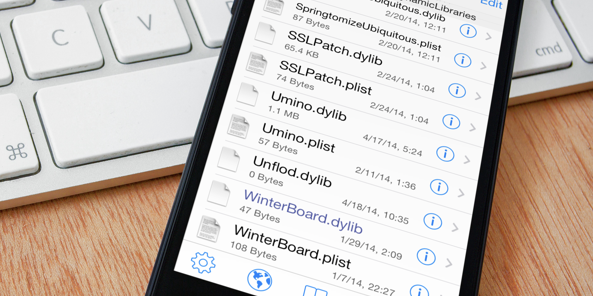
Security researcher Axelle Apvrille recently published a paper about AdThief, a malware aimed at hijacking ad revenue from a reportedly 75,000 infected devices. First discovered in March 2014, and also known as "spad," the malware, which comes disguised as a Cydia Substrate extension, was found to replace the publisher ID of publishers with the one of the malware creator, effectively attributing all ad revenue to him.

Safari 7.0.6/6.1.6 with Mavericks/Mountain Lion security fixes now available

Late yesterday, Apple released Safari 7.0.6 for OS X Mavericks and Safari 6.1.6 for OS X Mountain Lion.

The releases contain improvements to security related to Apple's desktop browser and are both recommended for all OS X Mavericks and OS X Mountain Lion users.

These updates follow the release of a new version of OS X Mavericks 10.9.5 (build 13F14) that Apple released to developers yesterday...

Russia asks Apple for source code to alleviate espionage concerns

Russia's Ministry of Communications and Mass Media has suggested that Apple, along with German tech giant SAP, open the source code for its software to ensure that it's not enabling US intelligence agencies to spy on the country.

The request comes just a week after a security researcher accused Apple of building surveillance backdoors into iOS, and as the United States and Europe expand their sanctions on Moscow over Russia's involvement in Ukraine affairs...

Apple outlines diagnostic capabilities in response to iOS ‘backdoor’ concerns

Forensic expert, and former jailbreak hacker, Jonathan Zdziarski caused quite a stir earlier this week when he published a report accusing Apple of building backdoors into iOS that could be used for government surveillance.

Apple of course came out and denied the claim, saying that these so-called 'backdoor services' are actually used for troubleshooting. But this wasn't a good enough explanation for a lot of users, so tonight it delved a little deeper...

Former jailbreak hacker accuses Apple of building surveillance backdoors into iOS

Former iPhone jailbreak hacker Jonathan Zdziarski recently gave a presentation at the HOPE/X conference regarding iOS device security. He said that the platform is reasonably secure from attacks by malicious hackers, but noted there are several backdoors built-in for surveillance.

In the presentation, called 'Identifying Backdoors, Attack Points, and Surveillance Mechanisms in iOS Devices,' Zdziarski detailed a number of undocumented high-value forensic services running on iOS devices, and suspicious design omissions in the OS, that appear to be for snooping...