Apple

Apple seeds tvOS 10.2.2 beta 5 to developers

Apple on Thursday seeded the fifth beta of tvOS 10.2.2 to developers. The update comes just a little over two weeks after beta 4, and registered developers with the appropriate profile installed on their fourth-gen Apple TV can apply it via the over-the air mechanism.

From what we've seen in the betas thus far, tvOS 10.2.2 doesn't include many significant user-facing changes. Instead, as with iOS 10.3.3 and macOS Sierra 10.12.6, the update appears to be more focused on under-the-hood performance improvements and bug fixes.

tvOS 10.2.2 is expected to be released to the public within the next few weeks, and it should be one of the final tvOS 10.x.x releases as Apple has already begun seeing betas of tvOS 11, the next major revision of its set-top box operating system.

Samsung delays Bixby’s English rollout over lack of big data

Samsung's personal digital assistant Bixby is currently available in Korean, but its English version won't launch by the end of this month as company executives originally promised.

As The Korea Herald reported Thursday (via The Loop), Bixby's English version has been delayed because Samsung lacks big data needed to train Bixby to speak English fluently.

“Developing Bixby in other languages is taking more time than we expected mainly because of the lack of the accumulation of big data,” said a Samsung spokesperson.

Samsung’s mobile chief, Koh Dong-jin, promised in April that Bixby’s English and Chinese versions would be unveiled in May and in June of this year, respectively.

Even though Samsung launched a beta of Bixby for some US consumers last month, it was met with mixed responses due to what Samsung described as “unsatisfactory results in terms of responding to requests and questions”.

Difficult communication between the engineers located at Samsung Research America in California and the headquarters in Korea is also blamed for Bixby's English delay.

According to a source cited in the report:

Many engineers in the United States are making full efforts to develop the English version of Bixby. But, due to geographical and language barriers their frequent reports to and communication with the management located in Korea makes the progress much slower than developing the Korean version here.

This can't be good news for Samsung, which debuted its latest Galaxy S8 lineup in March with Bixby as one of its headlining features. The new handsets feature a dedicated button on the side for quickly summoning Bixby. The South Korean company even issued a software update to stop third-party apps from changing the button's function.

Although Samsung last year snapped up Viv Labs, the developer behind Apple’s Siri, their AI technology won't be used in Bixby before the personal assistant becomes more complete.

The Wall Street Journal reported two days ago that Samsung is building a Bixby-powered smart speaker, joining a proliferating arms race in tabletop devices against the likes of Amazon, Google, Apple and Microsoft.

Xiaomi acquires swathe of patents from Nokia

Chinese consumer electronics and smartphone maker Xiaomi has acquired a swathe of patents from Nokia. According to an announcement yesterday, the multi-year patent agreement includes a cross license to each company's cellular standard essential patents.

Xiaomi also acquired patent assets from Nokia for an undisclosed sum as part of the transaction. Since its inception seven years ago, the Chinese firm has applied for over 16,000 patents, of which about 4,000 have been granted to them.

“Our win-win patent agreement with Nokia after months of negotiations is a significant milestone for Xiaomi,” Wang Xian, Xiaomi's Senior Vice President, wrote on Twitter.

The two firms will also co-operate on a wide range of strategic projects, including network infrastructure, optical transport solutions for datacenter interconnect, IP routing based on Nokia's newly announced FP4 network processor and a data center fabric solution.

The companies will join forces to “explore” VR and AI technologies, too.

The latest move gives the Chinese startup access to some cool Nokia technologies while providing legal shelter from possible lawsuits as Xiaomi looks to expand internationally.

The company's smartphone shipments declined 15.6 percent to 61 million units in 2016, down from a peak of 70 million units in 2015. Xiaomi has pledged to build a thousand retail stores in China by 2019 to ramp up sales.

In May, Nokia signed a similar deal with Apple following licensing disputes in the US and Europe which eventually led to the removal of Nokia's Withings-branded products from Apple Stores. Putting an end to all litigation, the Apple-Nokia multi-year patent license also entails providing “certain network infrastructure products and services" to Apple.

Analyst says Tesla Model 3 launch could be as big as 2007 iPhone introduction

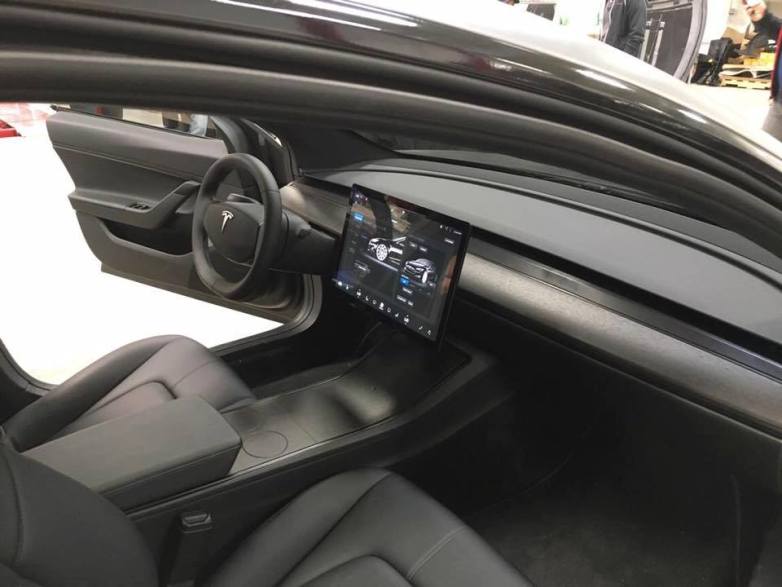
Gene Munster, a longtime Apple analyst who had been calling for an HD TV set from Apple for years before eventually giving up on that pipe dream, said today that the upcoming release of Tesla's Model 3 sedan would be as big a launch as the 2007 introduction of the original iPhone.

In a blog post on the Loup Ventures website, Munster writes that the combination of the Model 3’s value and technology has the potential to change the world and accelerate the adoption of electric and autonomous vehicles in the next decade.

“We believe we will eventually look back at the launch of the Model 3 and compare it to the iPhone, which proved to be the catalyst for the shift to mobile computing,” he wrote.

The launch of the vehicle is viewed as Tesla's make or break moment because Model 3 is the company's first truly mass-market electric car priced at the sweet spot of $35,000 before federal and state tax incentives.

According to Elon Musk, Tesla is poised to ship about thirty units of the Model 3 sedans on July 28 and ramp up production to 20,000 Model 3 units per month by December of this year.

Chart via Bloomberg

Imagining that Tesla could produce an estimated 2.5 million cars by 2025 may seem hard to believe given it only delivered about 100,000 cars in the past year. But as Munster says, car hardware does not scale as easy as software, but it can scale.

“Looking back at the iPhone in 2007 it was a stretch to envision the company producing 50 million phones a year, but in 2015, the company sold 232 million units,” he wrote. Owning a Model 3 is only thirteen percent more expensive than owning a Toyota Camry over a five-year period, estimated the analyst.

It's important to note that this figure assumes no state or federal tax credits for electric vehicles as the analyst expect those incentives to end before December 2020.

Loup Ventures is a VC fund focused on augmented reality, artificial intelligence and robotics which Munster founded following his exit from investment firm Piper Jaffray in December of last year, putting an end to Munster's 21-year career as Piper's senior Apple analyst.

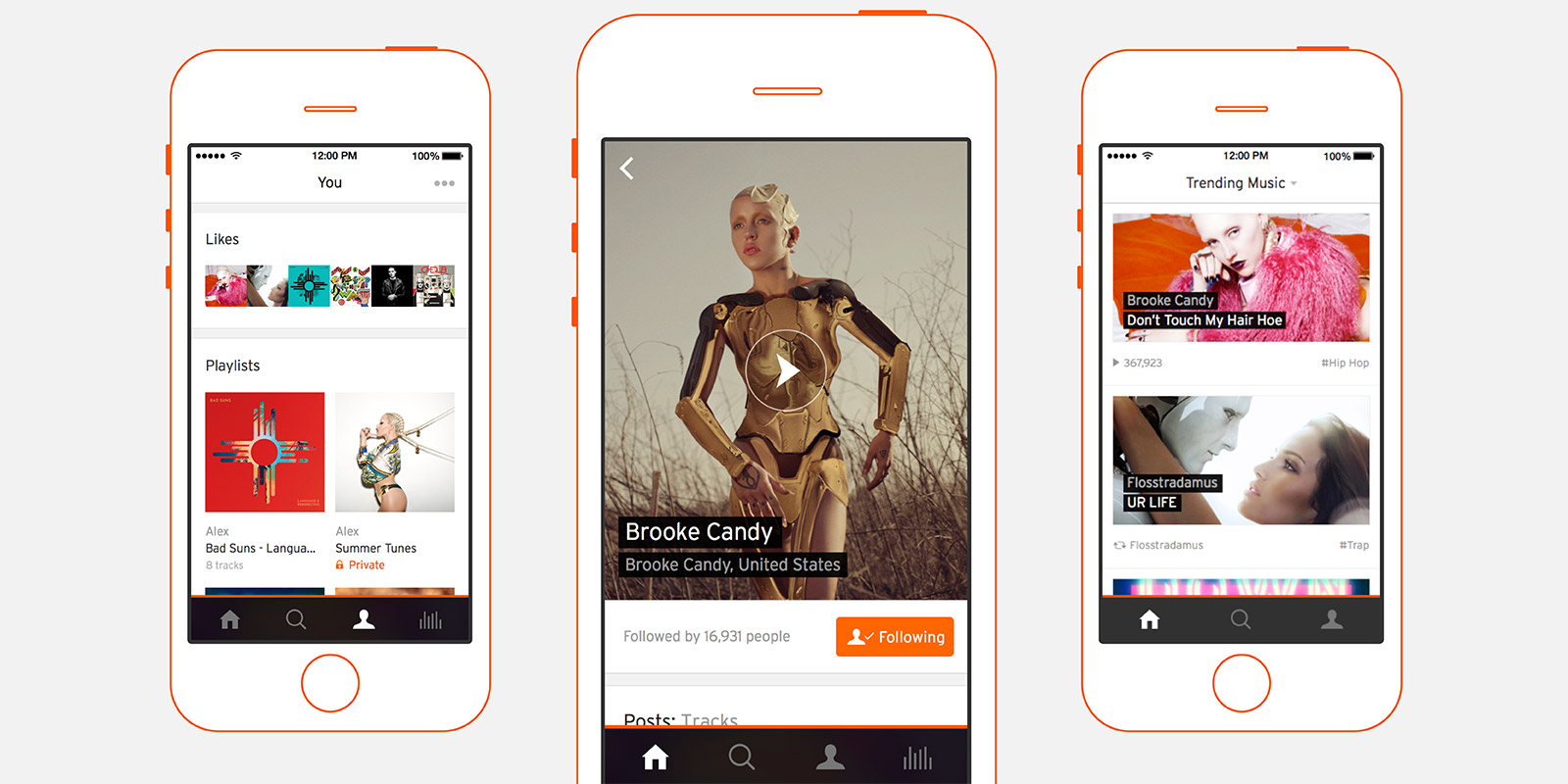
SoundCloud to cut staff amid rivalry with Apple Music and Spotify

Music platform SoundCloud said today it would cut about forty percent of its workforce, or 173 staffers, a move that highlighted the German company's inability to create a stable business model on top of its large audience of 175 million listeners.

In January, SoundCloud said it was at risk of running out of money while a subscription tier launched last year hasn’t been as successful as the company's executives hoped.

Offices in San Francisco and London will be shut as SoundCloud will consolidate operations at its headquarters in Berlin and another office in New York. The cost-cutting move should put it on a path to profitability and allow it to better compete against larger rivals Apple and Spotify.

“We need to ensure our path to long-term, independent success,” said SoundCloud co-founder and CEO Alex Ljung. “And in order to do this, it requires cost cutting, continued growth of our existing advertising and subscription revenue streams and a relentless focus on our unique competitive advantage—artists and creators.”

He said SoundCloud has doubled its revenue over the past 12 months.

SoundCloud is the popular destination for sharing independent recordings, mixes, podcasts and other user-generated audio content. Even established stars post material to the site before it’s released elsewhere while record labels use it to scout new talent.

SoundCloud is available in 190+ countries and has an excellent iPhone and iPad app. A recent report in the New York Post alleged that Apple was among those looking to acquire the firm.

Apple said at the Worldwide Developers Conference on June 5 that its music-streaming service had 27 million paying customers. Spotify announced around the same time that it had a total of 140 million users, of which 50 million were paid subscribers.

You can now reply to Instagram Stories with photos and videos

Instagram today announced that users of its popular photo-sharing service can now reply to Stories from people they follow with photos and videos. “From selfies to Boomerangs, now you can be even more fun and playful when you respond to friends,” said the company.

The new feature requires Instagram version 10.28 for iOS.

To reply to a Story with a photo or a video, hit the new camera button that appears while you're watching a Story. If you don't see the icon, the feature has not launched yet in your country.

Like with regular posts, you can pretty up your reply using Instagram's creative tools, allowing you to use face filters, stickers and the Rewind feature. “Replies also include a sticker of the Story that you can move around and resize,” said Instagram.

You'll get a message via Direct when someone replies to your Story with a photo or a video.

You can tap the message to view the reply and also see a sticker of the original story that’s only visible to you. As with disappearing media in Direct, your friends will know when you’ve taken a screenshot (Android only) or replayed a reply.

To learn more about these new features, be sure to check out Instagram's Help Center.

Instagram for iPhone and iPad is available free from App Store.

Industry-wide shortage of DRAM chips may impact production of 2017 iPhones

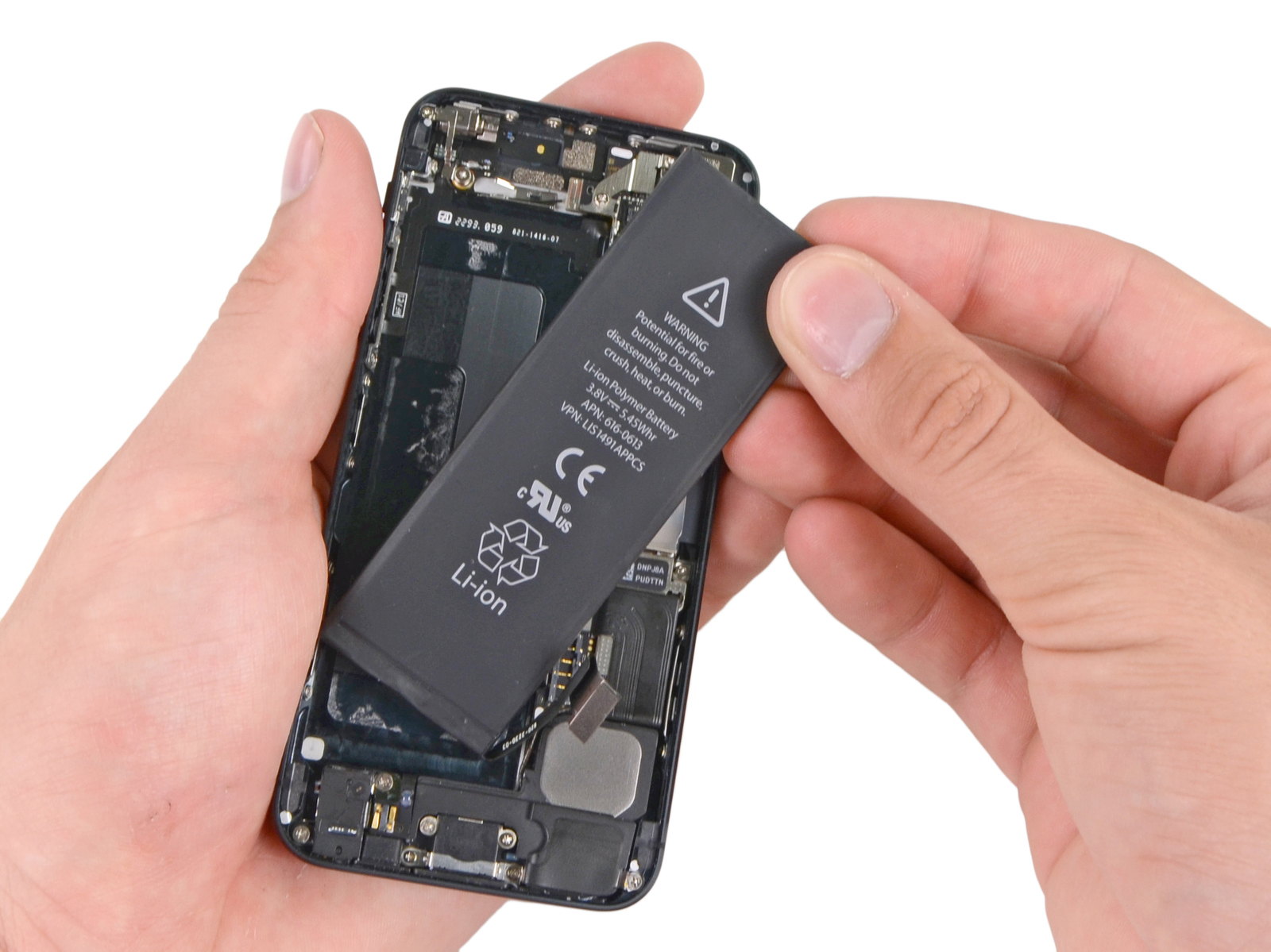
A major malfunction at one of its manufacturing facilities in Taiwan has caused DRAM chip provider Micron Technology to scrap half of the wafers produced at the plant, trade publication DigiTimes said Thursday. About 60,000 units of twelve-inch wafers have been scrapped.

The problems with nitrogen gas have caused production lines at the fab to stop temporarily, said a report from Taiwan's TechNews, without citing its source.

Research firm TrendForce said that a nitrogen gas dispensing system malfunction had led to the contamination of wafers and equipment in Micron's plant near central Taiwan.

The facility in question is known to have produced LPDDR4 RAM for iPhone devices in the past.

”The temporary shutdown of Fab-2 could have an impact on shipments of the upcoming new iPhone devices as well,” added the research firm.

TrendForce analysts base their reports on channel checks in the supply chain.

“Regarding recent rumors about Micron's fabrication facility in Taoyuan, Taiwan, Micron hereby clarifies that there was no nitrogen leaking incident nor evacuating of personnel,” Micron said in a statement to Reuters.

“There was indeed a minor facility event but operations are recovering speedily without material impact to the business.”

According to DRAMeXchange in June, the average selling price of these chips will rise five percent sequentially in the third quarter of this year as supply remains tight. The rise in DRAM prices could also be seasonal due to the expected ramp up in iPhone production during the summer ahead of new models coming in the fall.

DRAMeXchange is a division of TrendForce.

It's unclear if the incident at the Micron plant will impact Apple's launch volume targets for the OLED-based iPhone 8 and the iterative LCD-based iPhone 7s and iPhone 7s Plus smartphones.

The Cupertino company typically diversifies its suppliers in order to minimize risk.

For what it's worth, Apple has also experienced a shortage of 3D NAND flash chips for 2017 iPhones due to lower-than-expected yield rates for SK Hynix and Toshiba's 3D NAND technologies, forcing the Cupertino giant to turn to Samsung as a supplier.

iPhone 7 X-ray image courtesy of iFixit

Fender and Apple partner on curated guitar playlists for Apple Music

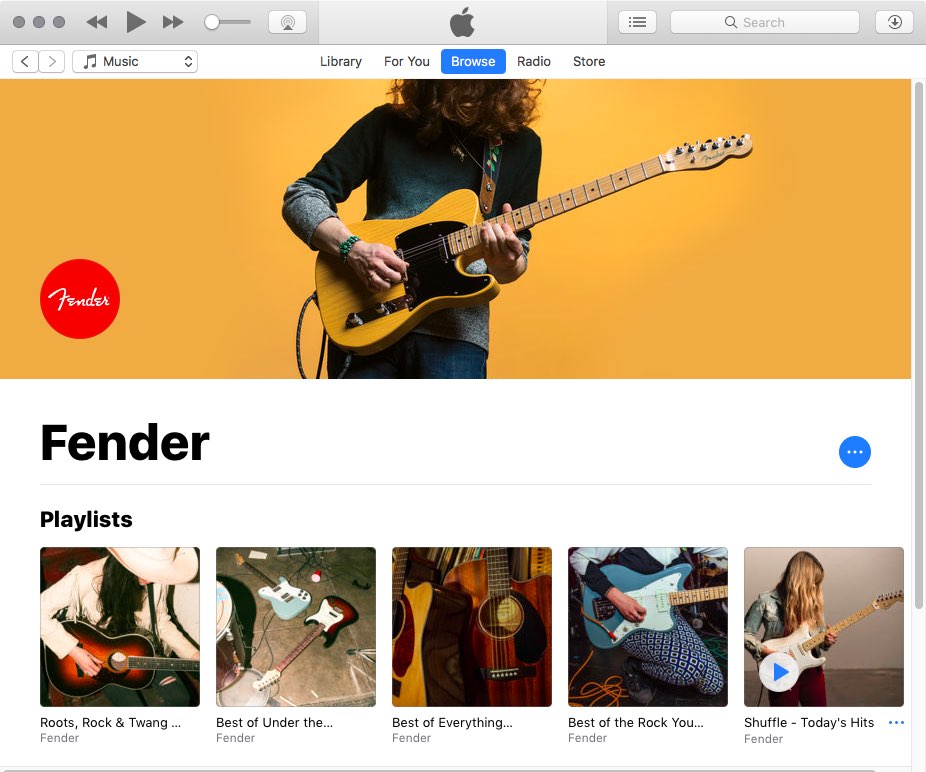
Apple has partnered with American manufacturer of stringed instruments and amplifiers Fender for curated guitar playlists on Apple Music. Fender has now joined the more than sixty curators providing unique playlists to Apple Music members.

As first noted by AppleInsider, Fender's playlists are wide-ranging, spanning music from classic rock icons to emerging artists to experimental guitar works.

Fender CMO Evan Jones said in a press release:

We're pleased to partner with Apple to bring a Fender-curated music experience to long-time Fender fans and those just discovering the brand. These five new playlists honor a diverse range of iconic artists and visionaries, and an emerging generation of artists, who are driving guitar and music forward.

The following playlists from Fender are available on Apple Music:

Roots, Rock & Twang—A Mix: New sounds blending Americana, Country and Rock, featuring Chris Stapleton, Nikki Lane, Jaime Wyatt and more. Shuffle—Today's Hits: Plug in to set the tone for your day with the latest from Years & Years, Cold War Kids, Radiohead and more. Best of the Rock You Need to Know: From Gary Clark Jr. to the Red Hot Chili Peppers to Cold War Kids, press play on this list of rock and bluesy tracks to energize your day. We've got guitar heroes and visionaries that are set to inspire, in addition to plenty of hidden gems from artists that you need on your radar now. Best of Everything Acoustic: Celebrating the accosting guitar, whether it's featured in favorite solo ballads or roaring with the rest of the band. Best of Under the Radar: Become an early listener of some up and coming Fender favorites who are pushing sonic boundaries.

According to Fender, its guitar lessons app for iPhone and iPad as well as the Fender Play web app can teach users to play their first song in minutes, as Engadget reported today.

These apps put the “songs you love, world-class instructors and bite-sized lessons from the most trusted brand in guitars” at your fingertips.

https://www.youtube.com/watch?v=h6ada1kvgEw

As Apple Music recently celebrated its second anniversary, the service is still heavily focused on promoting rap and hip-hop music, with its Beats 1 24/7 global Internet radio station almost exclusively focused on the genre.

However, Apple filed trademark applications for “Beats 2”, “Beats 3”, “Beats 4” and “Beats 5”, indicating the company is likely going to introduce additional Beats radio stations potentially focused on other musical genres.

The Verge said in August 2015 that Apple’s licensing contracts with rights holders include permissions for up to five additional Beats stations.

Shortages of 3D NAND flash chips for 2017 iPhones forcing Apple to turn to Samsung, again

Apple's upcoming iPhone models—the OLED-based iPhone 8 and the iterative LCD-based iPhone 7s and iPhone 7s Plus handsets—have been hit in a global shortage of 3D NAND flash chips, forcing the Cupertino giant to call on Samsung in an effort to secure more.

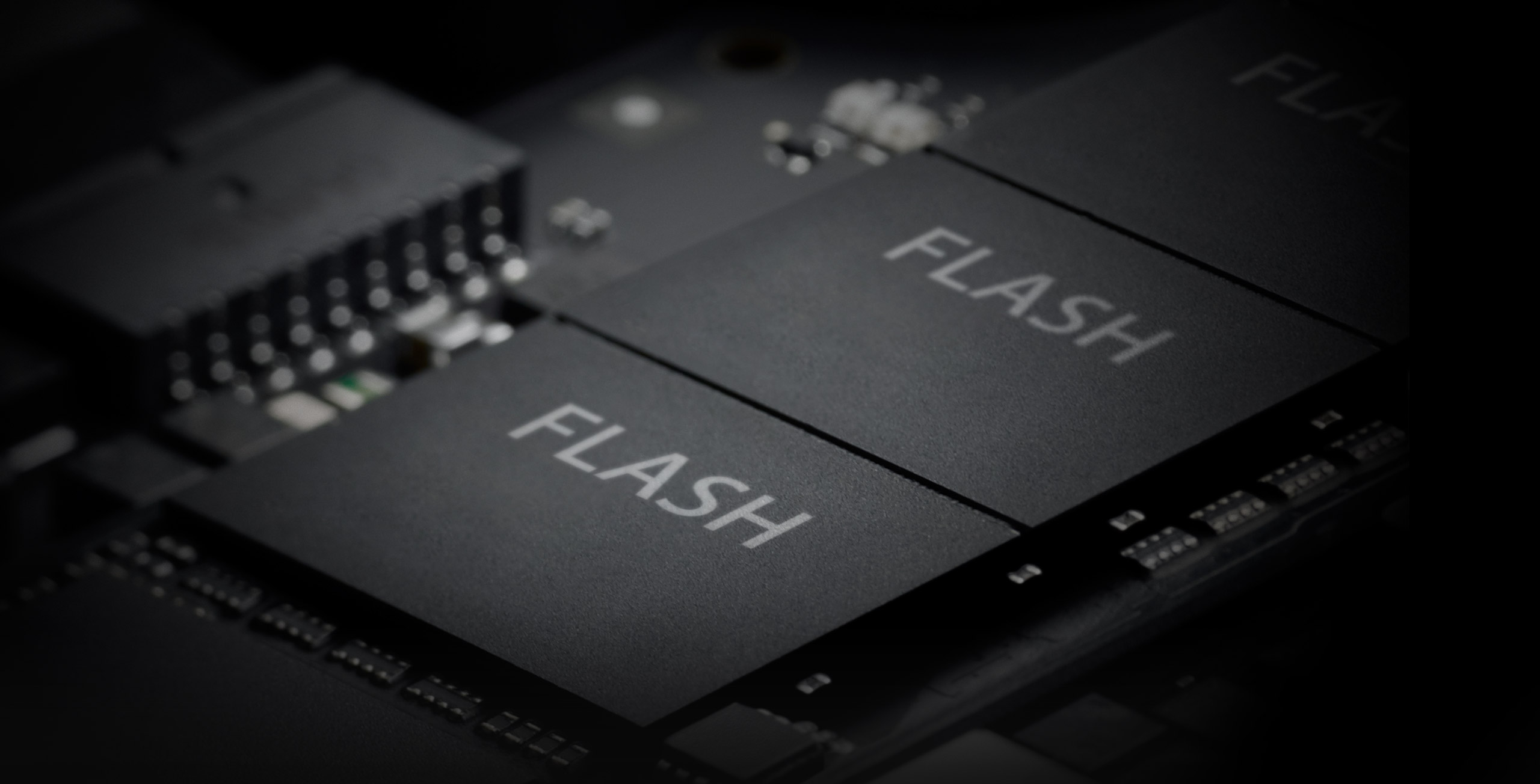
According to a new report Thursday from DigiTimes, the overall supply of 3D NAND flash components for 2017 iPhones has fallen short of Apple's orders by as much as thirty percent.

That's because the company's current flash chip suppliers SK Hynix and Toshiba have both experienced lower-than-expected yield rates for their 3D NAND technologies.

SK Hynix is among the bidders for Toshiba’s lucrative flash chip unit.

Here's an excerpt from the DigiTimes report:

Apple has turned to Samsung for more NAND chip supplies for its upcoming phones, since Samsung has relatively stable yield rates for 3D NAND technology and has scaled up its output of 3D NAND chips.

TrendForce estimated that supplies of the 3D NAND flash storage chip won't ease until the middle of 2018. “The NAND Flash industry’s manufacturers will continue to devote their attention to the development of 3D 64L NAND Flash technology in 2017,” said TrendForce.

In the second half of 2018, some suppliers will also begin to shift their attention towards the industry’s newer and more advanced 96L flash storage products. Samsung, Toshiba and Micron Technology are currently transitioning to 64-layer 3D NAND flash products, while SK Hynix plans to jump straight to supplying 72-layer 3D chips.

“These gradual changes are all expected to have a potentially beneficial effect on the productions of NAND Flash in 2018,” added TrendForce. “As a result, their prices could start to fall as early as next year”. However, the global supply of NAND flash chips is set to remain tight through the end of 2017.

Business Korea said that Samsung Electronics (which leads the global NAND flash market), Toshiba, Western Digital and SK Hynix are accelerating the development of these three-dimensional NAND flash chip technologies, which basically stack more memory cells than 2D chips while utilizing existing mass production facilities.

The 128GB iPhone 7 model, for example, uses Toshiba’s 3D BiCS NAND technology, which stores three bits of data per transistor and stacks 48 NAND layers onto a single die, bringing accelerated read and write performance compared to 2D flash memory chips.

Nikkei: all iPhones released next year will use OLED screens

Apple will use advanced organic light-emitting diode (OLED) panels in all new iPhones launched from the second half of 2018, according to industry sources cited in a report Thursday by Japanese outlet Nikkei.

An industry source added that the Californian company is “tentatively looking” at releasing three new iPhones next year, adding Apple has already started to design the upcoming models.

Apple's plans are contingent upon suppliers' ability to churn out OLED panels in volume.

Because of that, the company could change its plans down the road. Sources in the OLED production equipment industry suggested that vendors may be unable to manufacture enough OLED panels to meet demand should Apple in fact go with OLEDs across 2018 iPhones.

An unnamed Sharp executive was quoted in the story as saying that “it was not likely” Apple will be using OLED screens for all new iPhones next year.

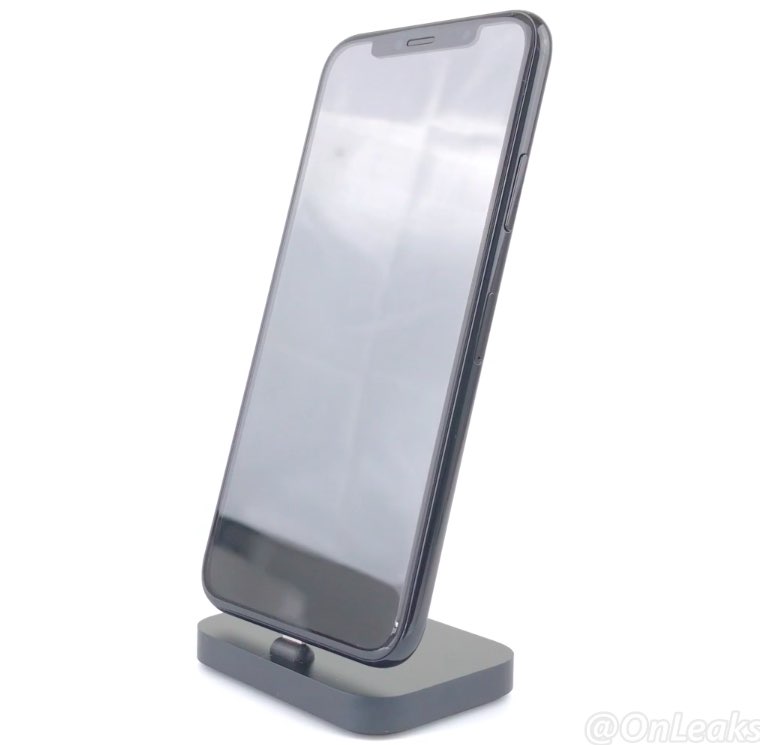
Here's a recent video of a CNC-machined iPhone 8 dummy based on the rumor-mill.

https://www.youtube.com/watch?v=pW1gx086ZxU

This year, as you know, Apple is widely expected to outfit iPhone 8 with an OLED-based screen.

The flagship device is expected to sport the highest screen-to-body ratio, ditch the physical Home button and reduce or completely eliminate the top and bottom chin.

Yuanta Investment Consulting said shipments of 2017 iPhones will reach 90 million handsets, half of which will be OLED models.

As for the iterative iPhone 7s and iPhone 7s Plus updates coming down the pike this year, these devices will continue to sport LCD screens like prior iPhone models.

Nikkei added that the iPhone 7s and iPhone 7s Plus models will be sold into early 2019. In other words, panel vendors will still be able to supply LCDs for older Apple handsets next year and well into 2019.

Apple to report June quarter earnings on August 1

According to an update on the Investor Relations website, Apple is scheduled to report its fiscal 2017 third quarter earnings on August 1. The Cupertino technology giant has scheduled a conference call with Wall Street analysts and investors to discuss the quarterly results for Tuesday, August 1, at 2pm Pacific Time / 5pm Easter Time.

A press release announcing the earnings typically goes out 30 minutes ahead of the earnings call. You'll be able to listen to the conference call live via Apple's website. Apple states that live audio streaming uses its HTTP Live Streaming (HLS) technology.

HLS requires an iPhone, iPad, or iPod touch with Safari on iOS 7.0 or later, a Mac with Safari 6.0.5 or later on OS X 10.8.5 or later or a PC with Microsoft Edge on Windows 10.

We'll be covering the earnings and any interesting tidbits from the conference call.

How to adjust the intensity of bright colors on iPhone and iPad

Since iOS 7.1, Apple's mobile operating system has included a feature that allows you to manually adjust the display's white point to your liking. A white point, also known as reference white or target white, defines the color white in reproduction.

Lowering the white point makes bright colors on your iPhone, iPad or iPod touch's screen more intense. Conversely, increasing the white point reduces the intensity of bright colors, thereby helping extend the run time of your iPhone or iPad.

The ability to manually adjust the white point so that it matches a white surface in your room is particularly handy for owners of devices that lack Apple's True Tone display technology.

How to adjust the intensity of bright colors on iPhone and iPad

1) Launch the Settings app on your device.

2) Tap Accessibility.

3) Tap Display & Text Size underneath the Vision heading.

4) Slide the button labeled Reduce White Point to the ON position.

5) Now drag the slider underneath the button to the right to make bright colors less intense or move it to the left to lower the white point, which will make bright colors more intense.

Reducing the intensity of the screen's battery-hogging backlight by increasing the white point is one of the nearly dozen proven ways to save battery life on iPhone and iPad.

TIP: To get to this feature faster, set it as a triple-click Home button action in Settings → General → Accessibility → Accessibility Shortcut.

Again, don't confuse Reduce White Point with the True Tone feature.

True Tone ≠ Reduce White Point

What exactly is the difference between True Tone and Reduce White Point?

True Tone is Apple's display technology currently found on iPad Pro models which changes the white point of the display on the fly while simultaneously adjusting brightness in order to compensate for the lighting in the environment

The Reduce White Point option does not take advantage of the ambient light sensors in your device like True Tone does. As a result, you cannot tell your device to adjust the white point of its display dynamically to match the current lighting conditions in a room.

Put simply, should lighting conditions change you'll need to repeat these steps to manually recalibrate the intensity of bright colors for the current ambient lighting.

Have you ever wanted to set the screen brightness on your iOS device below the normal threshold? If so, the Low Light filter in your Zoom accessibility settings is your friend.

Need help? Ask iDB!

If you like this how-to, pass it along to your support folks and leave a comment below.

Got stuck? Not sure how to do certain things on your Apple device? Let us know via help@iDownloadBlog.com and a future tutorial might provide a solution.

Submit your how-to suggestions via tips@iDownloadBlog.com.